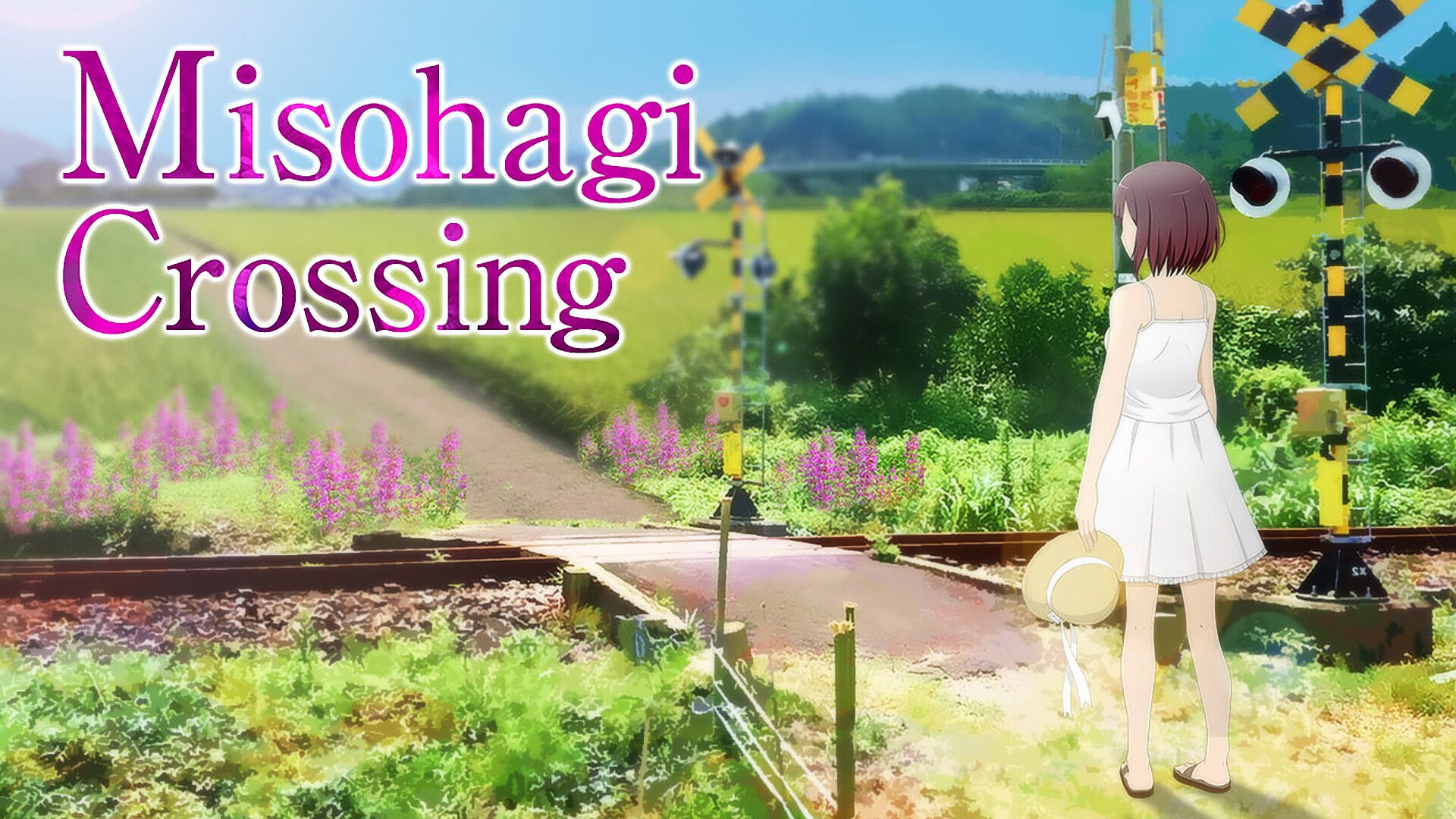

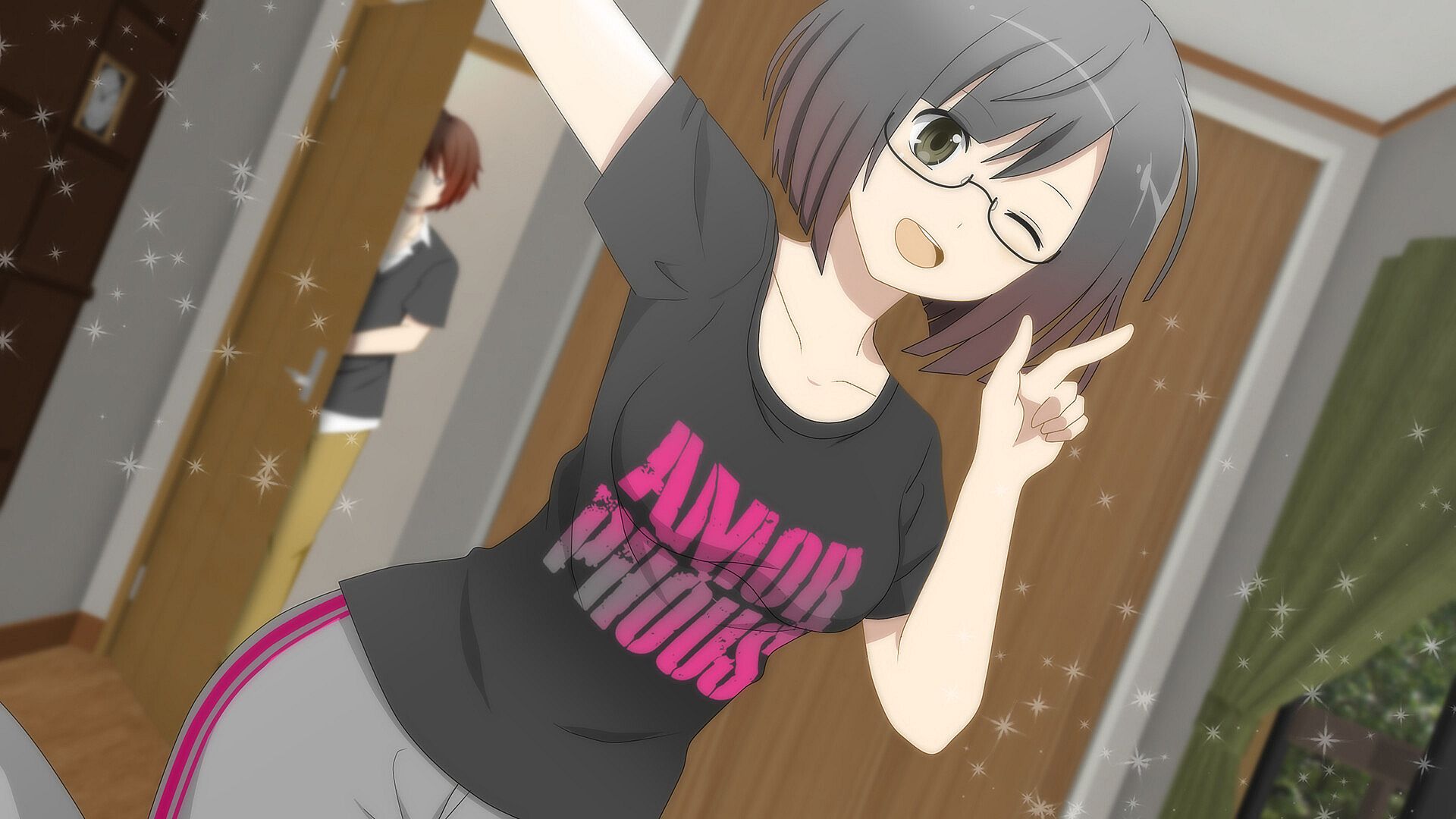
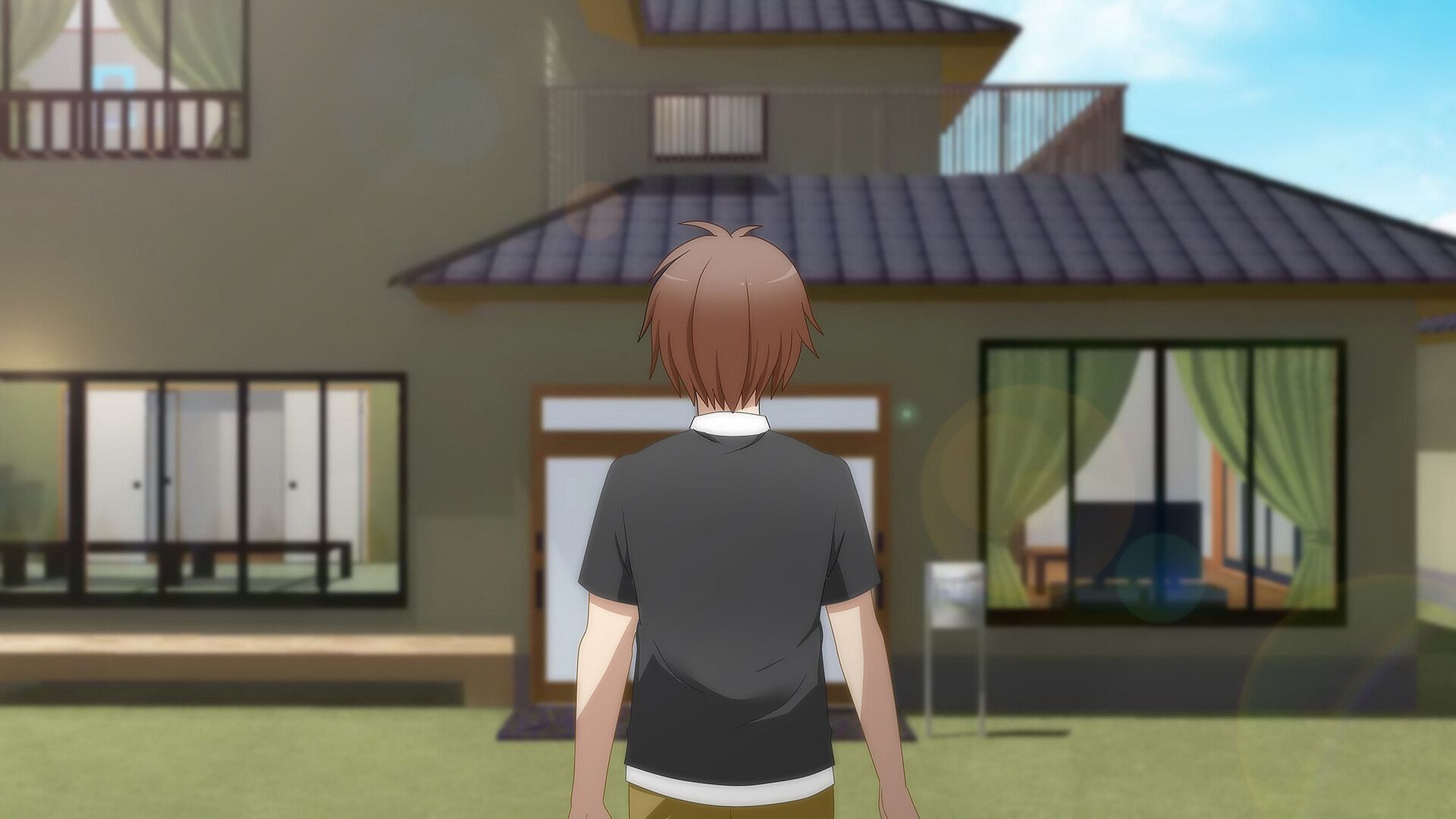

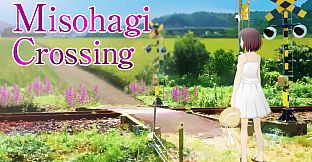



Misohagi Crossing is an indie visual novel adventure game that combines horror and mystery elements with a focus on character-driven storytelling in a rural Japanese setting. Players follow protagonist Hotaru Akasaki as he returns to his father's hometown of Yokomizo after seven years, only to encounter a supernatural mystery tied to his childhood first love and a family tragedy from three years prior.
Gameplay
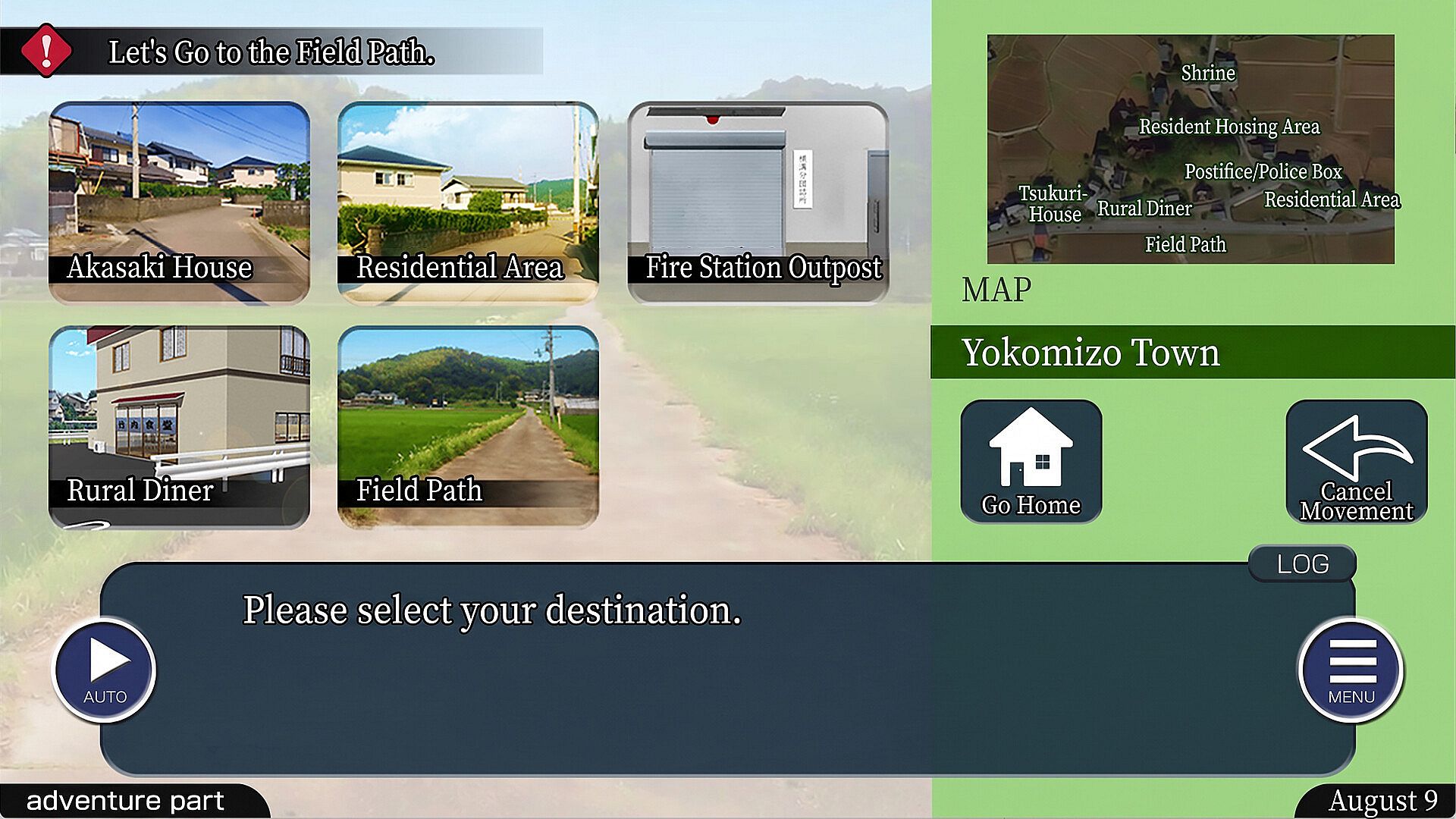
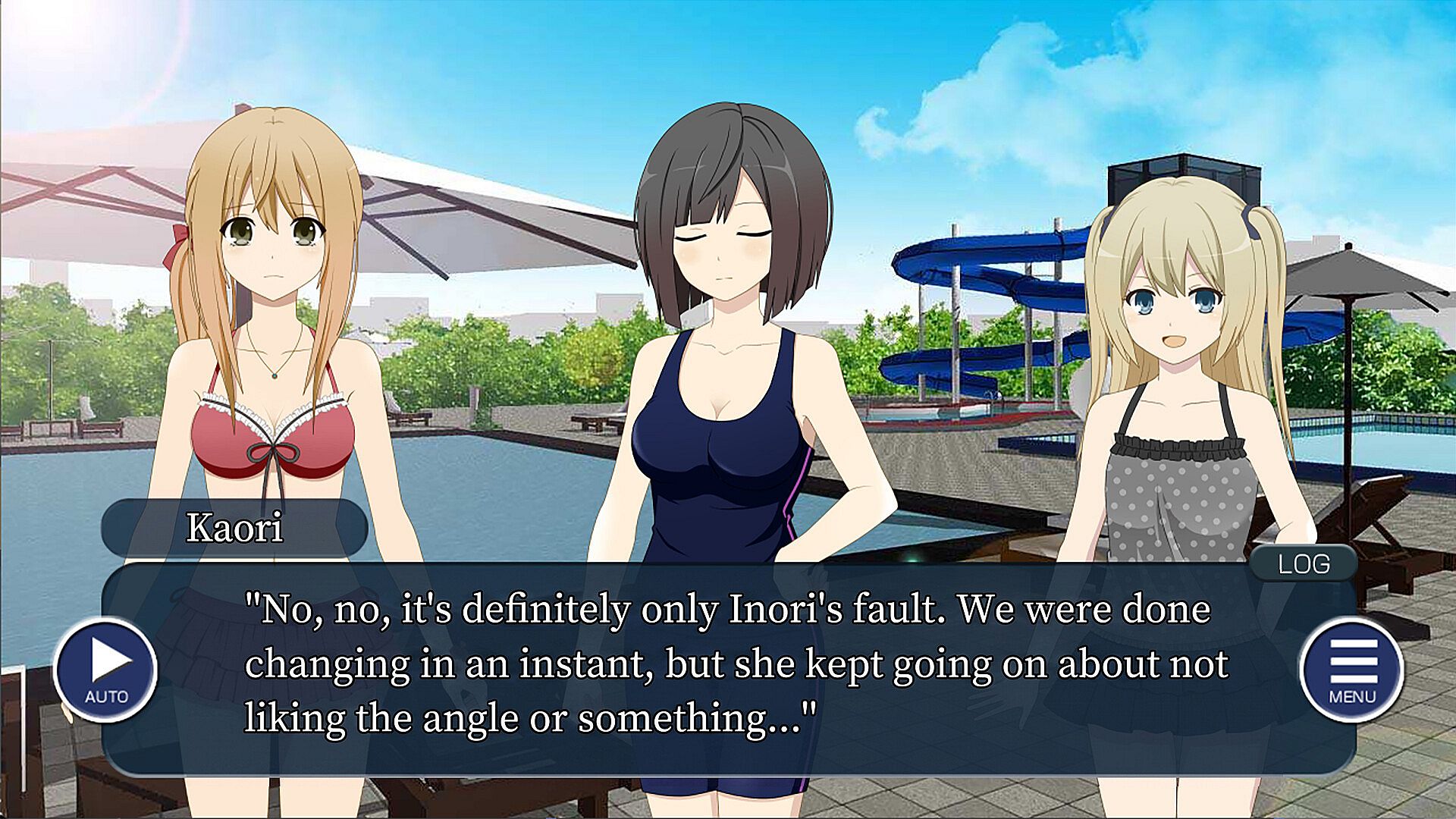
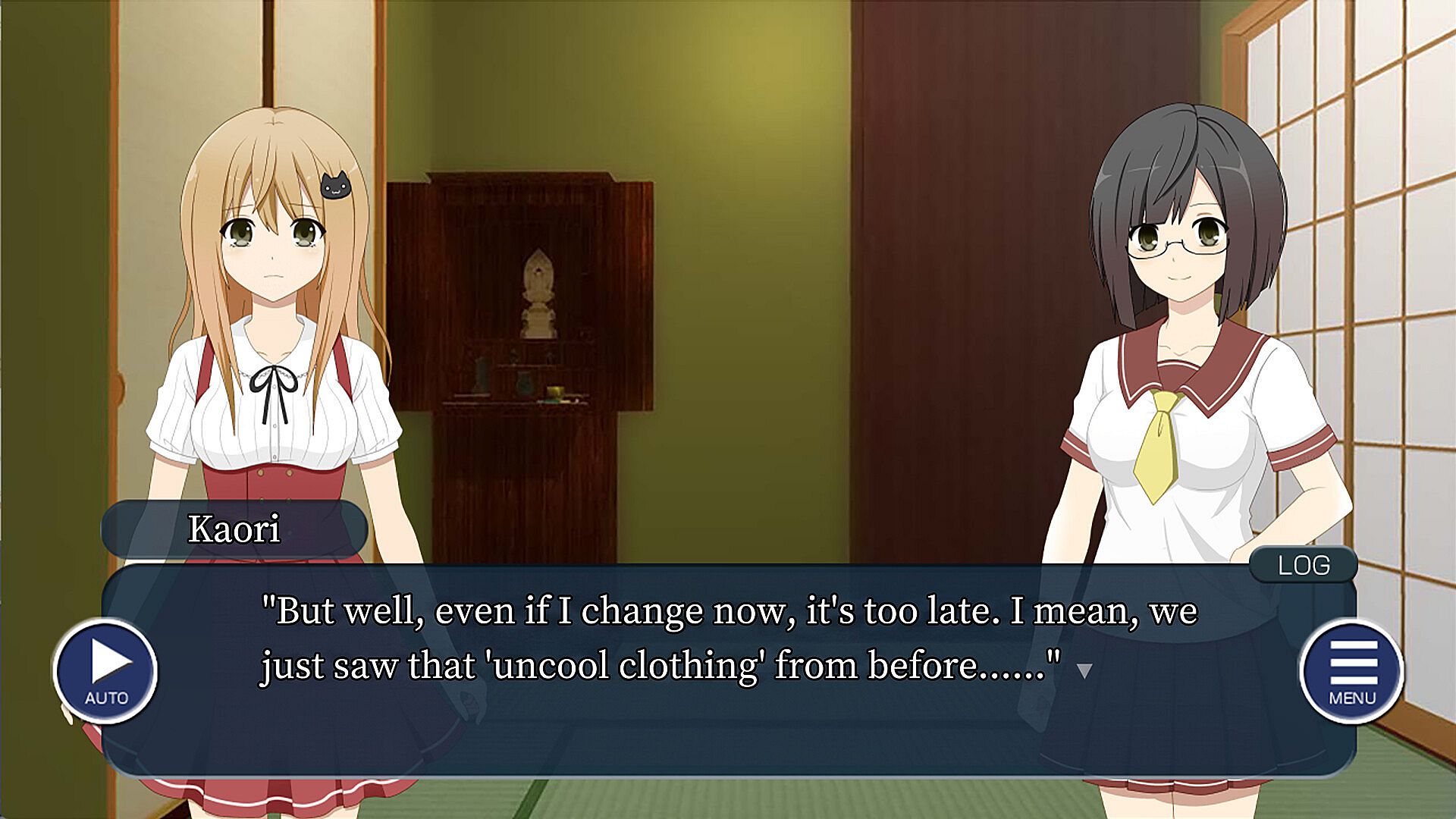
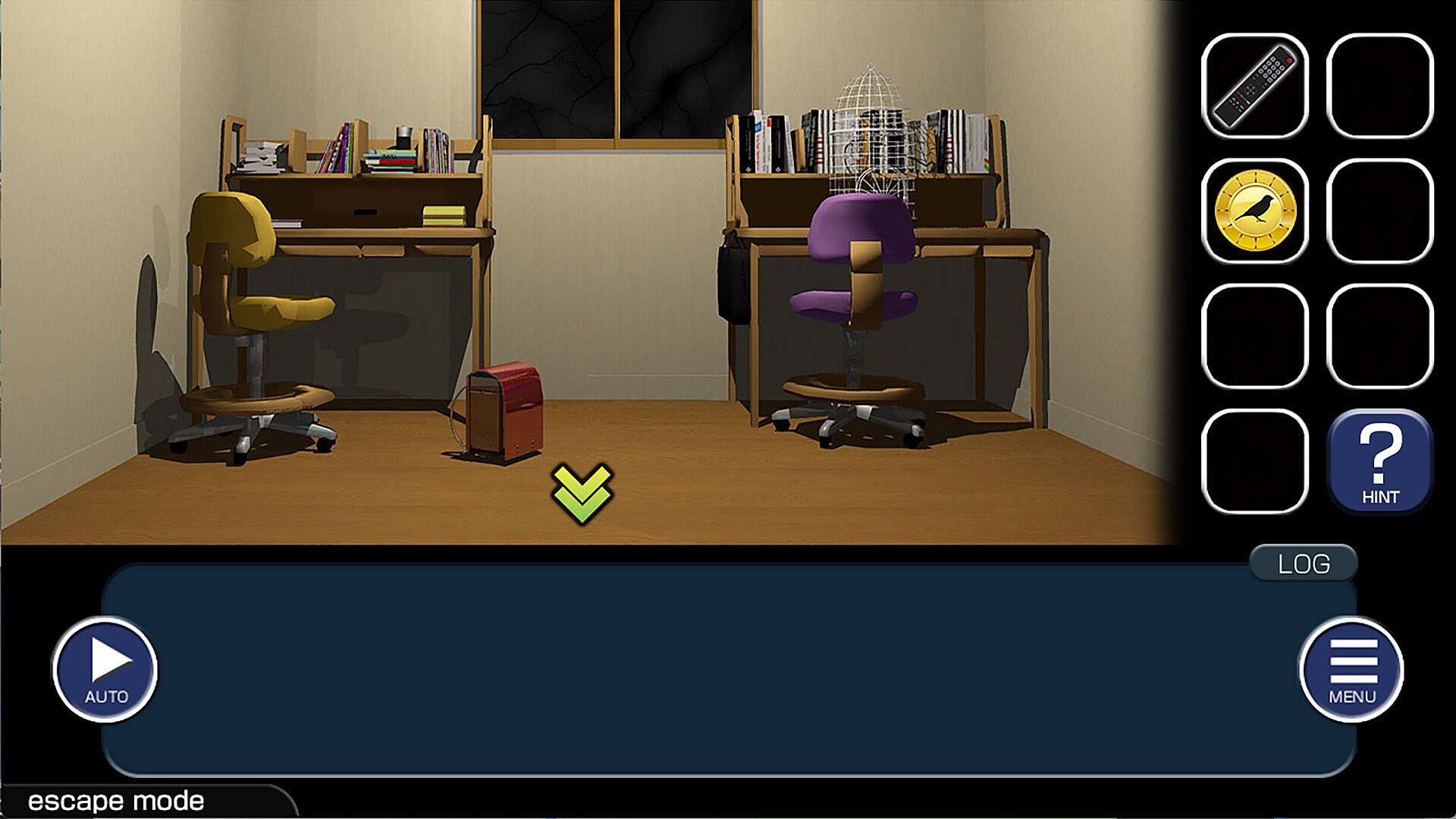
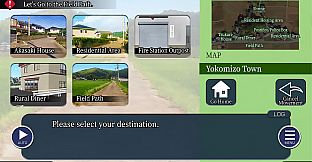
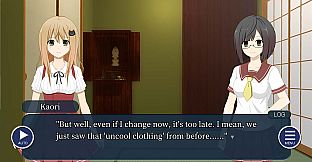
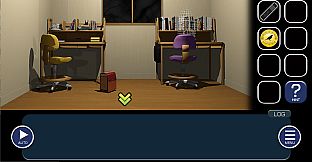
The core loop blends three distinct styles of play. Visual novel sections advance the narrative through text and dialogue in a straightforward reading format. Adventure sections shift to exploration of Yokomizo, where players select locations on a map, converse with residents, and examine surroundings to collect clues and insights. Escape-game sections place players in supernatural otherworlds, requiring them to inspect environments, locate and combine items, and solve puzzles to escape. These sections emphasize tension through direct interaction, with item-based reactions that vary depending on what the player holds.
Navigation aids keep progress clear during adventure segments by displaying current objectives and suggested destinations. Optional side activities include photographing stray cats and insects or uncovering the town's Seven Mysteries, none of which affect the main narrative. The experience remains single-player throughout, with regional dialects, cultural references like Obon observances and summer festivals, and everyday community life woven into the background.
Game Modes
Misohagi Crossing features a single linear story path with no dialogue choices that lead to branching endings or multiple conclusions. The main narrative follows one fixed sequence, while adventure sections provide free-form exploration that can reveal additional character details and town life without altering the outcome. Escape sequences function as integrated puzzle challenges rather than separate modes, always including menu-accessible hints and complete solutions to prevent permanent dead ends.
Collectible gathering operates as an optional layer alongside the primary progression. Players may pursue these at their own pace during town visits, but they remain entirely separate from the central mystery resolution. The structure supports both focused story completion and extended wandering, with playtime estimates ranging from six to fourteen hours depending on the depth of optional exploration and puzzle-solving time.
Story and Setting
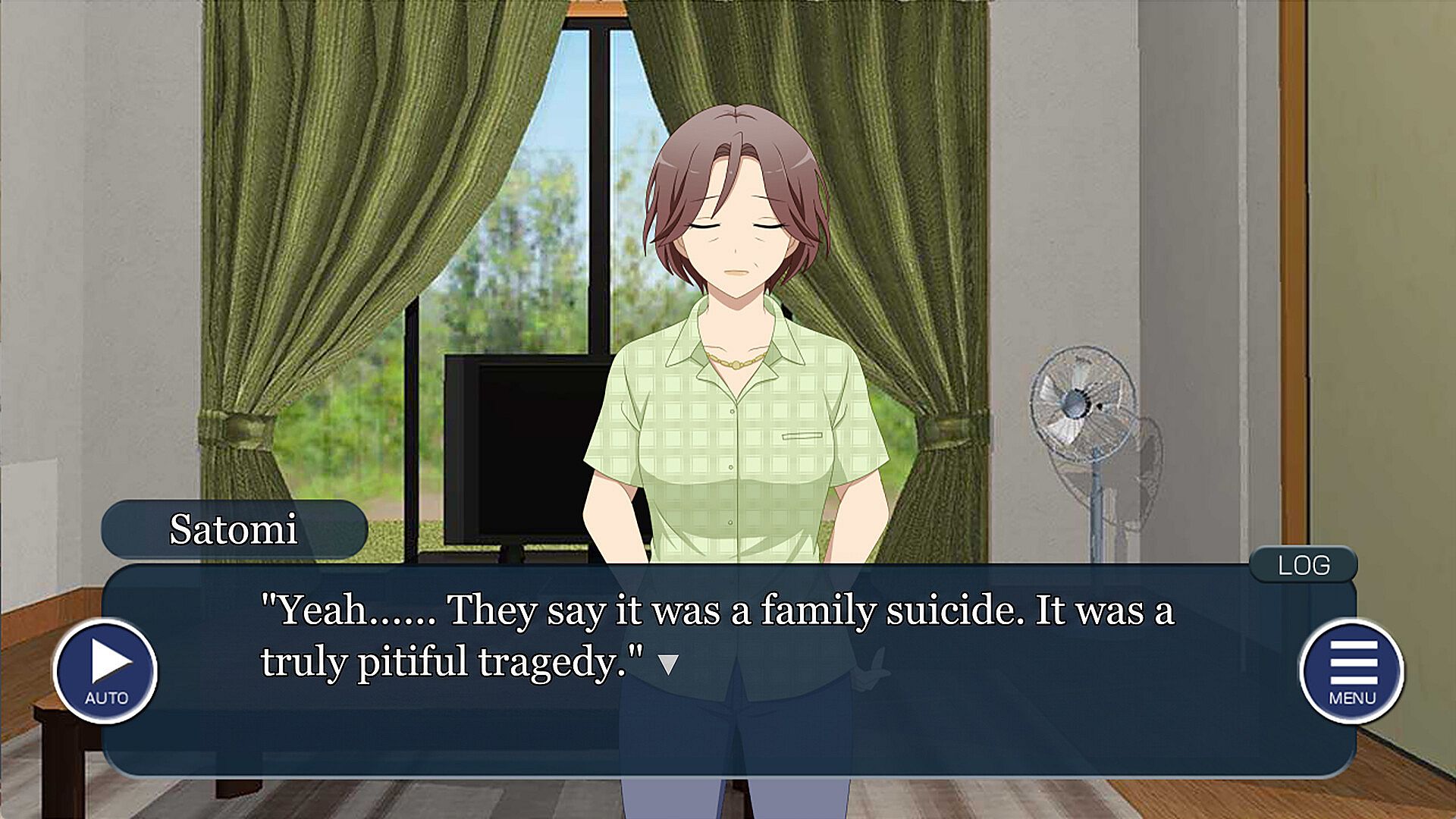
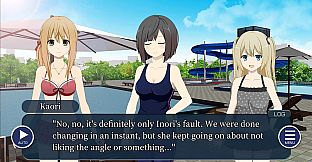
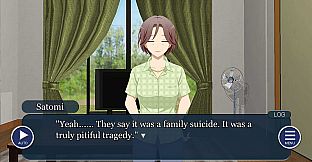
The narrative centers on themes of first love, family bonds, homecoming, and confronting the past. Hotaru reunites with relatives including his cousin Inori and encounters Sayo Amano, whose apparent survival contradicts local accounts of her family's death. Investigations into the three-year-old incident gradually surface forgotten memories and a recurring supernatural presence known as black flesh. Supporting characters from the Akasaki family and Yokomizo residents add layers through conversations that highlight personal histories and daily routines amid the unfolding horror.
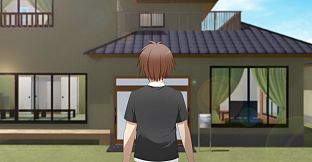
The rural Japanese town serves as both a living community preparing for festivals and a site of lingering tragedy. Exploration reveals glimpses of local revitalization efforts, volunteer groups, and ordinary interactions that contrast with the supernatural elements.
Is It Worth Playing?
Misohagi Crossing suits players who enjoy linear visual novels with integrated exploration and light puzzle elements in a horror-mystery framework. The single-player experience emphasizes story and atmosphere over choice-driven replayability, with built-in guidance and puzzle assistance making it accessible even for those less familiar with escape-game mechanics. No voice acting is present, and the title remains in a pre-release state with a planned 2027 launch on PC.
Those drawn to character-focused narratives set in detailed everyday environments alongside supernatural tension will find the blend of town life and otherworld escapes distinctive. The optional collections and side conversations provide additional depth for completionists without mandatory engagement.