







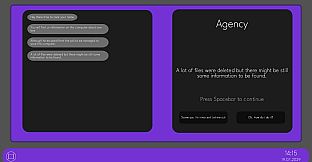
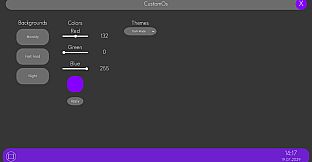
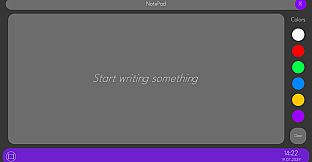
Morality is an indie simulation adventure game that places players in control of an ordinary computer interface to explore a psychological narrative. The experience unfolds through everyday digital interactions, where decisions shape an unfolding story that can shift dramatically based on player input or restraint.
Gameplay
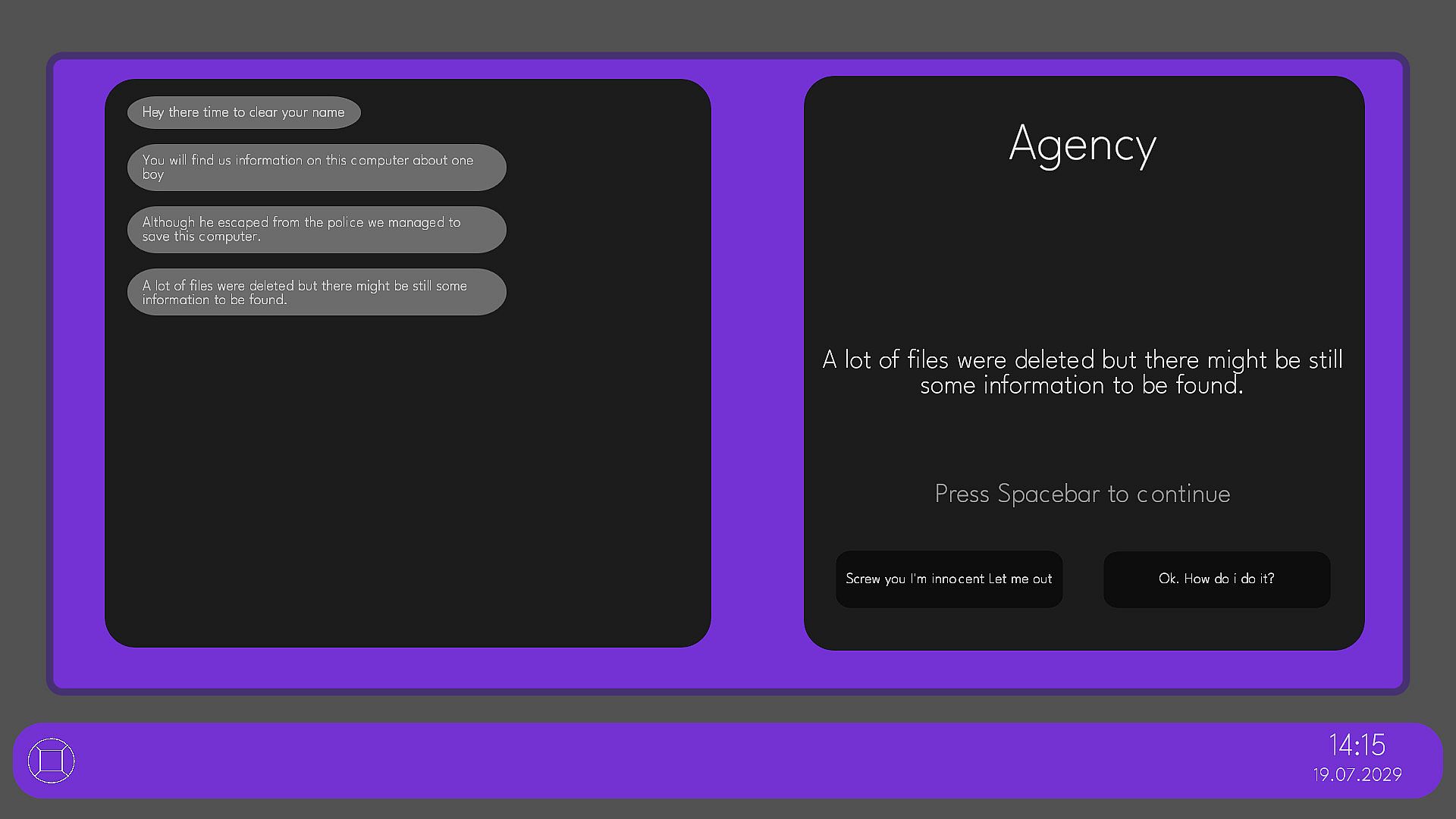
The core loop revolves around examining a desktop environment filled with documents, messages, and communications. Players navigate by opening folders, scanning text files, listening to or responding to calls, and piecing together details from emails and notes. This process reveals layers of a larger tale hidden in mundane items, encouraging careful observation of small elements that connect into broader revelations. Inaction carries the same weight as active choices, often leading to unexpected developments in the narrative thread.
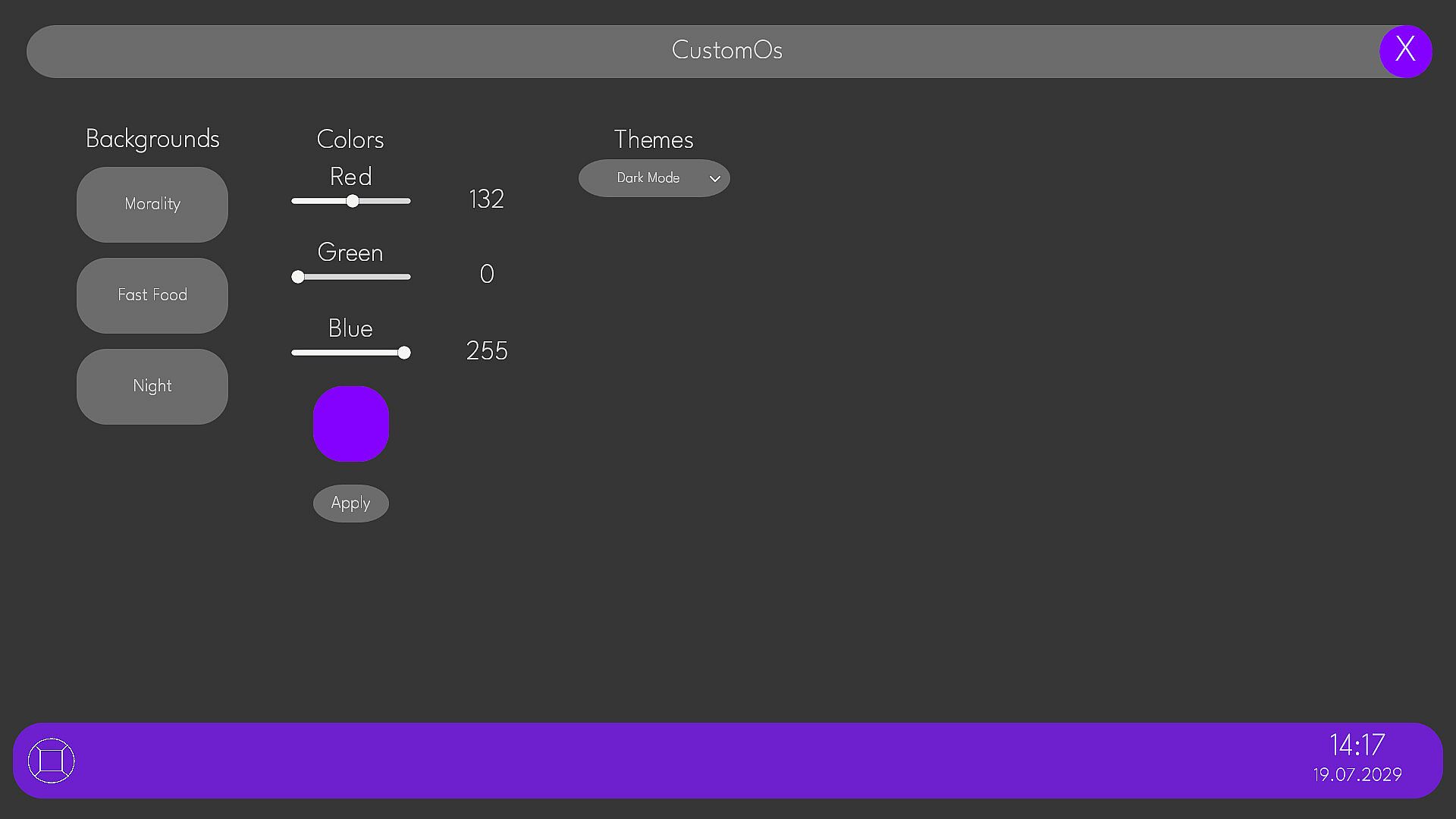
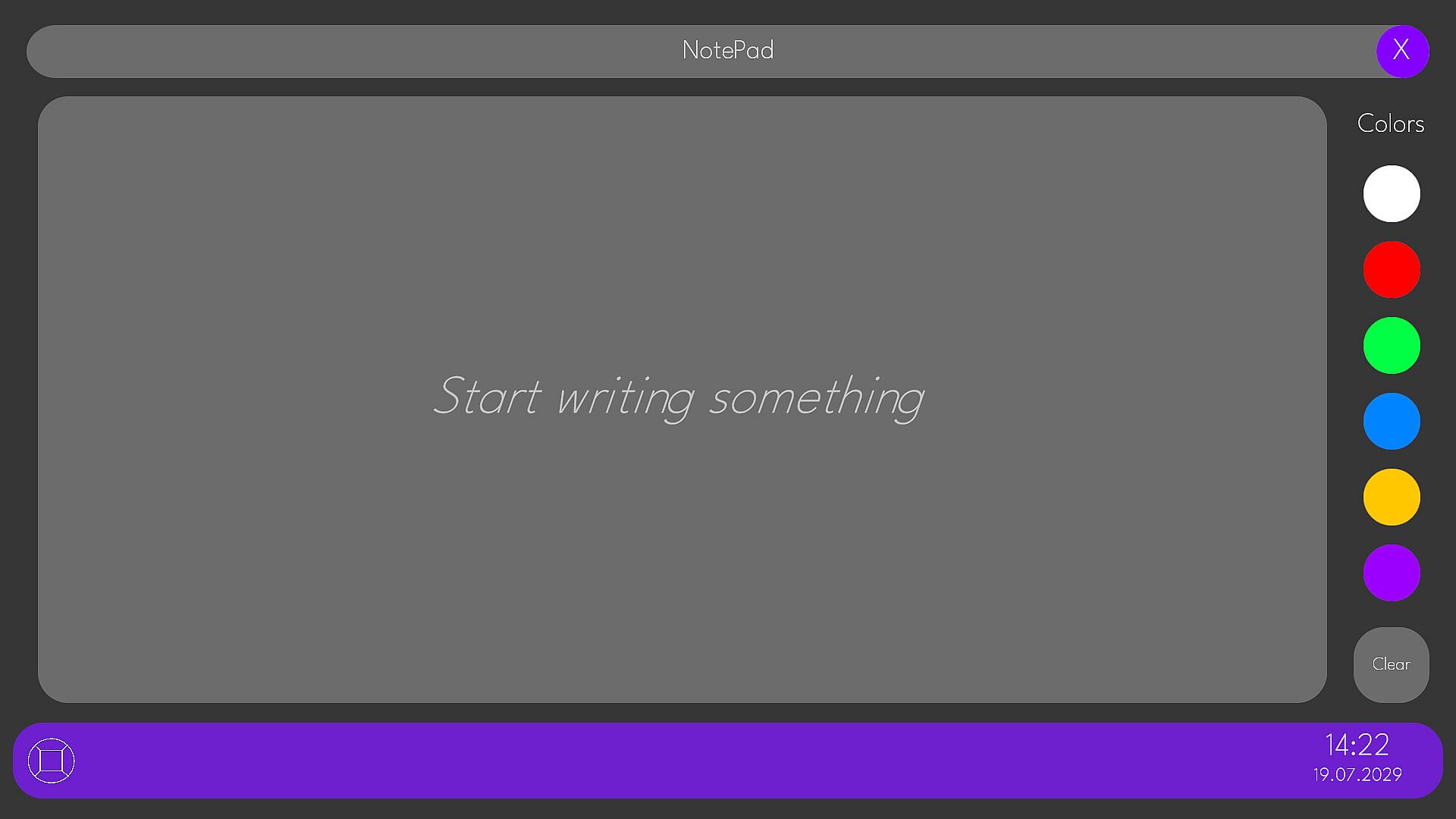
Exploration focuses on uncovering concealed information that alters the direction of events. The interface mimics real computer use, making every click or decision feel grounded in familiar actions while building tension through what remains unsaid or unseen. The game emphasizes psychological depth over traditional action, rewarding players who pay attention to context and implications rather than rushing through content.
Game Modes
Morality operates as a single-player narrative experience without separate multiplayer or competitive modes. The structure centers on a linear yet branching story driven entirely by player choices within the computer interface. There are no distinct game modes such as campaigns, challenges, or cooperative sessions; instead, the entire session functions as one cohesive adventure where outcomes depend on the sequence and nature of interactions with files, messages, and calls.
Replay value stems from experimenting with different approaches to the same elements, as the absence of a clear correct path encourages multiple playthroughs to observe how small variations affect the overall arc. The design keeps all activity contained within the simulation of desktop use, avoiding any external systems or additional gameplay layers.
Story and Choices
The narrative emerges organically from the materials players encounter rather than through direct exposition. Fragments of conversations, personal records, and overlooked details gradually form a coherent picture, with secrets positioned to reward thorough searching. Choices appear in responses to calls, decisions on whether to pursue certain files, or even the choice to ignore elements entirely, each carrying potential ripple effects on later developments.
This system avoids binary good-or-bad framing. Instead, it presents situations where outcomes feel ambiguous, prompting reflection on whether any path qualifies as the right one. The story remains focused on the consequences of engagement or withdrawal, creating a personal sense of accountability for how events resolve.
Is It Worth Playing?
Morality suits players interested in slow-paced, introspective experiences that prioritize narrative consequence over action or progression systems. Those who enjoy piecing together stories from environmental details and weighing the impact of subtle decisions will find the interface-driven approach engaging. The game delivers a focused psychological simulation that highlights how ordinary actions can lead to meaningful shifts in a larger tale.
Its strength lies in the emphasis on observation and the weight given to both action and restraint, making it a fit for audiences seeking thoughtful single-player content without reliance on combat, exploration maps, or resource management. Availability on PC supports straightforward access for those drawn to choice-heavy narrative adventures in the indie space.