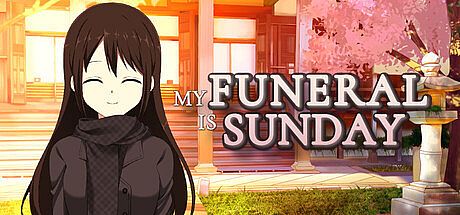


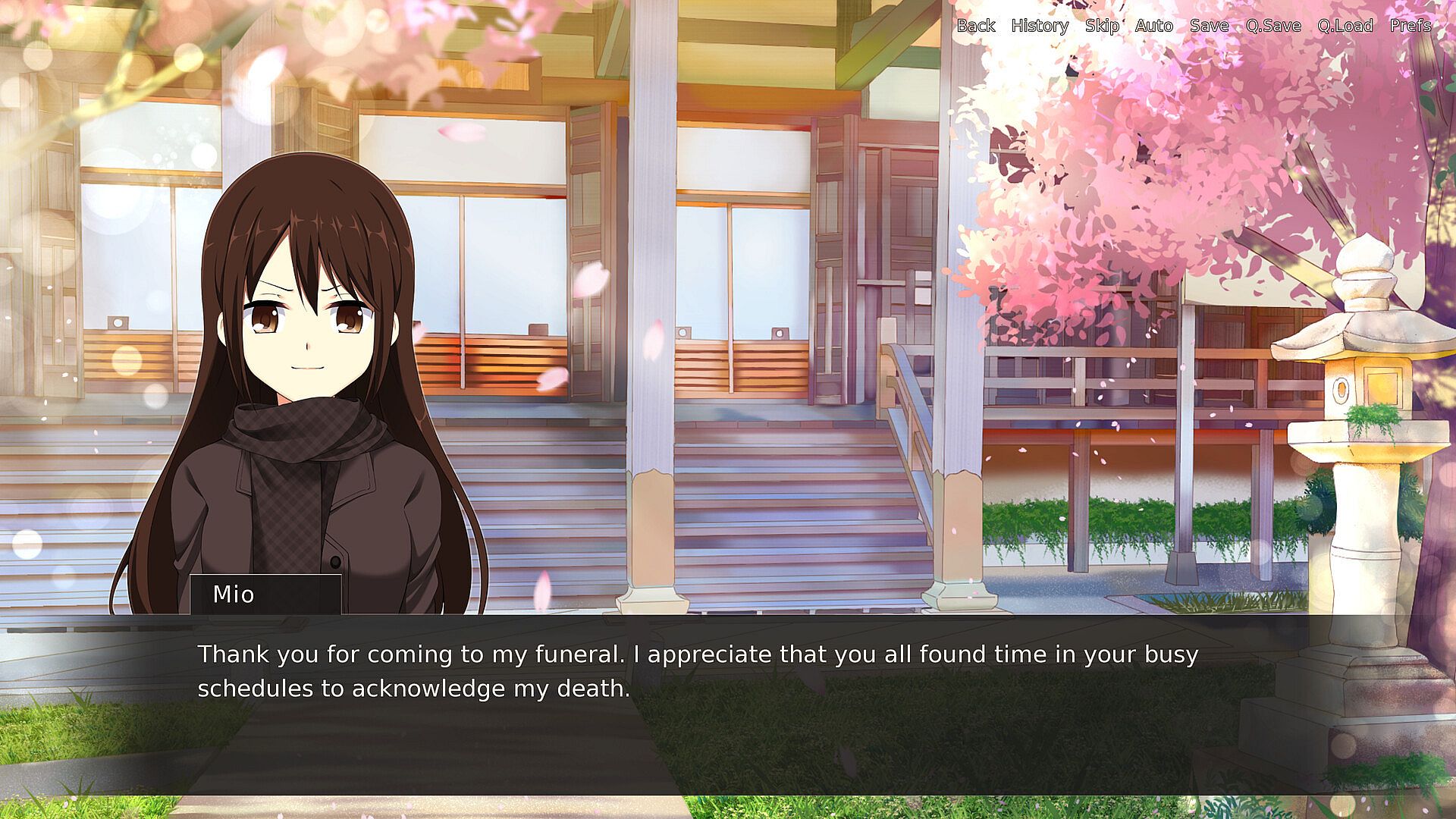
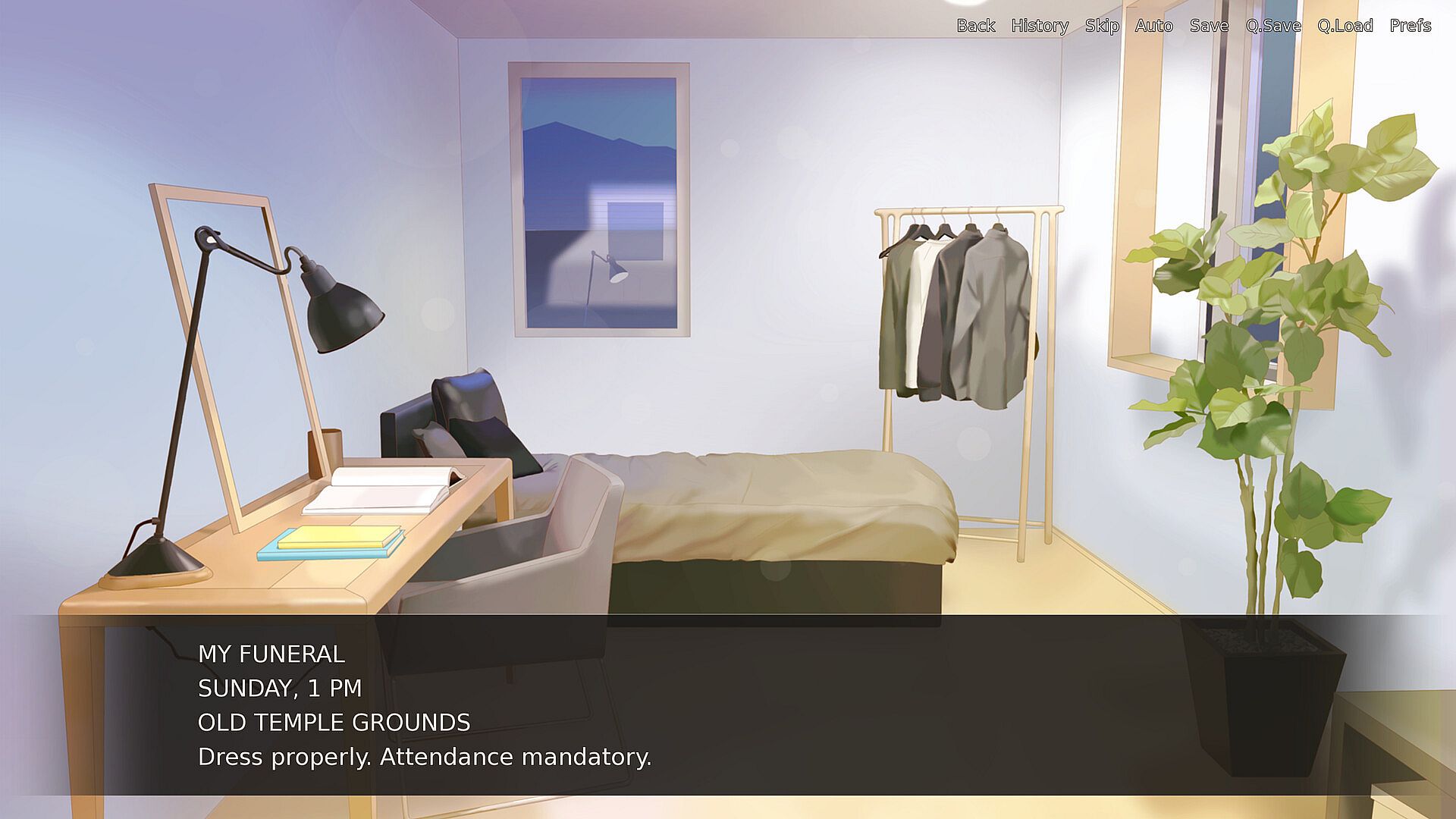
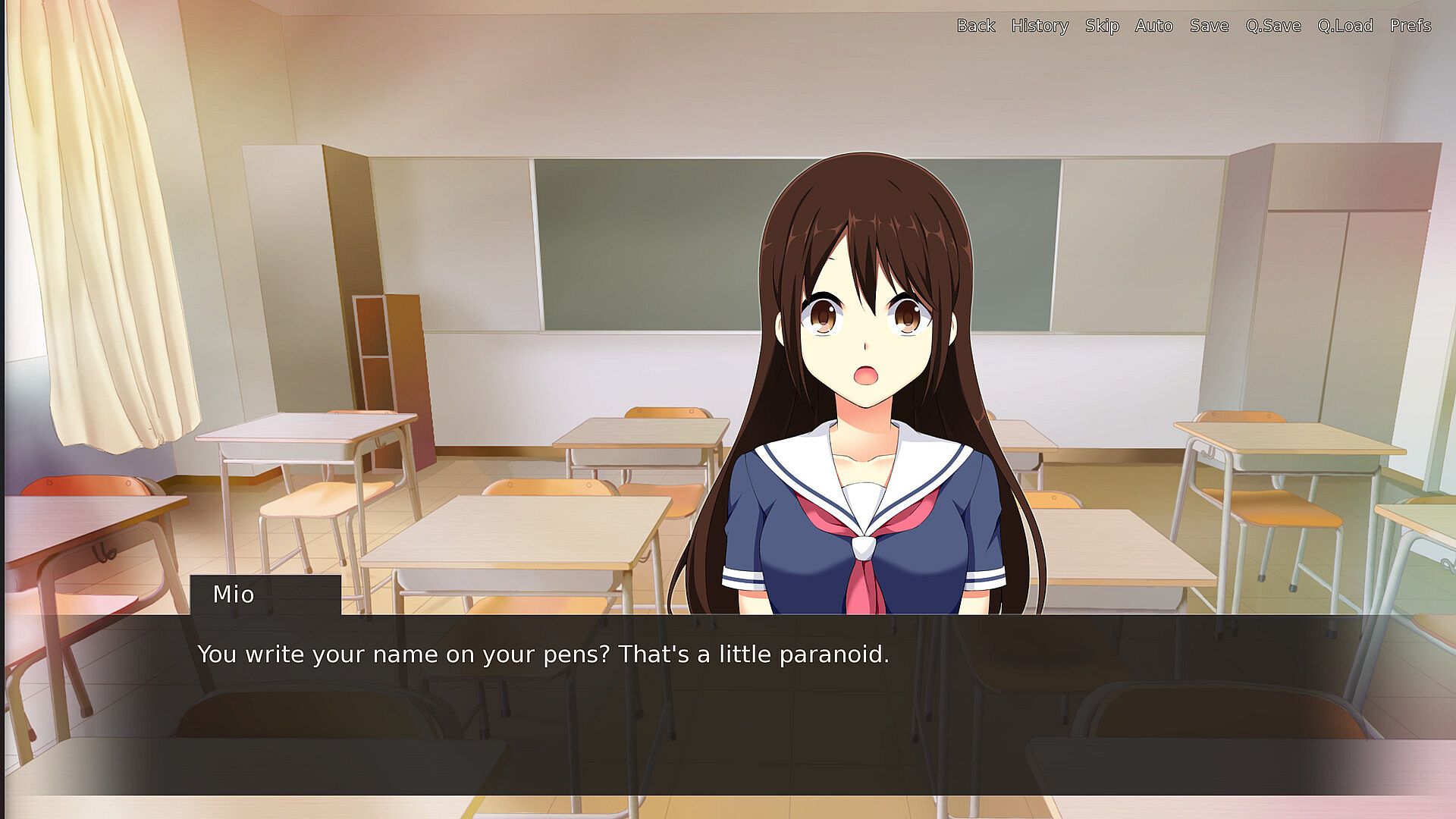
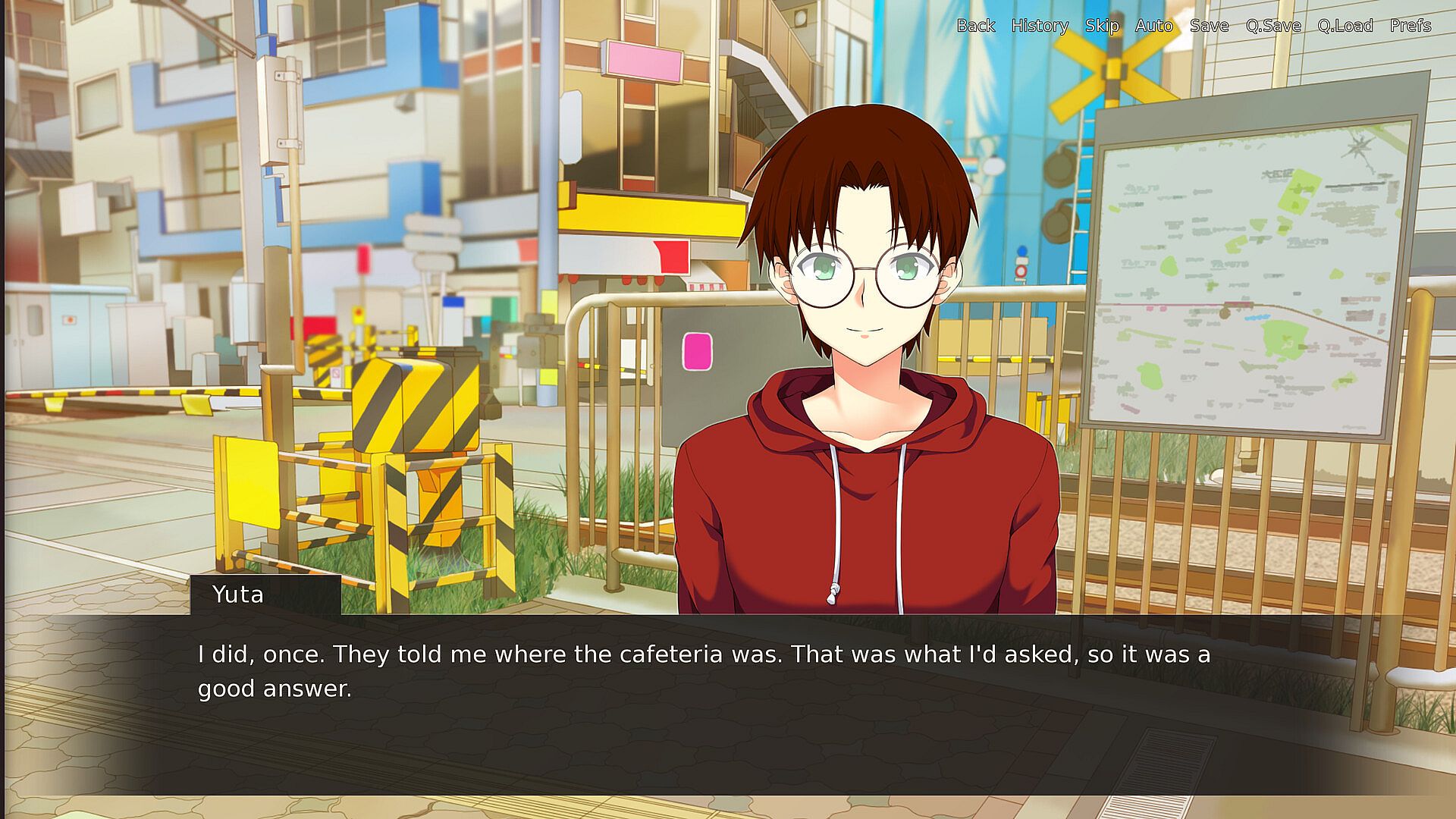
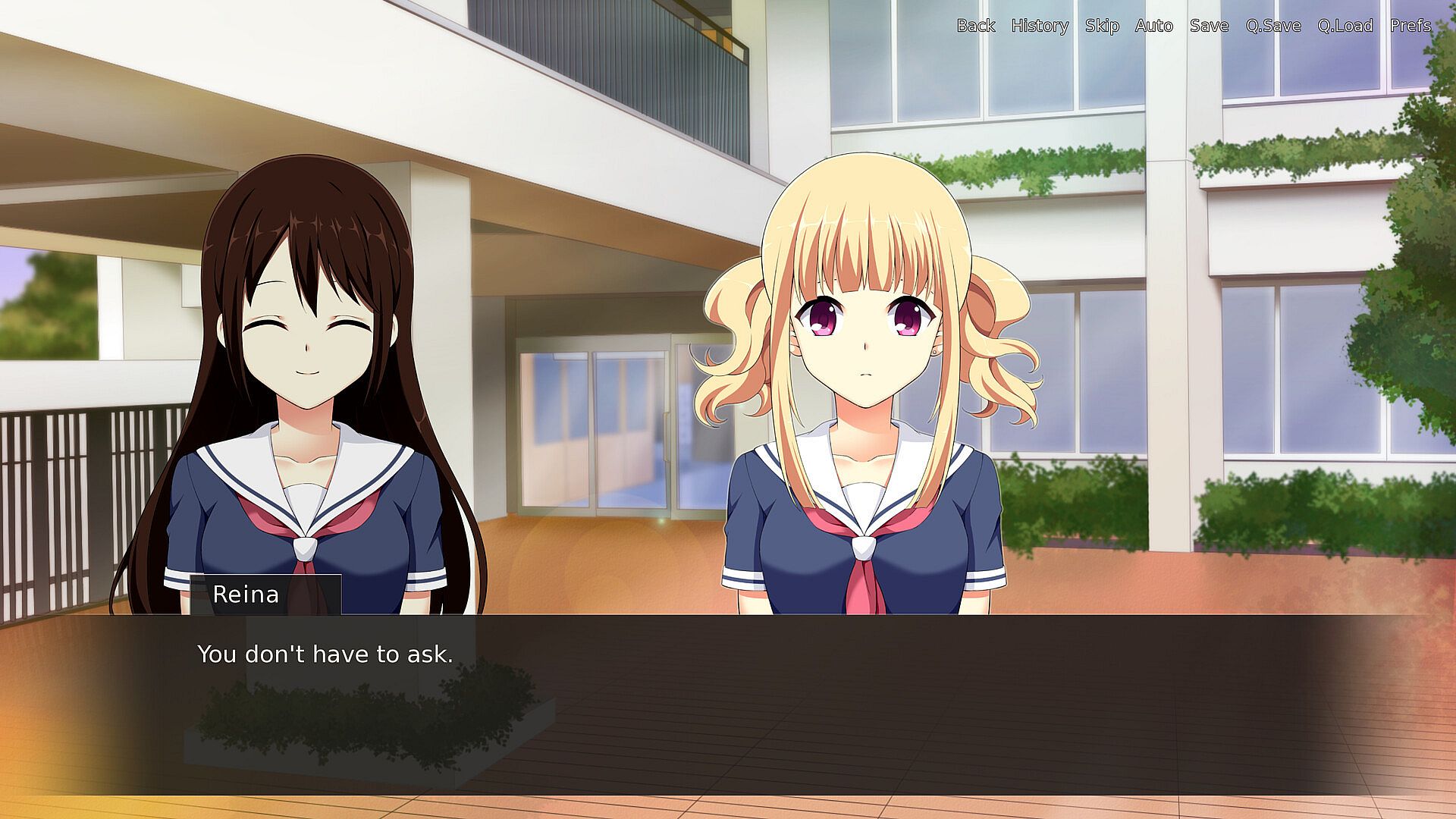
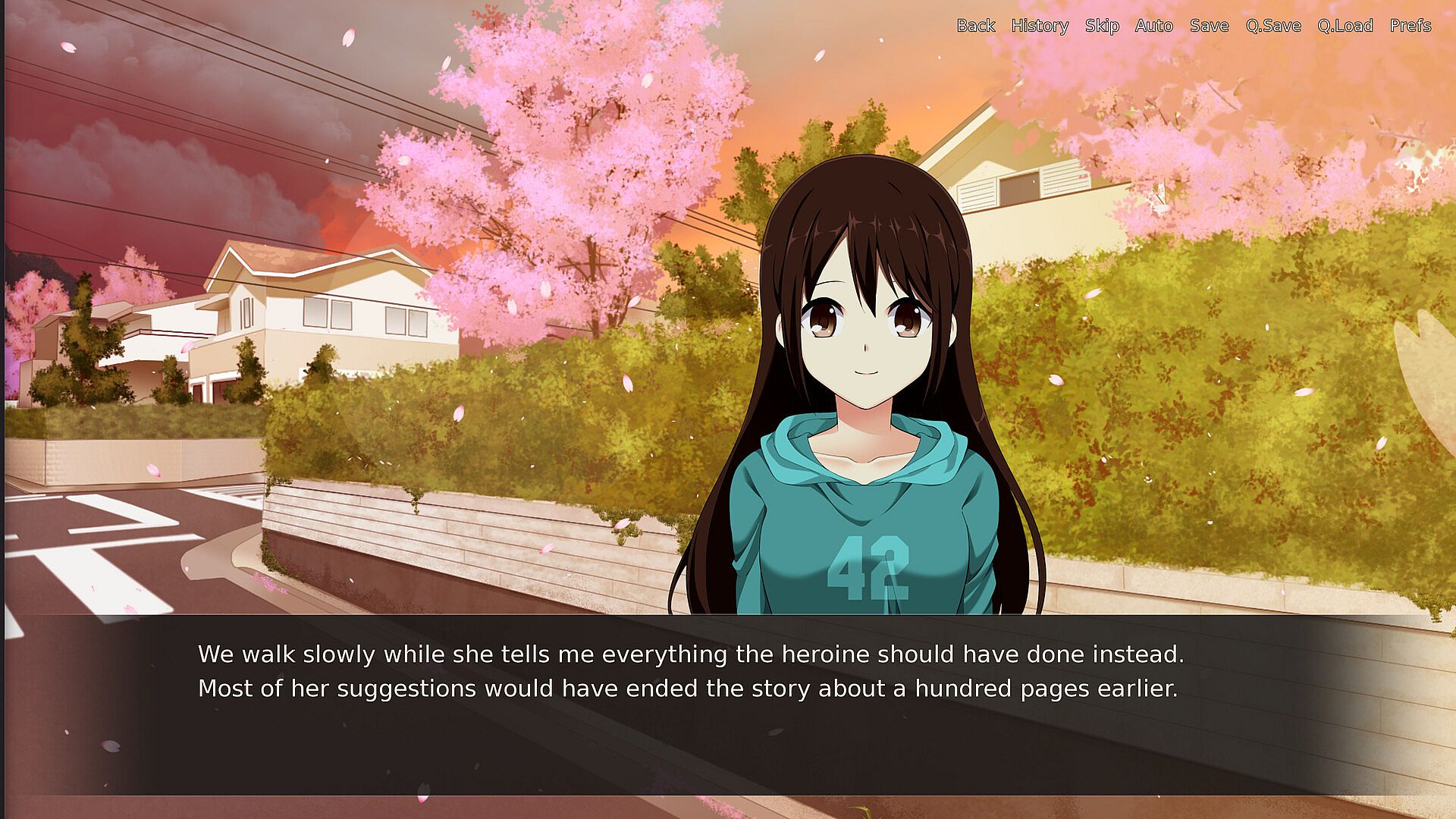
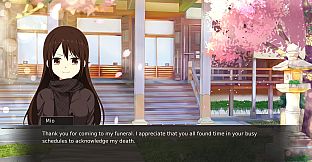

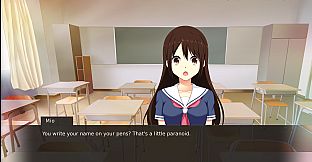
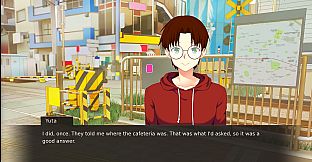
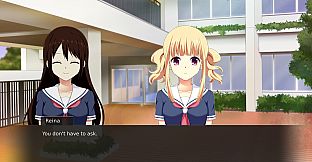
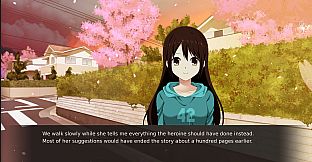
My Funeral Is Sunday is an indie adventure visual novel set on PC. Players take the role of Haruto Akiyama during one unusual weekend leading to a living funeral organized by Mio Tachibana, who remains very much alive. The story centers on four friends with overlapping histories, where conversations reveal layers of friendship, resentment, guilt, and unspoken feelings.
Gameplay
The core loop revolves around dialogue choices and narrative decisions across Friday, Saturday, and Sunday. Haruto interacts with Mio, Reina, and Yuta at an old temple and related locations. Each exchange allows players to push for answers, offer space, challenge statements, or let matters pass. These selections influence how Haruto's relationship with Mio develops and shape what she remembers about him by the end. The experience stays focused on conversation and consequence without any combat, resource management, or progression systems.
Key scenes feature multiple variations depending on prior choices. Players decide Haruto's tone and approach during preparations for the funeral, leading to different personal conclusions. The structure emphasizes emotional honesty under Mio's rules for Sunday: speak truthfully, avoid interruptions, and stay through discomfort. This creates a contained weekend narrative that rewards attention to character motivations and relational dynamics.
Game Modes
The game operates as a single-player narrative experience with branching dialogue paths. There are no separate modes such as multiplayer, competitive, or survival elements. Instead, the structure relies on choice-driven variations within the main story thread. Key conversations and the final personal conclusion adapt based on how Haruto responds to Mio and the group throughout the weekend. This keeps the focus on one cohesive playthrough that reflects the player's decisions about relationships and honesty.
Story and Characters
Four central characters drive the narrative through their conflicting histories. Mio initiates the funeral as a deliberate act to surface truths before time runs out. Haruto serves as the playable perspective, navigating his connections to the others. Reina shows clear tension with Mio, while Yuta carries obligations that extend beyond Haruto's initial awareness. The weekend forces these dynamics into the open, exploring why Mio selected this specific group and what each person stands to confront or reveal.
Choices determine not whether the funeral occurs but the content and tone of what gets said. The story examines assumptions about future time and the weight of words left unsaid. Multiple endings emerge from the accumulation of small decisions rather than major plot forks, keeping the experience intimate and character-focused.
Is It Worth Playing?
This visual novel suits players who prefer focused narrative experiences centered on dialogue, relationships, and emotional consequences. The absence of mechanical layers means the value rests entirely on how invested readers become in the characters' histories and the weekend's revelations. Those drawn to stories about friendship, resentment, and accountability will find the choice system directly tied to personal outcomes and Mio's final impressions. The complete, self-contained structure delivers a short but deliberate weekend arc without extraneous systems or ongoing updates. If the premise of confronting unspoken truths in a living funeral setting aligns with interest in character-driven indie adventures, the game provides a direct match for that preference.