




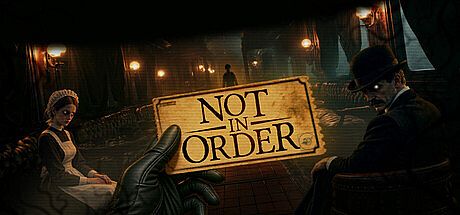


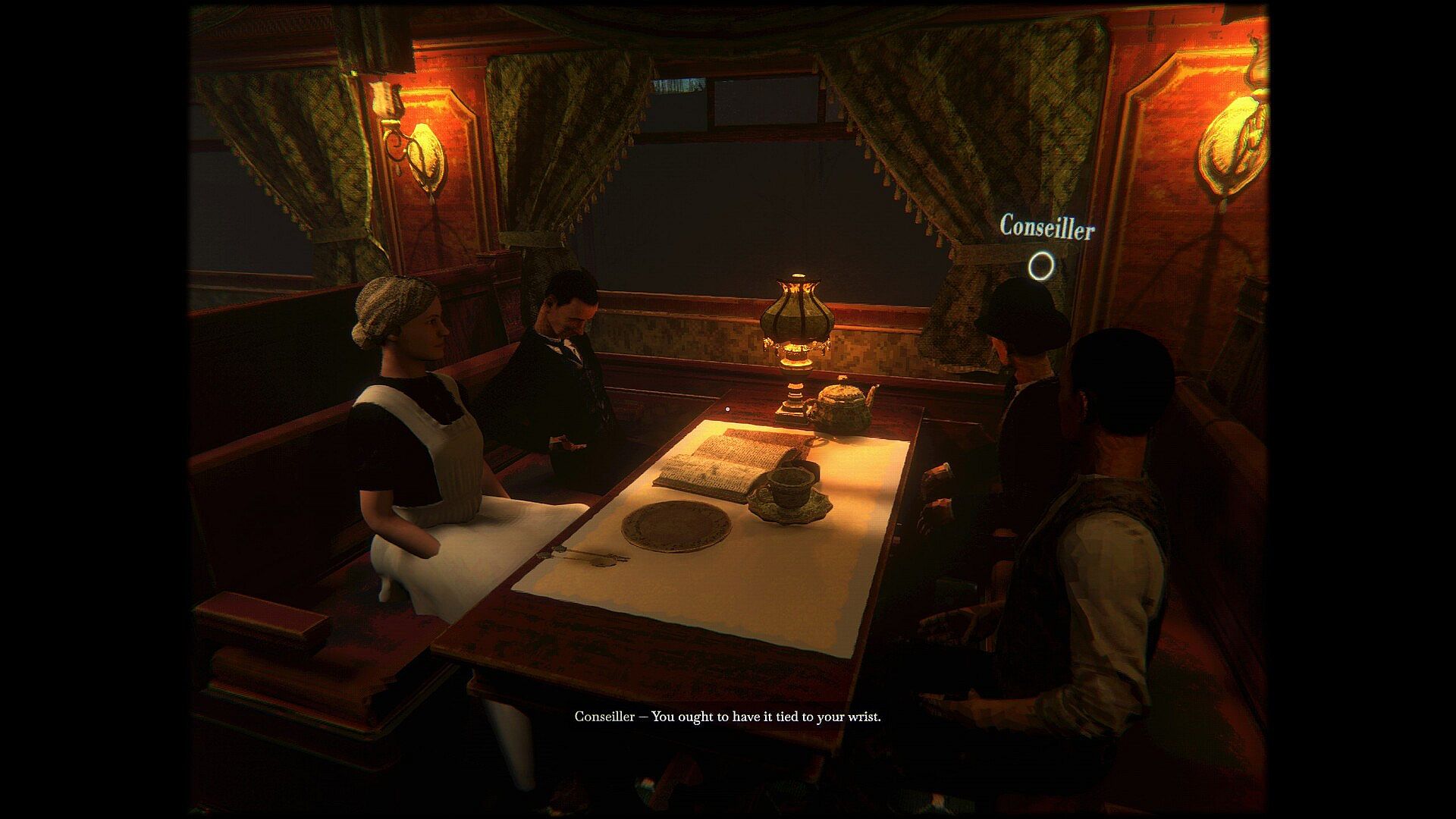
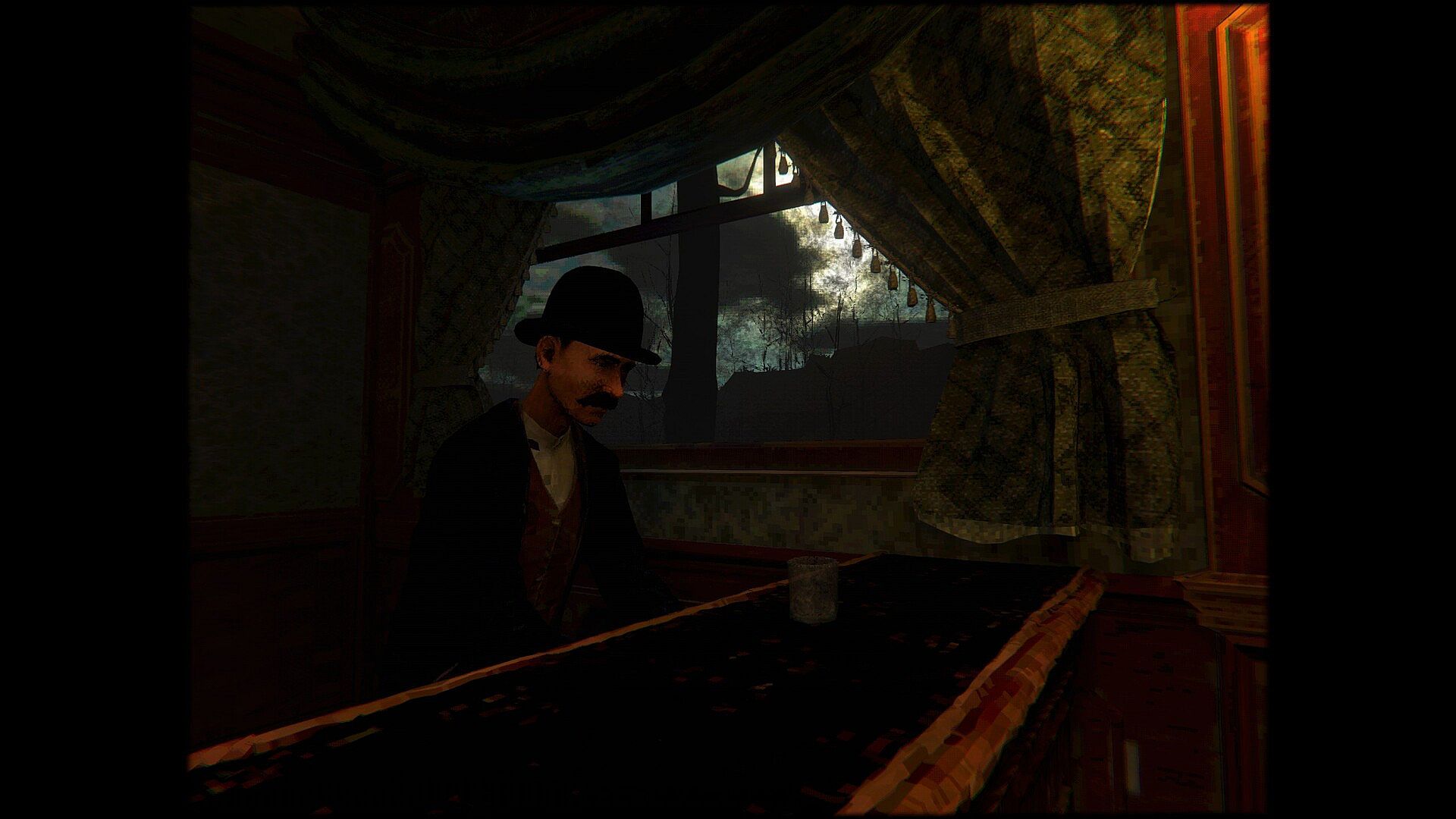

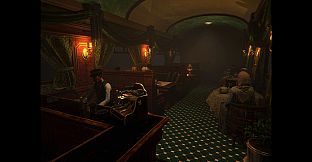
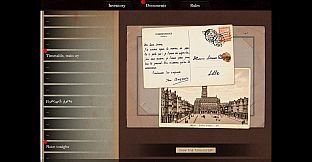
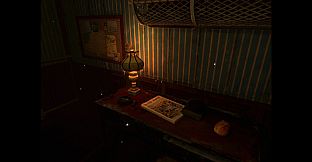
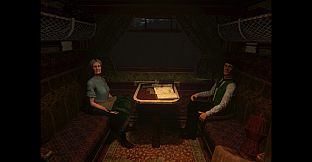
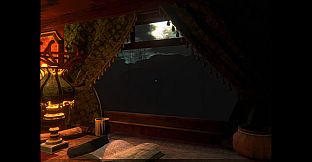
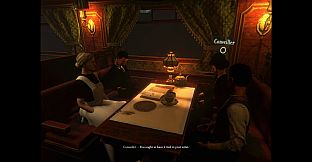
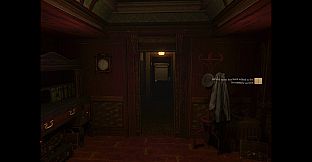
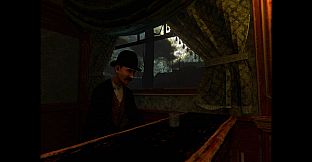
Not in Order is a first-person psychological horror simulation adventure game set aboard a French night train in 1911. Players take on the role of a ticket inspector who must verify passenger details while navigating an environment filled with subtle discrepancies and unexplained phenomena. The experience emphasizes careful observation, document cross-referencing, and decision-making without any combat or weapons.
Gameplay
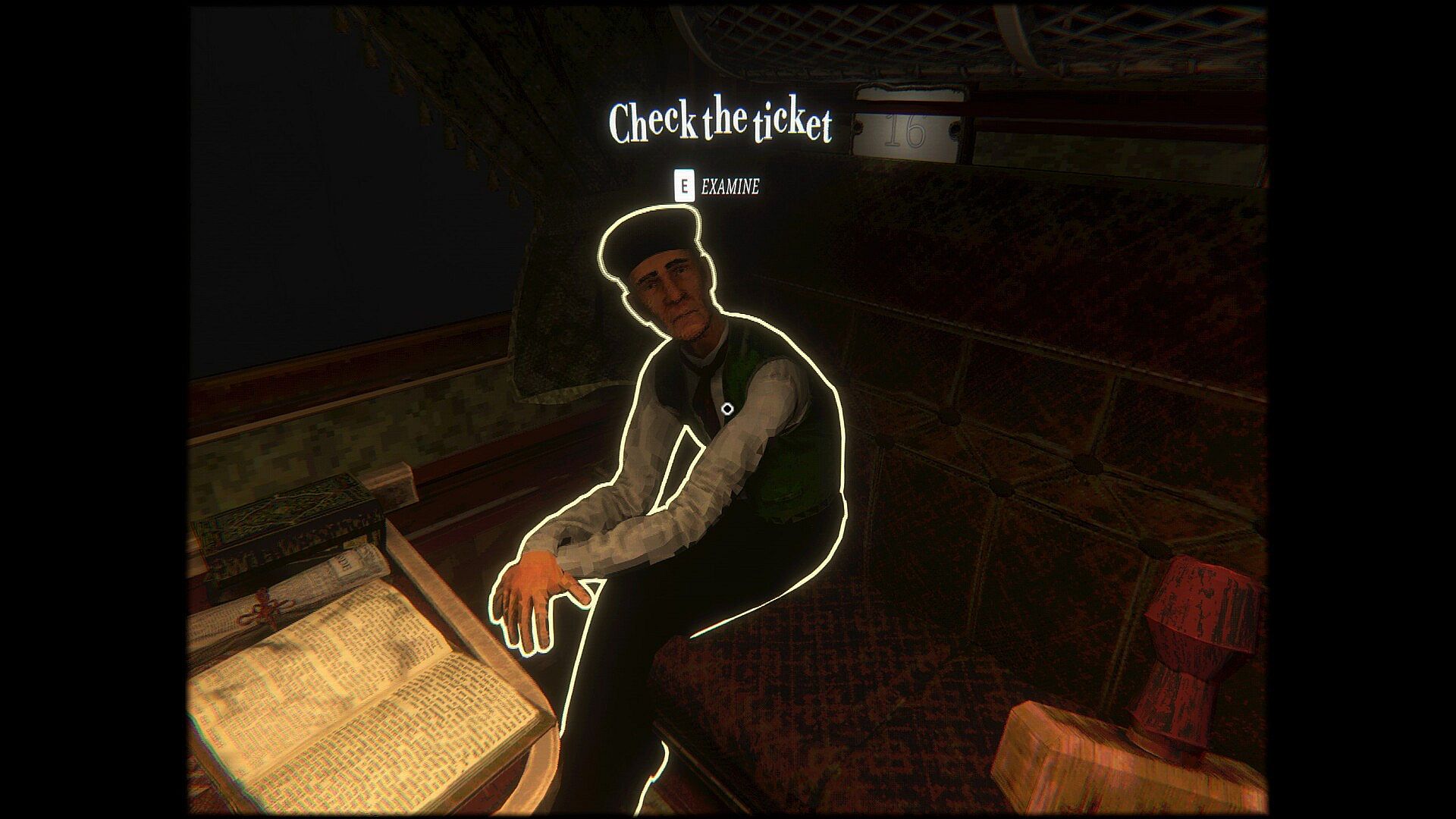
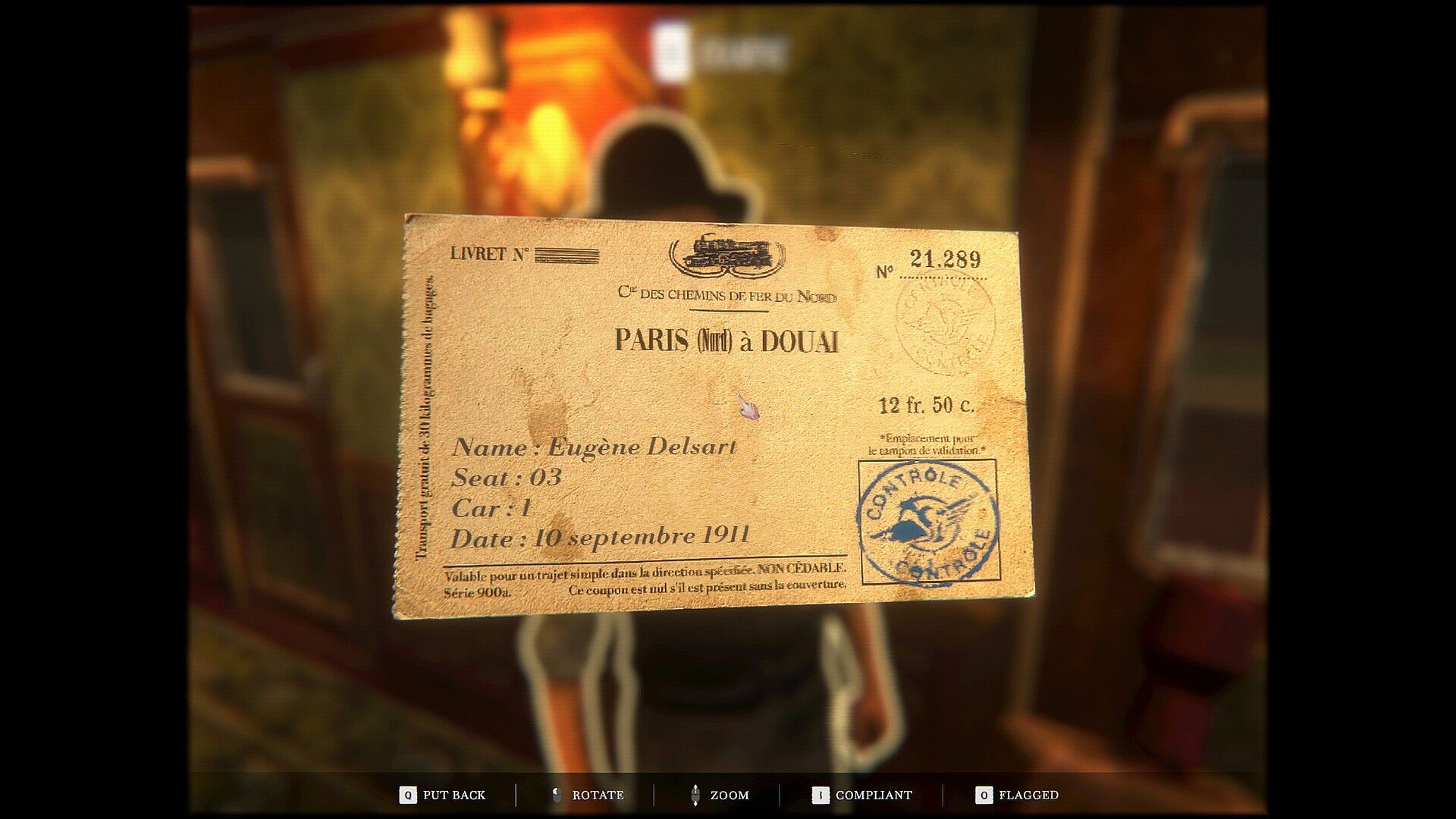
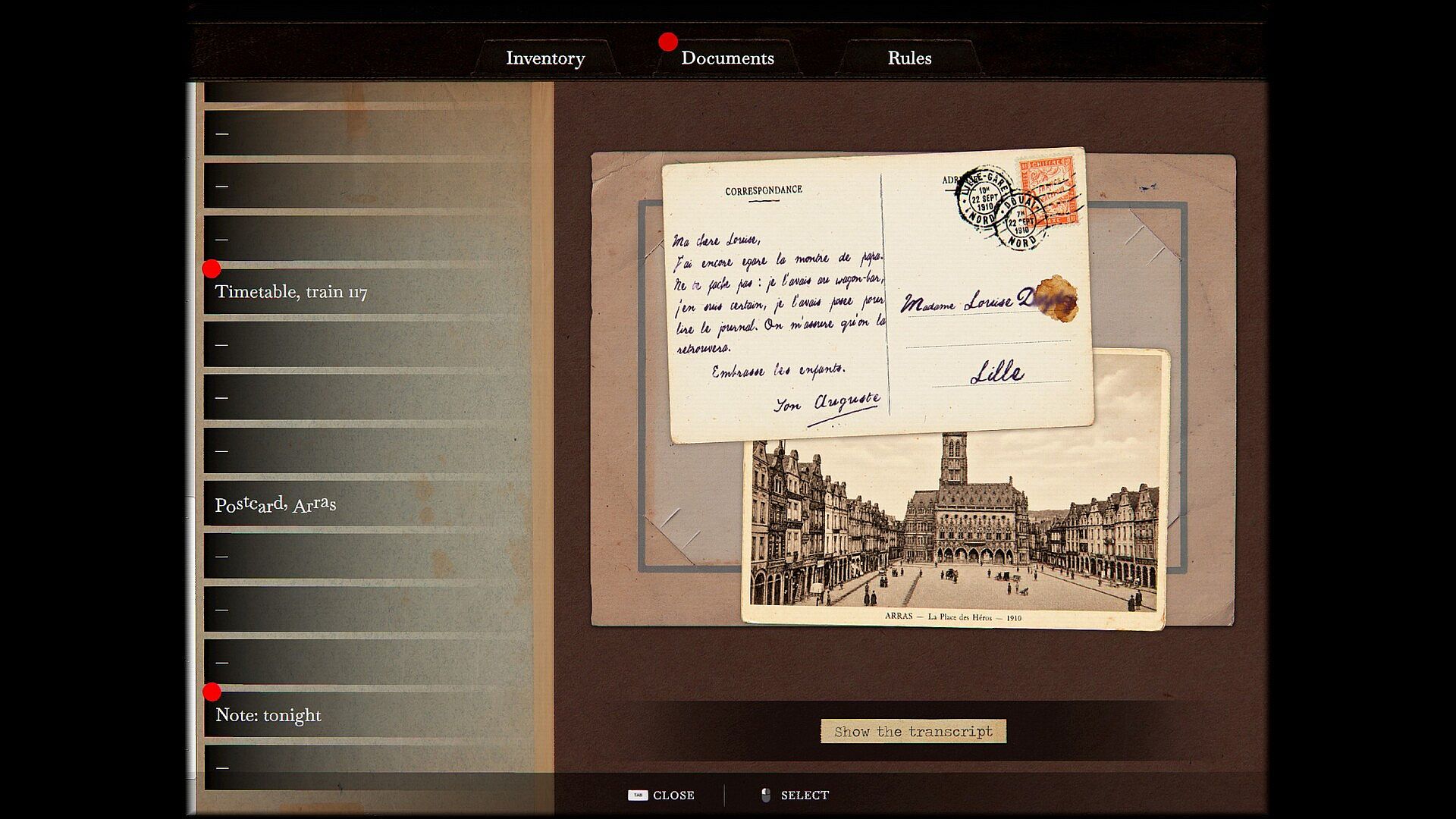
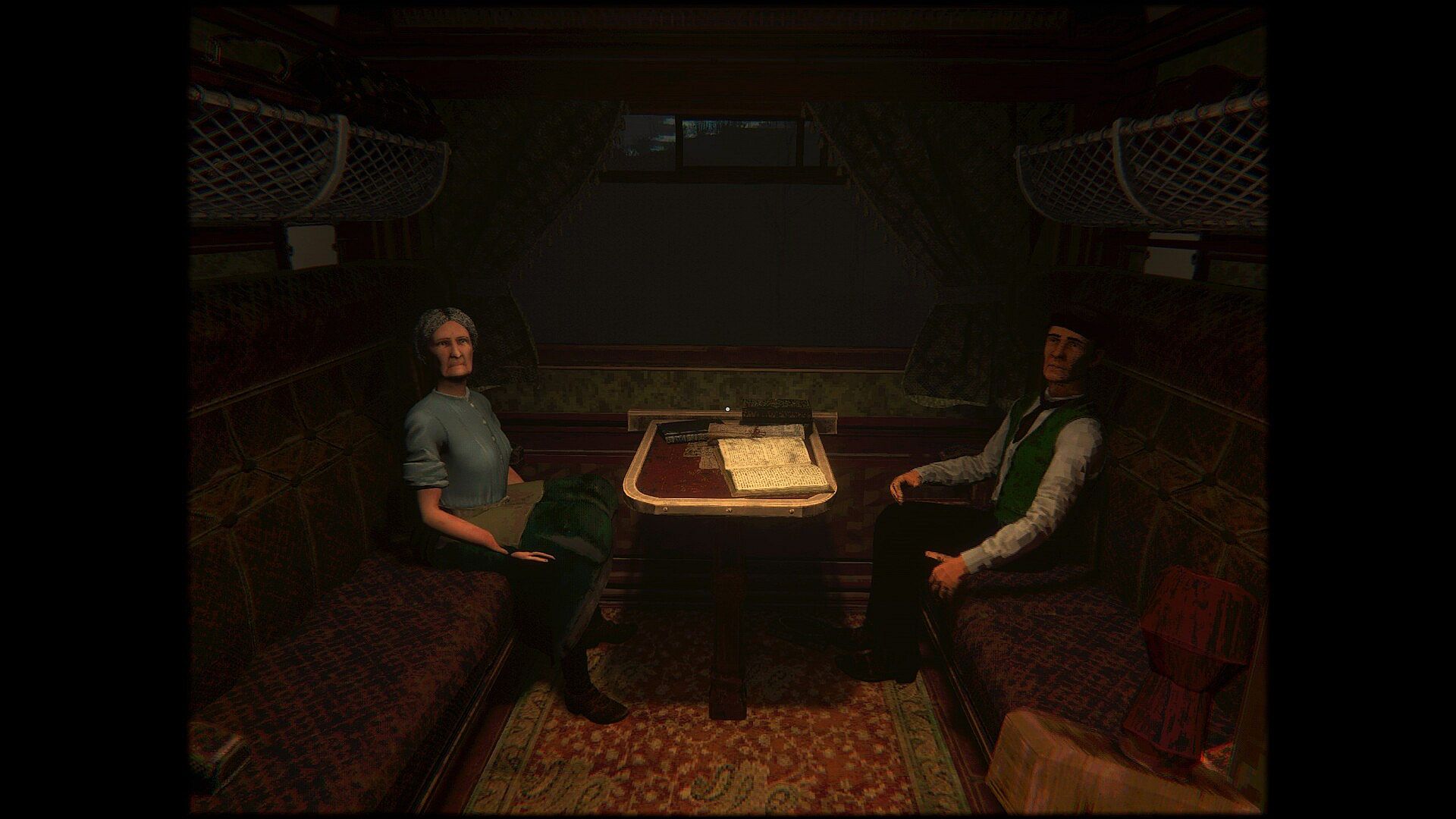
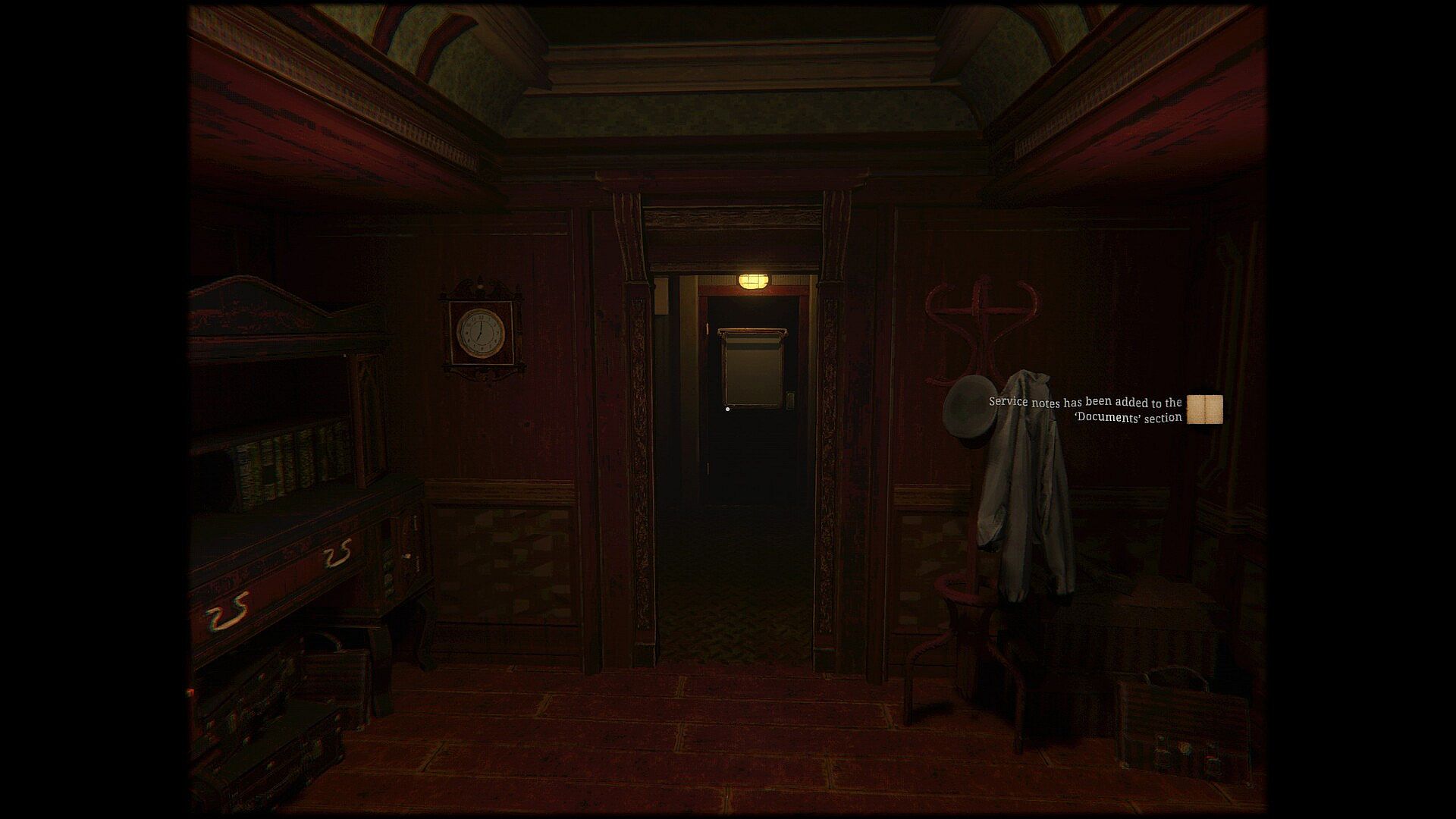
The core loop involves walking the length of a single trainset from the rear carriage forward to the head. Each passenger requires inspection using a ticket punch, with details such as names, dates, seats, and carriages checked against service documents. Discrepancies may appear minor at first, yet they demand judgment on whether to accept the ticket or report the issue. Anomalies that defy normal physical rules appear in corridors and compartments, prompting players to pull the emergency cord when spotted. Reading passenger conversations, examining scattered papers, and recalling earlier observations help uncover deeper inconsistencies across repeated inspections. The absence of an on-screen interface keeps focus on the train interior and the records carried by the inspector.
Game Modes
Not in Order operates as a single-player experience with no separate multiplayer or competitive modes. The structure centers on sequential nightly inspections of the same trainset, where each run builds on knowledge gained from prior shifts. Progress comes through improved recognition of patterns in documents and passenger behavior rather than through branching campaigns or alternate scenarios. The linear forward path through the carriages remains consistent, encouraging repeated play to refine attention to detail and identify new anomalies.
Atmosphere and Setting
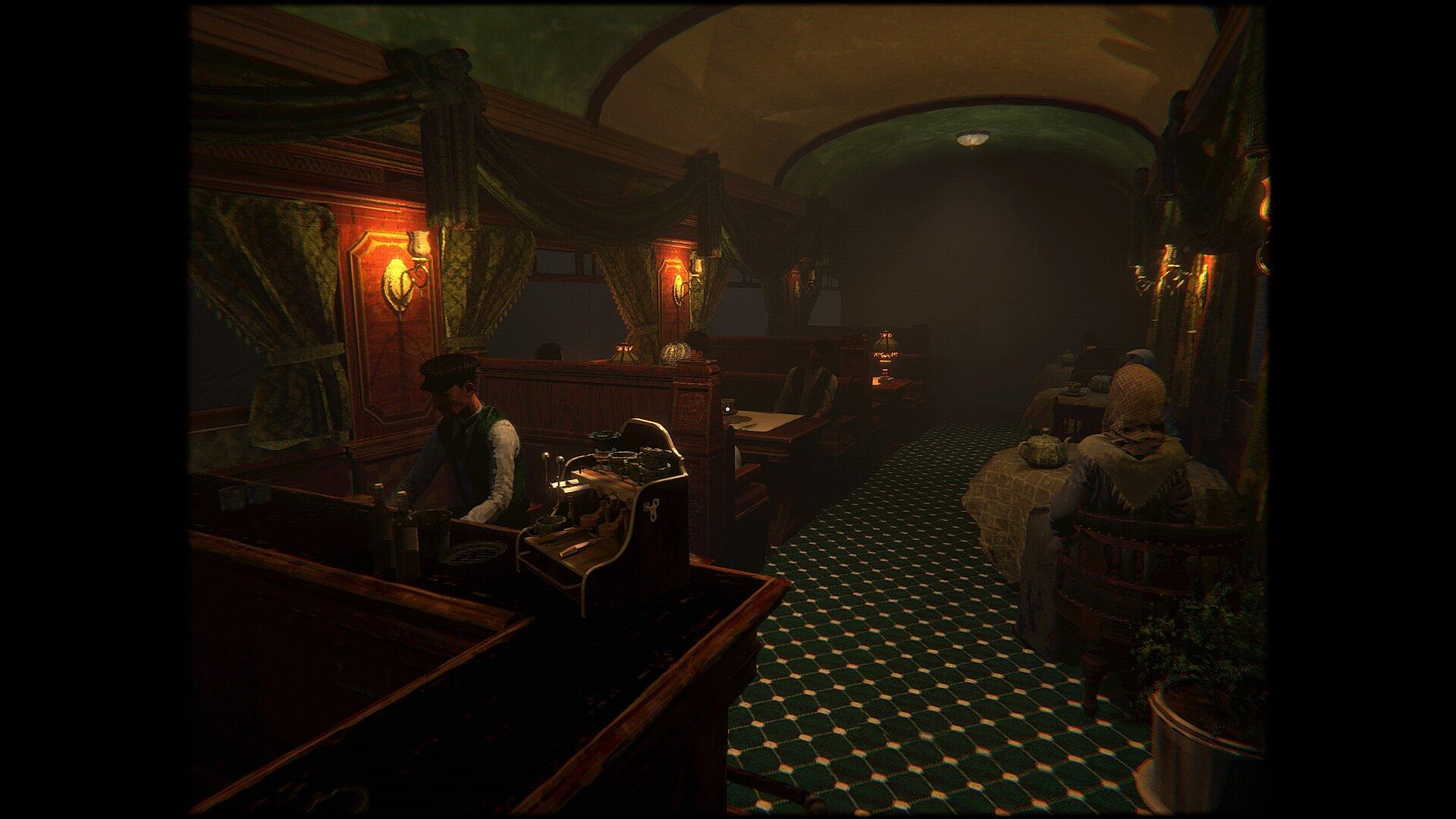
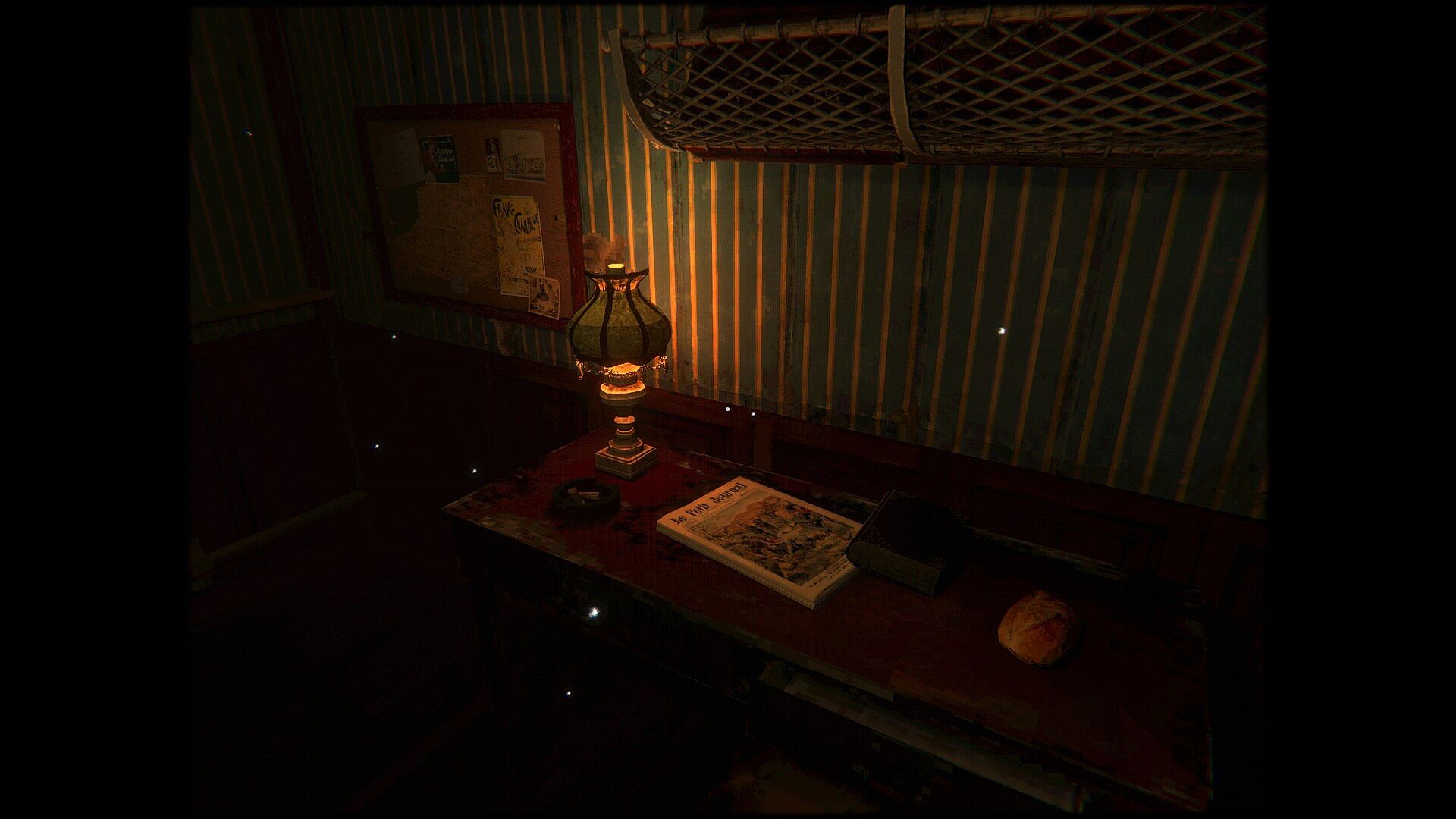
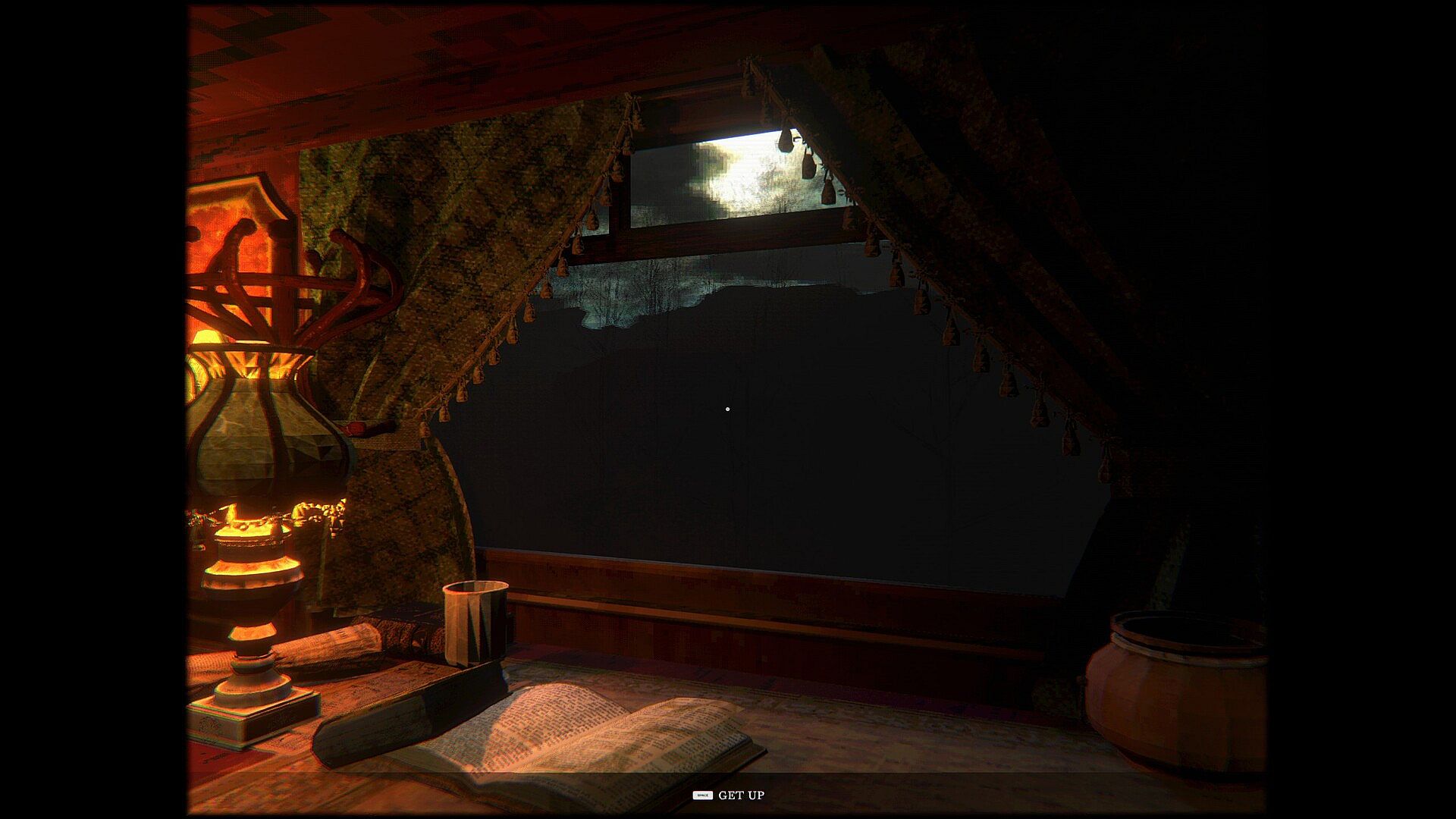
The 1911 French night train provides a confined, dimly lit environment where ordinary passenger interactions contrast with growing unease. Subtle environmental storytelling emerges from overheard dialogue and left-behind items, rewarding players who pause to listen and examine surroundings. The psychological tension builds through the realization that some elements aboard the train resist conventional explanation, shifting the inspector role from routine verification to confronting the unknown. Sound design and visual cues reinforce the isolation of working alone on a speeding train at night.
Mechanics and Progression
Inspection relies on comparing physical tickets and papers against mental or documented records, with no automated systems to assist. Reporting anomalies at the emergency cord serves as the primary action for handling irregularities that fall outside regulations. Each completed inspection yields new information that carries forward, making later runs more complex as the player notices additional layers of discrepancy. The one-way traversal of the trainset ensures focused pacing, while the lack of combat keeps emphasis on deduction and careful movement through carriages.
Is It Worth Playing?
Not in Order targets players who enjoy deliberate, observation-driven horror without action elements. Its simulation and adventure aspects appeal to those interested in document-based puzzles and atmospheric train settings. As an upcoming title with no released version or player reviews available, its value depends on interest in the described inspection and anomaly-reporting loop. Fans of slow-burn psychological experiences may find the emphasis on cross-checking details and spotting the unnatural rewarding once it launches in Q1 2027.











