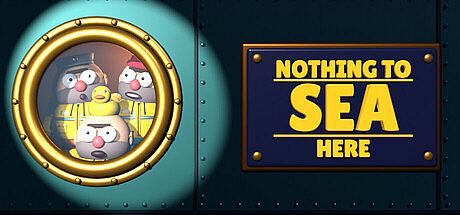


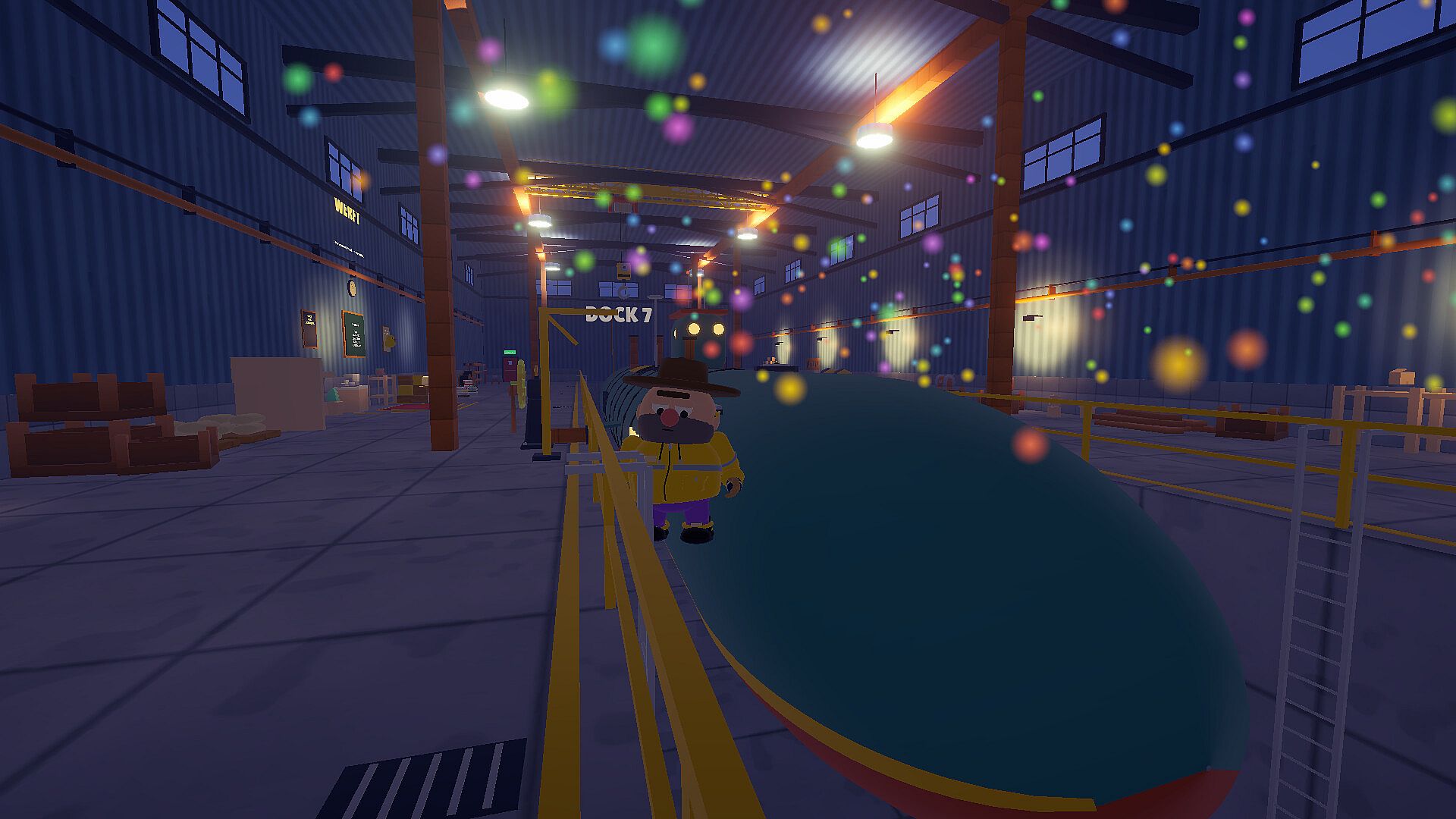
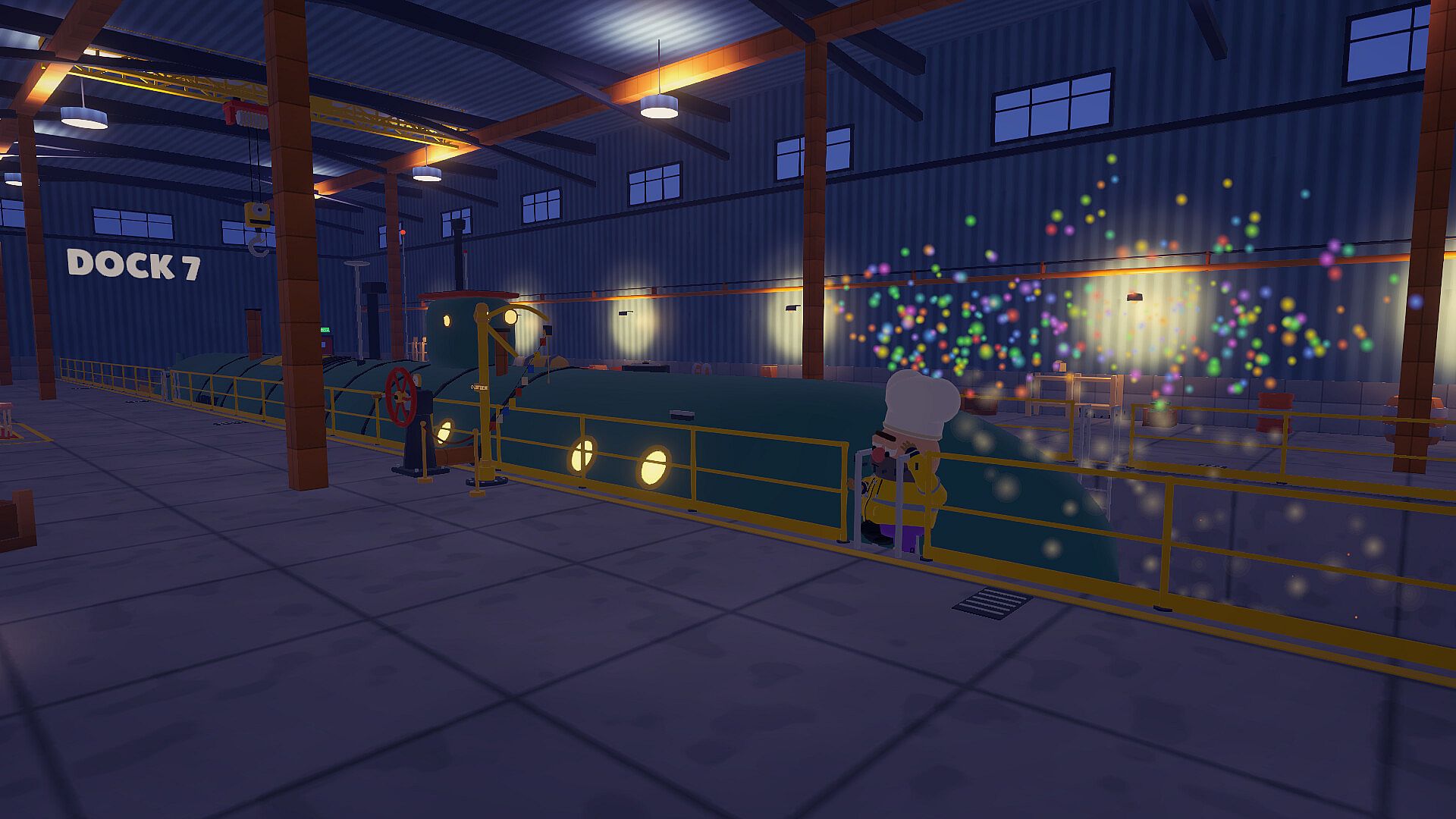
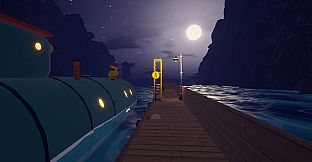

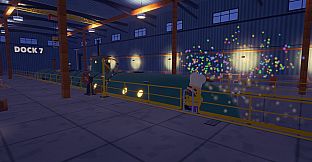
Nothing to Sea here is an indie simulation game focused on cooperative submarine smuggling. Players take on roles aboard a rusty vessel carrying illicit cargo through dark waters, relying on limited instruments and constant communication to avoid detection and obstacles.
Gameplay
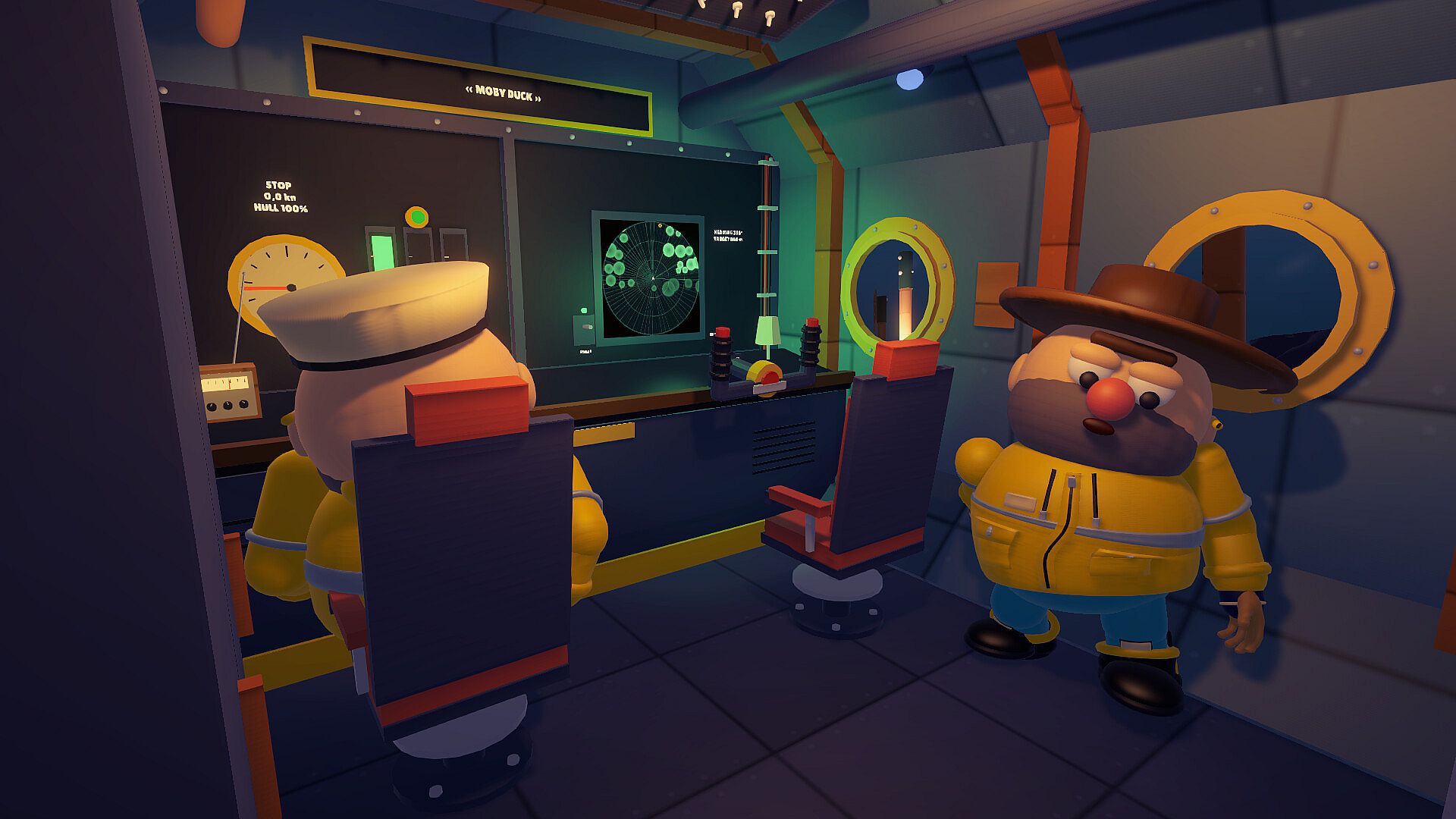
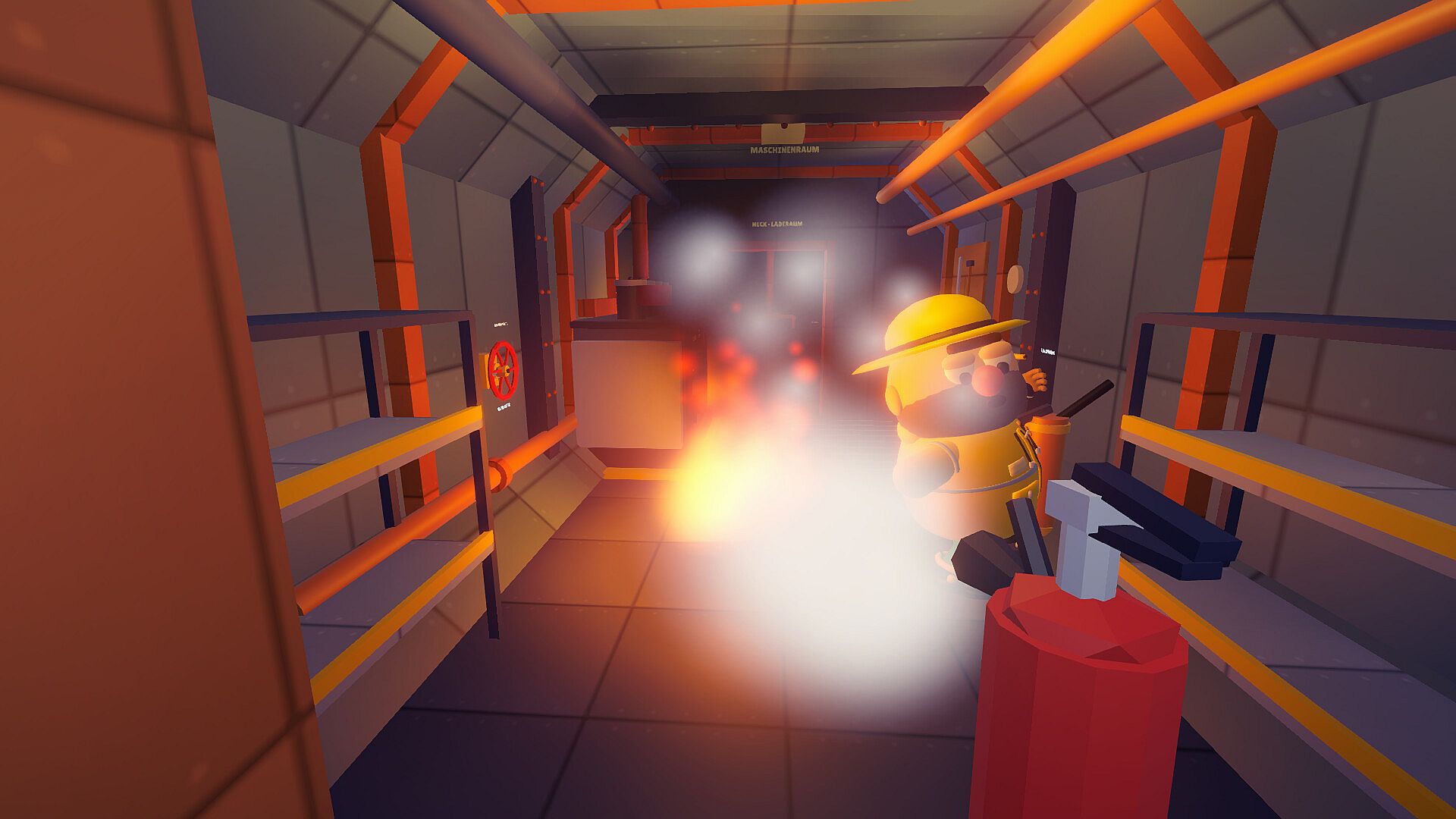
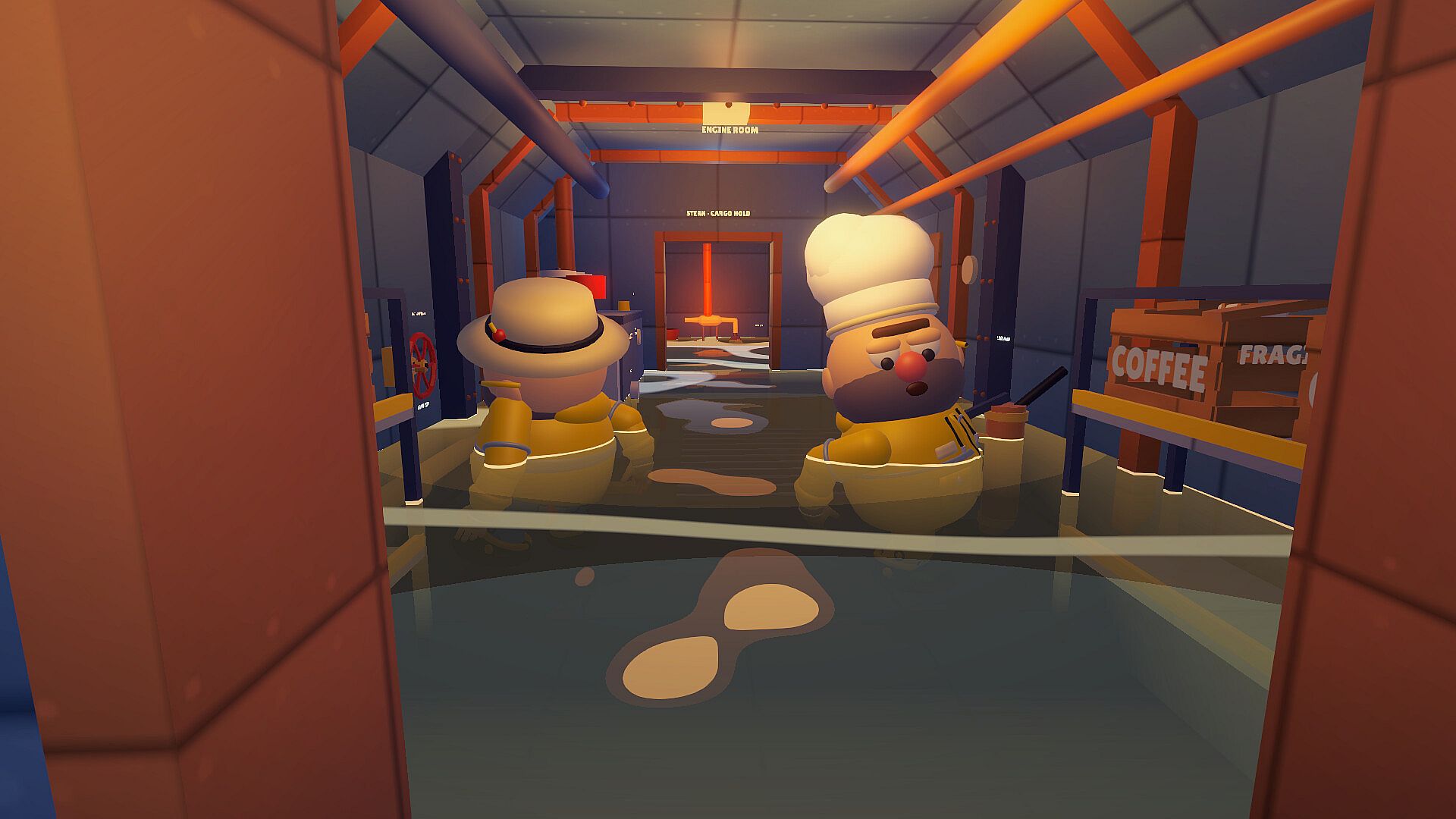
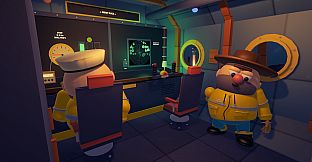
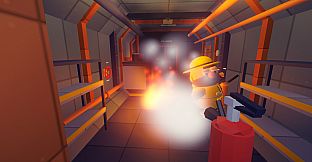
The core loop centers on managing a submarine with divided responsibilities among the crew. One player handles the throttle for speed control, another interprets sonar readings to navigate, a third maintains proper depth, and a fourth manages incoming calls from the boss. Emergencies arise frequently, including engine fires, burst pipes, blown fuses, and overheating diesel systems. Crew members must quickly locate tools such as extinguishers, bilge pumps, and repair manuals to resolve these issues before they escalate.
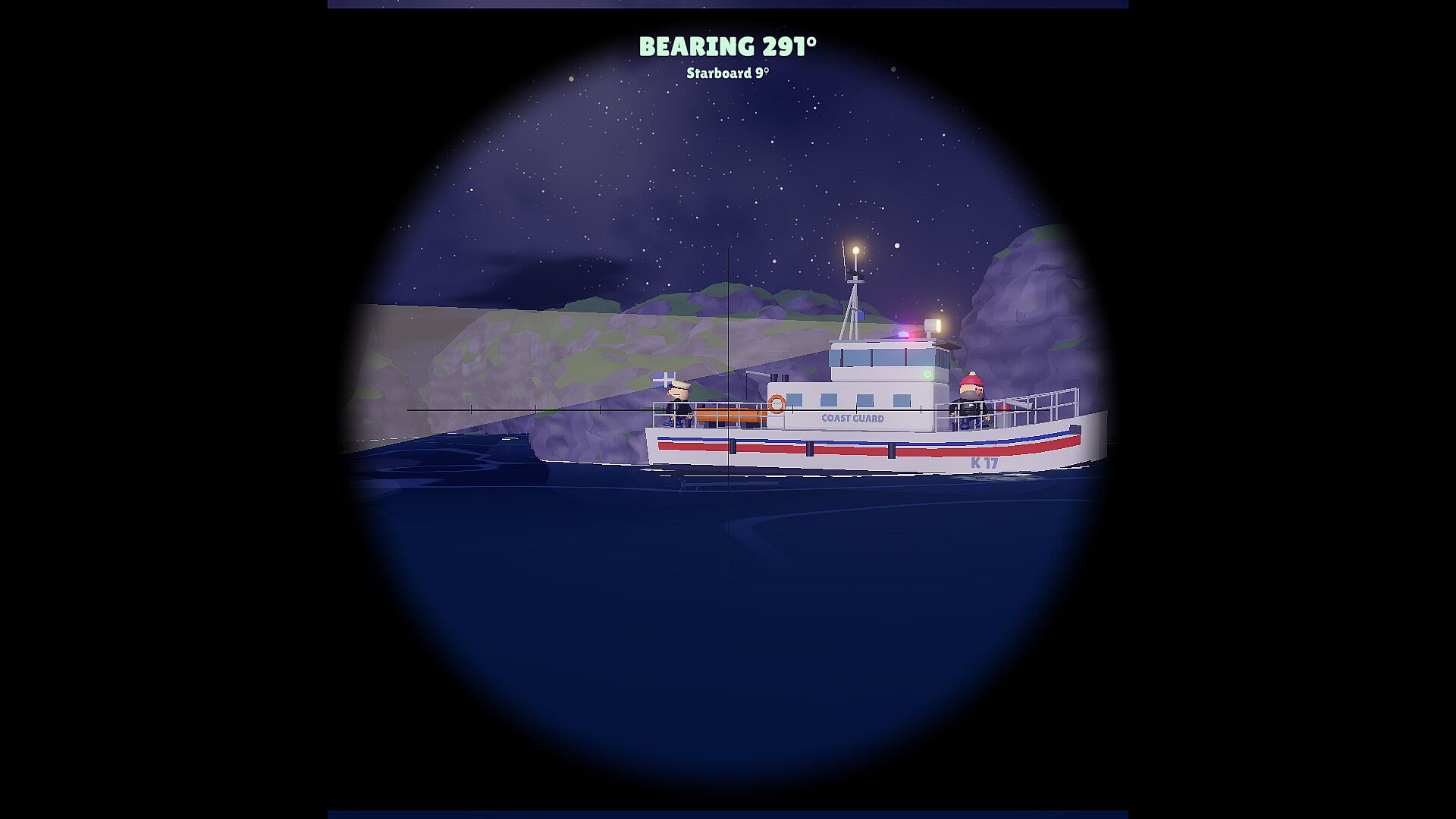
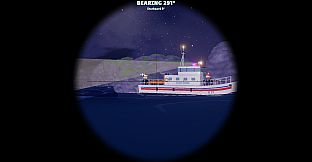
Noise management forms a critical layer of tension. The coast guard monitors audio from the engine, footsteps, and voice chat, so excessive sound draws unwanted attention and potential pursuit. Players must coordinate quietly while still conveying necessary information during high-pressure moments like sudden rock formations appearing on the sonar or in the porthole view.
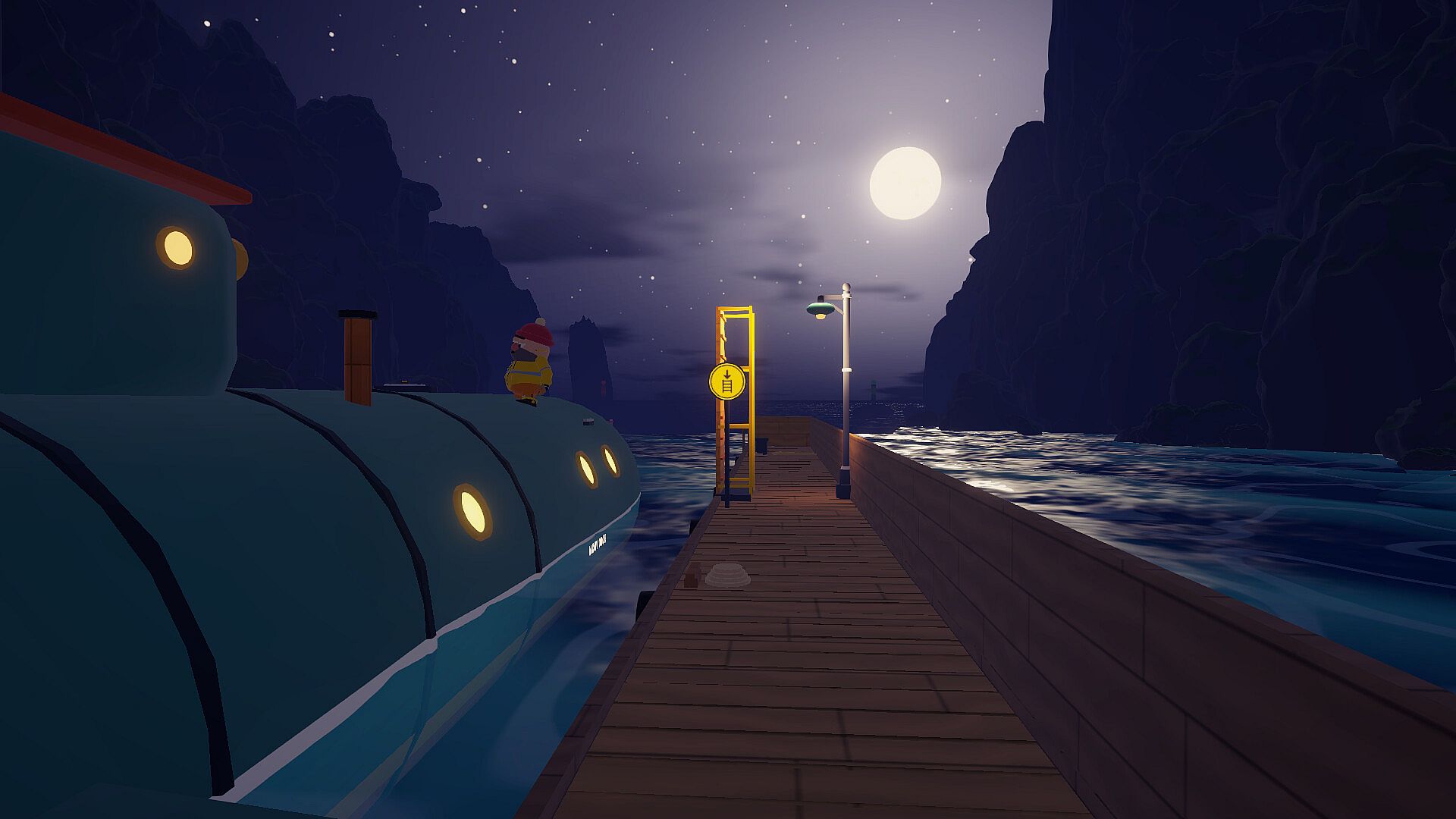
Customization adds depth to the experience. Modules such as a periscope tower, dive cell, radio room, and engine room can be bolted on to improve capabilities. The submarine itself can be repainted, christened with a bottle, and accessorized with items like hats or a squeaky lucky duck that risks drawing extra notice.
Game Modes
The primary experience is a campaign structured around daily quotas for successful deliveries. Progress unfolds through chapters that build toward a finale, with New Game+ available for those seeking additional challenge after completion. All activity occurs in online co-op supporting one to four players, using either direct invites or lobby codes for joining sessions.
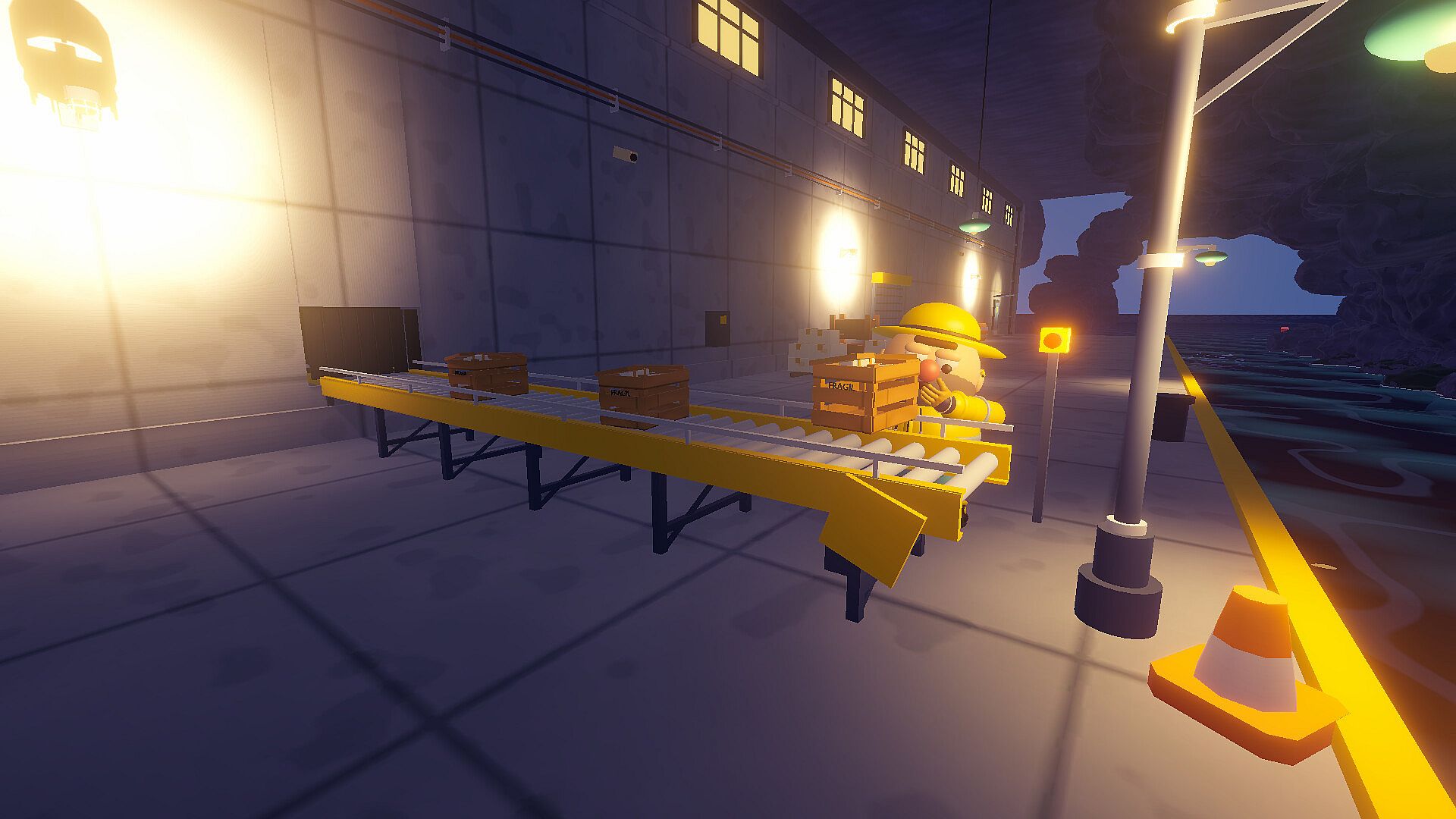
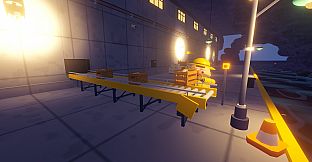
Built-in voice chat integrates directly into the mechanics, as spoken words contribute to the audible profile that can alert authorities. Sessions emphasize teamwork without external tools, making coordination essential for avoiding rocks, managing systems, and completing smuggling runs into hidden caves where goods are transferred via conveyor belts.
Cooperative Challenges and Systems
Navigation relies entirely on sonar, gauges, and verbal descriptions rather than clear visual references, creating a sense of operating in near-total darkness. The submarine starts with minimal visibility, forcing players to interpret instrument data in real time while responding to dynamic problems like flooding or mechanical failures.
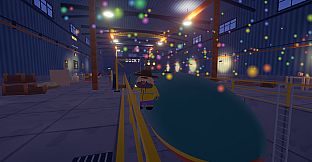
Smuggling runs follow a consistent pattern of flooding the basin, departing with a tugboat, diving to the target depth, reaching the destination, and unloading cargo discreetly. Any lapse in coordination or excess noise can interrupt the sequence and attract patrols.
Is It Worth Playing?
This title suits groups interested in simulation experiences that reward precise role division and verbal teamwork. The campaign structure with recurring quotas and escalating chapters provides repeatable sessions, while New Game+ extends longevity for coordinated crews. Availability in multiple languages supports broader accessibility for international players. With its focus on tension from limited information and noise-sensitive mechanics, the game appeals most to those who enjoy cooperative problem-solving over fast-paced action or solo play.