


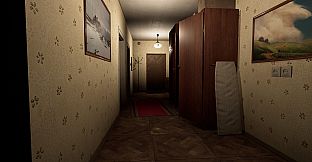
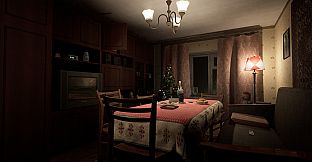
OPEN UP! IT'S ME is an indie psychological horror game available on PC. Set on New Year's Eve, it places players in the role of a ten-year-old child home alone while parents run late and unexpected guests begin arriving. The core premise revolves around a simple rule from the mother: do not open the door to strangers. Yet the situation grows tense when voices insist they belong inside, forcing careful judgment calls that shape the evening's outcome.
Gameplay
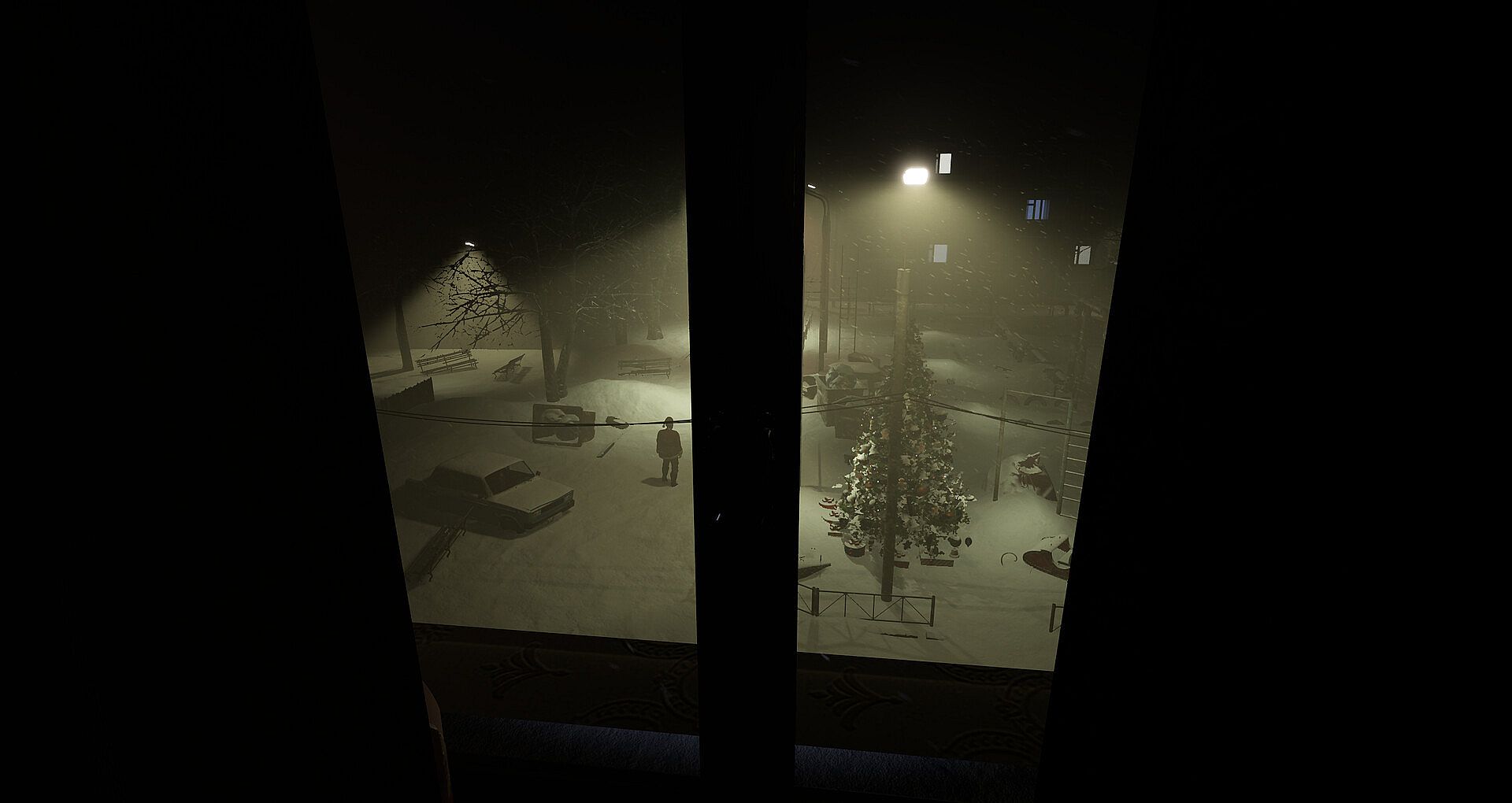
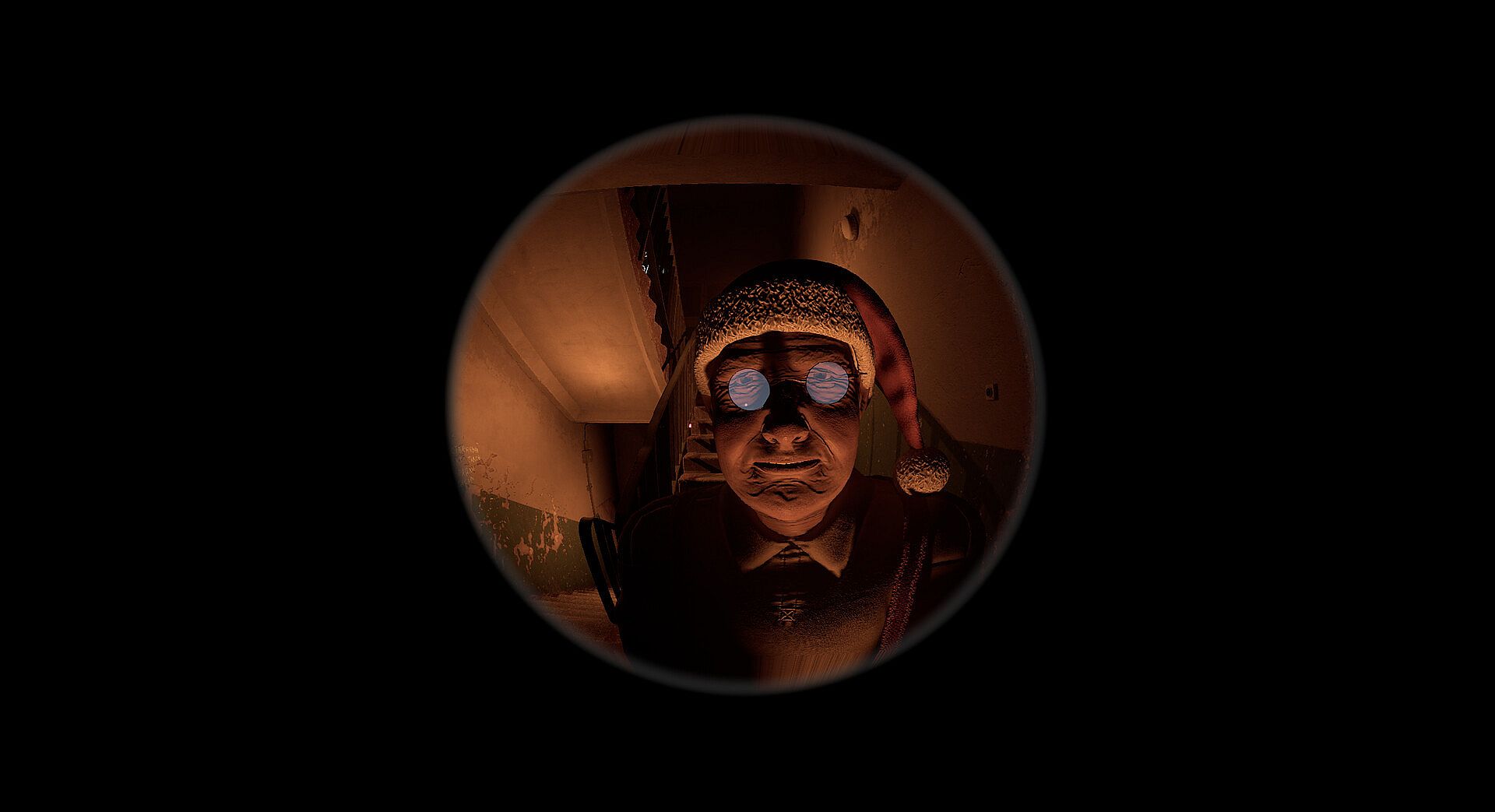
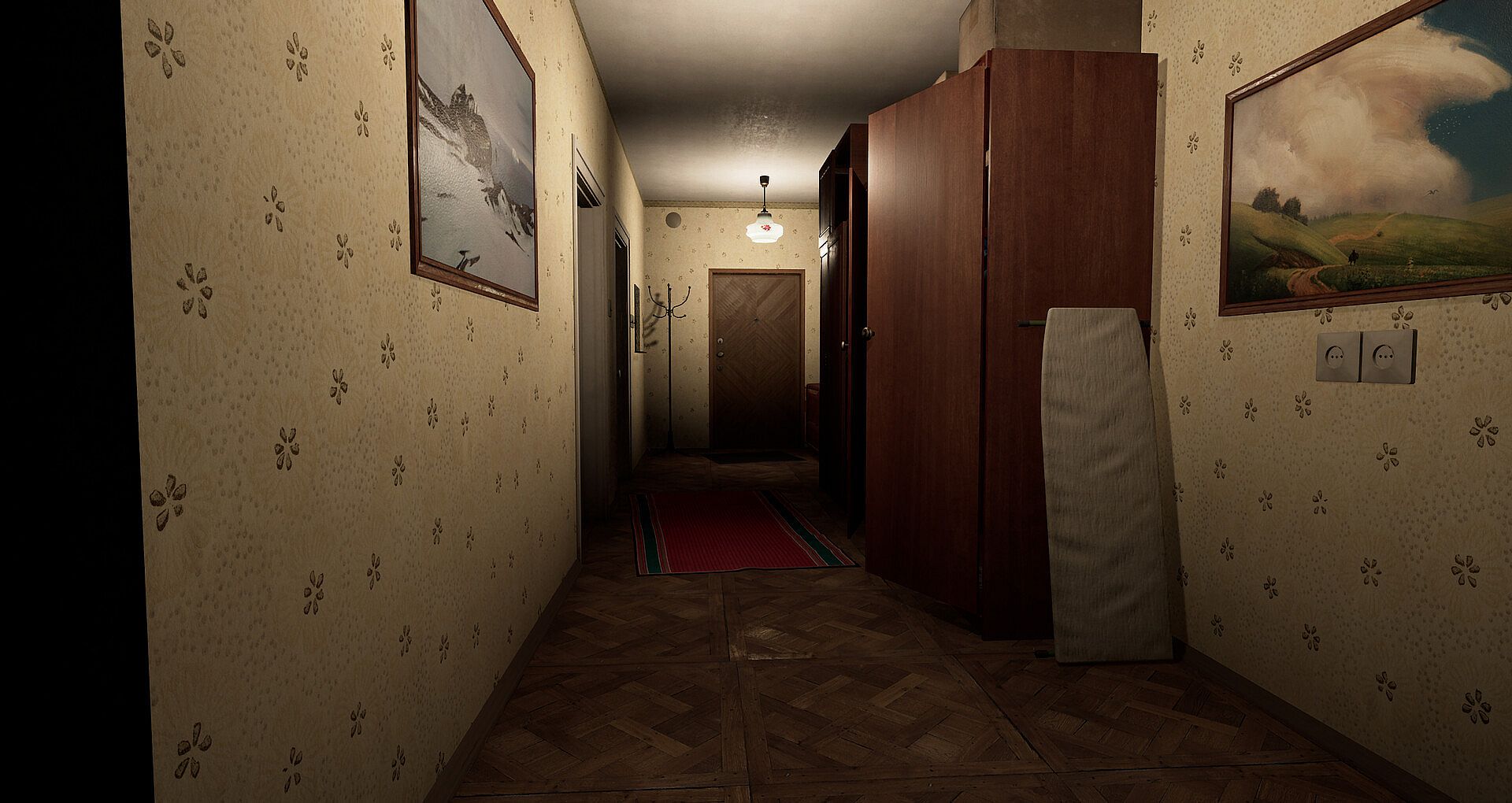
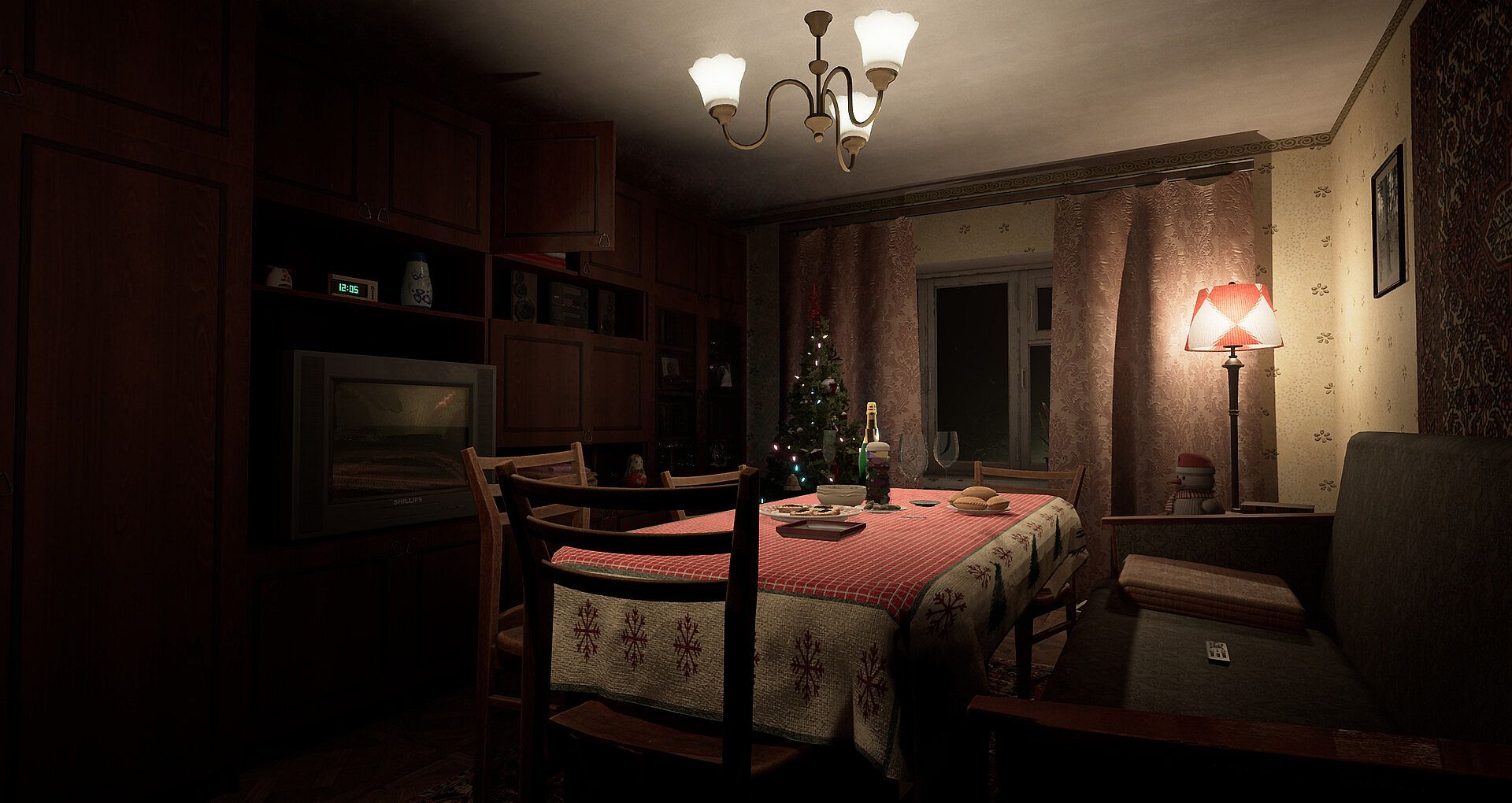
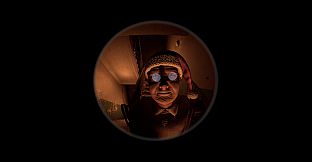
The experience unfolds in a single apartment environment where observation and interaction drive progress. Players examine the scene through a peephole to identify visitors, engage in conversations to probe for details, and inspect family photos, notes, and phone messages scattered throughout the rooms. These elements provide the information needed to assess each arrival. Inconsistencies in stories or mismatched details become key signals for trust decisions. The loop centers on repeated checks at the door, clue gathering, and final choices about entry. As more figures gather, the atmosphere shifts toward collective tension around the dinner table, where prior selections influence how events resolve. Every action carries weight because the narrative branches based on who gains access and who remains outside.
Game Modes
This title operates as a linear single-player narrative experience without separate modes or multiplayer components. The structure emphasizes one continuous session focused on decision-making and exploration within the apartment setting. Branching outcomes emerge naturally from player choices rather than from selectable difficulty levels or distinct play styles. The design keeps the focus narrow on the immediate scenario of guest arrivals and the consequences that follow once everyone assembles.
Story and Atmosphere
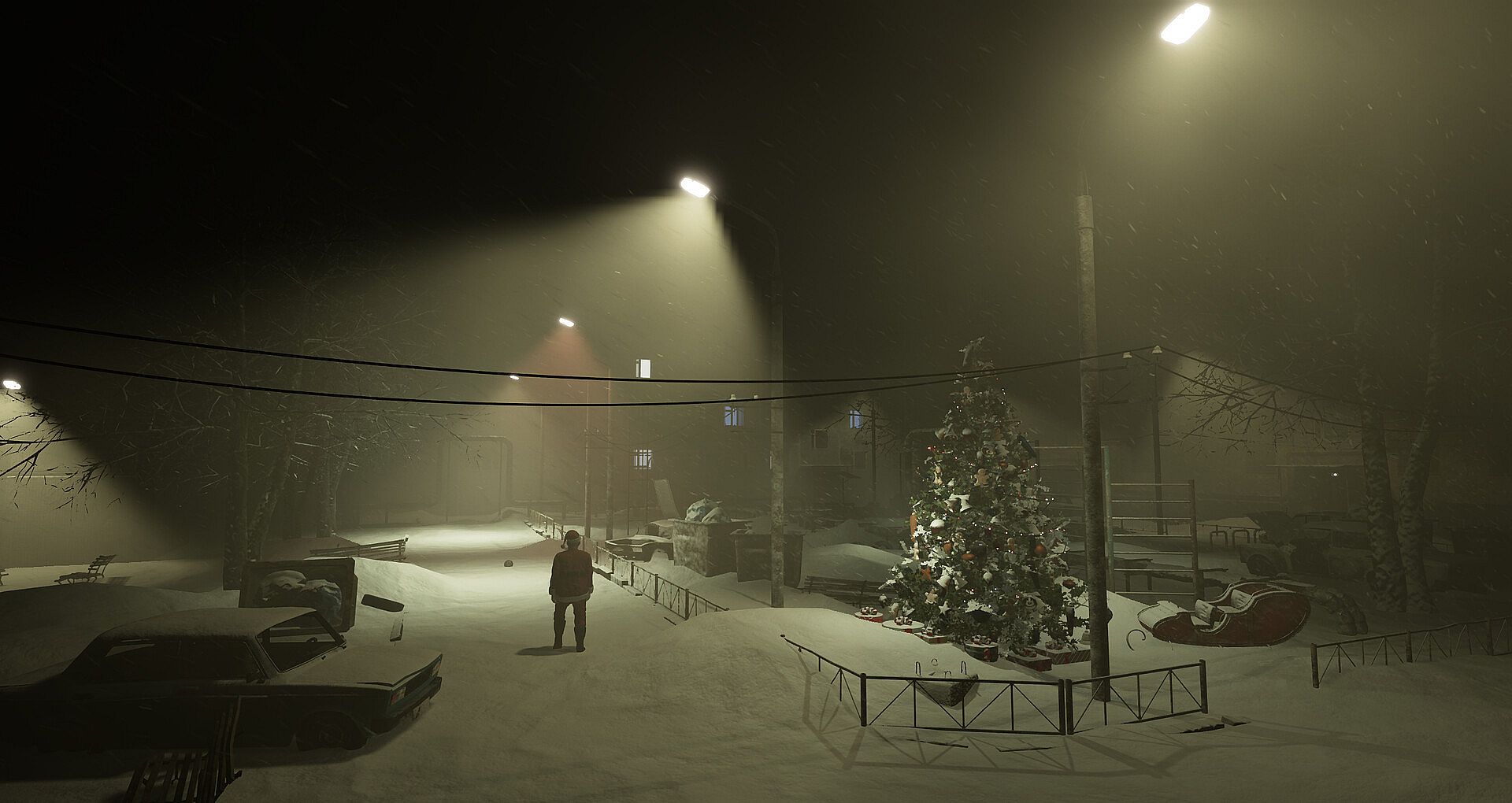
The narrative builds around the isolation of a child managing an adult responsibility during a holiday evening. Christmas and New Year's elements frame the setting with familiar seasonal touches that contrast the growing unease. Family mementos and messages add layers of personal context, helping players piece together relationships and potential motives. The short length suits the focused premise, delivering a complete arc without unnecessary padding. Tension rises steadily as decisions accumulate, culminating in a gathering that reveals the full impact of earlier judgments.
Who It Appeals To
Fans of compact psychological horror titles that prioritize deduction and consequence over action or combat will find the approach familiar. The mechanics reward attention to detail and logical questioning rather than reflexes or resource management. Those seeking a brief session with replay value through alternate choices can explore different paths across multiple playthroughs. The indie scope keeps the presentation intimate and contained, matching the confined apartment space.
Is It Worth Playing?
The game delivers a self-contained psychological horror experience built around observation, dialogue, and branching decisions. Its strength lies in the tight focus on a single evening's events and the way small choices alter the final gathering. Players who enjoy short-form narrative titles centered on trust and consequence will appreciate the structure. Availability on PC makes it accessible for those interested in indie horror with a holiday twist. The design avoids filler by concentrating on the core loop of checking visitors and searching for clues, resulting in a direct and purposeful session. For anyone drawn to games where every interaction matters and endings shift based on judgment, this title provides a fitting match without requiring extended time investment.