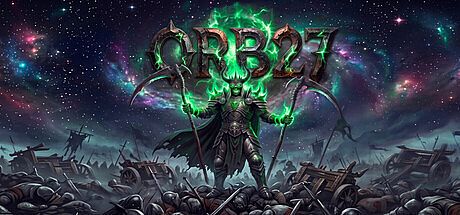


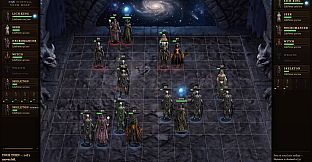
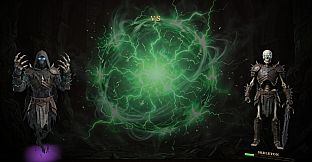
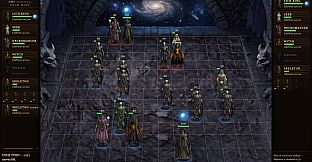
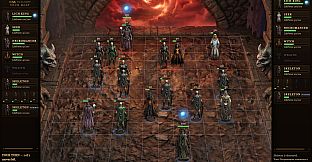
ORB27 is a turn-based strategy board game that pits two Lich Kings and their undead hosts against each other on a compact battlefield. Players command a small roster of units with distinct movement and combat rules in a dark fantasy setting where positioning, timing, and resource management decide every exchange. The game emphasizes tight decision-making over large-scale campaigns, with mechanics that force constant adaptation to shifting conditions on the board.
Gameplay
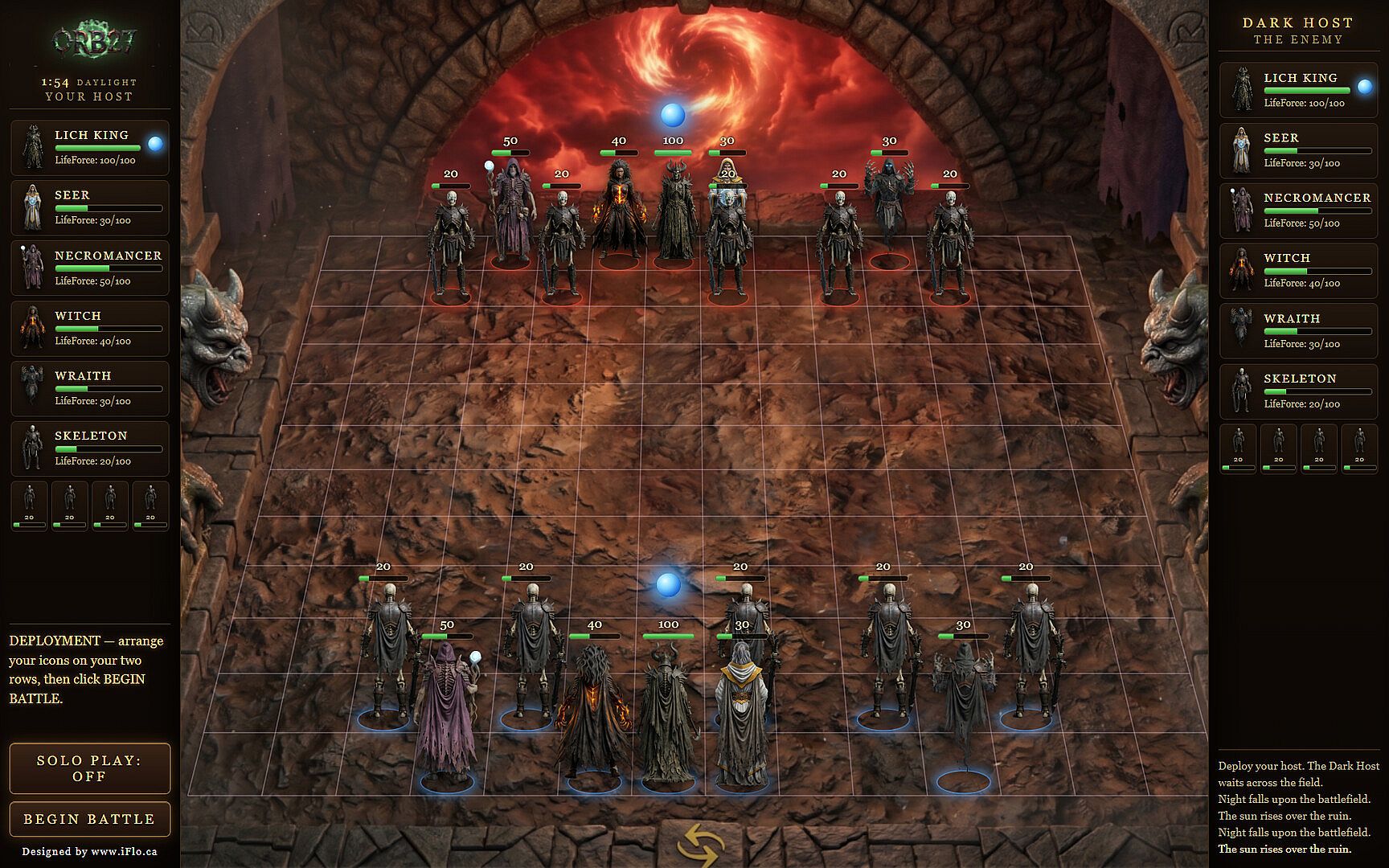
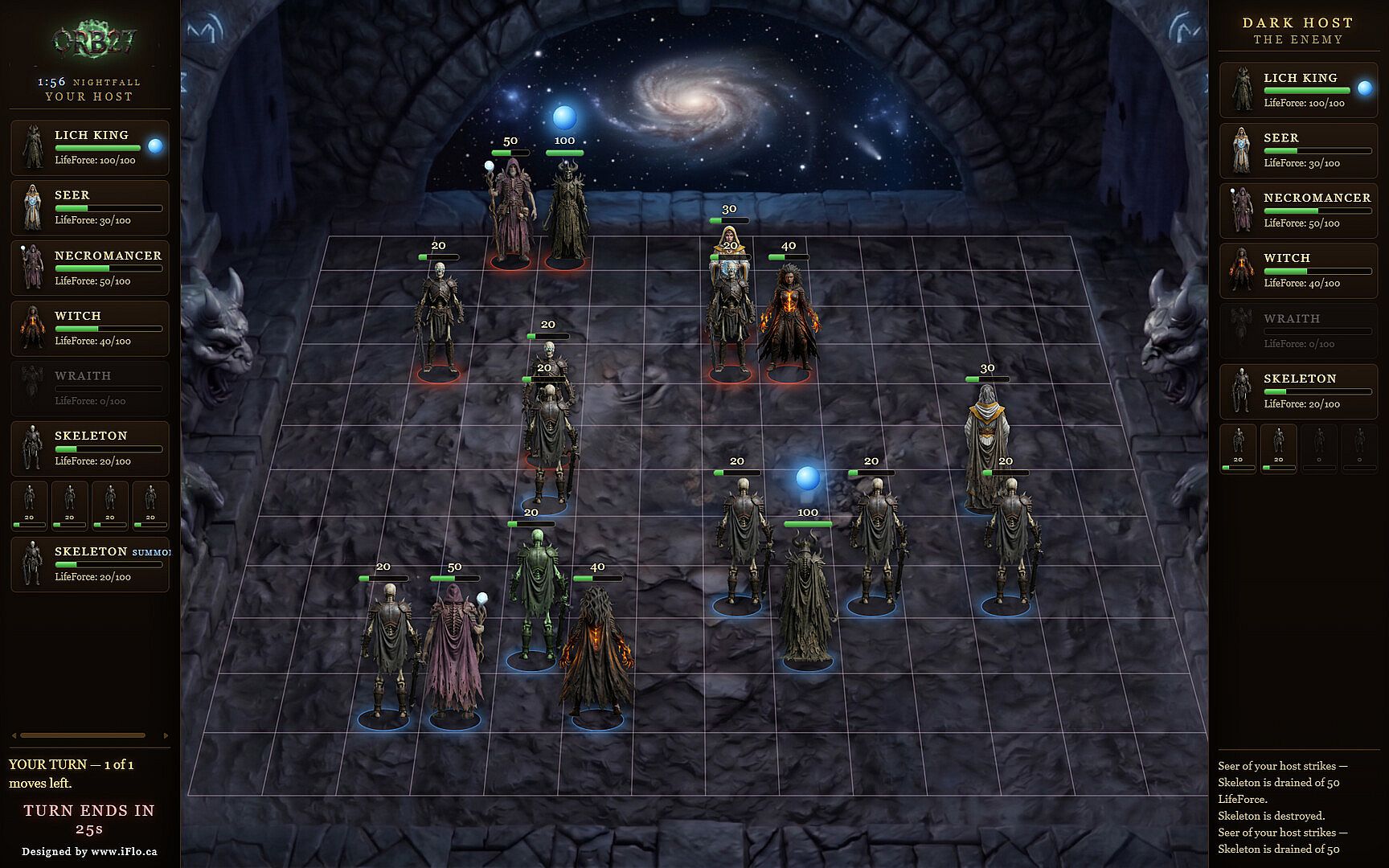
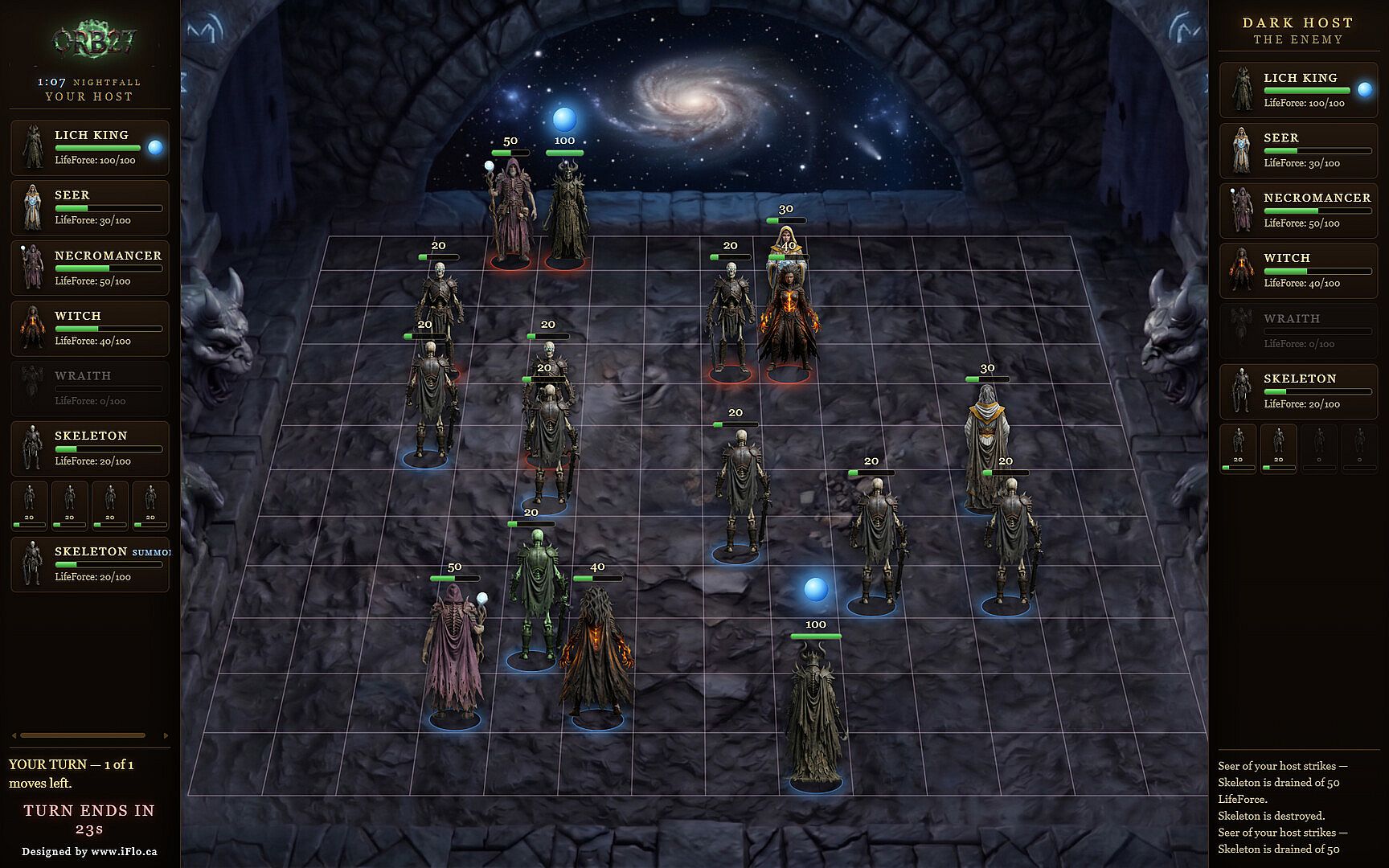
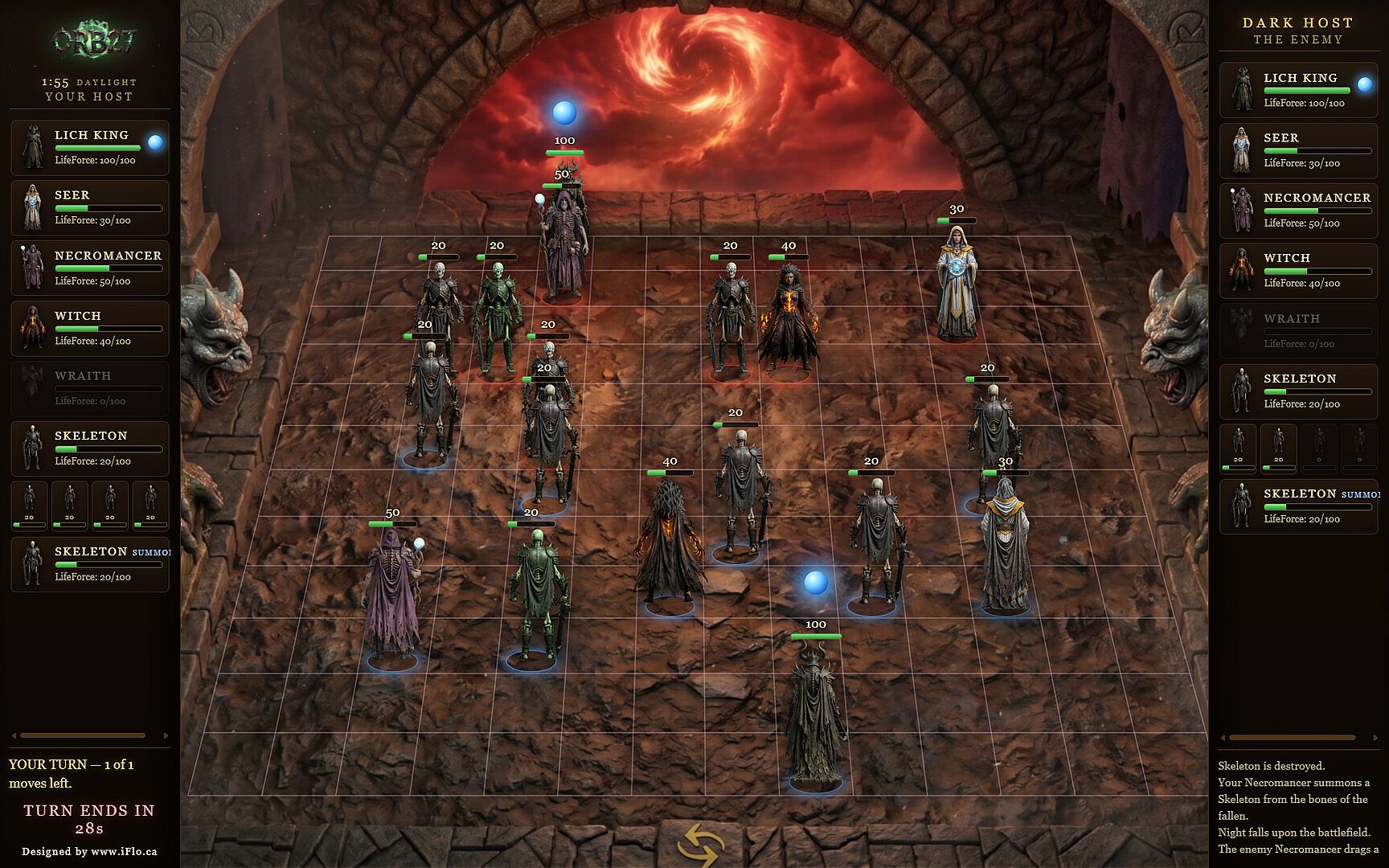
Each side fields a Lich King, Seer, Necromancer, Witch, Wraith, and five Skeletons. Units follow unique movement patterns and attack profiles, so no two pieces function interchangeably. Trades between forces carry permanent consequences because damage output varies with the board's day and night cycle. The light favors one side at a time, reducing incoming damage for that player and rewarding precise timing of aggressive pushes.
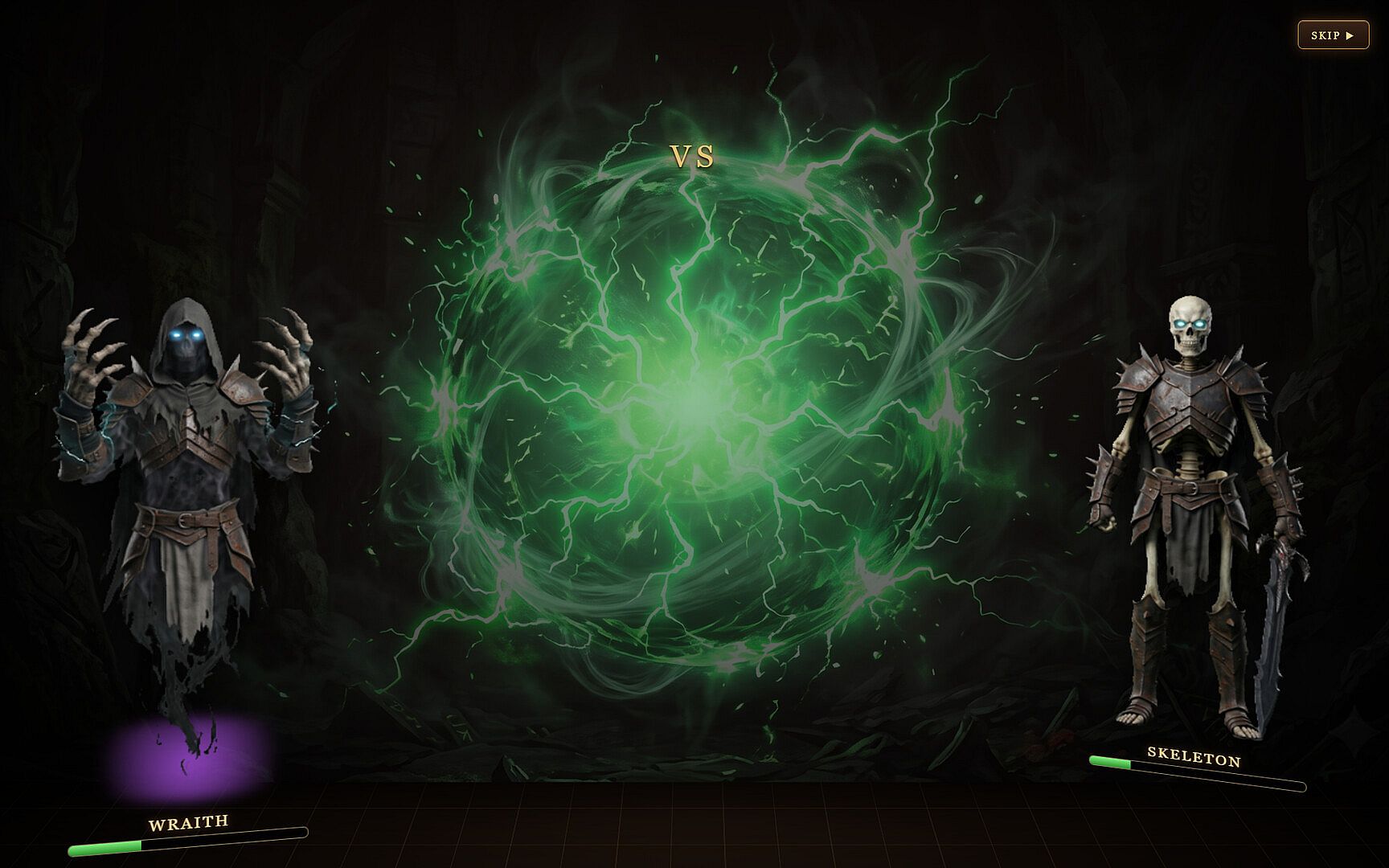
The Necromancer revives a Skeleton whenever the previous one falls, maintaining pressure without external reinforcements. A Skeleton that reaches the enemy stronghold transforms into a Wraith, gaining significantly higher lethality and altering the balance of power mid-game. A real-time turn clock adds tension: prolonged deliberation causes the turn to pass automatically, punishing hesitation during critical moments.
Two editable text files ship with the game, allowing direct modification of unit health and behavioral parameters for custom experiments. The entire experience unfolds on a small board where every placement and exchange carries weight, rendered in a consistent dark atmospheric style without extraneous elements.
Game Modes
ORB27 supports single-player matches against an opposing host controlled by the game systems. Shared or split-screen PvP enables two players to face each other locally on the same device, each directing their own Lich King and accompanying units under identical rules.
Both formats revolve around the same core loop of maneuvering pieces, managing the day-night shift, and racing to capture the central objective before the opponent does. No additional named variants or online components appear in the current build.
Core Mechanics and Strategy
Success hinges on coordinating the six unit types to exploit the light cycle while preventing the opponent from doing the same. Early aggression can backfire if the board favors the defender, while delaying action risks losing tempo to the turn clock. Promotion of Skeletons into Wraiths creates comeback opportunities or decisive advantages when a piece survives long enough to reach the far side.
The moddable files encourage players to test alternate balance configurations, turning the base ruleset into a sandbox for personal variants. This focus on a limited set of high-impact choices distinguishes the title from broader strategy experiences that layer multiple systems or larger armies.
Is It Worth Playing?
ORB27 targets players who enjoy precise, clock-driven tactical duels where every move alters the immediate state of the board. Its small scope and emphasis on asymmetric unit interactions suit those seeking concentrated sessions rather than extended campaigns or large-scale empire building. The local PvP option provides direct head-to-head competition without requiring online connectivity.
With a planned release in November 2026 and no player reviews available yet, the game remains an upcoming title whose reception will depend on how well the described systems hold up in practice. Those drawn to indie strategy titles with custom unit rules and environmental timing mechanics may find the tightly scoped design appealing once it launches. The inclusion of editable files adds longevity for users interested in tweaking parameters themselves.