

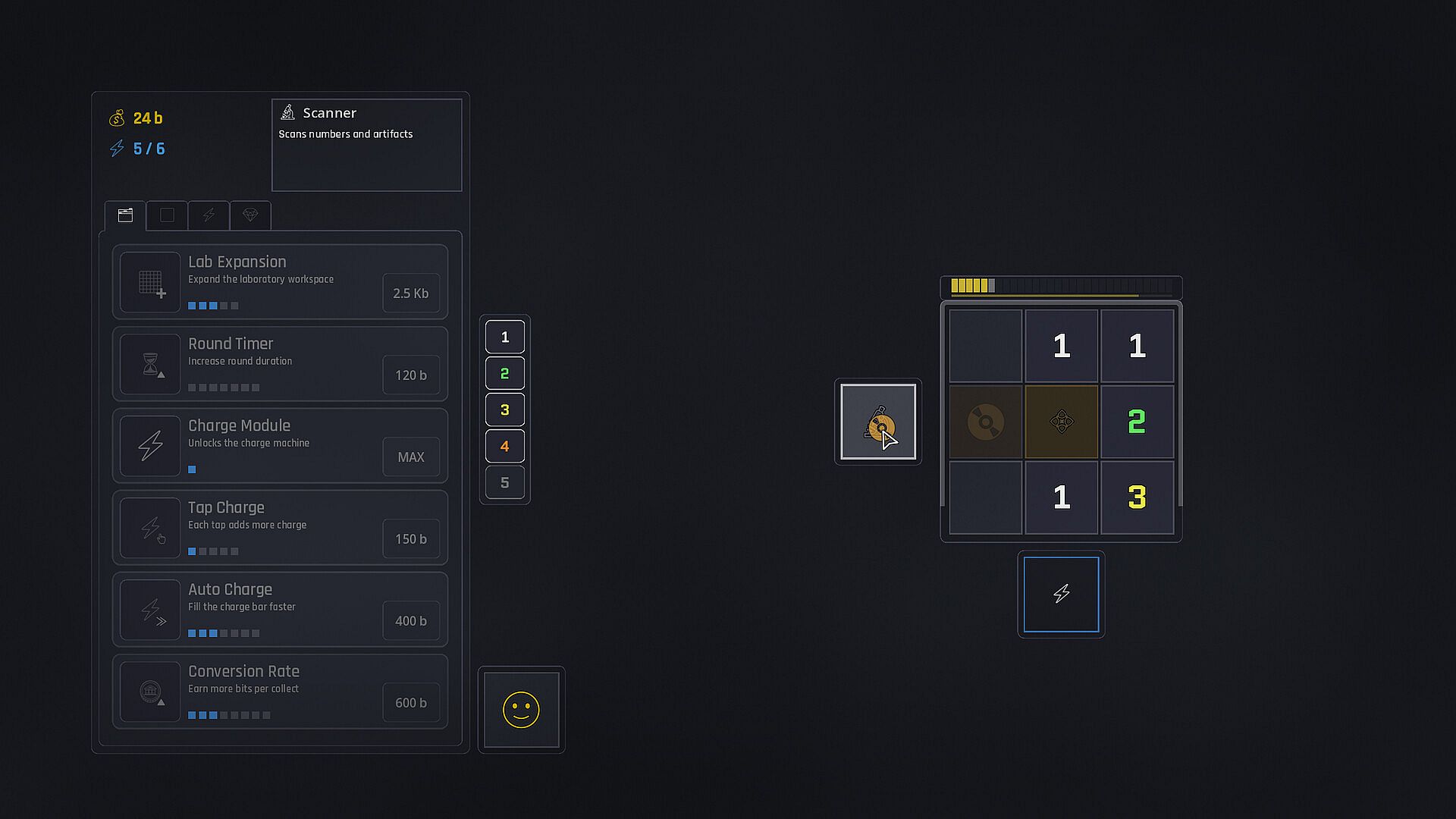
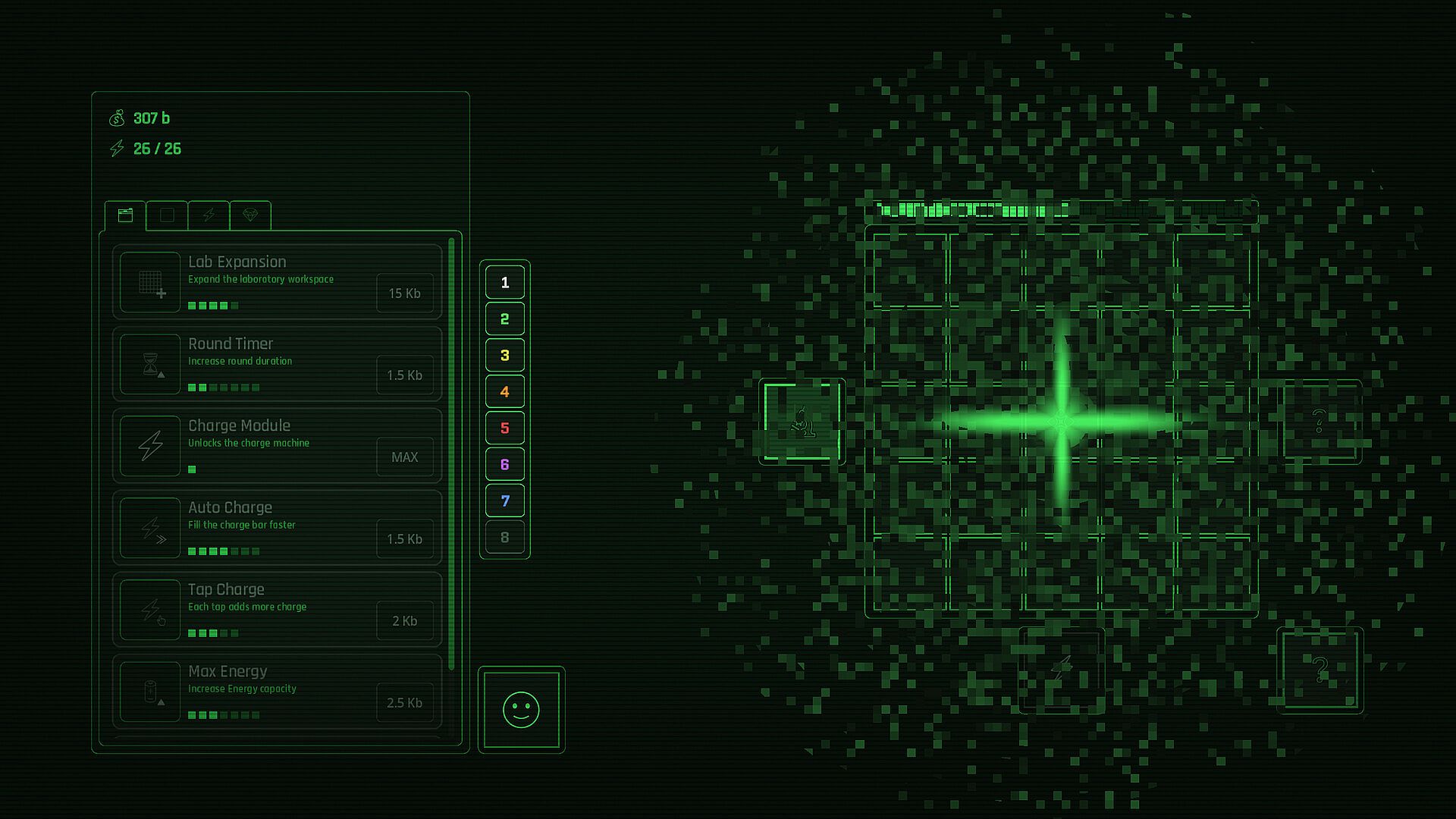
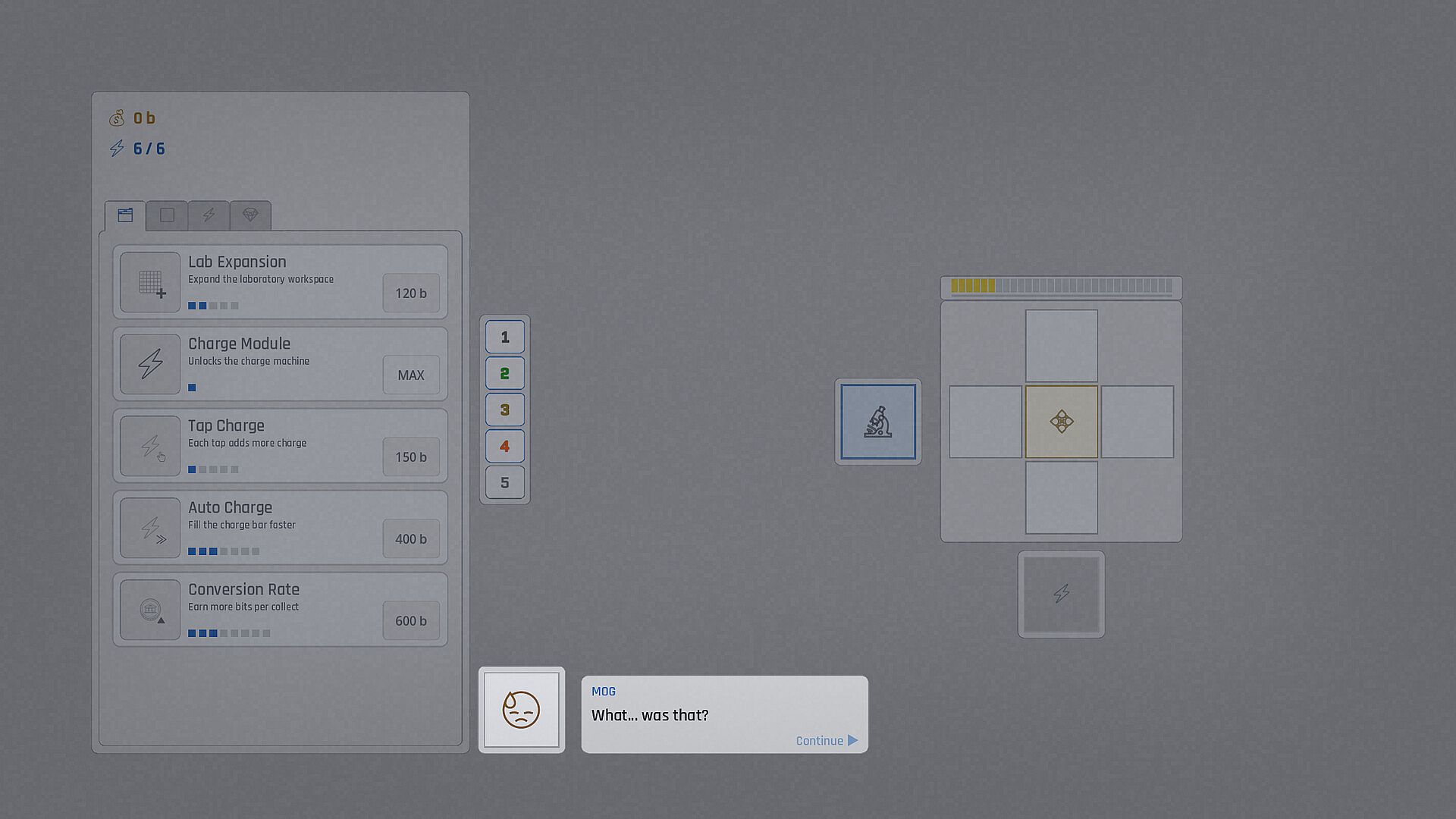
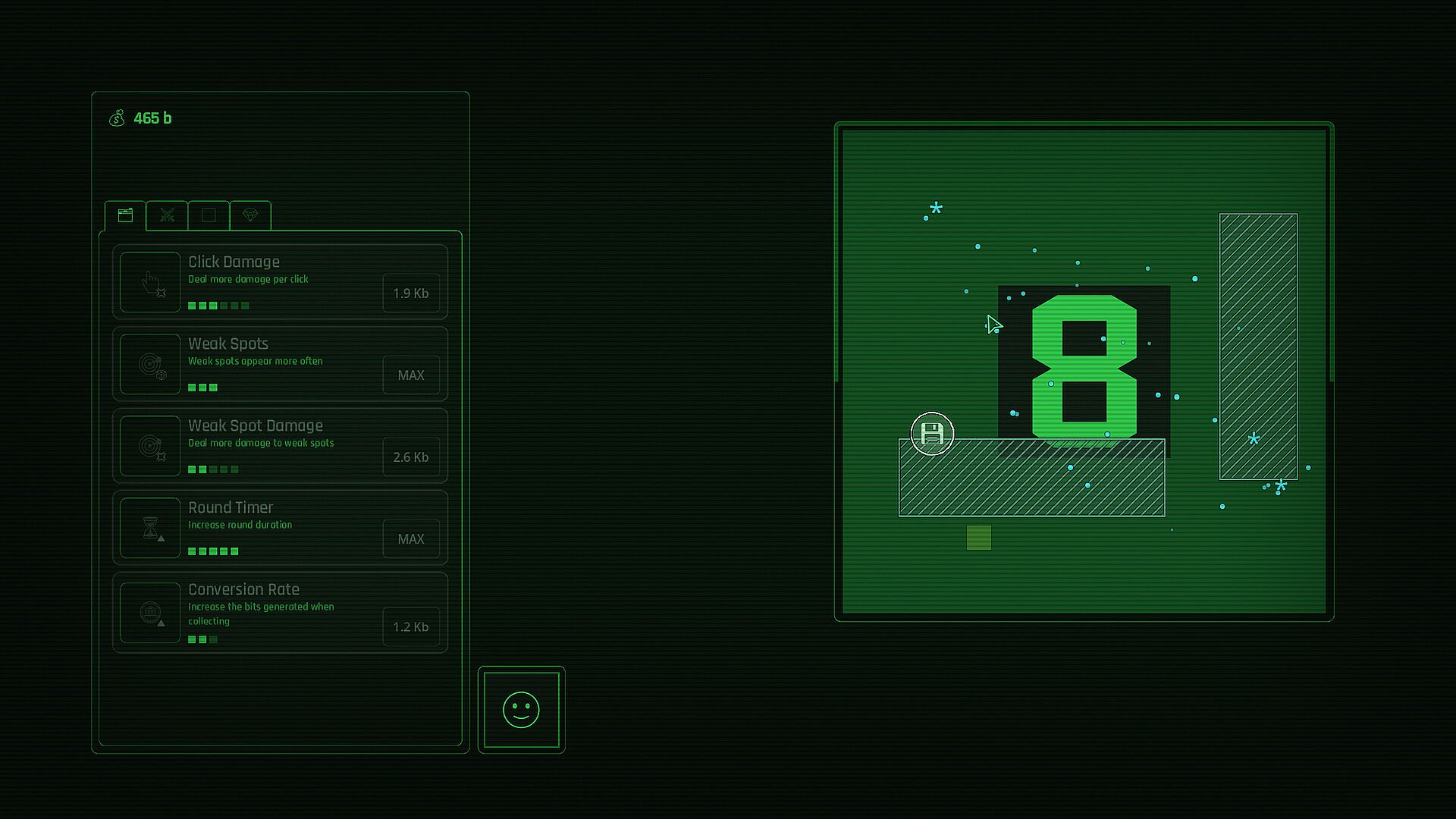
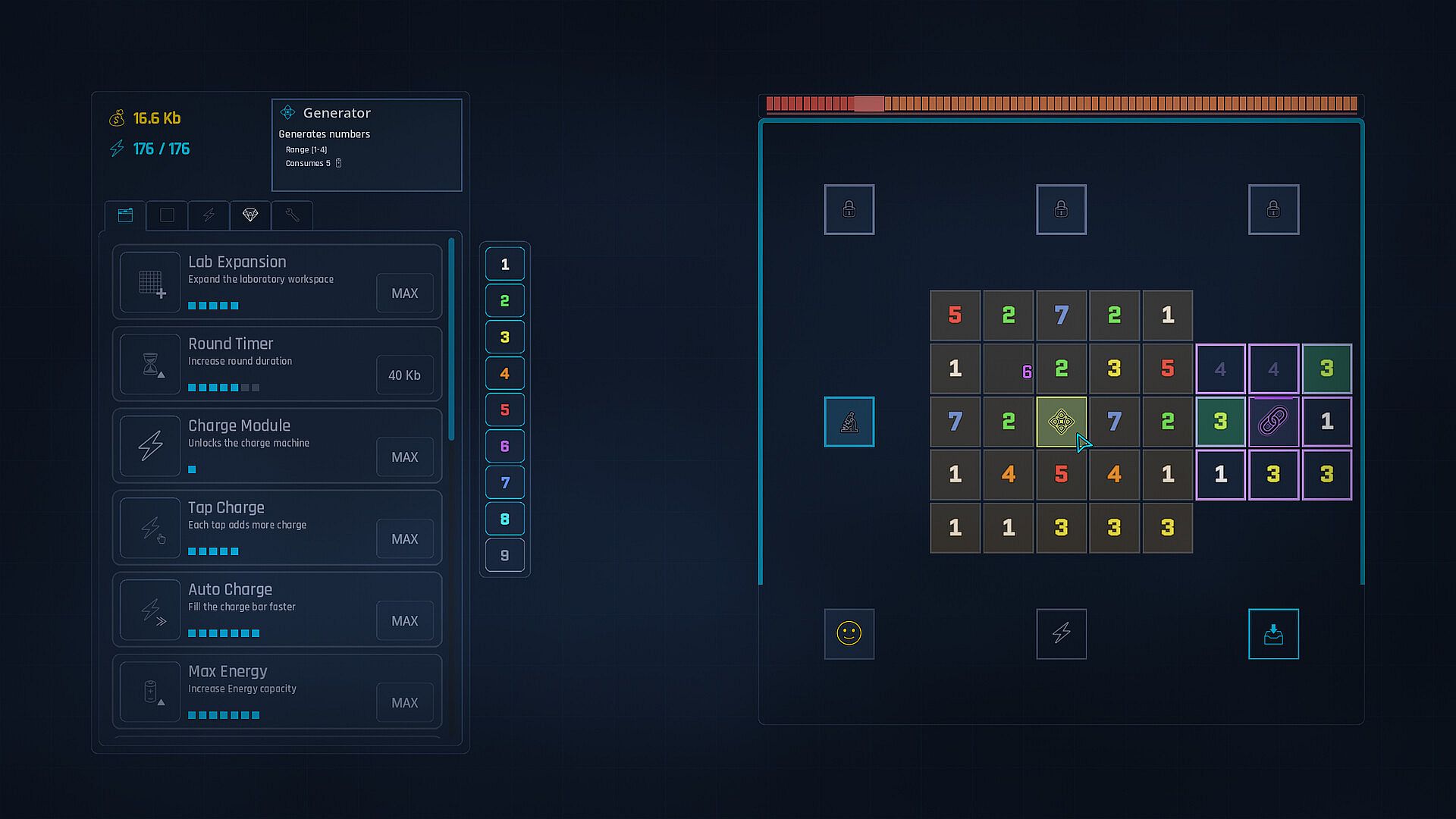
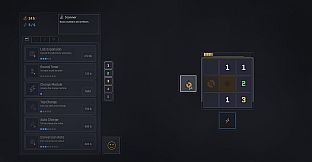
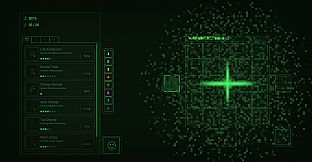

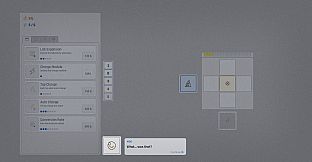
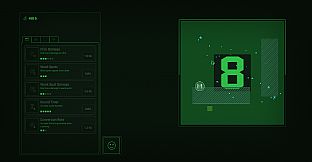
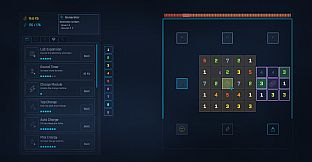
Overflow Protocol is an indie casual game for PC that combines incremental progression systems with merge puzzle mechanics. Players step into a research lab called the LNC, or Large Number Collider, where the goal centers on discovering how far numbers can extend beyond standard limits toward what the game refers to as the God Number.
Gameplay
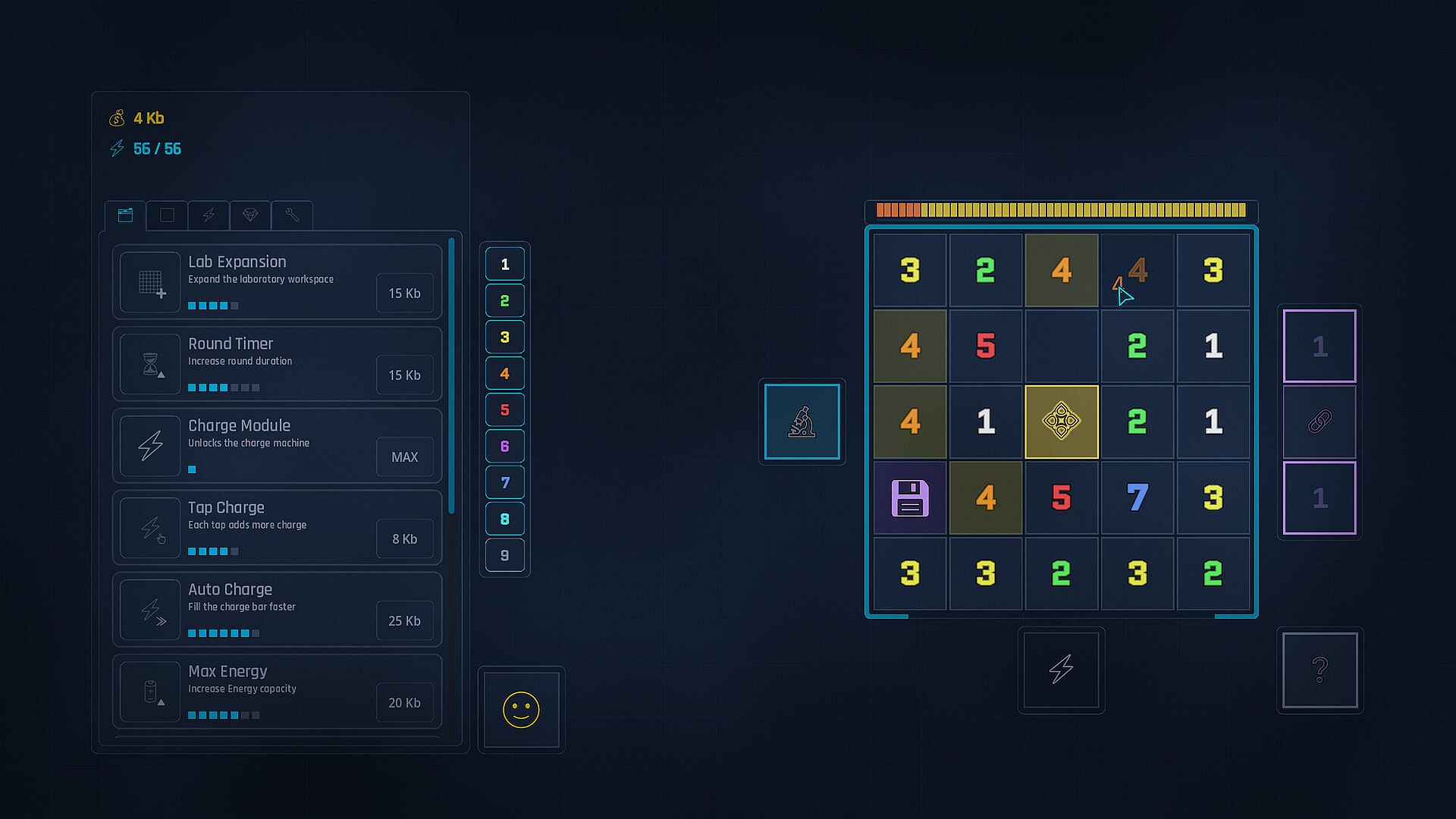
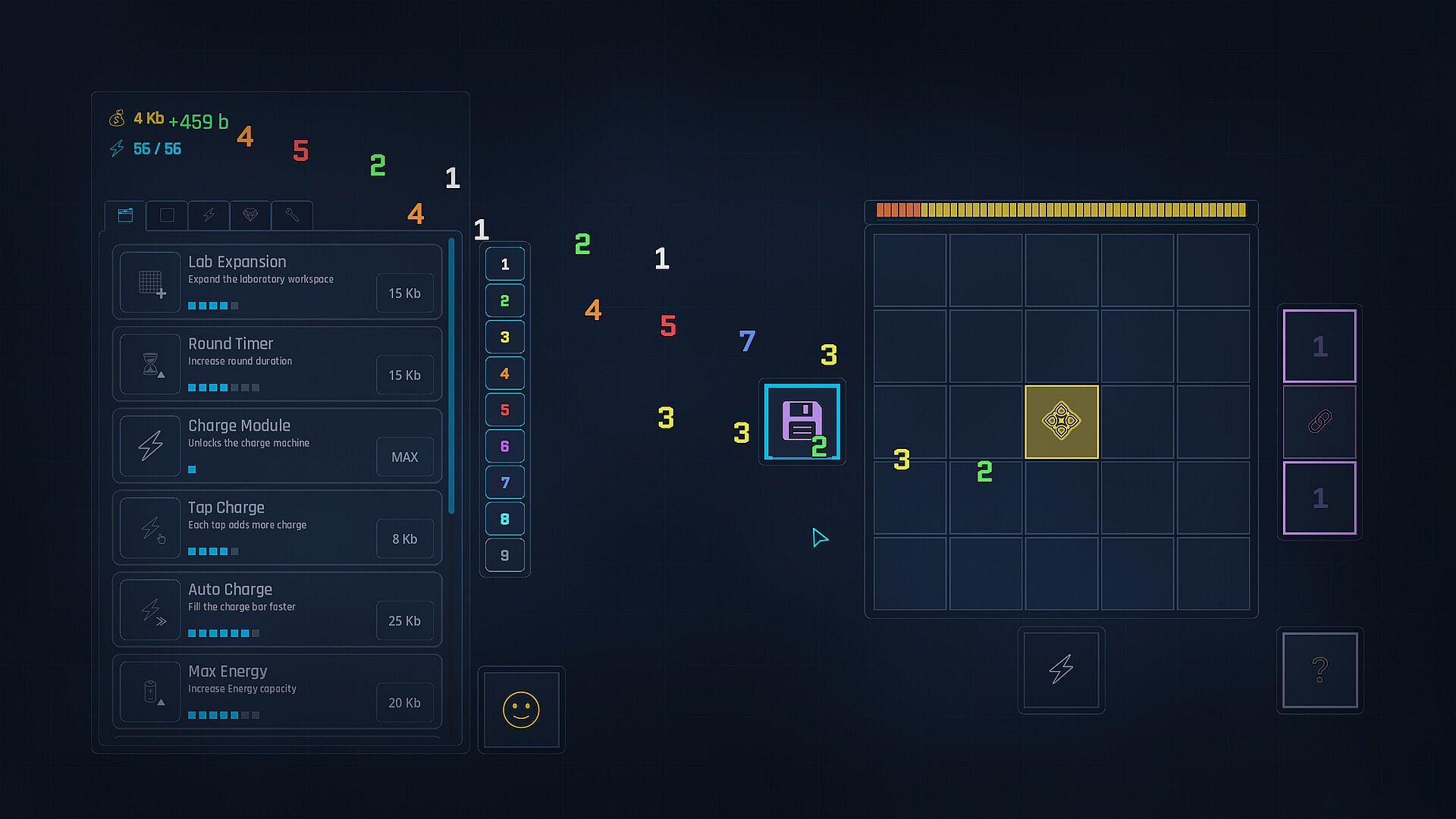
The core loop revolves around generating numbers and merging matching ones to reach progressively higher values. Each successful merge advances the research, and repeated actions push totals toward an overflow event that reveals new discoveries. The minimalist visual style keeps focus on the numbers and lab expansion rather than elaborate graphics.
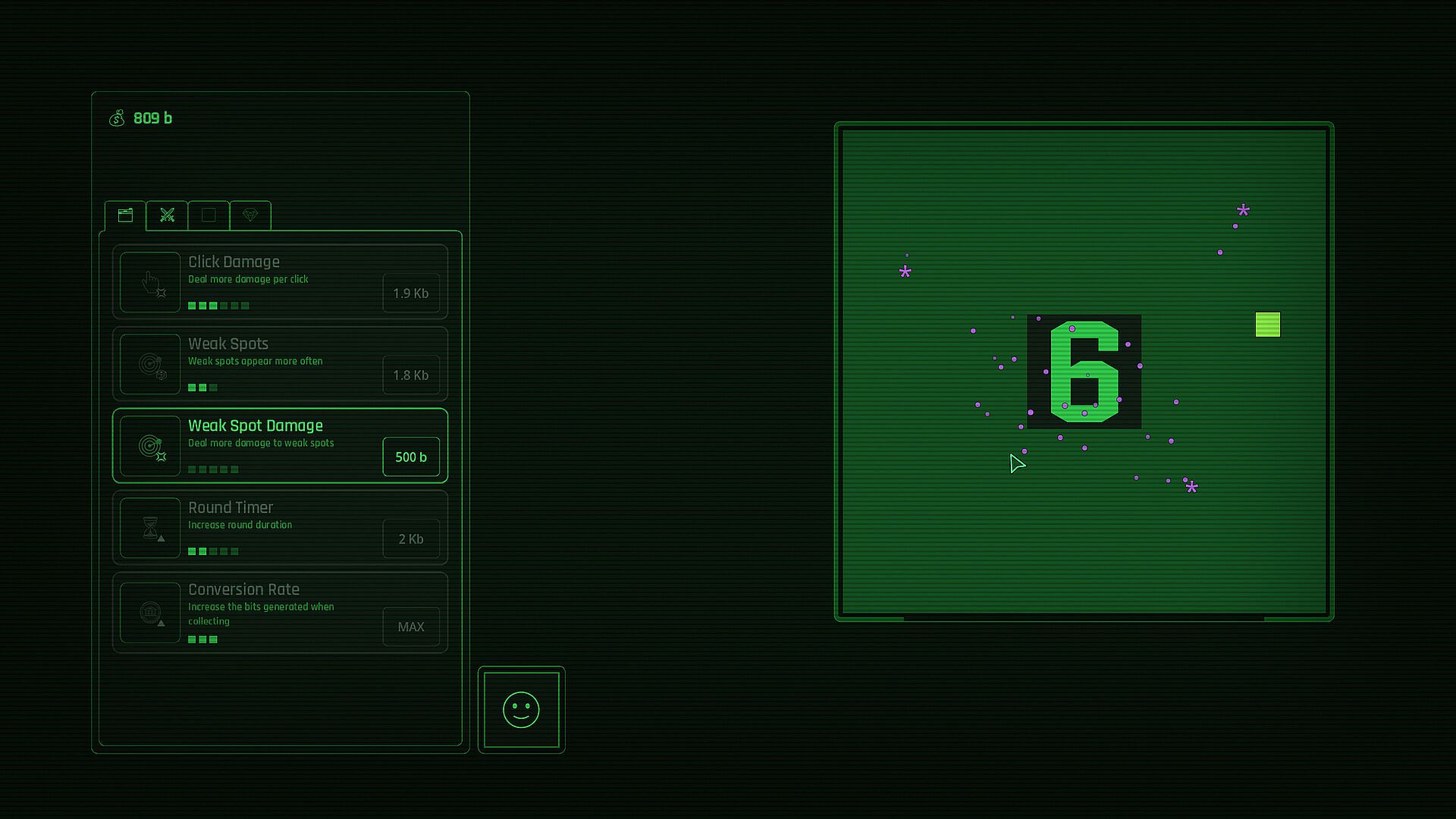
Lab upgrades form a key part of progression. Players expand facilities and unlock new machines that handle portions of the work automatically. These machines support ongoing research even when direct player input pauses, allowing steady advancement through automation. Special challenges appear as opportunities to overclock machines, testing limits through short incremental mini-games that provide temporary boosts.
Exploration of new numbers and strange artifacts adds variety to sessions. Discoveries accumulate as players experiment with merges and upgrades, gradually revealing more of the lab's potential. The system rewards consistent play by layering incremental gains onto puzzle-style merging decisions.
Game Modes
Overflow Protocol structures its experience around a single primary mode of play focused on number generation, merging, and lab management. Sessions alternate between active merging phases and periods where automated machines contribute to progress. This setup creates a steady rhythm without separate competitive or story-driven modes.
Overclock challenges serve as integrated events within the main loop. These short sequences push machines past standard performance, offering targeted rewards that accelerate overall advancement. The design keeps all activities tied to the central goal of triggering overflow and uncovering what lies beyond ordinary numbers.
Unlockable skins provide cosmetic customization options that players earn through continued research. These elements integrate directly into the incremental framework rather than functioning as standalone modes.
Key Features
The game emphasizes a minimalist and experimental approach that mixes incremental growth with merge puzzle elements. Players expand and upgrade the lab to access higher number tiers while unlocking machines for automation. Powering up those machines occurs through dedicated mini-games that add depth without complicating the interface.
Artifact and number discoveries encourage experimentation within the merge system. Each new element contributes to the overall research log, rewarding players who explore different merging strategies. The absence of complex controls or dense menus supports the casual genre positioning while still offering meaningful progression layers.
Is It Worth Playing?
Overflow Protocol suits players who enjoy relaxed incremental games and merge puzzles with a focus on steady number growth and light automation. The minimalist presentation and experimental mechanics appeal to those seeking a departure from high-action titles, allowing sessions of varying length without pressure.
Progression feels deliberate, with upgrades and machines providing tangible improvements over time. The overclock challenges introduce occasional variety that breaks up routine merging. Availability on PC makes it accessible for short or extended play periods depending on preference.
Those drawn to lab-building themes and abstract number systems will find the core loop engaging. The game rewards patience and experimentation within its defined systems, delivering a contained experience centered on pushing numerical boundaries. For fans of the described genres, it offers a straightforward yet layered alternative to more conventional puzzle or idle titles.