




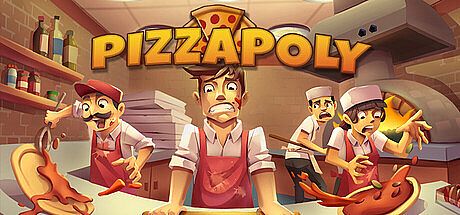


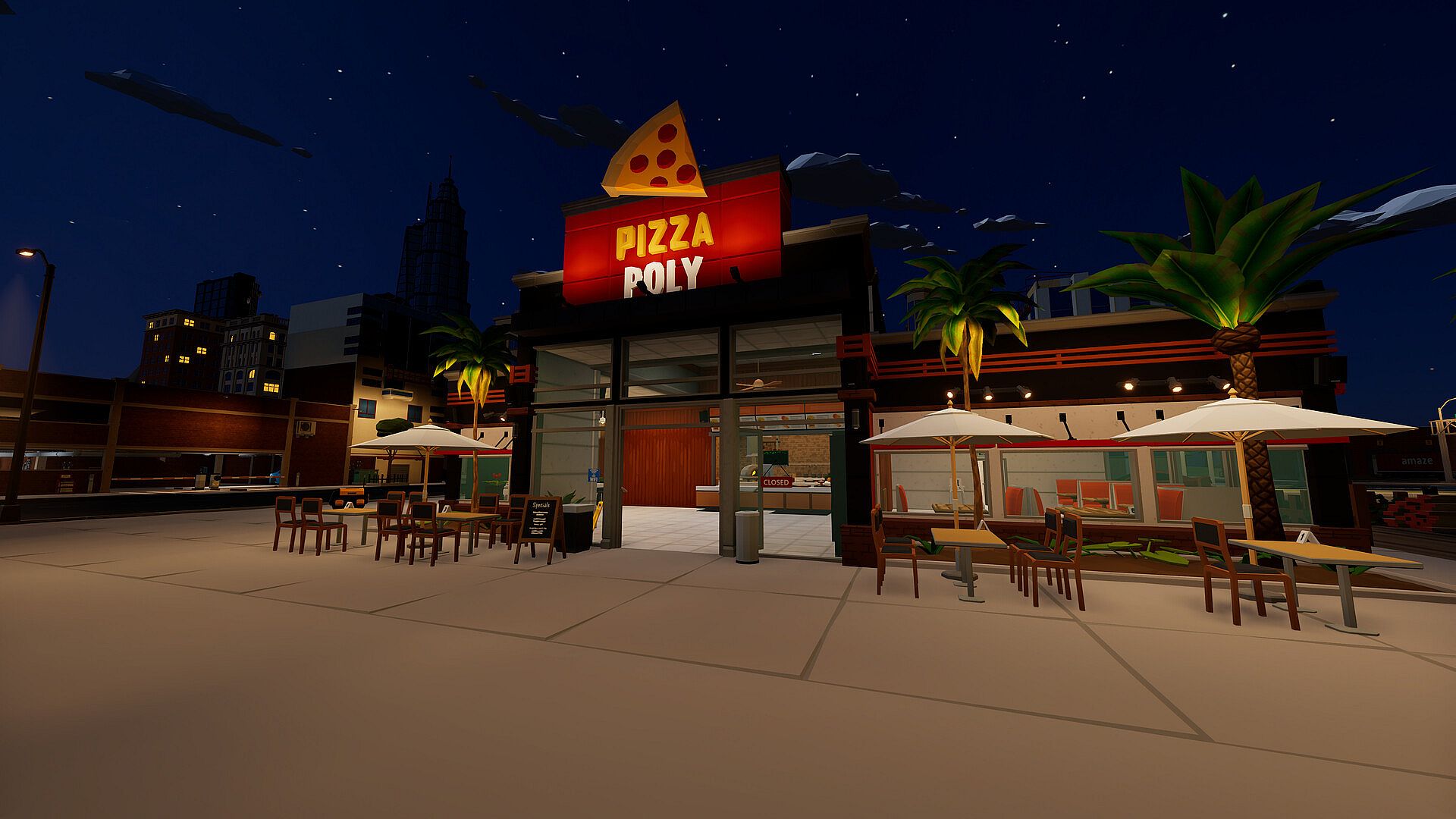
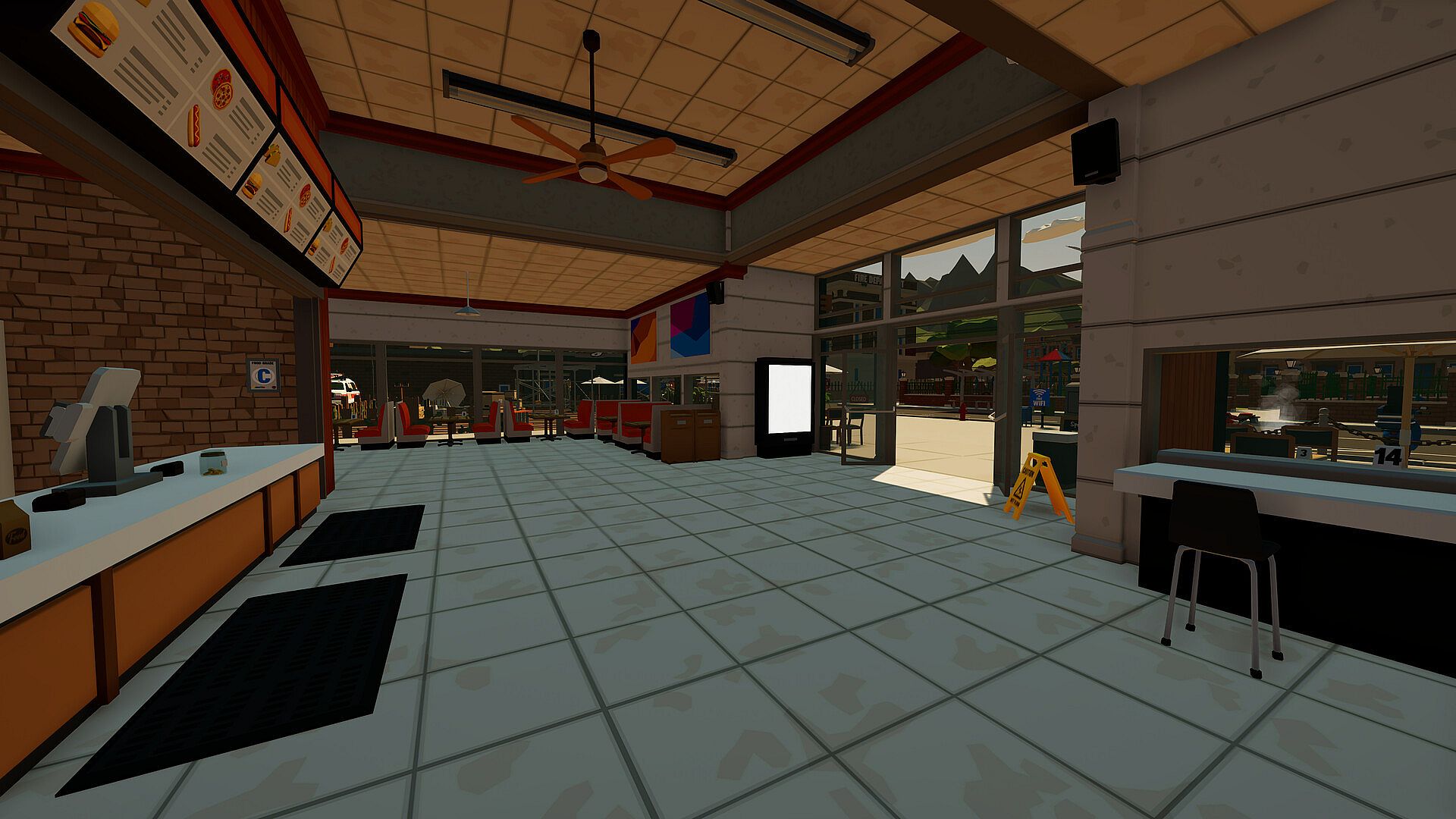

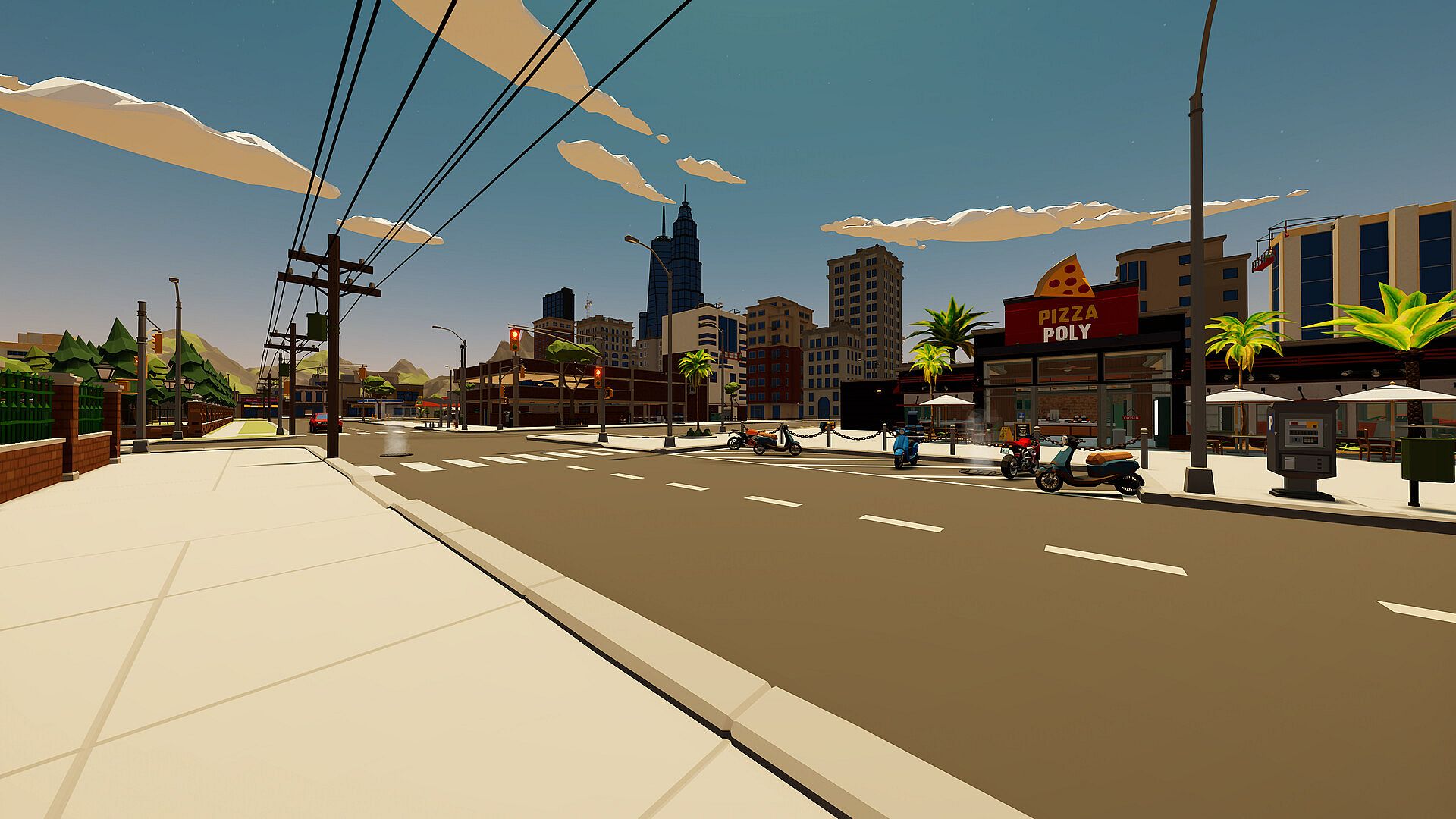
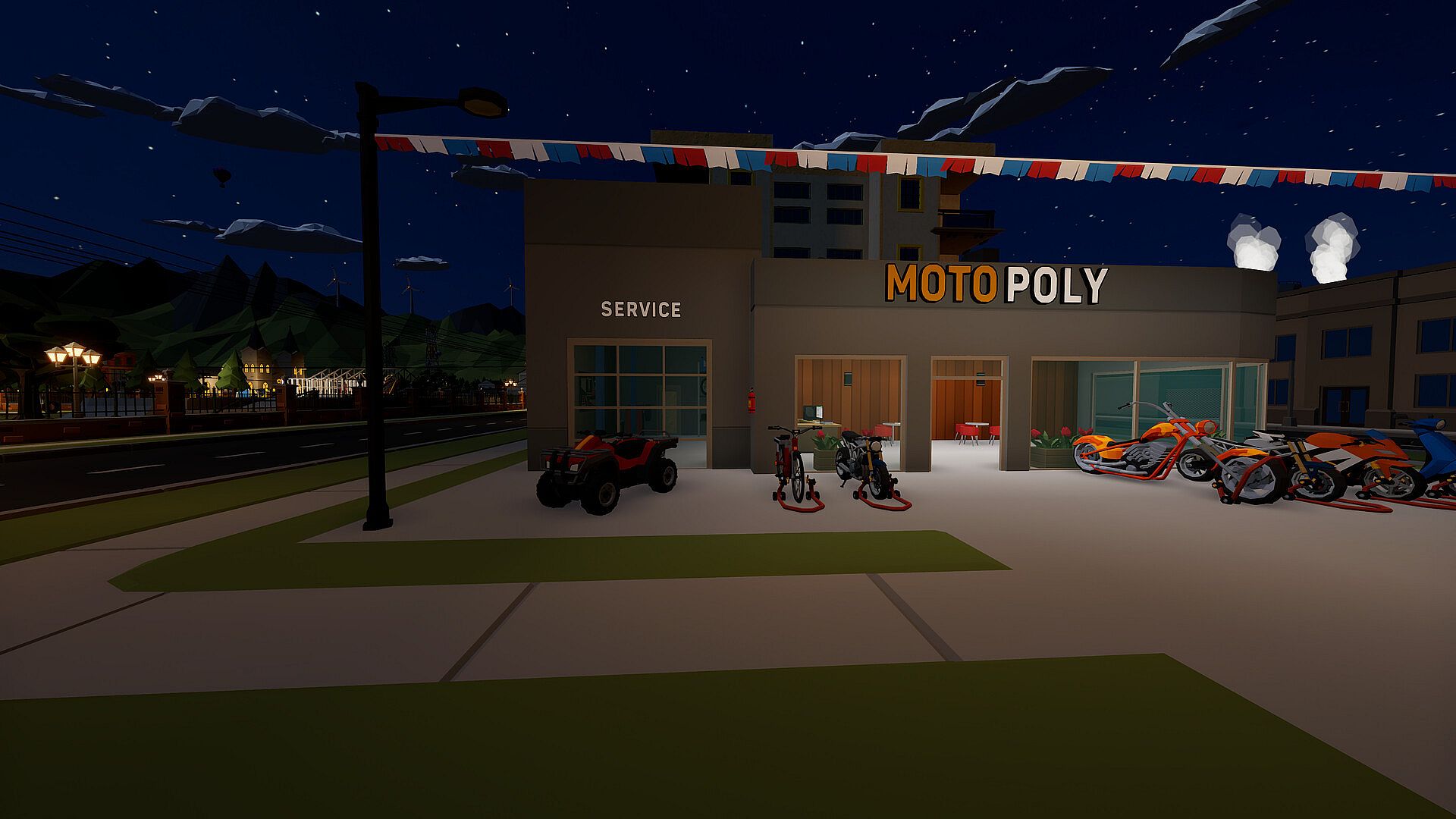
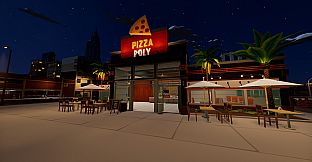
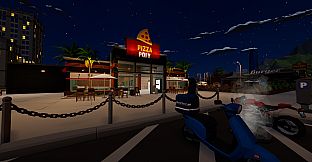
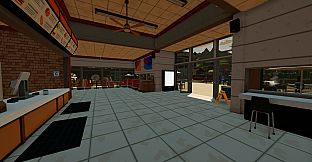
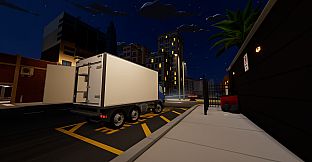
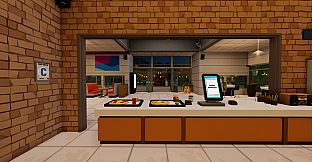


Pizzapoly is an indie simulation game focused on running a pizza restaurant in a busy city. Players handle every part of the operation, from preparing dough and toppings to serving customers and completing deliveries, all while managing the increasing pace of orders in solo or group play.
Gameplay
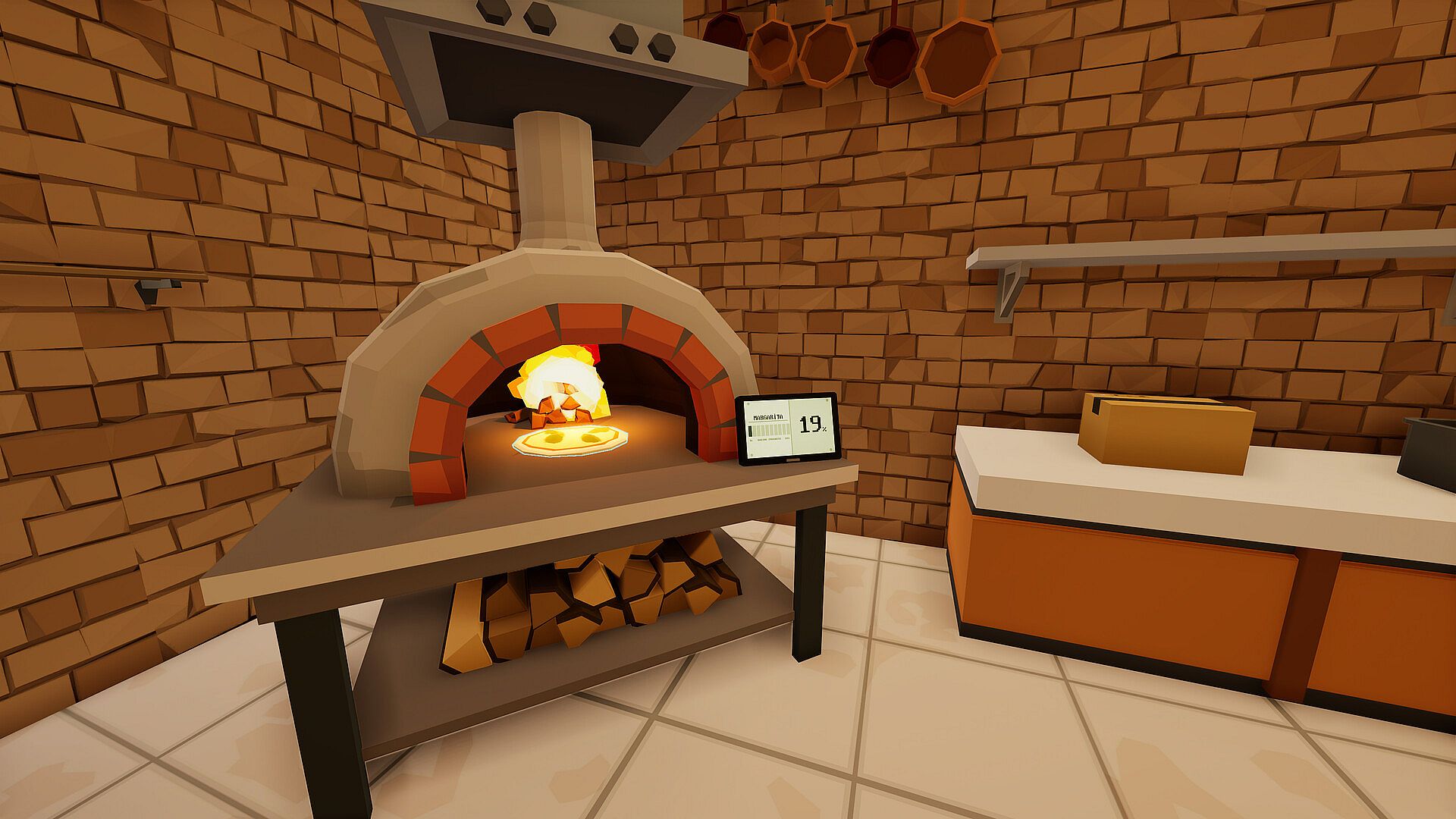
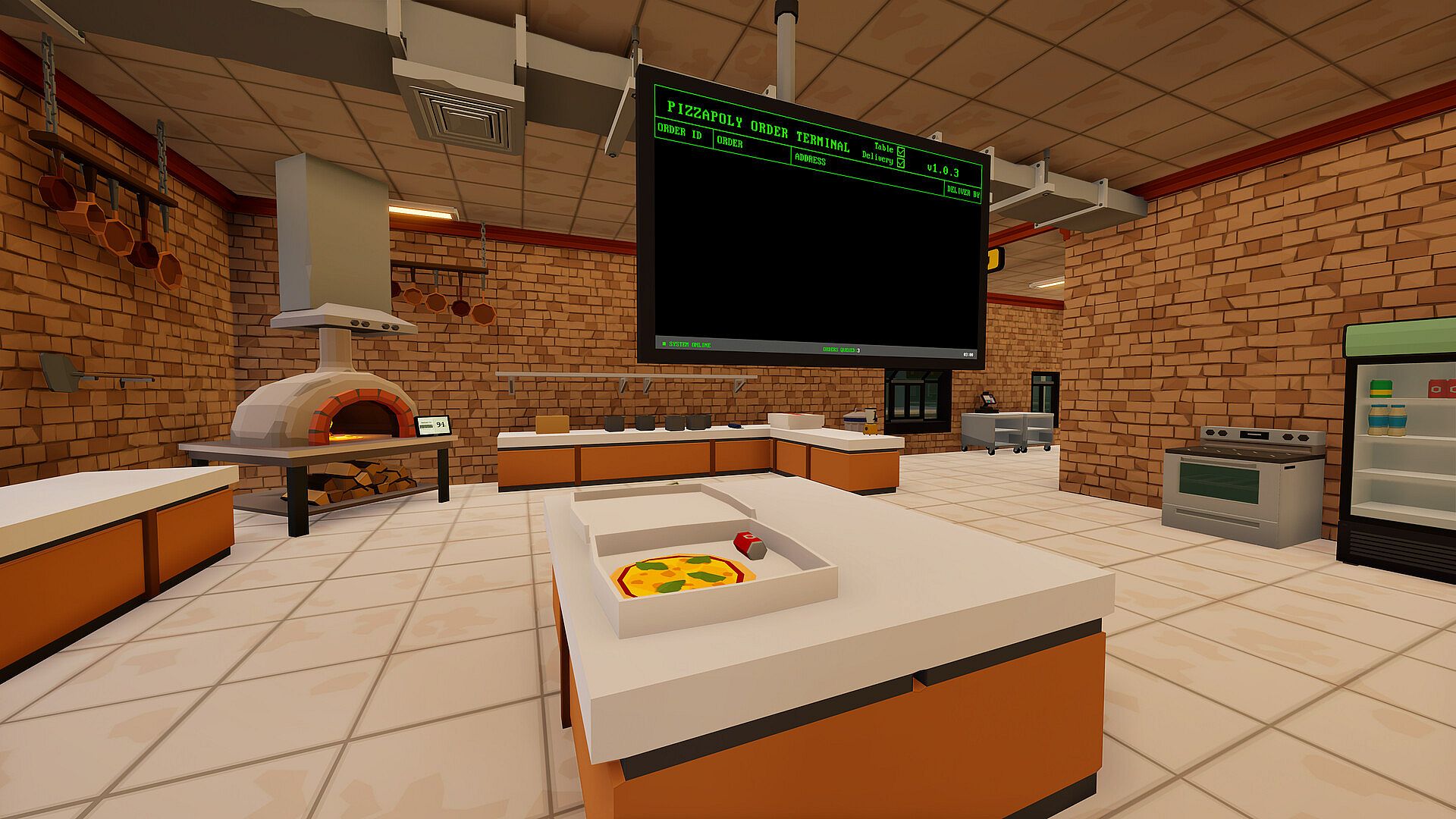
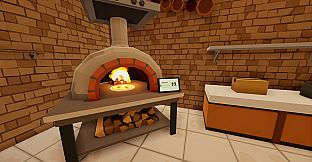
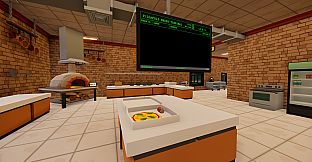
The core loop centers on building pizzas from the ground up in a shared kitchen space. Each order requires stretching dough, applying sauce, adding chosen toppings, and baking the result to the correct level before boxing or plating it. Preparation stations must stay stocked with ingredients, and the oven needs constant attention to avoid backups during peak times.
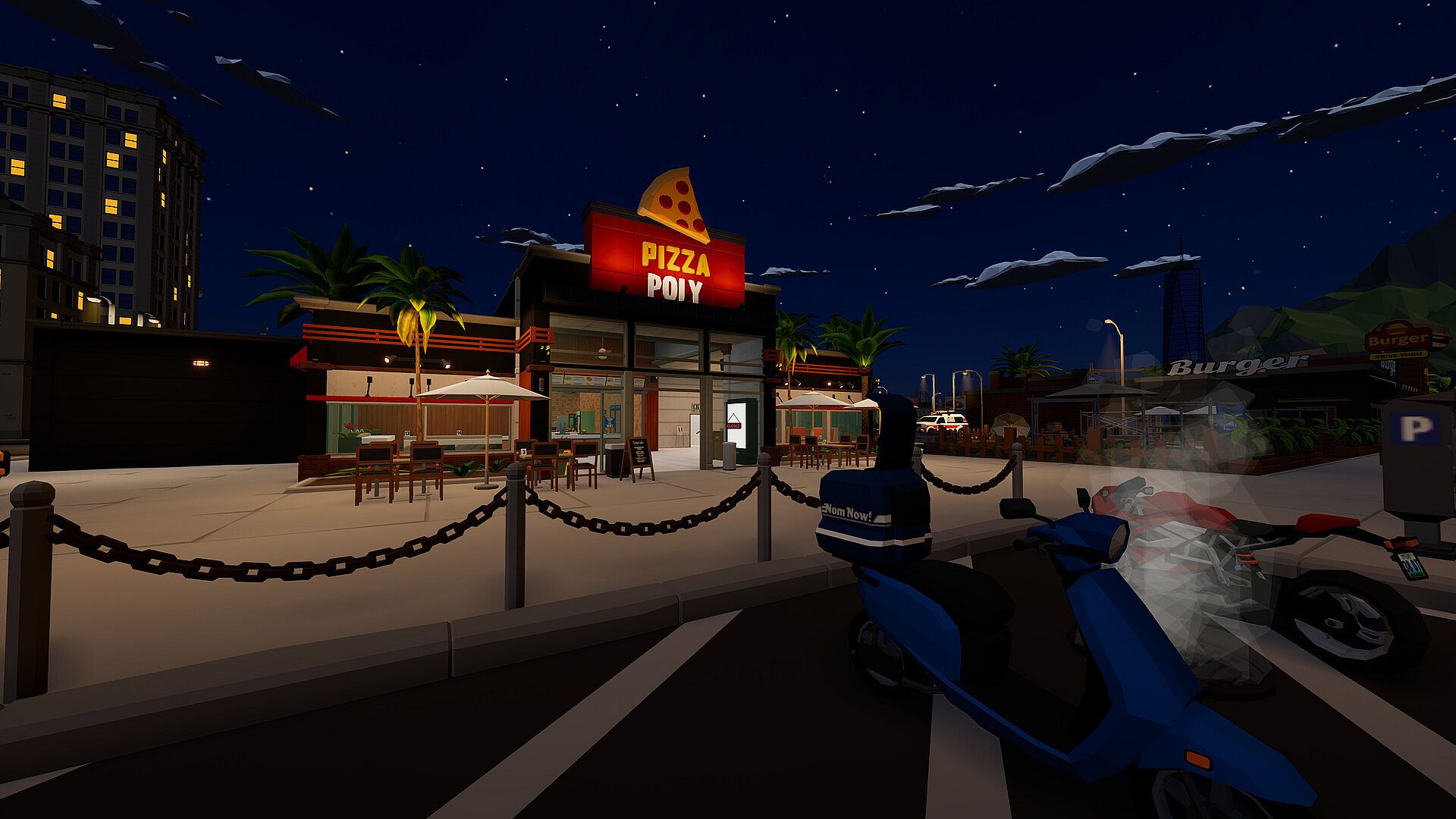
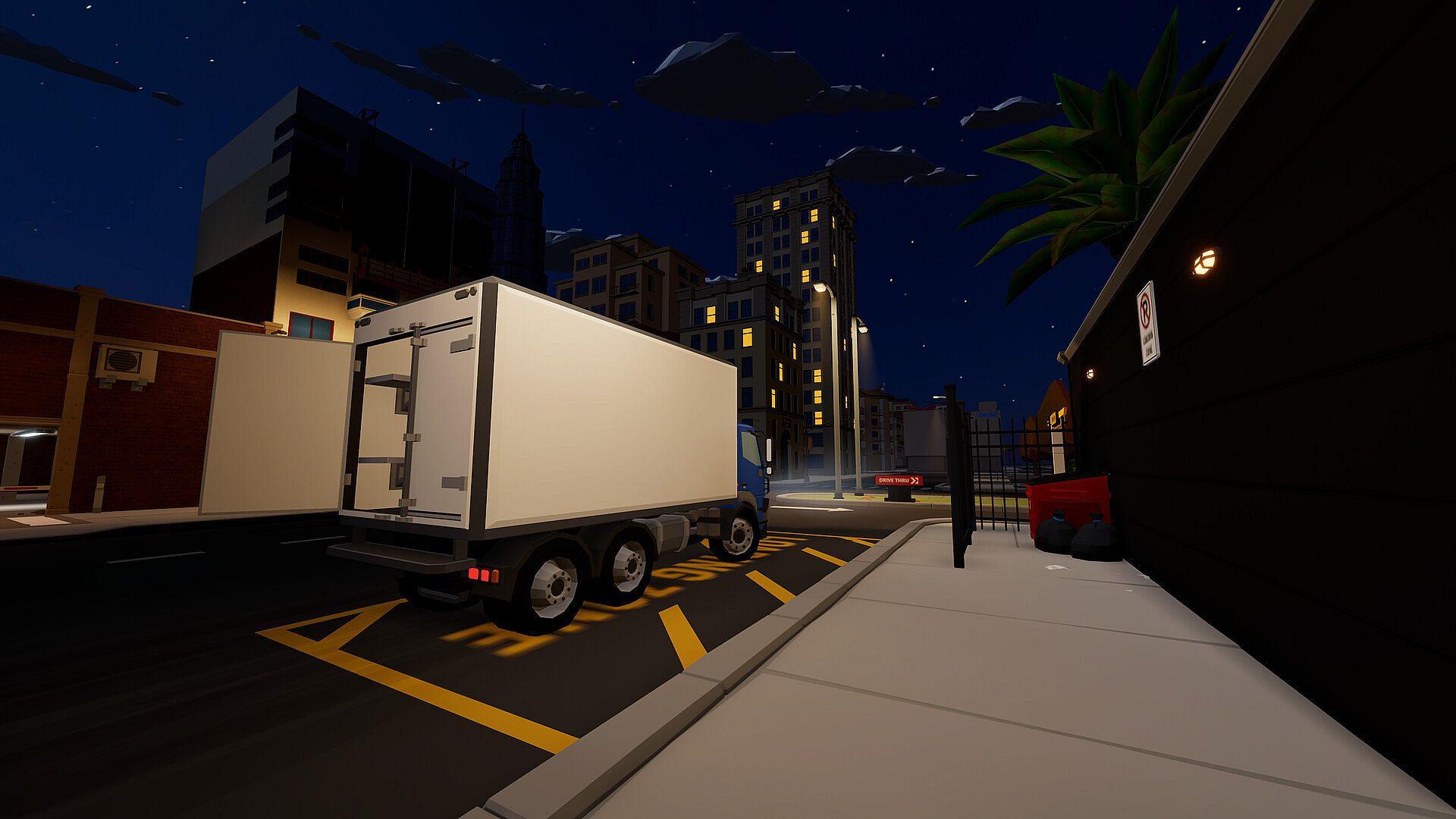
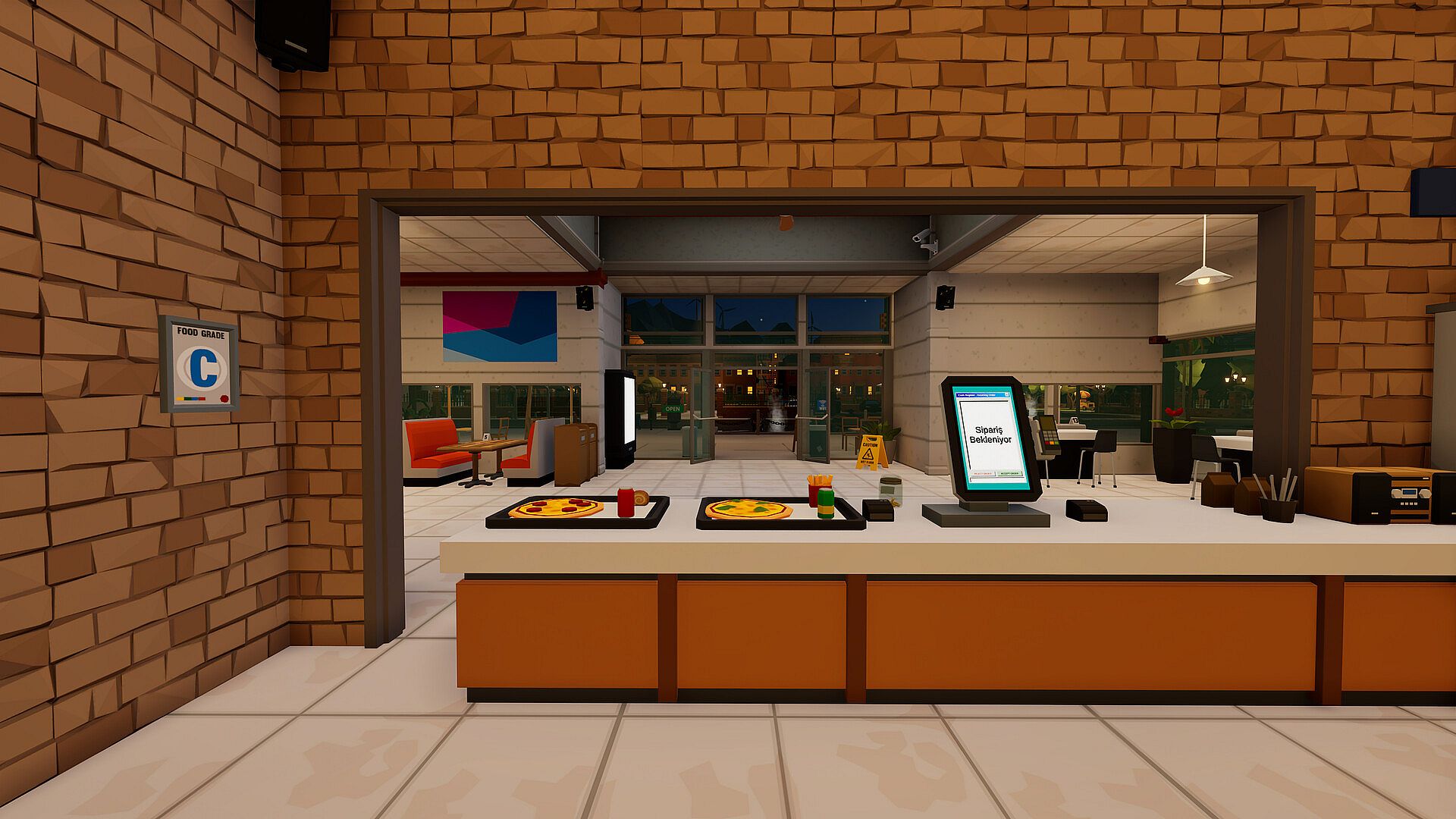
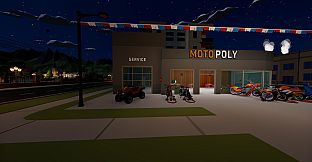
Once cooked, orders split between dine-in service and deliveries. Seated customers expect prompt attention at tables, while boxed pizzas go out on a scooter for timed street deliveries across the city. The workflow demands quick coordination between cooking, restocking, serving, and transport to prevent the restaurant from falling behind.
Progression comes through daily growth. Starting with a basic setup, players earn resources to unlock new tools and refine station layouts. These improvements help handle larger order volumes without the operation descending into disarray. The emphasis stays on timing, organization, and adapting to the flow of incoming requests.
Game Modes
Pizzapoly supports solo play or cooperative sessions with up to four participants. In group sessions, players divide tasks such as dough preparation, topping assembly, oven management, table service, and scooter deliveries. Communication becomes essential as orders arrive from multiple directions at once.
Solo mode follows the same systems but places full responsibility on one person to juggle kitchen duties, customer service, and deliveries. Both approaches scale in intensity as the restaurant expands over successive days, introducing bigger rushes that test efficiency and multitasking.
Core Mechanics and Progression
Every pizza follows a consistent sequence of steps that must be completed accurately. Dough stretching sets the base, sauce and toppings go on next, and baking timing determines the final quality. Mistakes in any stage can lead to rejected orders or wasted time.
Restaurant management extends beyond the kitchen. Keeping prep areas supplied prevents delays, while delivery runs require navigating city streets under time pressure. Growth involves acquiring equipment that speeds up specific tasks or expands capacity, allowing the business to serve more customers without constant breakdowns in workflow.
The city setting adds variety through dine-in tables and external deliveries. Players balance these demands while the order queue grows, forcing decisions on priority and role assignment in multiplayer.
Is It Worth Playing?
Pizzapoly suits players who enjoy simulation games centered on restaurant operations and cooperative task management. The early access version focuses on the core loop of pizza preparation, service, and deliveries, with progression tied to expanding the business over multiple days.
Those who prefer fast-paced kitchen chaos and teamwork will find the 1-4 player co-op structure engaging, especially when splitting roles during intense rushes. Solo players can still experience the full cycle but must handle every element alone. The game remains in active development, so features may expand in future updates.
Overall, it appeals to fans of simulation titles that reward organization and quick reactions in a restaurant setting. Players interested in building a small pizzeria into a busier operation through incremental improvements will find the progression loop matches that goal directly.











