




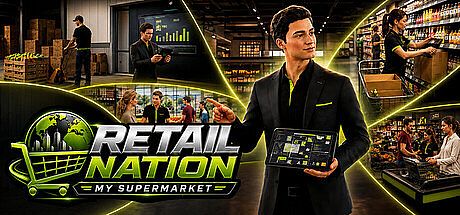


Retail Nation: My Supermarket is a strategy, indie, simulation game set on PC where players build and operate a supermarket from the ground up. The experience centers on hands-on retail management, blending direct interaction with store operations and strategic oversight of layout, staff, and finances. Players start with an empty building and gradually transform it into a functioning retail space through careful planning and daily decision-making.
Gameplay
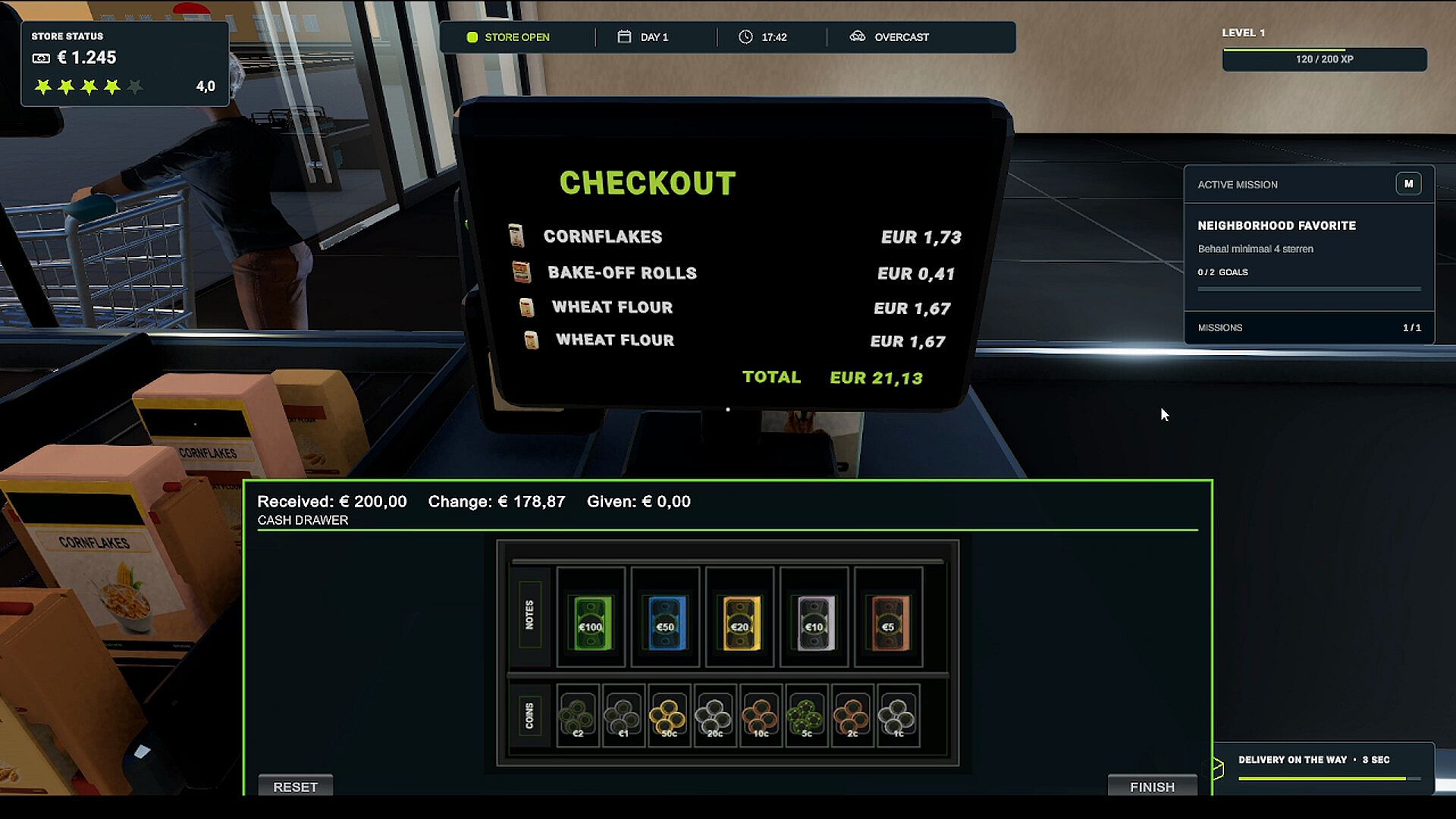
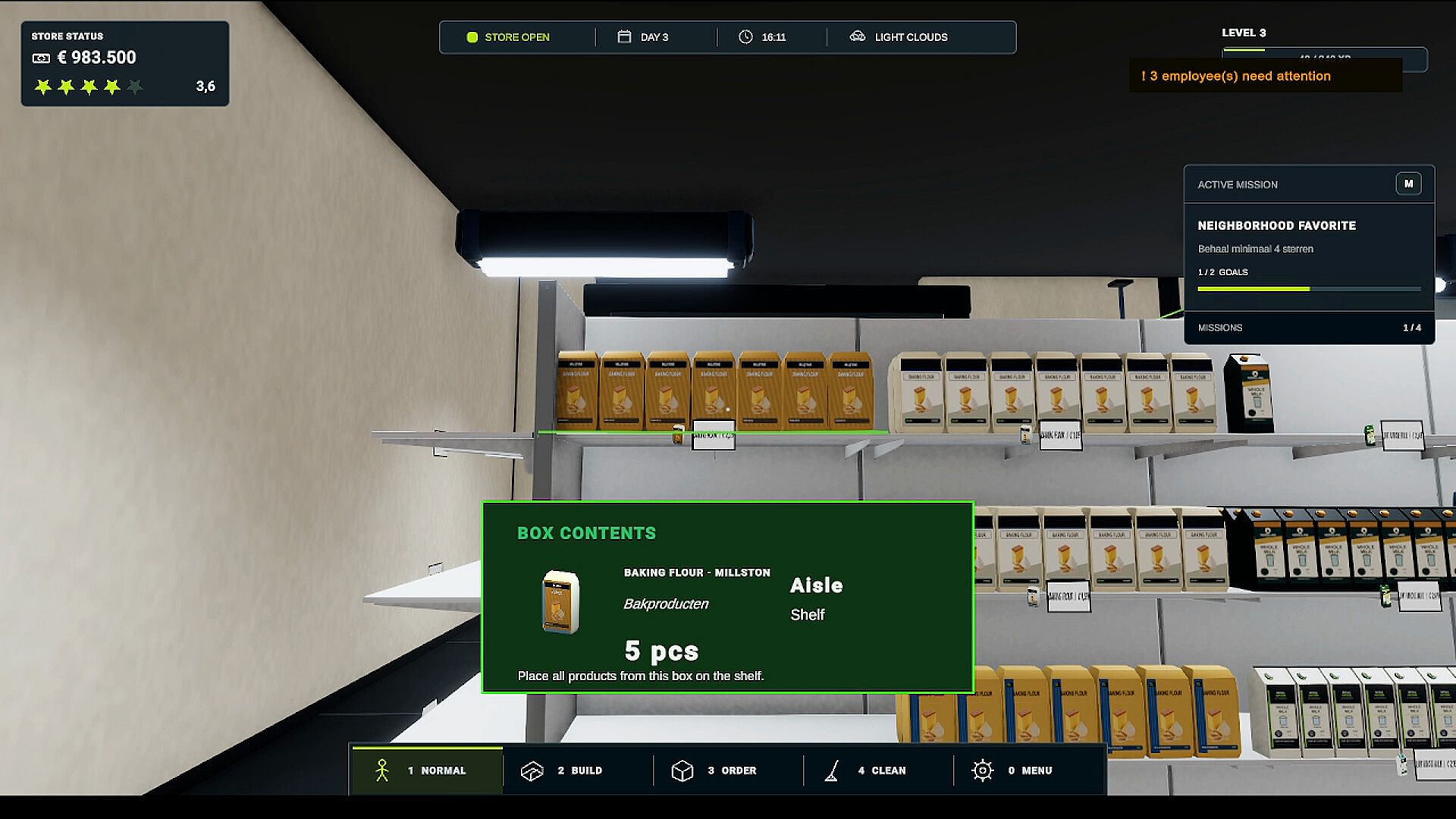
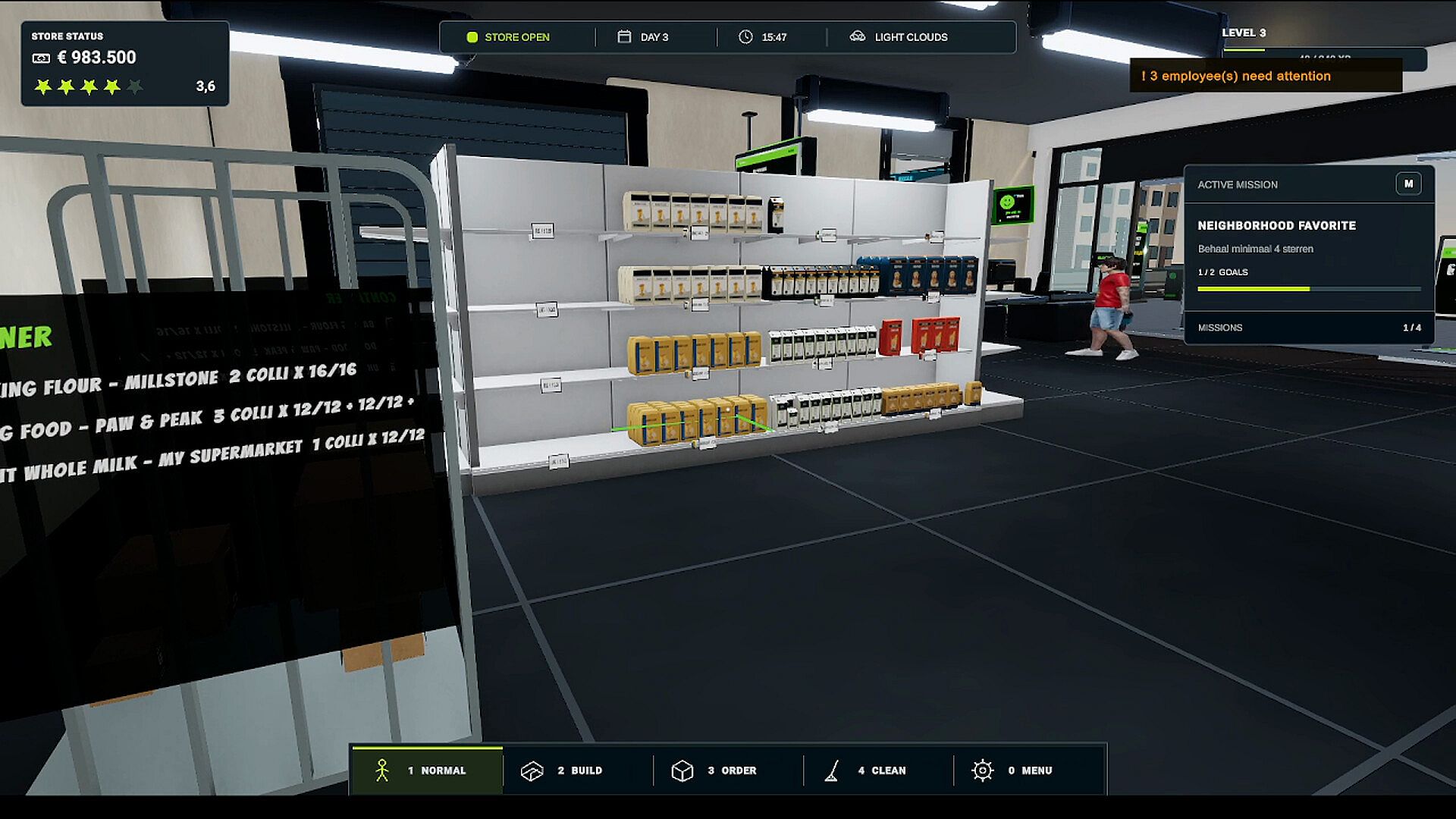
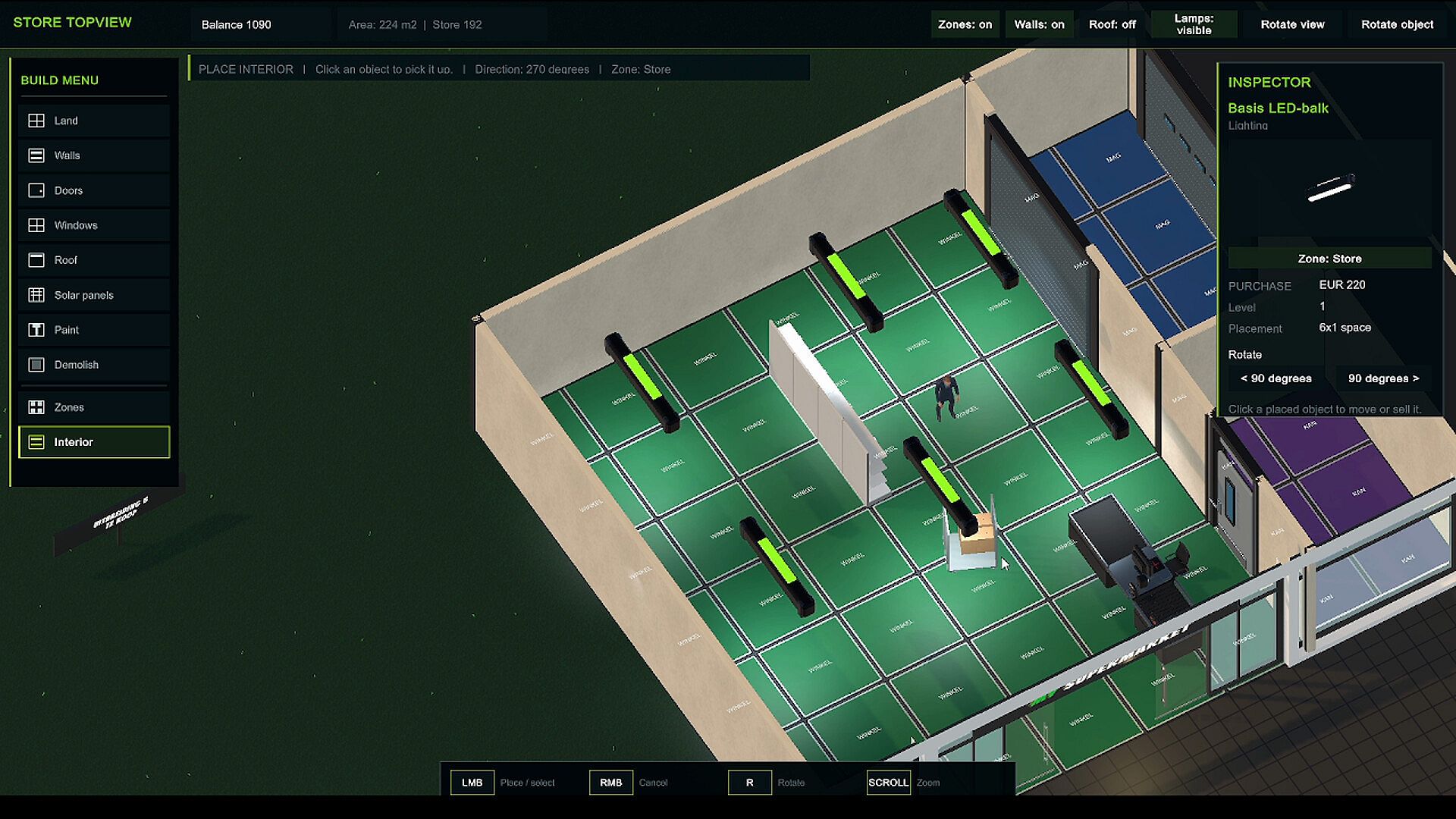
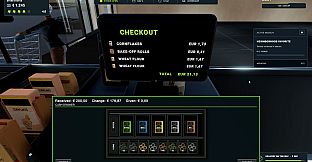
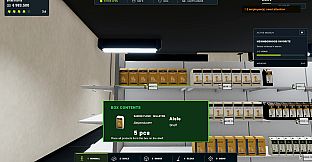
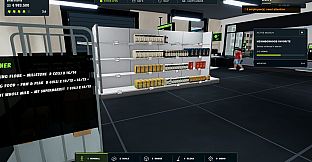
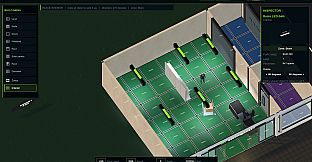
Core gameplay revolves around transforming an empty store into a busy supermarket. Players work in first-person view to handle tasks like stocking shelves, operating checkouts, and interacting with customers and staff on the floor. Switching to a detailed top-down perspective allows for designing the store layout, placing shelves, refrigerators, freezers, lighting, and decorations, as well as expanding into new areas such as additional retail space, storage, or a staff canteen.
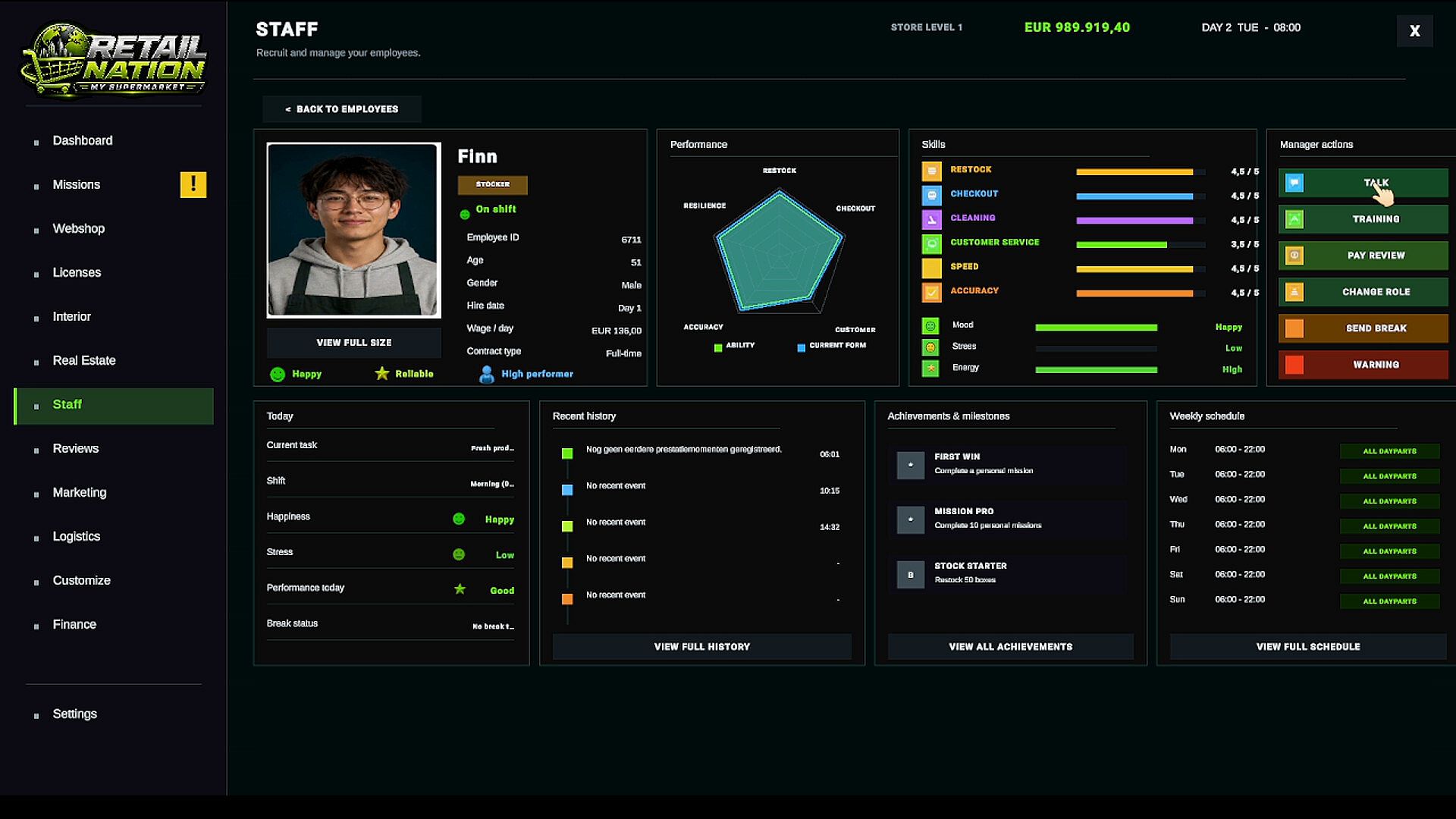
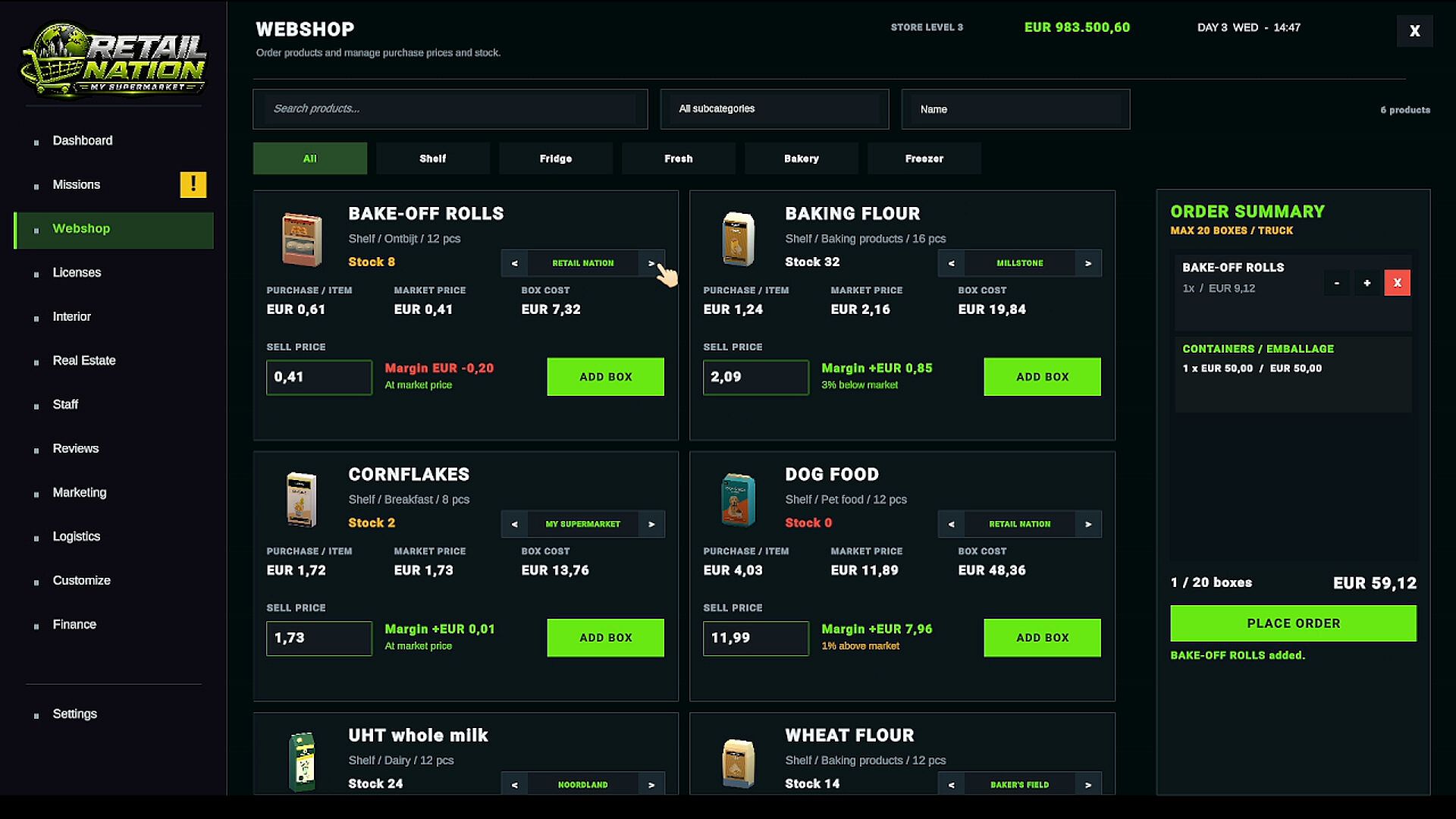
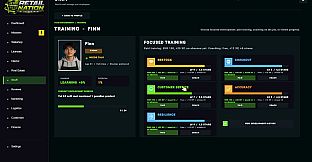
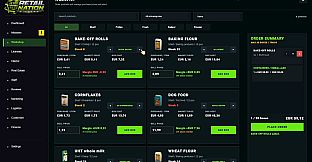
Daily operations require ongoing attention to inventory management, product ordering, and delivery handling. Pricing adjustments respond to costs, demand, and market changes, while employees must be scheduled around breaks, illness, and absences. Direct conversations with staff help address needs, assign tasks like restocking or cleaning, and support their skill development. Customer satisfaction depends on keeping the store clean, organized, and well-presented, with responses to weather or random events that influence deliveries, staffing, and overall performance.
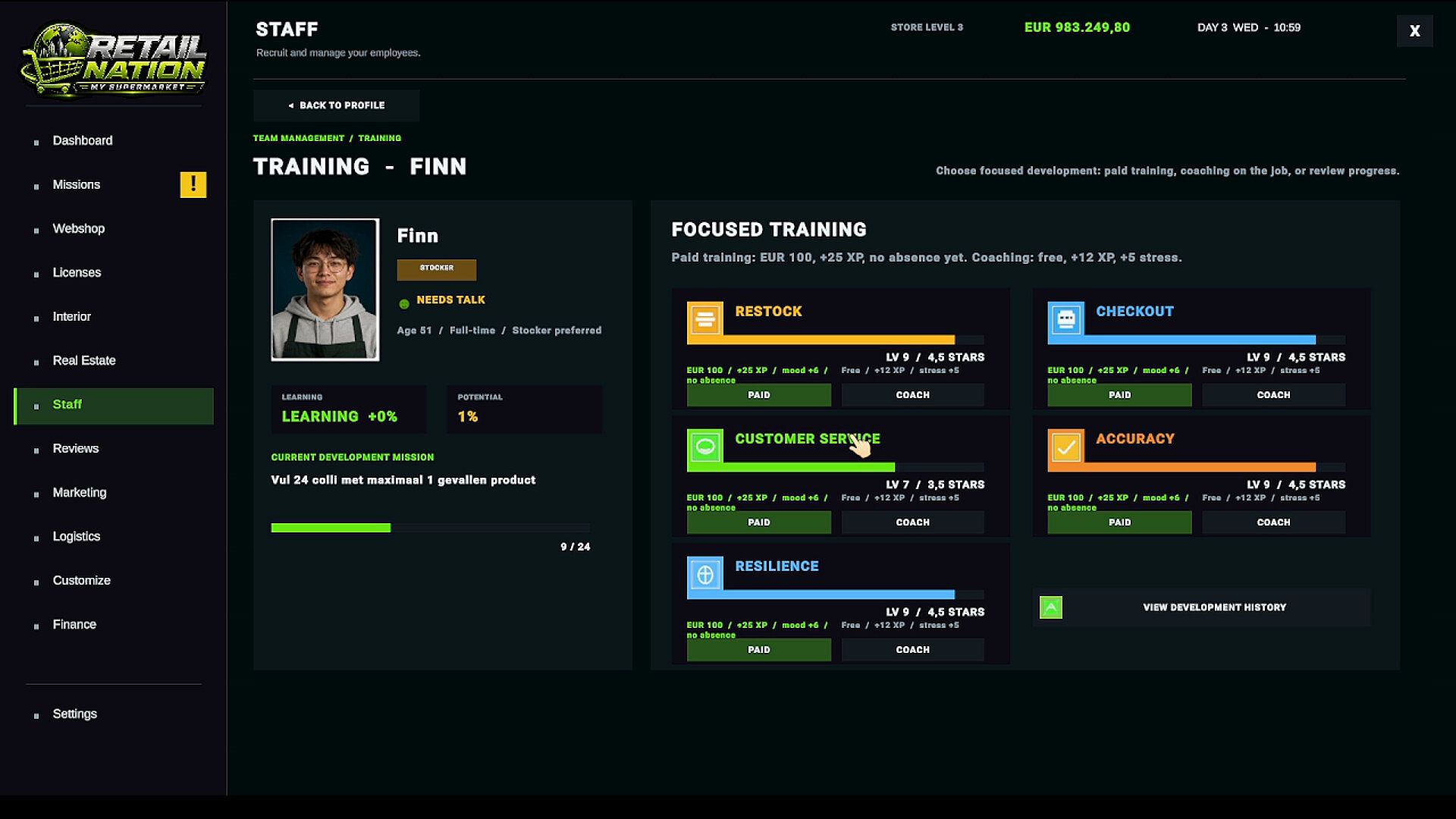
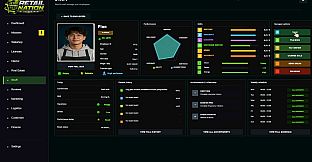
Team management forms a key layer, as players hire individuals with varying personalities and abilities, then coach them through direct interaction rather than abstract menus. Expansions unlock new equipment, departments, and product options as the store grows, increasing both opportunities and operational demands. All systems draw from real supermarket practices, creating situations where choices about inventory, pricing, and personnel directly shape financial health and customer experience.
Game Modes
The game operates as a single-player simulation without separate competitive or multiplayer modes. Progression unfolds through continuous management of one store, where players alternate between immersive first-person tasks and strategic top-down planning. This structure supports a steady loop of building, operating, and expanding, with each day presenting unique challenges based on prior decisions and external factors like market shifts or staffing issues.
View switching serves as the primary way to engage different aspects of play, allowing seamless movement from hands-on work at checkouts or with customers to broad oversight of store design and expansion. No distinct game modes such as scenarios or challenges are defined beyond this integrated approach to retail simulation.
Building and Expanding the Store
Store development begins with basic layout decisions and grows through land purchases and building additions. Players create departments, position fixtures, and introduce new product lines as the store level rises. Each expansion adds space for larger assortments and improved facilities while raising costs and the need for more sophisticated management of inventory and staff.
Decorations and lighting contribute to overall appeal, influencing how customers perceive the environment. The process rewards thoughtful placement that supports efficient operations, such as logical flow between storage, shelves, and checkouts. Growth remains tied to practical retail considerations, ensuring expansions feel like natural extensions of successful daily management.
Staff and Customer Interactions
Employees bring individual traits that affect their performance in roles like checkout operation, restocking, or cleaning. Players assign tasks, monitor motivation through direct conversations, and provide training to build a cohesive team. Handling absences or conflicts requires real-time adjustments that keep the store running smoothly.
Customers respond to service quality, store presentation, and product availability. Monitoring satisfaction involves quick interventions at checkouts or on the floor to prevent queues and maintain a positive atmosphere. These interactions add layers of realism, as staff development and customer feedback both influence long-term store success.
Is It Worth Playing?
Retail Nation: My Supermarket suits players interested in detailed retail simulation and strategy elements. The focus on first-person tasks combined with top-down design offers a grounded approach to supermarket management drawn from industry experience. Those who enjoy overseeing operations, developing staff, and responding to daily variables will find consistent depth in the systems for inventory, pricing, and expansion.
Without established player reception data or confirmed updates at this stage, the game appeals most to fans of indie simulation titles who value hands-on control over abstract management screens. It provides a self-contained experience centered on steady growth from empty store to operational business.











