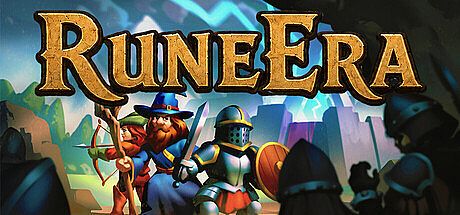


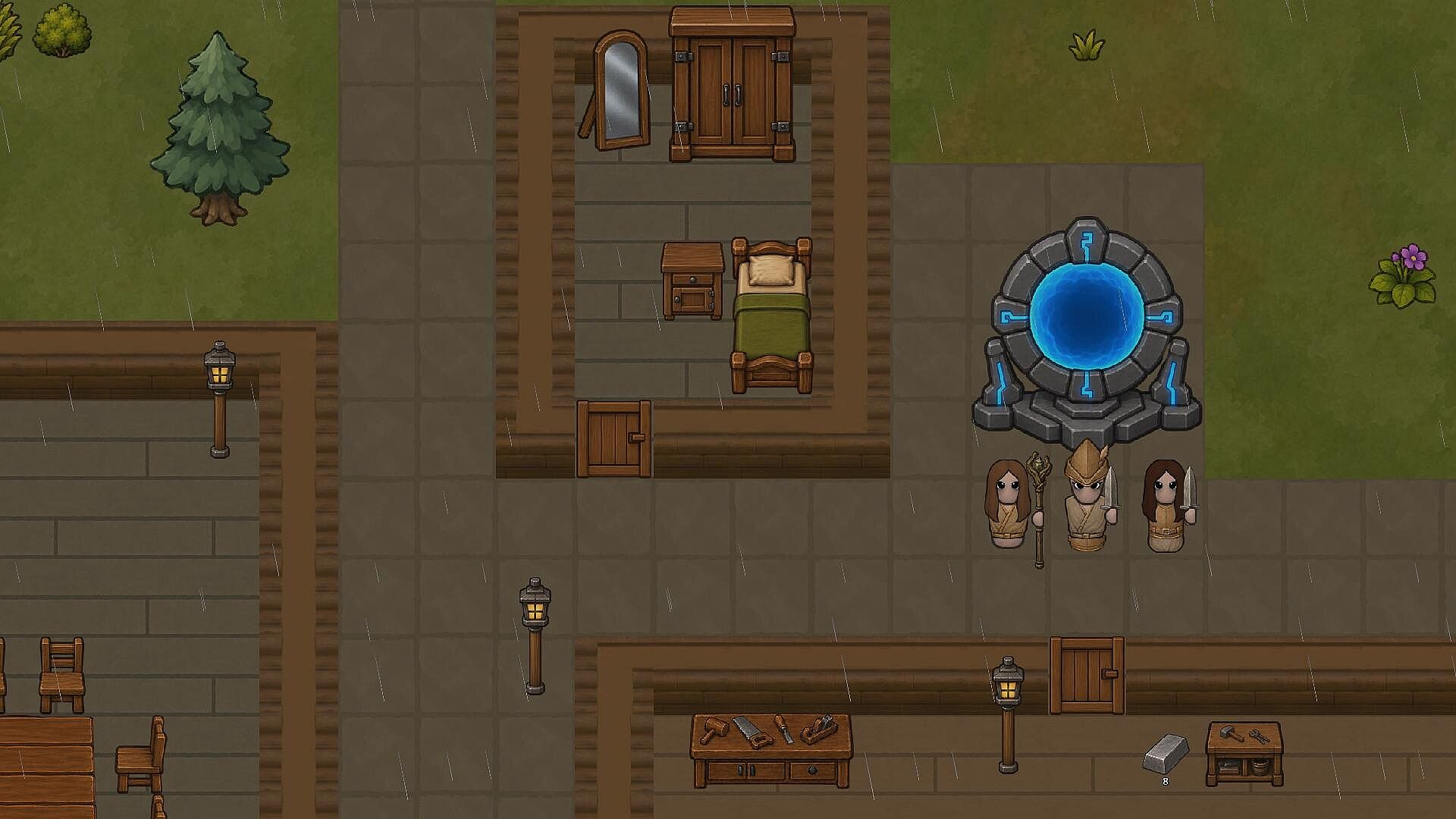
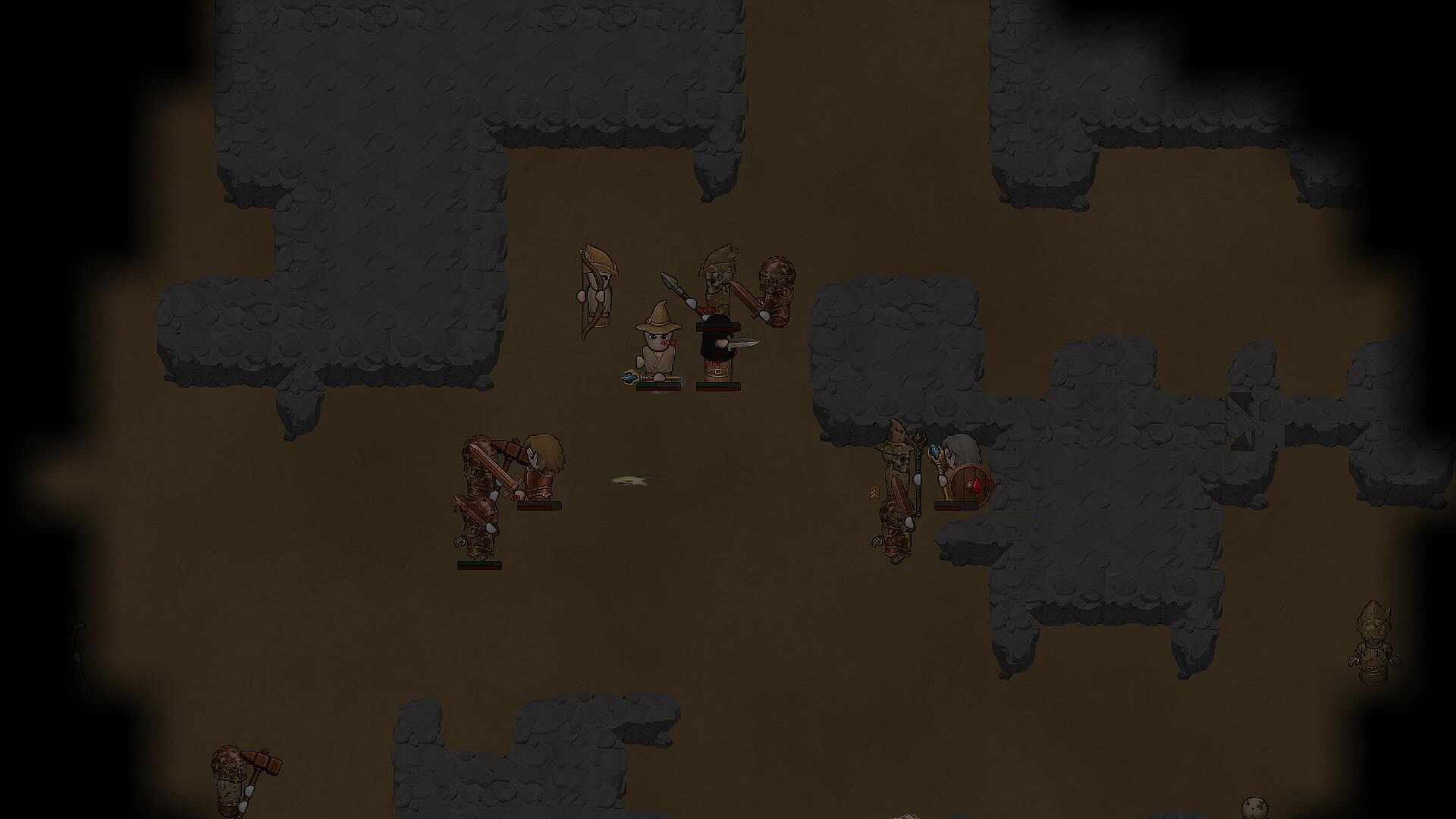
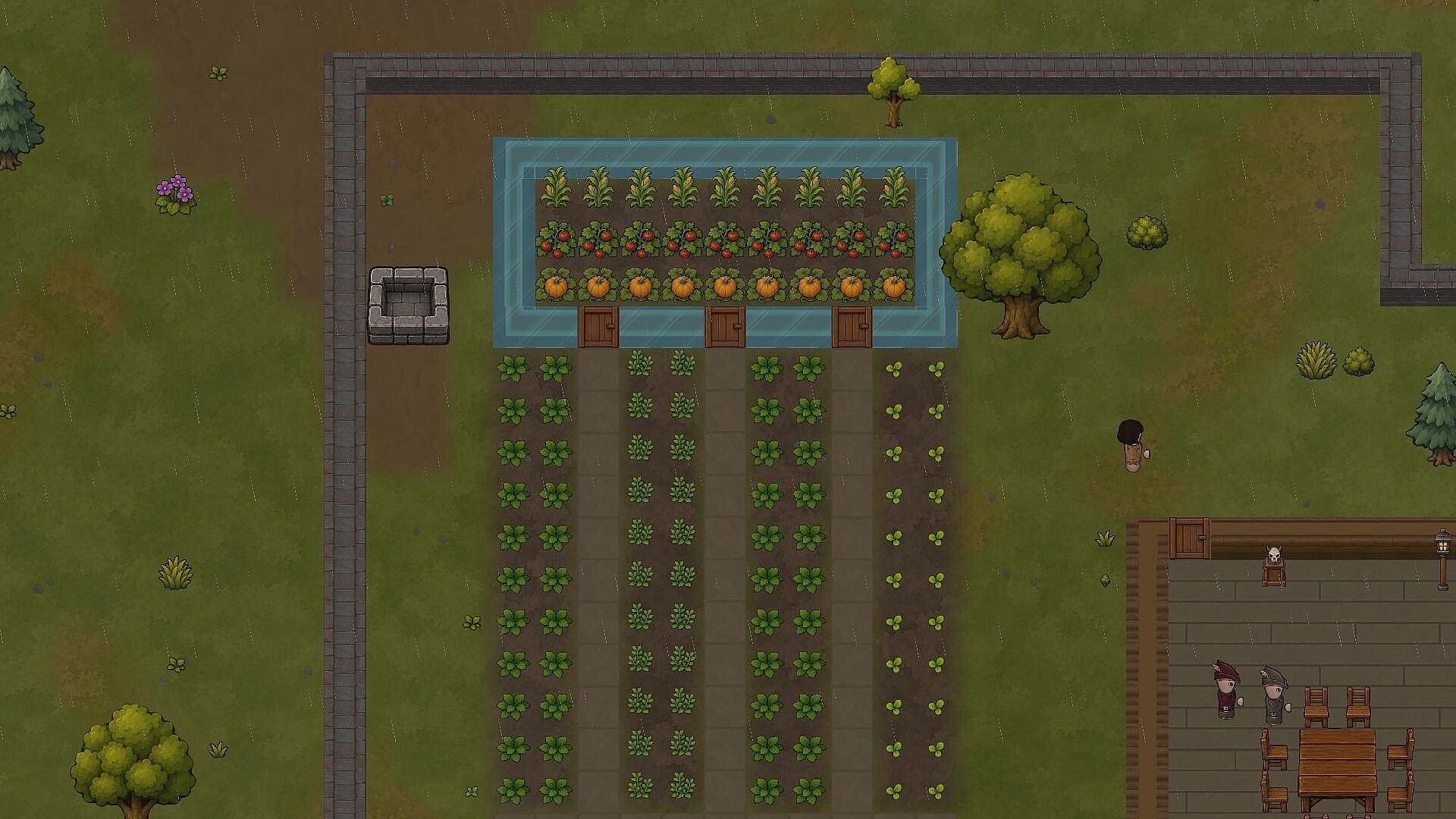
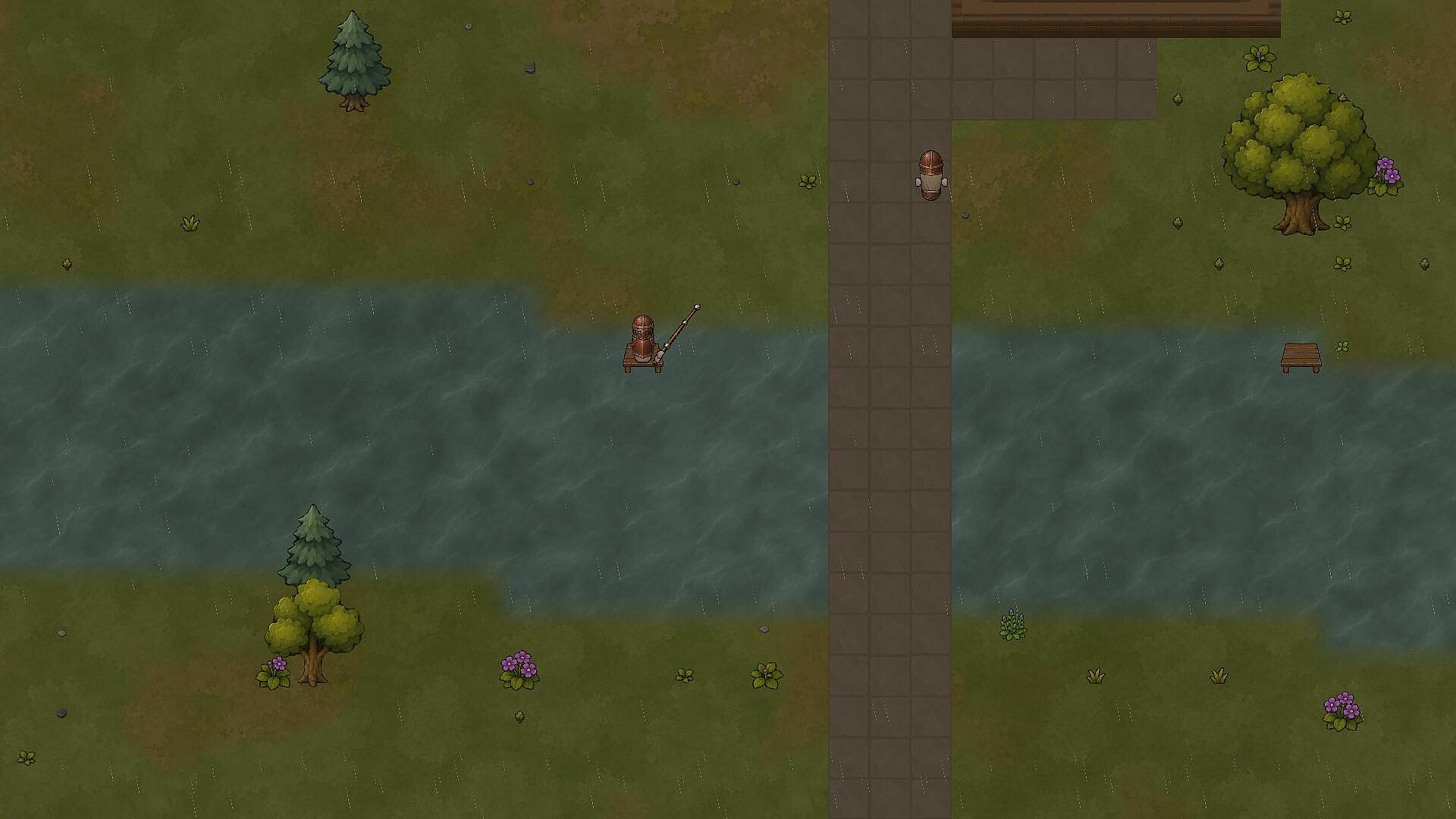
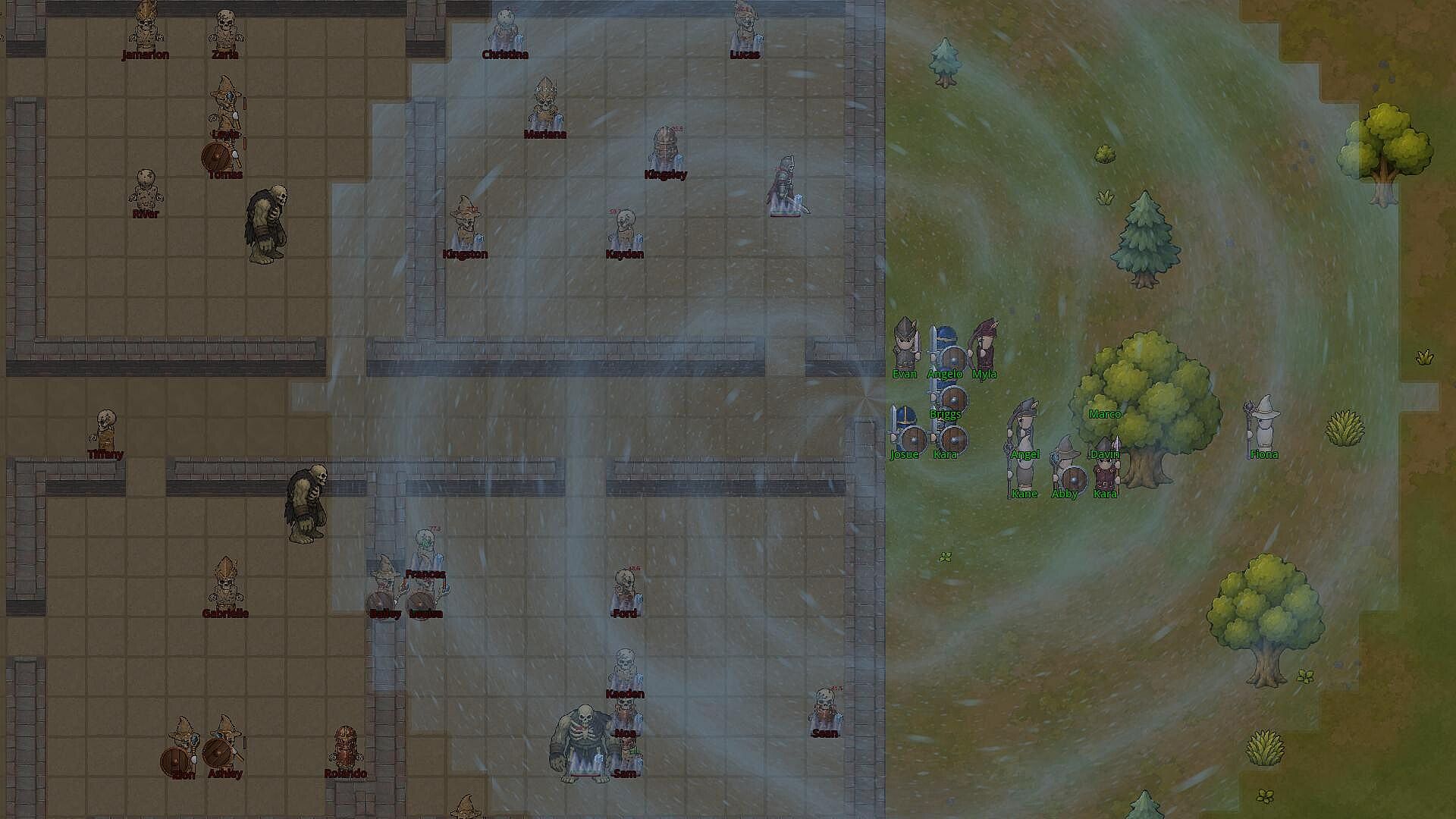
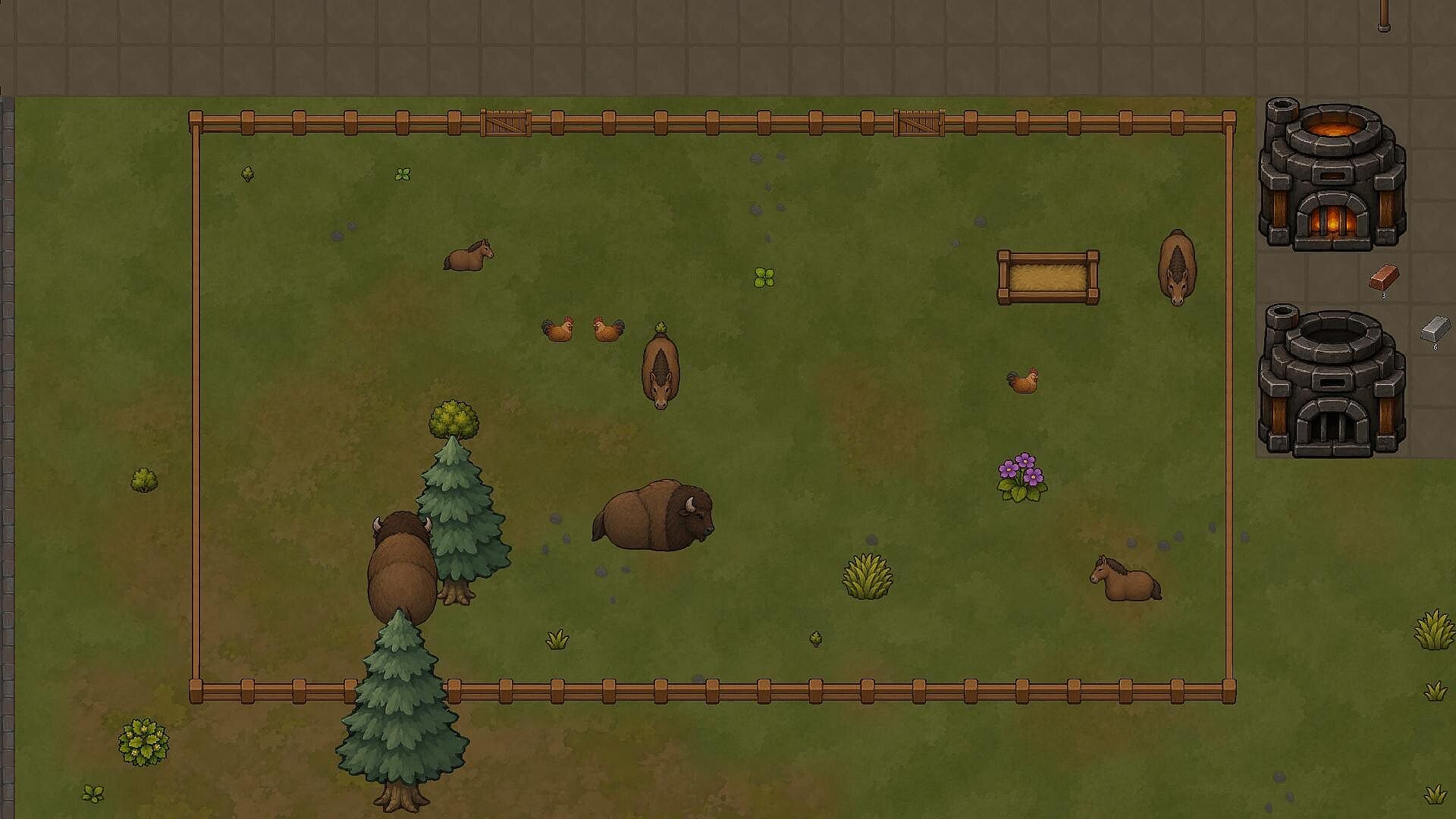
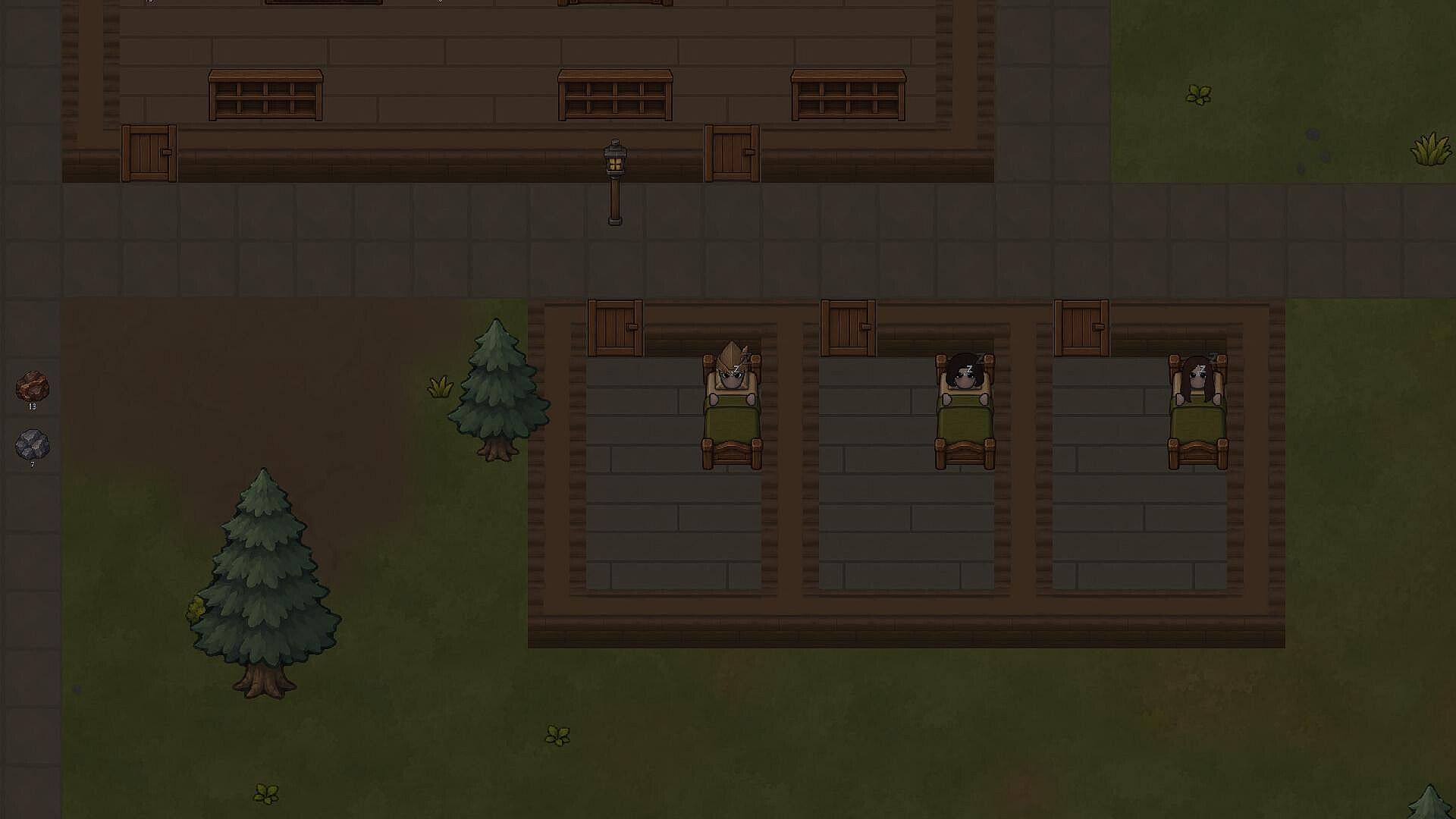
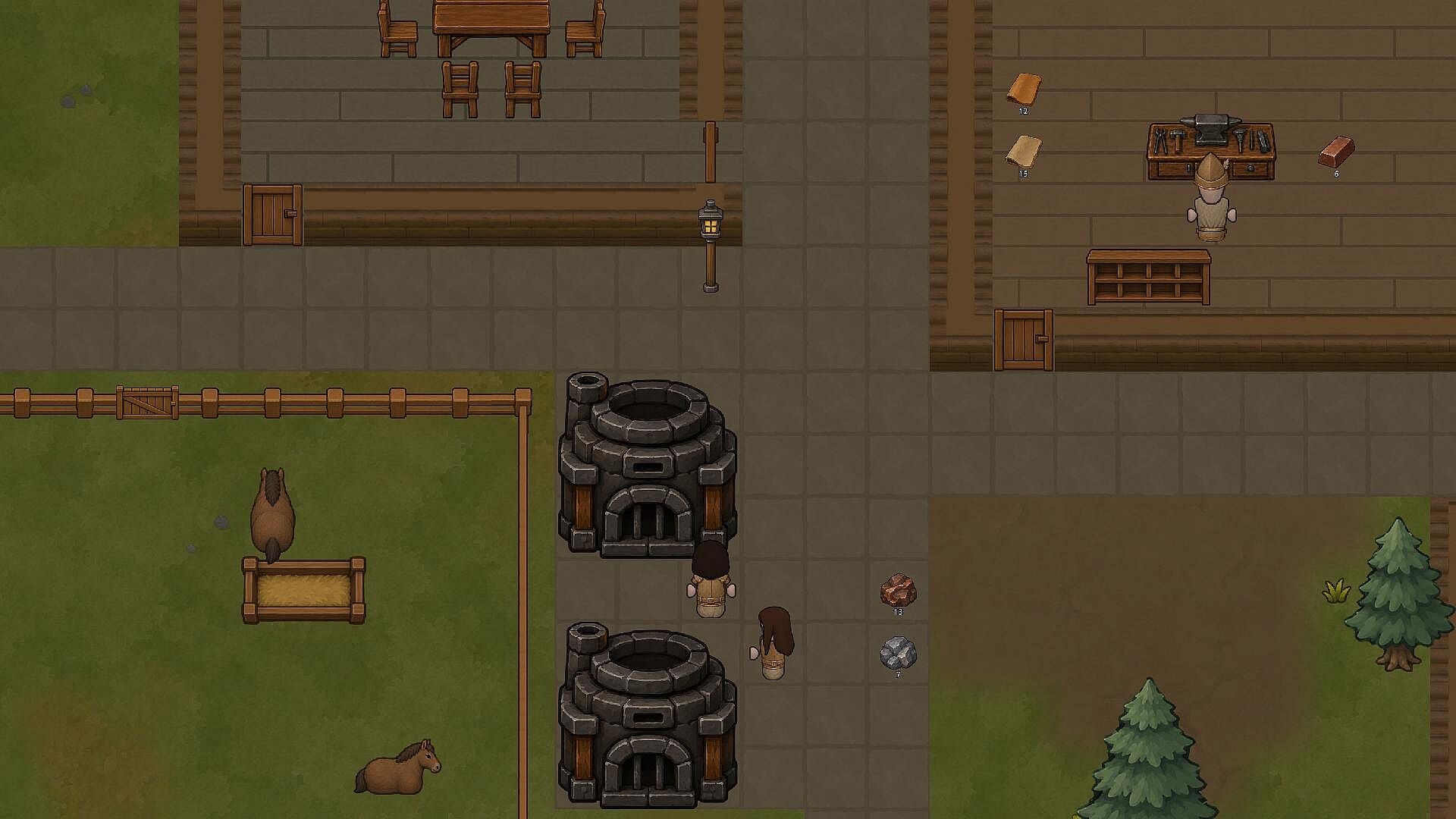
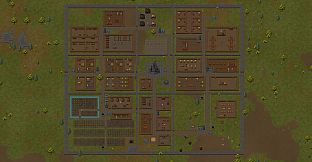
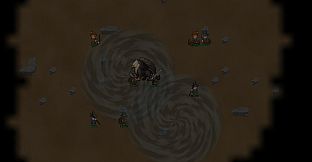
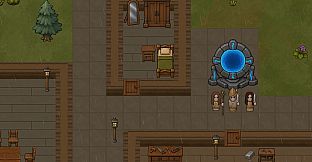
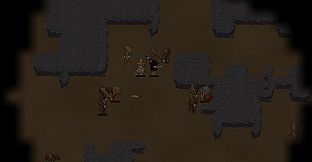
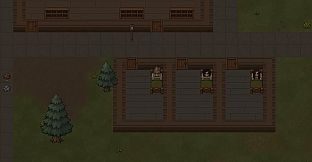
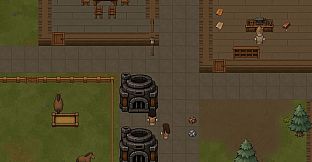
RuneEra combines strategy, RPG, simulation, and adventure elements in a single-player colony management experience set in a fantasy world. Players establish and expand a guild settlement while shaping members through rune abilities and venturing into procedurally generated environments for resources and challenges.
Gameplay
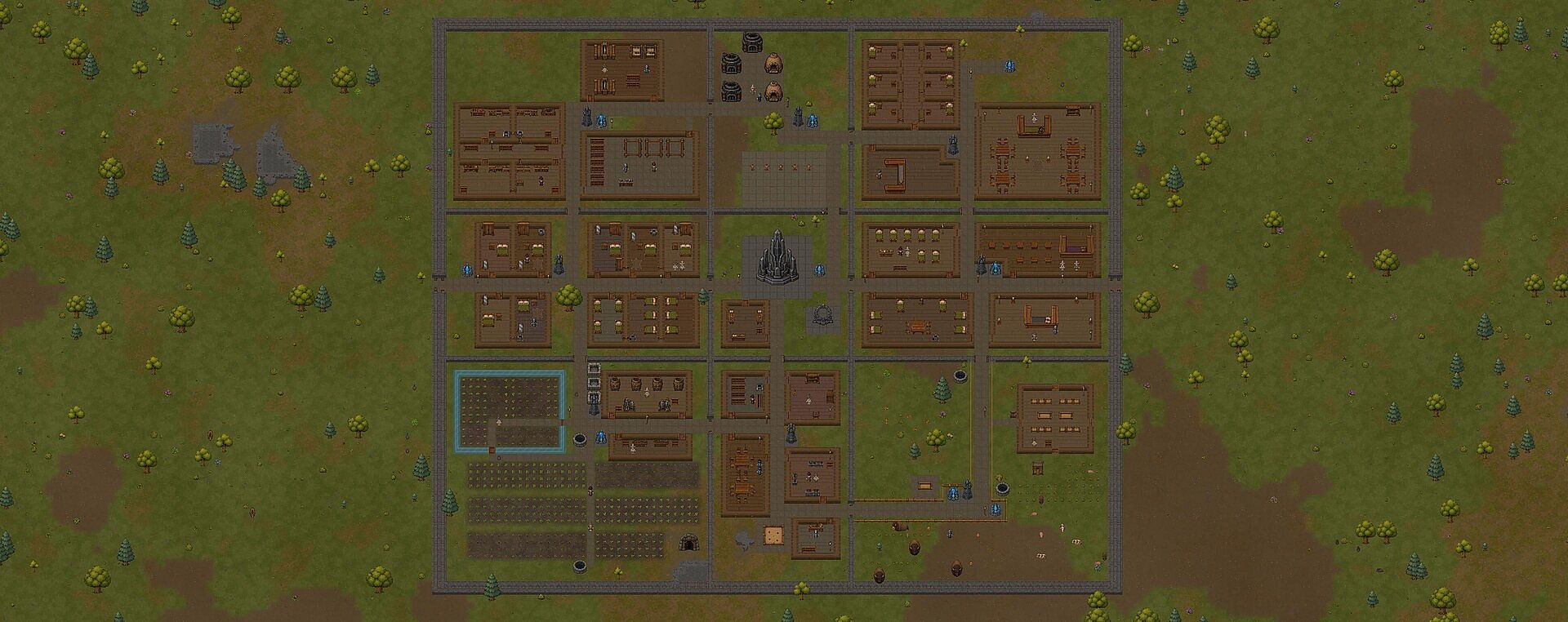
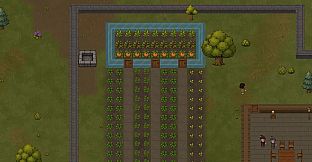
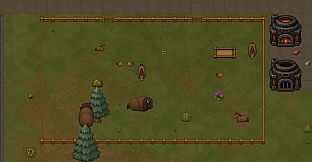
The core loop centers on transforming wilderness into a functional settlement. Players gather resources, construct specialized rooms for production and storage, and set up chains that handle food, equipment, and medicine. Seasonal crops require watering and fertilization for reliable yields, while wild animals can be tamed and bred to sustain both the guild and any traveling groups.
Guild members each bring unique skills, preferences, and needs. Work priorities and daily schedules keep them fed, rested, and equipped. Shared inventory rules help automate routine tasks as the group grows. Direct commands become useful during coordinated efforts such as combat or specific tasks.
Runes provide removable abilities and passive effects discovered through quests and dungeon runs. These allow customization of roles including tanks, healers, damage dealers, workers, and crafters. Different combinations support adaptation to new threats without locking characters into permanent paths.
Mana fuels abilities and structures. Pylons extract biome-specific essence, and research expands magical options. Location choices influence available resources, essence types, and risks. Caravans formed from guild members and pack animals enable longer journeys across varied biomes to locate resources, quests, faction sites, and dungeons.
Independent factions share the world. Trade, quests, and rescues build relationships that can yield traders or reinforcements, while poor diplomacy may lead to conflict.
Game Modes
RuneEra operates as a continuous single-player experience without separate named modes. The primary focus remains settlement development and management alongside periodic expeditions. Players balance daily production and member needs with the demands of exploration and defense against events or hostile encounters.
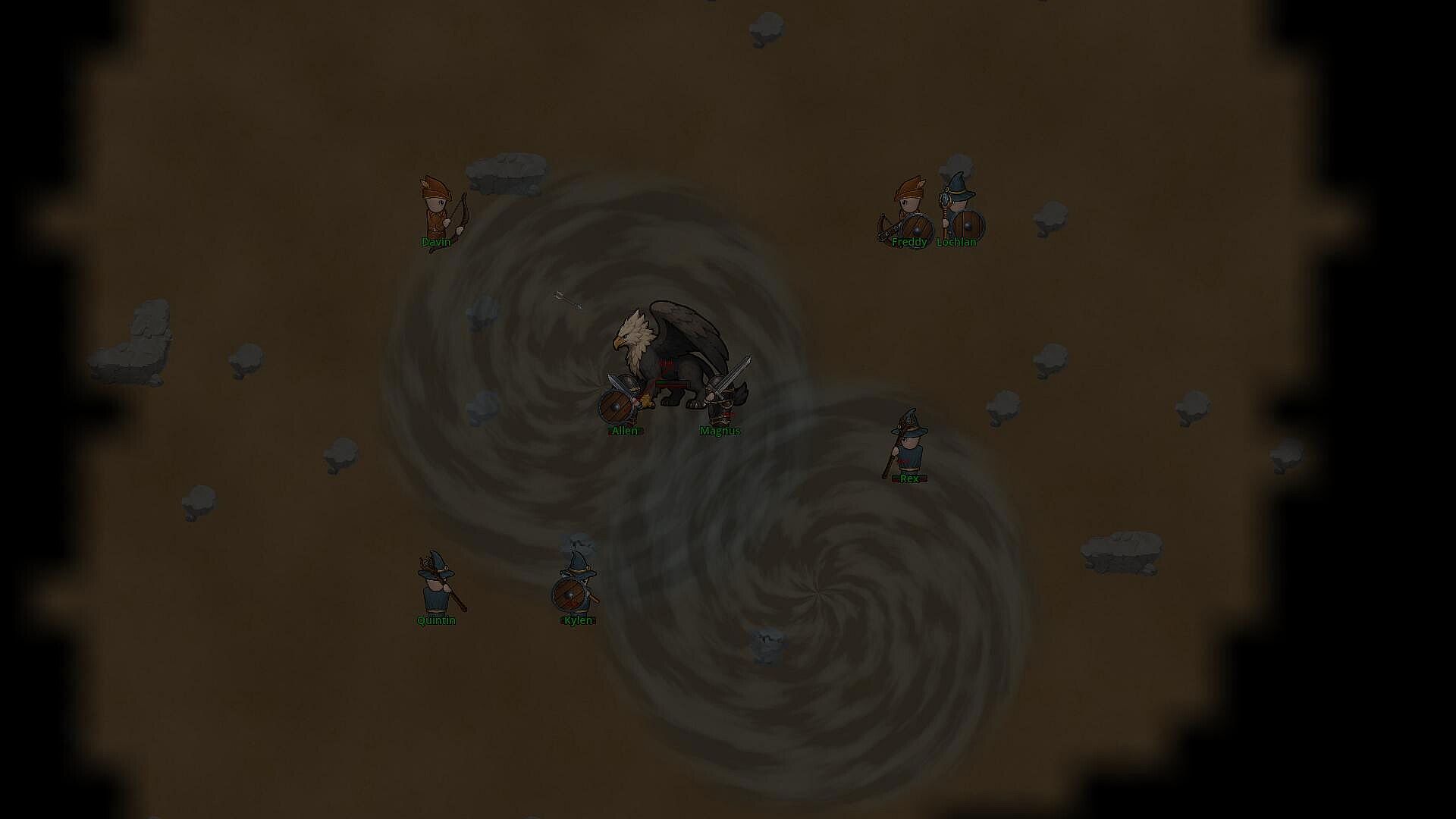
Expeditions function as the main outward-facing activity. Guild parties travel to dungeons and distant locations to recover runes, confront enemies, and secure new territory. These outings integrate directly with settlement progress since successful returns supply materials and knowledge that improve the home base.
Internal management forms the other sustained activity. Players adjust priorities, research technologies, and respond to dynamic events that test resource allocation and guild readiness. The absence of distinct modes keeps attention on the interconnected loop of building, maintaining, and venturing outward.
Key Mechanics and Systems
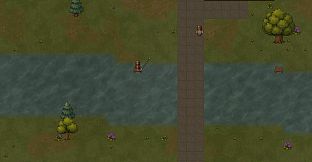
Procedural generation shapes the world map with different biomes offering distinct resources and hazards. Claiming new areas expands available territory and settlement options. Faction interactions add layers of diplomacy that influence access to traders or potential raids.
Automation features reduce micromanagement once systems are established. Production chains and inventory rules handle routine work, freeing attention for higher-level decisions during critical moments. Mana and essence systems tie magical development to physical placement and exploration choices.
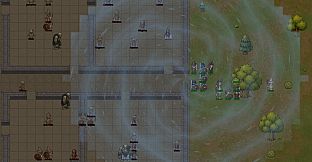
Combat and ability use occur both in settlement defense and during dungeon expeditions. Rune equipping supports flexible party compositions that shift based on the current challenge.
Is It Worth Playing?
RuneEra remains in active alpha development with regular patches that address bugs, balance, and add features. The current build supports play from initial settlement setup through to major encounters, making it suitable for players who enjoy colony sims and want to follow ongoing updates.
Reception on the itch.io page shows a perfect rating from a small number of users. Community posts highlight interest in the combination of deep management and exploration. Those who appreciate titles focused on guild leadership, resource chains, and rune-based customization may find the alpha rewarding, especially if they are comfortable with early-stage software and placeholder visuals.
The game suits single-player fans of strategy and simulation who value procedural worlds and flexible character development. Continued development and community feedback will shape future refinements. Players seeking a polished release may prefer to wait, while those interested in contributing input during alpha can access the build directly.