

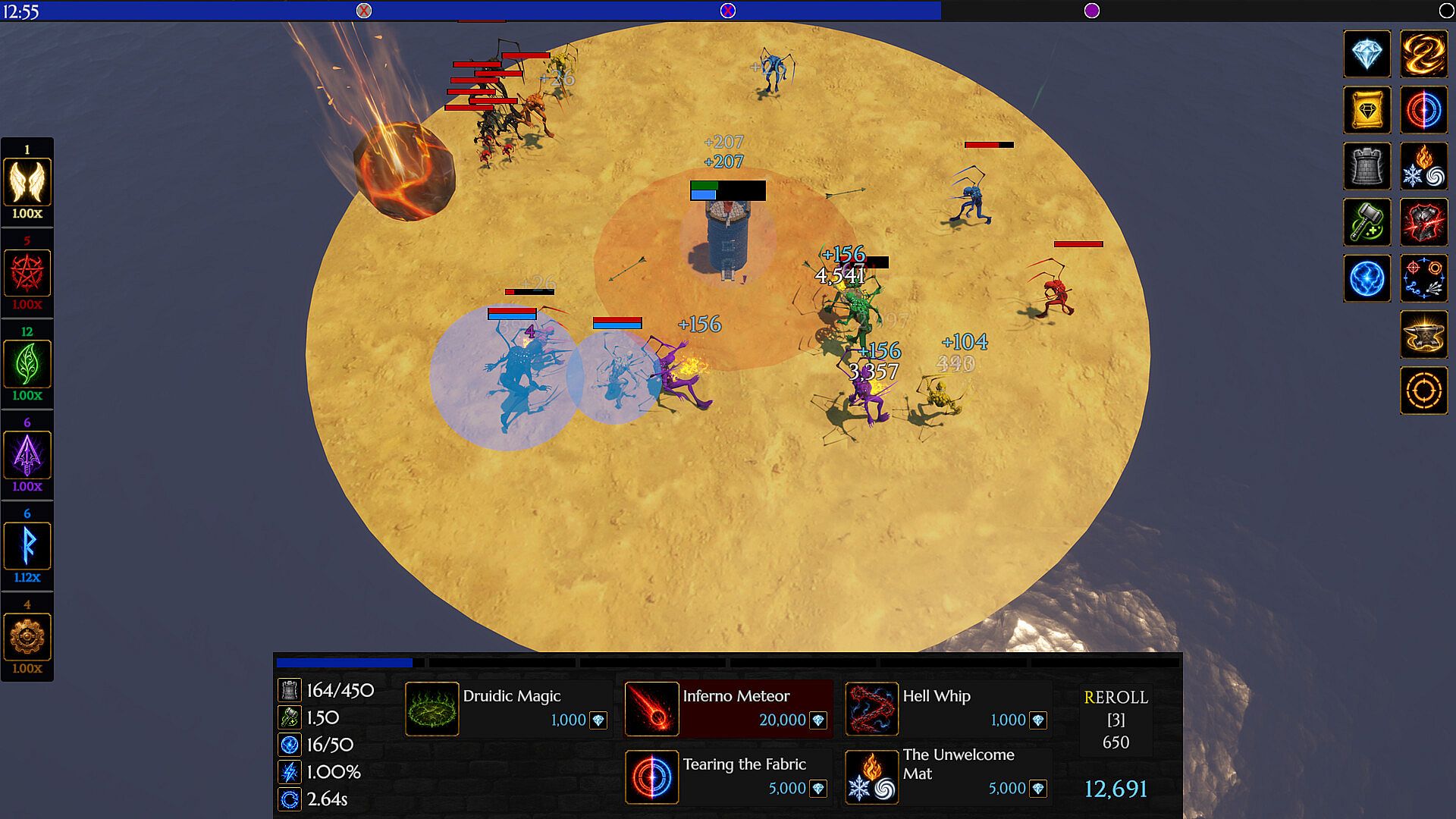
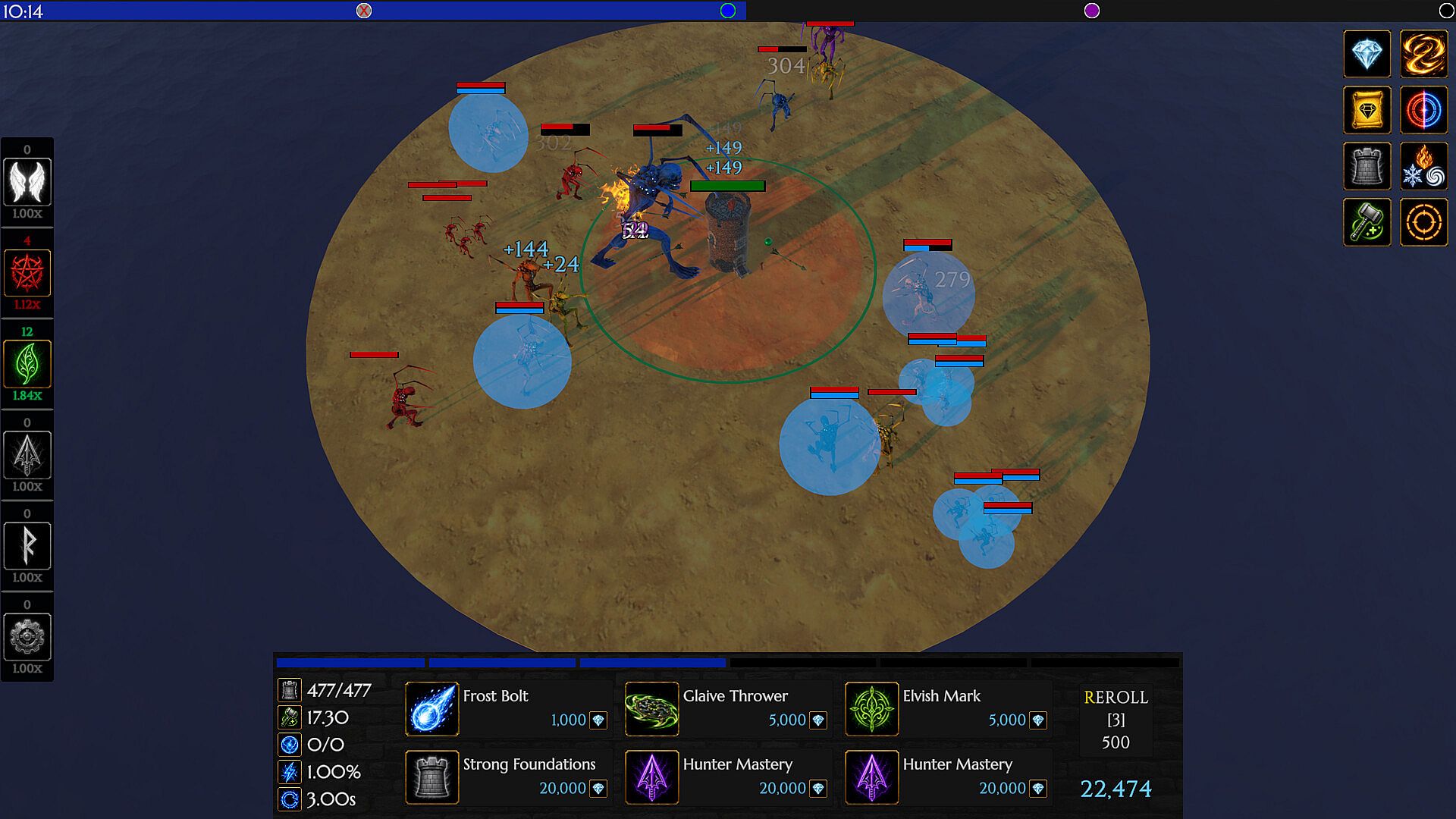
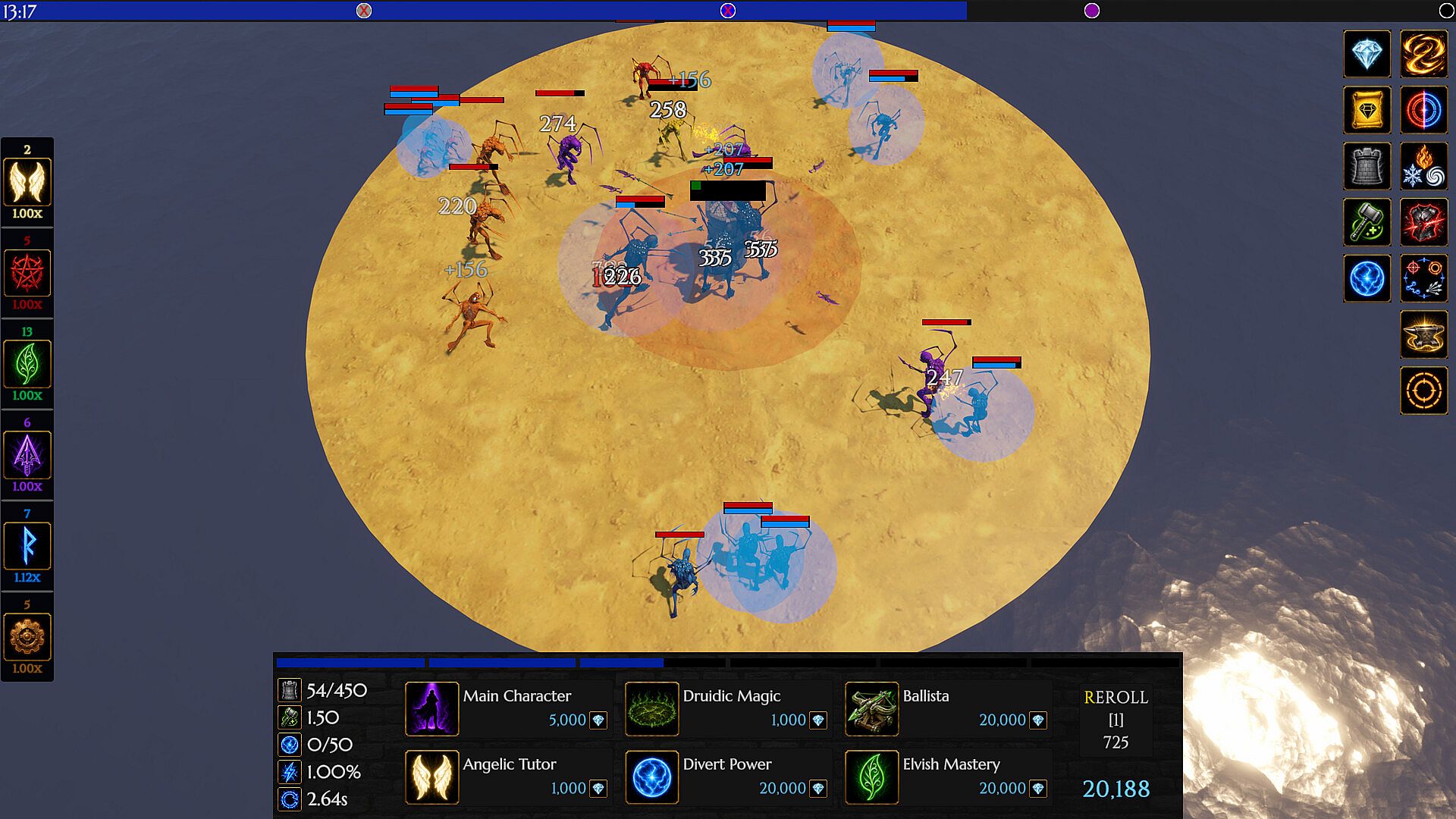
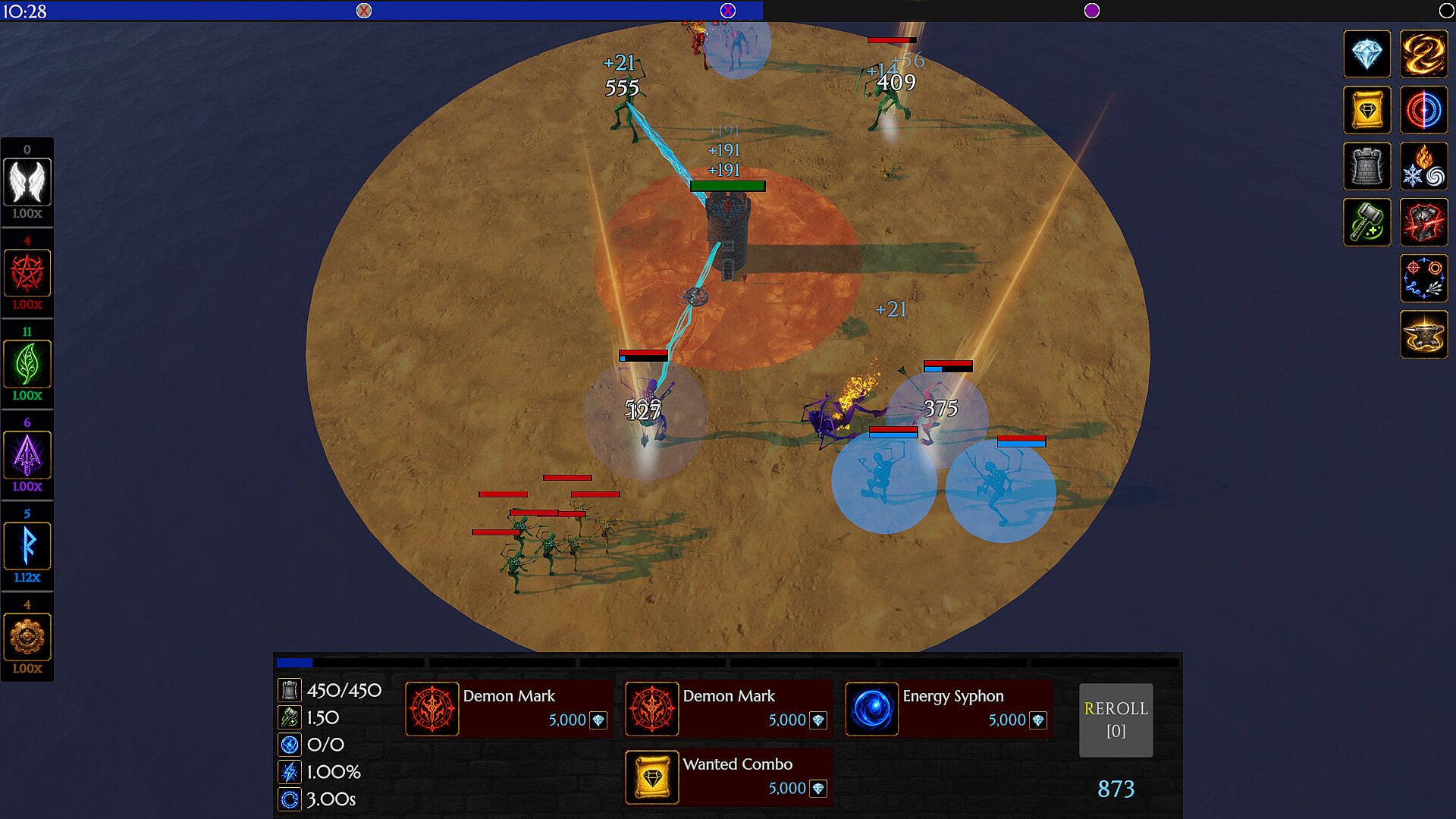
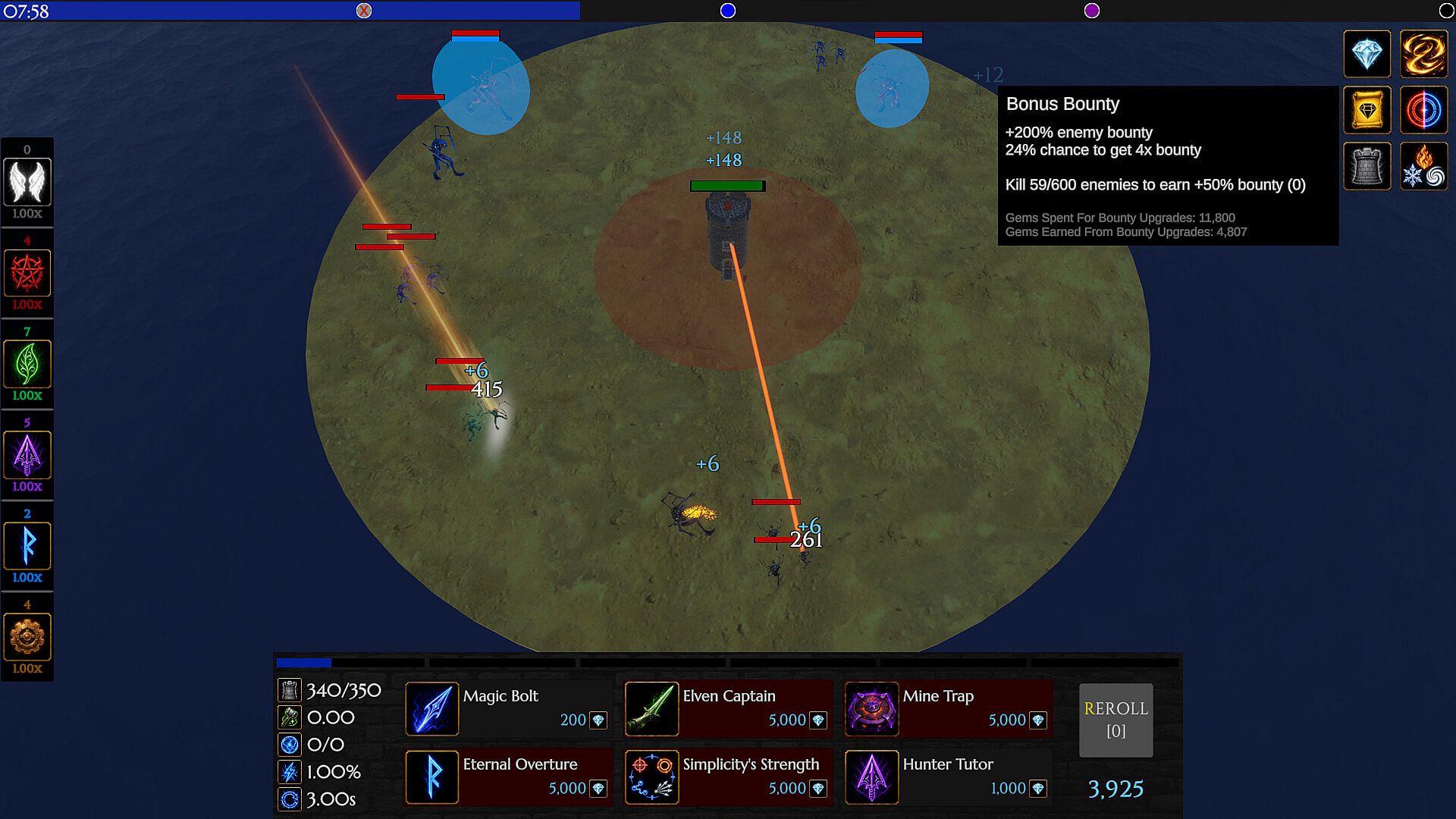
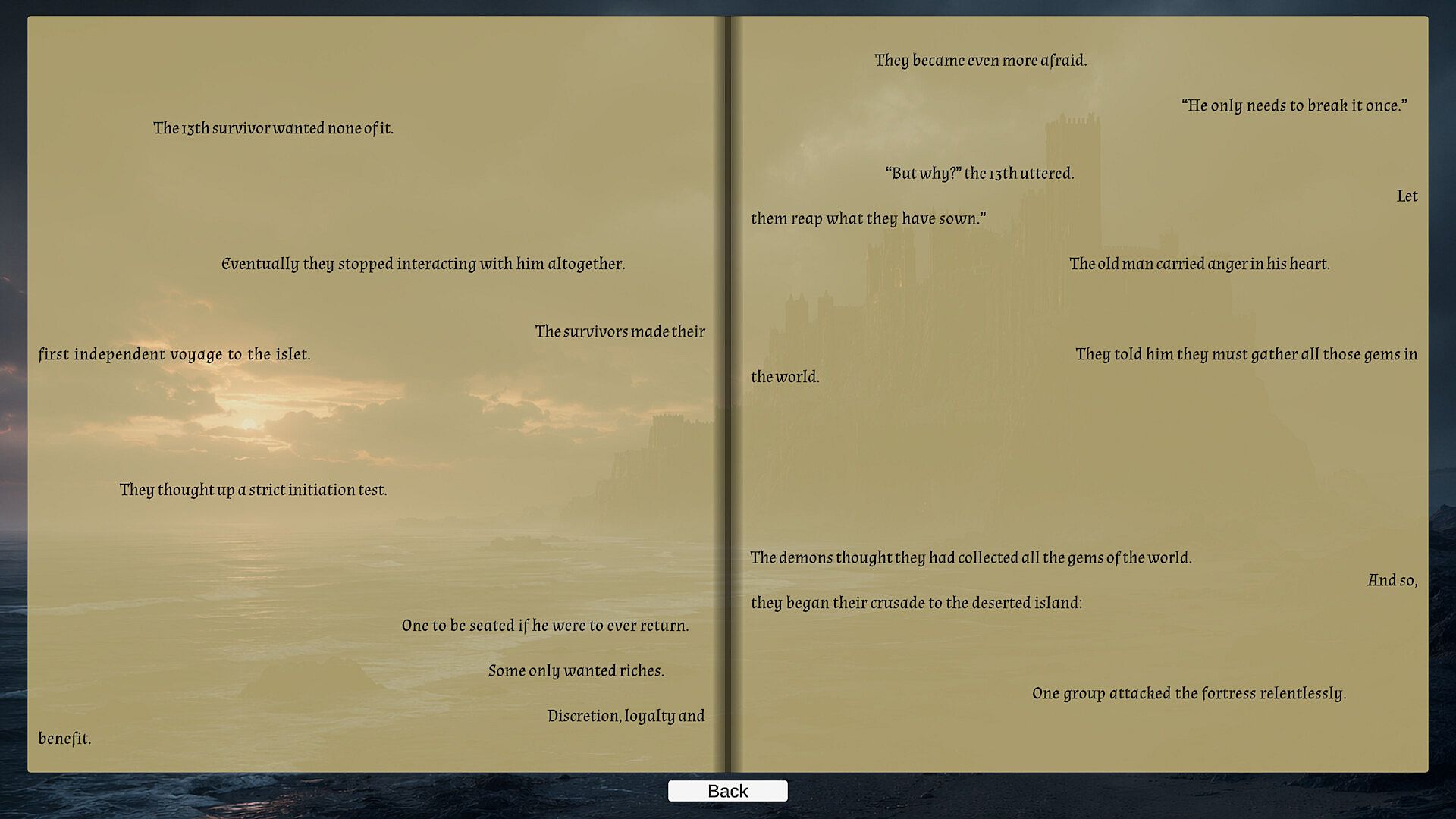
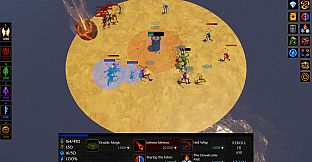
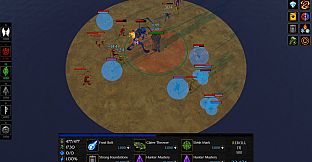
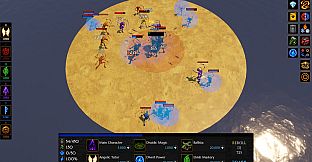
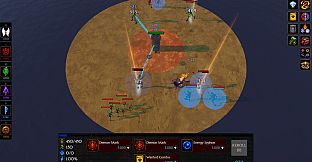
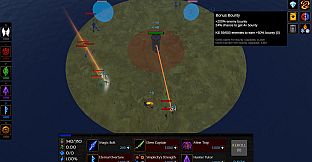
Siege of the Isletress is a single-player strategy game that blends tower defense survival elements with deep buildcrafting on PC. Players defend a lone fortress against escalating enemy waves without placing towers, commanding units, or aiming weapons directly. The focus rests on configuring how the fortress itself engages threats through a wide array of options.
Gameplay
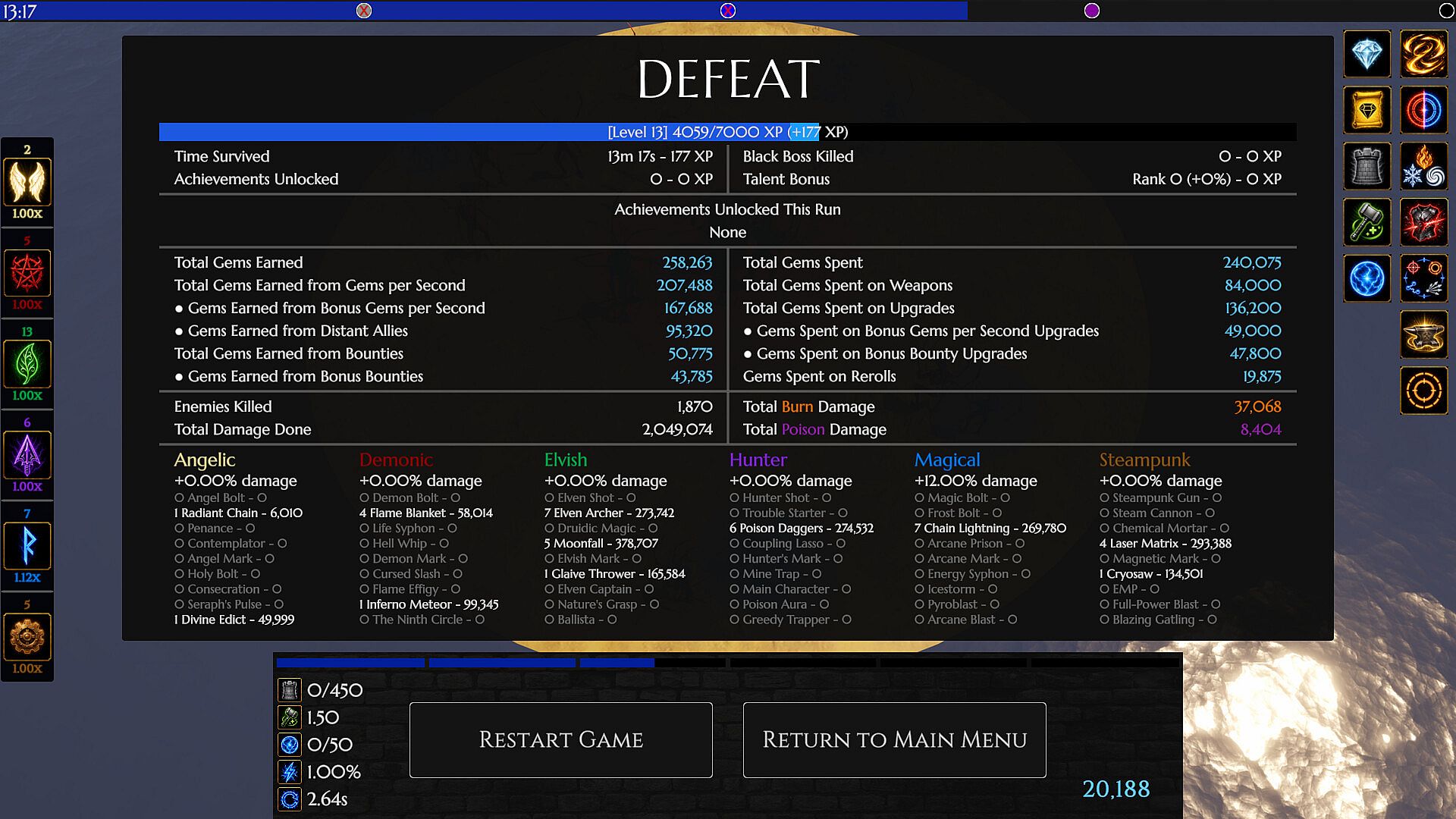
The core loop centers on adapting a fortress build across runs as sieges intensify. With more than 120 weapons and upgrades available, decisions revolve around selecting and combining tools that match incoming threats. Weapons fall into six distinct categories, each tied to thematic factions such as holy warriors, demonic experts, bounty hunters, arcane sorcerers, steampunk engineers, and elvish soldiers. These categories influence mechanics, strengths, and synergy potential, encouraging players to specialize in one tradition or mix elements across them.
Combat revolves around status effects and interactions rather than direct control. Effects include burning, poisoning, slowing, stunning, rooting, knocking back, marking for destruction, or applying raw damage. Systems connect across attack types, status conditions, shields, the fortress structure, and upgrade interactions. This design allows for targeted combinations that exploit enemy vulnerabilities or broad approaches that overwhelm through volume.
Game Modes
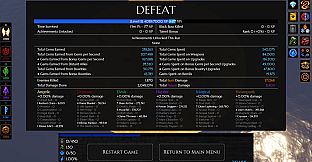
The experience unfolds through repeated survival runs against growing sieges. Each attempt emphasizes adaptation and experimentation with different weapon and upgrade combinations. Challenges introduce restrictions that test build flexibility and reward completion with achievement-based incentives. No separate competitive or cooperative modes appear in the available details, keeping the structure centered on individual progression through successive defenses.
Weapons, Upgrades, and Systems
Depth comes from how weapons and upgrades interact with multiple layers of the game. Categories provide varied playstyles, while cross-system connections reward creative pairings. Players can pursue narrow builds that master a few mechanics or expansive ones that layer many effects together. The fortress serves as the central platform, with upgrades modifying its capabilities directly rather than adding external elements.
Progression and Story
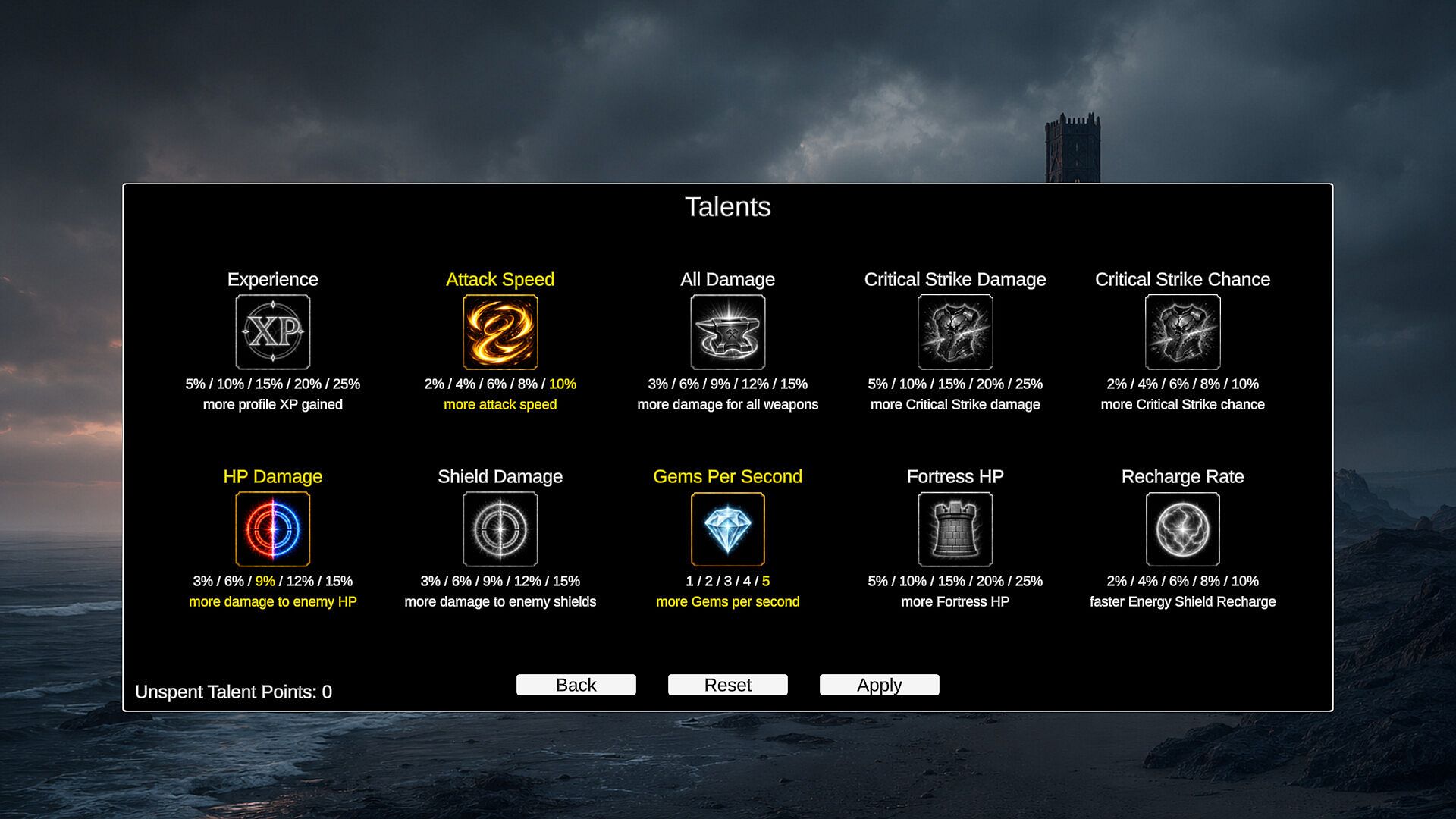
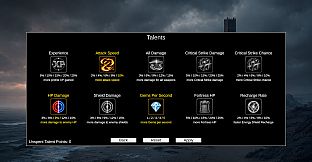
Long-term growth occurs through permanent upgrades unlocked via experience points and talent points earned across runs. Milestones expand available options over time, while restricted challenges offer additional rewards. Lore fragments collected during play reveal background details about the Isletress, including reasons for the attacks and the strengthening of enemy forces. The narrative touches on themes of temptation, greed, and regret uncovered gradually through these pieces.
Is It Worth Playing?
The game targets players who enjoy strategic decision-making in a single-player survival format with emphasis on build experimentation and system mastery. Its indie and casual tags suggest approachable entry points alongside deeper layers for those who invest in understanding interactions. Since the title remains in a pre-release state with no reviews available, suitability depends on interest in the described mechanics of fortress configuration and run-based adaptation. Those drawn to tower defense without traditional placement or unit management may find the focused approach appealing once it launches.