

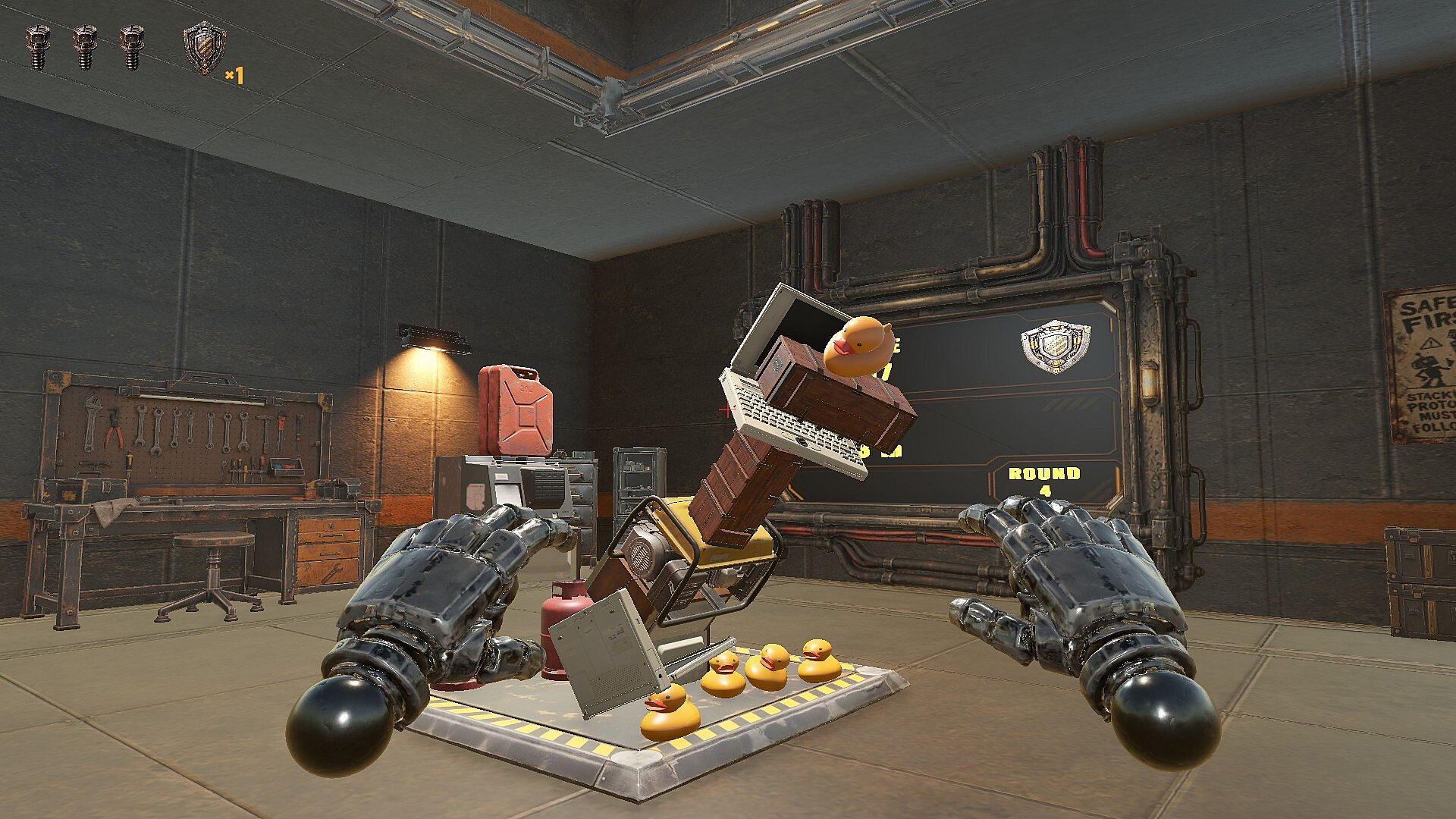
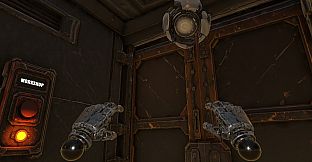
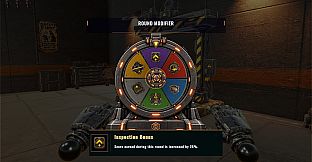
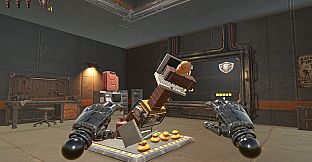
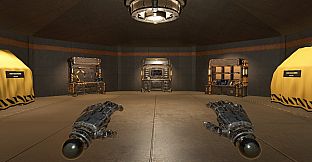
Stack Inspector is a single-player strategy and simulation game for PC that centers on first-person physics-based object stacking. Players take on the role of an inspector at OddFrame Industries, where the core challenge involves grabbing, rotating, and positioning a variety of objects to construct increasingly tall towers while maintaining stability. The experience blends casual accessibility with strategic decision-making, as each run presents new combinations of awkward shapes that test balance and foresight.
Gameplay
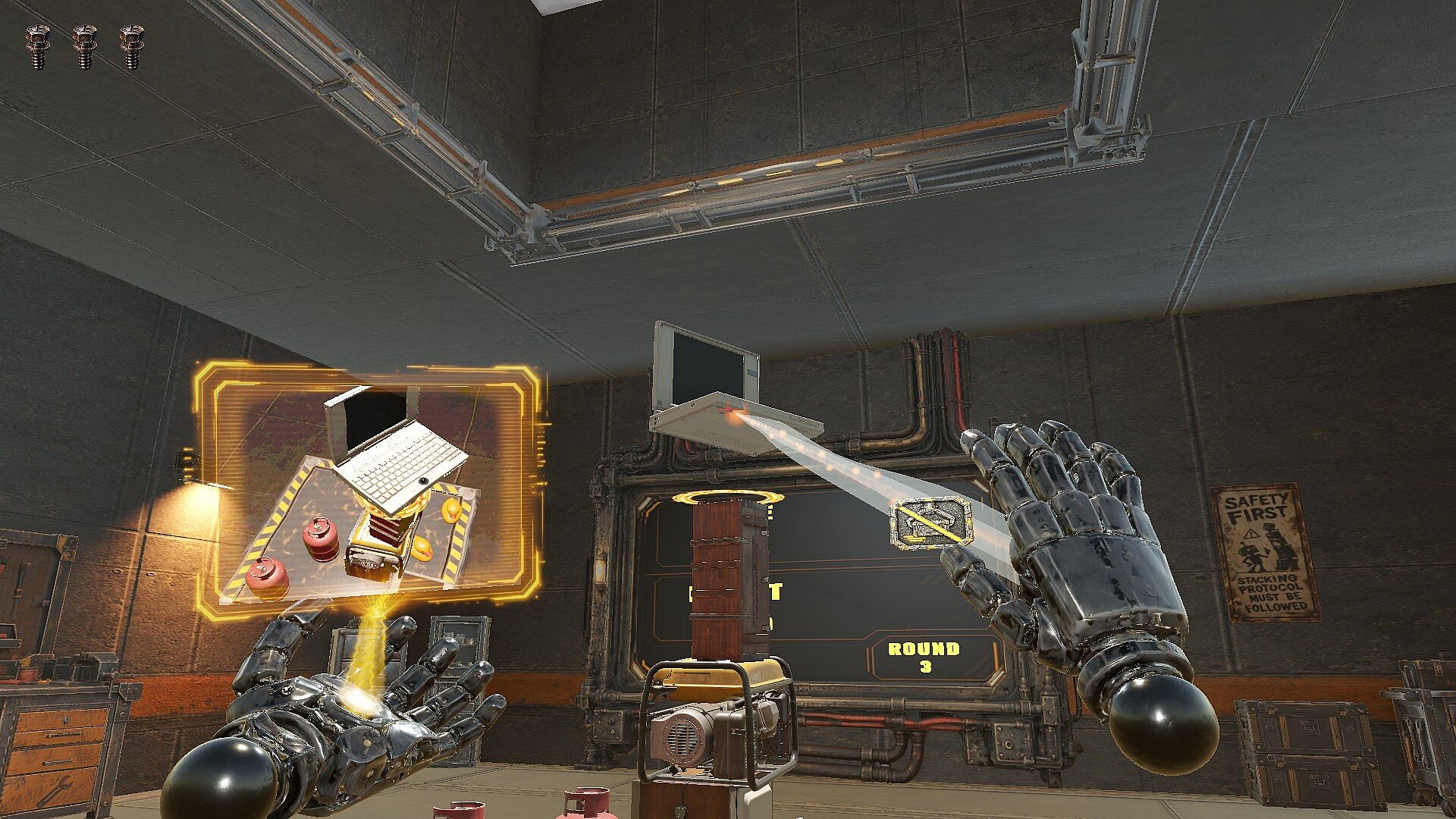
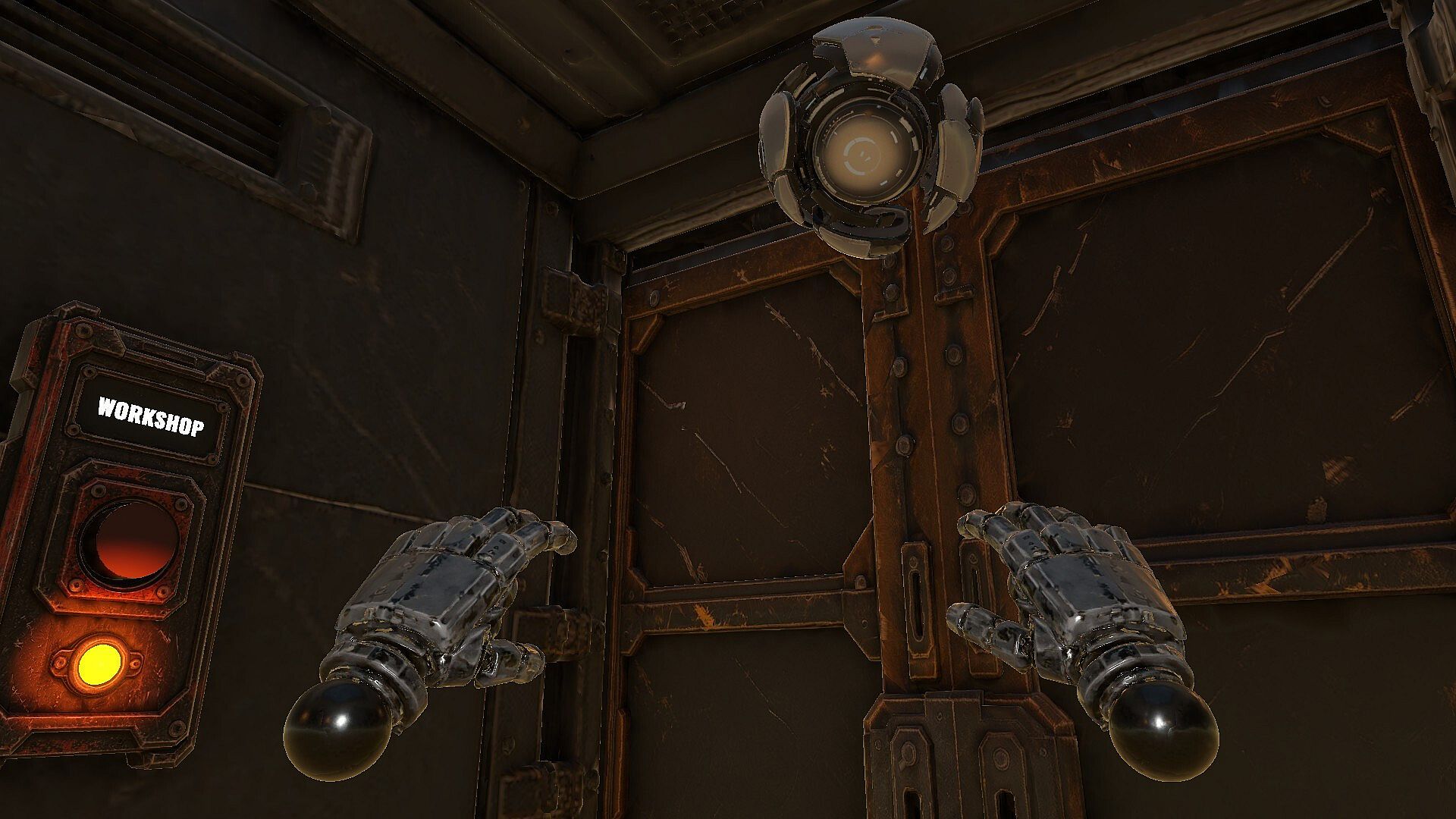
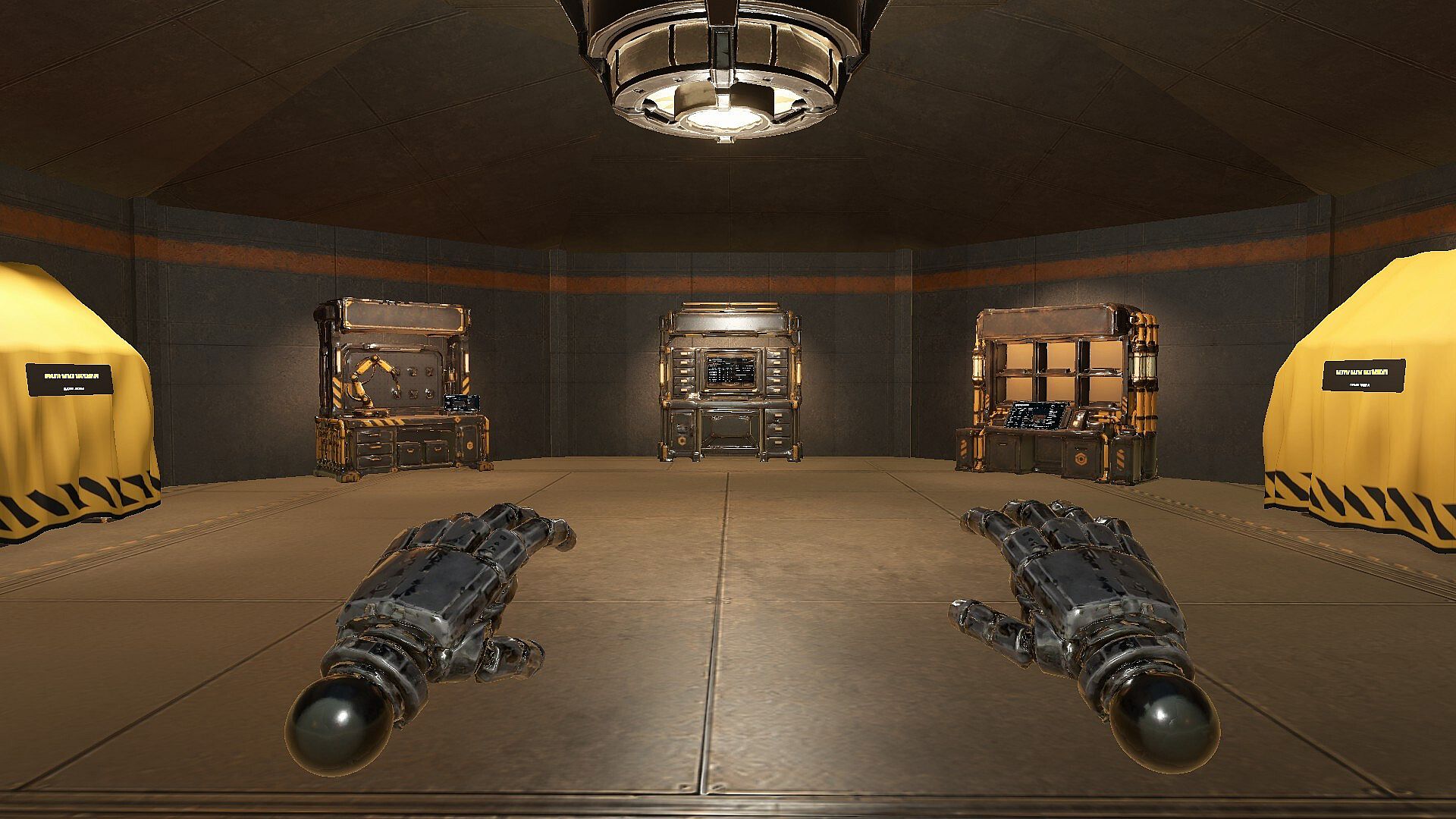
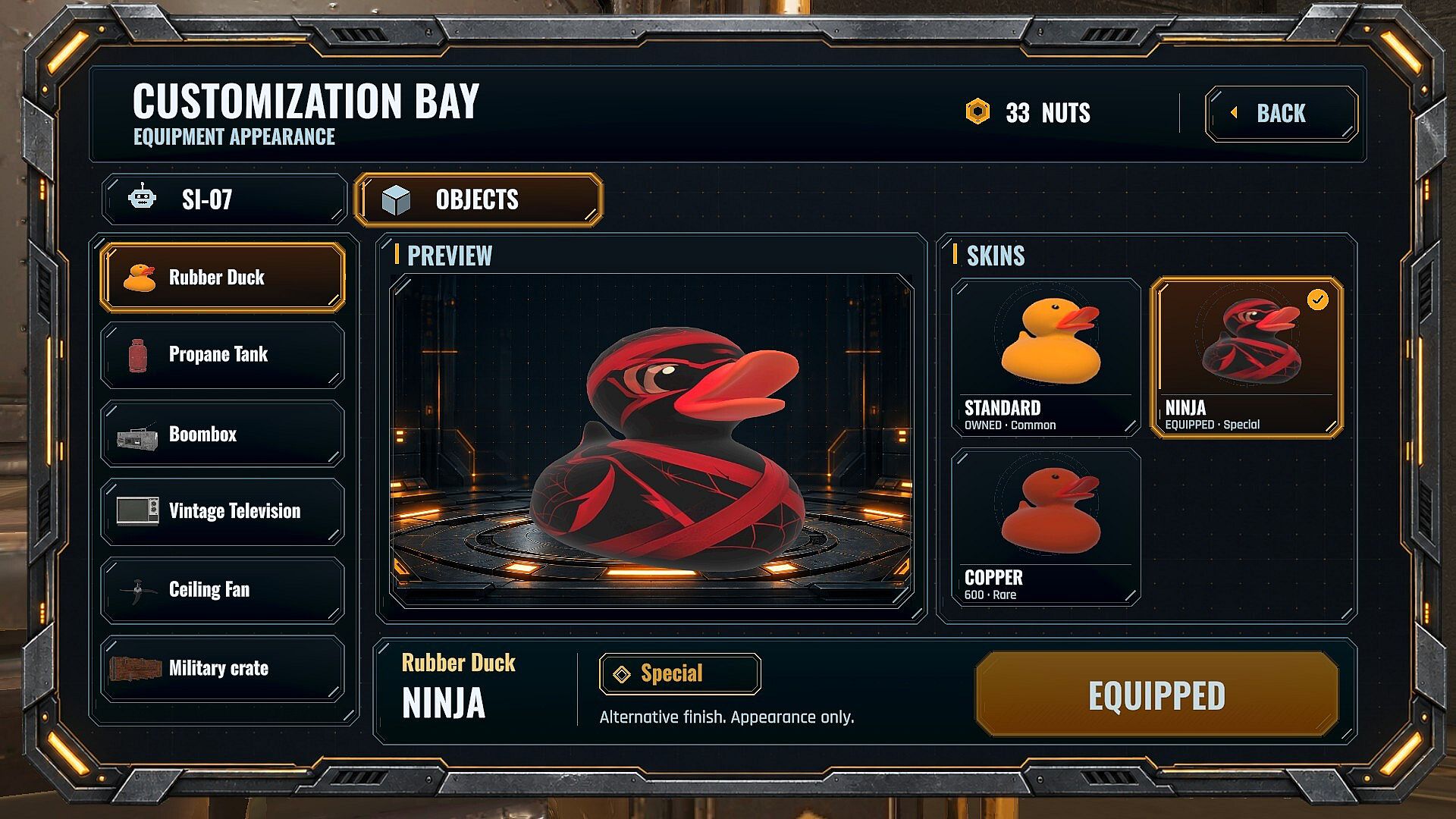
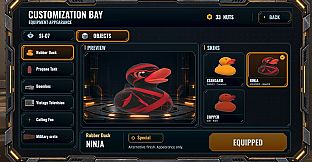
The gameplay loop revolves around precise manipulation of objects in a first-person view. Players pick up items, adjust their orientation, and place them carefully to extend a tower as high as possible without causing a collapse. Physics simulation governs every interaction, meaning small shifts in angle or support can lead to wobbling structures or sudden failures. Objects exhibit varied behaviors, with some providing stable foundations and others introducing instability that demands creative solutions. Progress tracking includes score and height metrics, encouraging players to refine techniques across multiple attempts. Between runs, the interactive workshop serves as a hub for reviewing discoveries, managing an archive of encountered objects, and accessing customization options that personalize equipment without altering core mechanics.
Supervision comes from MIRA, an in-game system that records all actions and outcomes, adding a layer of oversight to every placement. This setup rewards experimentation while highlighting the consequences of risky decisions, such as adding one more piece that topples an otherwise solid build. The emphasis remains on iterative improvement through trial and error rather than complex narratives or external objectives.
Game Modes
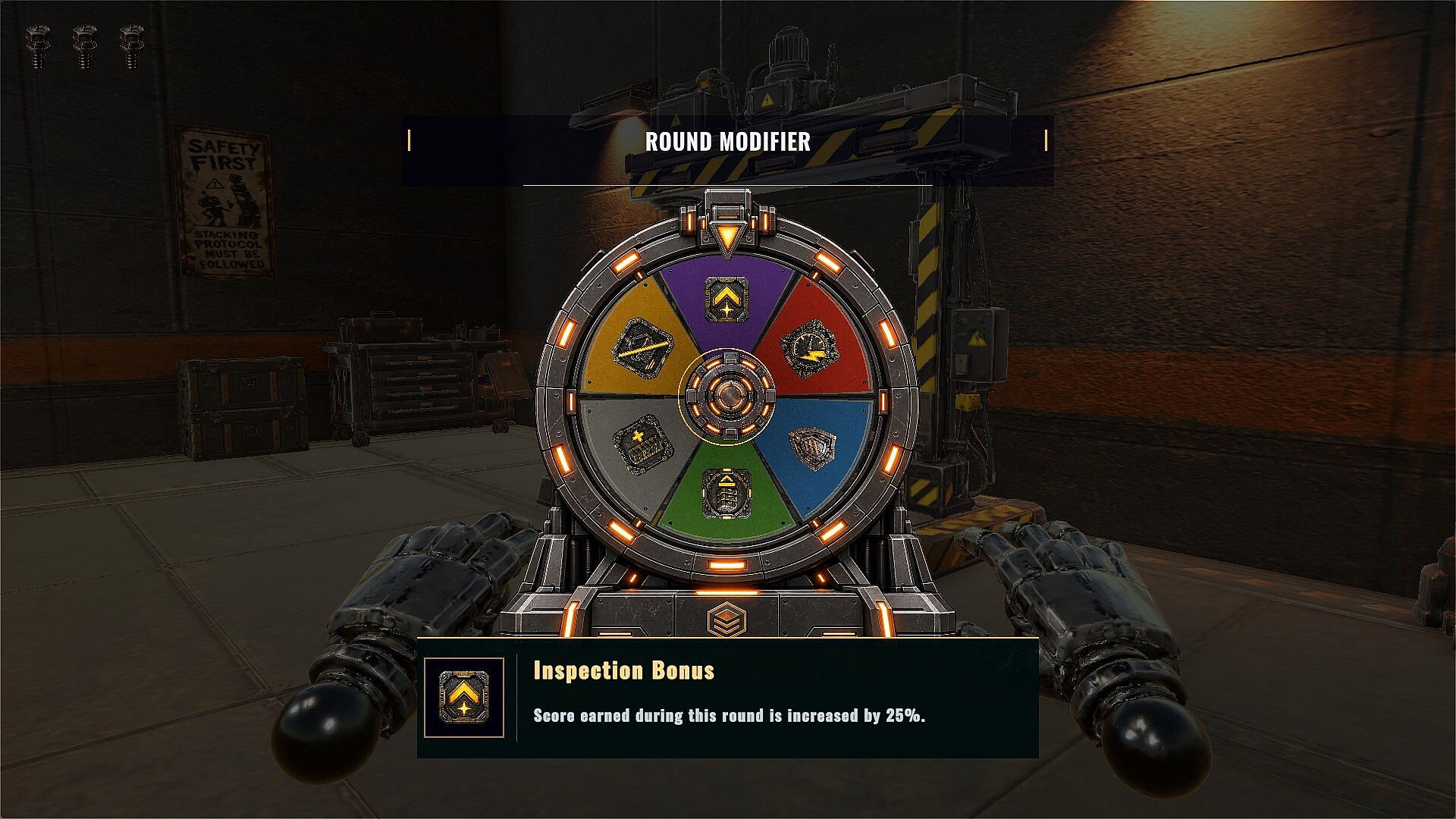
Stack Inspector operates as a single-player experience centered on replayable stacking runs. Each inspection delivers a fresh set of objects and conditions, prompting players to aim for greater heights and higher scores while avoiding catastrophic collapses. There are no separate named modes or multiplayer components; instead, variety arises naturally from procedural object combinations and the persistent drive to surpass personal bests. The workshop integrates with these runs by allowing players to explore collected data and prepare for subsequent attempts, creating a continuous cycle of challenge and reflection without structured levels or competitive brackets.
Key Features and Mechanics
Core systems highlight physics-driven interactions where every object placement carries weight in both literal and strategic senses. The archive system gradually fills as new items are discovered, providing a sense of collection and progression tied directly to performance. Skins offer visual customization for gear, enhancing the personal touch during runs without impacting stability or outcomes. MIRA's constant presence reinforces the archival nature of the work, logging successes and failures alike for later review. These elements combine to support extended play sessions focused on mastery of stacking fundamentals rather than story advancement or external competition.
Is It Worth Playing?
Stack Inspector suits players who enjoy physics simulation games with a casual yet strategic edge, particularly those drawn to tower-building challenges and iterative problem-solving. As a single-player title currently listed as coming soon with no user reviews available, its appeal rests on the described mechanics of precise object handling and replayable runs that reward patience and adaptability. Fans of indie strategy and simulation experiences may find value in the workshop progression and the tension of one bad placement undoing hours of careful work. The game remains accessible for short sessions while offering depth for those seeking to optimize tower height and stability over repeated attempts. Availability on PC supports straightforward access once released, making it a consideration for anyone interested in this specific style of physics-based stacking without additional commitments.