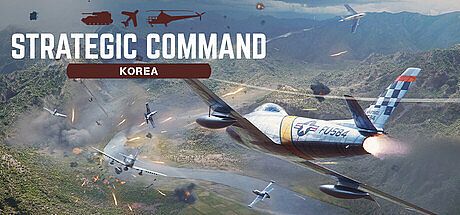


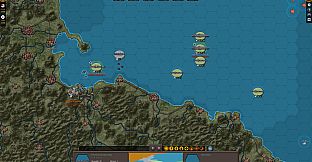
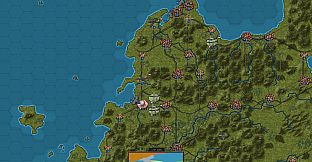
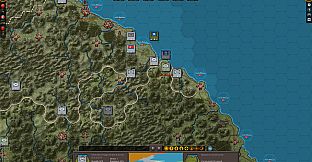
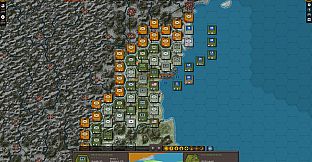
Strategic Command: Korea is a turn-based strategy game set during the Korean War. Players command either United Nations forces or Communist powers across the Korean Peninsula in a detailed hex-based simulation of the conflict that began in 1950.
Gameplay
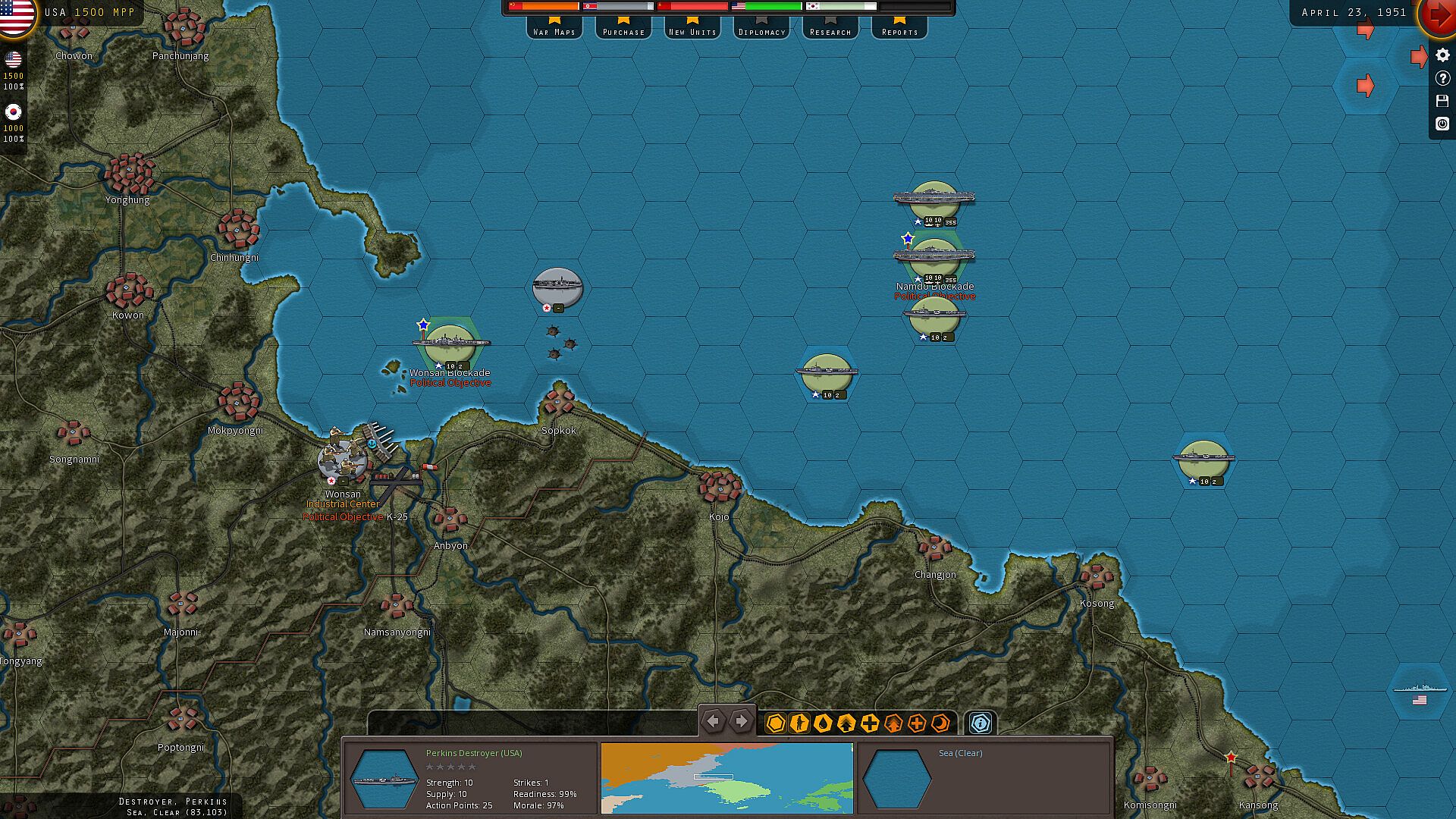
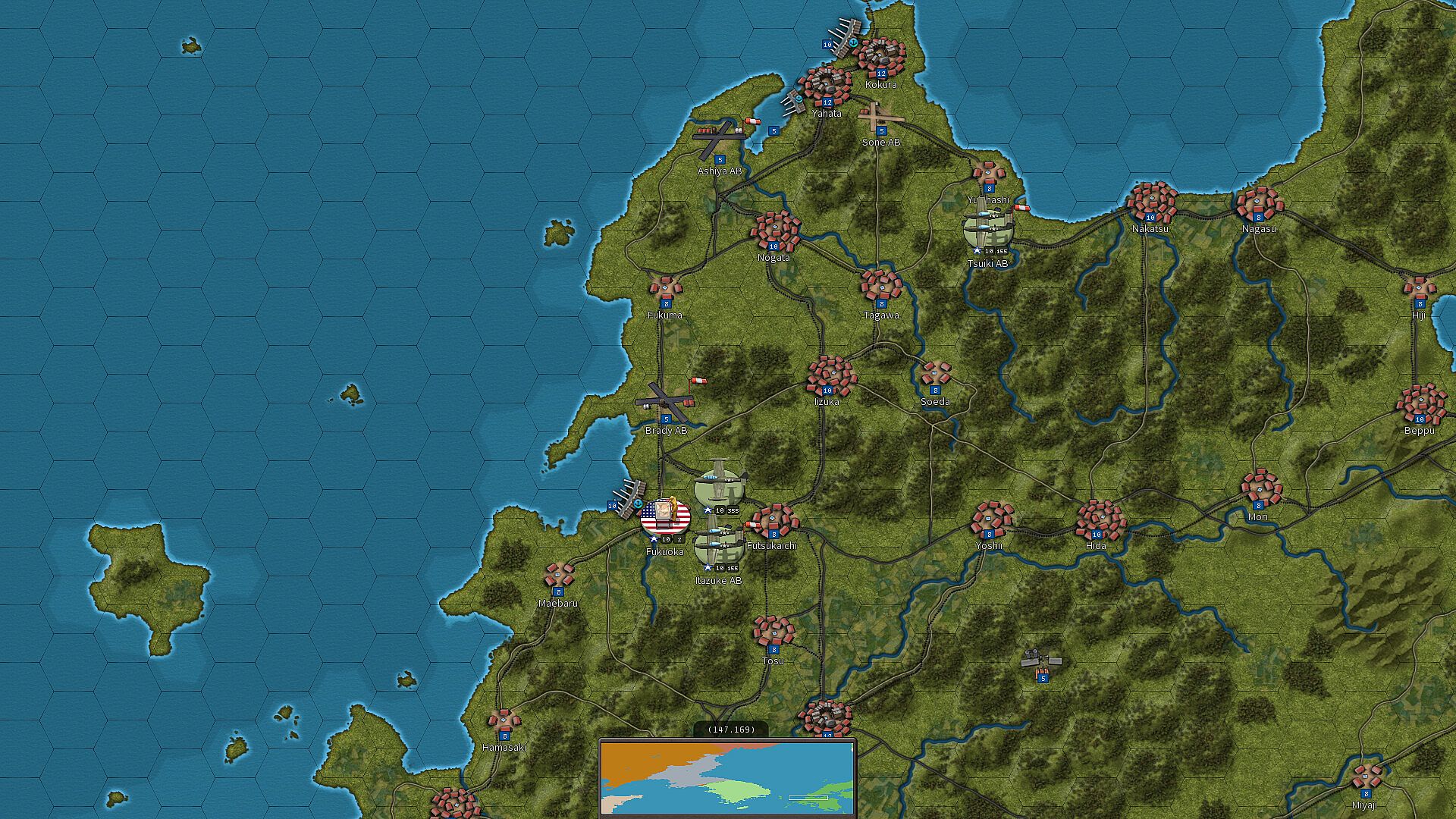
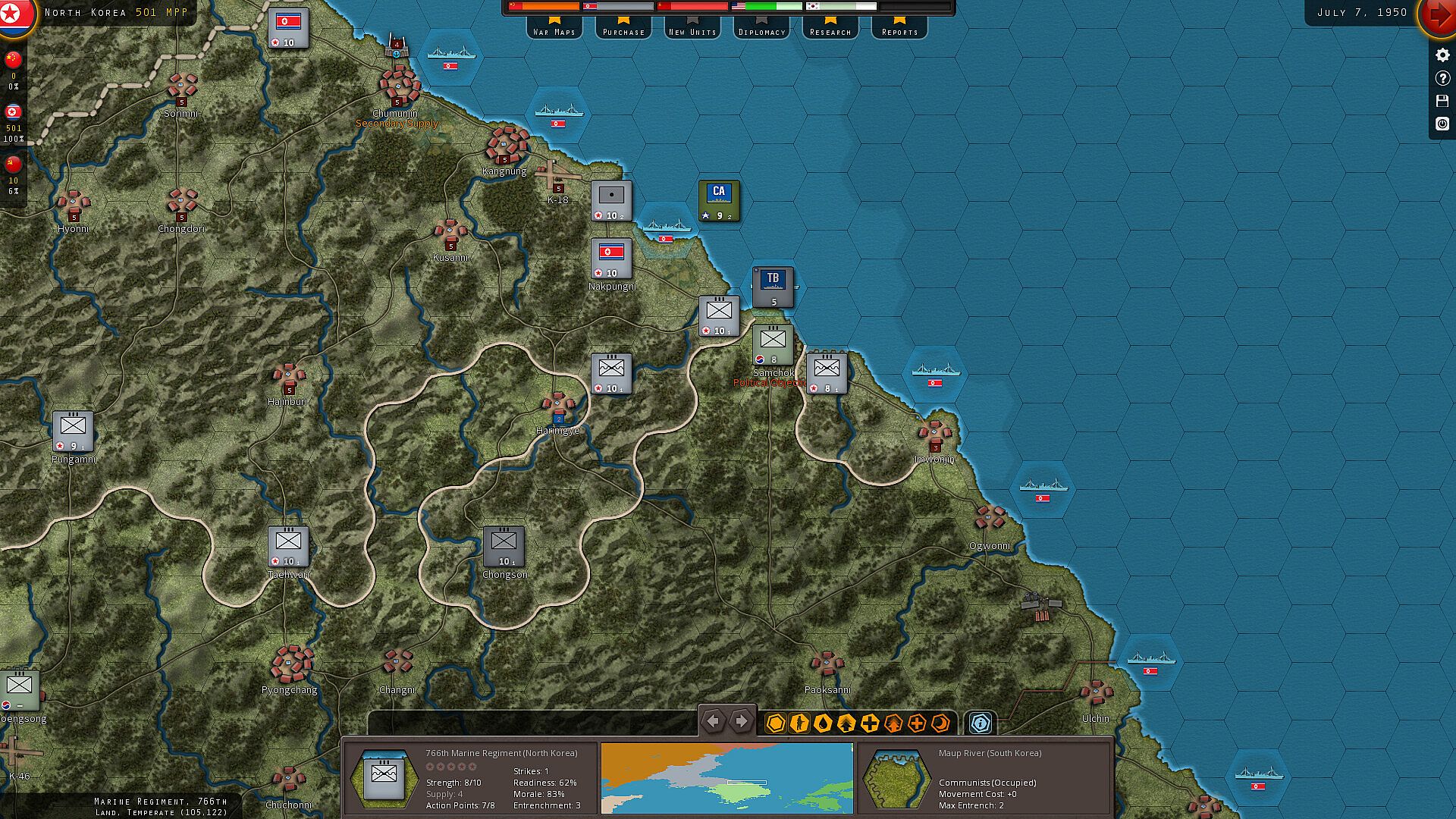
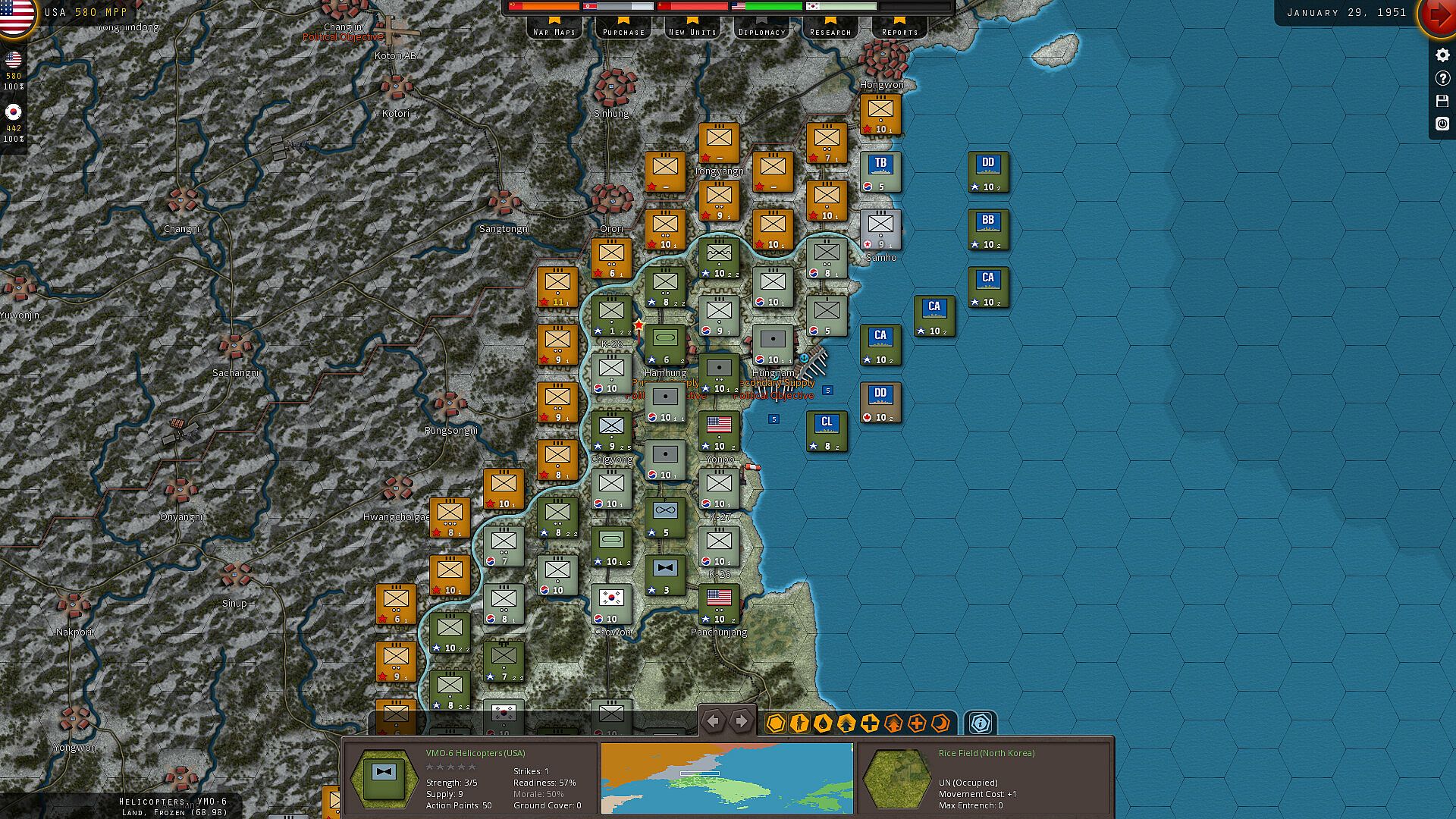
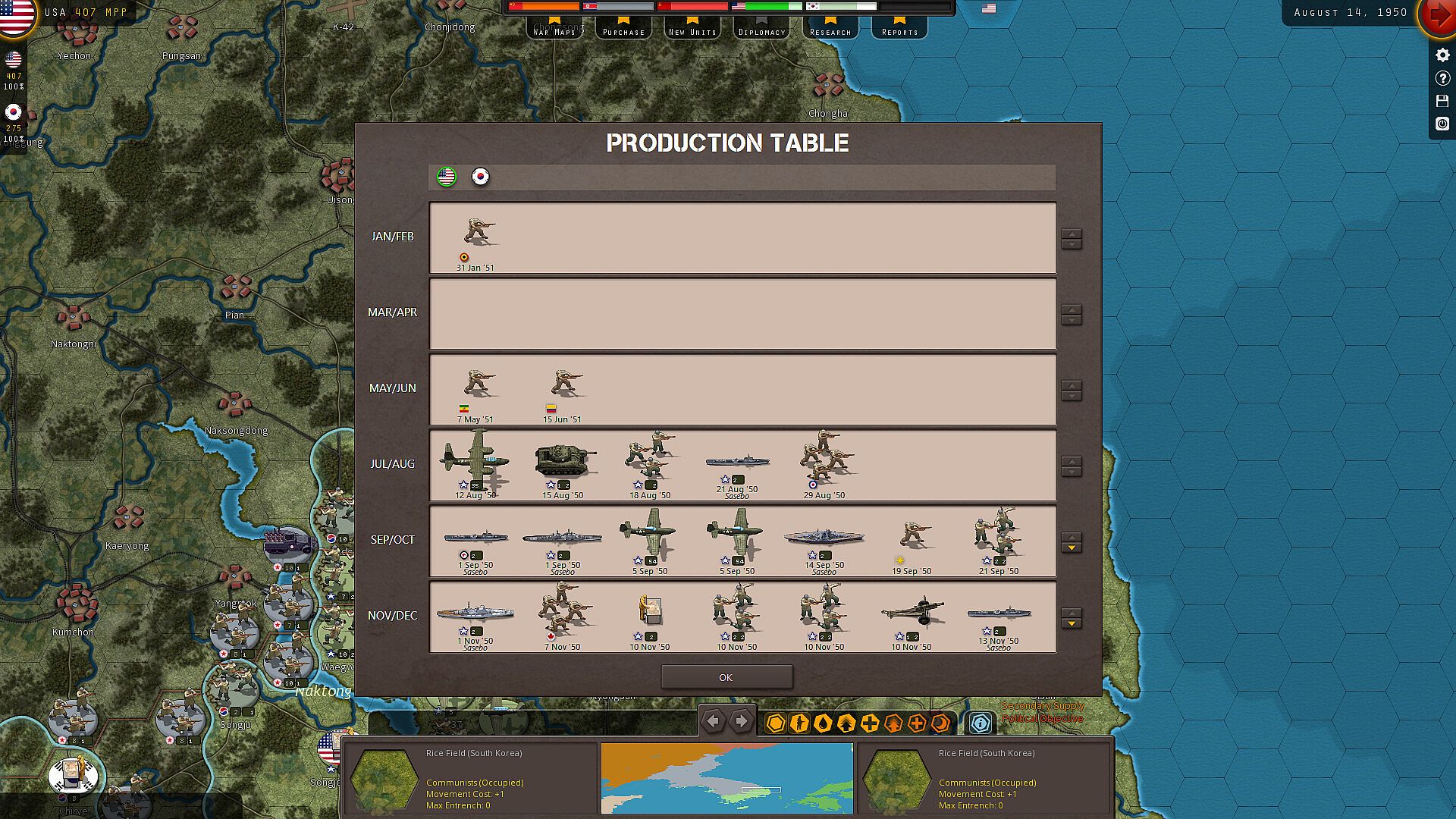
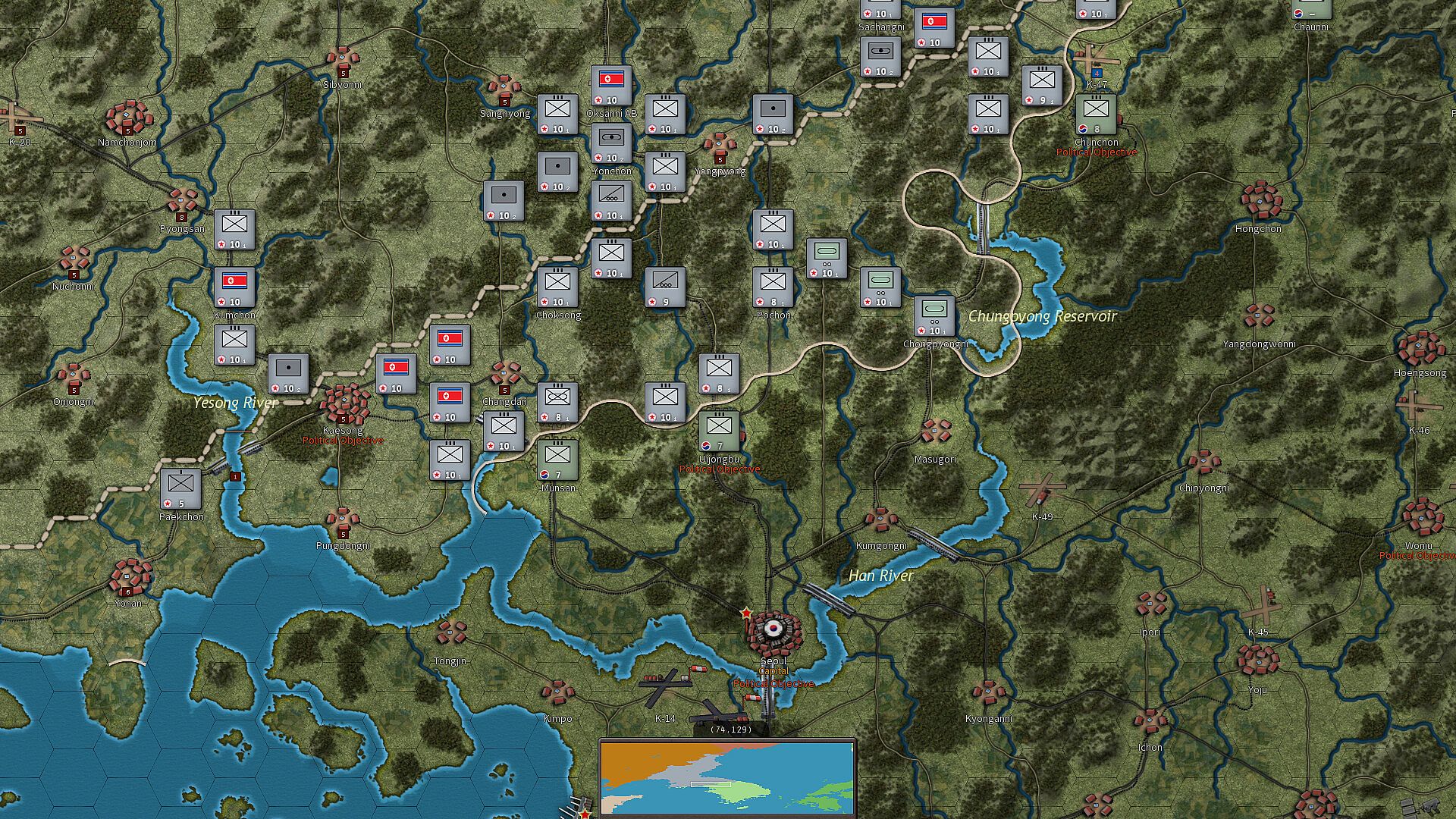
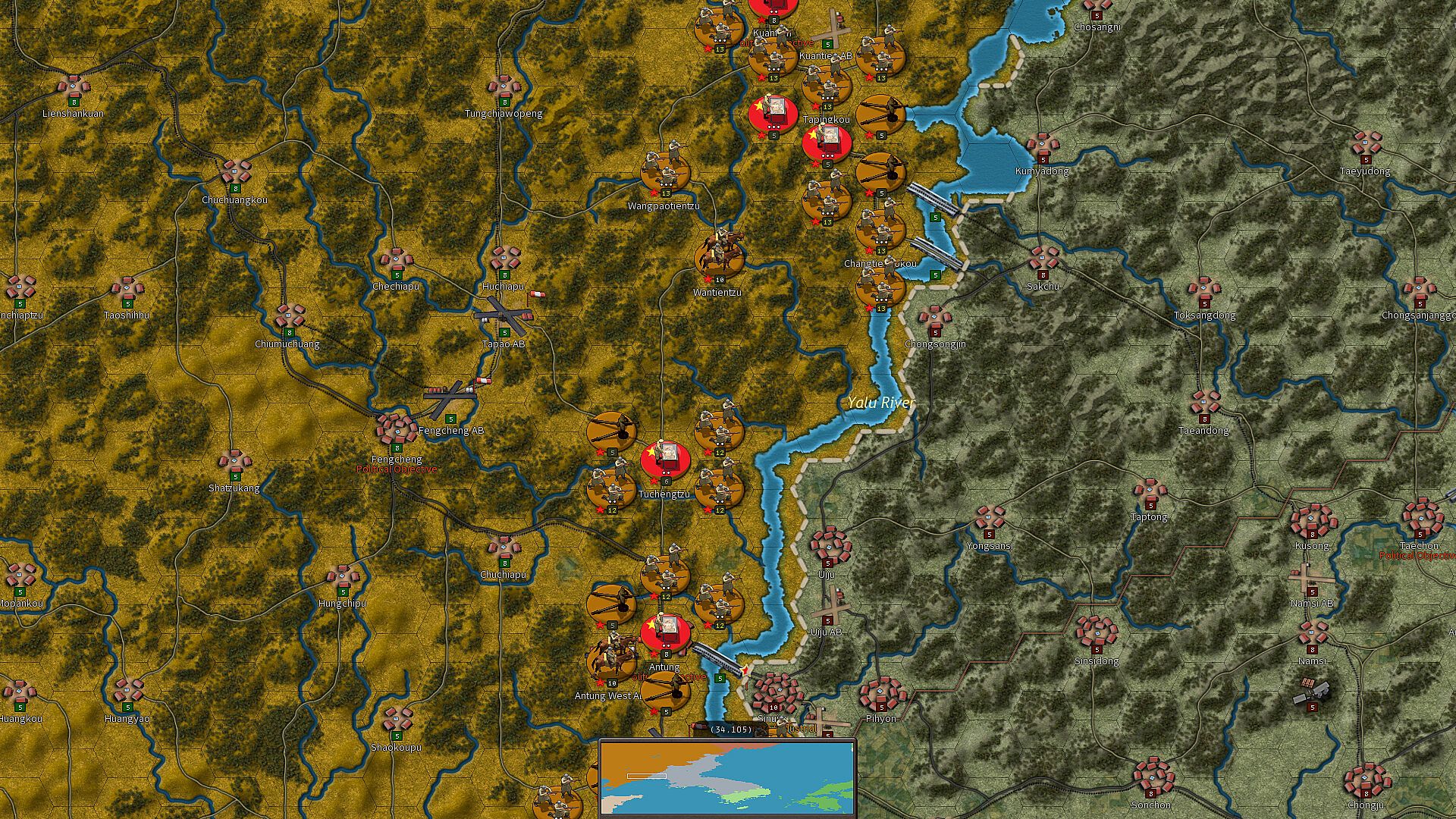
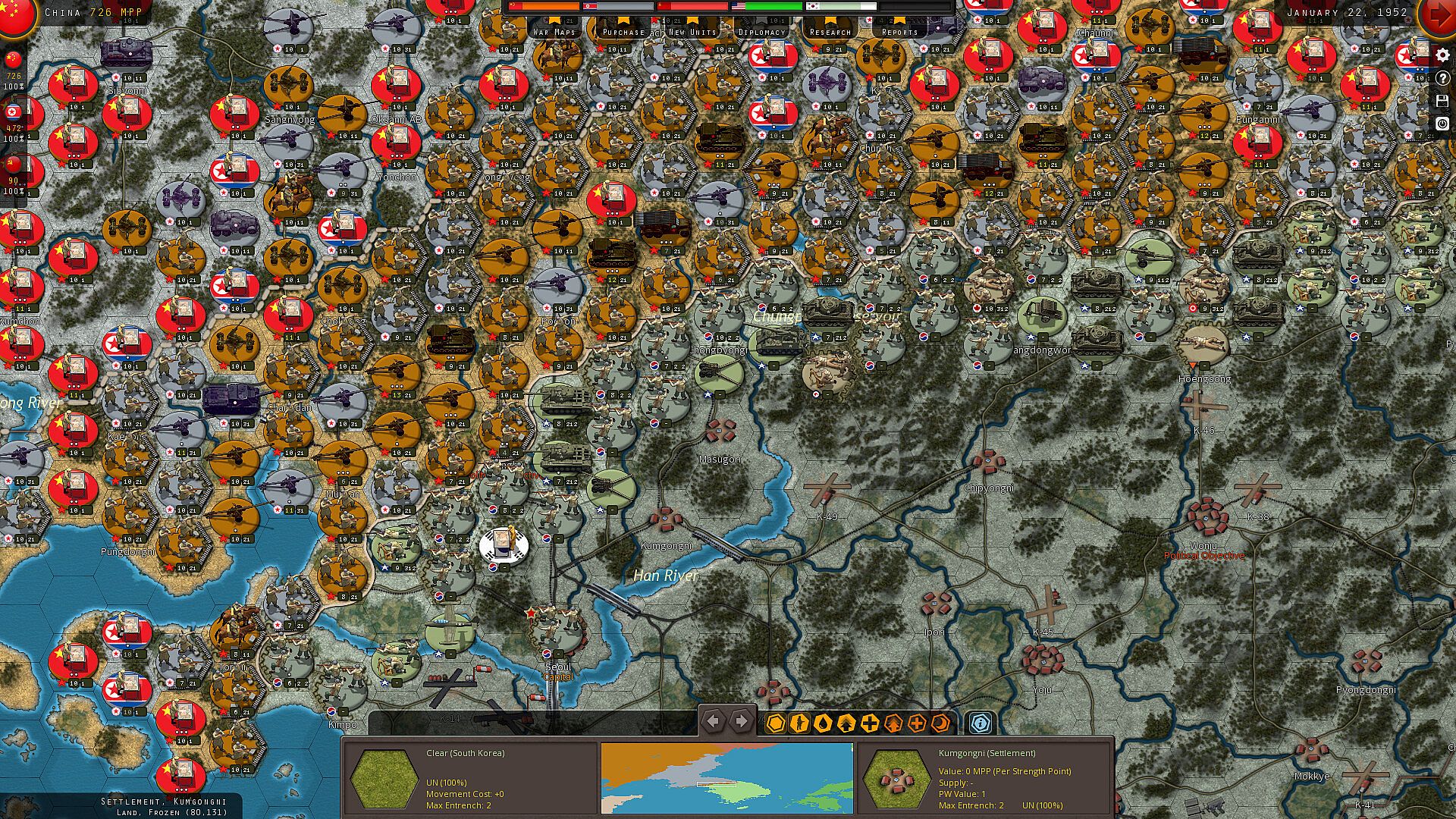
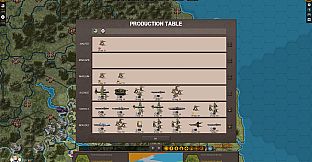
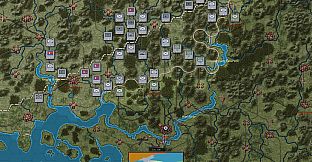
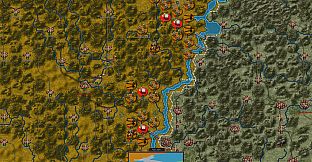
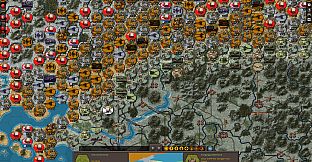
The core loop centers on directing operations at regimental scale over a map of nearly 40,000 hexes, each covering about seven kilometers. Commanders manage unit movement, combat, supply lines, and production while responding to events and environmental factors such as droughts, floods, and frostbite. New terrain types like rice fields, bridges, and paved airfields add layers of tactical decision-making, shifting from fluid armored maneuvers to entrenched defensive lines as the war progresses.
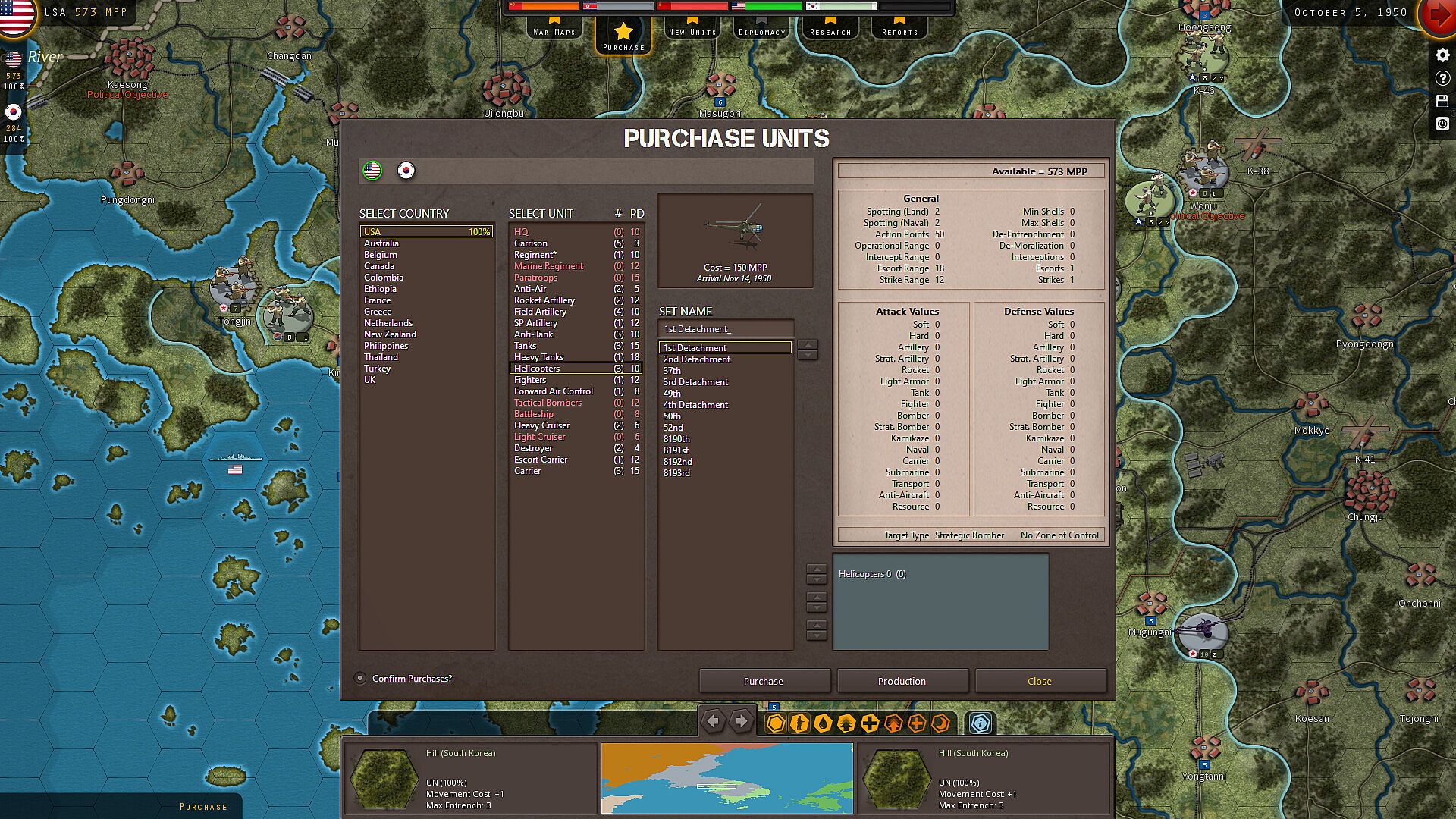
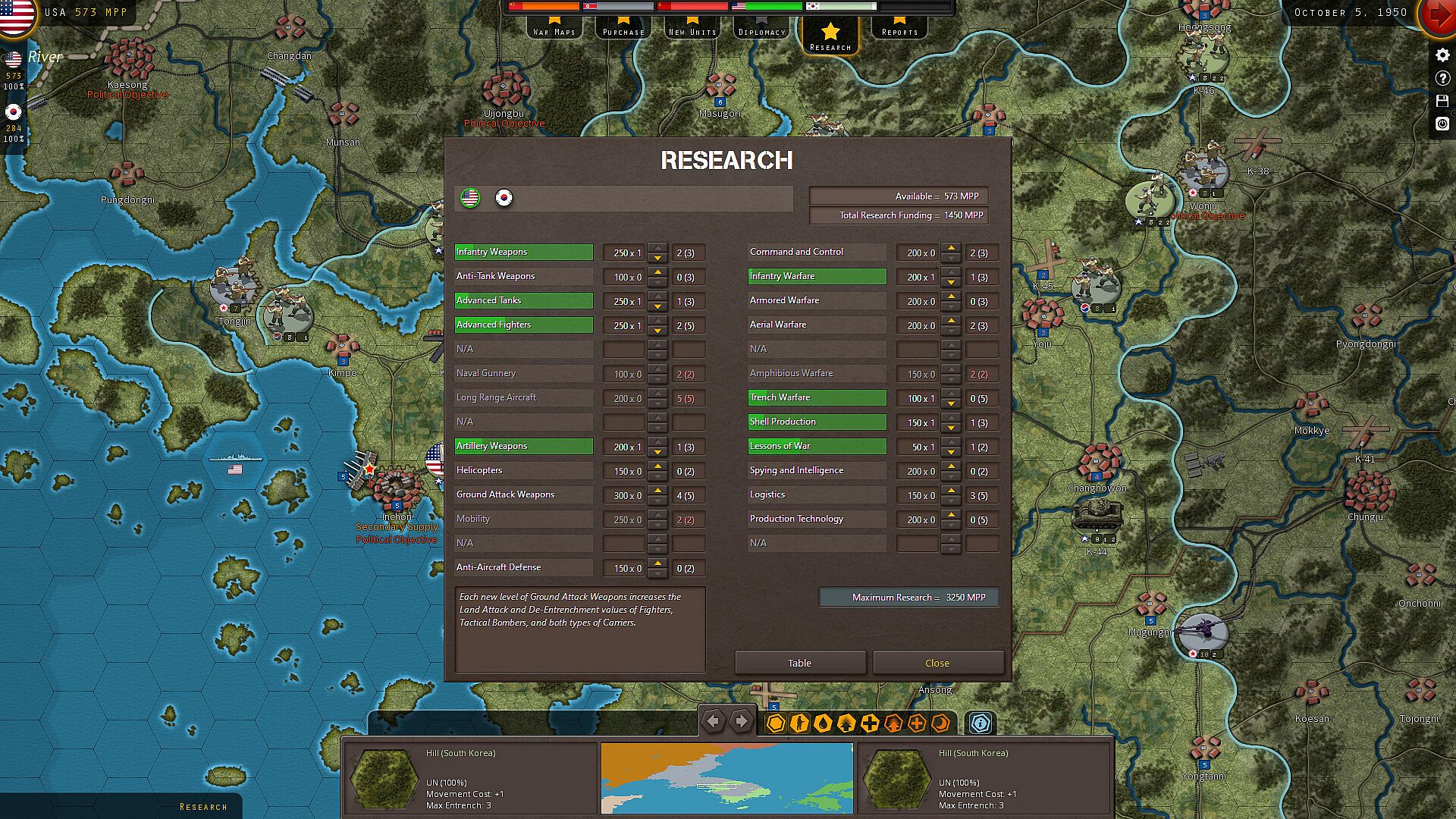
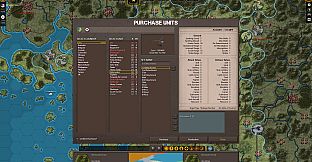
Players deploy fresh unit types suited to the 1950s era, including self-propelled artillery for mobile fire support, forward air control elements for safer reconnaissance, and helicopters for casualty evacuation. Fighters can receive ground-attack upgrades, while mobility improvements let infantry and armor cover ground more quickly. A reworked mobilization system permits hidden entries by nations like Communist China or the USSR, enabling surprise attacks that bypass standard detection. An escalation mechanic can open new fronts in previously neutral areas, and strategic choices range from naval blockades and partisan base construction to airfield building, bridge demolition, and the potential use of atomic weapons.
Game Modes
Three grand campaigns form the main single-player experience. The flagship campaign titled Let Slip the Storm runs for 95 turns and follows the war from the initial North Korean offensive through to the start of peace talks in July 1951. An extended campaign stretches across 282 turns and continues into the summer of 1953. A third campaign begins in April 1951 and focuses on the stalemate phase of the conflict. Four additional mini-campaigns zoom in on key offensives for shorter, focused play sessions.
These modes emphasize single-player strategy against an improved artificial opponent, with support for multiplayer through the series' PBEM++ system. Dynamic victory conditions and systems carried over from prior entries, such as naval mines, coastal warships, and artillery shell production, integrate into the campaigns without altering the fundamental turn-based structure.
Strategic Depth and Factions
United Nations and Communist sides each bring distinct unit compositions and objectives, with shared build options allowing deployment in allied territory. Hidden mobilization and escalation features reward careful timing and risk assessment, while weather and supply mechanics force adaptation to Korea's varied climate. The game incorporates 25 years of series refinements, blending familiar elements like dynamic victory conditions with Cold War-specific innovations such as helicopter operations and forward air controllers.
Is It Worth Playing?
Strategic Command: Korea targets players who enjoy detailed hex-based wargames and the established Strategic Command series mechanics. Its extensive campaigns and new Cold War units provide substantial content for those interested in alternate-history decisions and operational planning on a grand scale. With a planned release in Q1 2027 and no player reviews available yet, the title appears positioned as a direct evolution of prior entries for dedicated strategy enthusiasts rather than a broad audience. Those who appreciate regiment-level command, hidden movements, and multi-front escalation will find the verified feature set aligned with their preferences.