






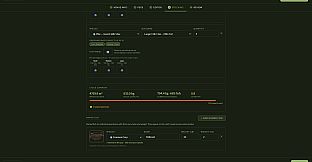
Swimcraft ist ein Indie-Simulationsspiel, in dem du als Angler eigene Gewässer anlegst und auf dem PC darin fischt. Im Mittelpunkt steht die Umwandlung eigener Fotos realer Angelplätze in detaillierte, bespielbare Reviere mit frei wählbaren Fischarten. Realistische Tackle-Auswahl, Beobachtung der Umgebung und ein präzises Drill-System bilden den Kern des Einzelspieler-Erlebnisses, das zudem Fangprotokolle und den Austausch von Gewässern unterstützt.
Gameplay
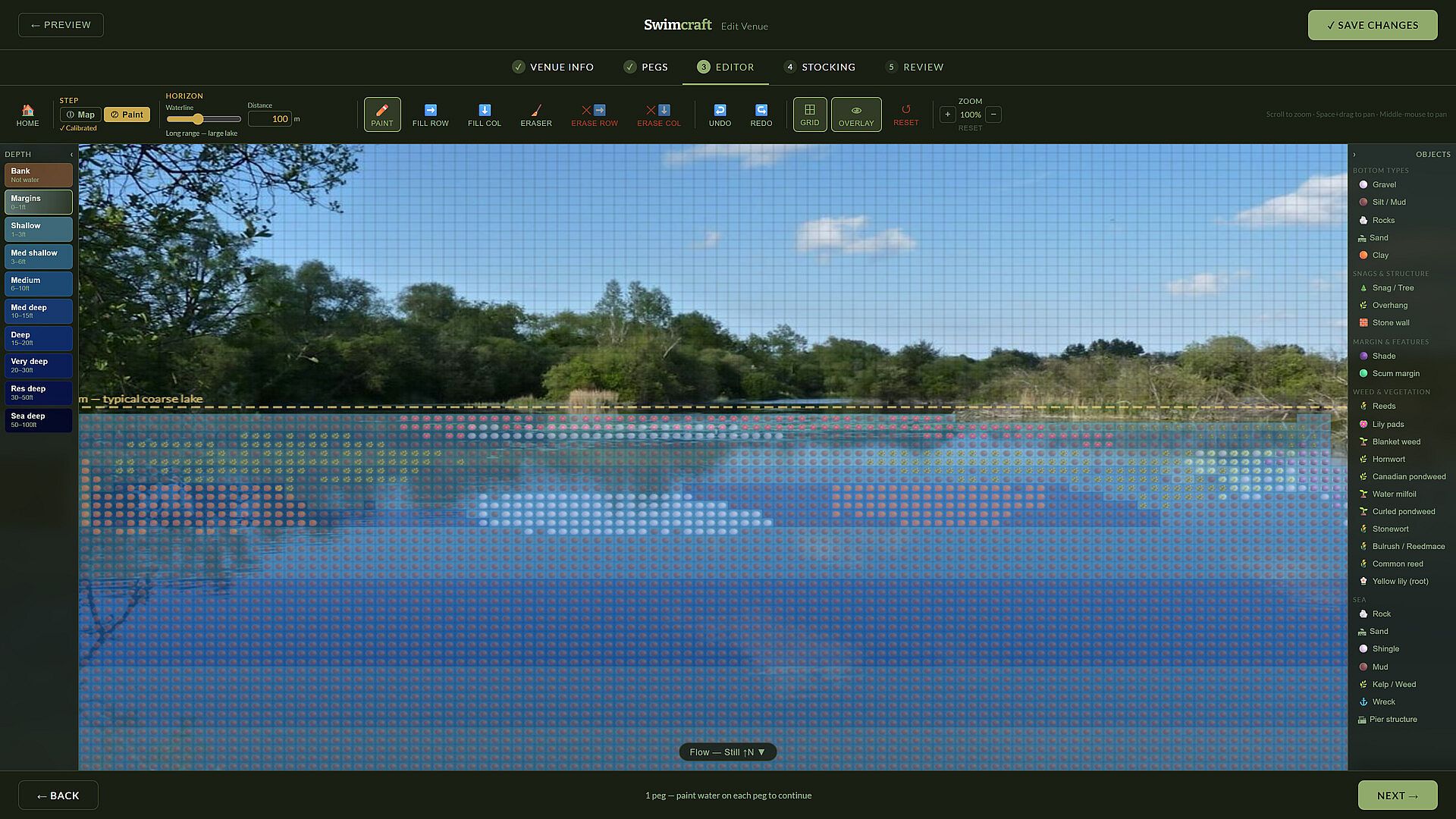
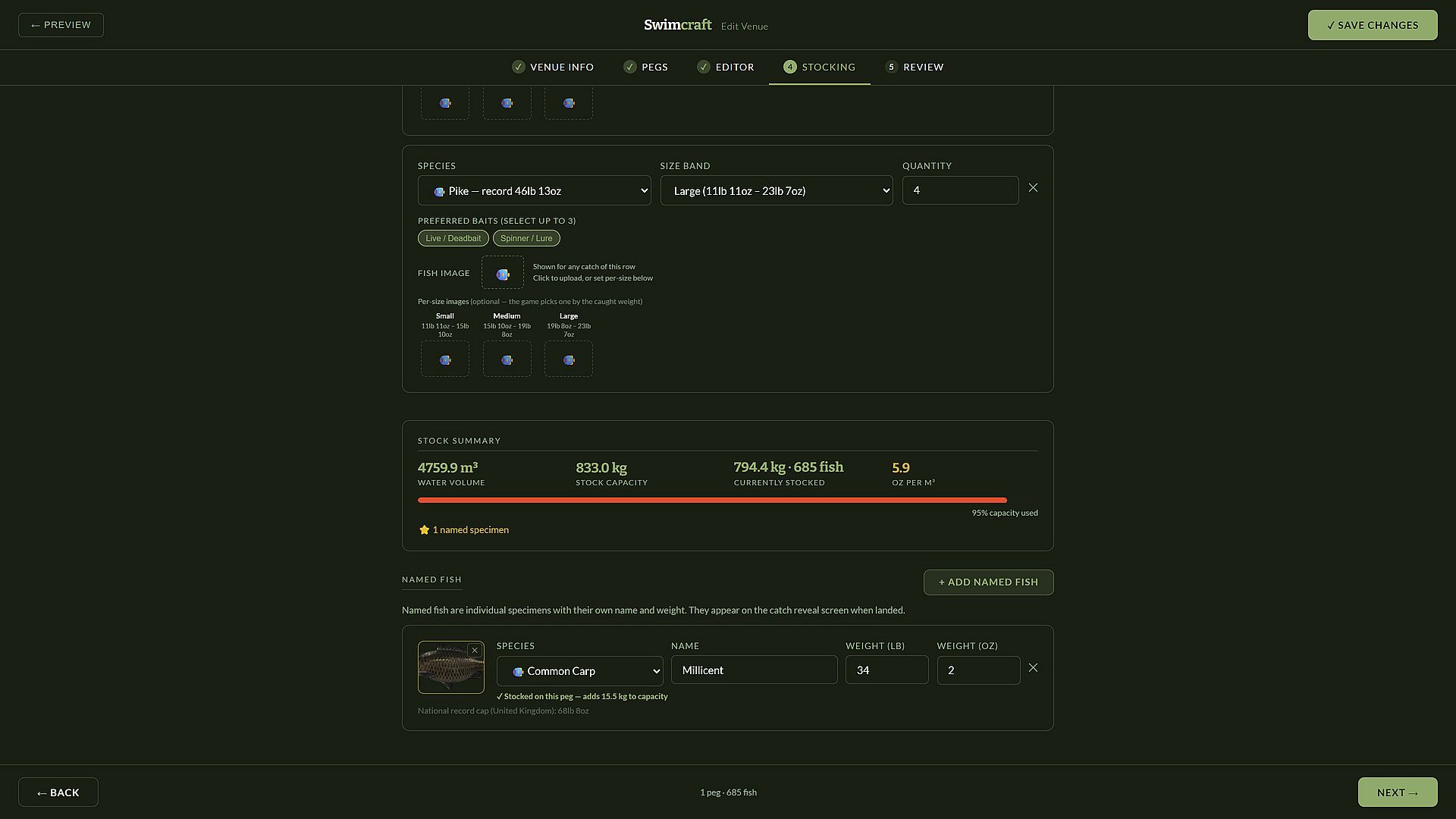
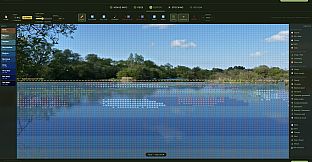
Am Anfang importierst du ein Foto eines beliebigen Gewässers, das das Spiel in ein funktionsfähiges Revier umwandelt. Anschließend legst du Pegs fest, bestimmst die Wassertiefen und besetzt das Gewässer mit Fischen - unter Berücksichtigung realistischer Bestandsgrenzen und Rekordmaße, die überhöhte Populationen oder unnatürliche Größen verhindern.
Beim Aufbau des Tackles wählst du aus einer Bibliothek realer Hakenmuster, entscheidest dich für Präsentationen wie Pop-up, Wafter oder Bodenköder und konfigurierst Lead-Systeme wie Lead-Clip, Helicopter, Chod, Running Feeder oder Ledger. Danach stimmst du Haken, Vorfach, Rig und Köder aufeinander ab und kannst Groundbait ausbringen, um das Verhalten der Fische über längere Zeit zu beeinflussen.
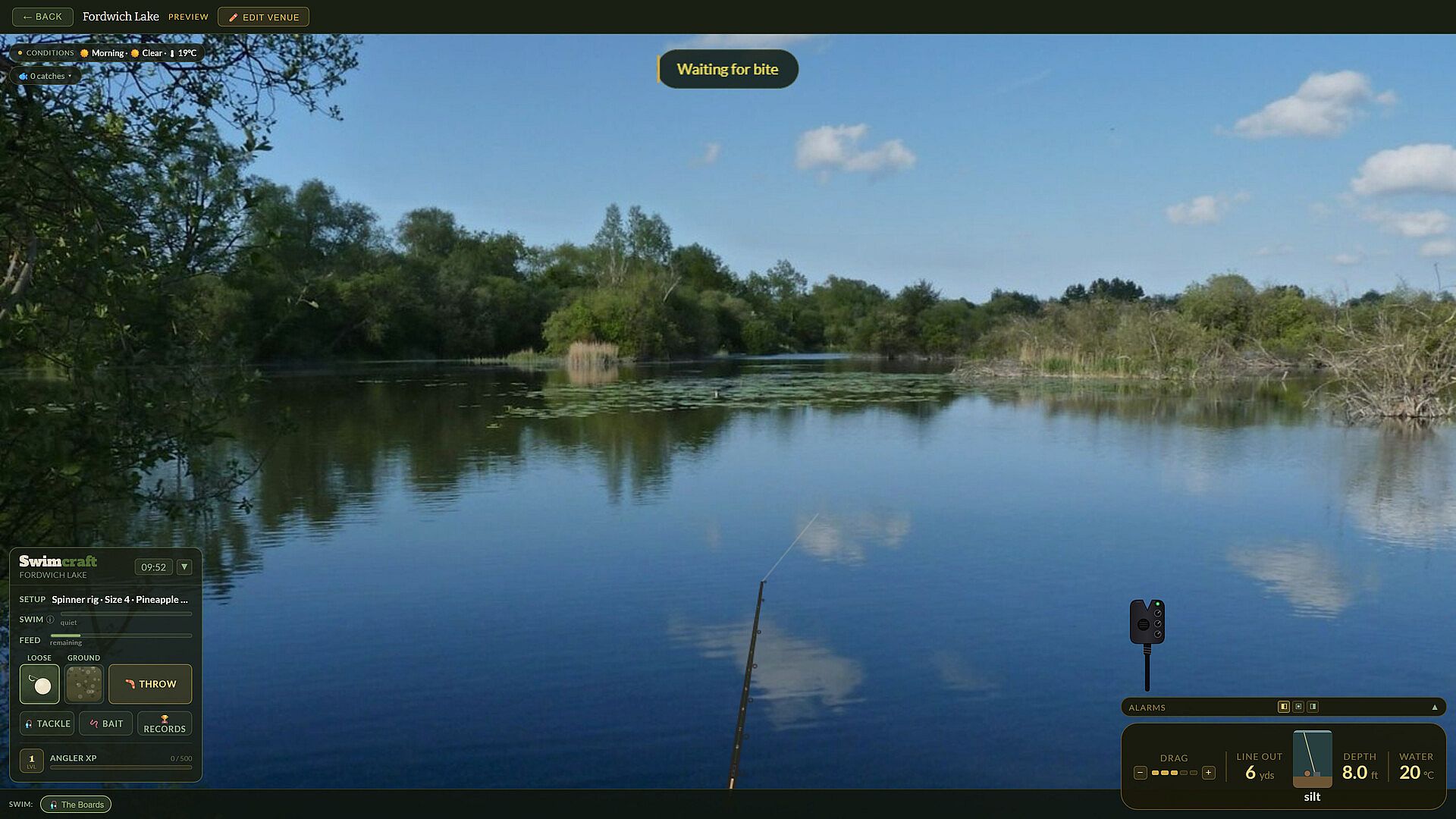
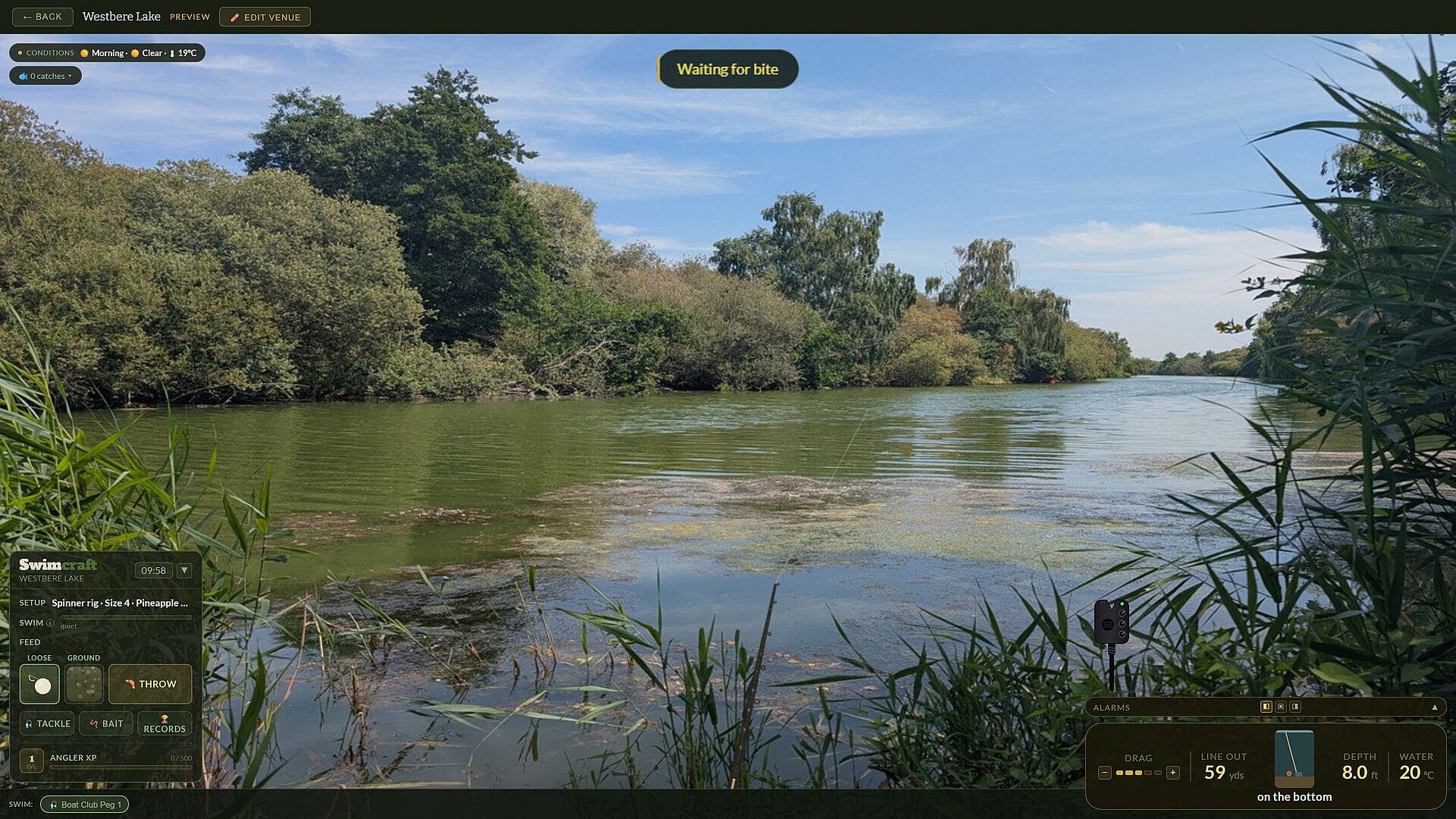
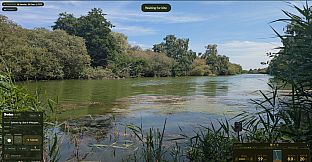
Während des Angelns liest du visuelle Hinweise wie Futterblasen oder verfärbtes Wasser, um Fische zu orten. Jahreszeit und Umweltbedingungen bestimmen die Position der Fische - im Winter halten sie sich tiefer, im Sommer ziehen sie in wärmere Flachwasserbereiche. Präzises Werfen und die richtige Ausrüstung entscheiden über den Erfolg, während Bisse über Alarme, Quivertips oder Posen erkannt werden.
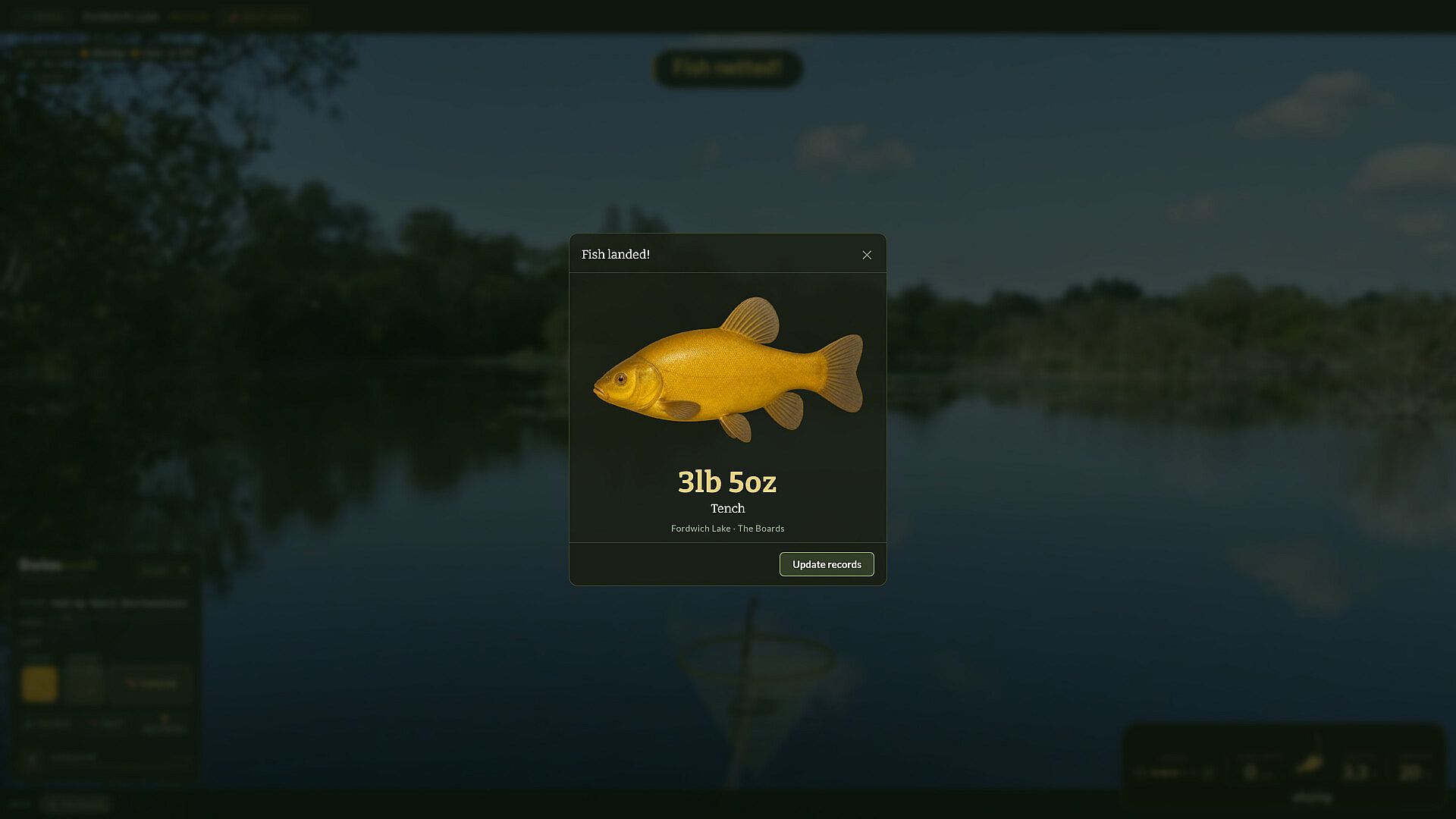
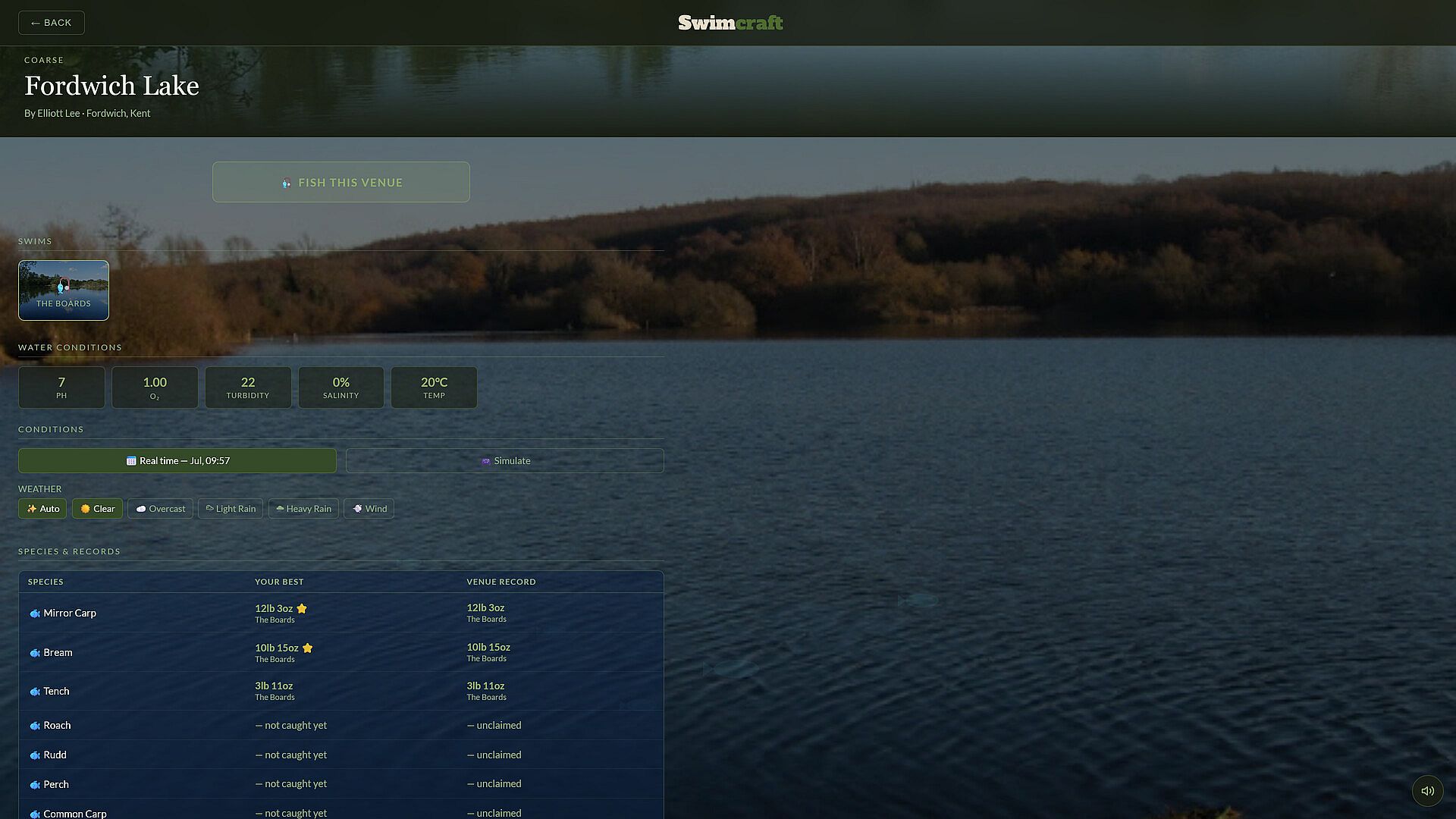
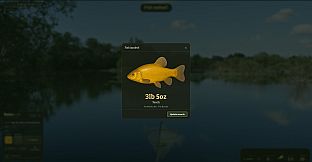
Am Drill eines gehakten Fisches musst du dosiert arbeiten: Du gibst bei Ausflügen nach, pumpst, um Schnur zurückzugewinnen, und vermeidest zu starken Druck, der zum Verlust am Kescher führen kann. Jeder erfolgreiche Fang wird in einem persönlichen Logbuch erfasst, das Rig, Köder, Peg und Gewicht speichert und so persönliche Bestleistungen sowie Revierrekorde dokumentiert.
Spielmodi
Swimcraft ist vor allem ein Einzelspieler-Simulationsspiel, das sich auf die Erstellung eigener Reviere und wiederholte Angelgänge konzentriert. Im Zentrum steht der Aufbau eines Swims, die Anpassung des Rigs an die jeweiligen Bedingungen und die Durchführung kompletter Angelpartien, bei denen Beobachtungsgabe und Technik gefragt sind.
Globale Rekorde und Leaderboards ermöglichen den Vergleich mit anderen Spielern. Die eigene Fanghistorie entsteht durch protokollierte Sessions und motiviert dazu, immer wieder an denselben oder neu erstellten Gewässern zu fischen und die eigene Herangehensweise zu verfeinern.
Community-Funktionen erlauben das Teilen selbst erstellter Gewässer sowie den Austausch über Rigs und Beobachtungen am Wasser. Diese Elemente befinden sich noch in der Entwicklung und werden während der Early-Access-Phase gemeinsam mit Erweiterungen des Progressionssystems wie XP und Leveling ausgebaut.
Gewässer-Erstellung und Fortschritt
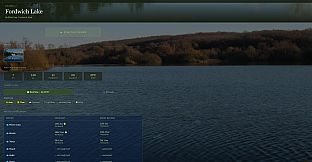
Die Erstellung von Gewässern bildet das Fundament des Spiels. Aus einem einzigen Foto entsteht eine lebendige Umgebung mit realistischem Fischverhalten und jahreszeitlichen Veränderungen. Beim Besatz hast du die Wahl zwischen stark besetzten Laufgewässern und schwach besetzten Specimen-Seen mit namentlich gekennzeichneten Großfischen.
Der Fortschritt hängt direkt von den Angelleistungen ab. Geplant sind XP für erfolgreiche Fänge, Belohnungen für besondere Exemplare und Freischaltungen für zusätzliche Ausrüstung. Ein frühes Tacklesmith-System ermöglicht das Craften eigener Komponenten wie Haken; weitere Erweiterungen für das Teilen von Posen, Rigs und kompletten Setups sind für die Early-Access-Phase vorgesehen.
Lohnt sich das Spiel?
Swimcraft richtet sich an Angler, die eine realistische Simulation suchen, bei der authentische Tackle-Auswahl, das Lesen des Wassers und ein kontrollierter Drill im Vordergrund stehen - statt actionlastiger Arcade-Mechaniken. Die Early-Access-Version bietet bereits einen stabilen Kern aus fotobasierter Gewässererstellung, detailliertem Rigging und Einzelspieler-Angeln mit Umwelteinflüssen und Fangstatistiken.
Spieler, die eigene Gewässer aufbauen und immer wieder besuchen, realistische Präsentationen ausprobieren und sich an gemeinschaftlich geteilten Inhalten beteiligen möchten, werden mit dem aktuellen Stand gut zurechtkommen. Wer sofortige Multiplayer-Wettbewerbe oder ein vollständig ausgebautes Progressionssystem sucht, sollte auf weitere Updates warten. Das Spiel plant eine Early-Access-Phase von vier bis sechs Monaten, die vor allem auf community-getriebene Erweiterungen ausgerichtet ist.











