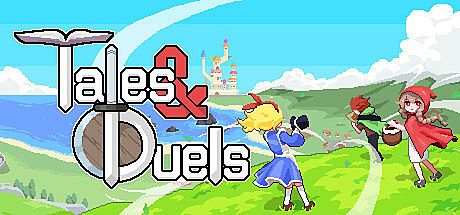


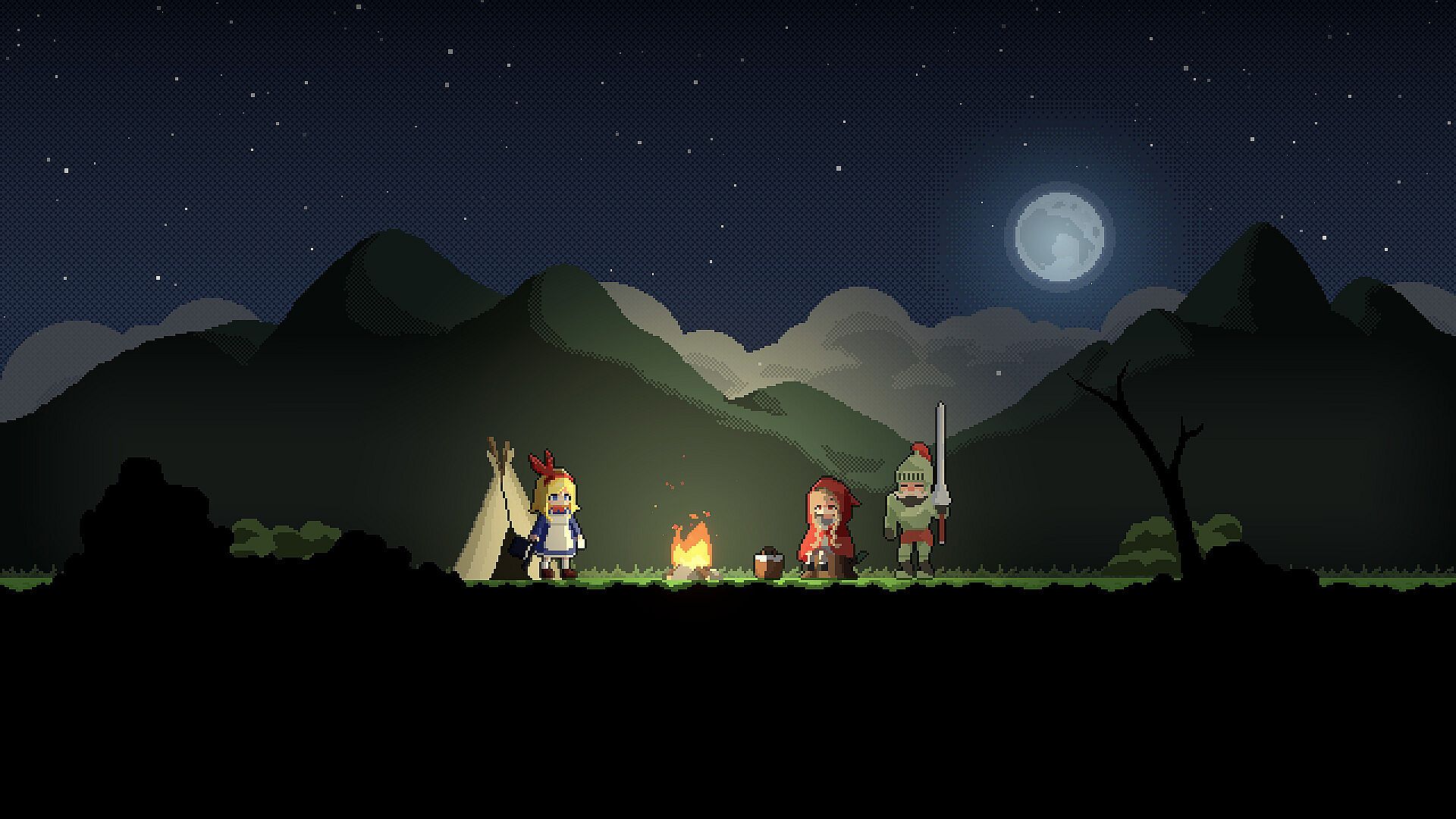
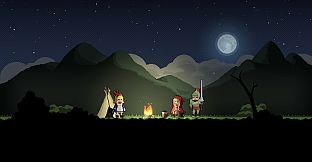
Tales & Duels is a strategy deck-building roguelite card game for PC in which players assemble teams of reimagined fairy-tale heroes to battle villains who have altered classic story endings and thrown the world into disorder. The core loop centers on selecting three heroes, building a deck of cards drawn from their unique skill sets, and advancing through a roguelite structure that rewards careful planning and adaptation during runs toward a central citadel.
Gameplay
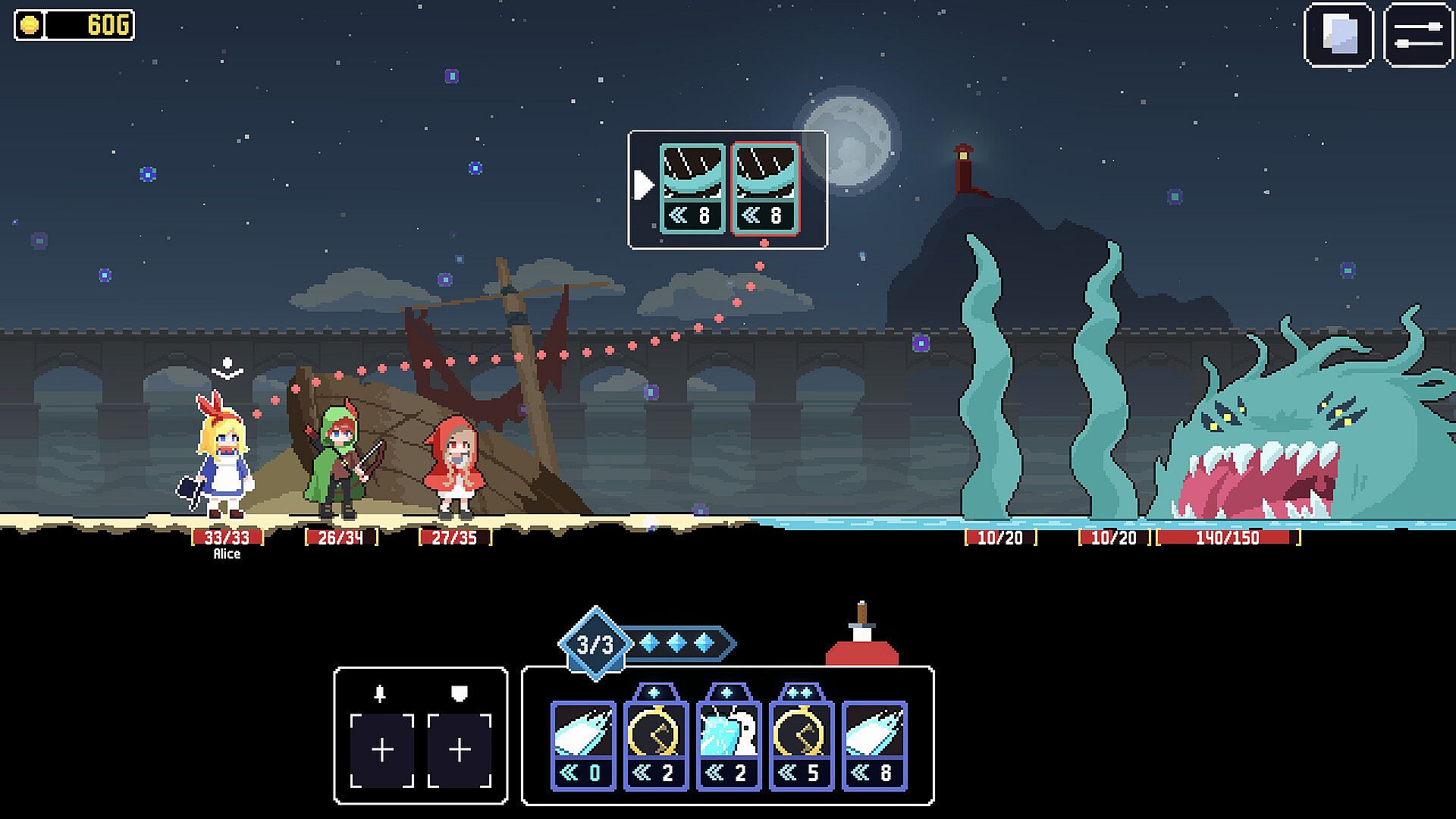
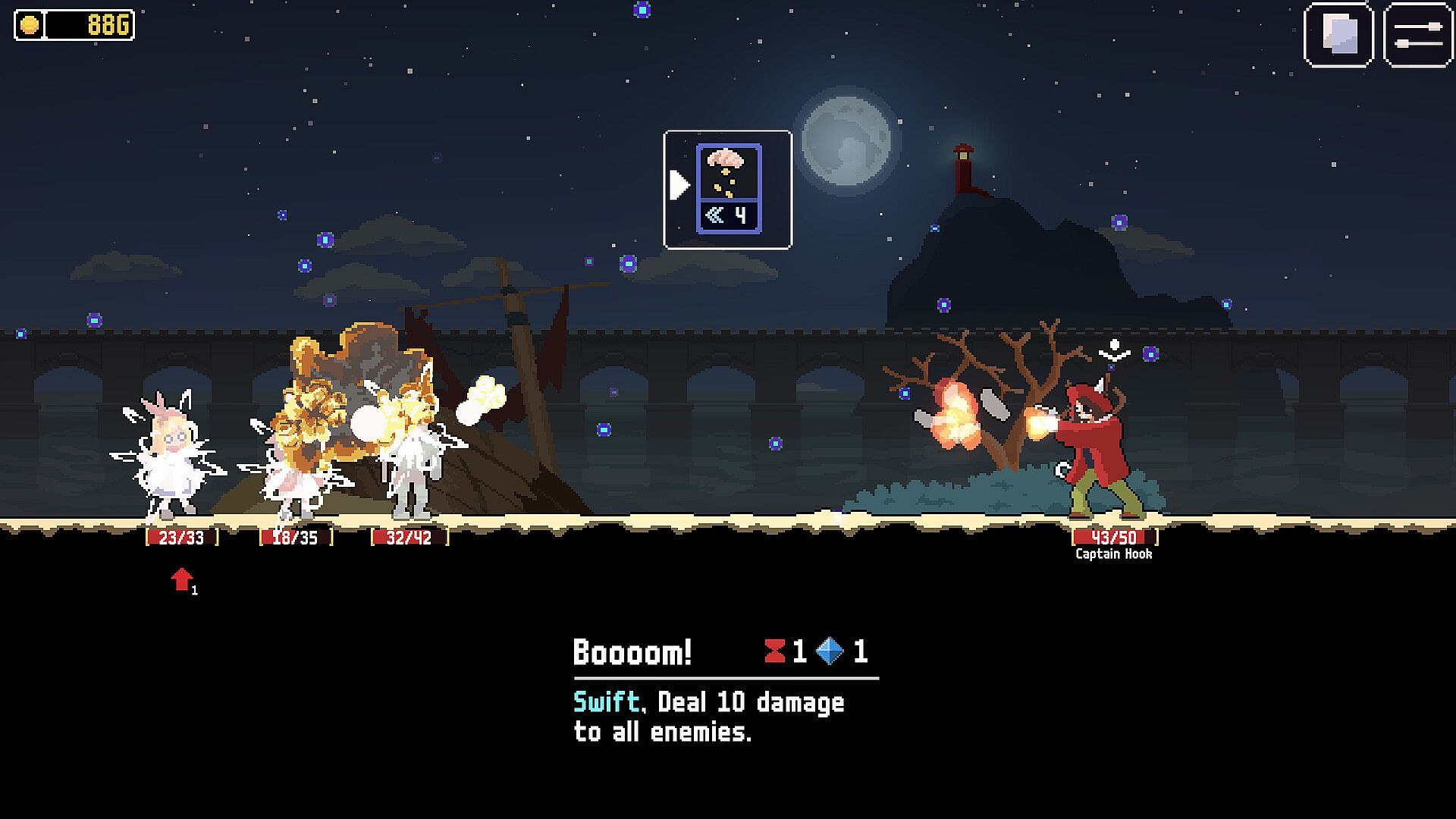
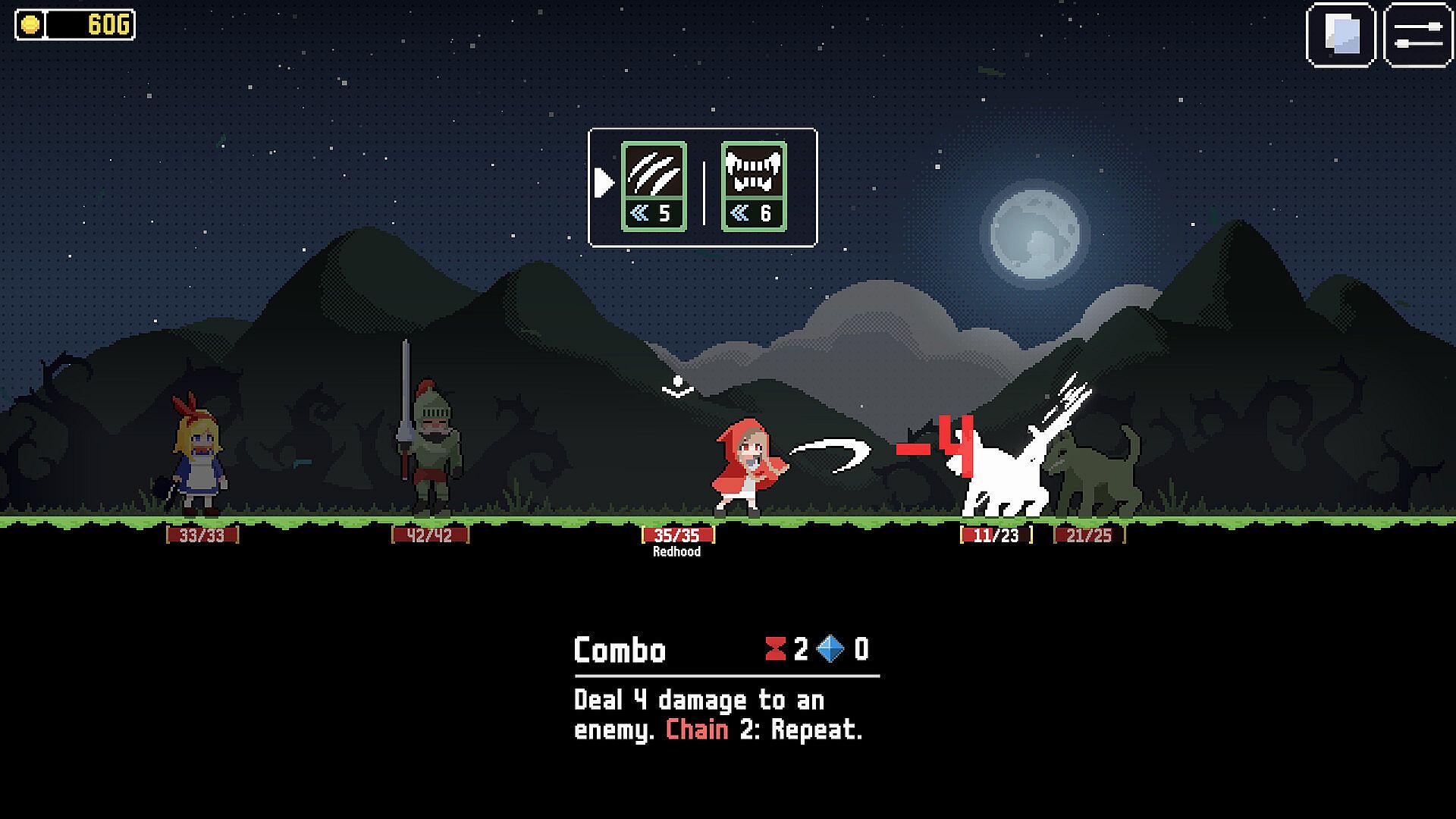
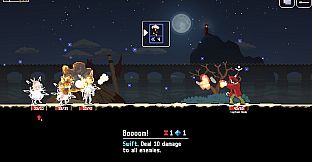
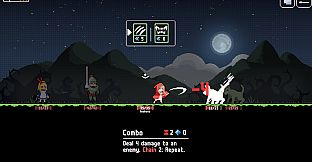
Combat unfolds as a party-based deck-building card game. Each hero contributes cards with distinct speed values, and battles resolve automatically once cards enter a queue ordered by the player. This system lets participants dictate the sequence of actions in advance, allowing strikes to land before opponents can react or defenses to activate ahead of incoming threats. Cards resolve in the chosen order without further input after the queue forms.
Heroes each carry specialized combat systems and abilities that shape available card options. Players arrange cards in the queue to control timing, aiming to exploit gaps in enemy readiness or to set up combinations that chain effectively. The roguelite progression involves collecting additional cards and gear across encounters, which then feed into future runs and team compositions.
Dynamic elements keep battles unpredictable. New cards can enter the queue mid-fight, existing orders may shuffle, and individual cards can be removed entirely. These changes force ongoing adjustments even after the initial queue is set, rewarding players who anticipate shifts and maintain flexible strategies throughout each confrontation.
Game Modes
The experience centers on a single-player roguelite campaign. Participants build and refine teams of three heroes while progressing through encounters that test deck construction and queue management. Runs emphasize incremental gains from collected cards and gear, with each attempt building toward the goal of reaching the citadel and confronting the altered fairy-tale threats.
No separate competitive or multiplayer modes appear in available information. The focus remains on the core semi-automated combat loop within the roguelite framework, where repeated runs allow experimentation with different hero combinations and card arrangements.
Key Mechanics and Progression
Team composition starts with three heroes chosen from reimagined fairy-tale figures. Each brings a distinct set of cards and combat traits, so effective play requires matching abilities that complement one another in queue order. Deck building occurs through exploration and rewards, expanding options for future battles.
Speed values on cards determine resolution order once queued, turning every turn into a deliberate sequencing puzzle. Players must weigh immediate damage against setup for later effects or defensive timing. The automatic resolution phase then plays out the plan without interruption, highlighting the importance of foresight in arrangement.
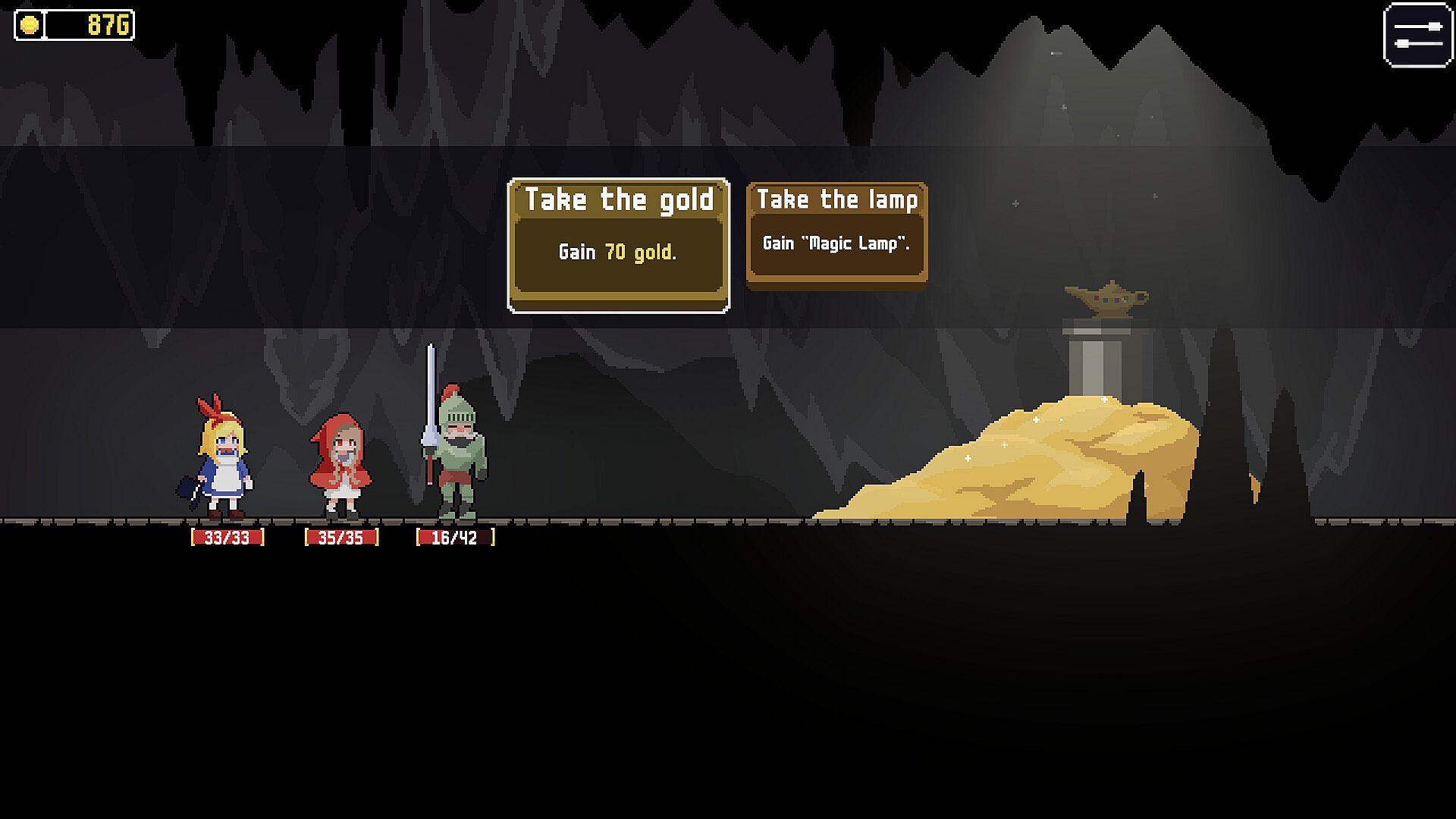
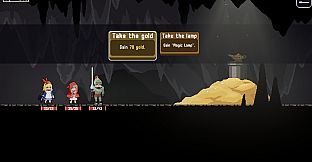
Roguelite elements appear through persistent collection of skills and equipment that carry forward between attempts. This structure encourages multiple runs to discover stronger synergies and to overcome increasingly complex enemy setups encountered on the path forward.
Is It Worth Playing?
Tales & Duels targets players who enjoy deck-building card games that emphasize tactical ordering and adaptation rather than real-time reflexes. The roguelite structure provides repeated opportunities to refine strategies across runs, with the fairy-tale hero theme adding visual and thematic variety to team building.
The game remains in development with a planned release in Q3 2027 and currently offers no user reviews or completed runs for evaluation. A prototype demo exists that demonstrates the core queue-based combat and hero selection. Those drawn to strategy card games with automatic resolution phases and incremental progression may find the described systems appealing once the full version arrives.
Availability will be on PC through standard digital storefronts at launch. The single-player focus and emphasis on planning make it suitable for sessions where deliberate decision-making takes precedence over fast-paced action.