


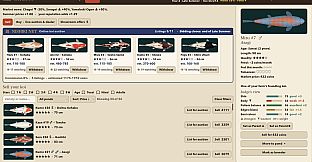
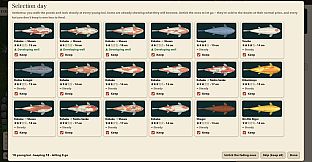
Tategoi is an indie casual simulation game in which players inherit and expand a small koi farm in Ojiya, Niigata. The experience centers on breeding, raising, and selling nishikigoi while managing ponds, equipment, and staff across changing seasons. Core loops involve genetic inheritance that shapes each fish, careful selection of young tategoi, and decisions about which specimens to keep or sell through auctions and client orders.
Gameplay
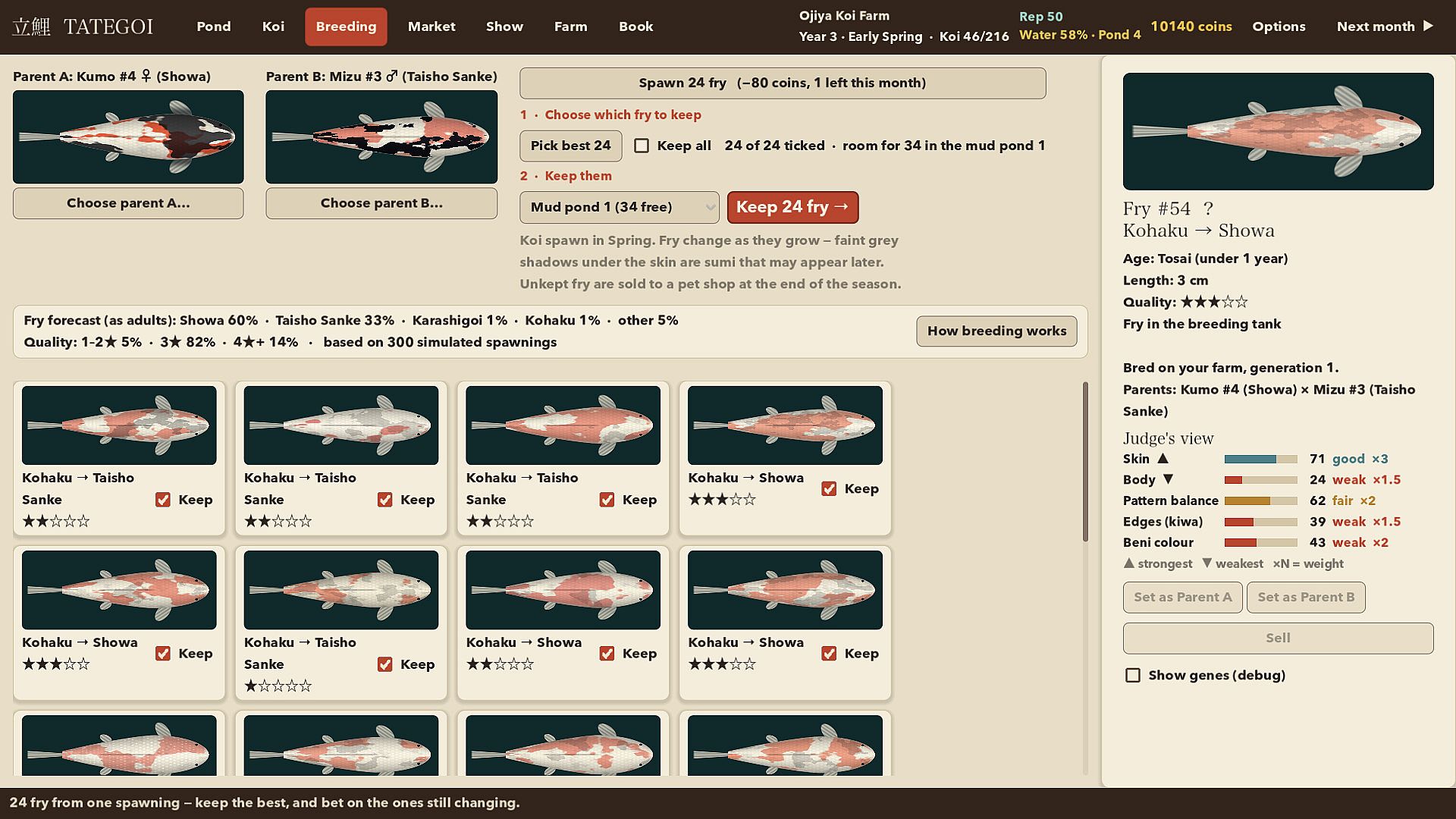
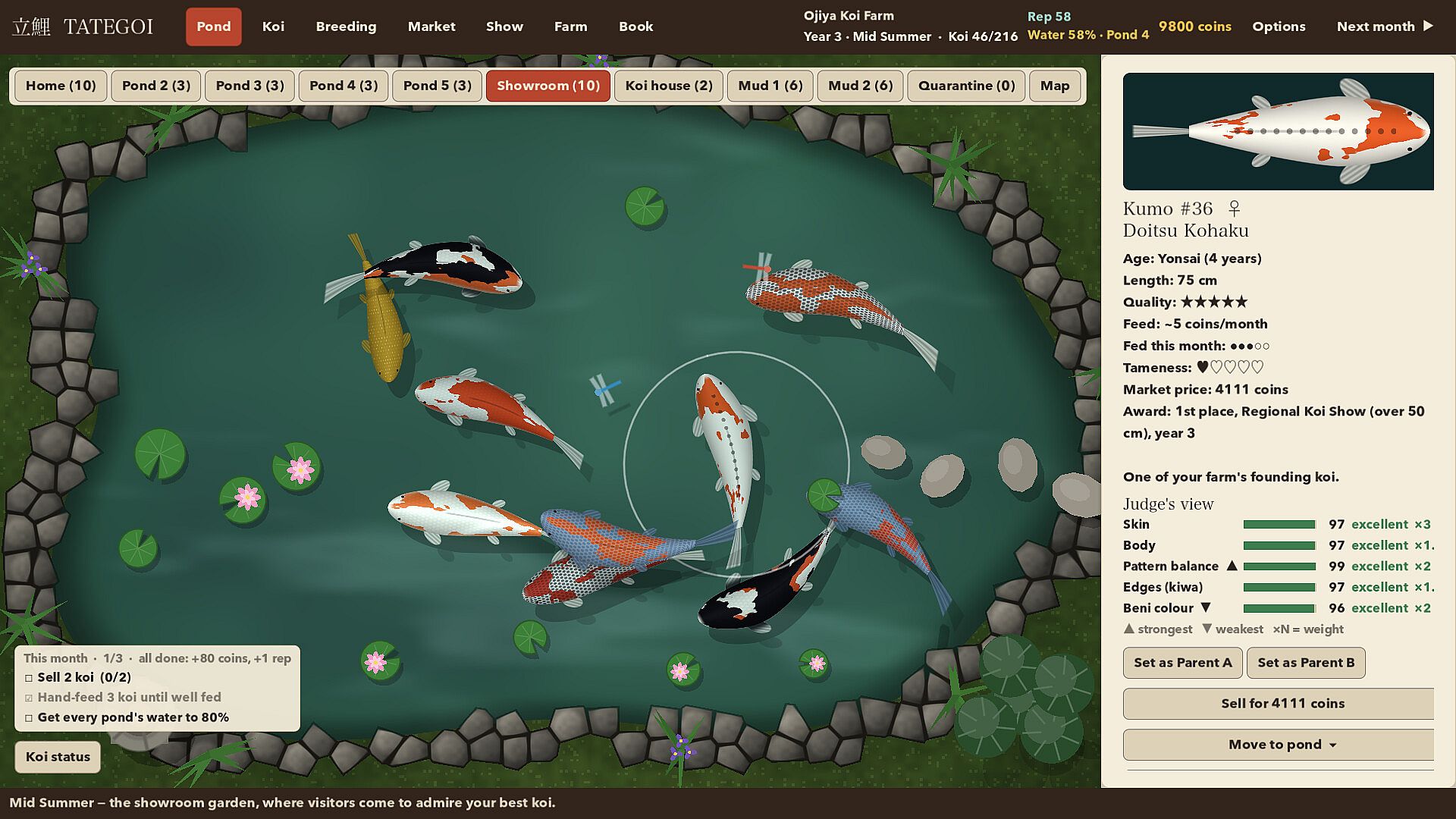
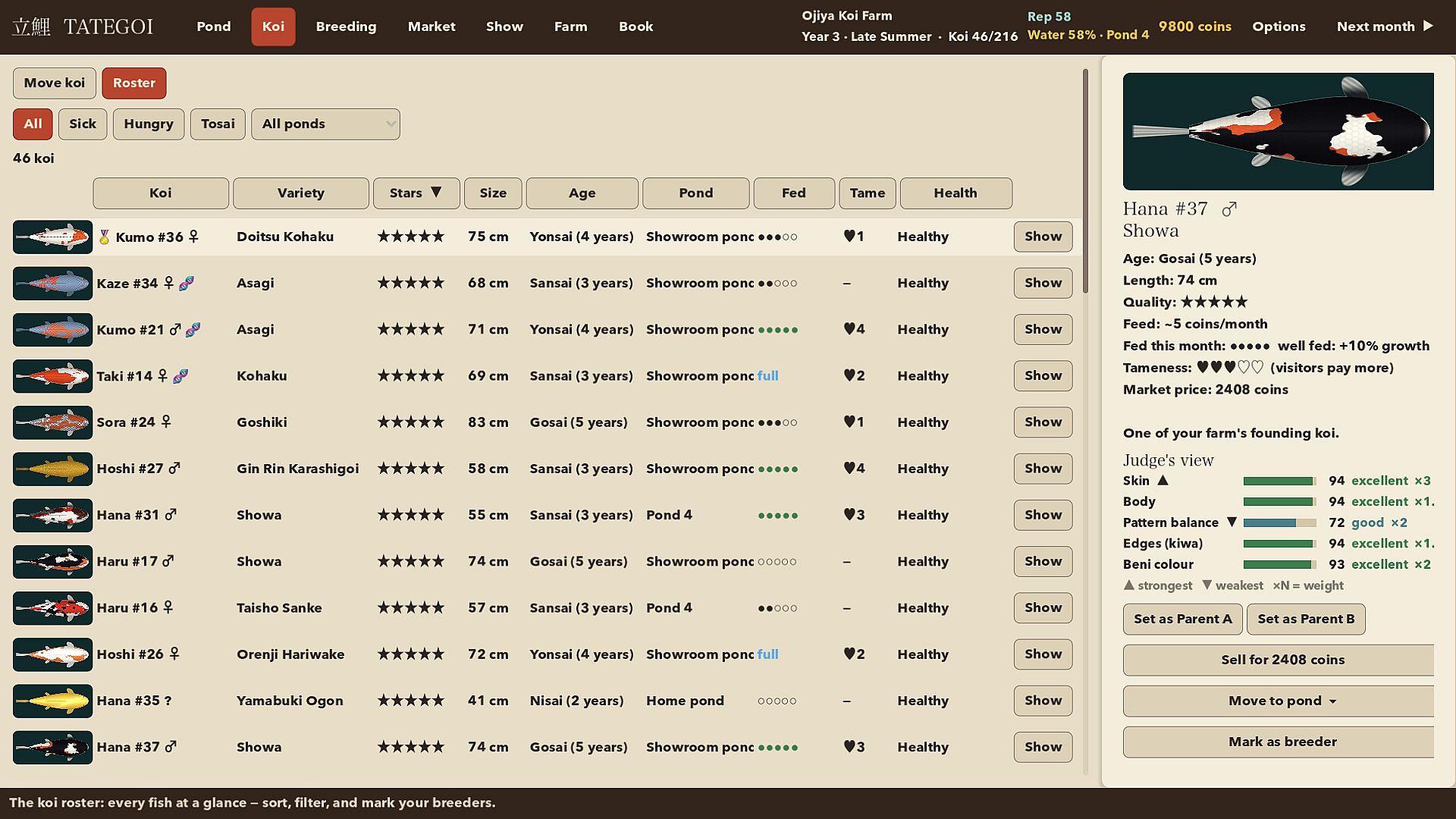
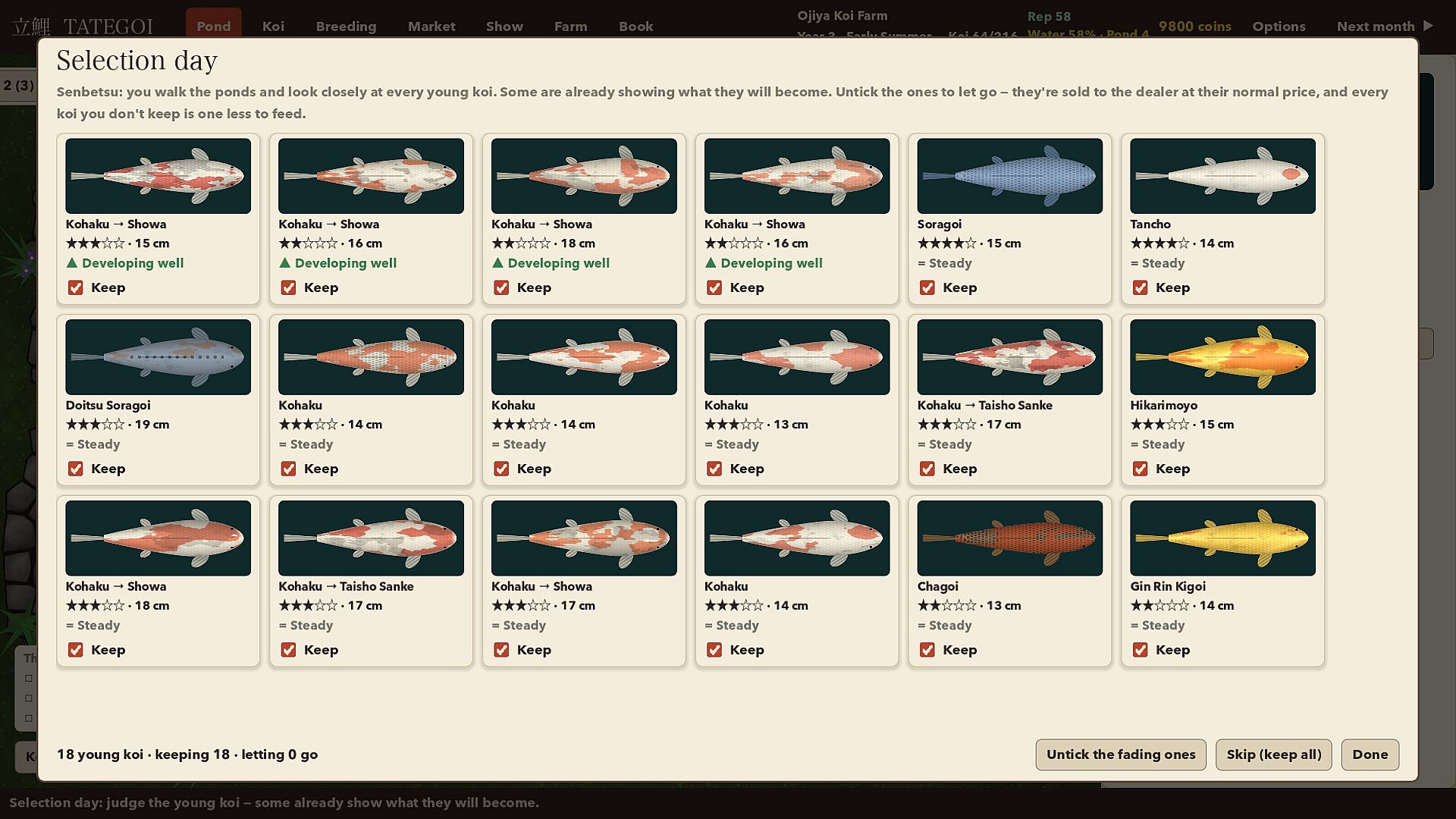
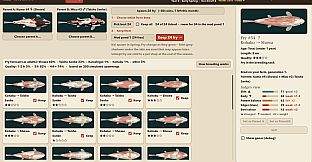
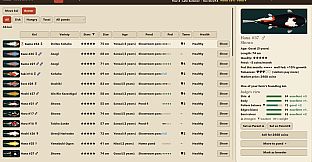
Players begin with a single garden pond containing eight ordinary koi and limited funds. Every fish carries visible traits determined by its genes, including pattern colors, skin quality, edge sharpness, metallic sheen, gin rin scales, and body proportions. Breeding occurs each spring by pairing a female and male, after which a forecast displays expected odds for the resulting fry. Actual outcomes still vary, requiring repeated selections as the young fish grow and their patterns develop or shift over time.
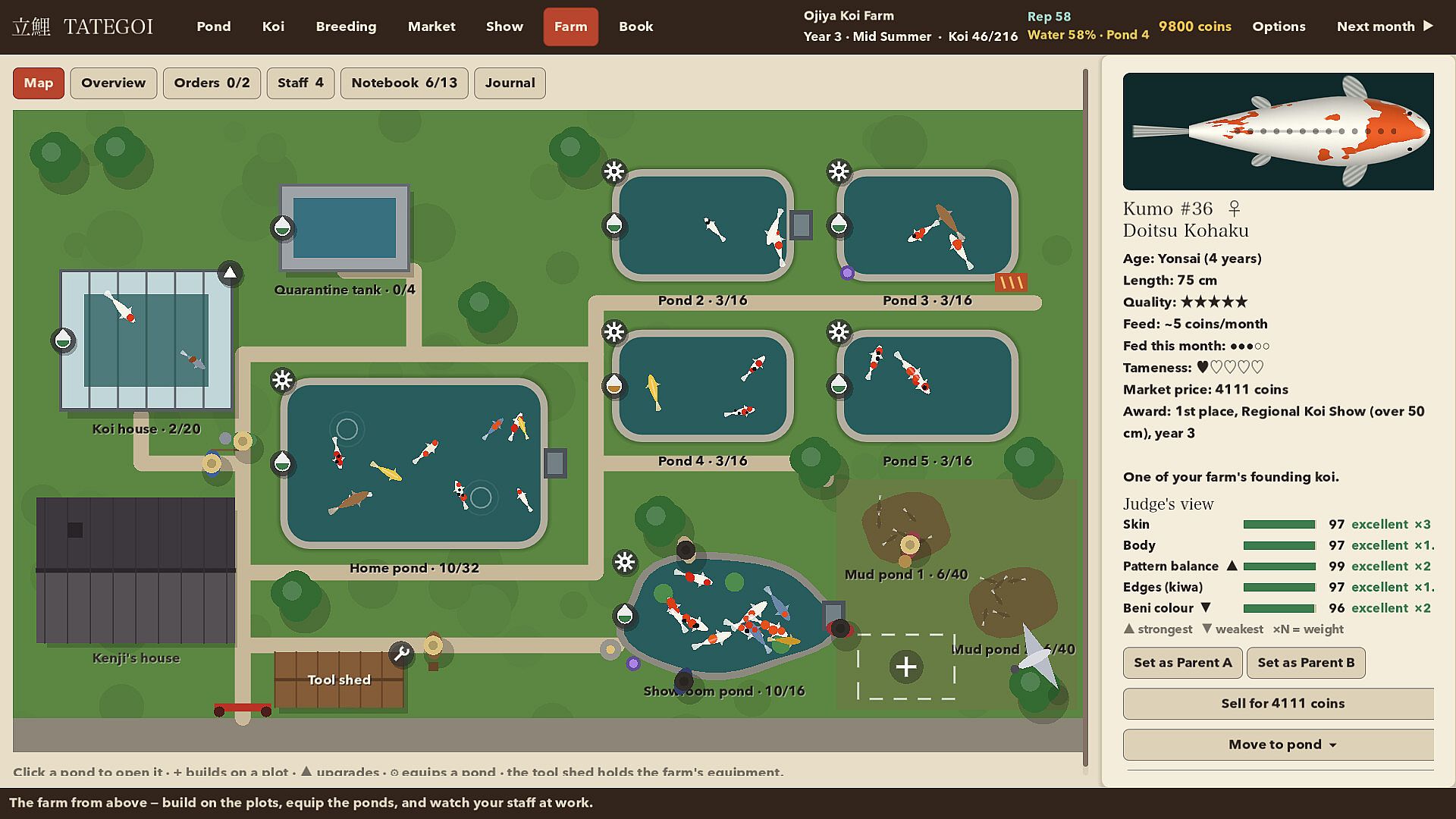
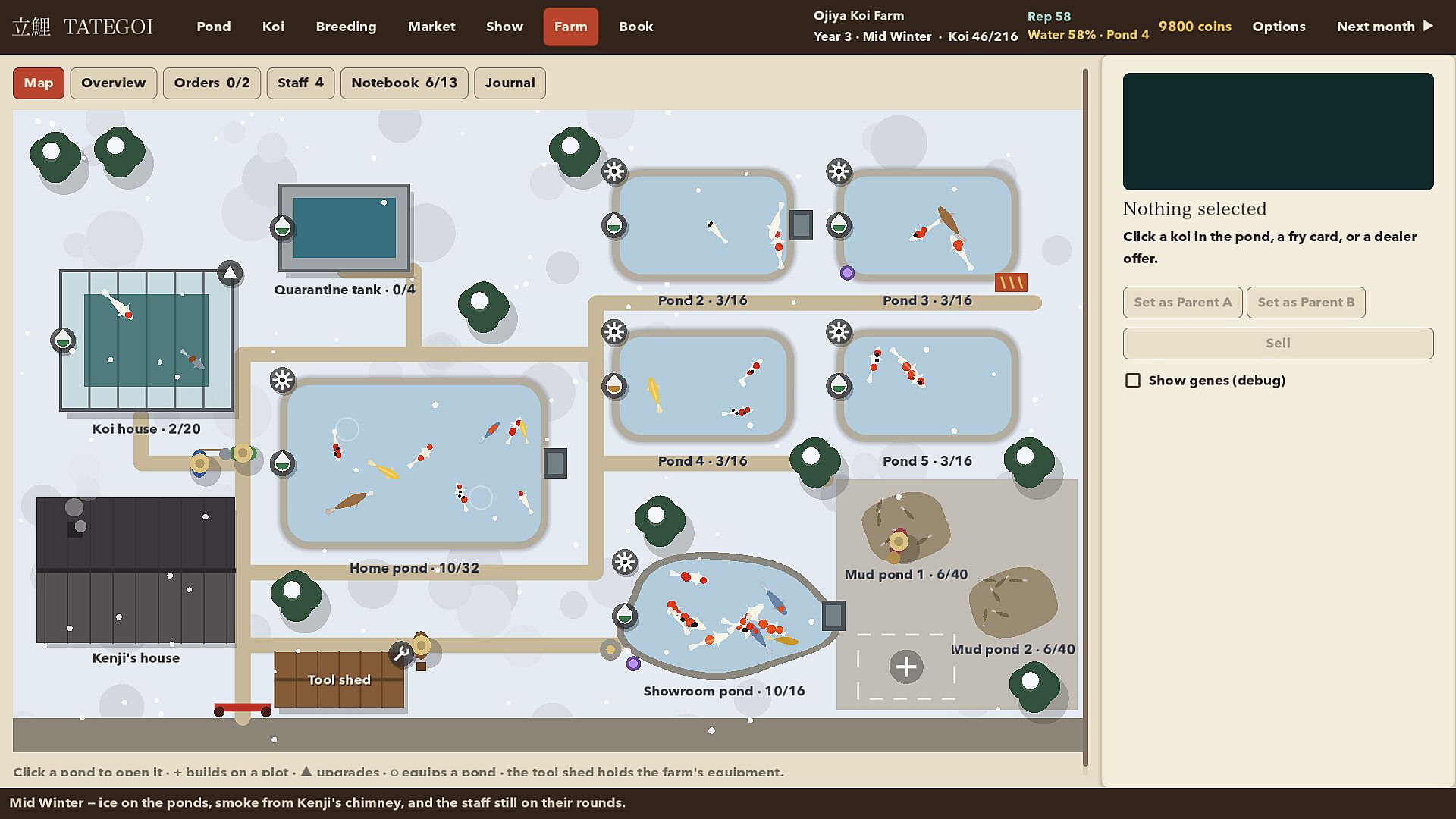
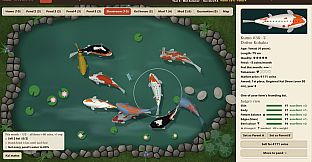
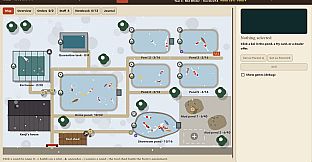
Water quality demands constant attention. Each pond requires filters, UV lamps, heaters, and aeration to stay clear. Staff members handle daily tasks once hired, including feeding and maintenance rounds. The farm expands across an illustrated map that includes additional ponds, a koi house, mud ponds for faster growth, a quarantine tank, and a showroom. Visitors and collectors appear at the showroom to place orders or make offers.
Four distinct seasons alter the pace and risks. Spring focuses on spawning and cherry blossoms. Summer brings rapid growth alongside threats from herons. Autumn centers on harvest, shows, and higher prices. Winter slows activity with ice and snow while koi rest deeper in the ponds. Random events such as festivals, typhoons, or heatwaves introduce variety each year.
Game Modes
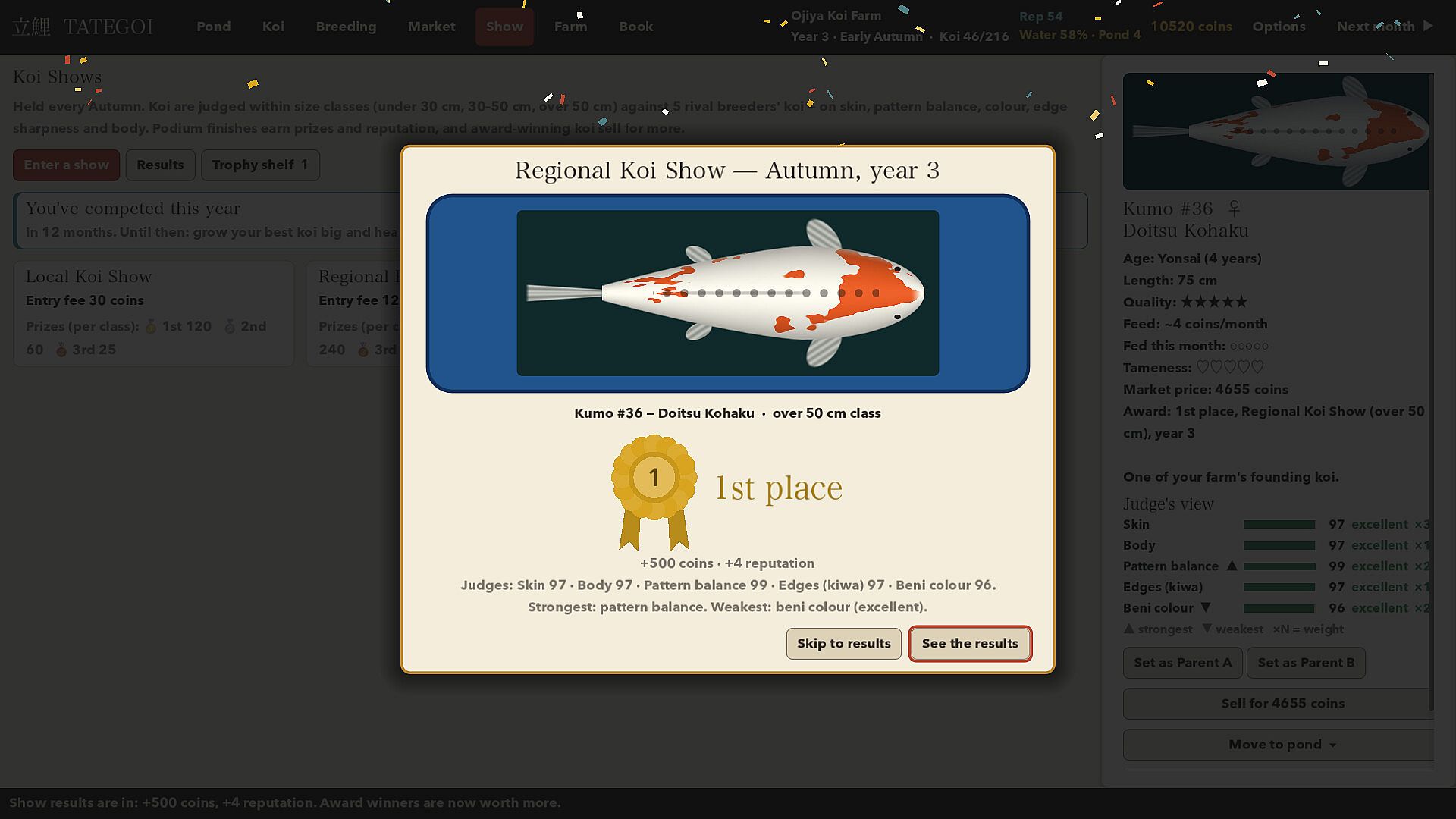
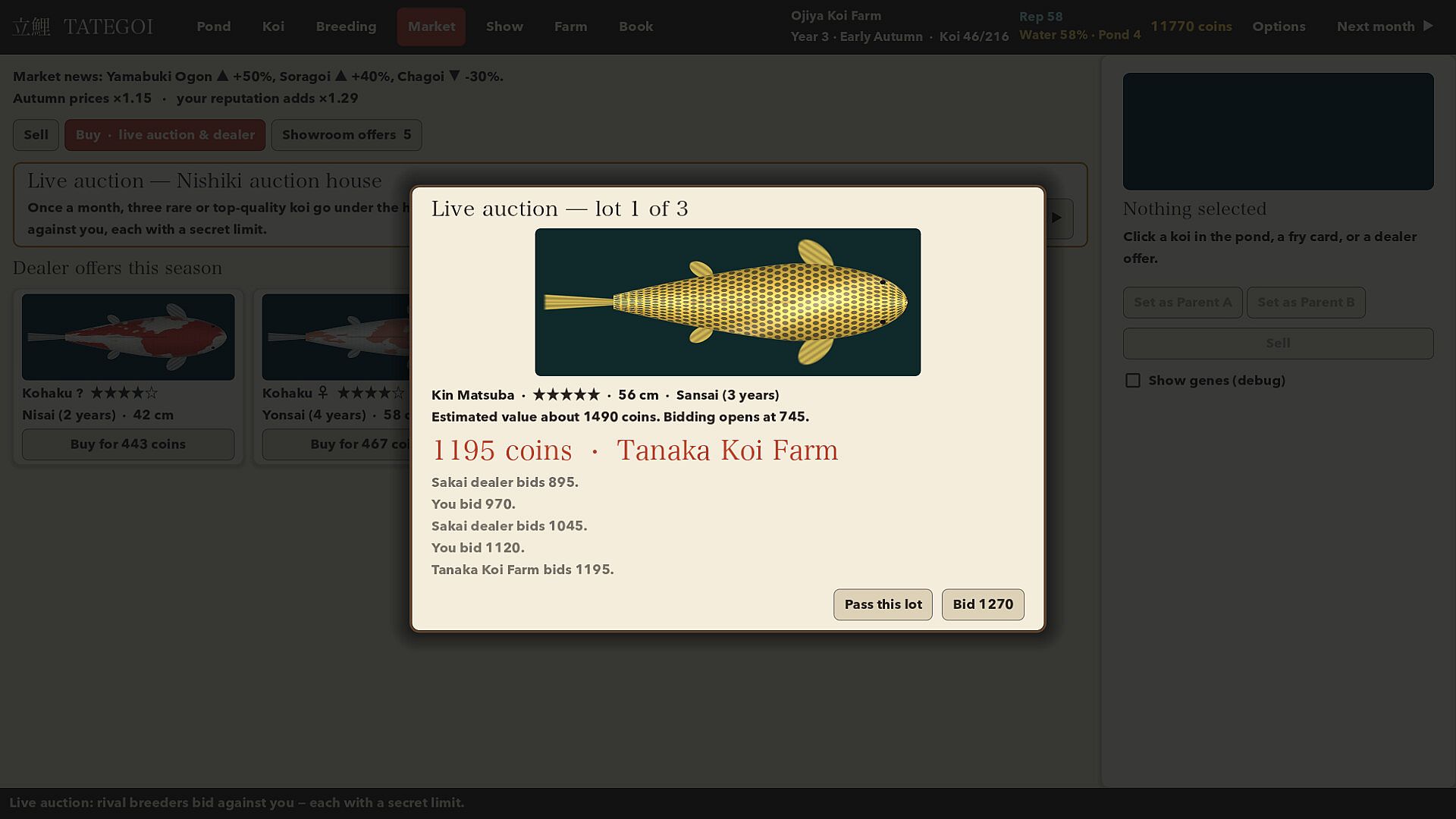
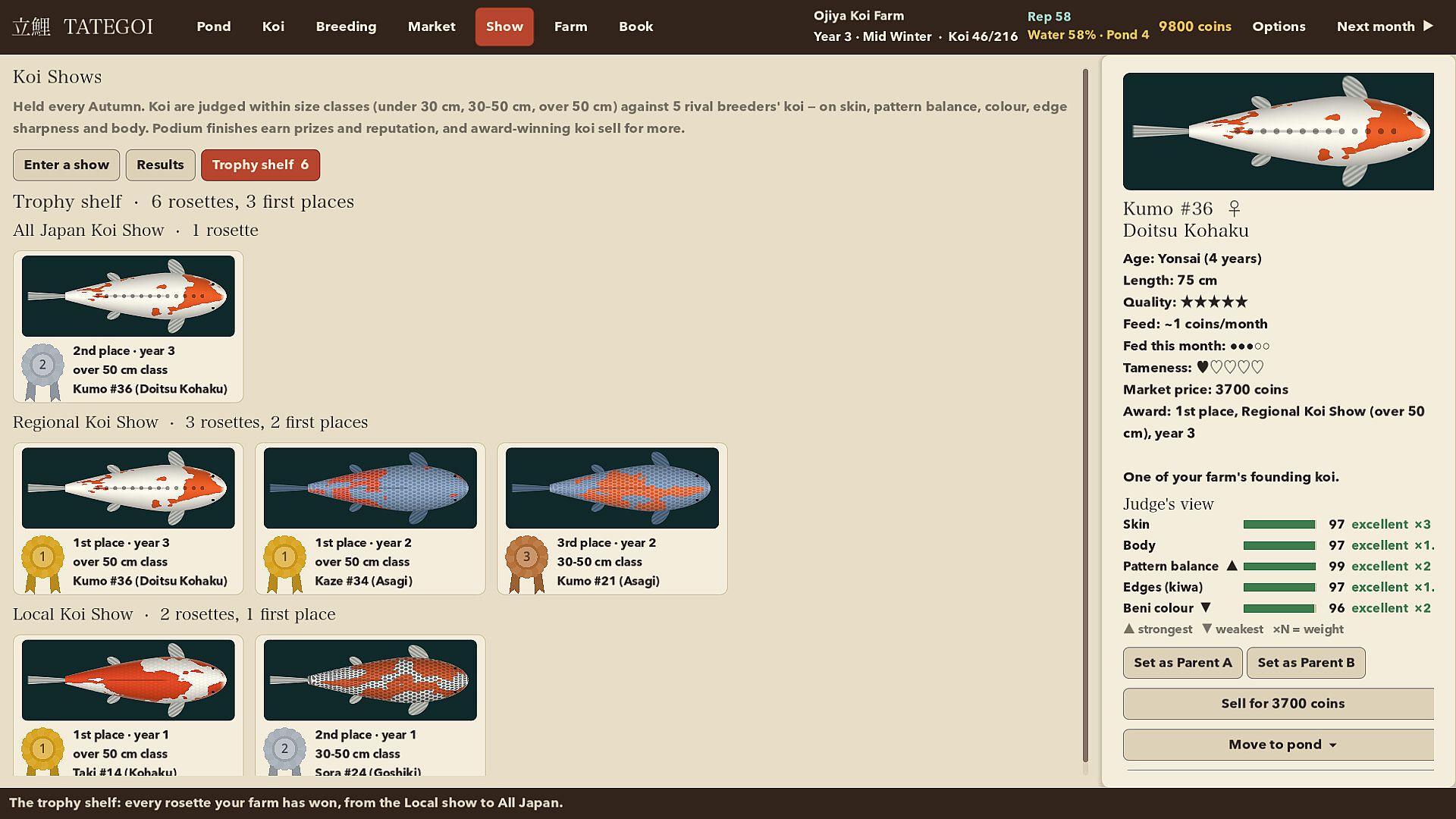
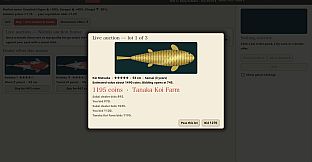
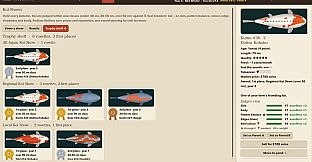
The game operates as a single continuous campaign without separate named modes. Progression unfolds through the yearly cycle of breeding, growth, selection, and sales. Breeding and fry management form one core activity, while pond construction and equipment upgrades represent another. Auction participation occurs both online and at monthly live events where players bid against rival breeders. Show competition involves entering up to three koi at local, regional, and All Japan levels, followed by judging and award ceremonies.
Story elements tie into grandfather Kenji's notebook, which presents thirteen goals that gradually unlock new farm features. The Koi Book tracks all 34 varieties raised, from common Kohaku, Sanke, and Showa to rarer types such as Asagi, Utsuri, Ogon, Kujaku, Goshiki, Doitsu Yamabuki Hariwake, and Tancho. Genetic surprises appear among the varieties, and real inheritance passes patterns, colors, quality, and sex from parents to offspring.
Seasonal Progression and Farm Management
Expansion requires balancing income from sales against costs for new ponds and equipment. Hand-feeding builds tameness in some fish. A procedural world renders the farm and surrounding landscape in hand-painted style that shifts with the seasons. Controller and Steam Deck support allow flexible play sessions focused on observation and decision-making rather than fast reflexes.
Is It Worth Playing?
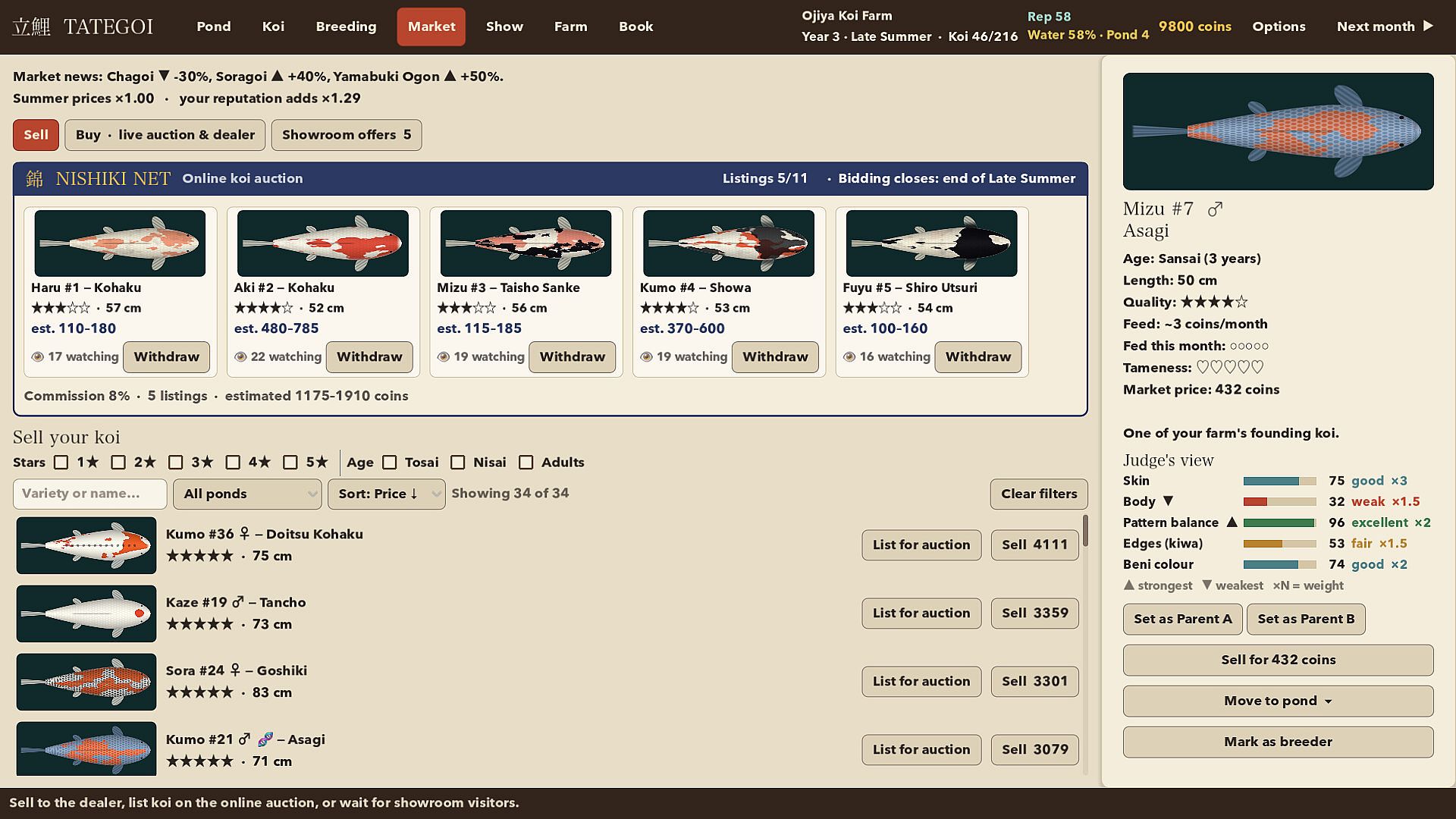
Tategoi suits players who enjoy deliberate management simulations with layered systems for breeding and long-term planning. The combination of genetic mechanics, seasonal events, staff delegation, and multiple sales channels creates a steady rhythm of observation, selection, and gradual growth. Those drawn to niche themes such as koi varieties and Japanese pond culture will find the depth of the 34 varieties and the tategoi selection process particularly engaging. The absence of time pressure or combat makes it accessible for relaxed sessions, while the inheritance surprises and show competitions add replay motivation through different breeding lines. Overall the title delivers a focused, self-contained farm experience centered on living art rather than broad action or competition.