




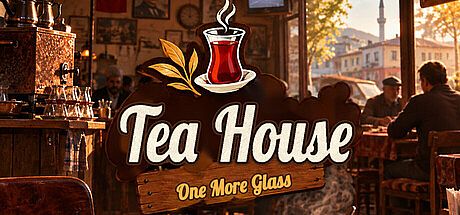


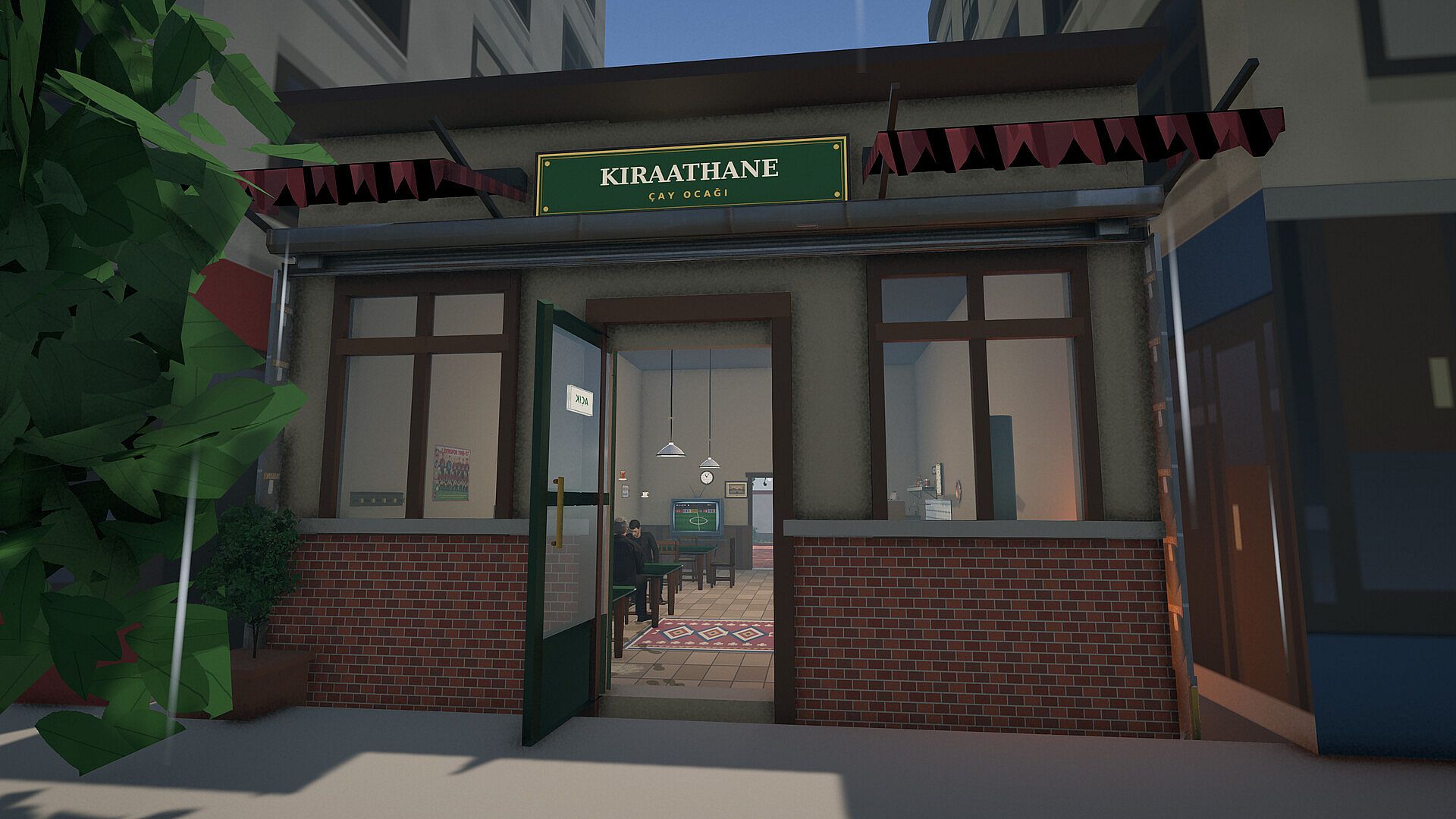
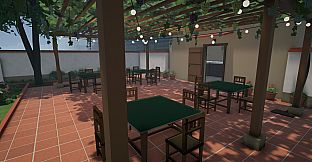
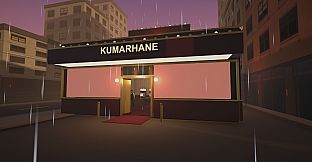
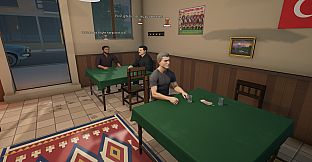
Tea House: One More Glass is an indie simulation game set in a traditional Turkish kıraathane, or tea house. Players step into the role of a university student who inherits the family business after their father's passing, managing every aspect of daily operations from brewing and serving to balancing the books and handling external pressures.
Gameplay
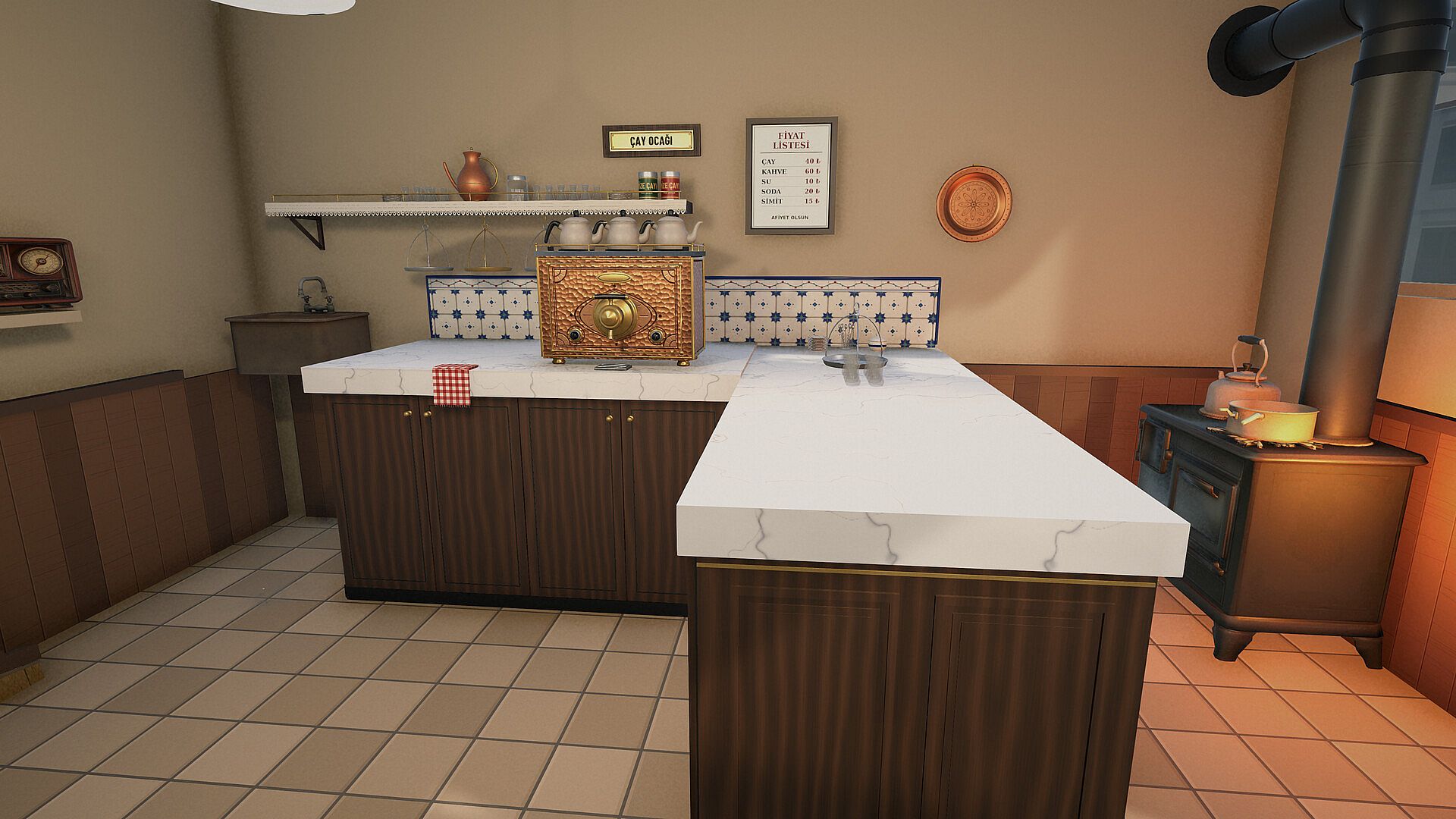
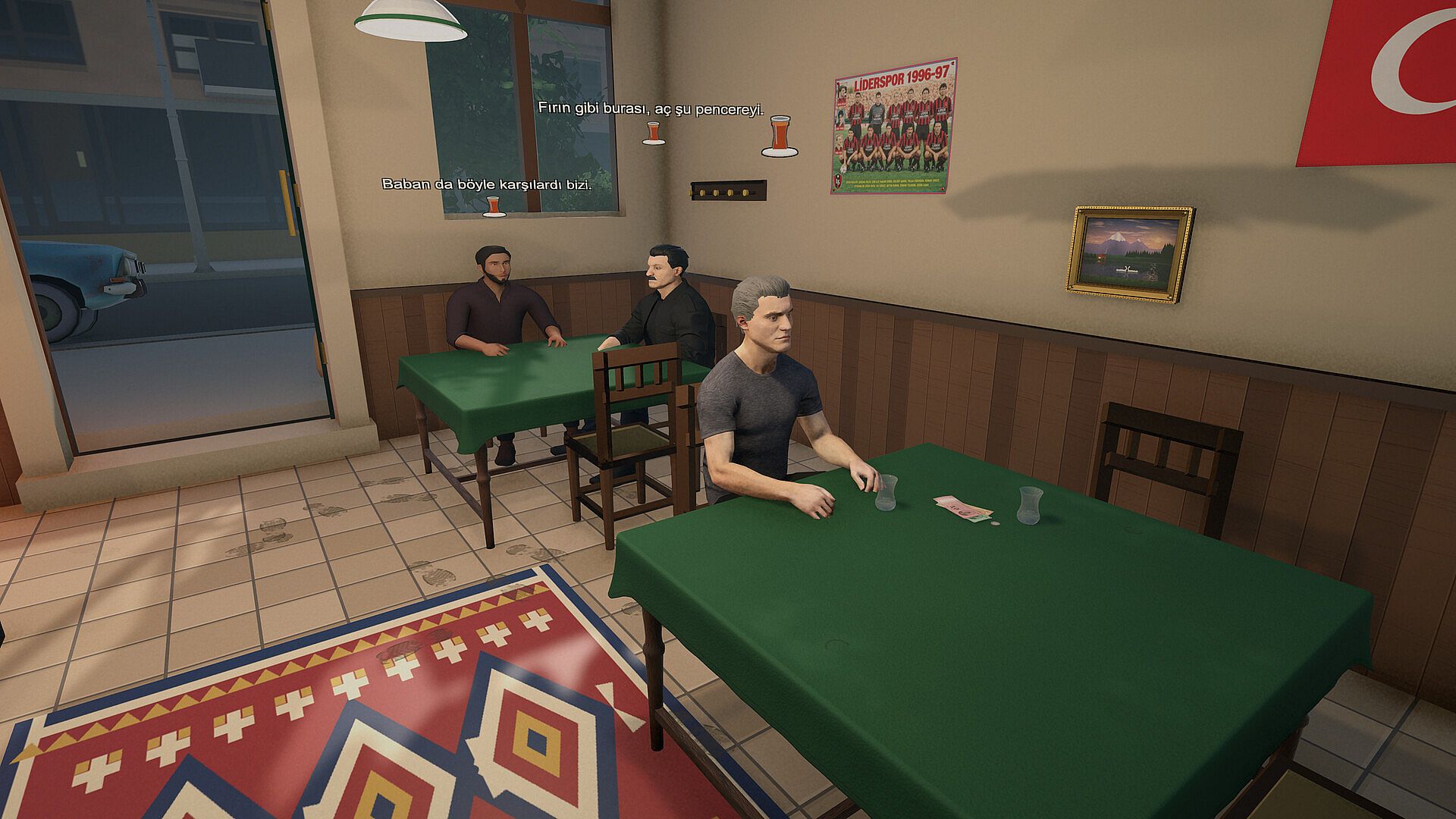
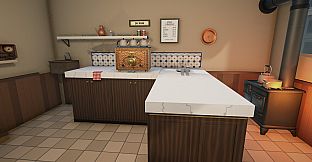
The core experience revolves around hands-on tea service in first-person view. Each day begins early with lighting the stove, preparing the first pot of tea, and opening the shop to customers who arrive and place orders. Serving involves selecting glasses from the shelf, filling them at the stove, and delivering them promptly, as impatient patrons may leave without returning the next day.
Table clearing forms another key task, with dirty glasses moved to the counter and then the sink while maintaining clean floors to keep the space inviting. The evening brings account reconciliation, tracking sales, cash on hand, and outstanding bills for rent, electricity, and water. Stock management requires anticipating shortages and contacting suppliers for timely deliveries.
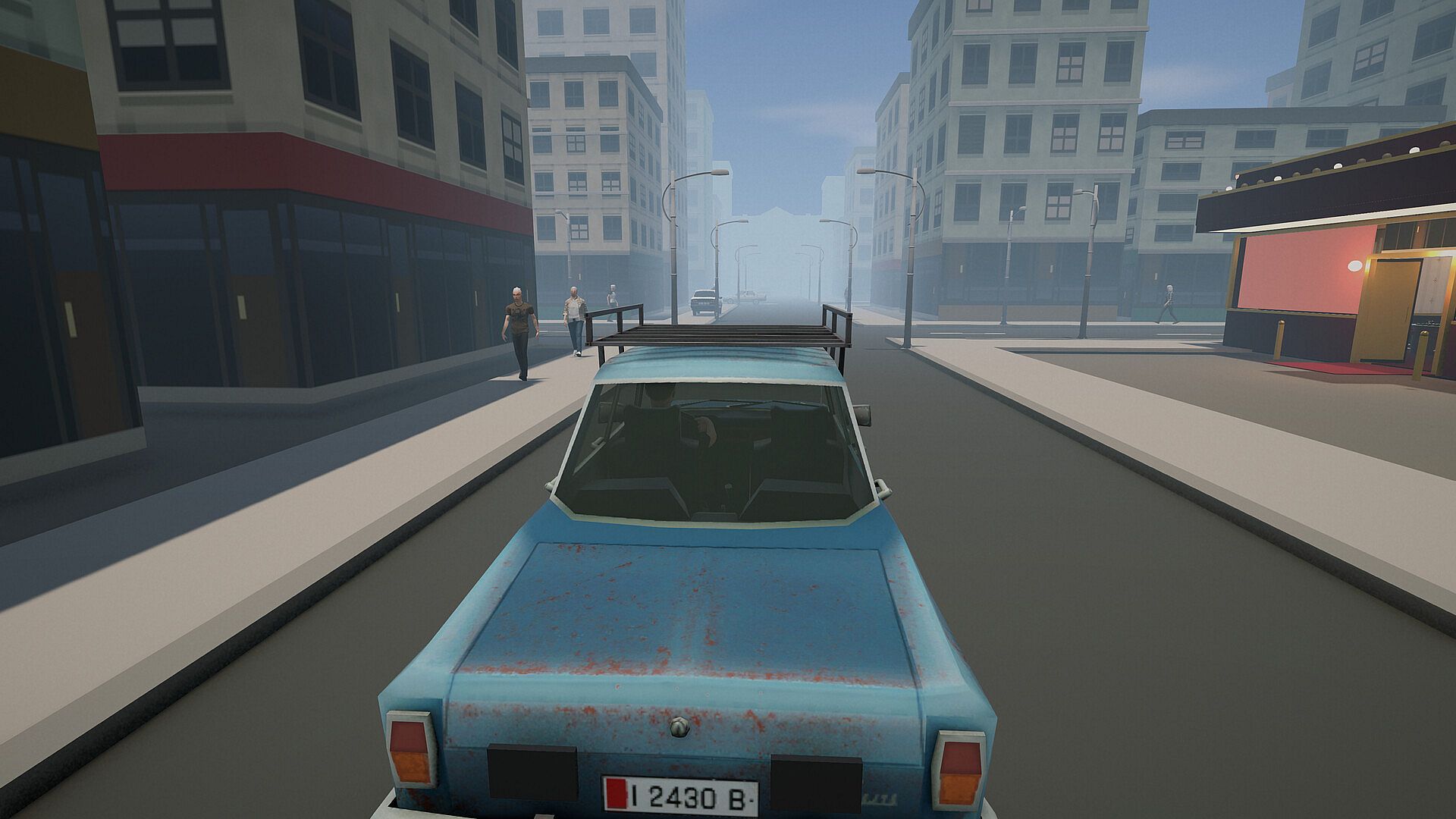
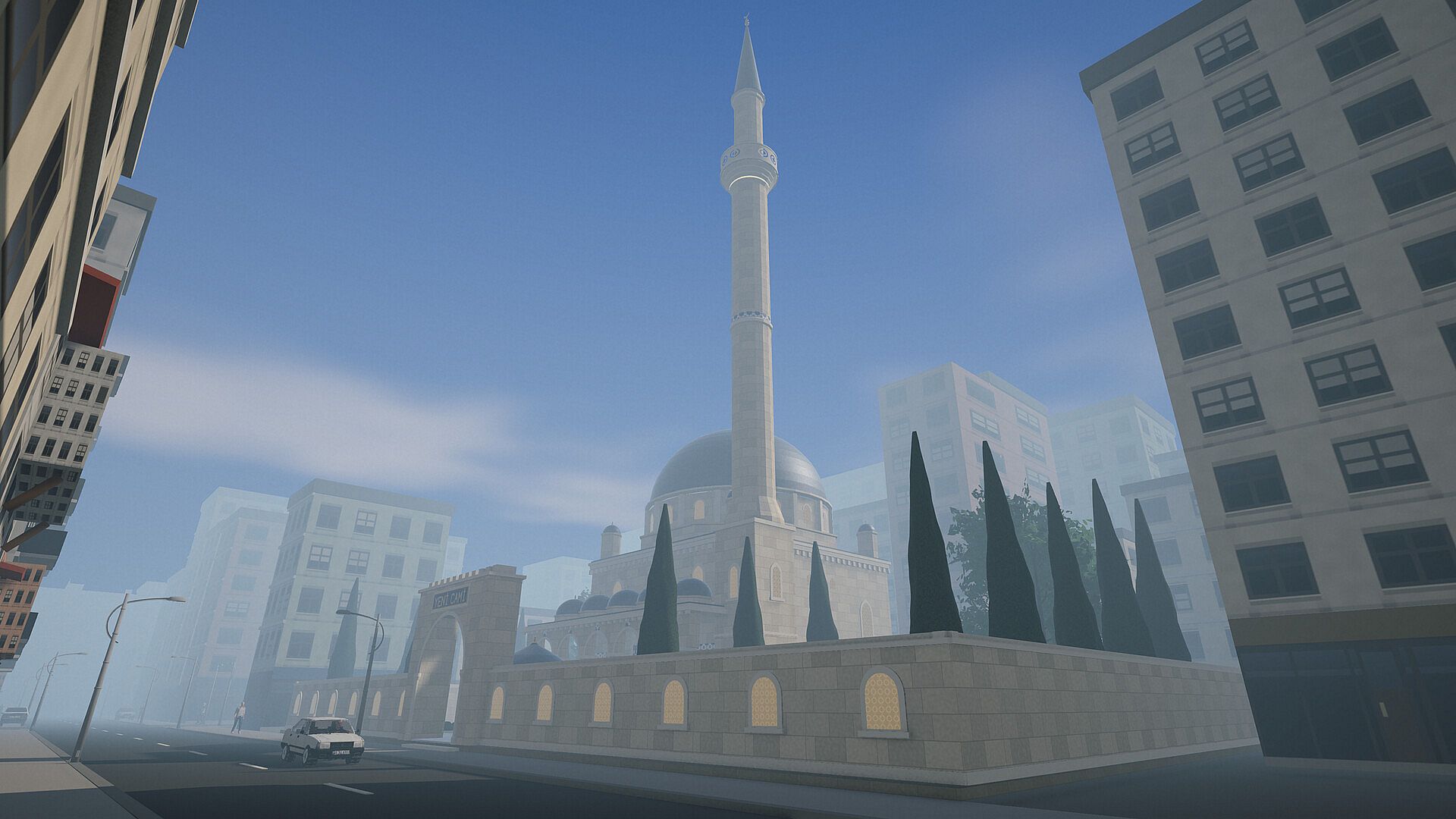
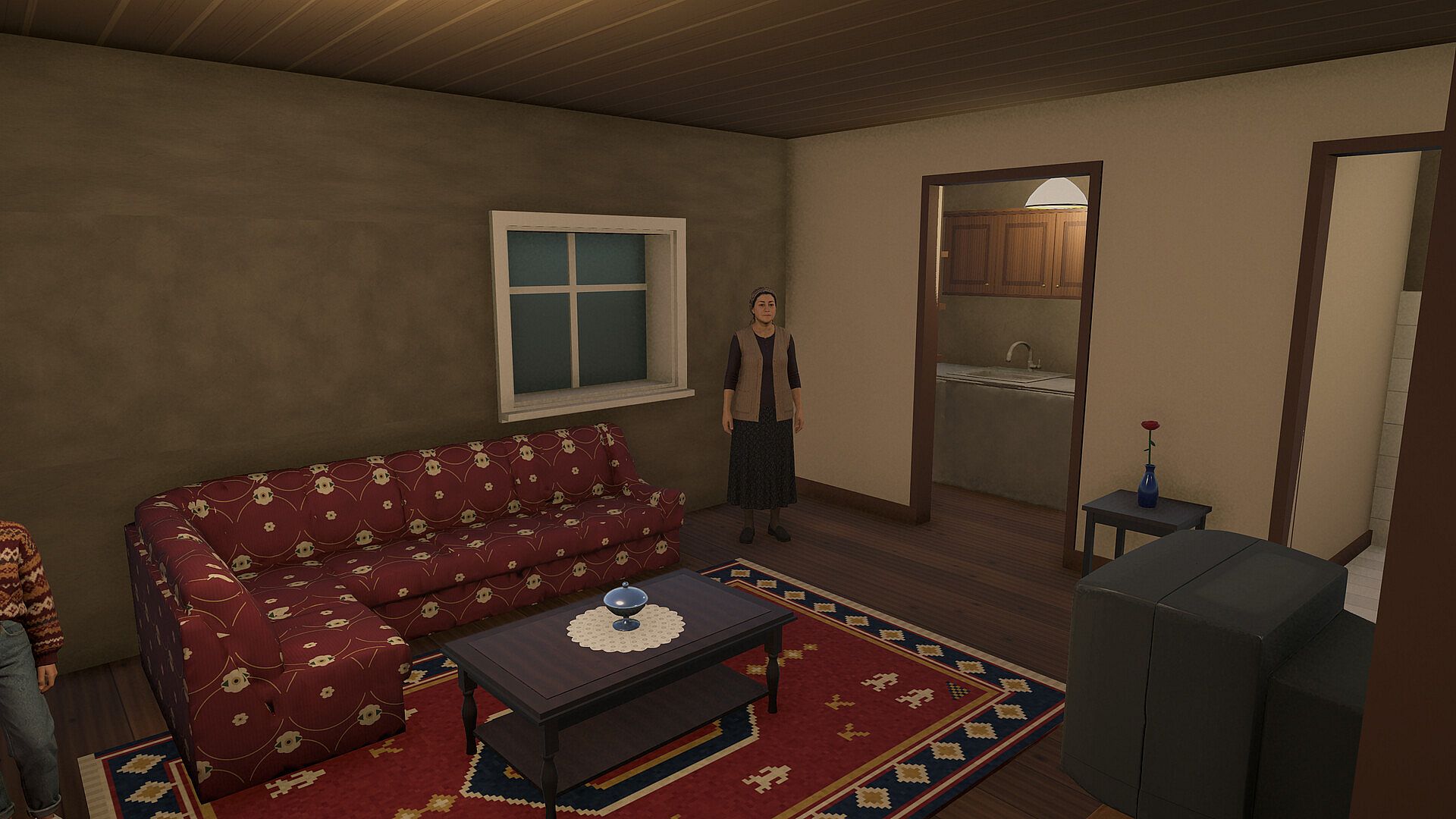
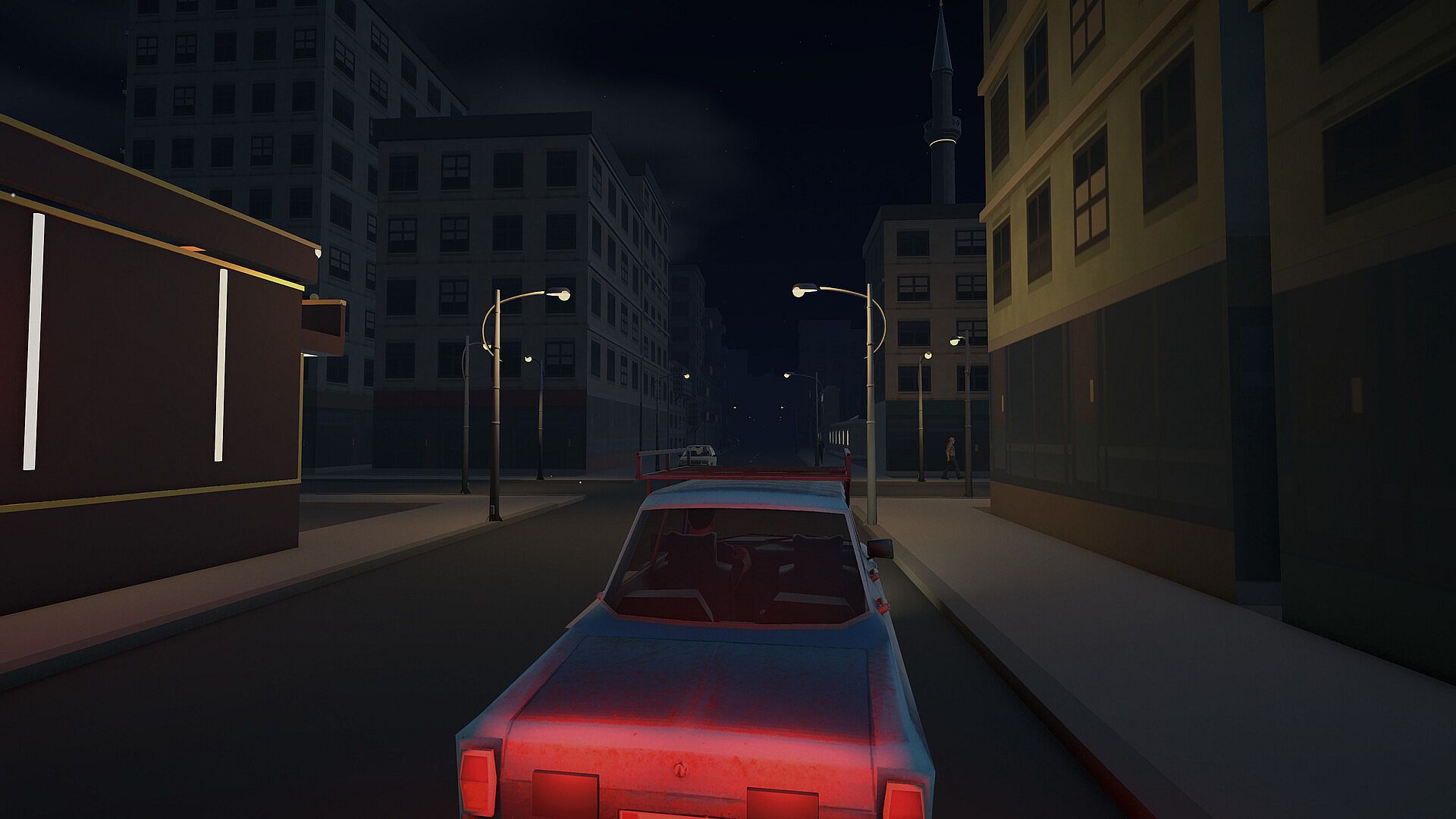
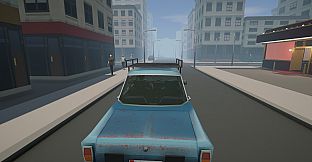
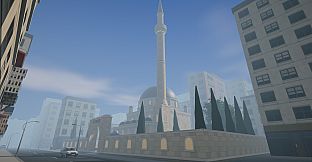
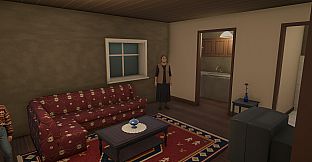
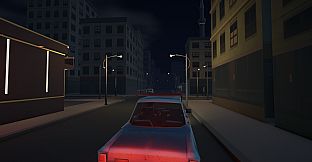
Financial recovery opens opportunities for shop improvements that expand capabilities and customer capacity. A drivable car allows exploration of the surrounding city, where weather and seasons shift over time. Returning home connects players with family members, providing a personal rhythm to the routine.
Game Modes
The game operates as a single-player experience centered on the daily cycle of preparation, service, closing, and financial review. No separate multiplayer or competitive modes appear in the available details, keeping focus on the solitary management of the inherited tea house and its challenges.
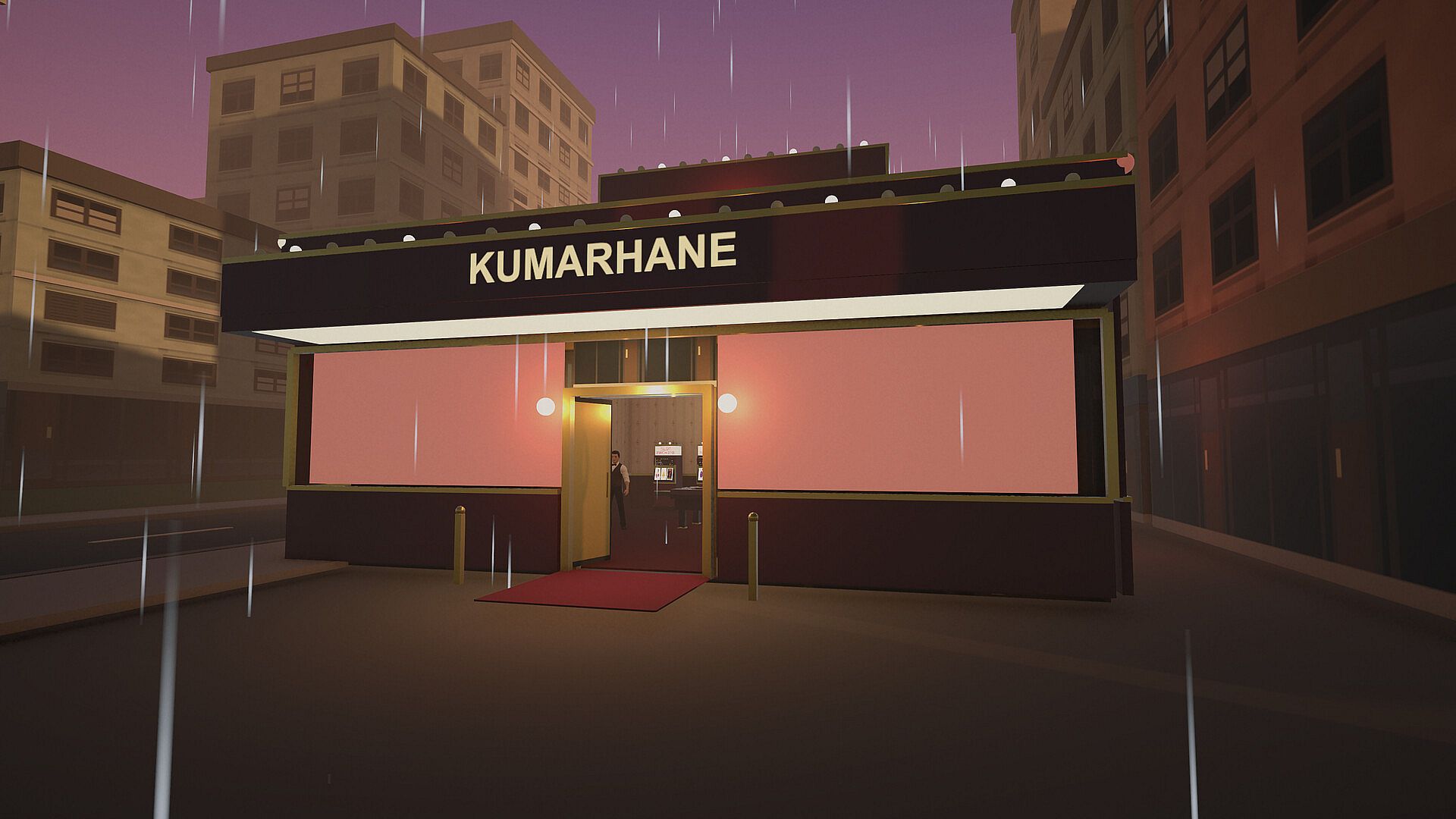
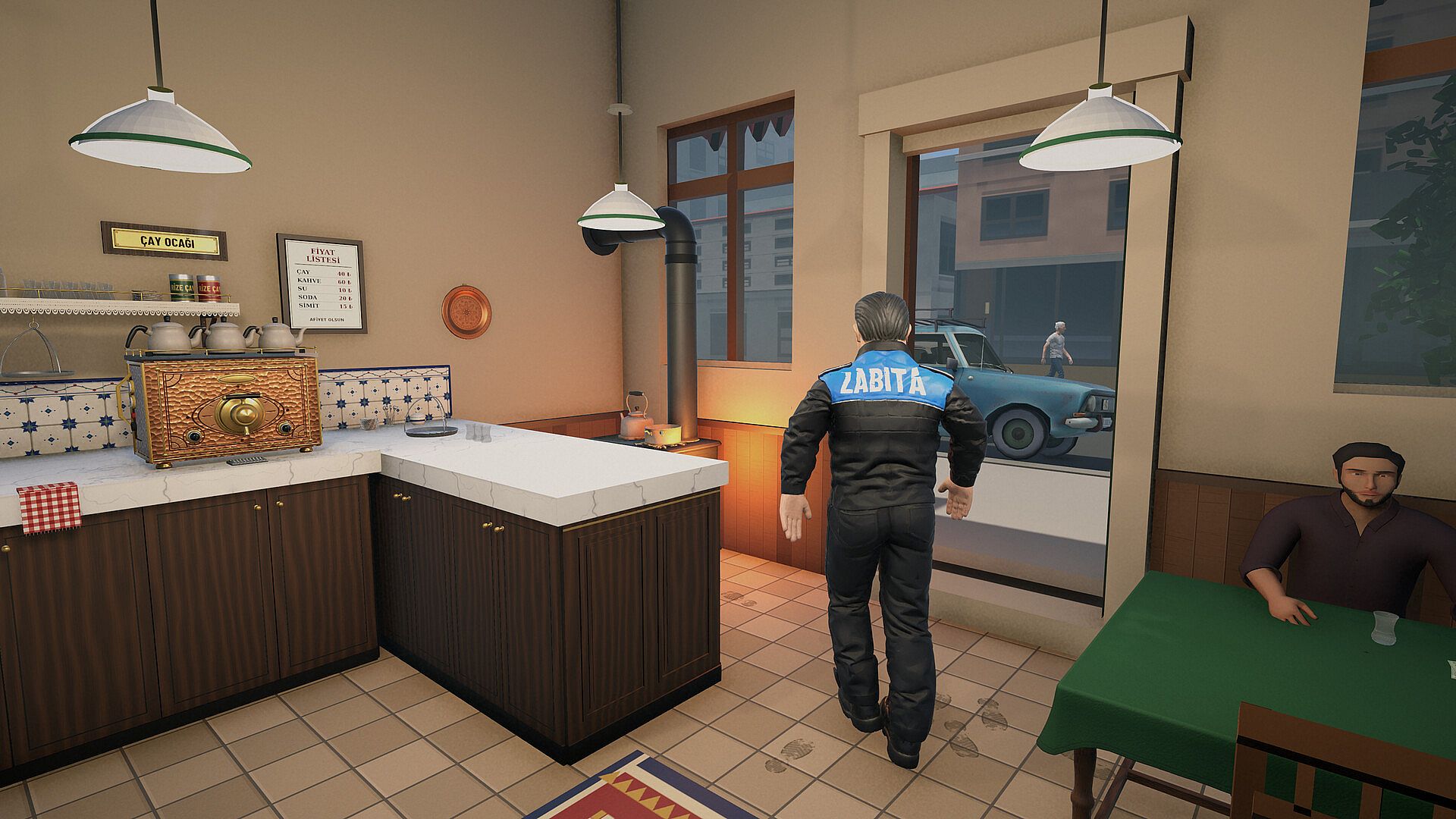
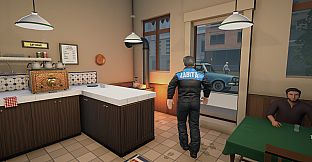
Mechanics emphasize realistic consequences, including the risk of gambling at a city casino for quick gains or losses that could jeopardize the business. Unpaid debts trigger visits from creditors and eventually bailiffs, adding tension to financial decisions.
Shop Management and Upgrades
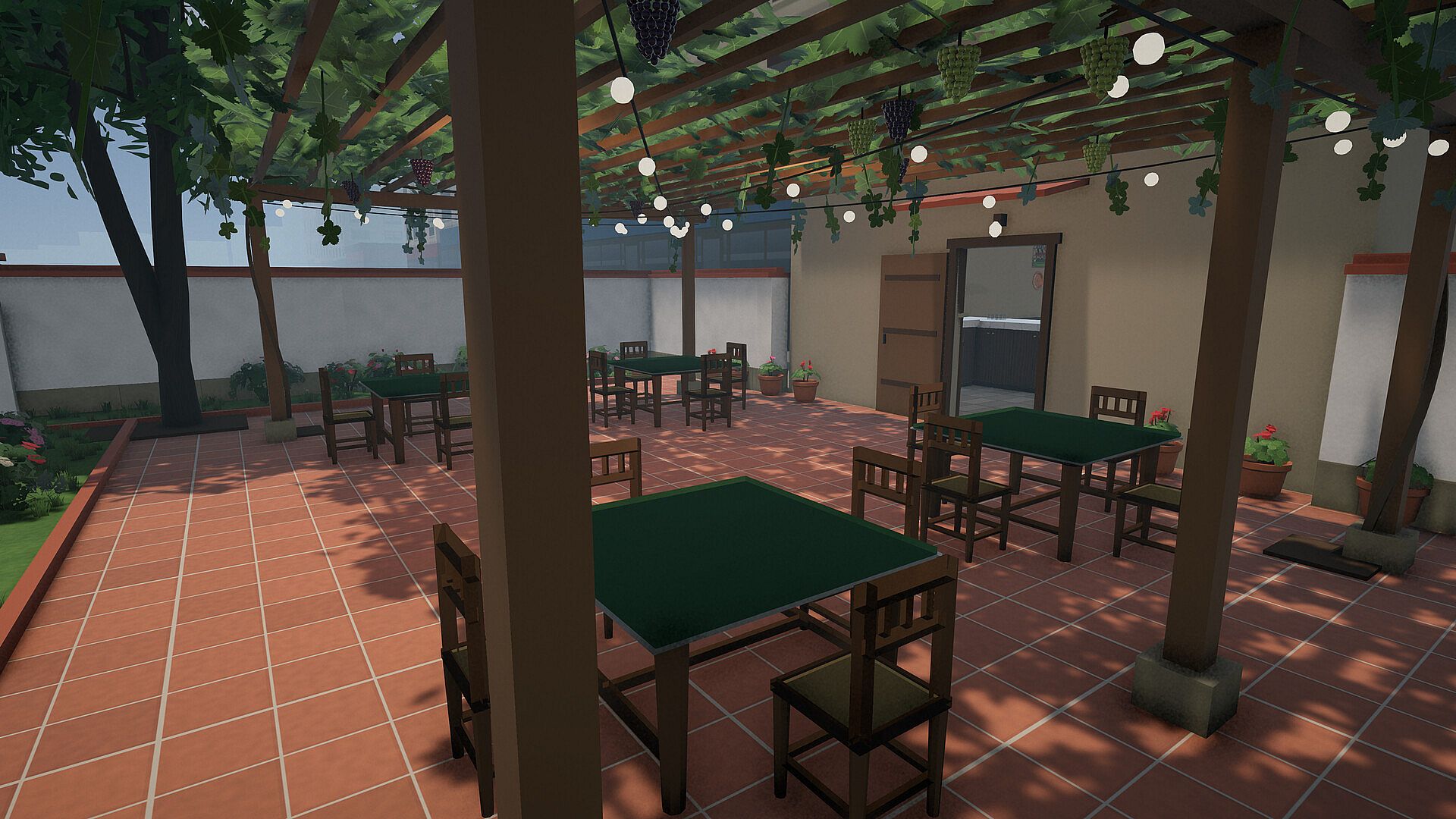
Progression ties directly to balancing income against expenses while investing in enhancements. Additions like a coffee machine expand the menu, cold drinks help during warmer months, and extra tables or expansions increase seating. Hiring an apprentice becomes necessary as volume grows, shifting some workload.
These systems create a loop where careful planning supports growth, while neglect leads to declining regulars or mounting obligations. The simulation roots itself in authentic kıraathane culture, with customer preferences and patience levels influencing repeat business.
City Life and Personal Elements
Beyond the shop walls lies an explorable urban environment reached by the father's car. Traffic, pedestrians, and changing conditions reflect the passage of days, nights, and full seasonal cycles. Home life with a mother and younger sibling adds layers of personal responsibility and downtime before the next shift.
The casino option stands out as a high-risk element for rapid cash, contrasting the steady grind of tea service. This mix of routine management and occasional high-stakes choices shapes the overall pace.
Is It Worth Playing?
Tea House: One More Glass suits players who enjoy detailed business simulations with first-person interaction and cultural specificity. The emphasis on practical tasks like brewing, serving, and accounting, combined with real-world consequences such as debt collection, creates a grounded loop that rewards foresight and consistency.
Those drawn to management sims involving daily cycles, upgrades, and light exploration will find the structure engaging. The single-player focus and absence of confirmed multiplayer elements keep the experience intimate, centered on one person's effort to sustain a family legacy amid city pressures. Availability on PC makes it accessible for those interested in this niche of indie simulations.











