


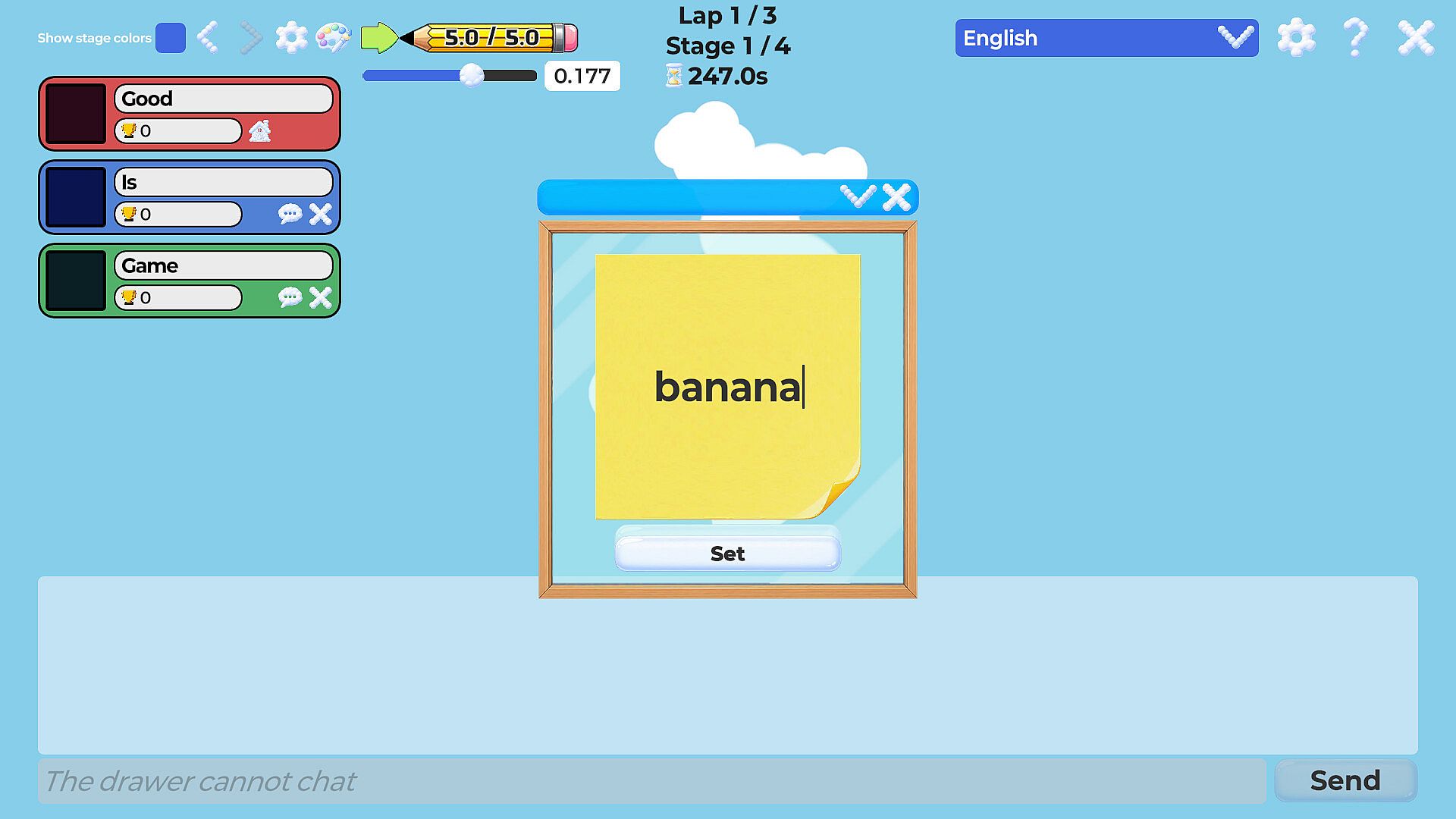
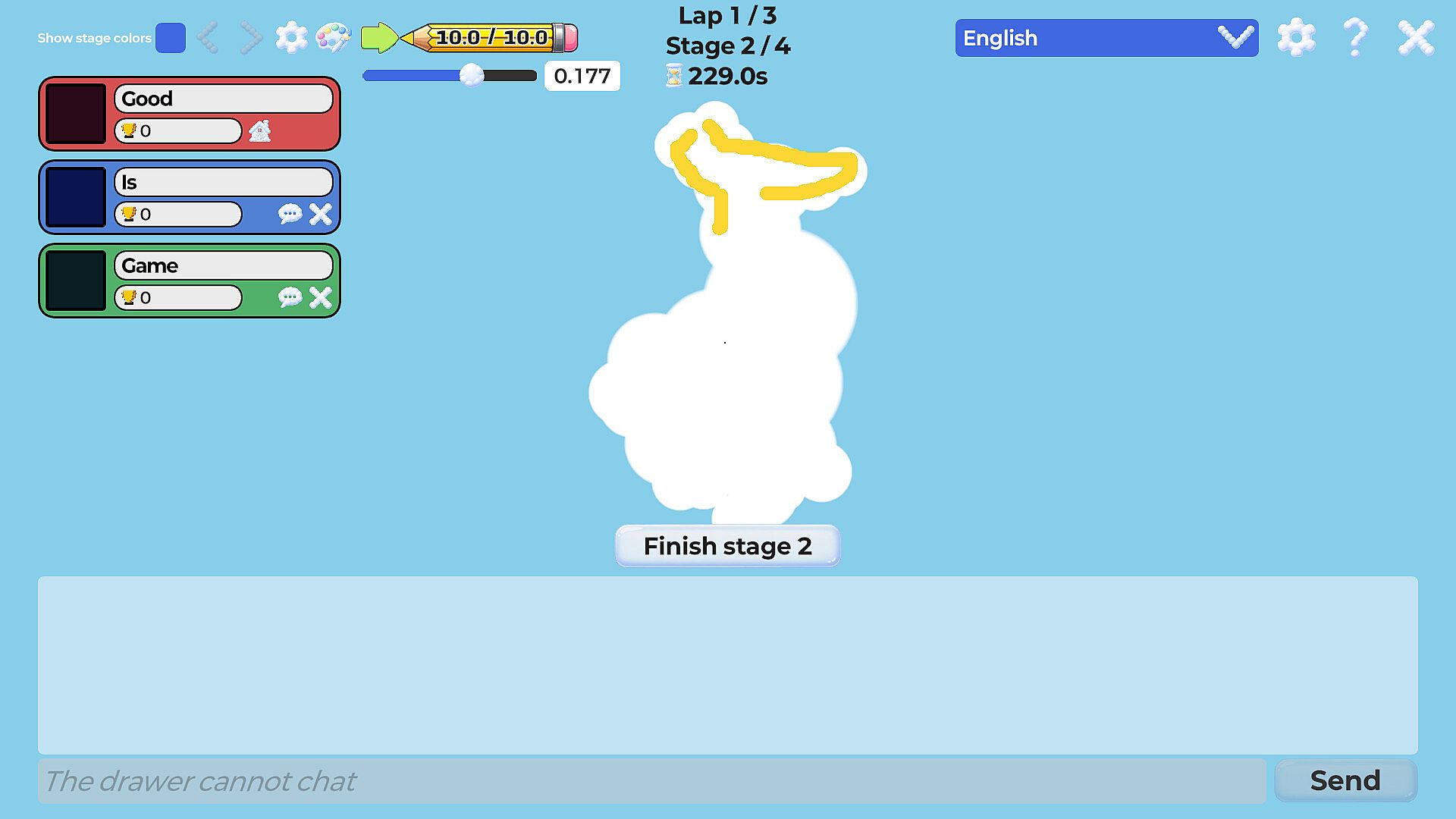
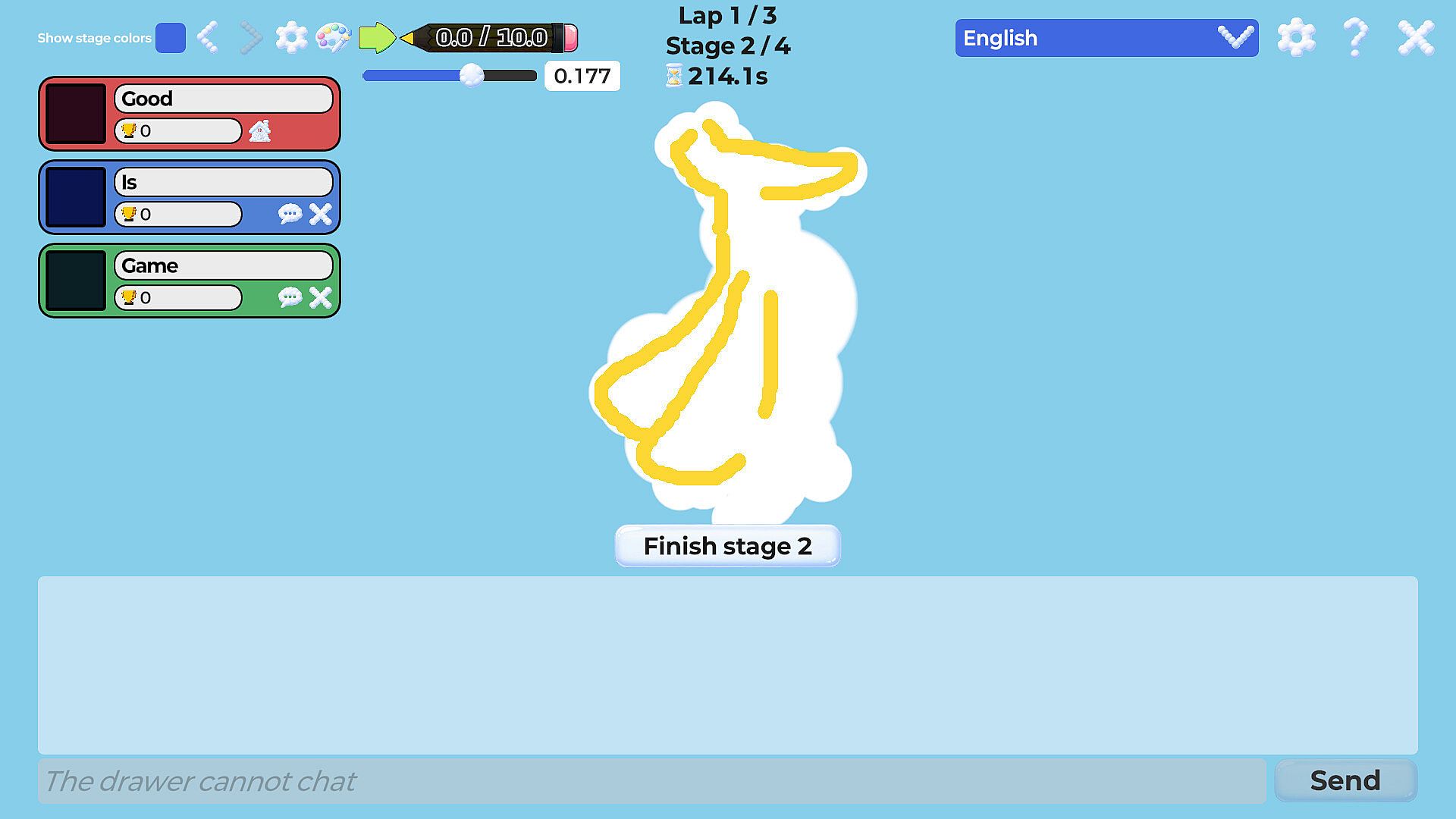
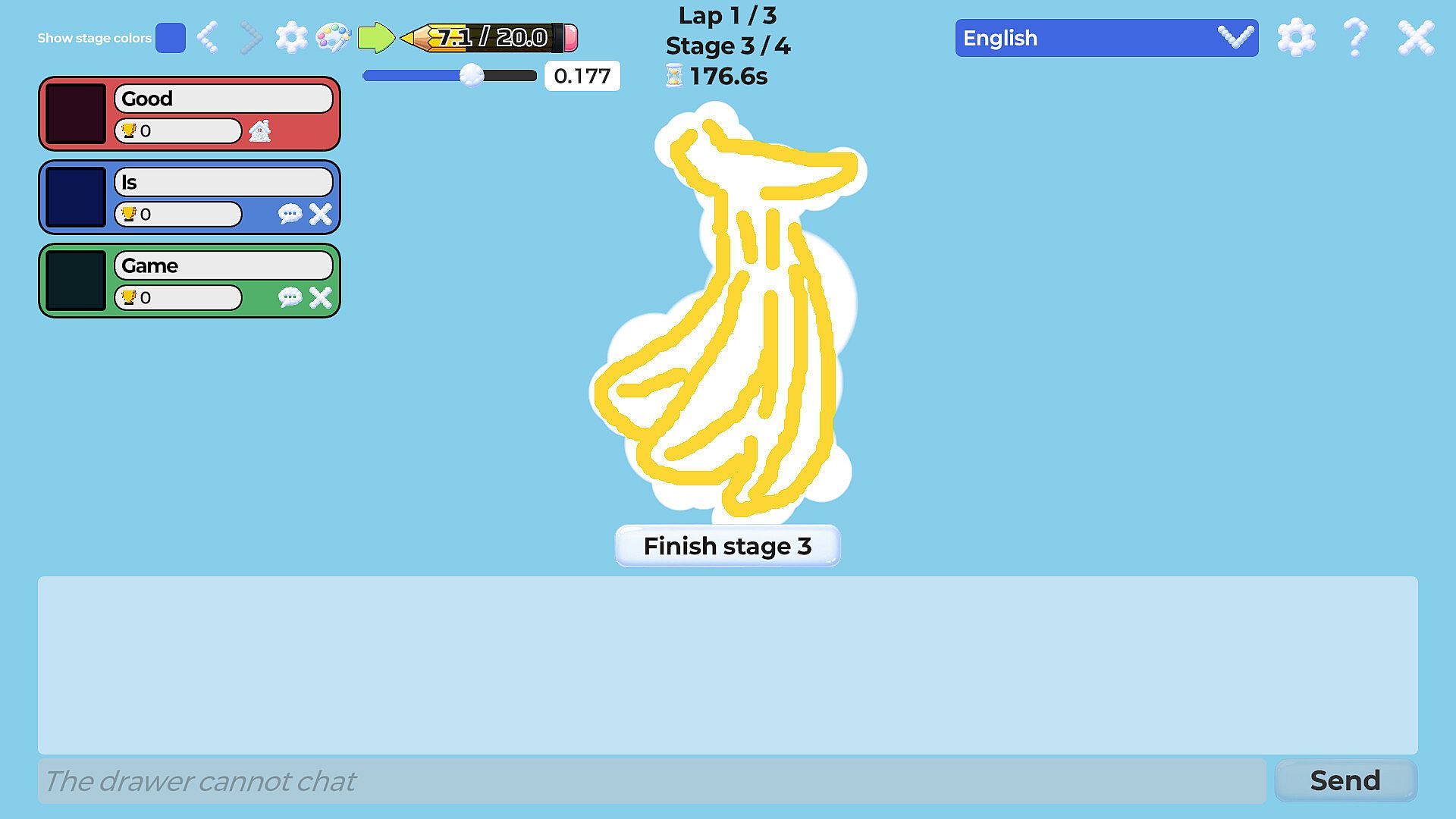
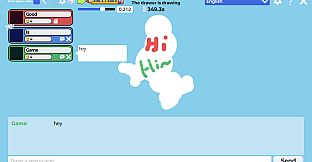
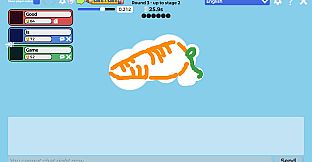
That Cloud Looks Like is a strategy, indie, and casual multiplayer game for PC where players interpret cloud shapes through drawing and guessing. The experience centers on creative clue placement inside cloud silhouettes, with each round featuring a fresh cloud generated for the group. Up to ten players can join sessions that emphasize imagination, timing, and understanding how others think rather than pure artistic skill.
Gameplay
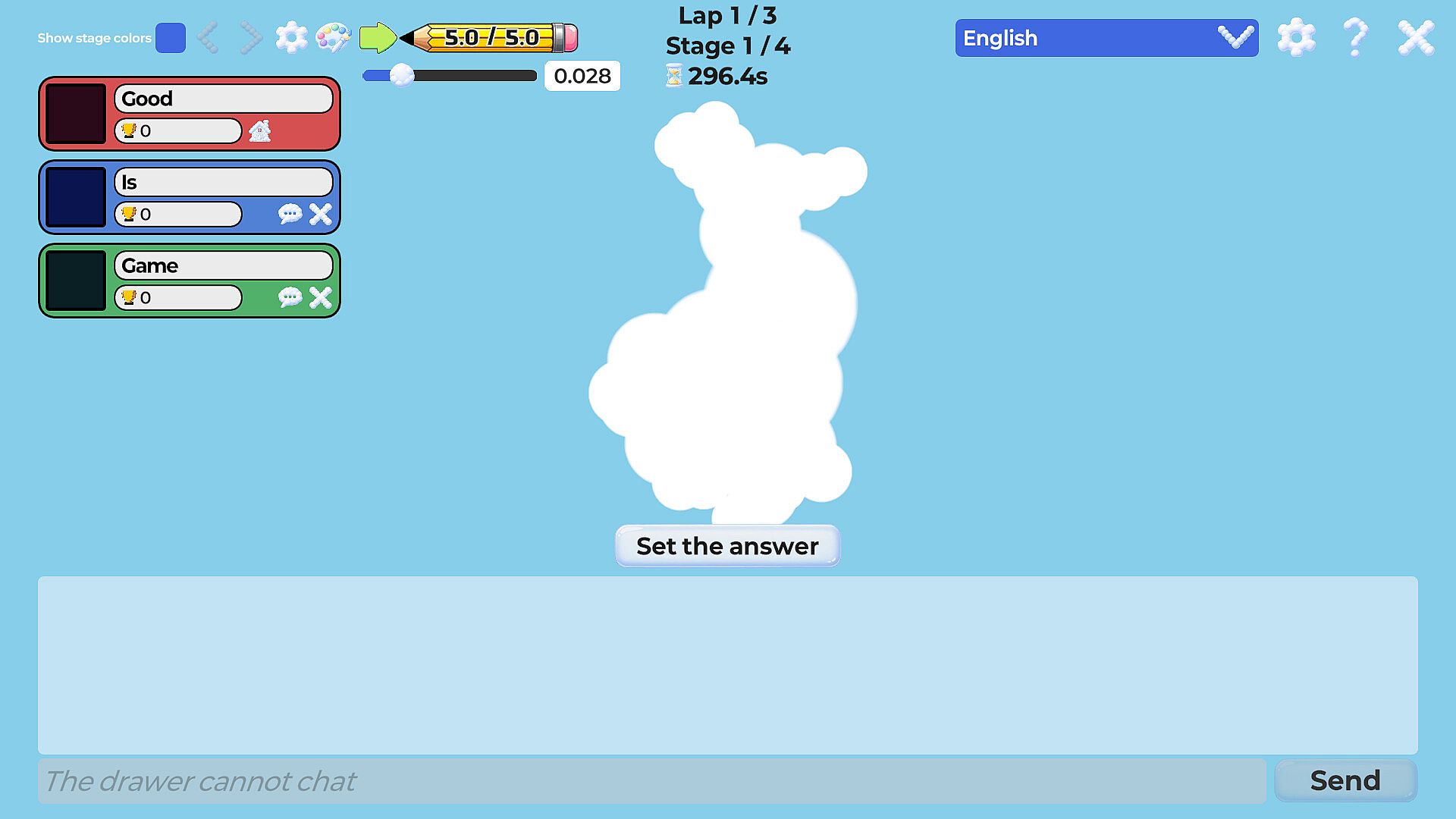
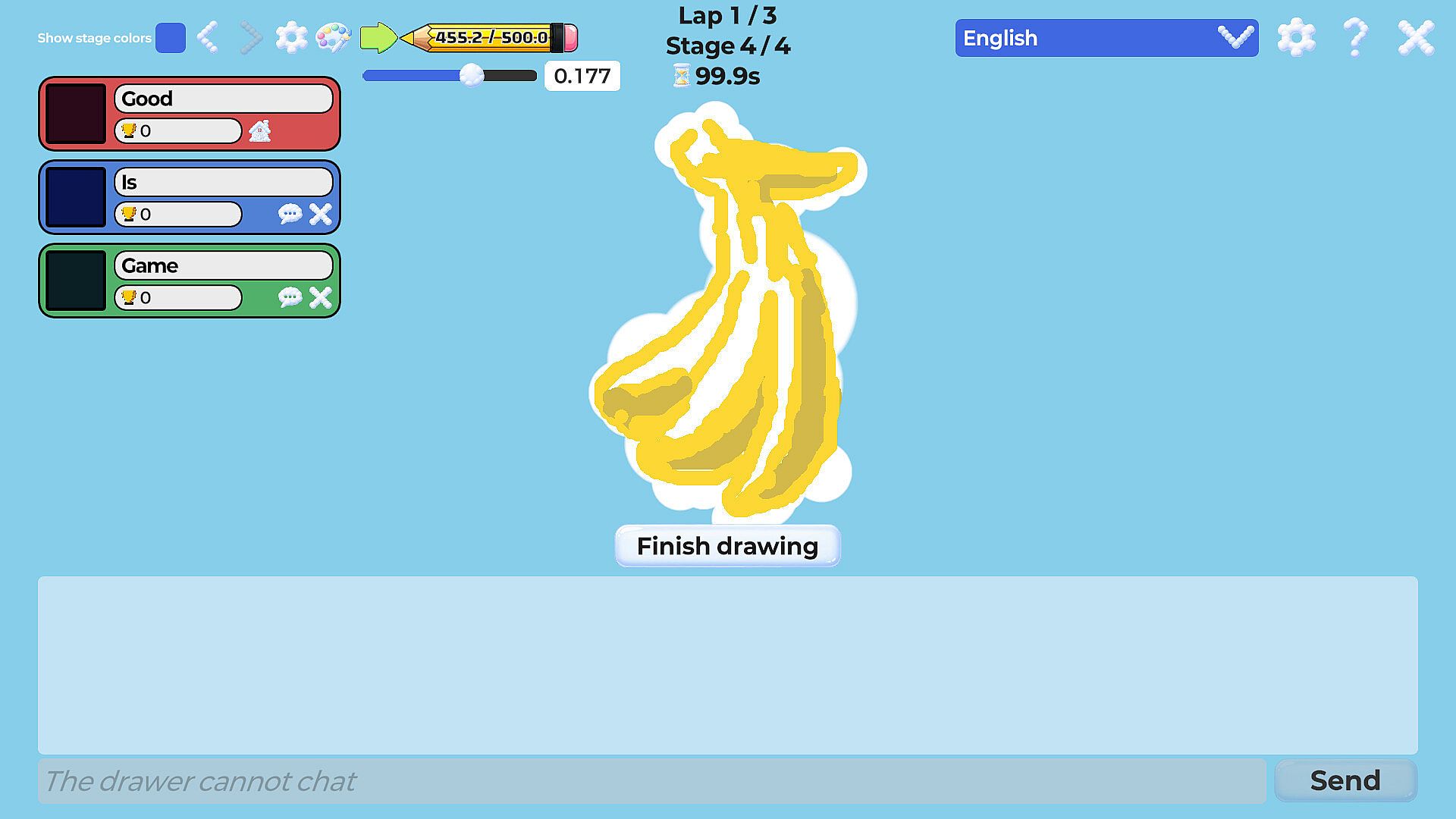
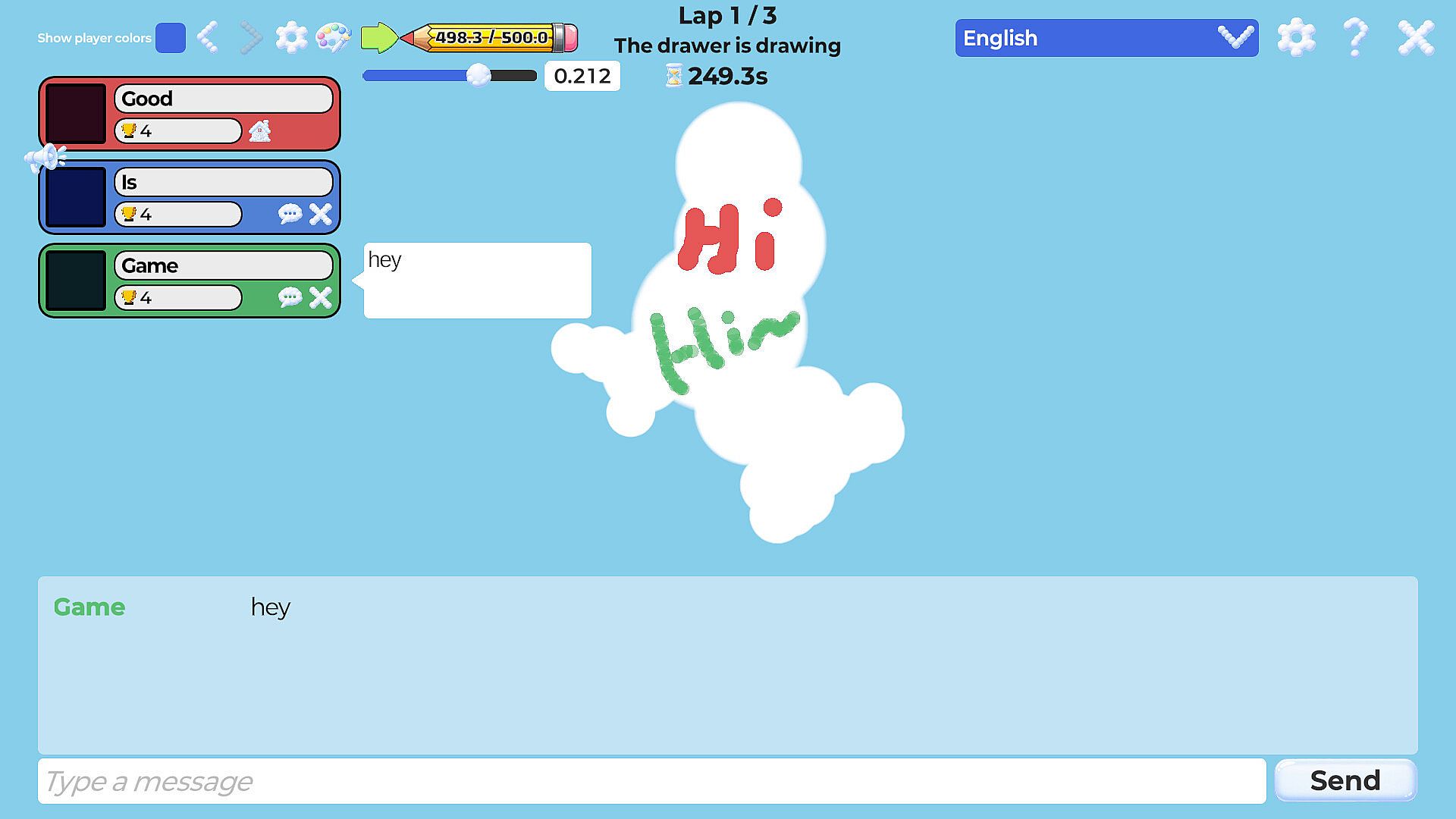
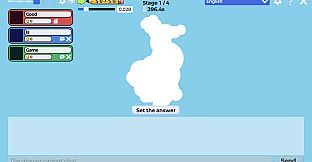
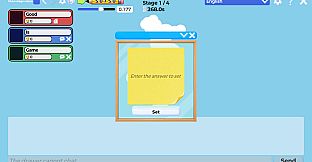
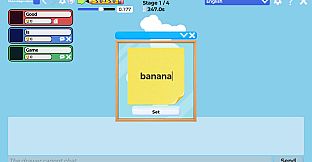
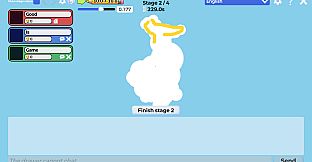
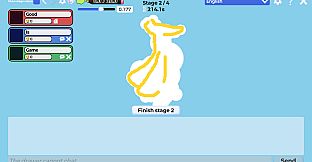
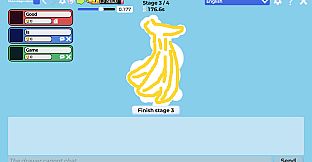
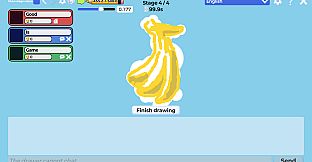
The core loop revolves around one player acting as the drawer while the rest guess. A new cloud silhouette appears each round. The drawer adds details inside it across four stages, using a limited amount of line per stage along with tools for color, thickness, eraser, undo, and redo. Only drawing inside the cloud is allowed, so every mark must serve as a useful clue without wasting the line budget.
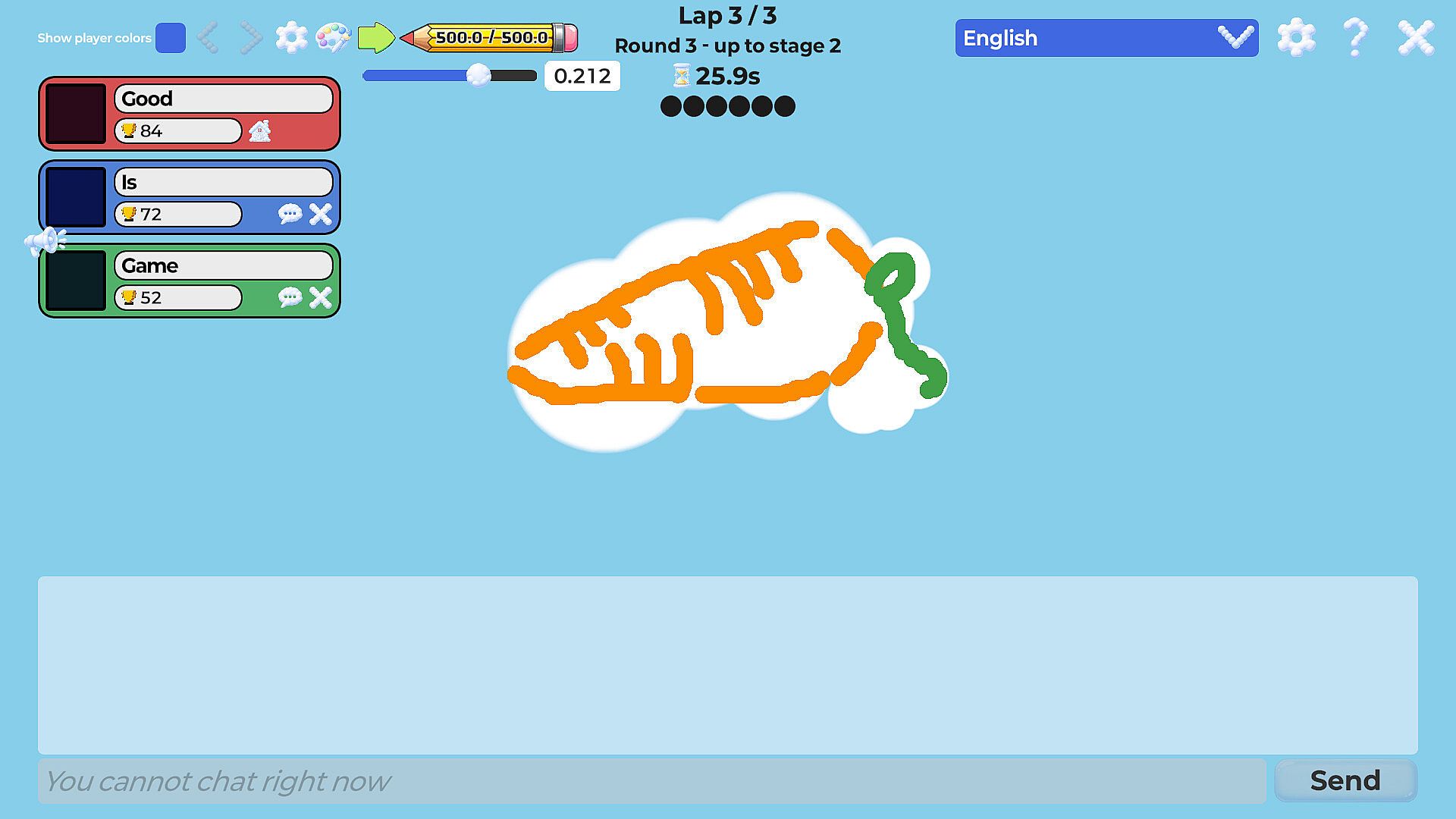
Guessers start with the plain cloud and receive up to five attempts per round. Each subsequent attempt reveals one more drawing stage. Points reward early correct answers, so the drawer benefits from spacing clues across stages instead of revealing everything at once. The drawer also scores when guesses succeed, encouraging balanced difficulty that keeps everyone engaged through multiple reveals.
After a set number of laps, scores are tallied for final rankings. Victory depends on reading the group, choosing shapes that spark different interpretations, and sequencing clues effectively. The limited line forces careful decisions about what to include and when to show it.
Game Modes
The game centers on its primary multiplayer experience with no separate named modes. Every session follows the same round structure of cloud generation, staged drawing, and progressive guessing. Players customize elements such as the number of laps, time limits per stage, answer length restrictions, and cloud shape variety before starting.
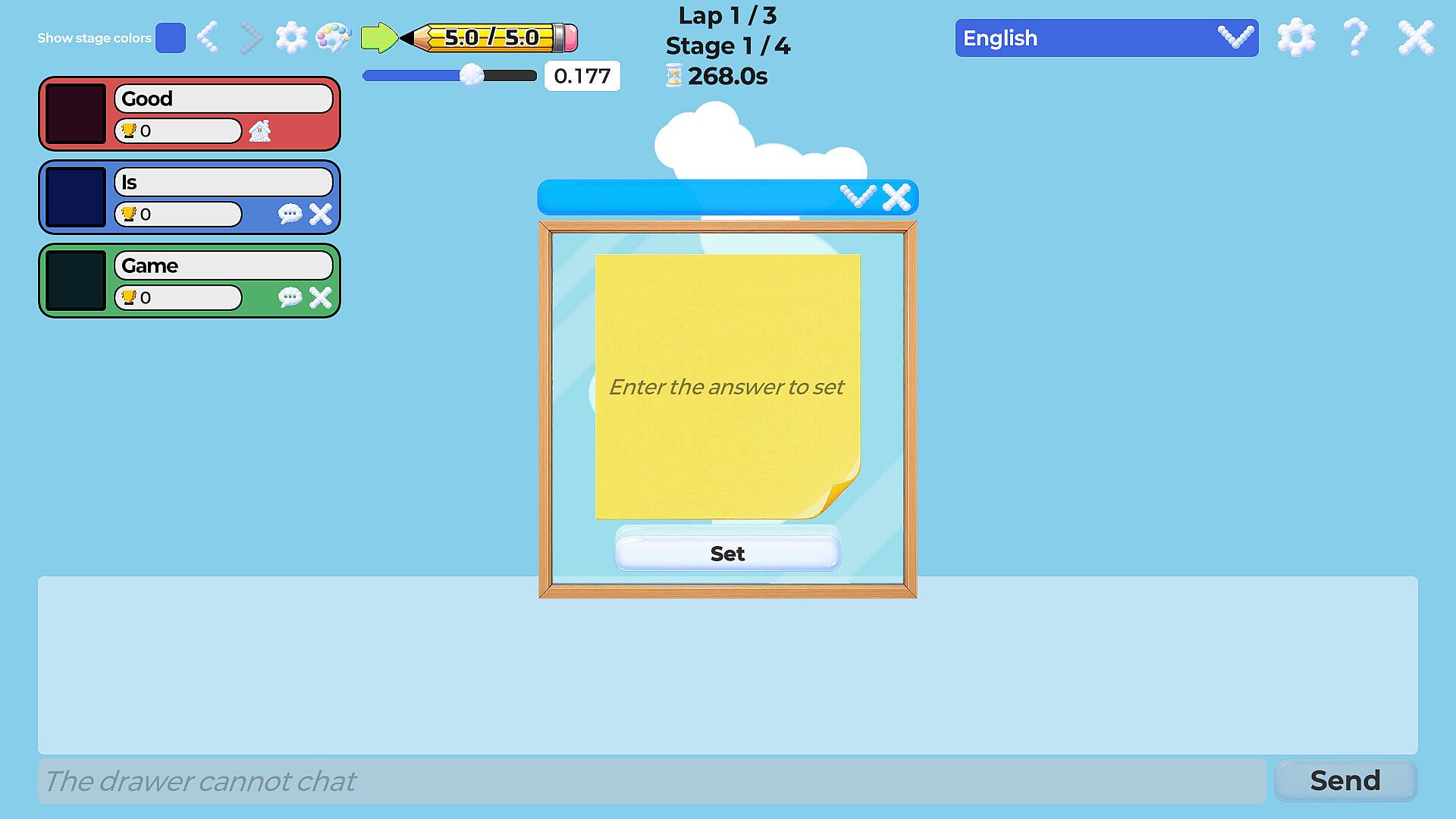
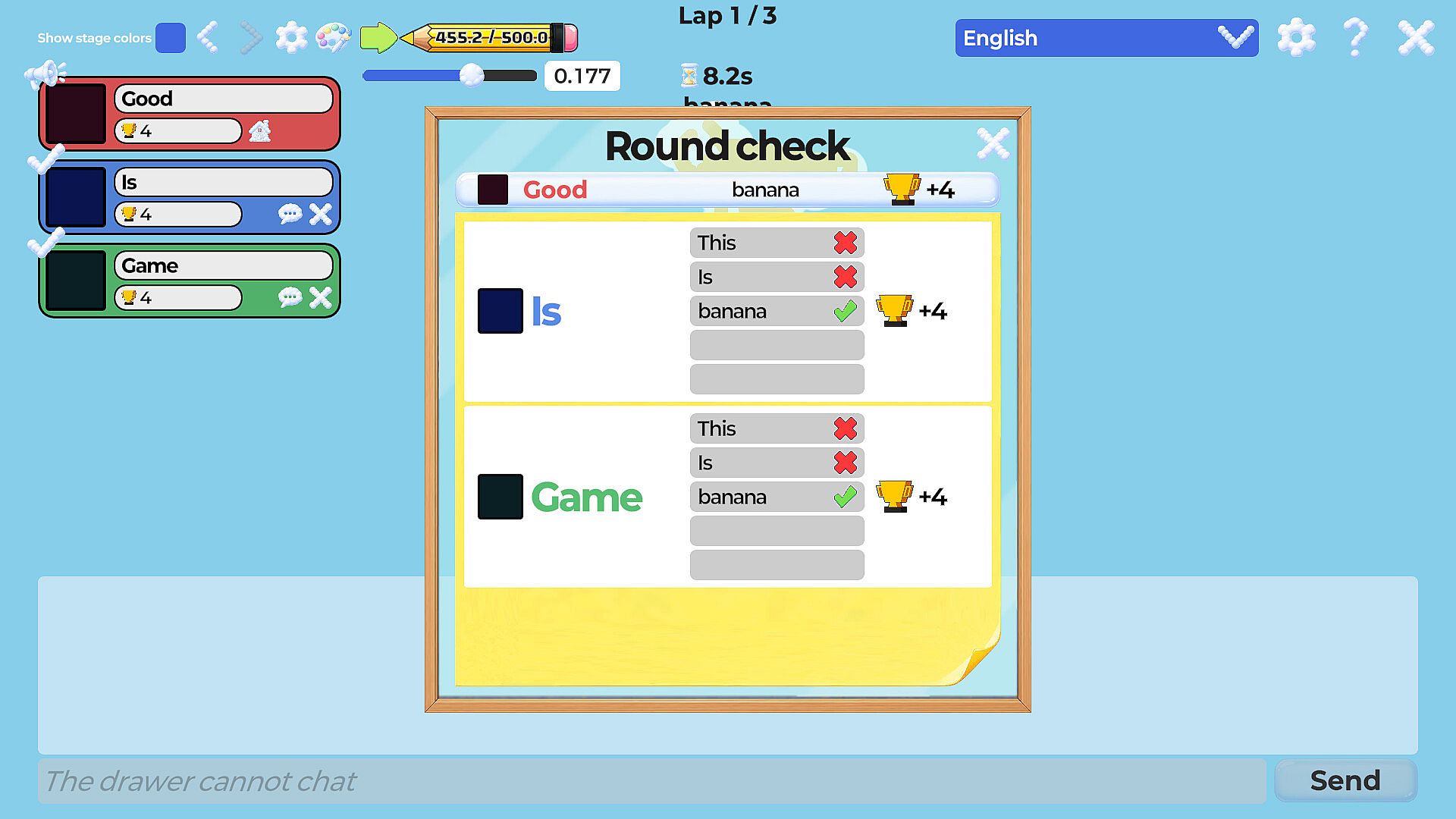
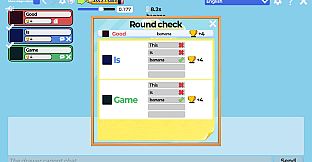
Room options include public lobbies, password-protected rooms, and direct room codes. Filters by language and tags help groups find suitable matches. Once a room fills with three to ten participants, everyone rotates through the drawer role until the lap count completes. Round summaries display the intended answer alongside all submissions for review and discussion.
Creative Drawing Mechanics
Drawing occurs in strict stages with line limits that prevent over-elaboration early on. The drawer selects pen attributes and refines work using the eraser and undo functions, but every addition stays confined to the cloud outline. This constraint turns the process into a puzzle of efficient communication, where order of revelation matters as much as the final image.
Clouds arrive newly generated each round, ensuring variety. The drawer must spot unexpected resemblances in the shape and build clues that guide others toward the chosen concept without making it immediate. Tools allow adjustments mid-stage, but the line cap keeps focus on essential details.
Social and Strategic Elements
Success requires more than drawing ability. Players need to anticipate how friends perceive shapes and adjust clue placement accordingly. Early guesses earn higher points for the team, so the drawer aims for progressive clarity rather than instant recognition or total obscurity. This balance creates tension and replay value across different groups.
Rotation ensures everyone experiences both sides of the interaction. The format suits casual gatherings where conversation flows between rounds, with summaries sparking laughs over near-misses or creative interpretations.
Is It Worth Playing?
That Cloud Looks Like suits groups of friends who enjoy party-style games built around creativity and quick thinking. The mechanics reward careful planning and social awareness over technical drawing talent, making it accessible while still offering depth through clue sequencing and point optimization. Customizable settings let groups tailor sessions to their preferred pace and group size.
With support for three to ten players in online rooms, it works well for regular meetups or one-off sessions. The emphasis on imagination and shared discovery provides consistent entertainment without requiring prior experience. Players who appreciate games that blend drawing with deduction will find the limited-line stages and staged reveals create engaging rounds that improve with familiarity.