




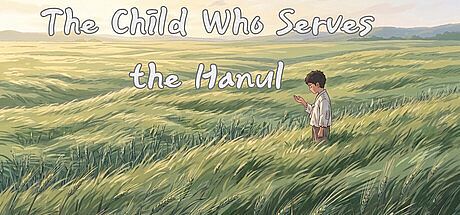


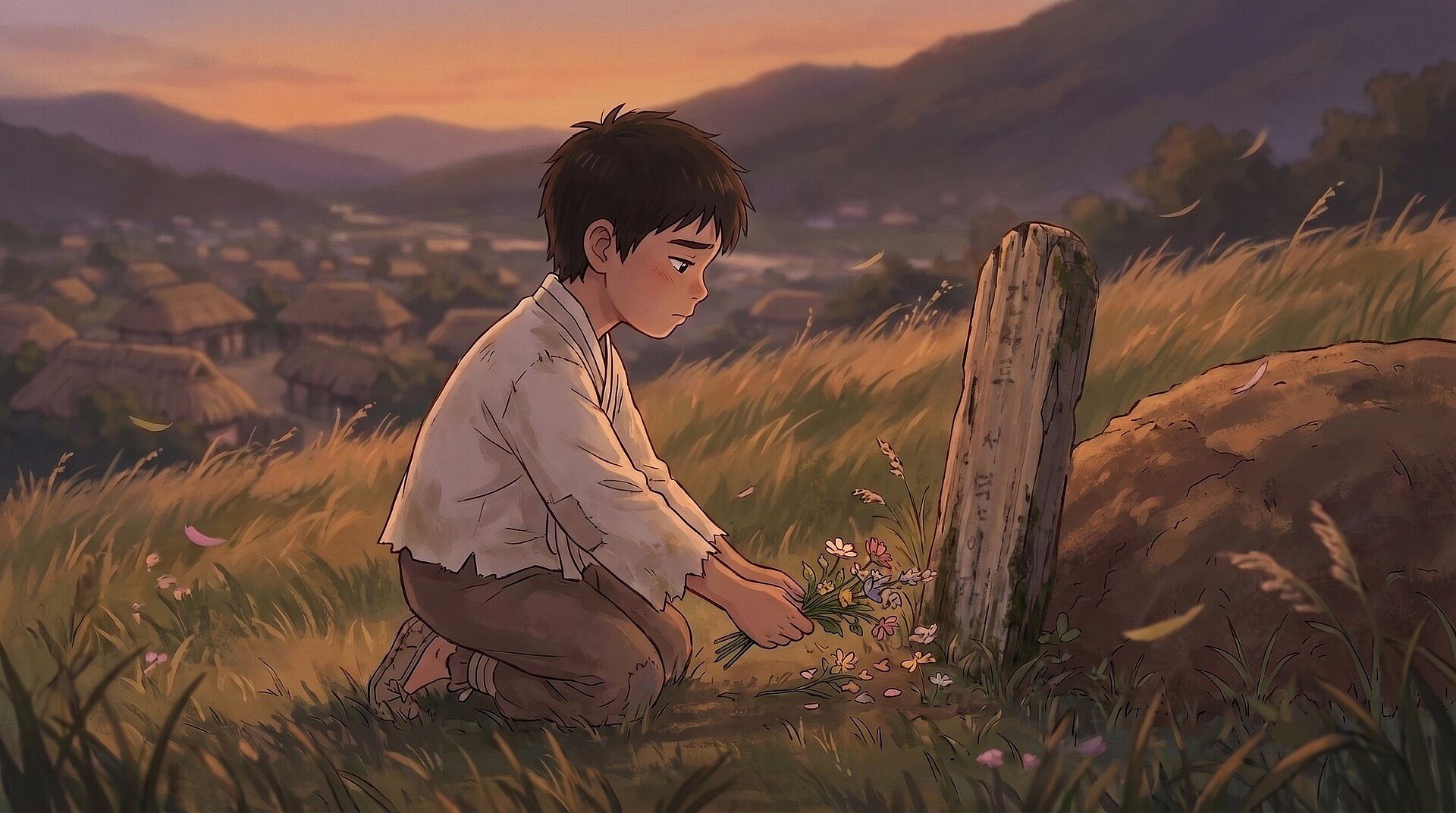

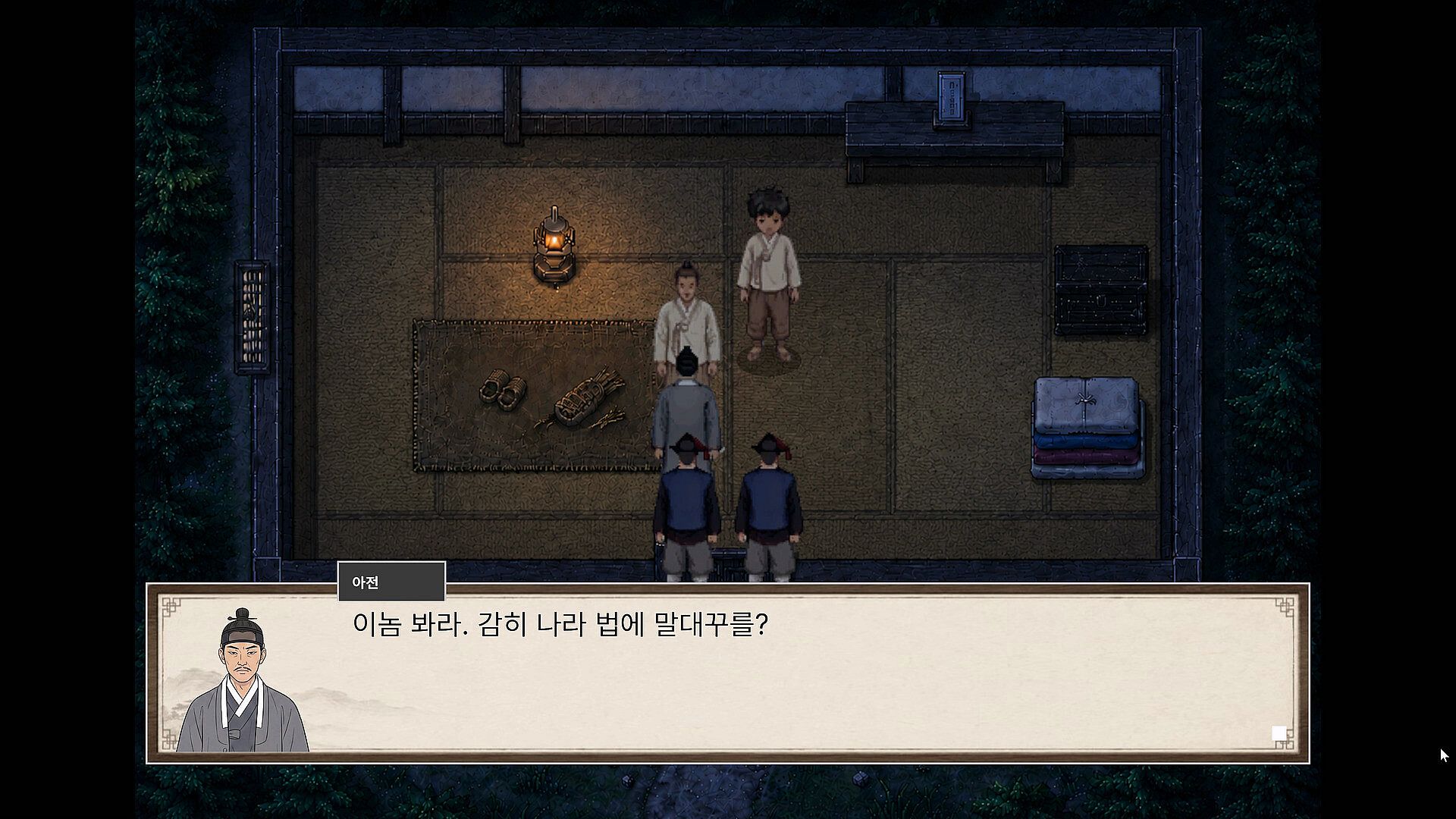
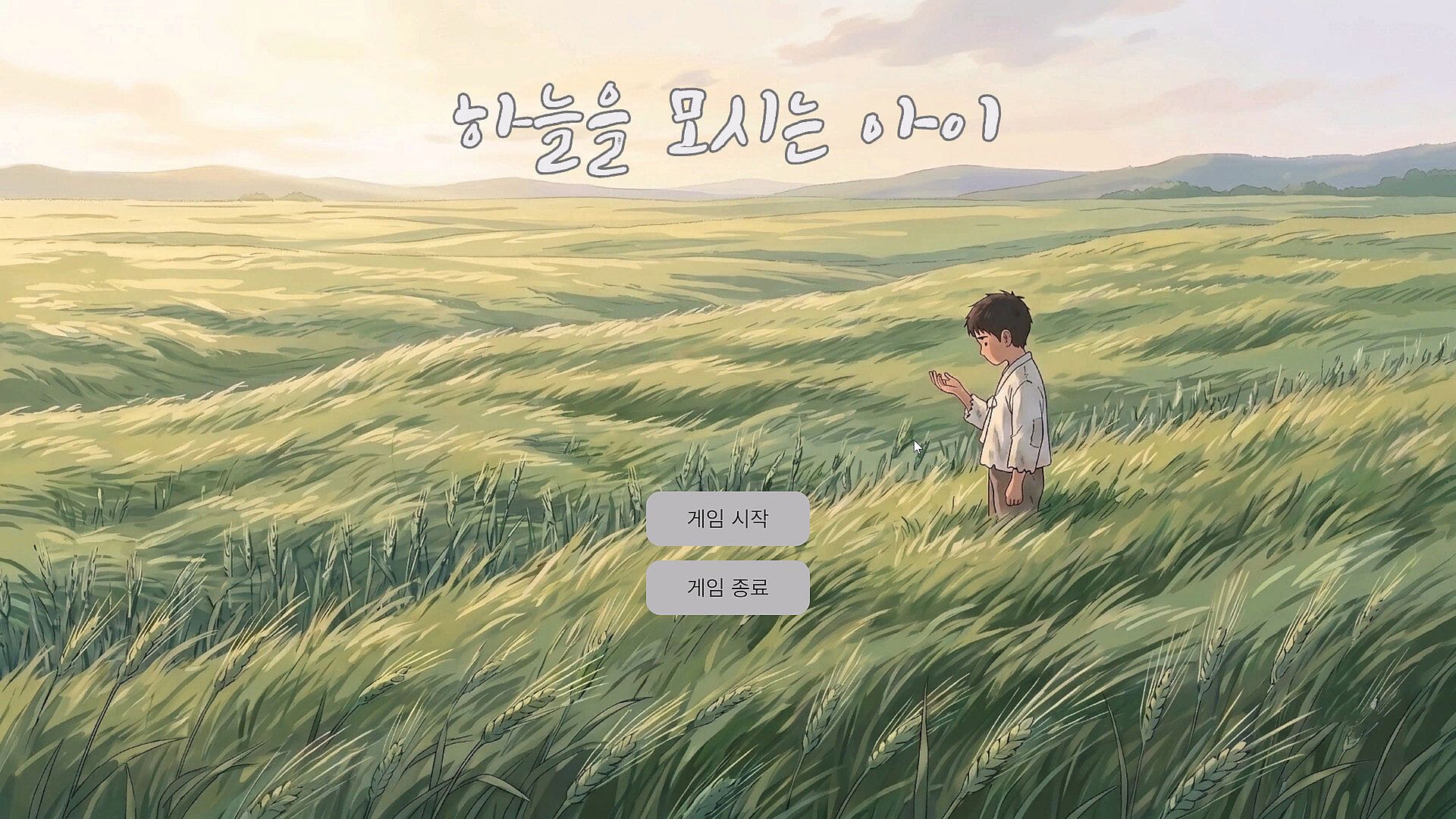
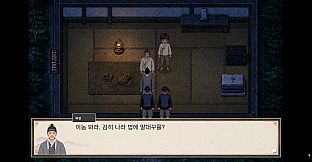
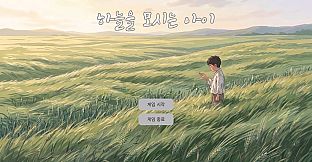
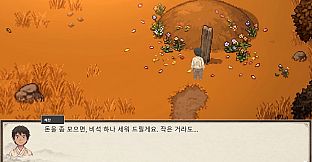

The Child Who Serves the Hanul is a single-player indie RPG adventure set in a fictionalized version of late 19th-century Joseon Korea. Players follow the short journey of twelve-year-old Haechan, a stable boy who becomes involved with the Donghak movement through an unexpected encounter. The experience lasts between thirty and fifty minutes and centers on dialogue choices, illustrated scenes, and occasional live-action footage filmed on location.
Gameplay
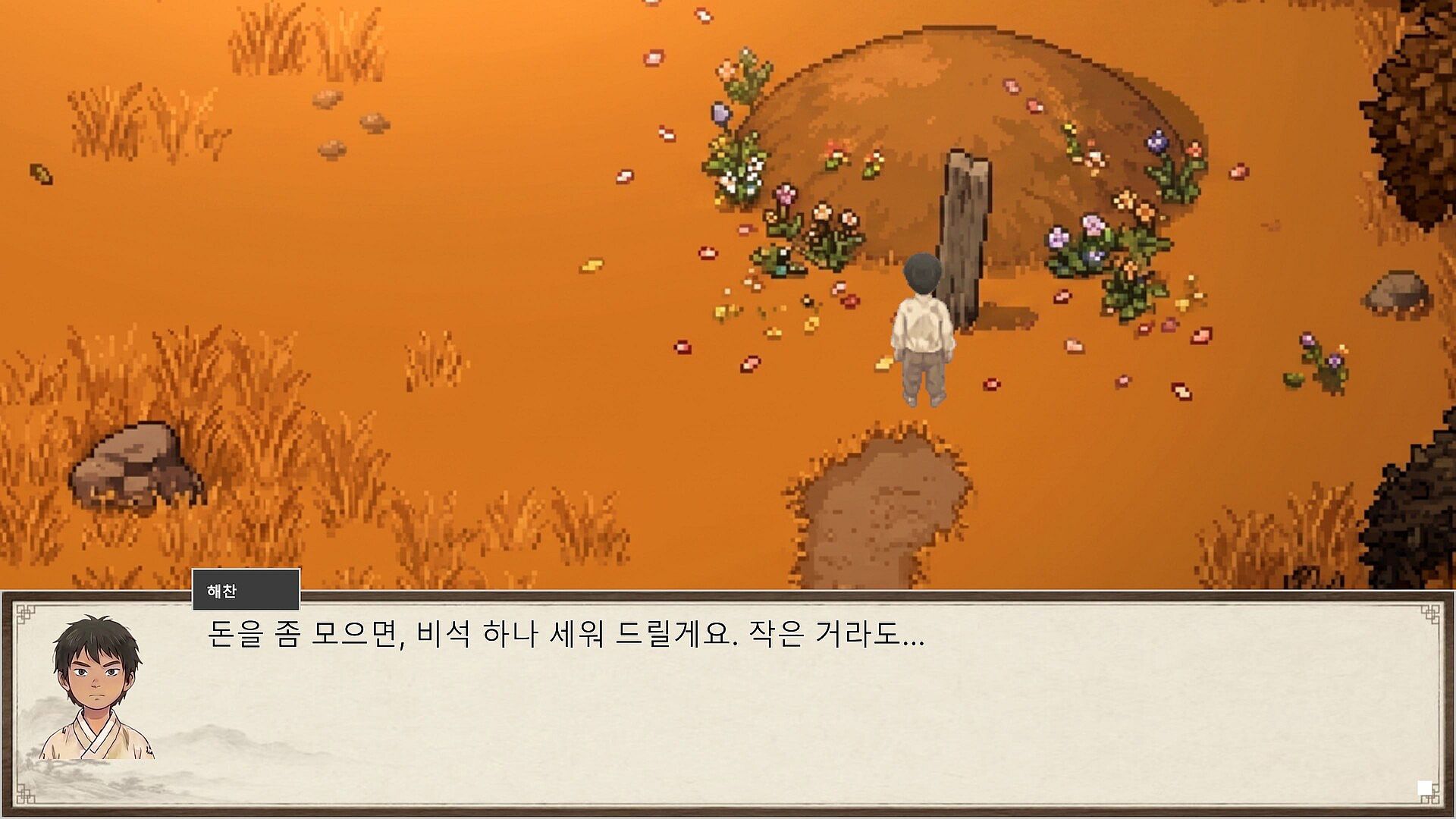
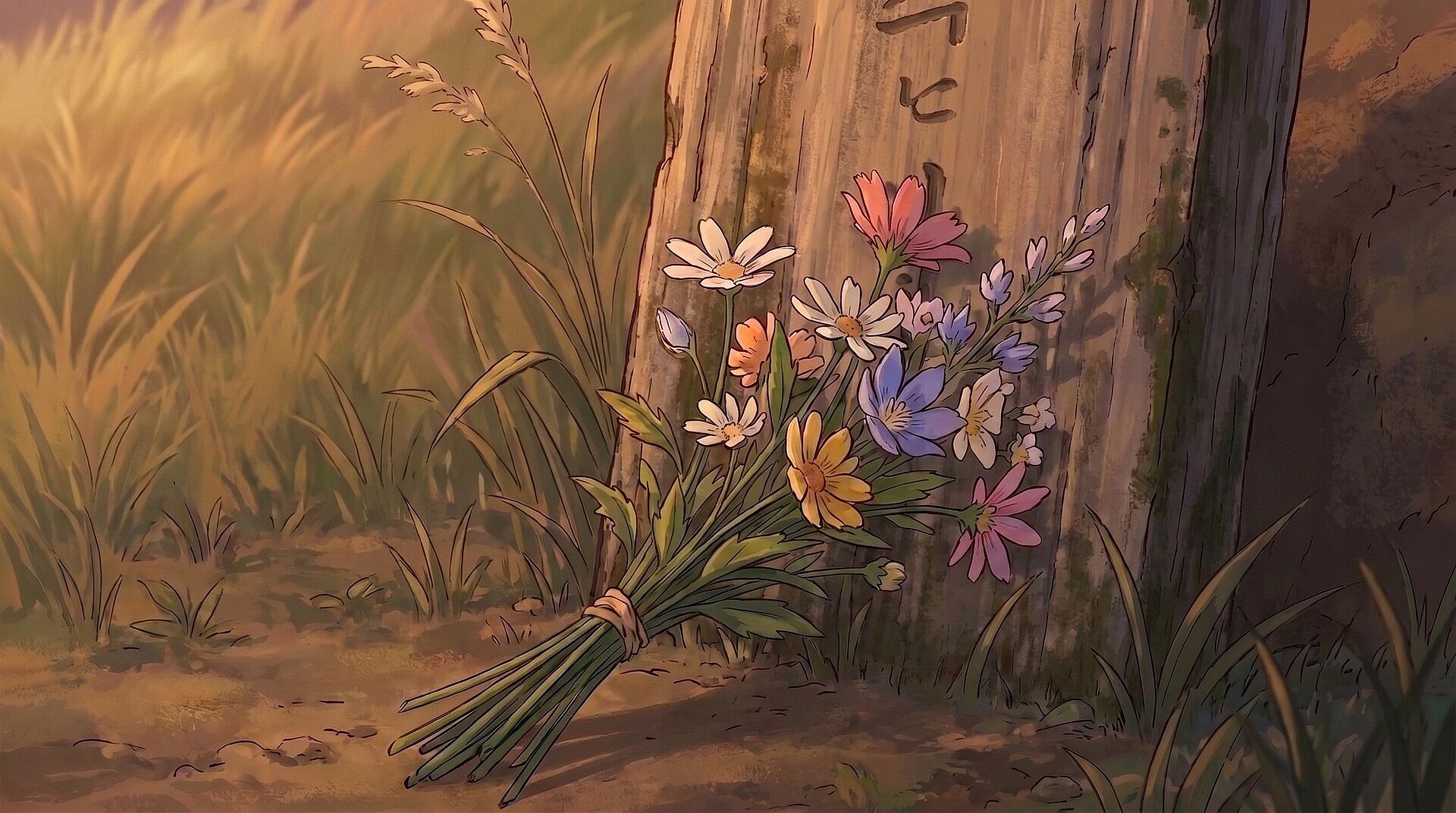
The core loop revolves around advancing a linear narrative through conversations and simple interactions. Haechan carries secret letters across the countryside, meets villagers, and listens to teachings from a fugitive elder revealed as Choe Si-hyeong. Progress occurs by selecting dialogue options that influence the boy's internal conflict between personal survival and aiding others. Illustrations depict most scenes, while select moments use live-action sequences to ground the story in real Korean settings. The short length keeps the focus tight on character moments and the central idea of Innaecheon, or "people are heaven," without branching paths or extended exploration.
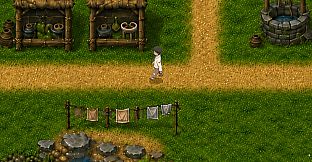
Mechanics stay minimal to serve the story. Movement between locations is straightforward, and the emphasis remains on reading dialogue and making occasional decisions that shape Haechan's perspective. No combat, inventory management, or complex systems appear; the RPG elements come from the narrative progression and the boy's gradual exposure to the movement's philosophy. The game runs on PC with standard system requirements and includes Steam achievements for completion milestones.
Game Modes
The title offers only a single-player story mode. There are no multiplayer options, co-op features, or alternate game modes such as survival, puzzle, or endless play. The entire experience unfolds in one continuous linear sequence designed to be completed in a single sitting. Players advance through the same sequence of events each time, with dialogue choices providing the only variation in how the narrative feels on a personal level.
Story and Setting
The background places the action in the 1890s during the final years of the Joseon dynasty. Haechan has already lost his mother to illness and his father to unpaid taxes, leaving him to work at a relay station near Wonju. A chance meeting with an old man wanted for a thousand-nyang bounty draws the boy into carrying messages for the Donghak movement. As the letters take him farther from home, he hears repeated lessons about human dignity and faces repeated moments where he must weigh his own safety against helping strangers. The game explicitly notes that it is a work of fiction inspired by historical figures and events, with many details altered or invented for dramatic effect.
Is It Worth Playing?
Players interested in short, focused narrative adventures set against a historical backdrop may find value in the title's concise presentation. The blend of illustrated cutscenes and live-action footage creates a distinctive visual style that highlights key locations without requiring long play sessions. Because the game remains unreleased with a planned launch on December 31, 2026, no player reception data or post-launch updates exist yet. Those who enjoy linear story experiences centered on moral choices and cultural themes will see the most direct appeal, while anyone seeking deeper mechanics, multiple endings, or extended content should look elsewhere. The single-player format and brief runtime make it a low-commitment option once available.











