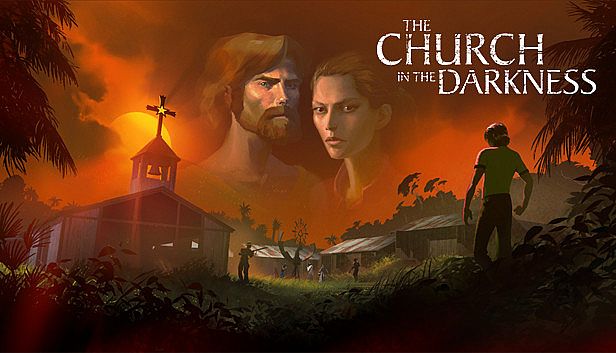










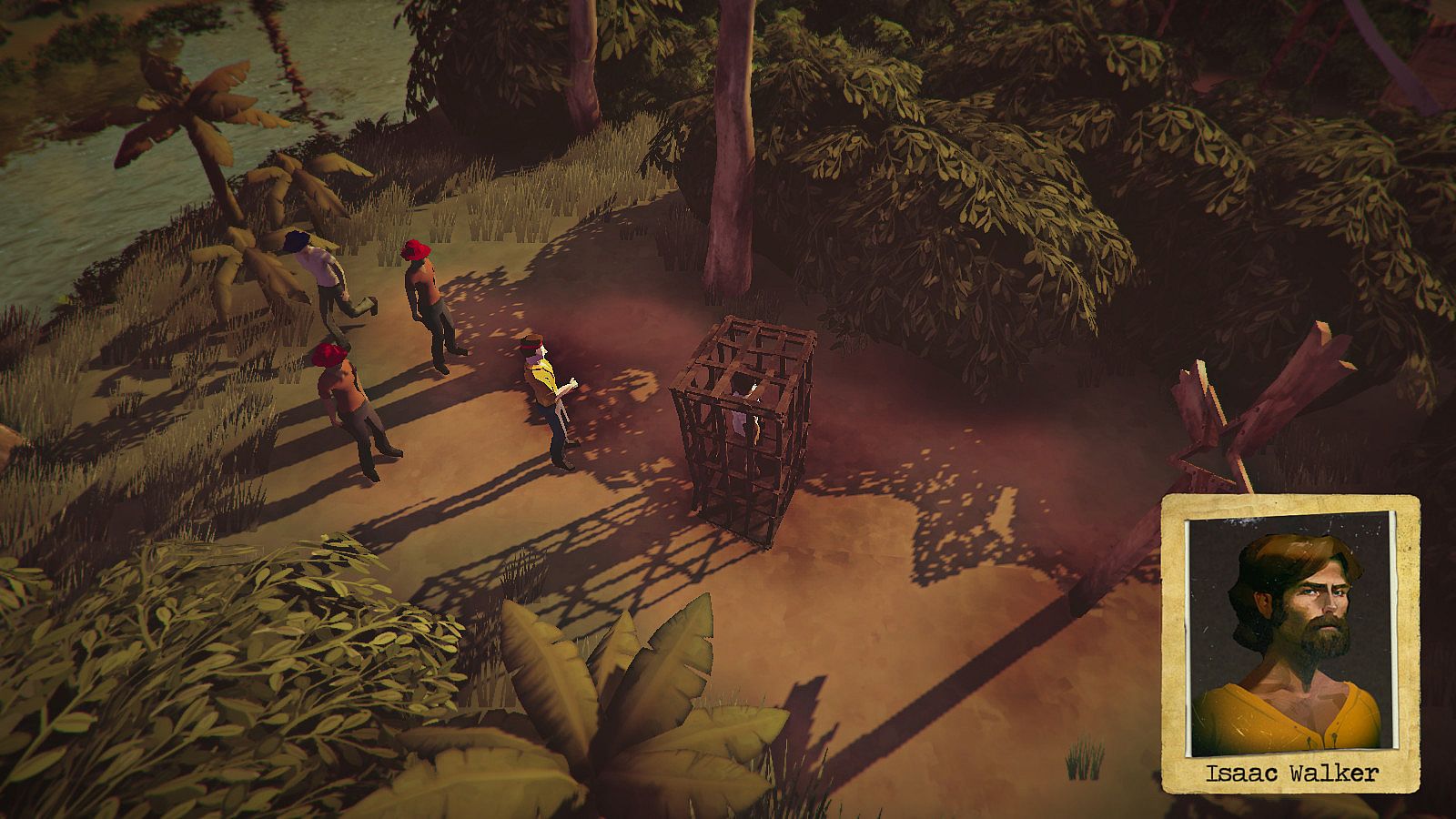
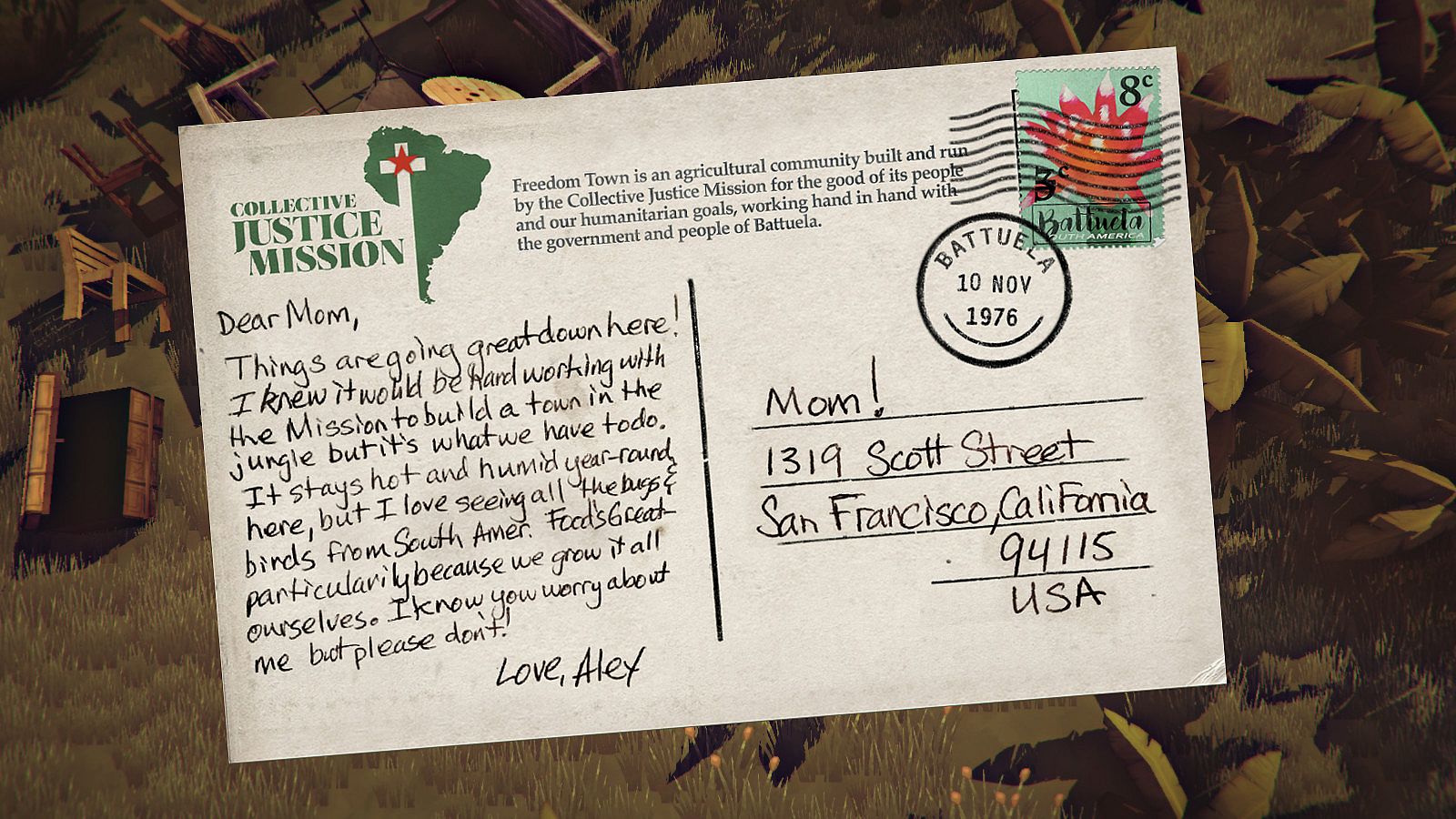
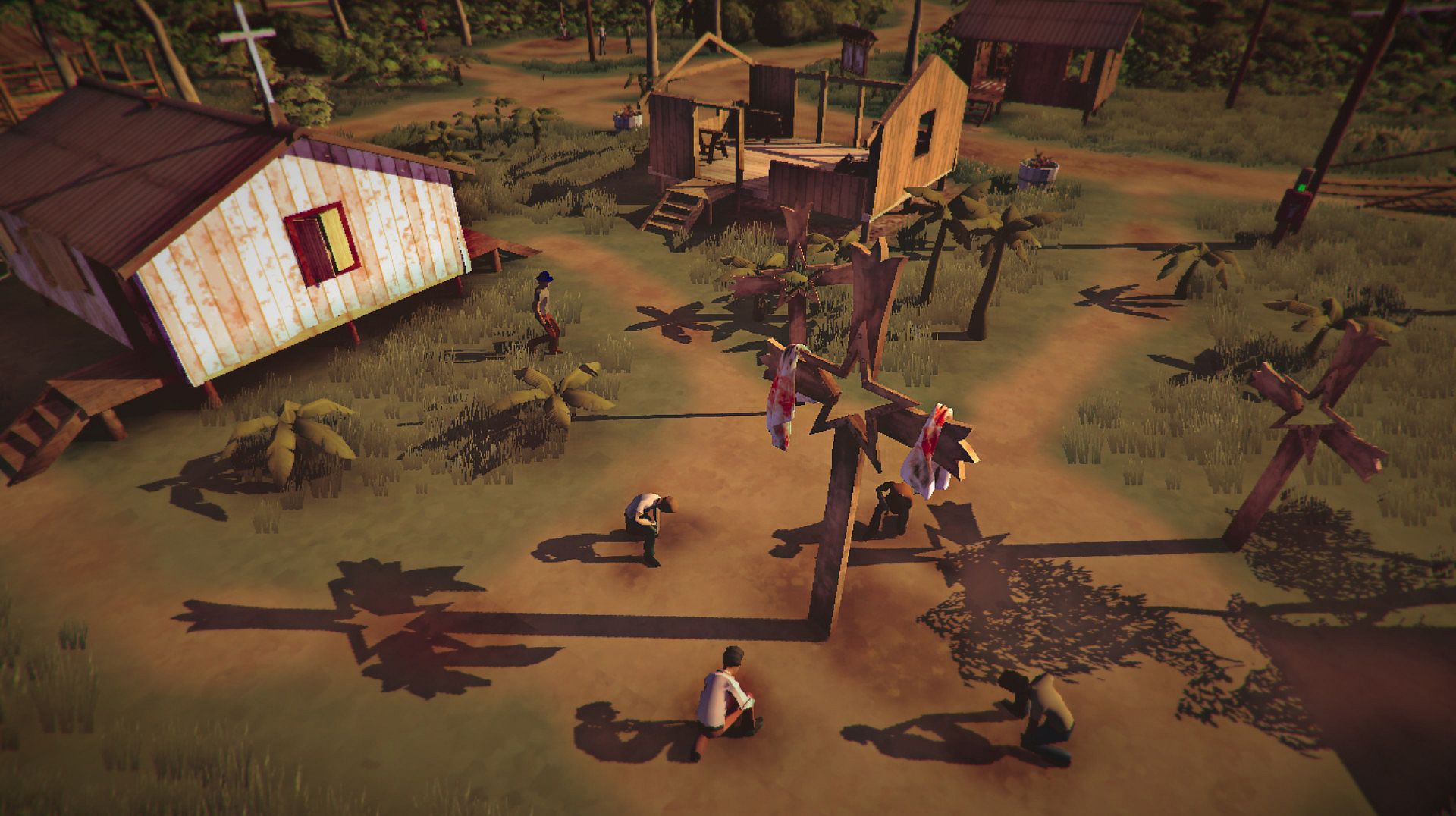

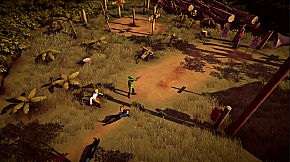
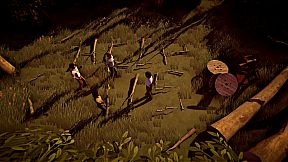

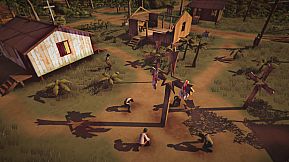
The Church in the Darkness is a single-player action stealth adventure game set in the late 1970s. Players take on the role of Vic, an ex-law enforcement officer who infiltrates the isolated commune of Freedom Town in the South American jungle to locate a nephew named Alex. The experience centers on exploration, investigation, and decision-making within a cult environment led by Isaac and Rebecca Walker.
Gameplay
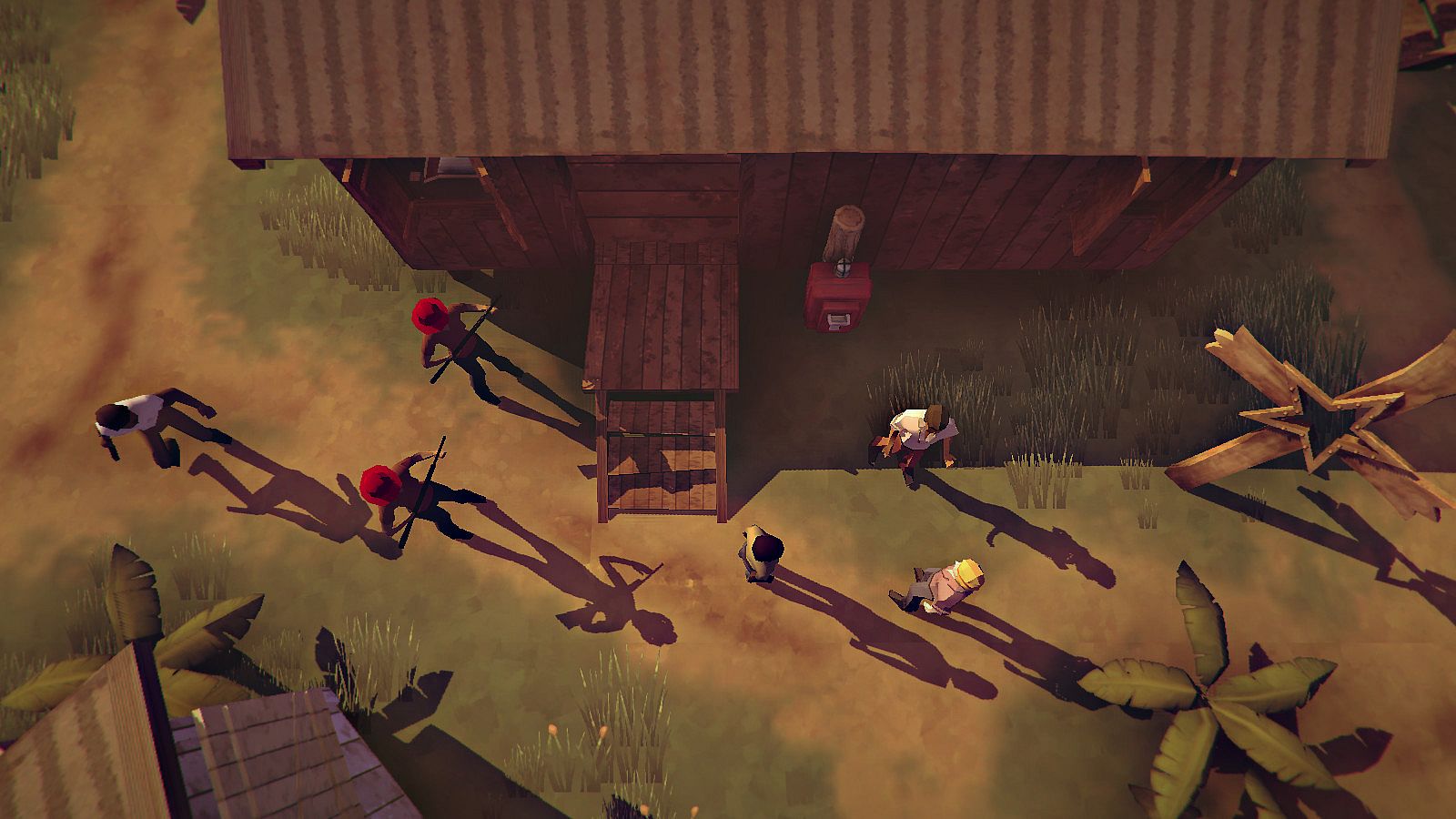
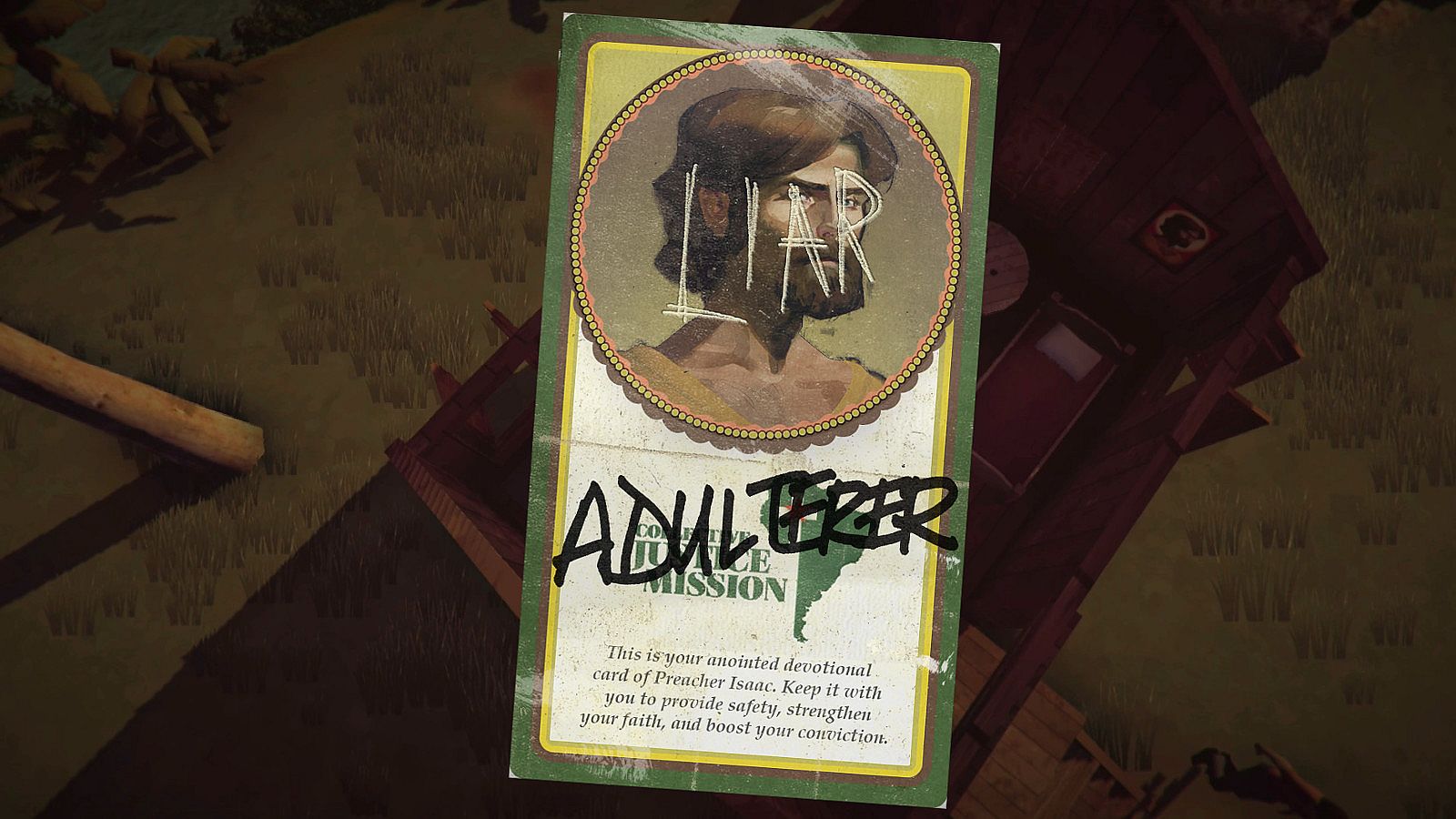
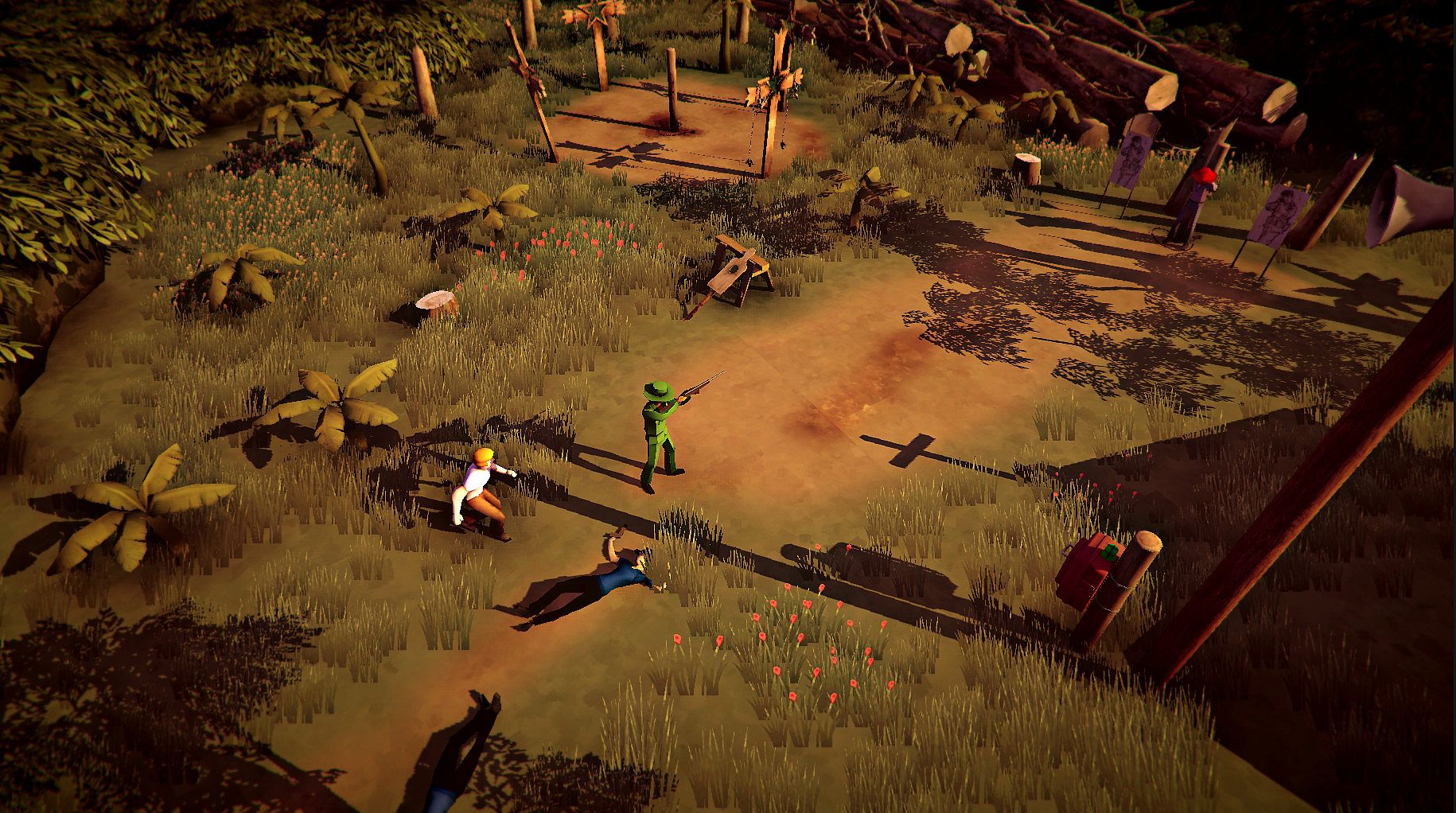
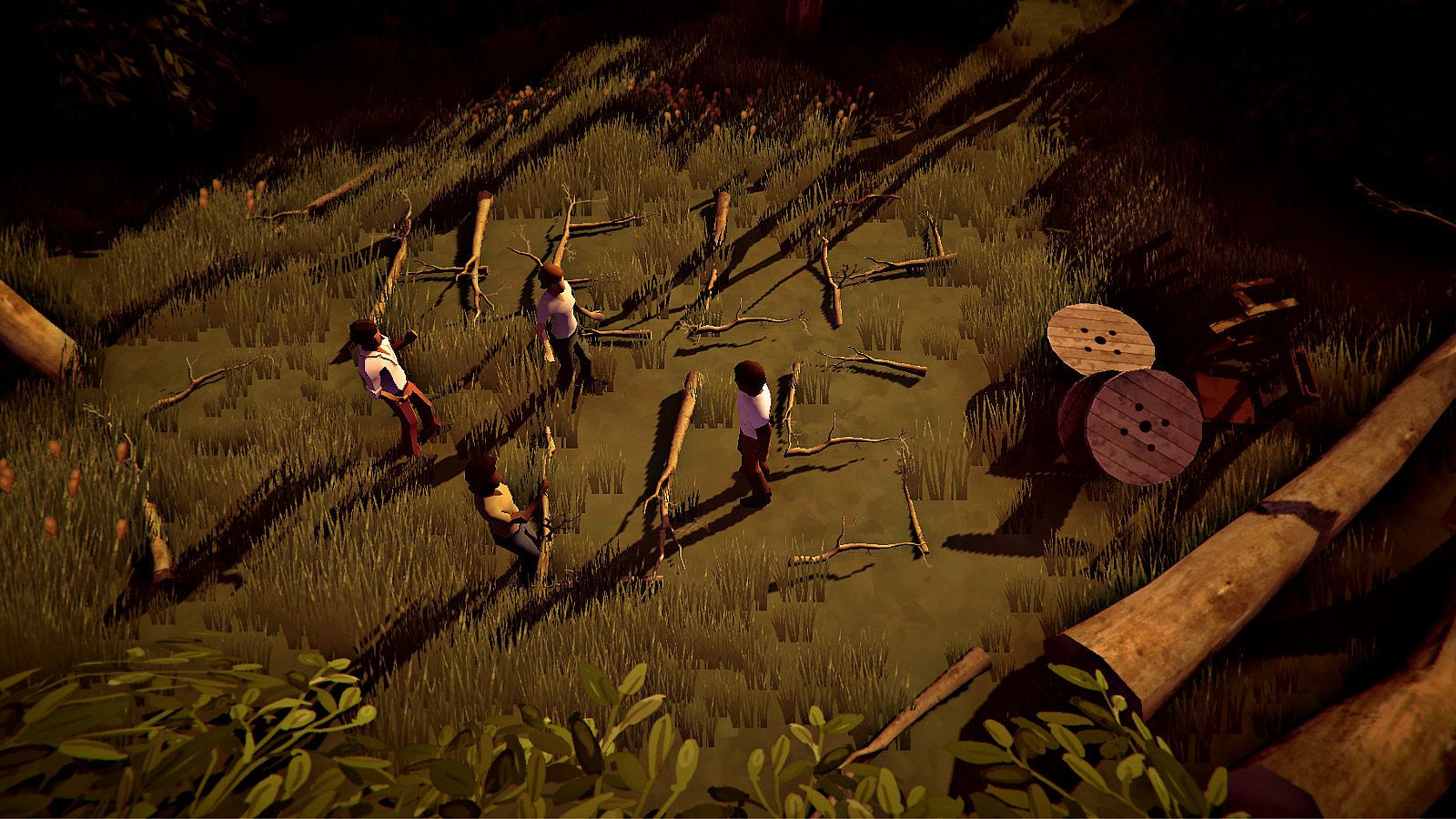
The core loop involves moving through the commune in an isometric view while avoiding or confronting residents. Players gather clues by searching cabins for documents and letters that reveal details about the leaders and the community. Interactions with residents provide additional information that influences the unfolding events. Tools such as rocks for distraction, disguises to reduce detection risk, and both non-lethal and lethal options allow different approaches to progression. Vision cones appear on easier difficulty settings to indicate enemy sight lines, while higher difficulties remove these aids, increase enemy numbers, and raise damage output. Death ends the current attempt, encouraging careful planning or repeated runs to test alternatives.
The layout and resident behaviors shift between attempts due to procedural elements that alter starting positions, available items, and the specific personalities of the cult leaders. These personalities fall into peaceful or destructive categories, creating four base combinations that affect dialogue, guard presence, and available outcomes. Players can complete runs in roughly one to several hours depending on exploration depth and chosen methods.
Game Modes
The game offers no separate multiplayer or competitive modes and focuses entirely on single-player infiltration runs. Four difficulty settings modify the experience: Interloper provides vision cones and lower enemy damage with reloadable saves, while Infiltrator maintains cones but increases damage. Harder settings disable vision indicators, add more armed guards, and heighten lethality. Playstyles within any difficulty include full stealth with non-lethal takedowns, direct combat using collected firearms, or a hybrid approach that combines investigation with selective force. Each run generates a unique scenario through leader personalities and scattered evidence, leading to one of nineteen possible endings based on choices made during the infiltration.
Narrative and Setting
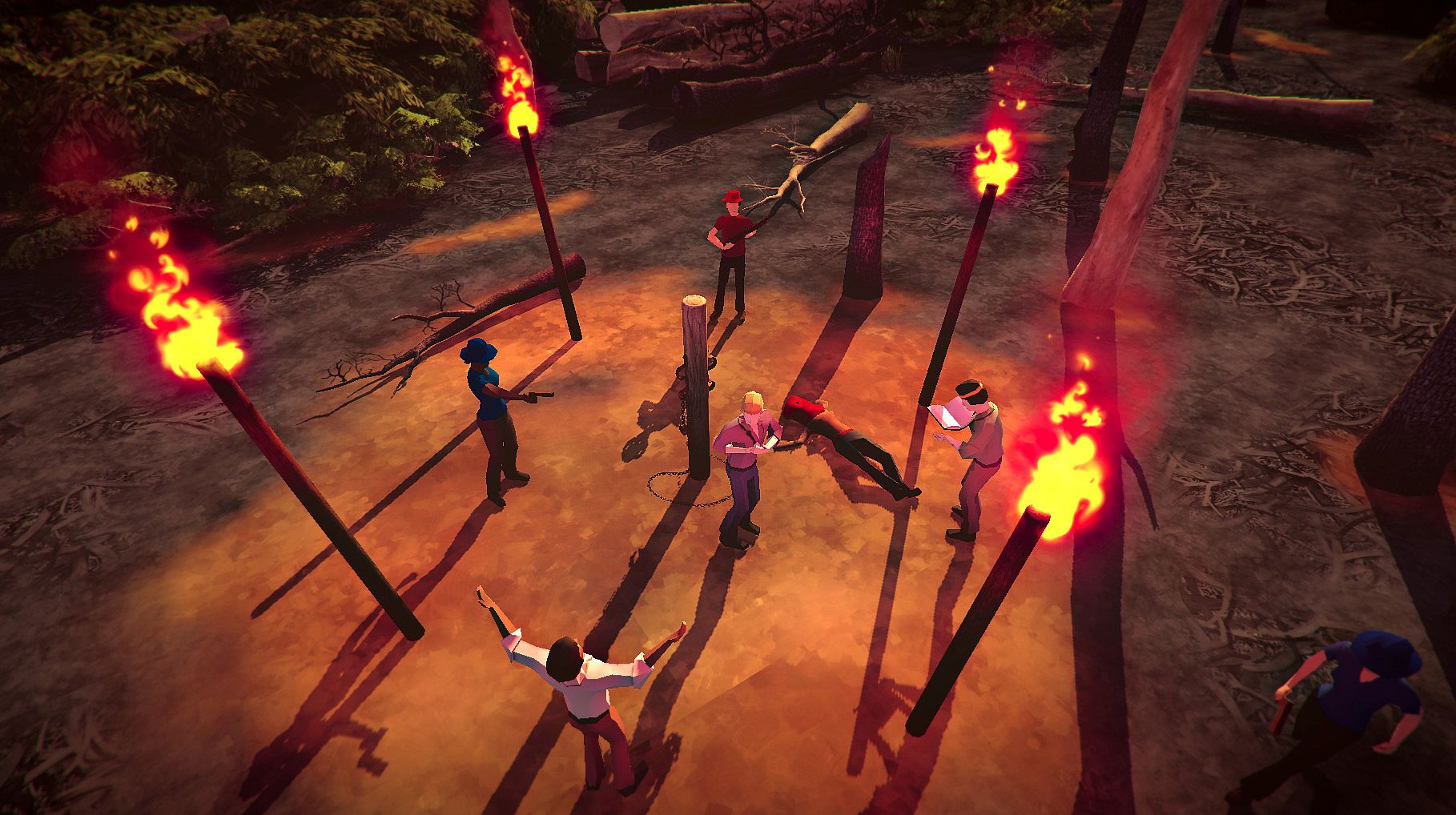
The story draws from the premise of a charismatic couple relocating followers to build a socialist utopia away from government scrutiny. Voice acting delivers the leaders' speeches and interactions, grounding the atmosphere in the period setting. Documents and overheard conversations gradually expose fractures within the community, and player actions determine whether residents cooperate, resist, or remain neutral. The narrative emphasizes moral ambiguity, as outcomes depend on gathered evidence rather than fixed paths.
Is It Worth Playing?
Reception has been mixed, with praise for the concept of shifting leader personalities and the range of endings that reward multiple attempts. Critics and players note strong voice performances and an uncommon focus on cult dynamics, yet many highlight repetitive stealth mechanics, inconsistent AI behavior, and limited variety in moment-to-moment actions after the first few runs. The game suits those who enjoy short, replayable stealth experiences centered on investigation and consequence rather than action spectacle. It remains available as a complete title without ongoing seasonal content or updates beyond minor post-launch features such as a notes tracker. Players seeking narrative-driven infiltration with branching results may find value in its structure, while those preferring deeper mechanical systems or sustained variety could find the loop thin after initial playthroughs.