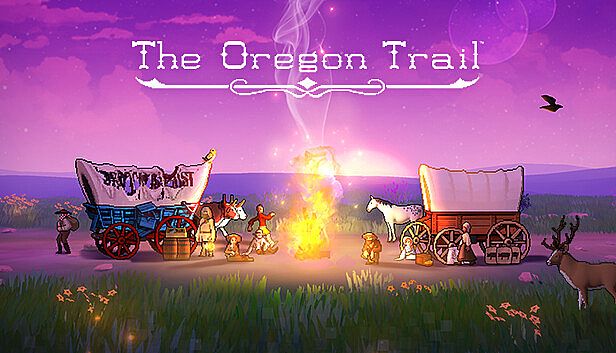













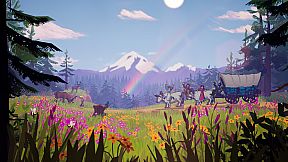
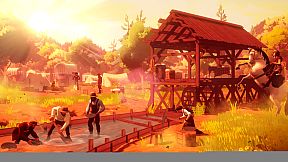
The Oregon Trail ist ein Strategiesimulations-Adventure für den PC, das Ressourcenmanagement, Entscheidungsfindung und Erkundung des Trails in einem Einzelspieler-Erlebnis vereint. Spieler führen eine Gruppe Siedler über die Grenze und müssen dabei das Überleben gegen die Gefahren der Reise abwägen - mit Entscheidungen, die das Schicksal der gesamten Gruppe bestimmen.
Gameplay
Im Mittelpunkt steht die Zusammenstellung und laufende Betreuung der Gruppe. Spieler wählen Mitglieder aus verschiedenen Klassen aus, geben ihnen Namen und profitieren von individuellen Startvorräten, Fähigkeiten und Eigenschaften, die den Verlauf von Ereignissen beeinflussen. Häufige Zufallsbegegnungen erfordern Entscheidungen, bei denen die jeweiligen Fertigkeiten der Charaktere über Erfolg oder Misserfolg entscheiden.
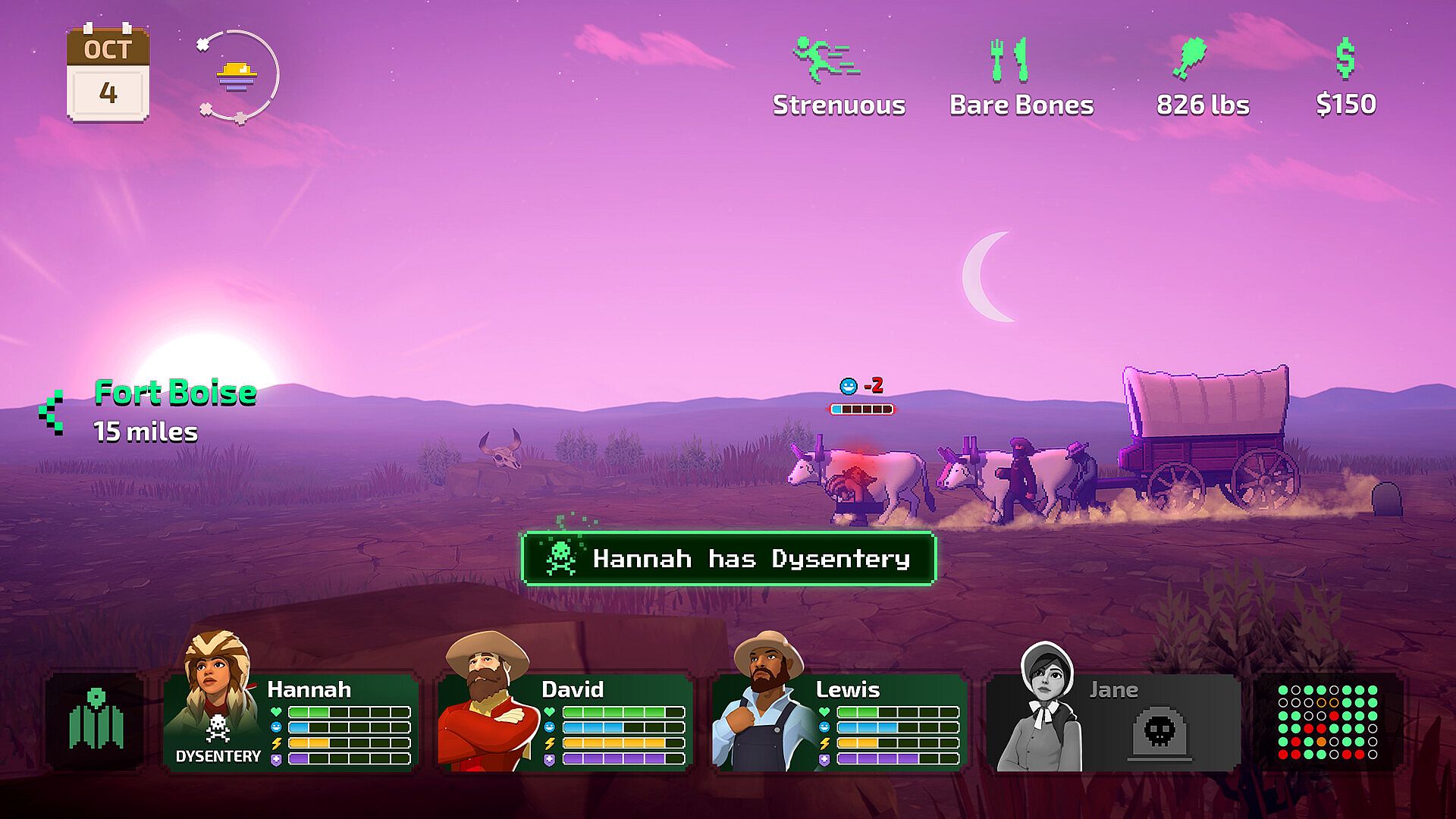
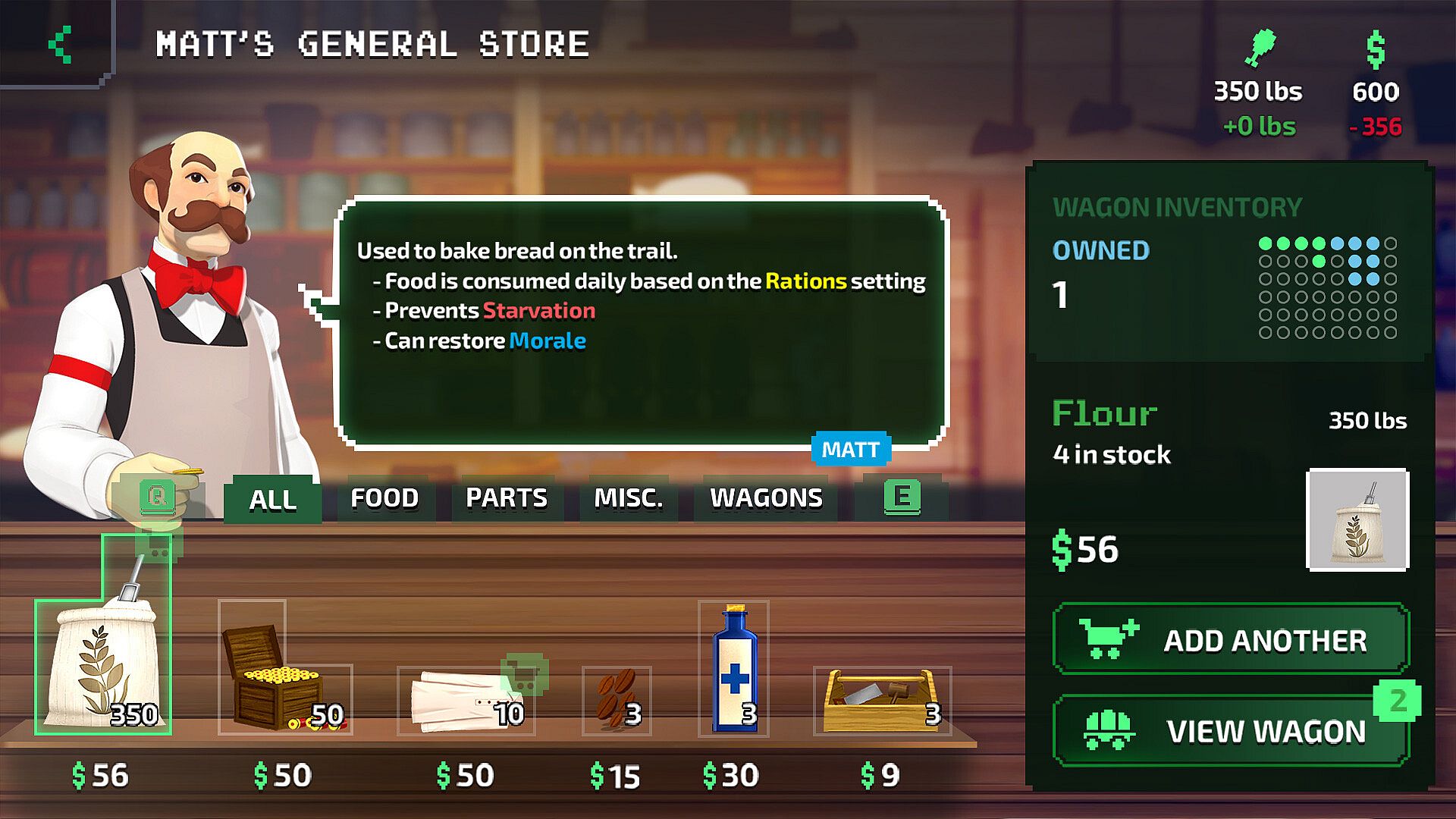
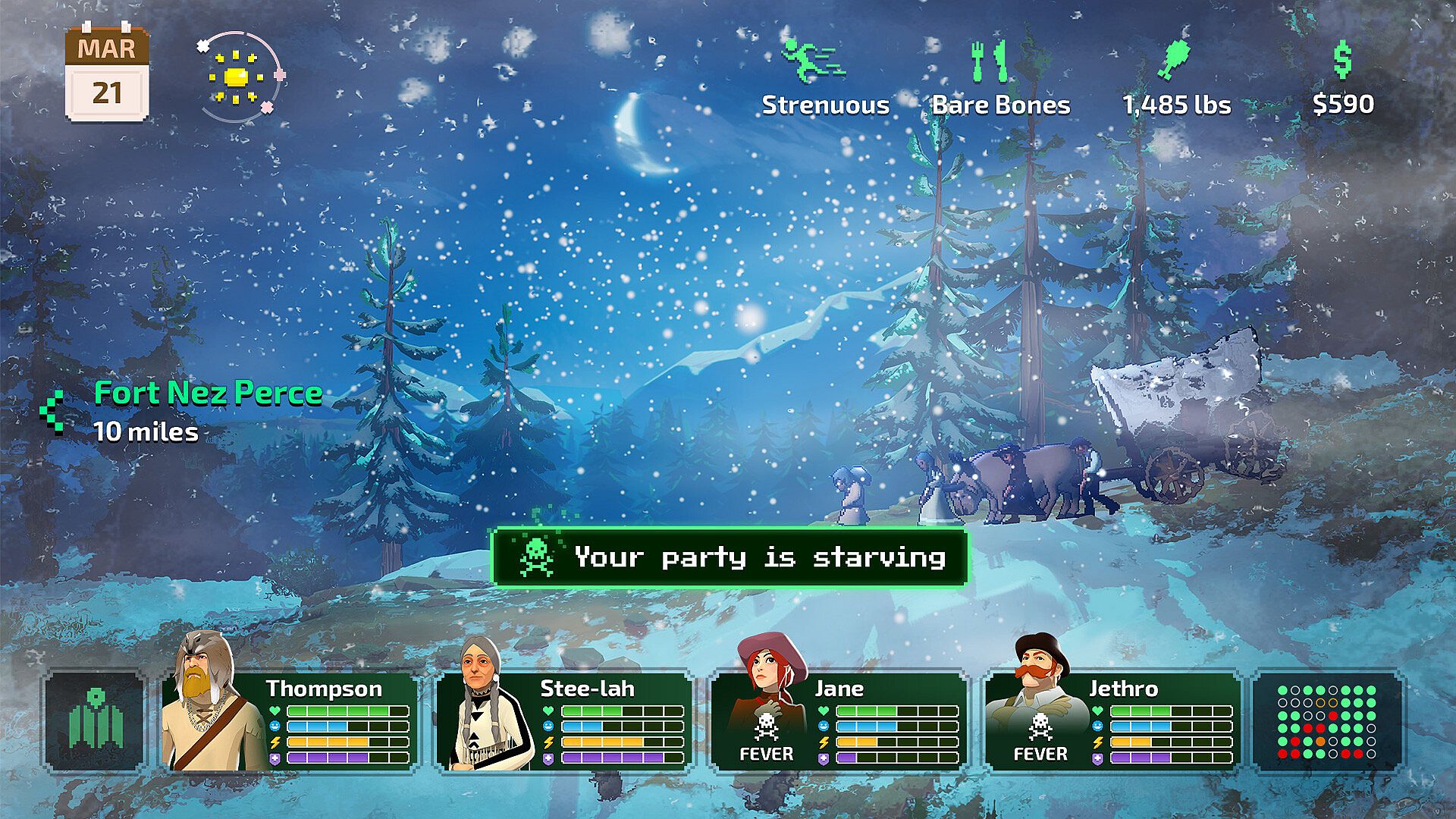
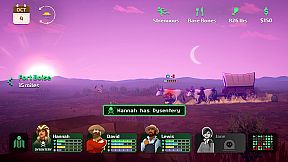
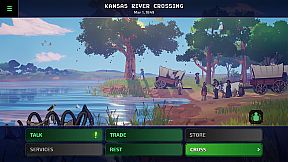
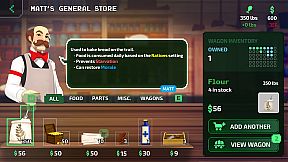
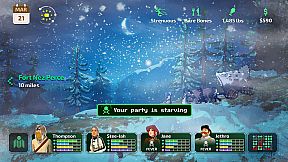
Die Verwaltung der Vorräte bildet einen zentralen Spielzyklus. Das Inventar muss im begrenzten Platz des Wagens sorgfältig organisiert werden, während der Wagen selbst regelmäßige Wartung braucht, um Pannen und damit verbundene Verluste zu vermeiden. Gesundheit, Moral, Ausdauer und Hygiene der Gruppenmitglieder erfordern ständige Aufmerksamkeit - Vernachlässigung führt zu Krankheiten, Verletzungen oder Schlimmerem. Auch die Versorgung der Ochsen und die Nahrungsvorräte verlangen vorausschauende Planung während der Reiseabschnitte.
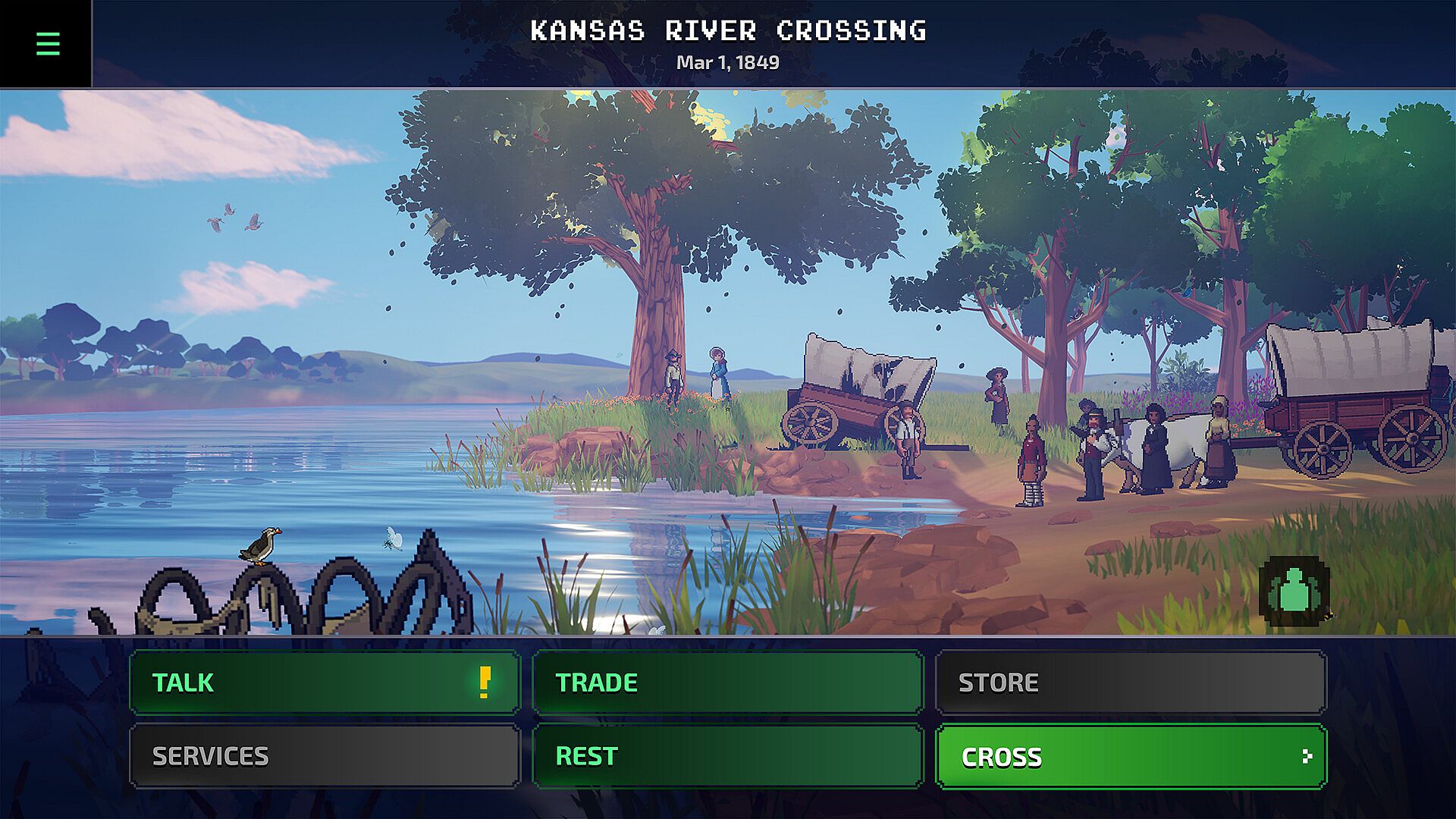
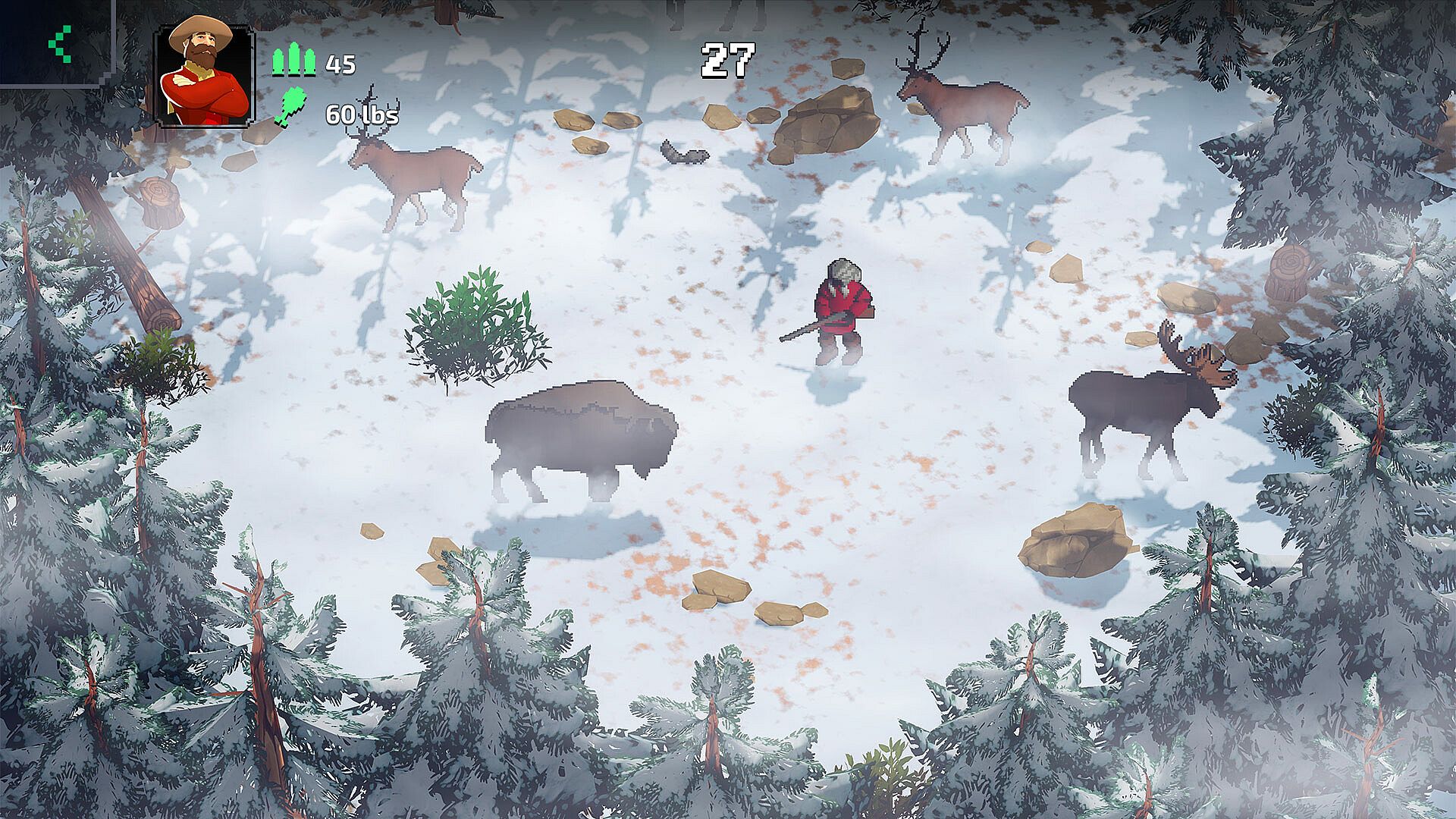
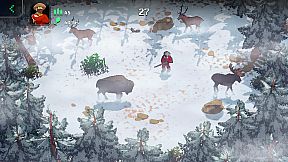
Bekannte Gefahren kehren in überarbeiteter Form zurück: Flussüberquerungen, Tierbegegnungen und Krankheiten, die Vorbereitung und schnelles Handeln auf die Probe stellen. Die Jagd ermöglicht es, Nahrungsvorräte durch zeitgesteuerte Interaktionen aufzufüllen, und eine Angelaktivität bietet die Möglichkeit, Dutzende Arten zu fangen und zusätzliche Ressourcen zu sichern.
Ein interaktives Tagebuch dokumentiert Entdeckungen zu historischen Persönlichkeiten, Orten und Tierwelt und liefert Kontext, ohne den Spielfluss zu unterbrechen. Erfolge belohnen die gründliche Erkundung dieser Systeme und wiederholte Durchläufe.
Spielmodi
Das Spiel bietet 15 unterschiedliche Reisen, die sich in Länge, Schwierigkeit und erzählerischem Fokus unterscheiden. Jede Reise stellt eine eigenständige Fahrt nach Oregon mit eigenen Herausforderungen und Startbedingungen dar.
Sieben Quests greifen dokumentierte historische Ereignisse auf und lassen sich als optionale Ziele in die Reisen integrieren. Ihr Abschluss erweitert das Spiel um spezialisierte Geschichten und schaltet zusätzliche Optionen für weitere Durchläufe frei, darunter neue Charakterklassen oder Ausrüstungsgegenstände.
Dieselbe Reise kann mit unterschiedlichen Gruppen mehrfach unternommen werden, um verschiedene Ereignisverläufe und Sammelobjekte zu entdecken. Nebenaktivitäten wie Tierbeobachtung und Angeln sind in allen Modi verfügbar und belohnen eine gründliche Erkundung der Route.
Grafik, Sound und Repräsentation
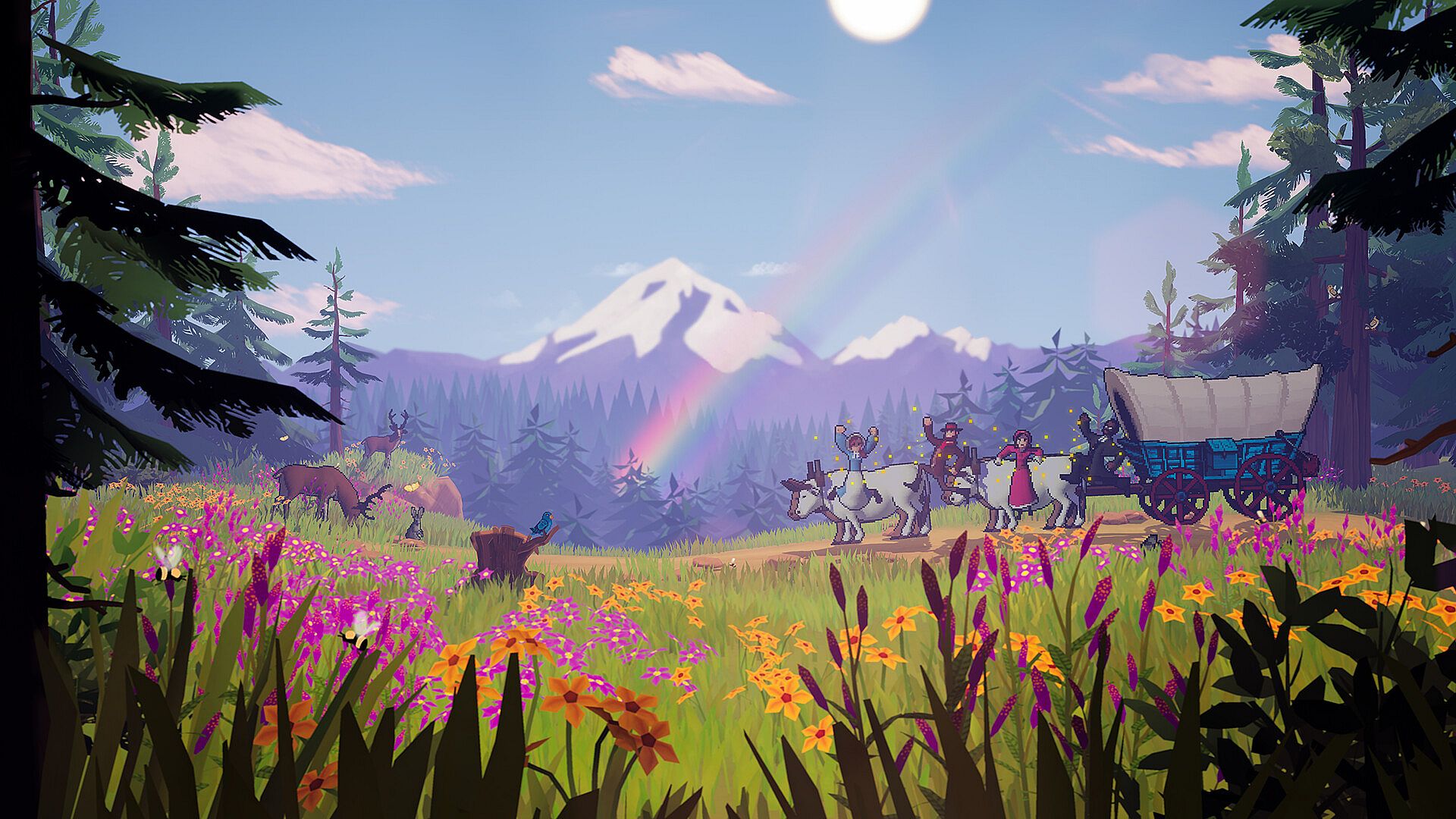
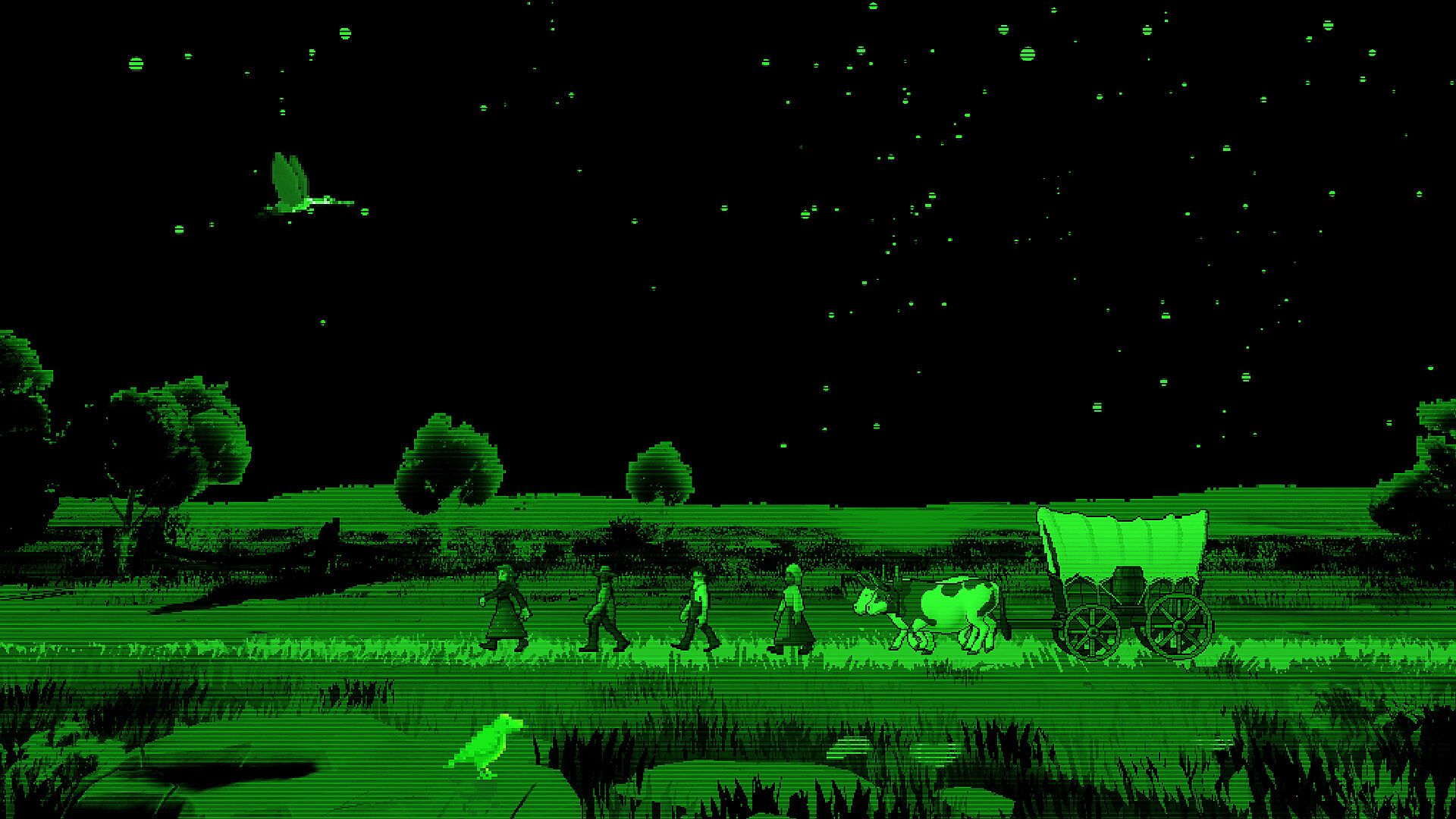
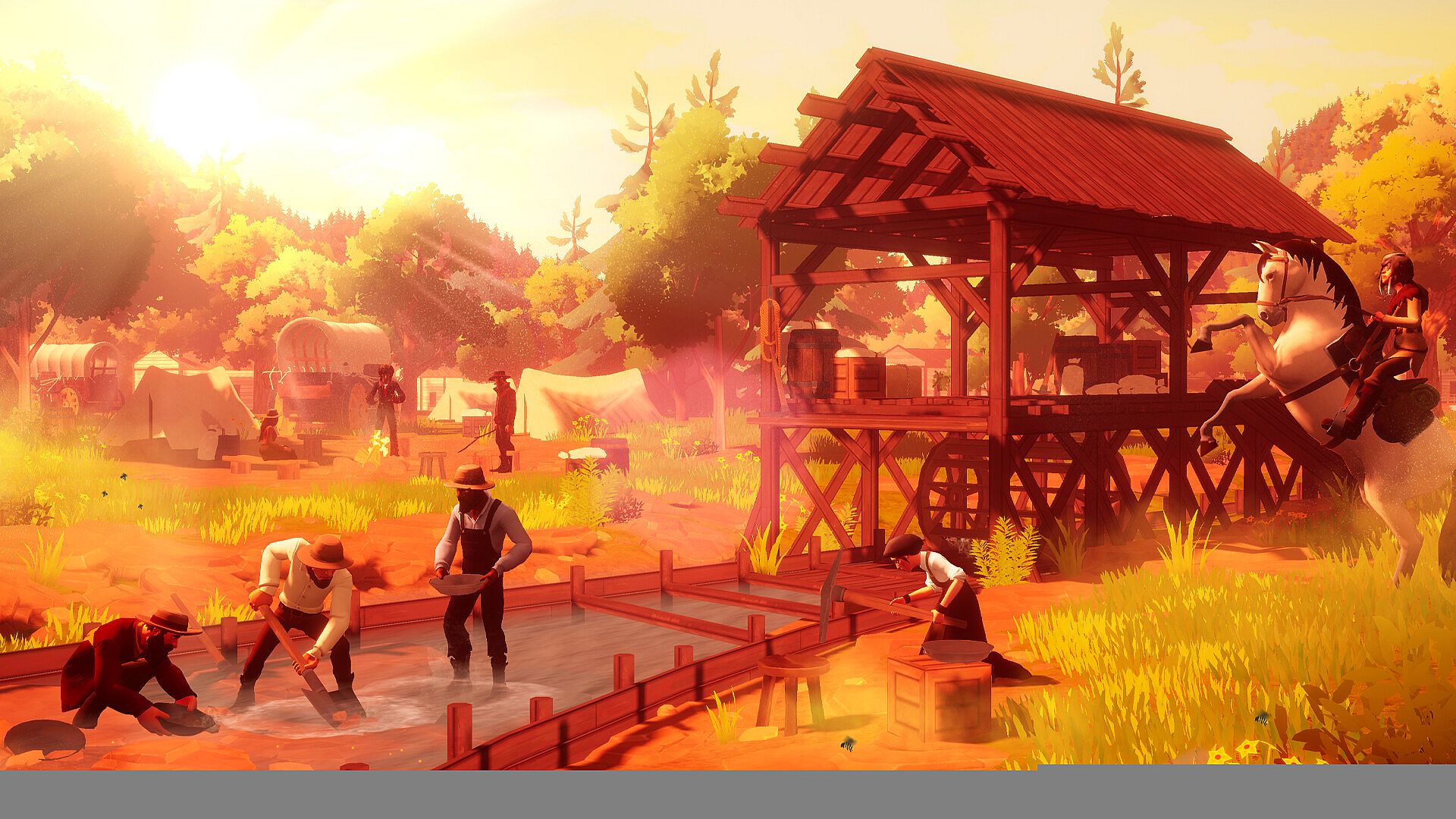
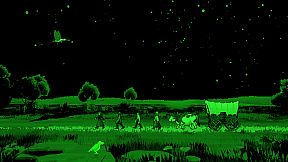
Das visuelle Design kombiniert Pixel-Art für die Charaktere mit detaillierten 3D-Landschaften und moderner Beleuchtung. So entsteht ein Stil, der an das Original erinnert und gleichzeitig für mehr Klarheit bei Umgebungen und Animationen sorgt.
Der Soundtrack besteht aus Originalkompositionen im Alt-Country-Stil und wird durch Retro-Soundeffekte ergänzt. Audio-Signale unterstützen das Management-System, indem sie Veränderungen im Zustand der Gruppe oder der Route anzeigen.
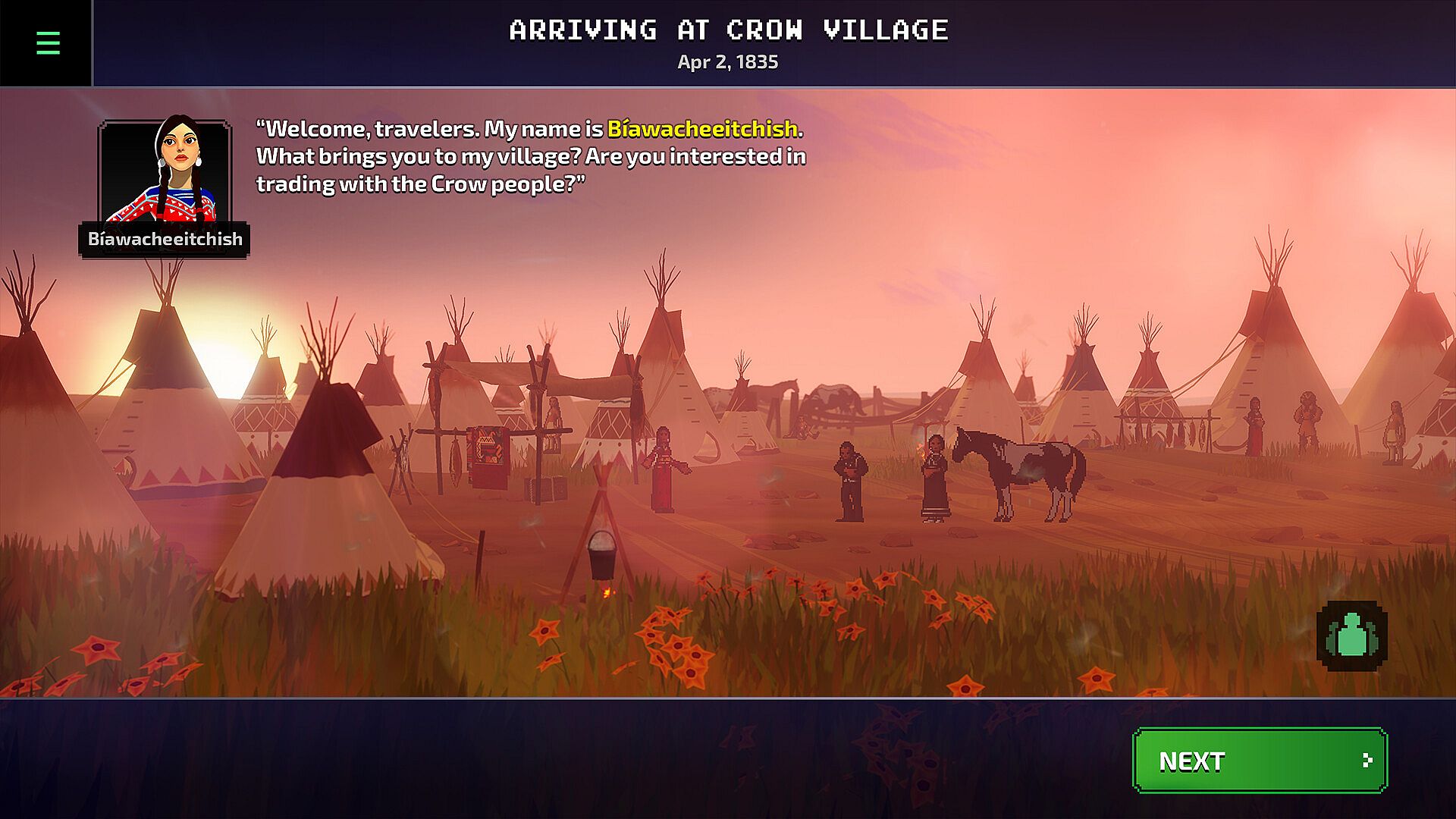
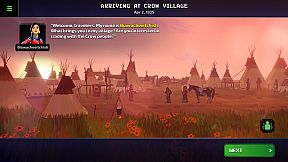
Erstmals in der Serie sind spielbare Native-American-Charaktere verfügbar. Ihre Geschichten wurden auf Basis historischer Recherche und in Zusammenarbeit mit Fachexperten entwickelt und erweitern die Perspektiven bei der Gruppenzusammenstellung und bei Ereignisentscheidungen.
Lohnt sich das Spiel?
Die Nutzerbewertungen auf den großen Plattformen bewegen sich überwiegend im positiven Bereich. Viele Spieler loben die treue Weiterentwicklung der Kernmechaniken sowie neue Systeme wie Angeln und detailliertes Gruppenmanagement. Neuere Rückmeldungen fallen hingegen gemischter aus und beziehen sich häufig auf das Tempo oder bestimmte Schwierigkeitsspitzen.
Das Spiel richtet sich an Spieler, die simulationslastige Erlebnisse mit Fokus auf Planung und Anpassung schätzen. Die Vielzahl an Reisen und Quests bietet Completionisten hohen Wiederspielwert, während das Management-Prinzip Fans ressourcenbasierter Abenteuer anspricht.
Die PC-Version unterstützt Controller-Eingaben für komfortable Sitzungen. Wer sich für historische Trail-Themen oder das Erbe des Originals interessiert, findet hier eine respektvolle Weiterentwicklung, die zentrale Risiken wie Ruhr und Wagenpannen bewahrt, ohne unnötige Zusätze.