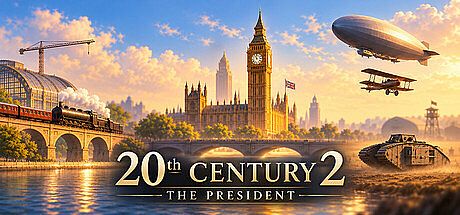


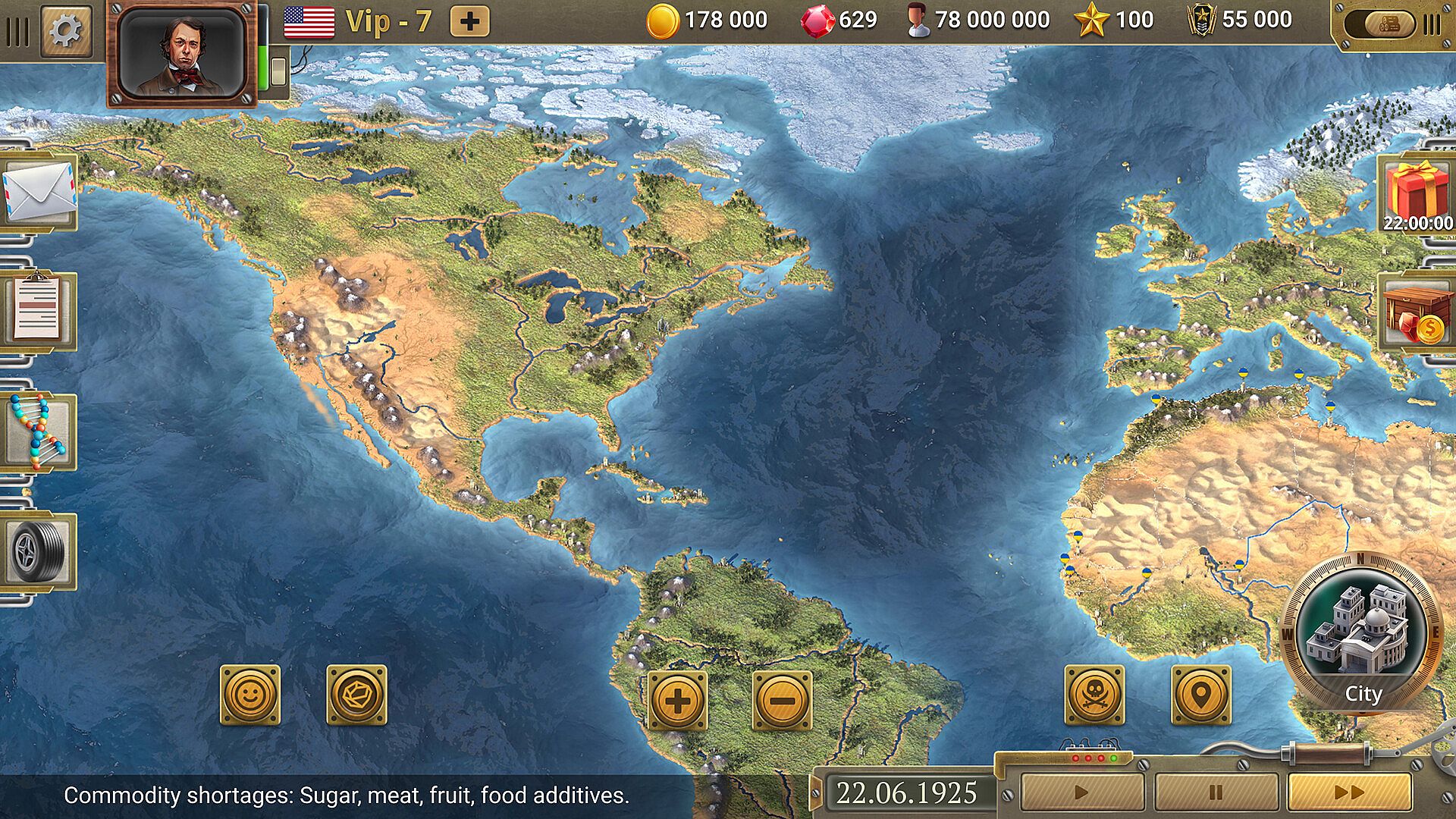
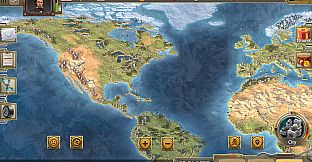
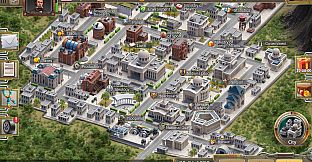
The President: 20th Century 2 is a grand strategy simulation game in which players take control of one of more than 70 nations and guide it toward global influence. The experience centers on economic growth, resource management, military expansion, and diplomatic maneuvering across a detailed world map. Available on PC through Google Play Games as well as mobile platforms, the title blends simulation depth with strategic decision making in a single player format.
Gameplay
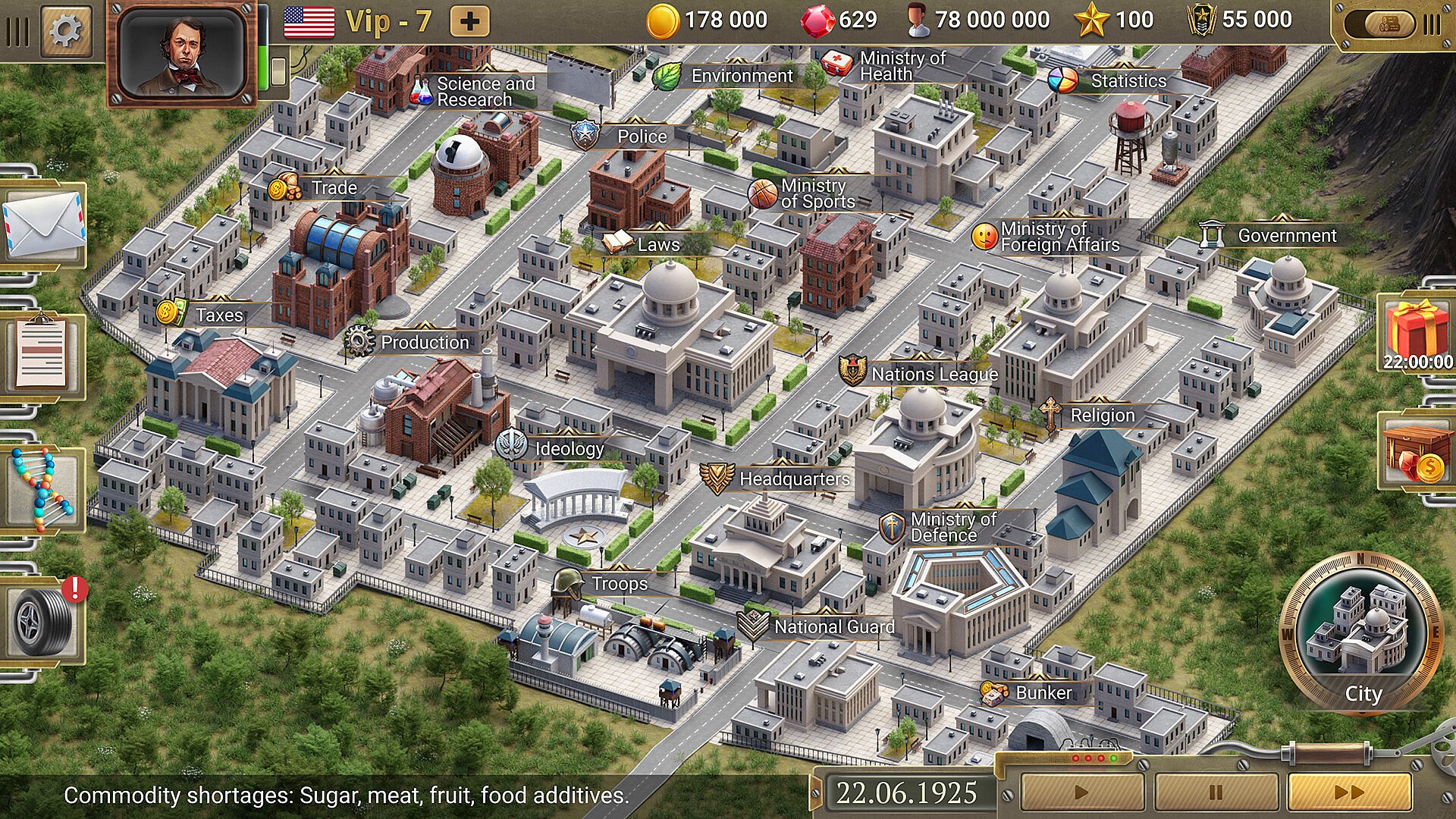
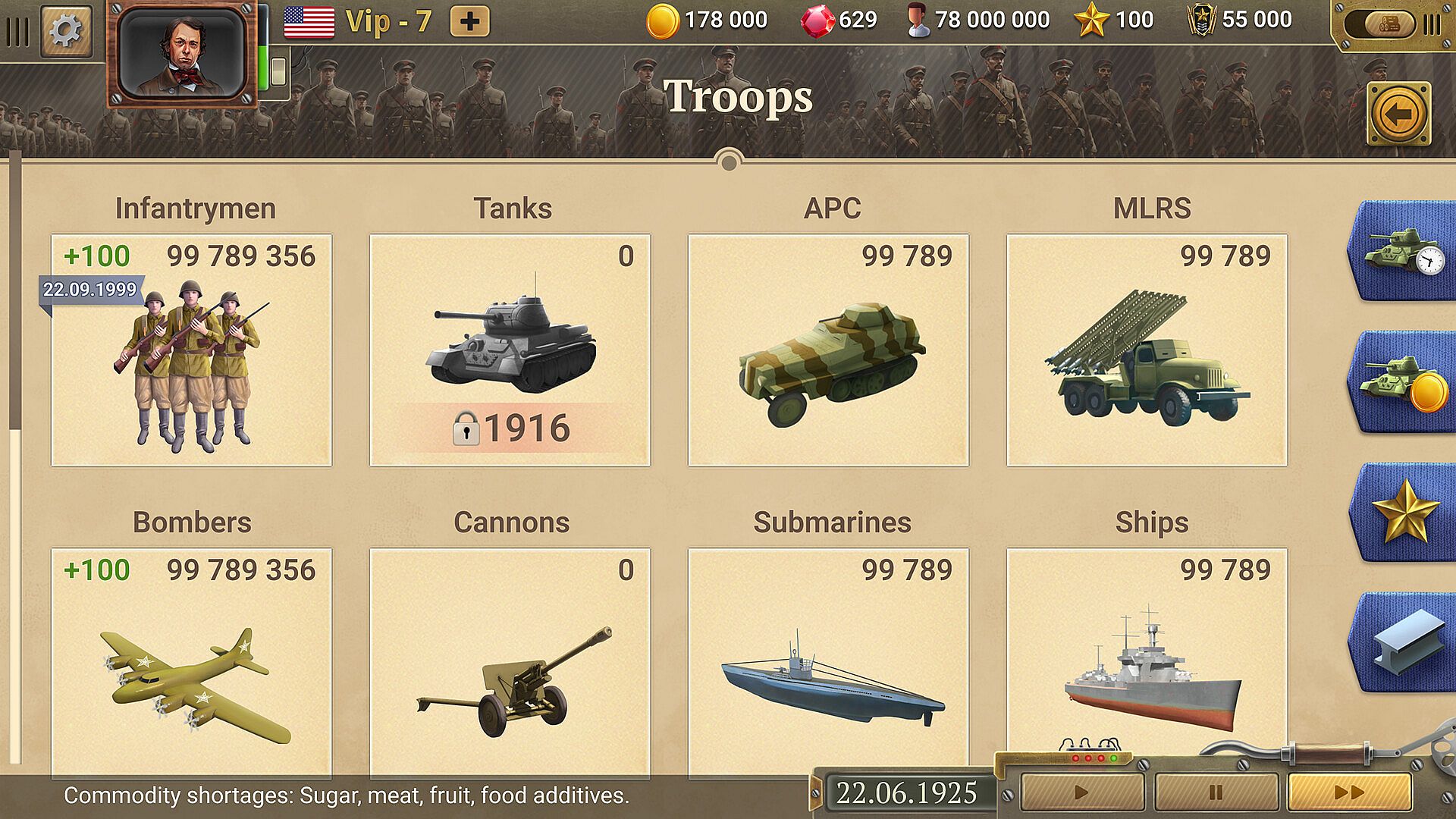
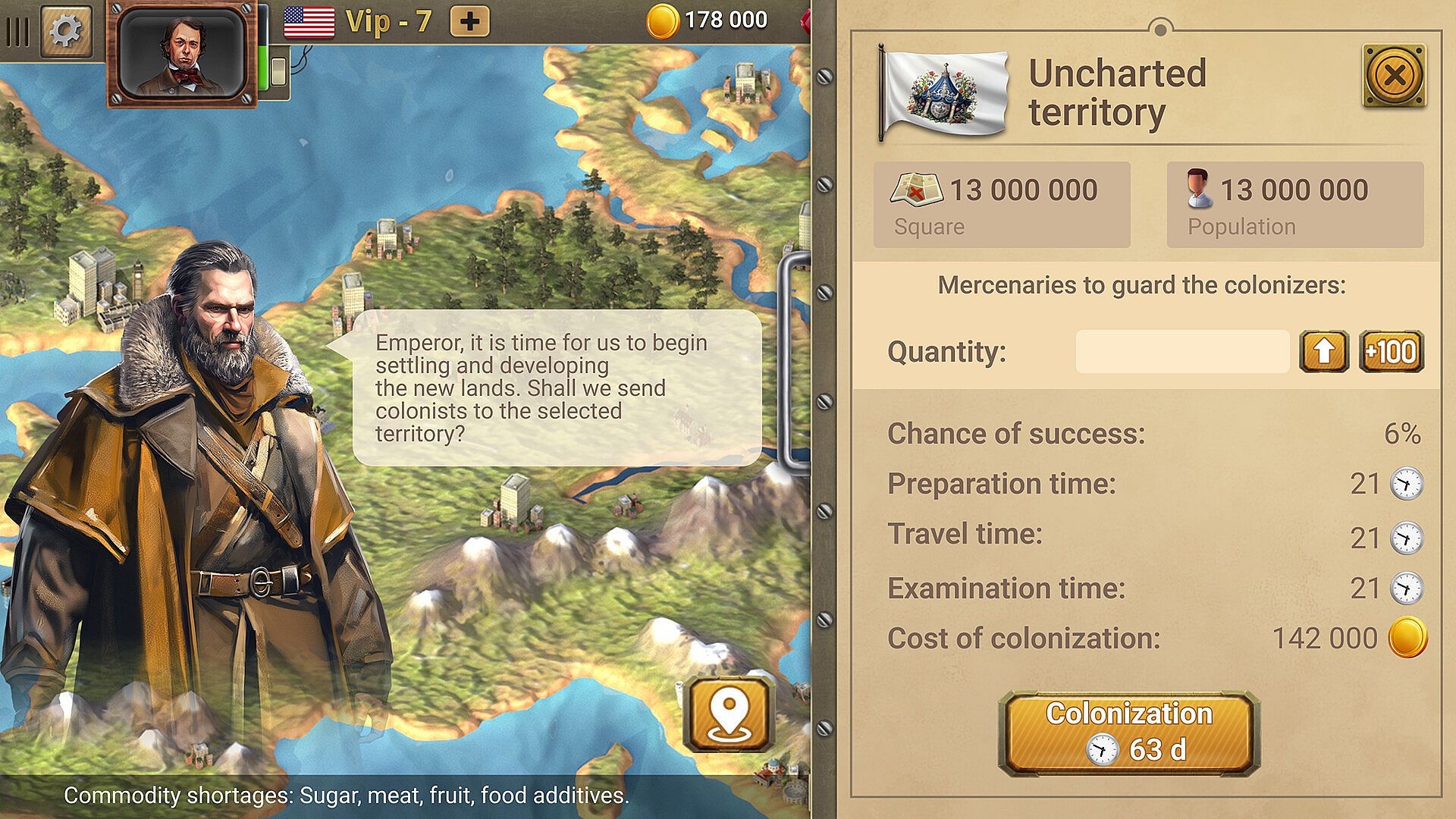
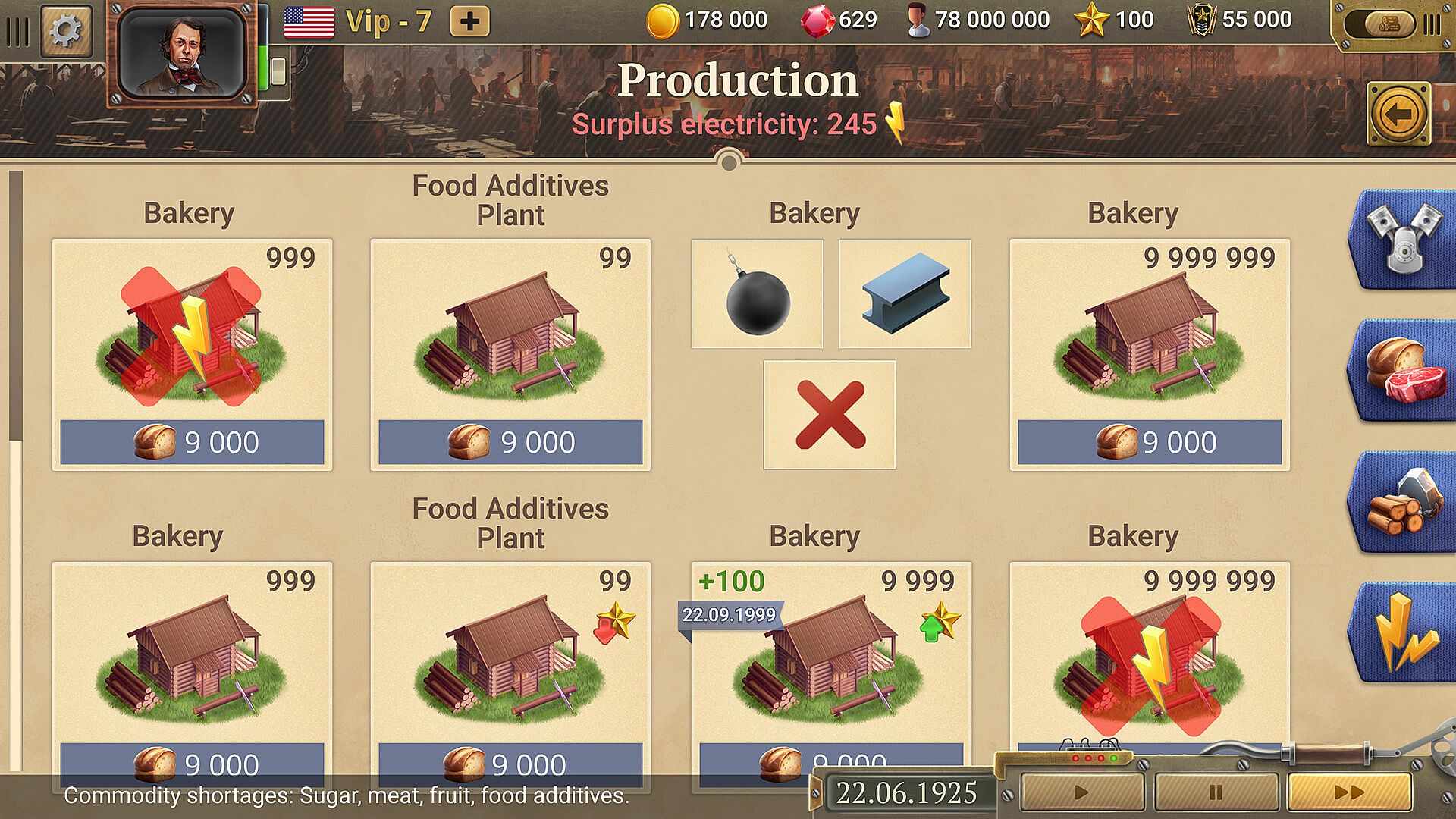
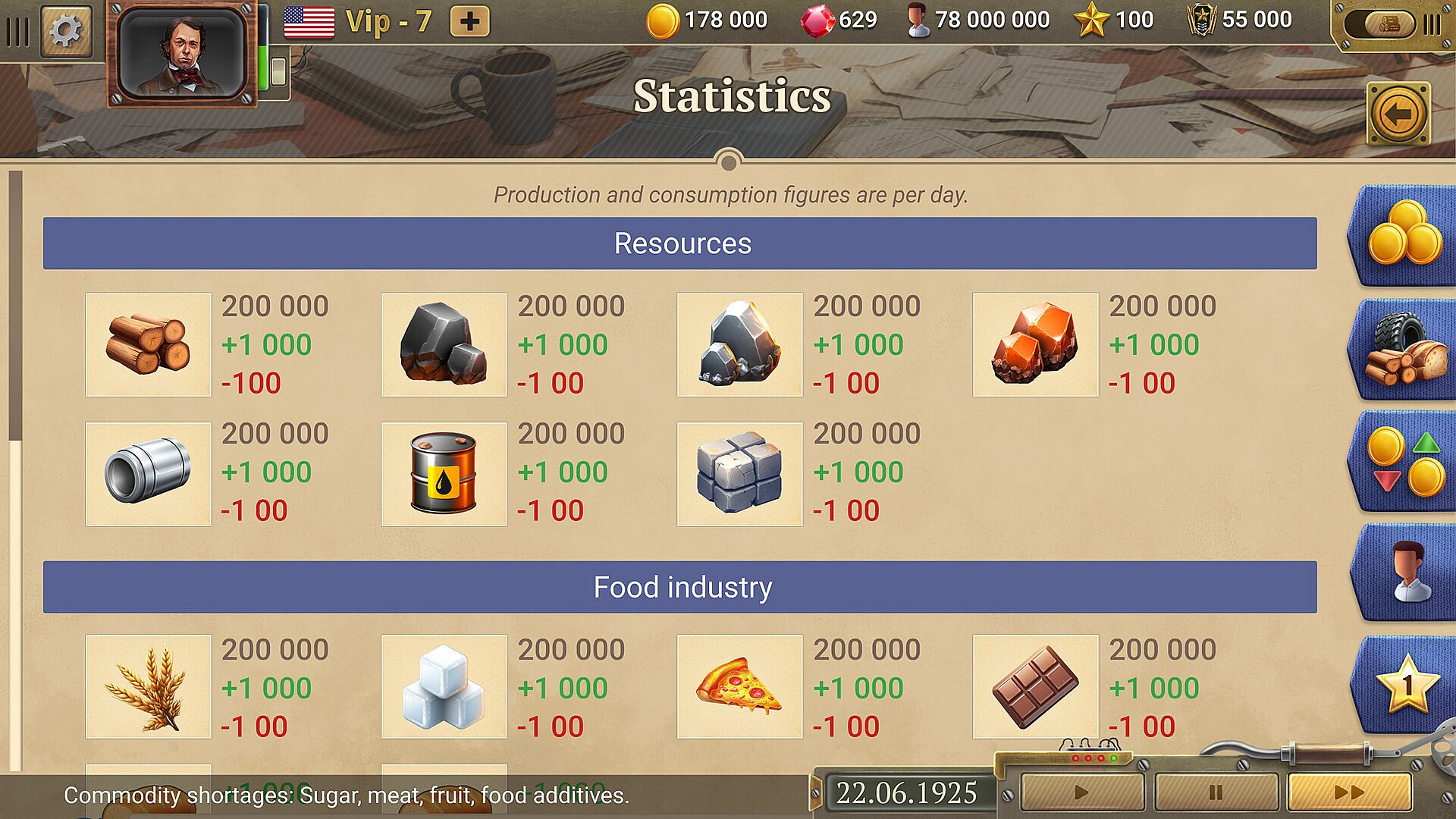
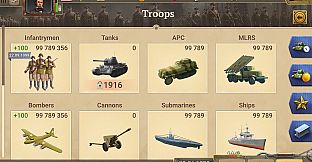
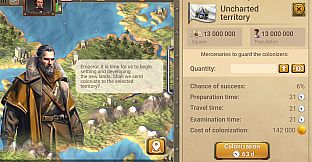
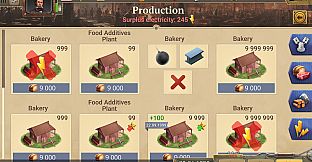
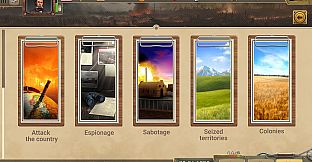
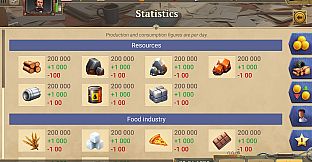
Core gameplay revolves around balancing multiple interconnected systems to strengthen a chosen nation. Players develop the economy by securing and exploiting natural resources such as oil, iron, aluminum, and lead through drilling and mining operations. These materials fuel further progress and support military efforts. Army management includes training troops, constructing facilities, and redeploying units to respond to threats or expand influence. Colonization of new territories adds another layer, allowing territorial growth while contending with risks like separatism or external plunder.
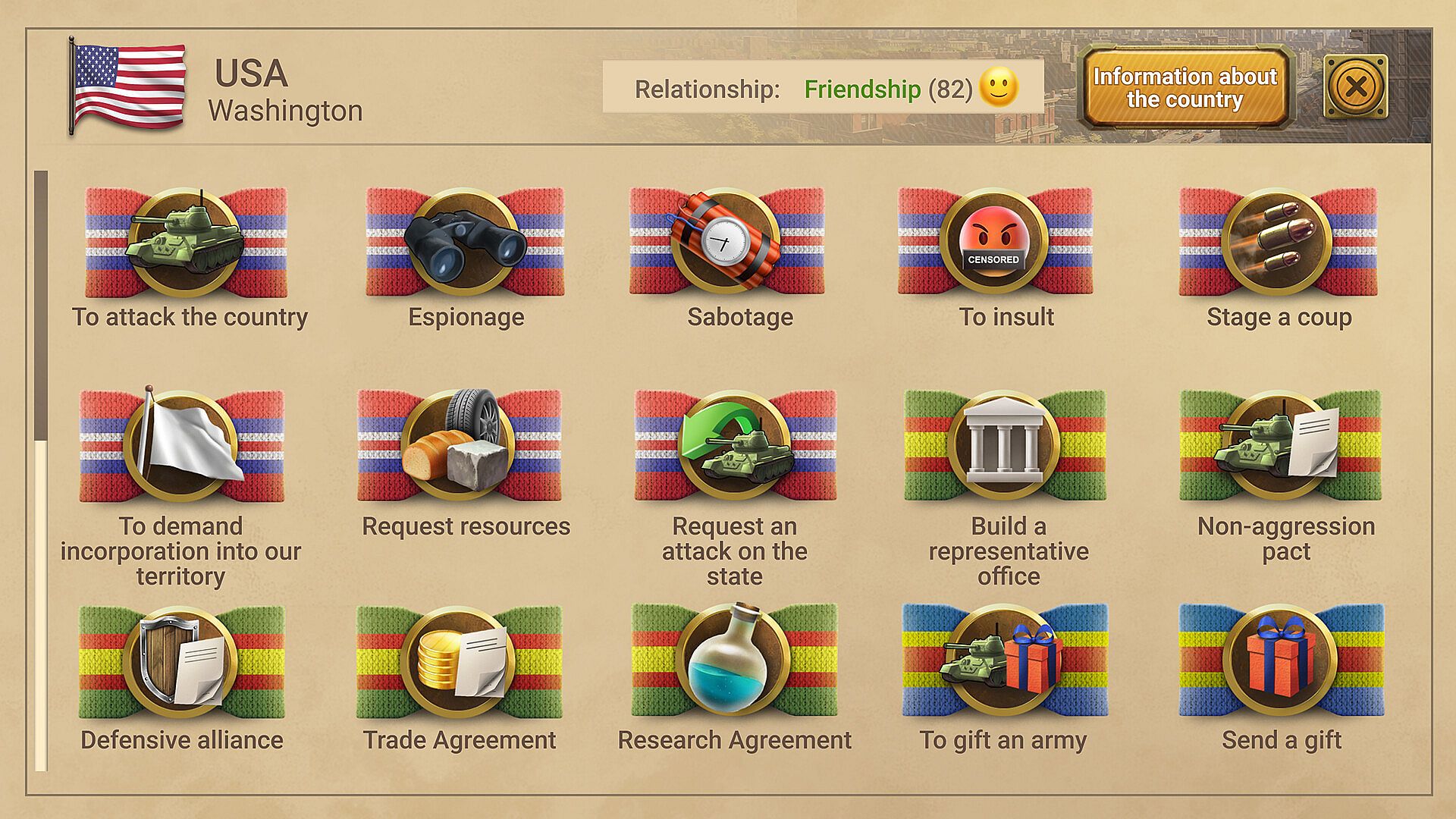
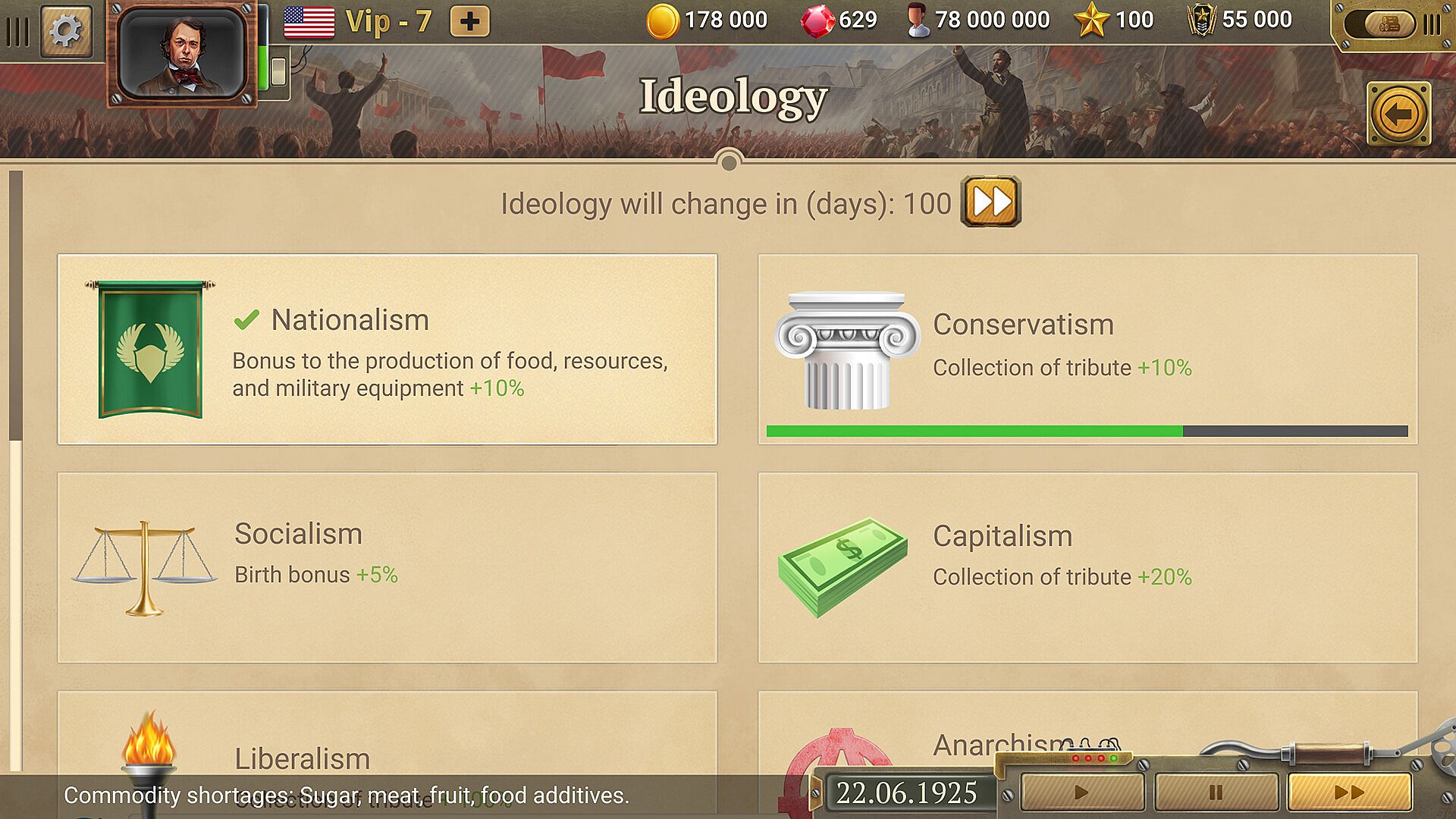
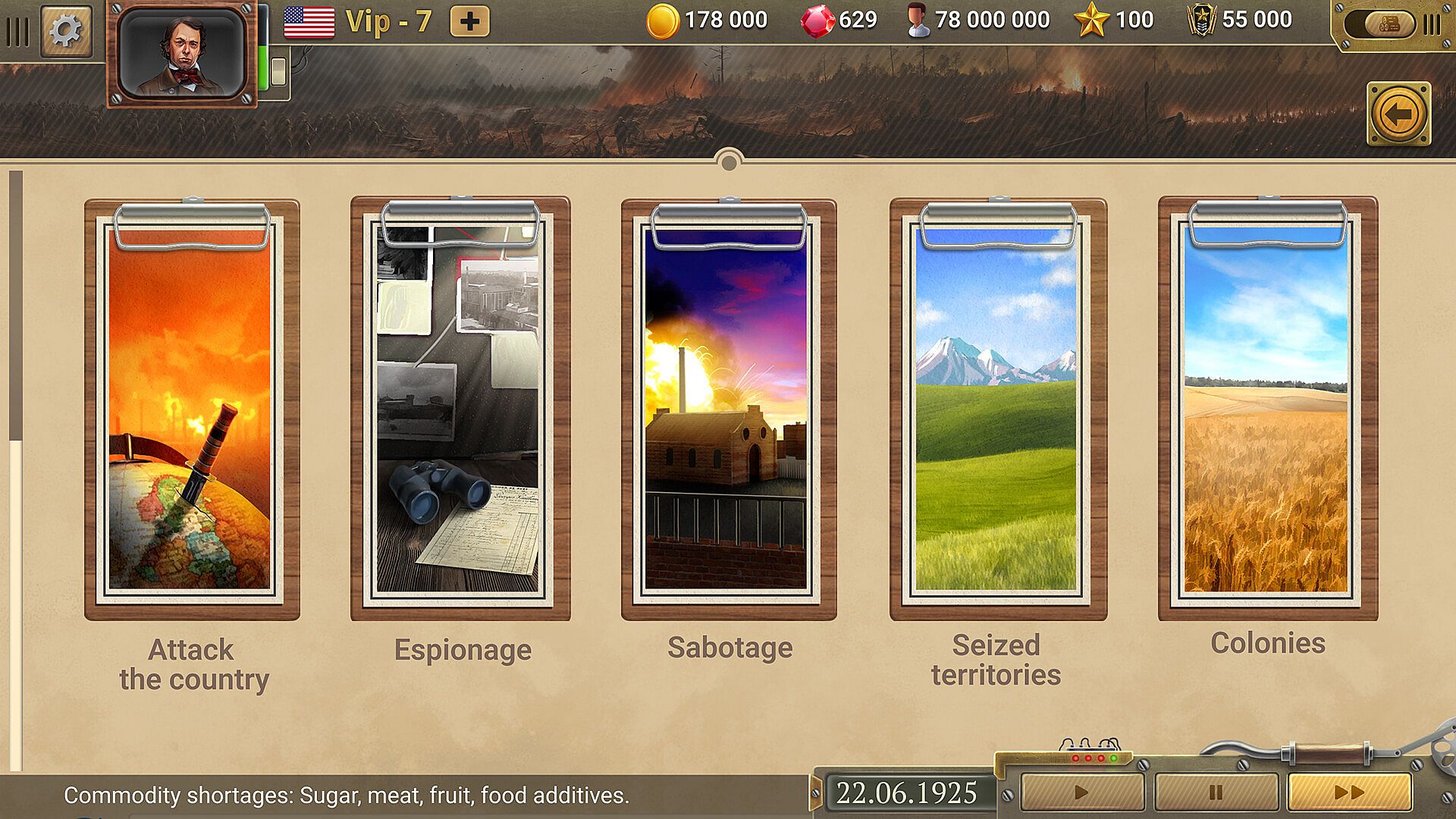
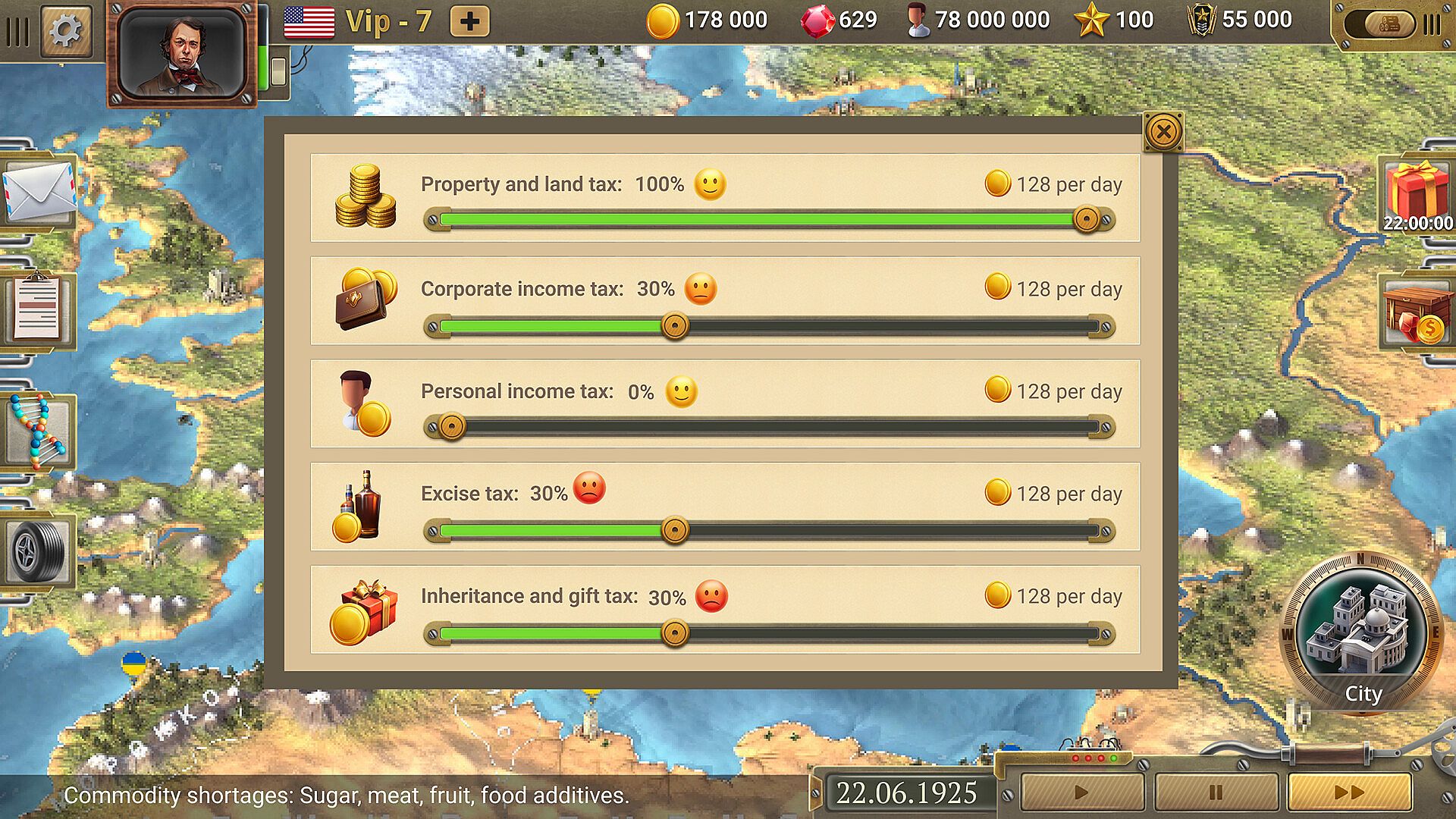
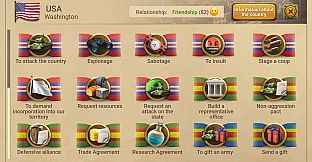
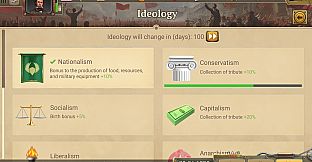
Diplomacy plays a central role. Non aggression pacts, trade agreements, and embassy construction help stabilize relations and open economic opportunities. Players also oversee internal affairs by adjusting national laws, religion, and ideology to maintain stability and public support. Ministries provide specialized governance tools that assist with day to day administration and long term planning. Additional mechanics include espionage and sabotage operations against rivals, bunker construction for defense, and participation in the League of Nations to foster international ties and protect national interests. Trade routes further enhance resource flow and economic resilience.
Game Modes
The game operates as a continuous single player simulation without separate named modes. Progress unfolds through ongoing management of a nation across economic, military, and diplomatic fronts. Players handle real time events such as wars, internal unrest, and resource fluctuations while pursuing long term goals like territorial expansion and global leadership. The structure encourages repeated sessions focused on refining strategies, responding to emerging crises, and optimizing national development over extended play periods.
Key Mechanics and Systems
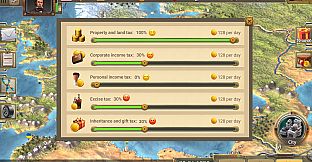
Resource control forms the foundation, with players directing extraction sites and allocating output to support army growth or diplomatic initiatives. Military actions involve both offensive campaigns and defensive preparations against invasions or separatist movements. Espionage adds a covert dimension, enabling disruption of enemy plans or intelligence gathering. Internal policy decisions influence everything from economic output to ideological alignment, creating trade offs that affect overall stability. The League of Nations mechanic offers a platform for collective security and cooperative agreements that can shift the balance of power on the world stage.
- Train and redeploy troops while building supporting infrastructure
- Mine and refine critical materials to power expansion
- Negotiate pacts and establish embassies for strategic advantage
- Adjust laws and ideology to shape national direction
Is It Worth Playing?
Player feedback highlights the title as an engaging option for those who enjoy methodical nation building and strategic oversight. Reviews frequently note its realistic feel and the satisfaction of watching a country develop through careful resource and military planning. The free to play model with in app purchases supports broad accessibility, though some users mention occasional bugs or the need for active sessions to maintain progress. With regular updates and a substantial player base reflected in thousands of reviews averaging around 4.4 stars, the game maintains active support. It suits players seeking a thoughtful simulation of global leadership rather than fast paced action, particularly those interested in historical strategy themes and long term empire management. If the combination of economy, diplomacy, and military systems appeals, the experience delivers consistent depth without requiring multiplayer coordination.