






Throw Weight: Fleet Doctrine is a space strategy game centered on realistic fleet command in a hard science fiction setting. Players direct groups of ships ranging from small corvettes to massive dreadnoughts, relying exclusively on missiles, defensive guns, and electronic warfare rather than shields or energy weapons. Finite ammunition supplies force careful management of every volley, turning each engagement into a test of resource allocation and tactical timing.
Gameplay
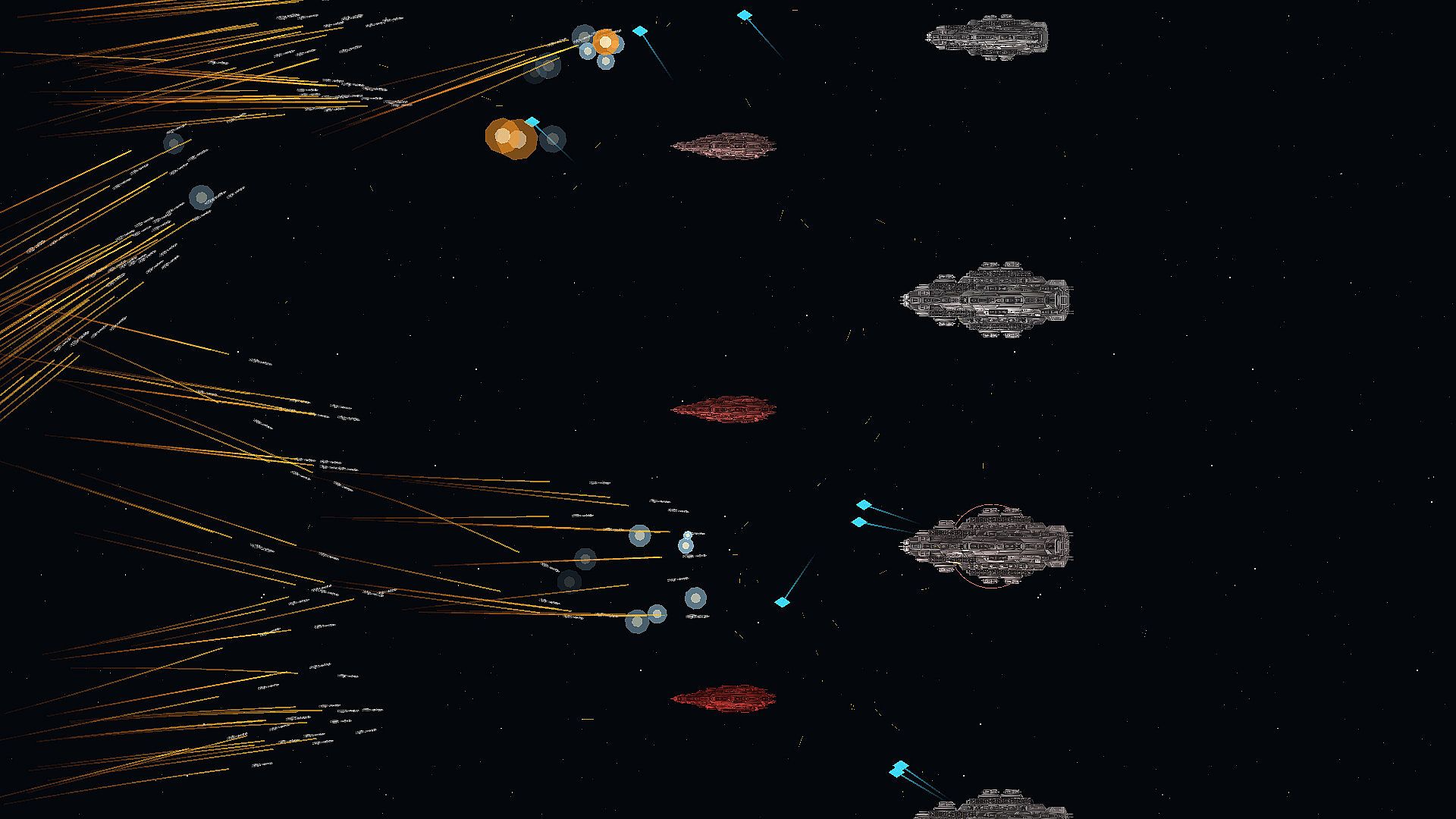
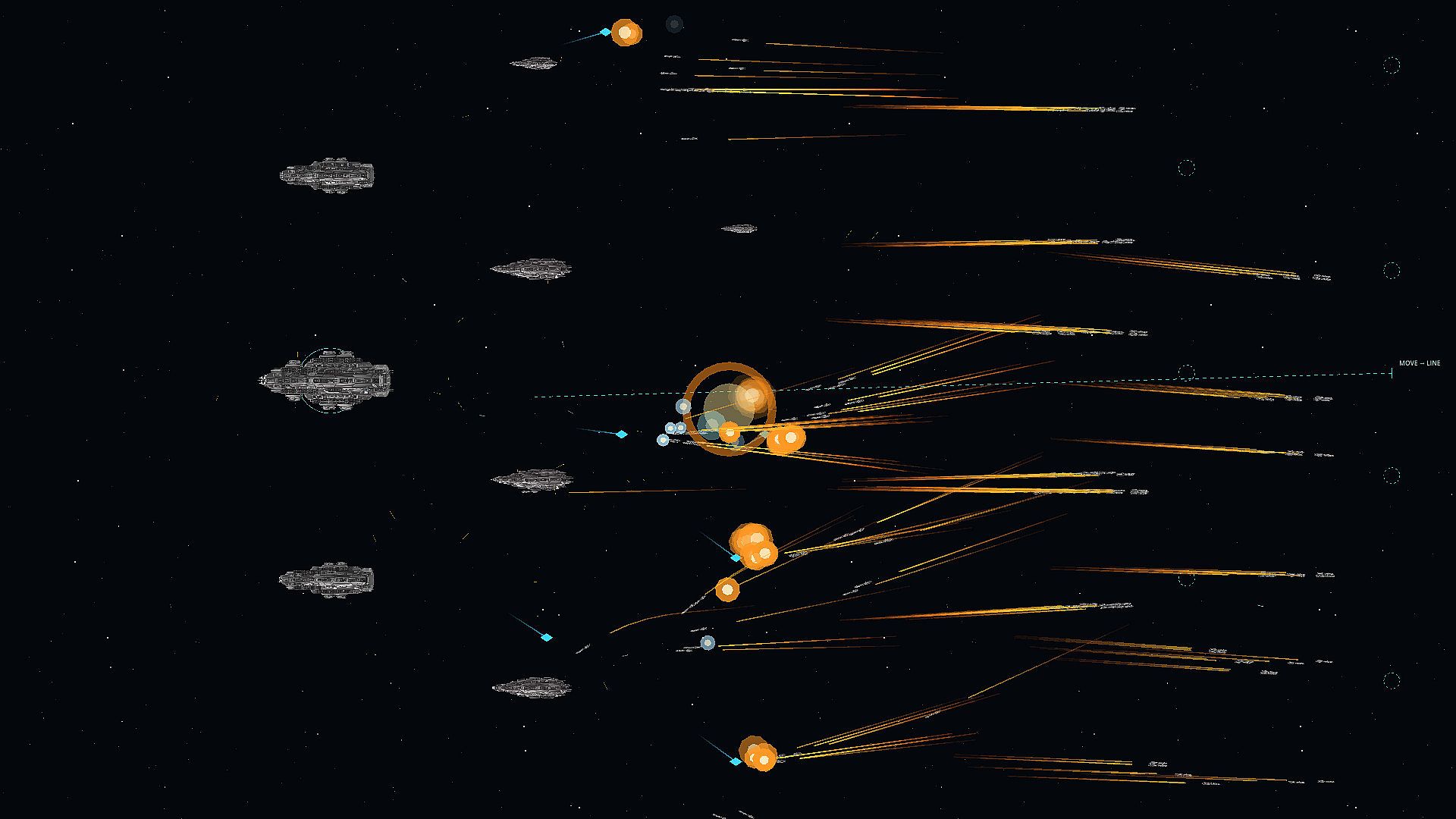
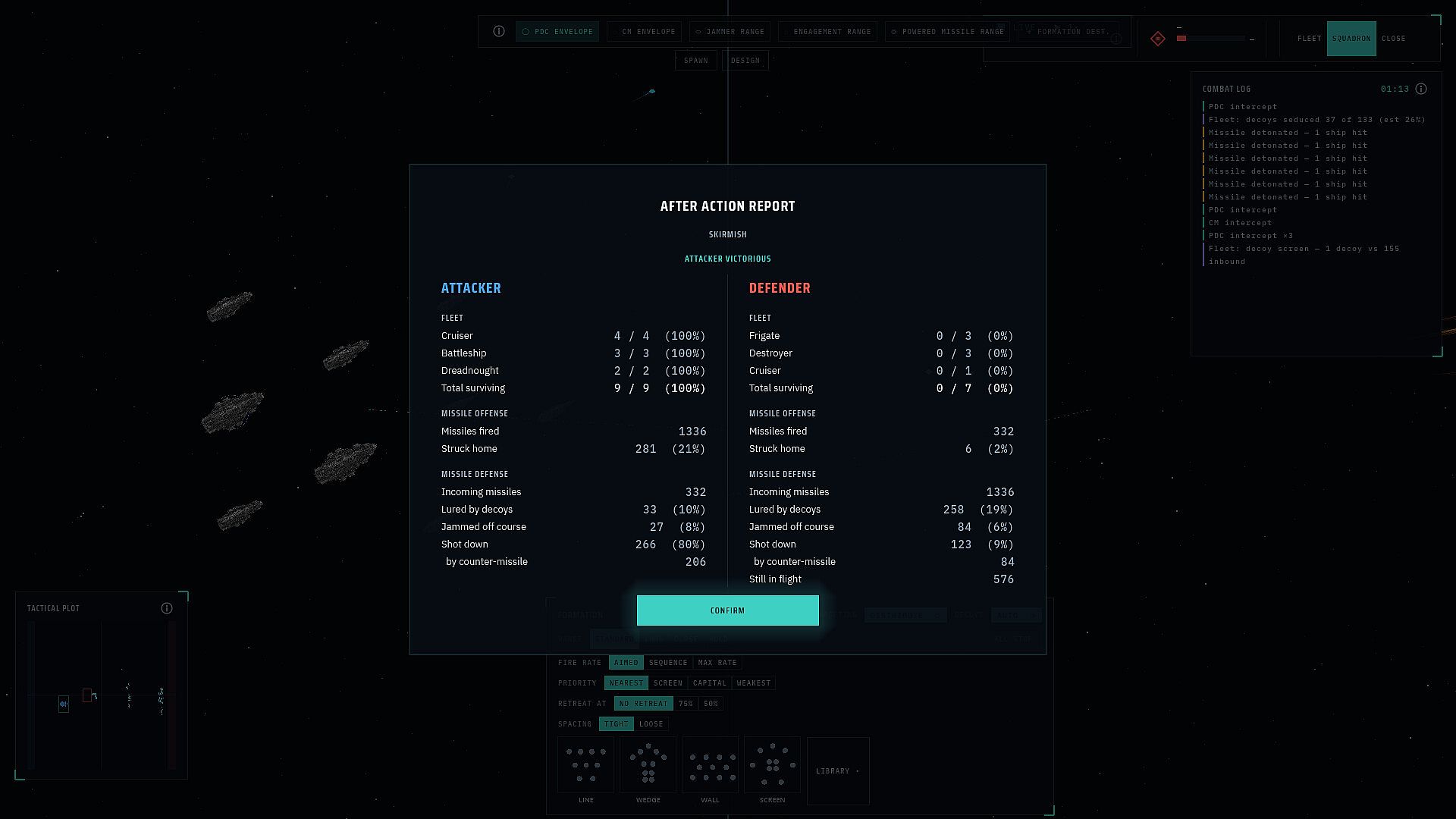
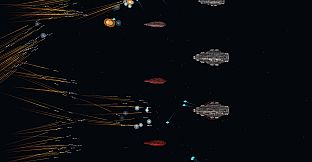
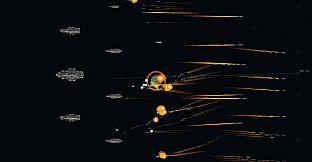
Real-time battles form the core of the experience. Fleets clash on the galactic map and transition into detailed combat where positioning and formation play a decisive role. Ships fire guided missiles in coordinated volleys that must penetrate layered enemy defenses consisting of jammers, decoys, counter-missiles, and point-defense cannons. Electronic warfare adds depth through jamming enemy guidance systems, deploying decoys to mislead incoming projectiles, and using ECCM to maintain lock on targets. Certain advanced techniques allow ships to mask their presence at longer ranges.
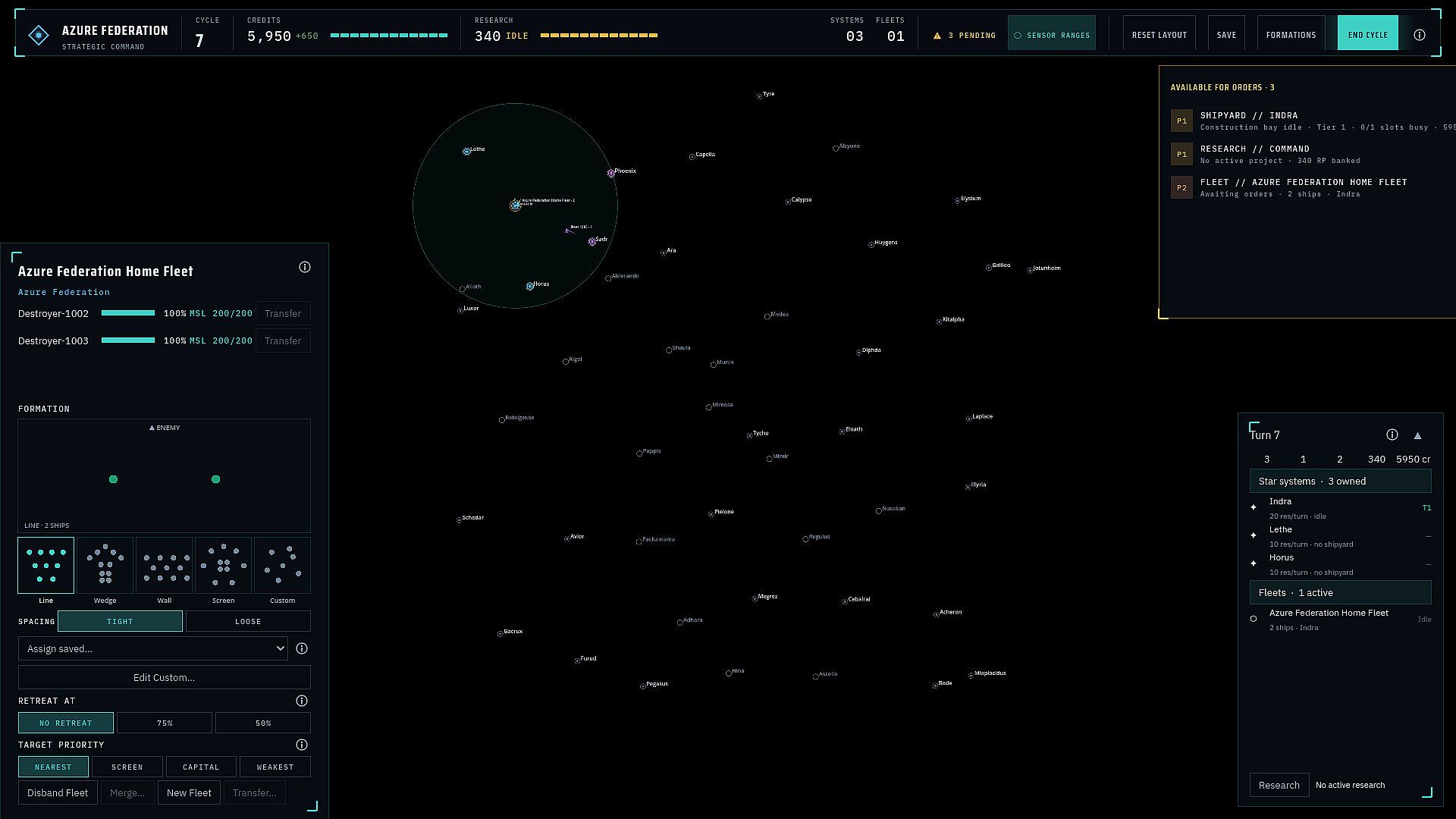
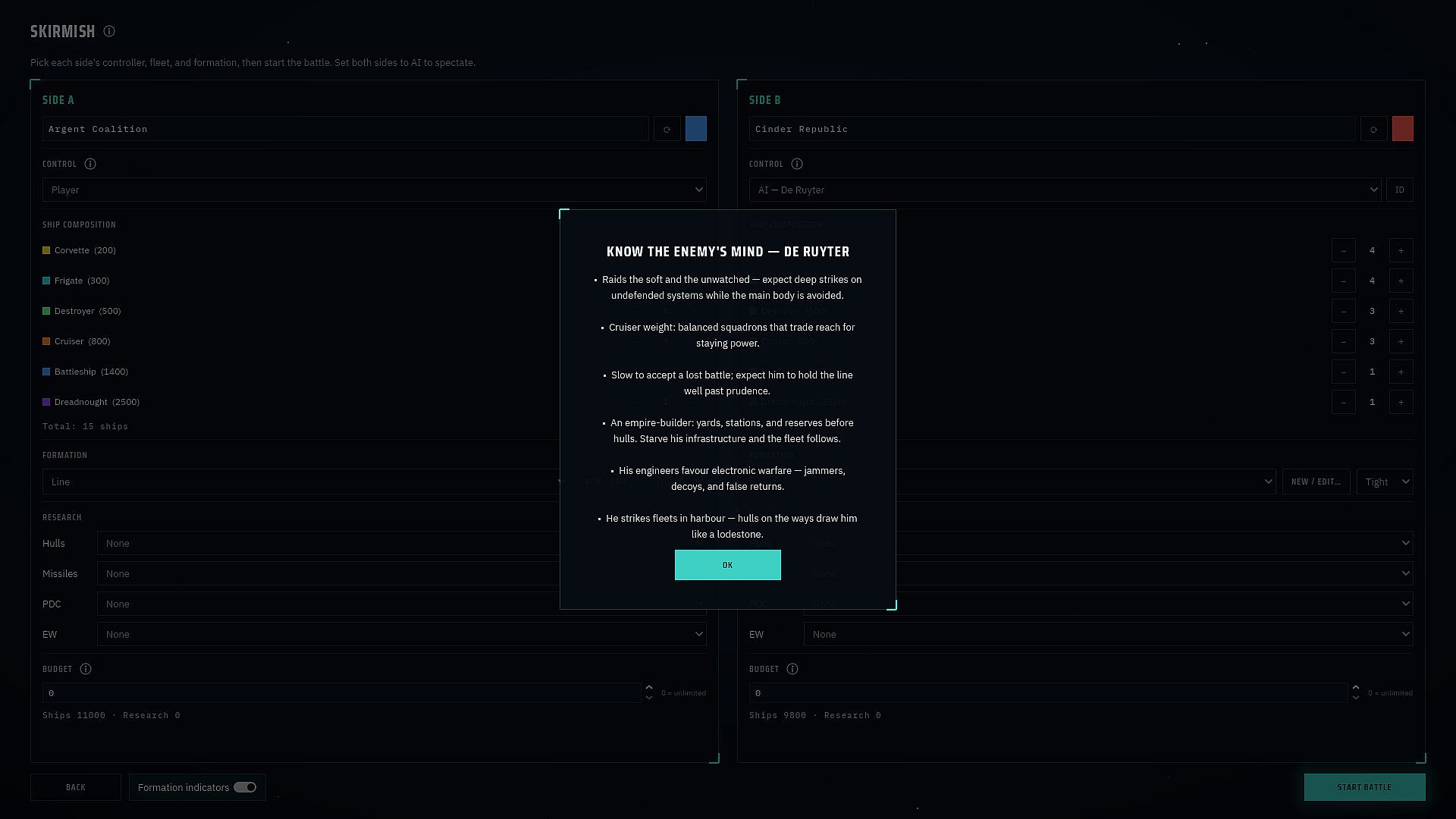
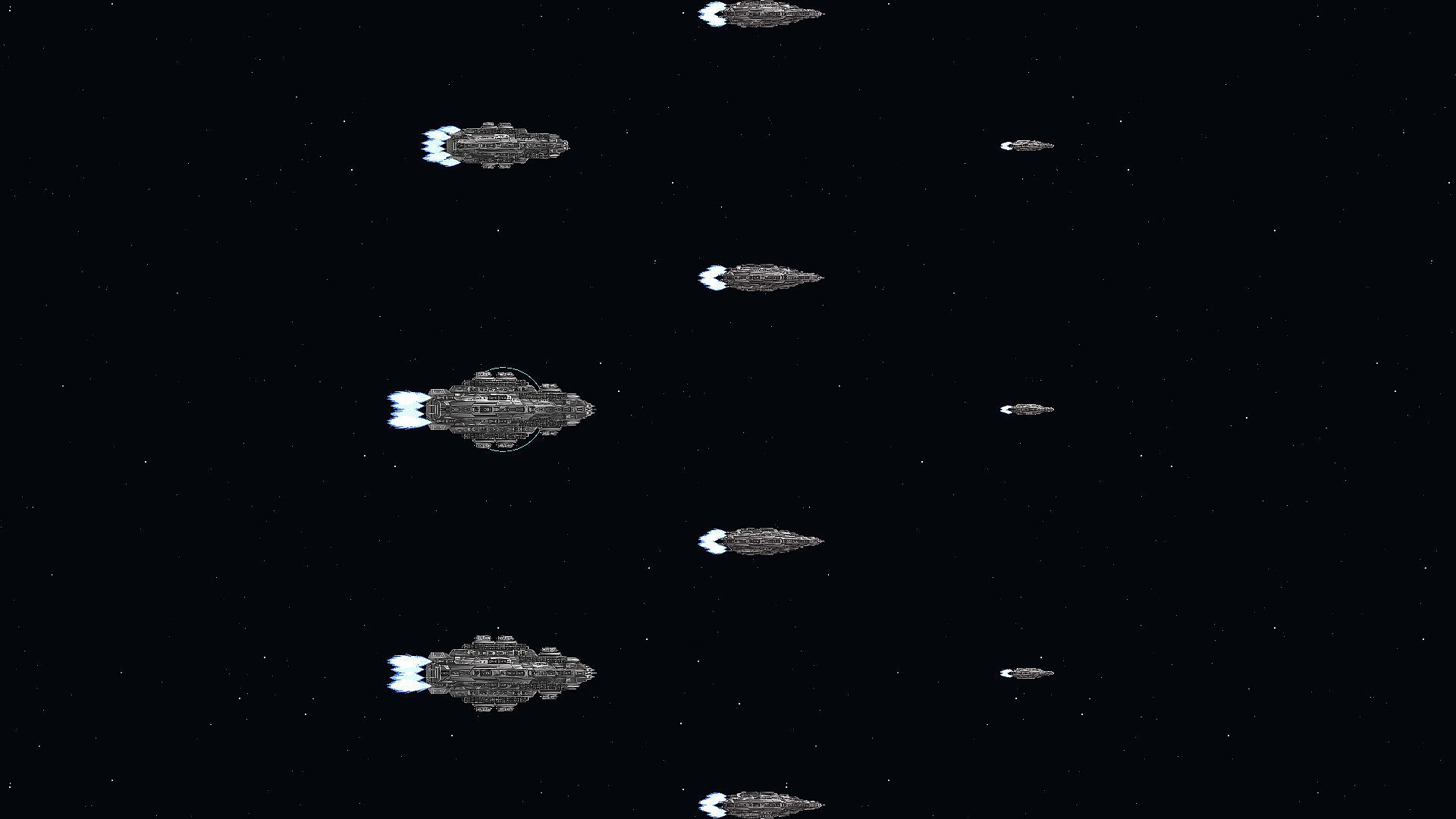
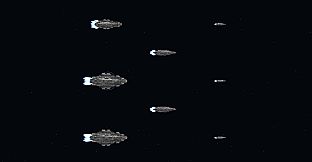
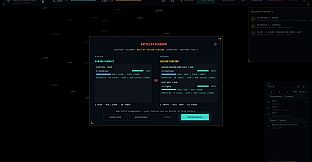
Finite magazines require players to decide between aggressive early barrages or conservation for prolonged fights. Fleet doctrine settings let commanders establish rules for engagement range, firing rates, target selection, and retreat conditions, after which the AI captains handle execution. Formations such as line, wedge, wall, or screen can be adjusted for spacing, with an editor available for custom arrangements. Ten distinct AI personalities, each modeled on historical admirals, present varied challenges through raiding, massed fleet builds, or heavy reliance on deception tactics.
Game Modes
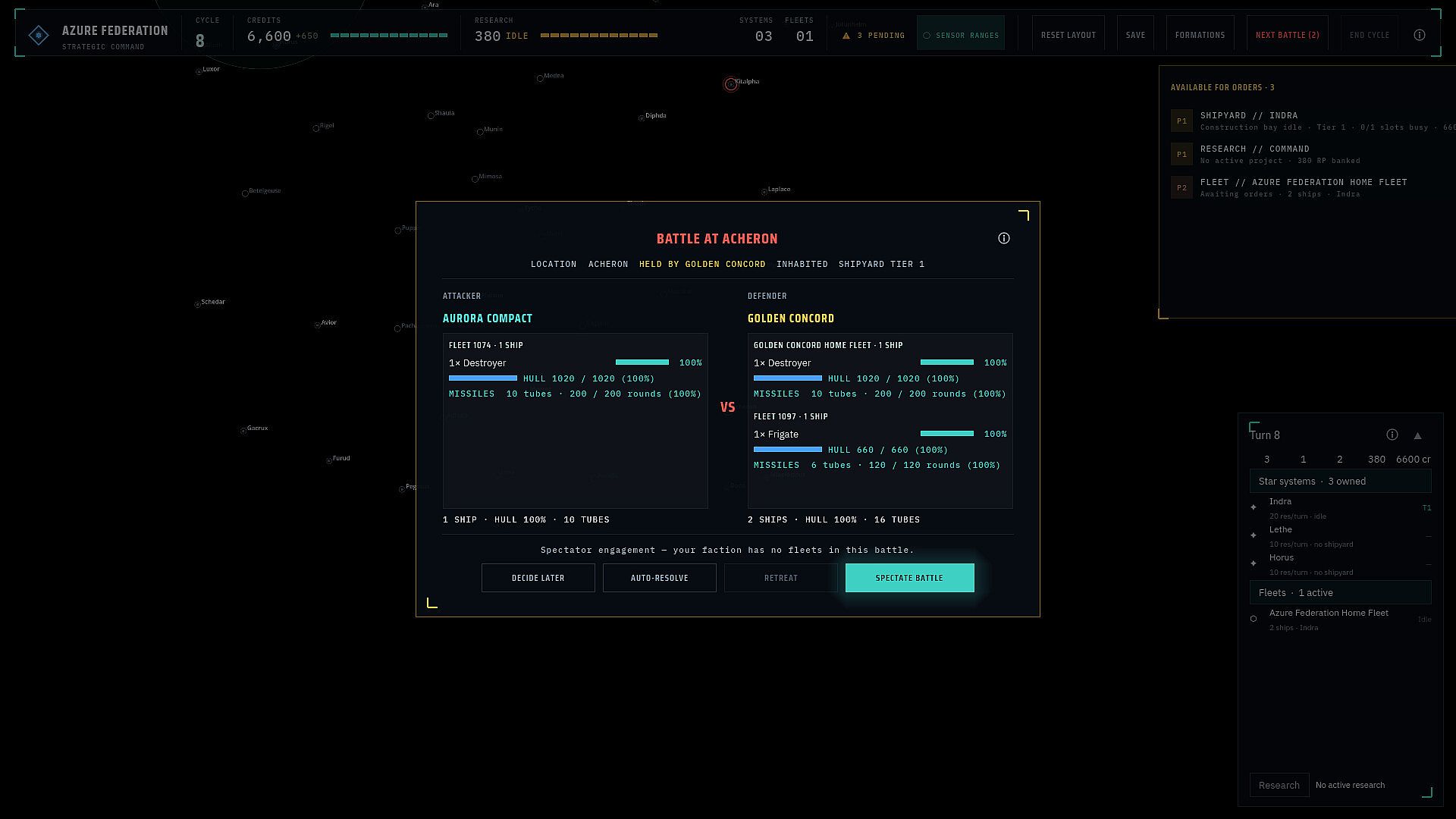
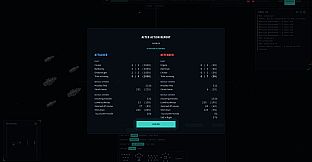
Individual fleet battles occur whenever opposing forces encounter each other during campaign play. These real-time scenarios emphasize formation discipline and missile exchange management against the AI opponents. The larger strategic layer unfolds across a procedurally generated galaxy where players expand territory, construct vessels at shipyards, dispatch intelligence operations to reveal hidden areas, and choose fleet commitments. Split-screen support enables both local hotseat sessions and online multiplayer matches alongside the single-player campaign against the varied AI commanders.
Strategic Depth and Campaign Elements
Every tactical victory or defeat feeds into an overarching campaign of expansion and resource control. Ship construction occurs at player-controlled yards, while intelligence missions reduce the fog of war and inform decisions on where to position forces. The absence of traditional sci-fi defenses keeps focus on ammunition conservation, defensive layering, and electronic countermeasures throughout both short battles and extended campaigns. Players must read each AI commander's dossier to anticipate tendencies such as flanking raids or saturation attacks before committing fleets.
Is It Worth Playing?
Throw Weight: Fleet Doctrine suits players who enjoy deliberate, systems-driven strategy with an emphasis on resource scarcity and layered defense mechanics. The real-time battles reward precise doctrine setup and formation planning, while the campaign provides context for repeated engagements across a generated galaxy. Those drawn to hard science fiction naval combat without energy weapons or shields will find the missile-focused loop distinctive. Availability on PC positions it for strategy enthusiasts seeking a focused alternative to broader 4X titles, particularly if interest lies in electronic warfare and ammunition management rather than large-scale empire building.