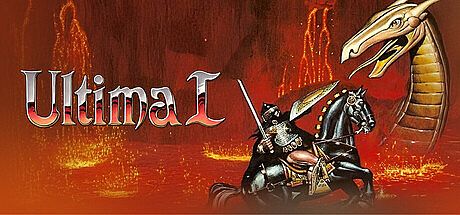




Ultima I: The First Age of Darkness is a single-player role-playing game set in the fantasy world of Sosaria. Players take on the role of the Stranger, tasked with defeating the evil wizard Mondain who has plunged the lands into darkness through his growing power and hordes of creatures. The title blends exploration, combat, and questing in a structure that defined early computer RPGs.
Gameplay
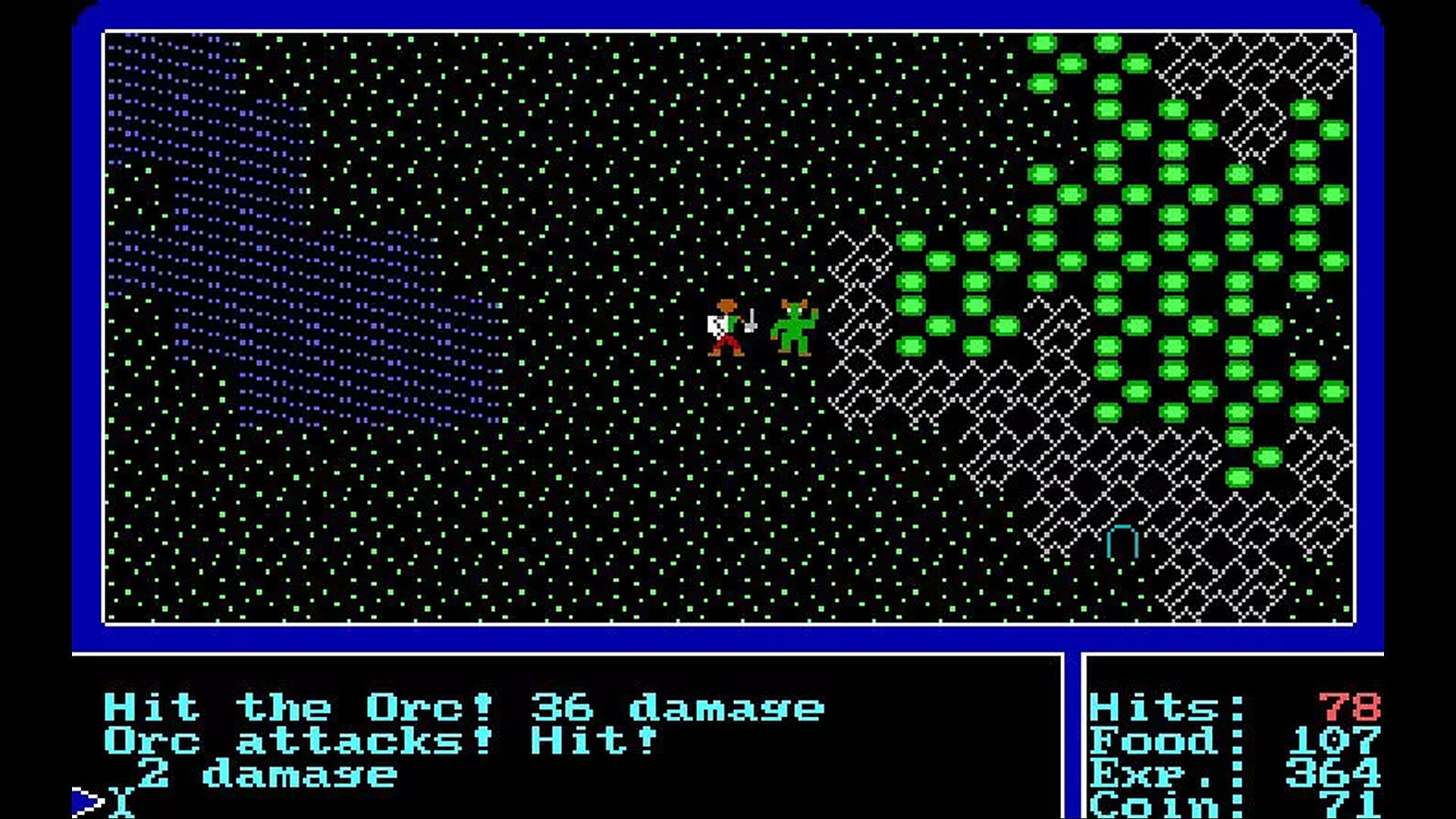
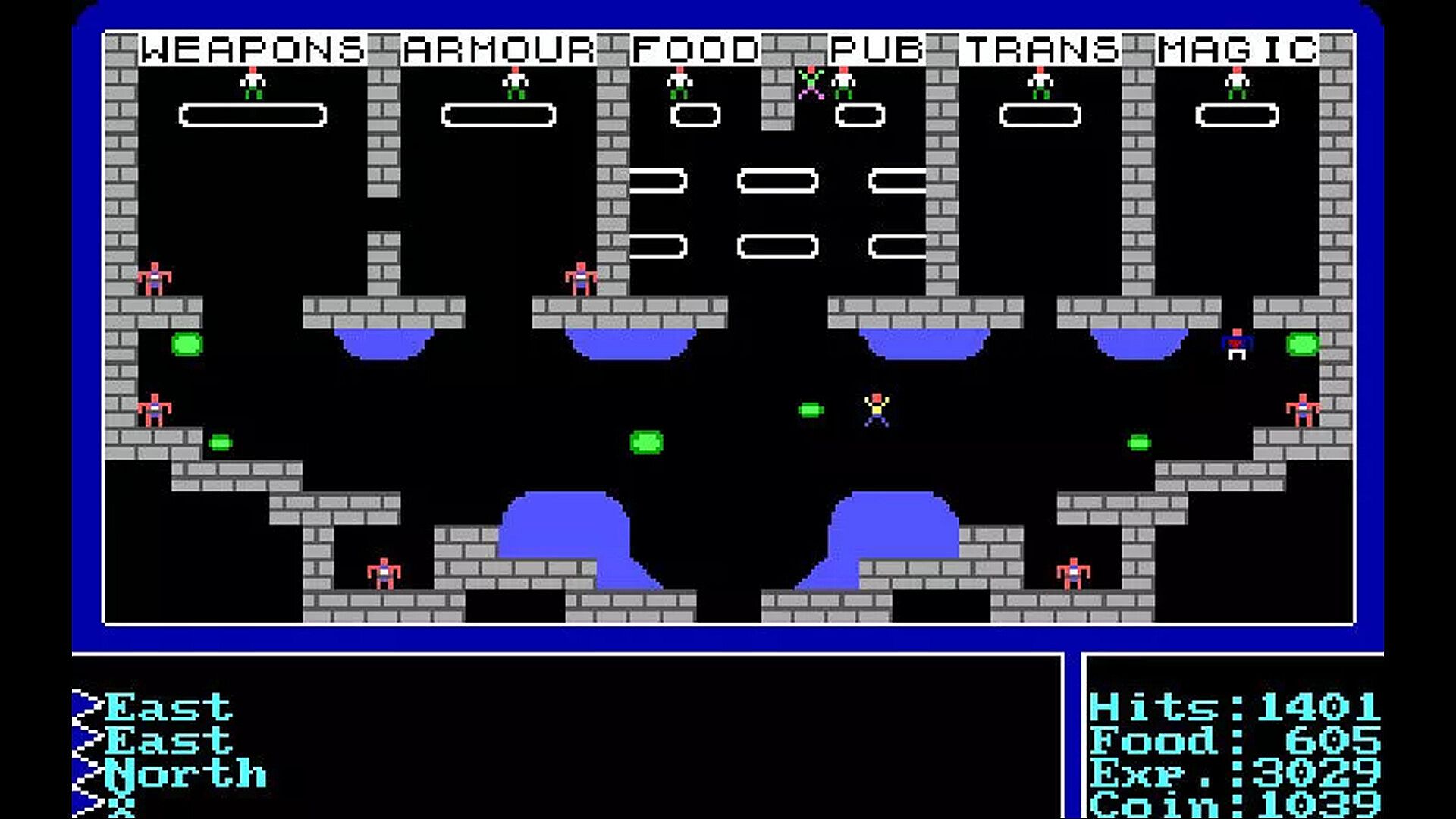
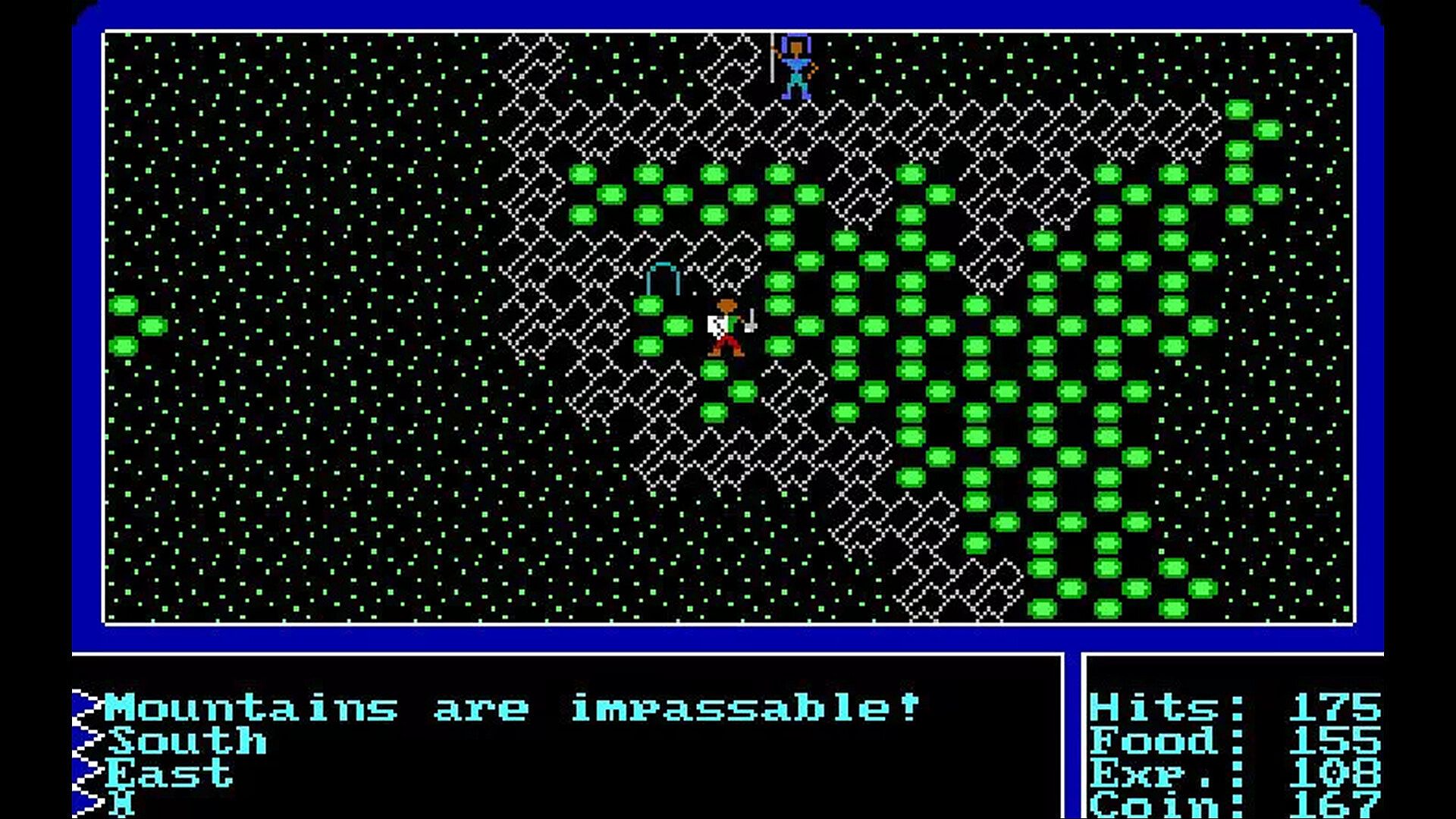
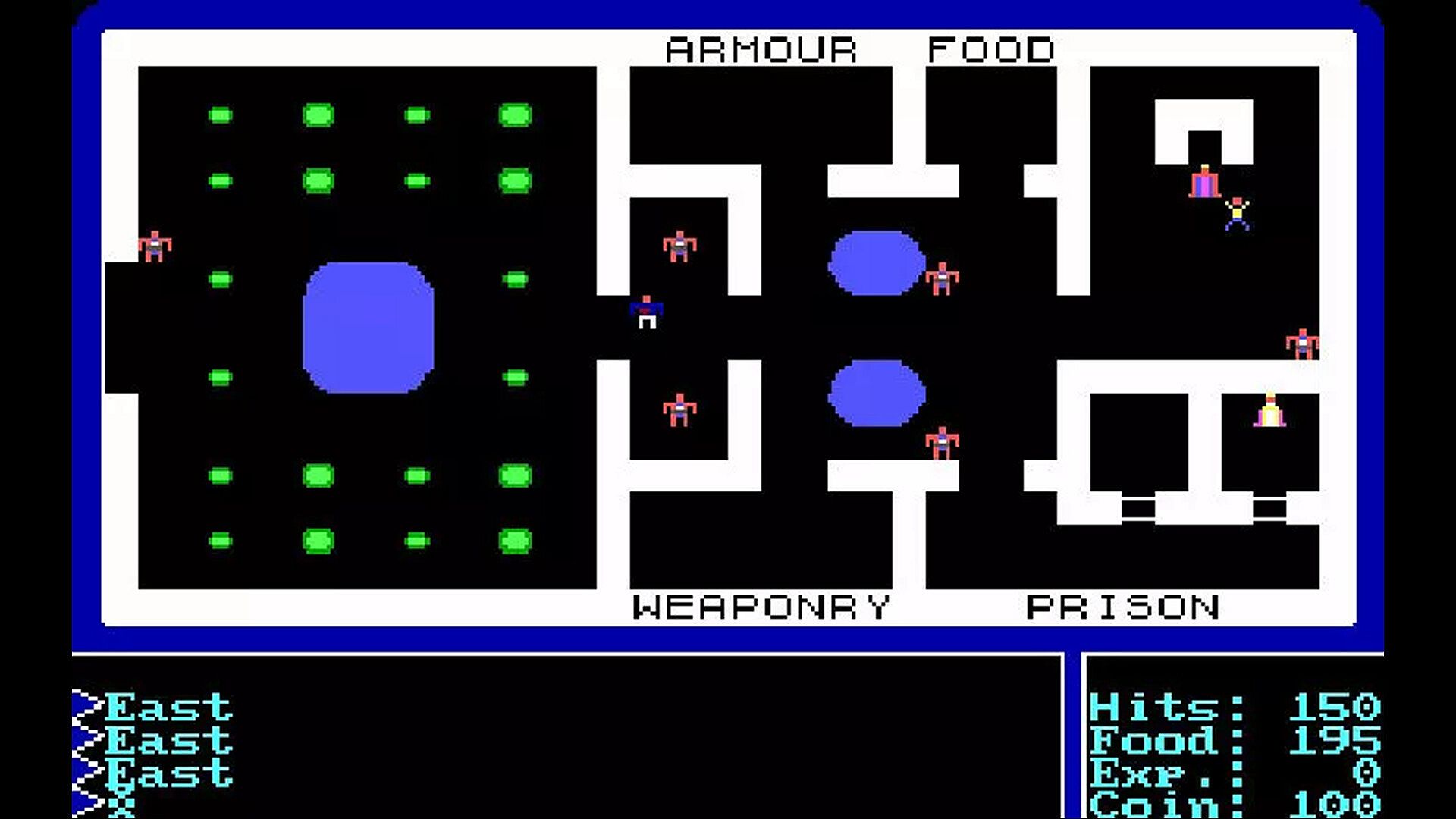
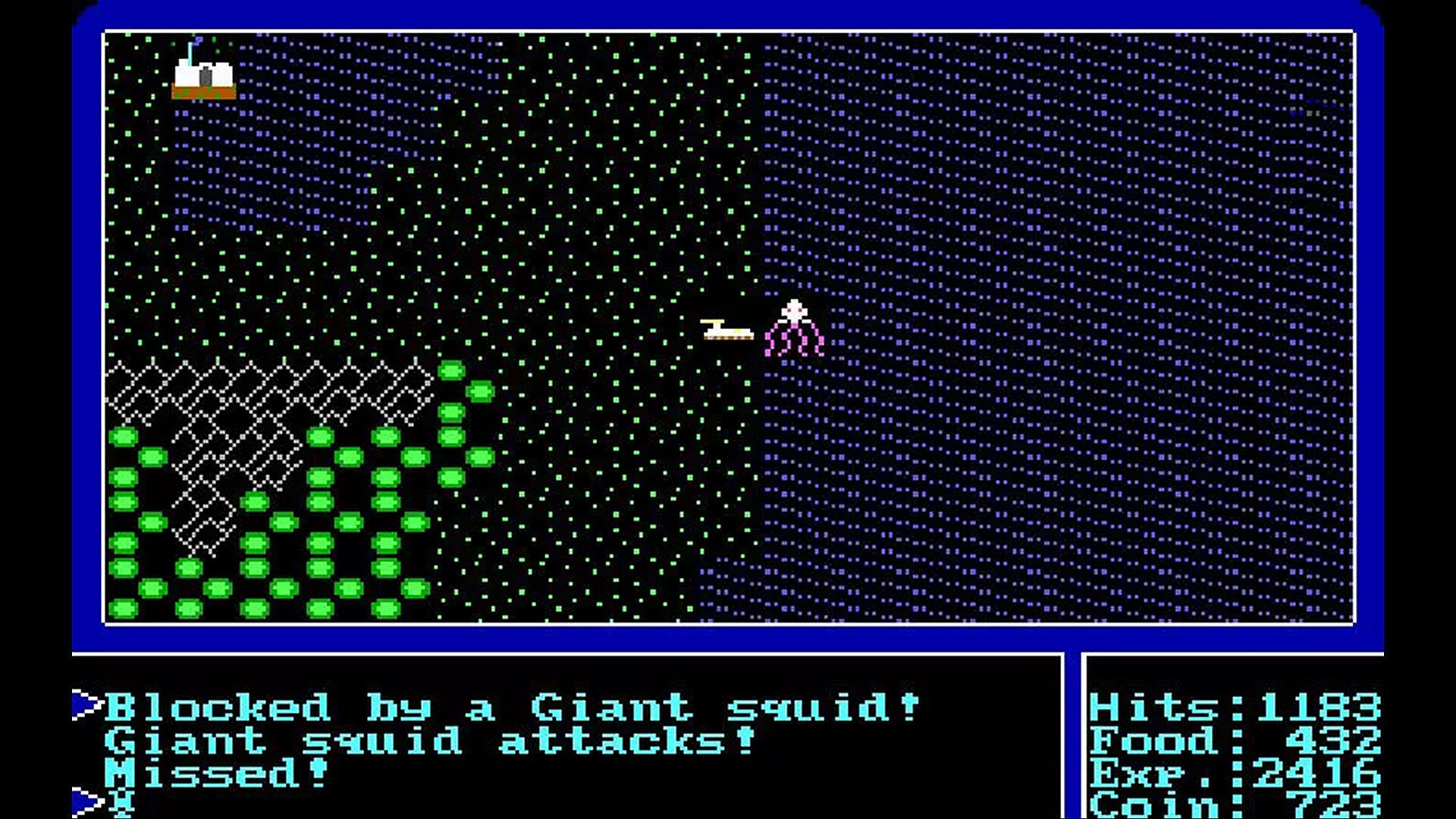
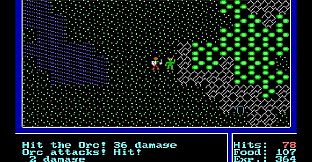
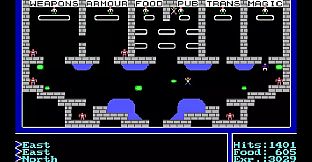
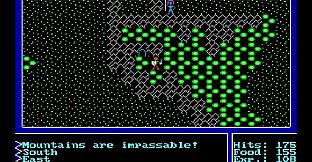
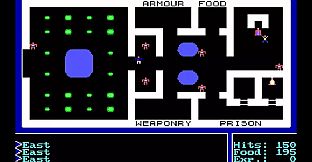
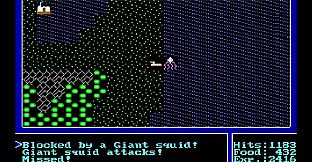
Core gameplay centers on an overworld map viewed from above, where the player moves across continents filled with towns, castles, and dungeons. Random encounters with enemies occur during travel, leading to turn-based combat resolved through attacks and spells. Spells function as single-use items purchased in shops rather than reusable abilities.
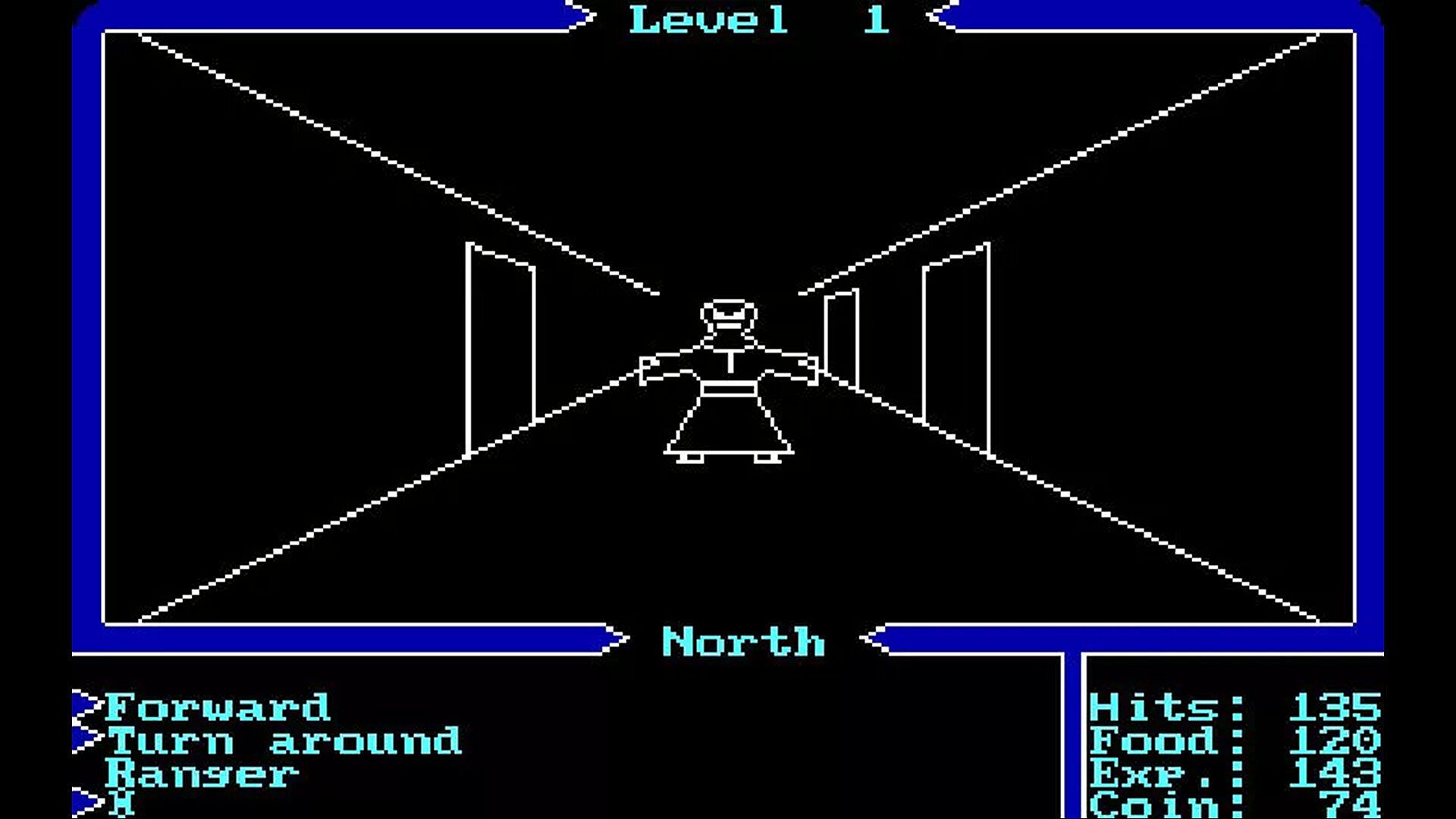
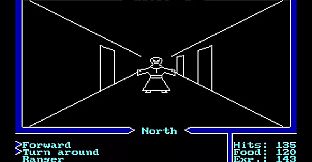
Dungeons shift to a first-person perspective for exploration and combat. These areas contain monsters that yield experience and gold, with players able to return to the surface to gain hit points based on progress made below. Attribute points distributed at character creation influence combat effectiveness, including strength for damage output and agility for accuracy and evasion.
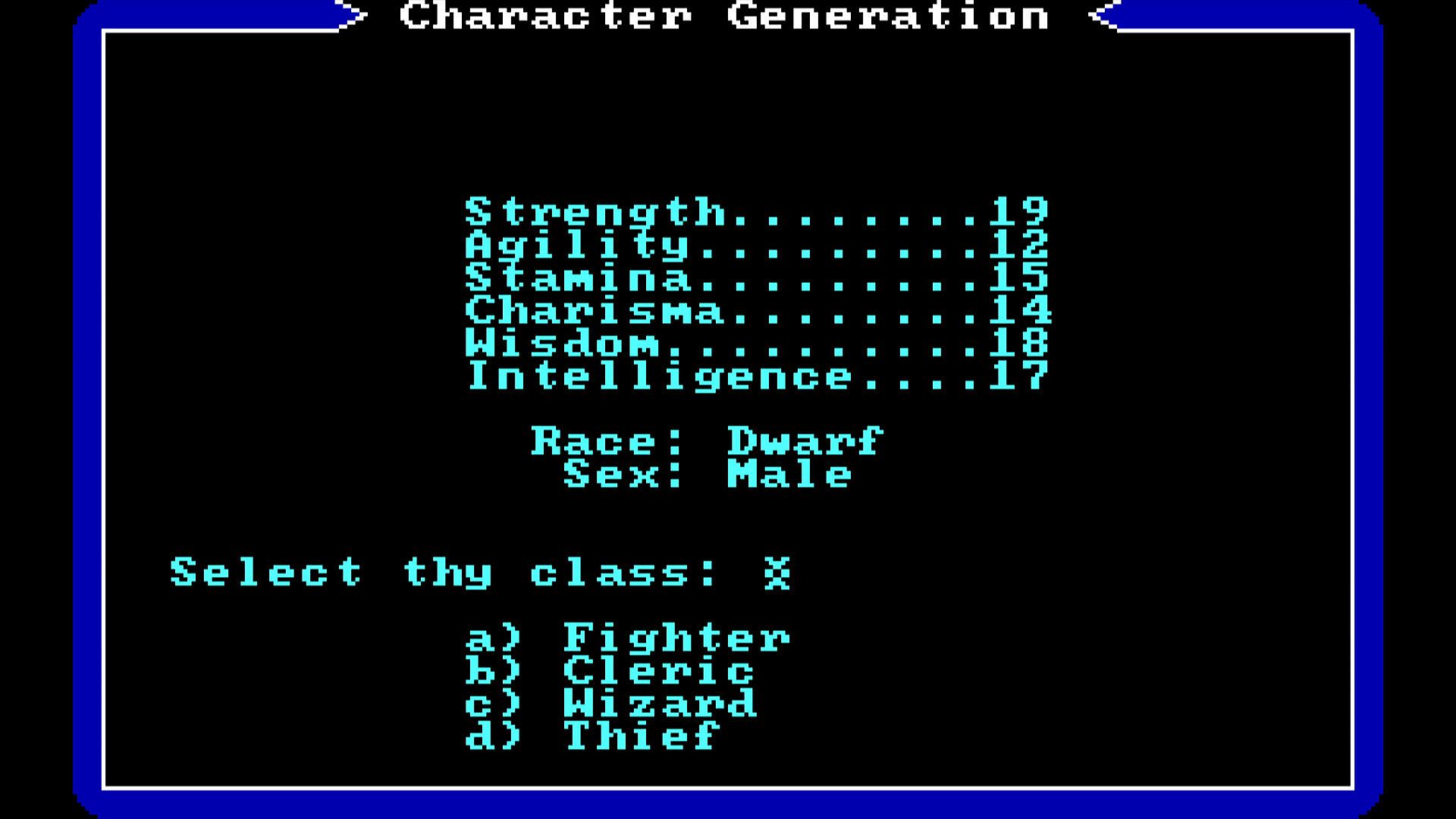
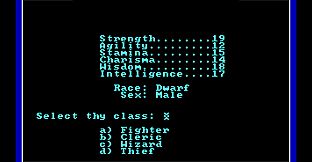
Character creation allows selection from four races and four classes, each providing starting bonuses to attributes such as strength, agility, stamina, charisma, wisdom, and intelligence. Food must be managed to avoid starvation, while better weapons, armor, and mounts improve survival odds on the surface.
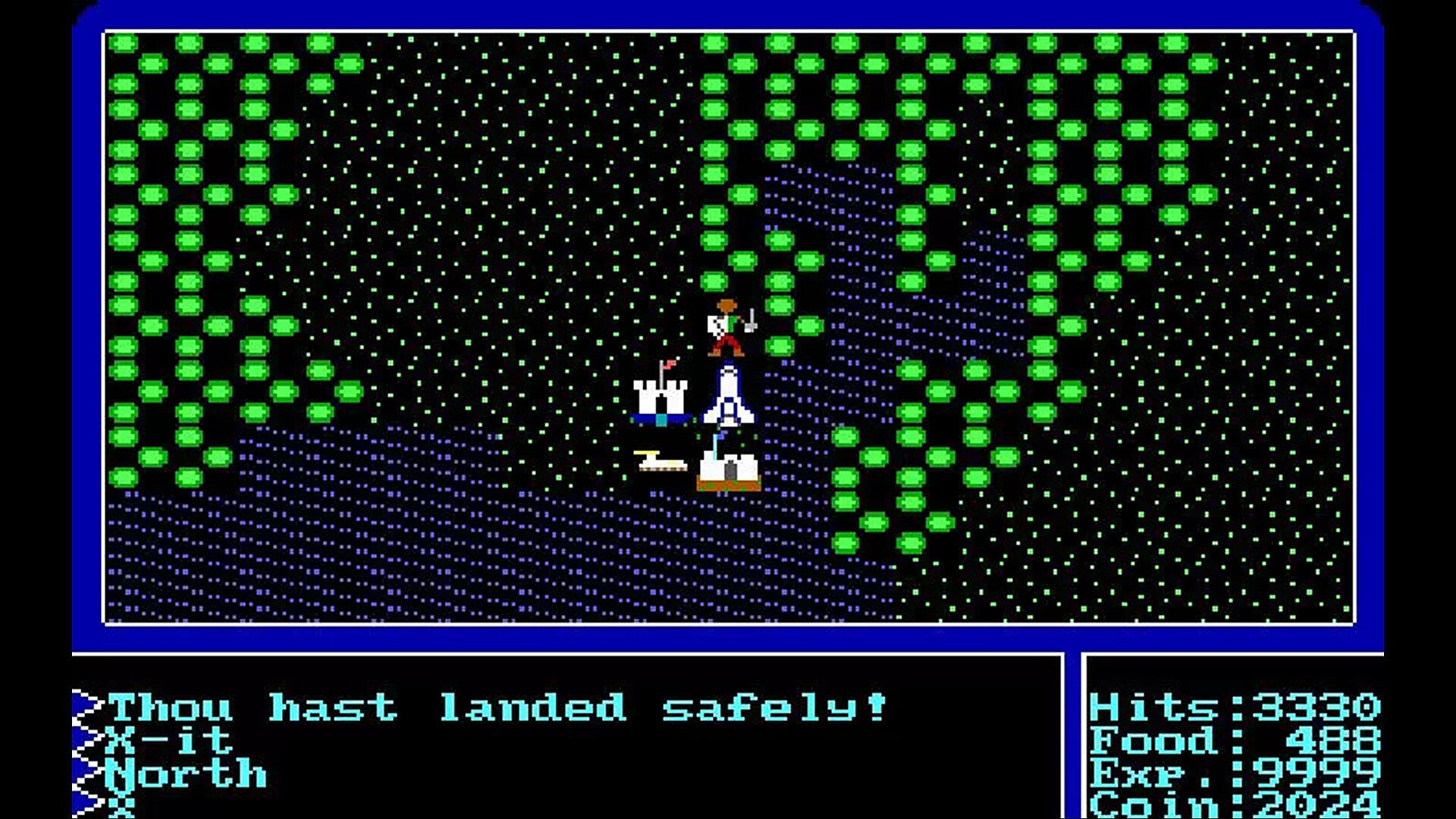
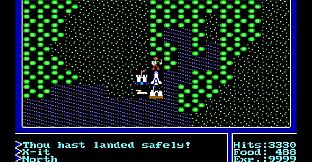
Later progression requires purchasing a space shuttle and vacuum suit to enter orbit. There, players engage in ship combat against enemy vessels, aiming to achieve a specific milestone before advancing further. Quests from lords involve locating signposts or slaying particular dungeon creatures to obtain four gems needed for a time machine.
Game Modes
The game operates entirely in single-player mode with no multiplayer options or separate modes. All content unfolds through one continuous campaign that moves between surface exploration, dungeon delving, space combat, and a final time-travel sequence.
Progression follows a linear quest structure centered on gathering gems and completing the space requirement, though players can freely explore the overworld and revisit dungeons for additional experience and resources at any time. No alternate campaigns or difficulty settings alter the core loop.
Story and Setting
The narrative opens in the prosperous lands ruled by Lord British before Mondain's influence spreads dissent and unleashes monsters. The player character arrives as an outsider summoned to restore order by confronting the wizard directly through time travel. Lords across four realms each hold a gem and assign tasks in exchange, tying story advancement to exploration and combat successes.
Environments include four continents with distinct castles and towns, plus procedurally varied dungeons. The space section introduces a distinct sci-fi element absent from later entries in the series, requiring navigation between sectors and refueling at ports.
Is It Worth Playing?
This title suits players drawn to foundational RPG mechanics and historical titles from the early 1980s. Its single-player campaign emphasizes open exploration on the overworld combined with deliberate dungeon crawling and a unique space combat requirement that adds variety to the quest for the time machine.
Recent availability on PC platforms brings the enhanced 1986 version to modern systems without additional updates or seasonal content. Those seeking complex narratives or modern graphics may find the presentation dated, while enthusiasts of classic dungeon crawlers and attribute-driven character systems will encounter the roots of many later RPG conventions.
The experience rewards patience with resource management and repeated dungeon runs to build hit points before tackling tougher quests. It stands as a complete, self-contained adventure for anyone interested in the origins of the Ultima series.