



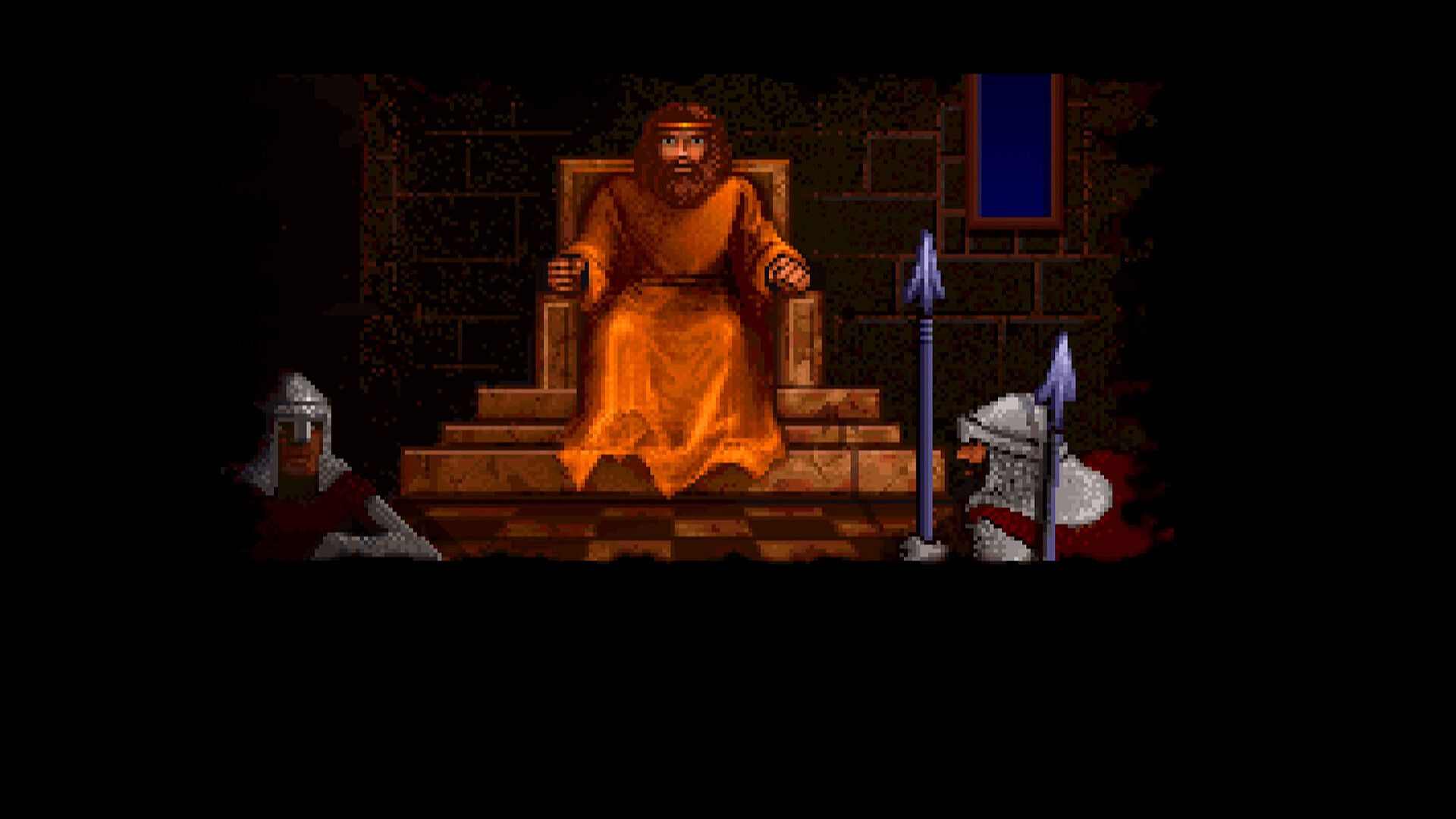
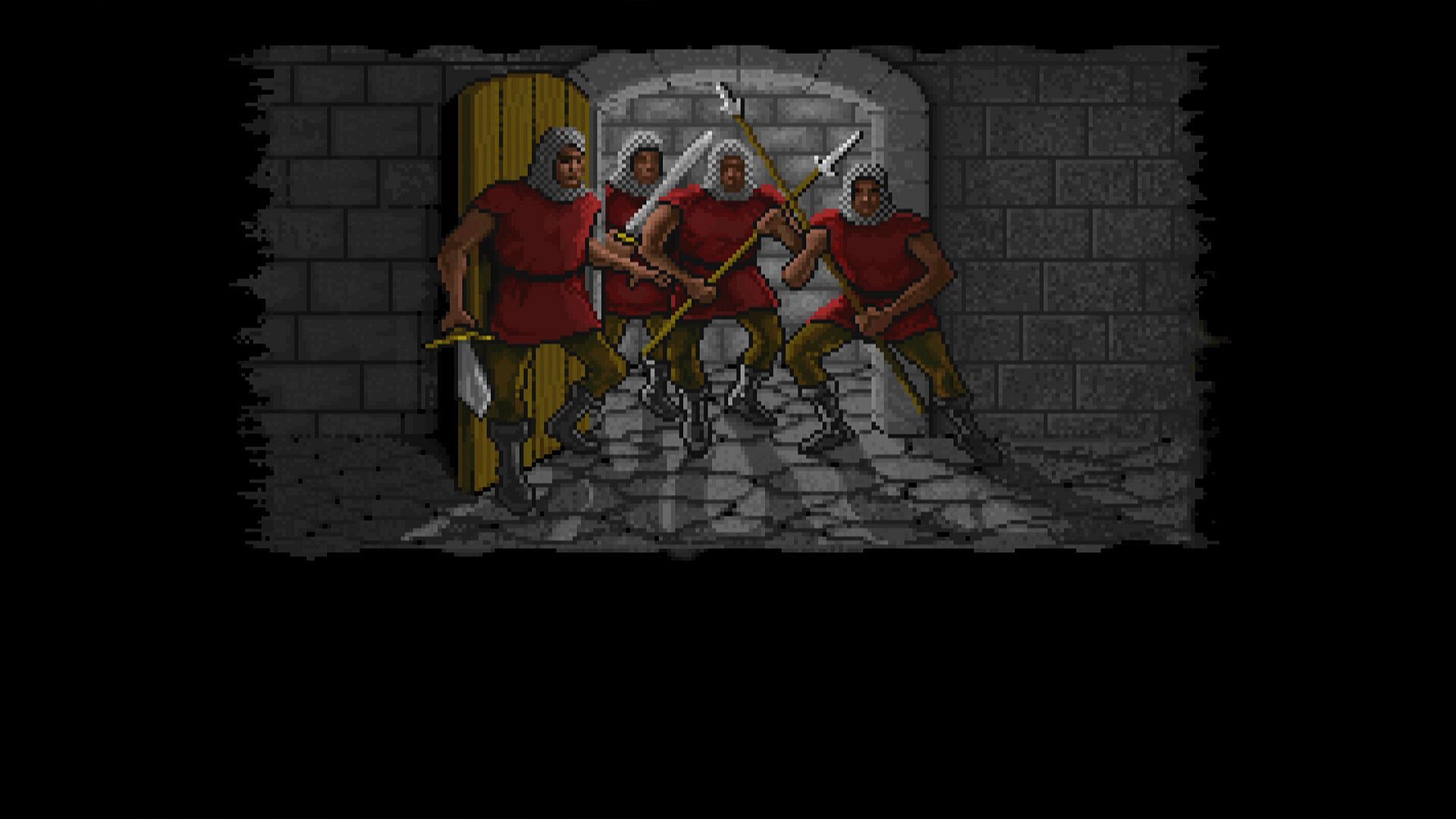

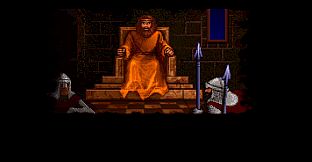

Ultima Underworld 1 is a first-person RPG adventure game set in a vast underground dungeon. Players take on the role of the Avatar, who must navigate the dangers of Britannia's Great Stygian Abyss to clear a false accusation and uncover a larger threat to the land.
Gameplay
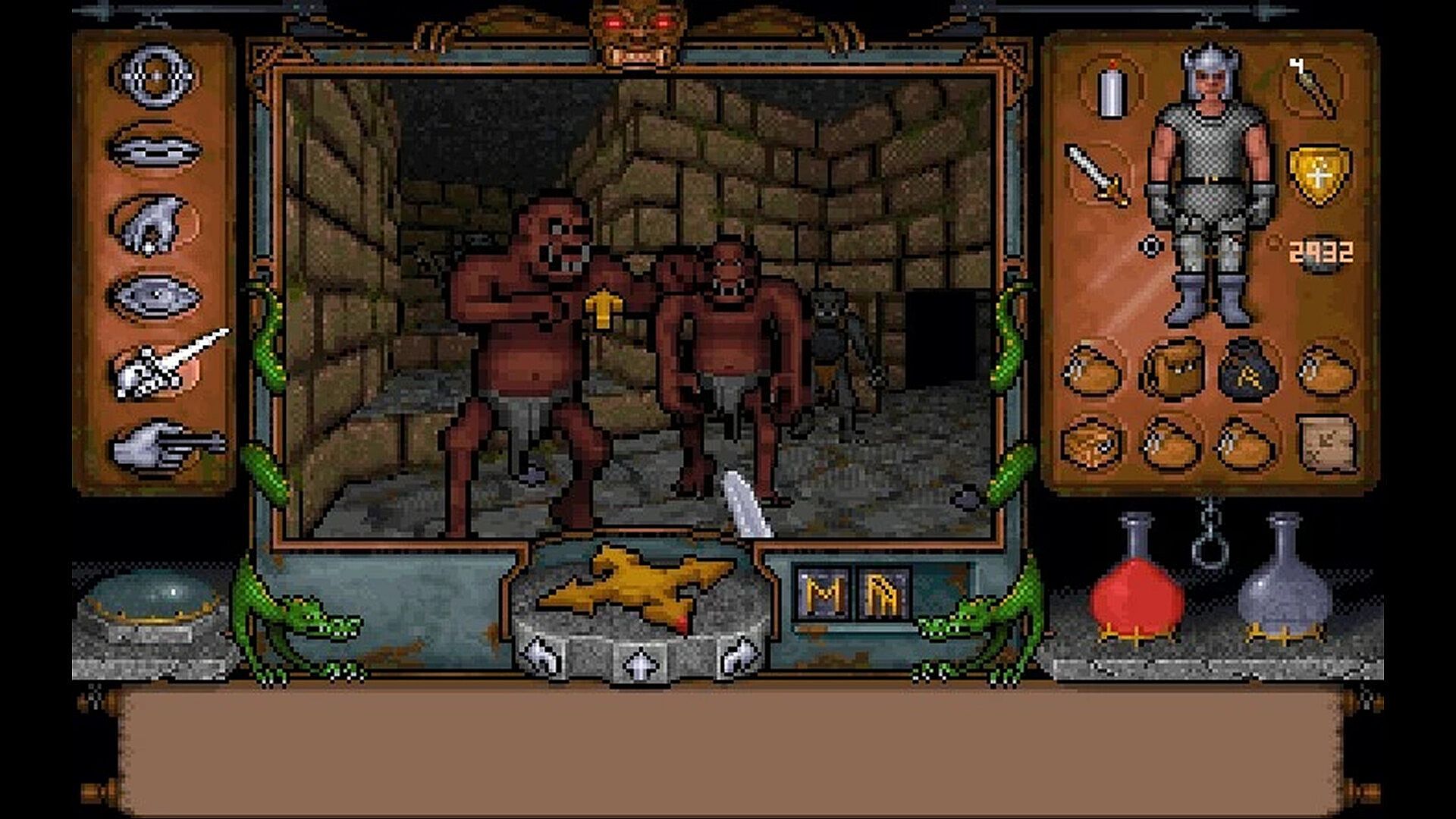
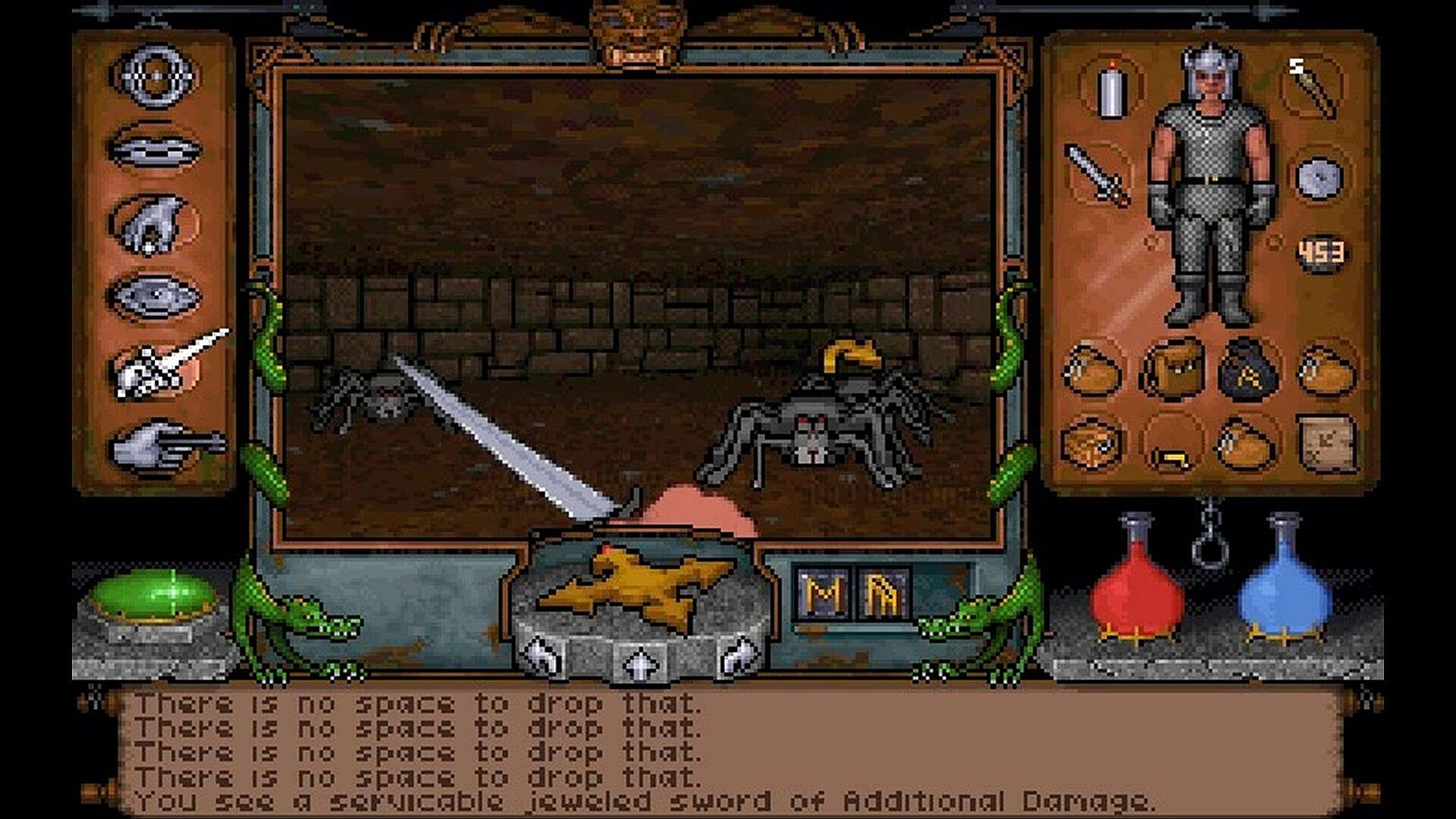
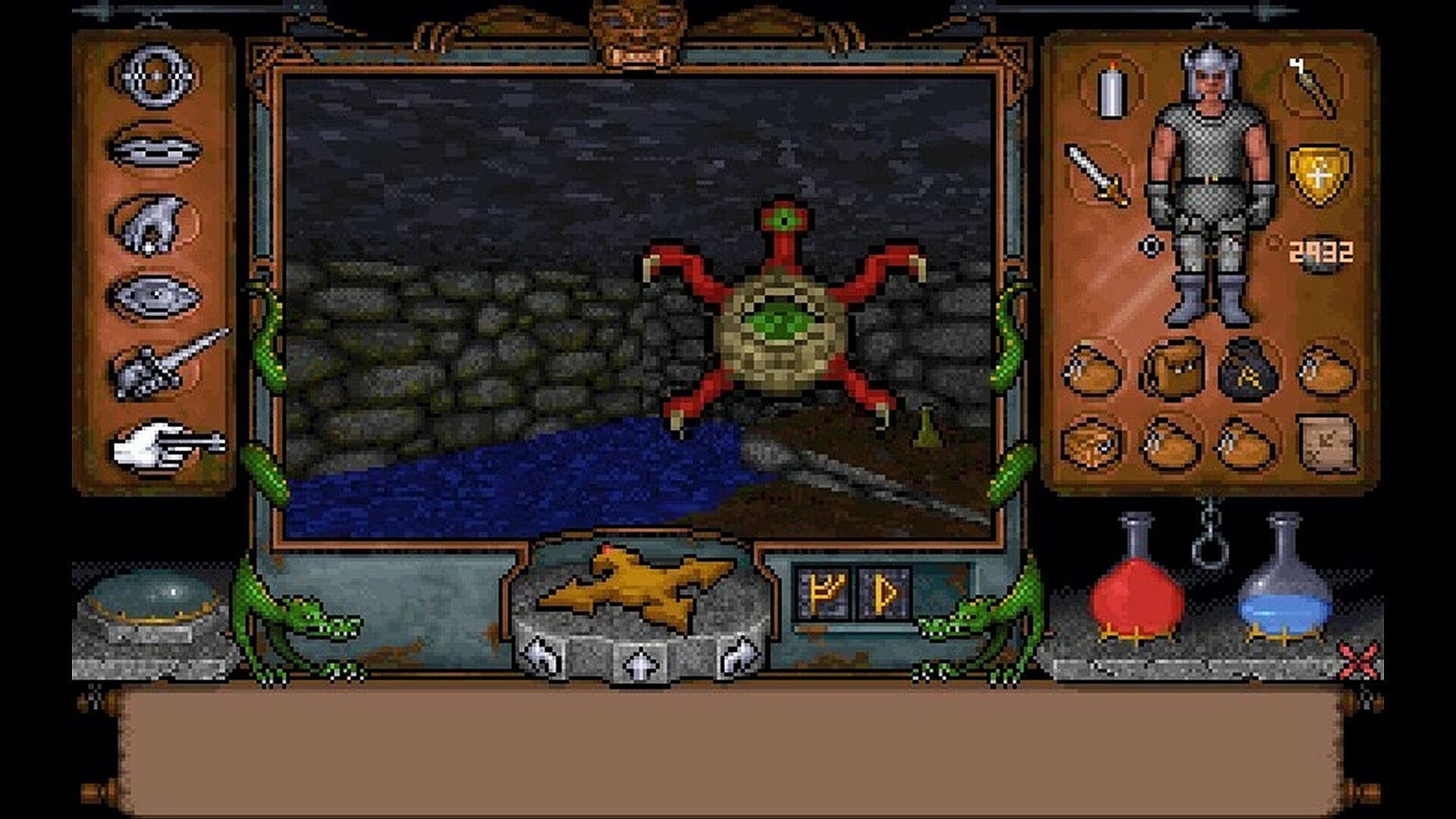
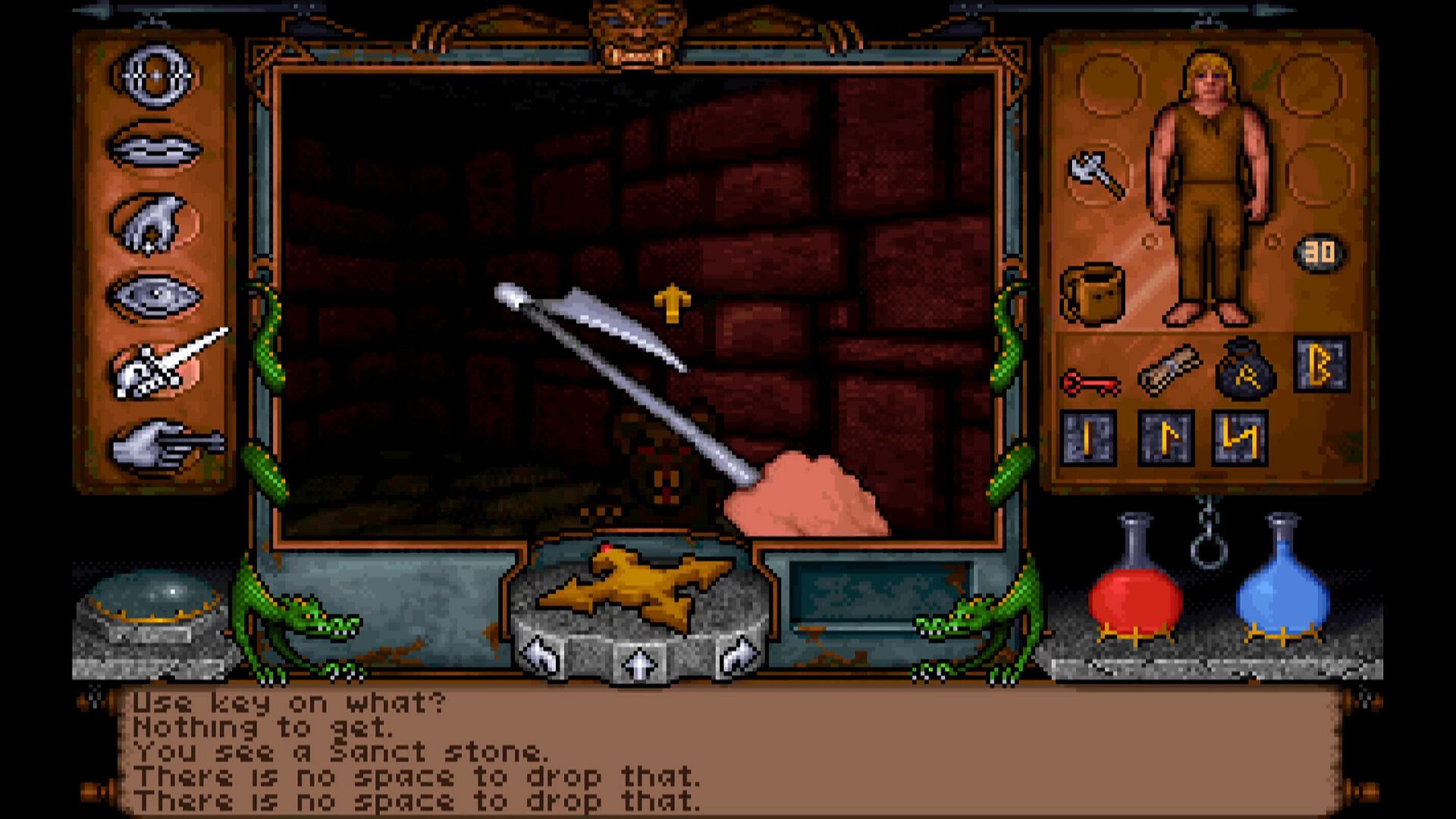
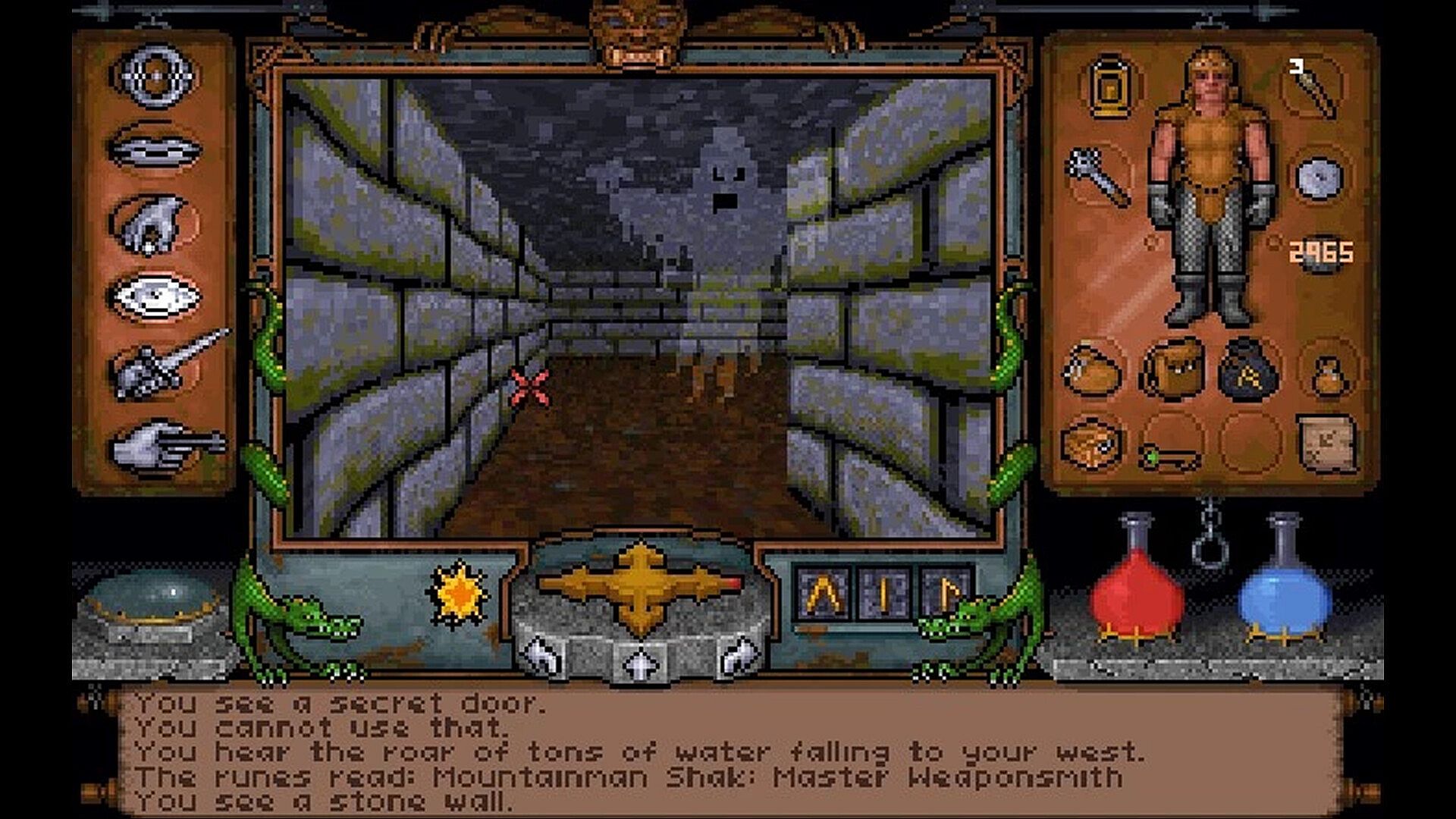
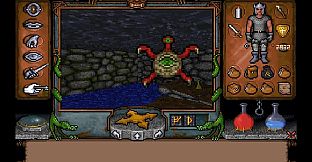
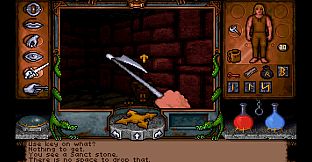
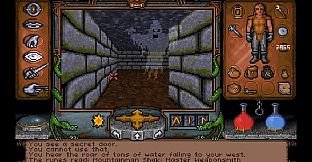
The core loop centers on real-time exploration and interaction within a true 3D environment. Movement feels continuous and free, allowing players to look up or down at objects and creatures while traversing sloped floors, stairs, rivers, and chasms across eight interconnected levels. The world responds to actions in detailed ways, from bashing doors that swing on hinges to picking locks or using tools on interactive elements.
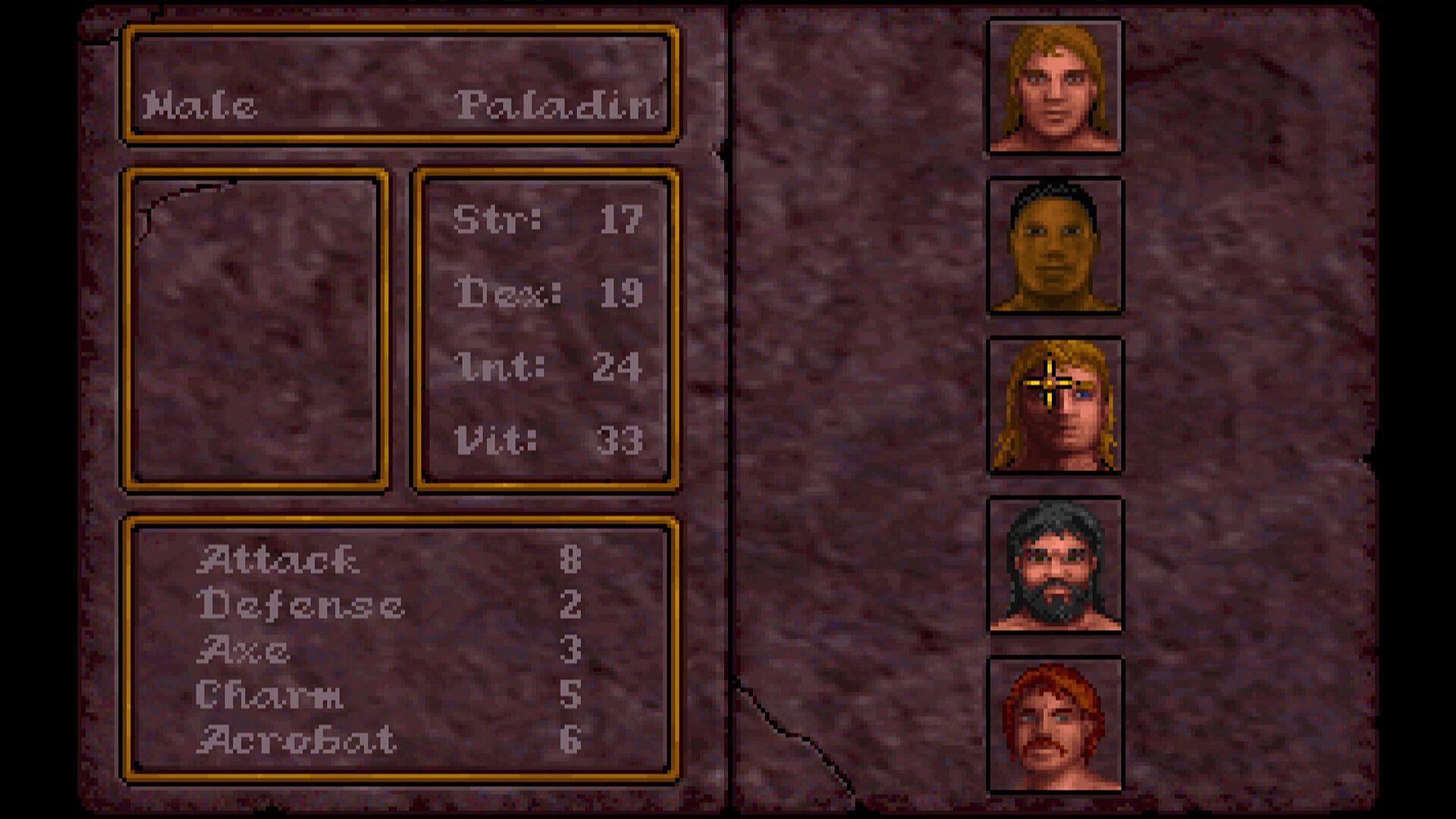
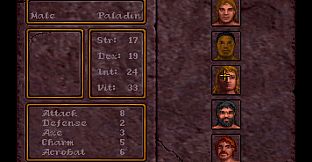
Character progression relies on a skill system that improves through repeated use rather than traditional leveling alone. Players select a starting class during creation, such as Fighter or Mage, which influences initial abilities in areas like combat, magic, swimming, or repair. Experience gained from exploration and encounters raises attributes and unlocks better performance in those skills.
Survival requires attention to basic needs. Characters must eat food found in the dungeon and rest to maintain strength, adding a layer of resource management to every journey deeper into the passages.
Game Modes
The game supports only singleplayer. All activity takes place in one continuous campaign focused on the Avatar's quest through the Abyss. There are no separate modes, multiplayer options, or alternate play styles beyond the main experience.
Exploration and Quests
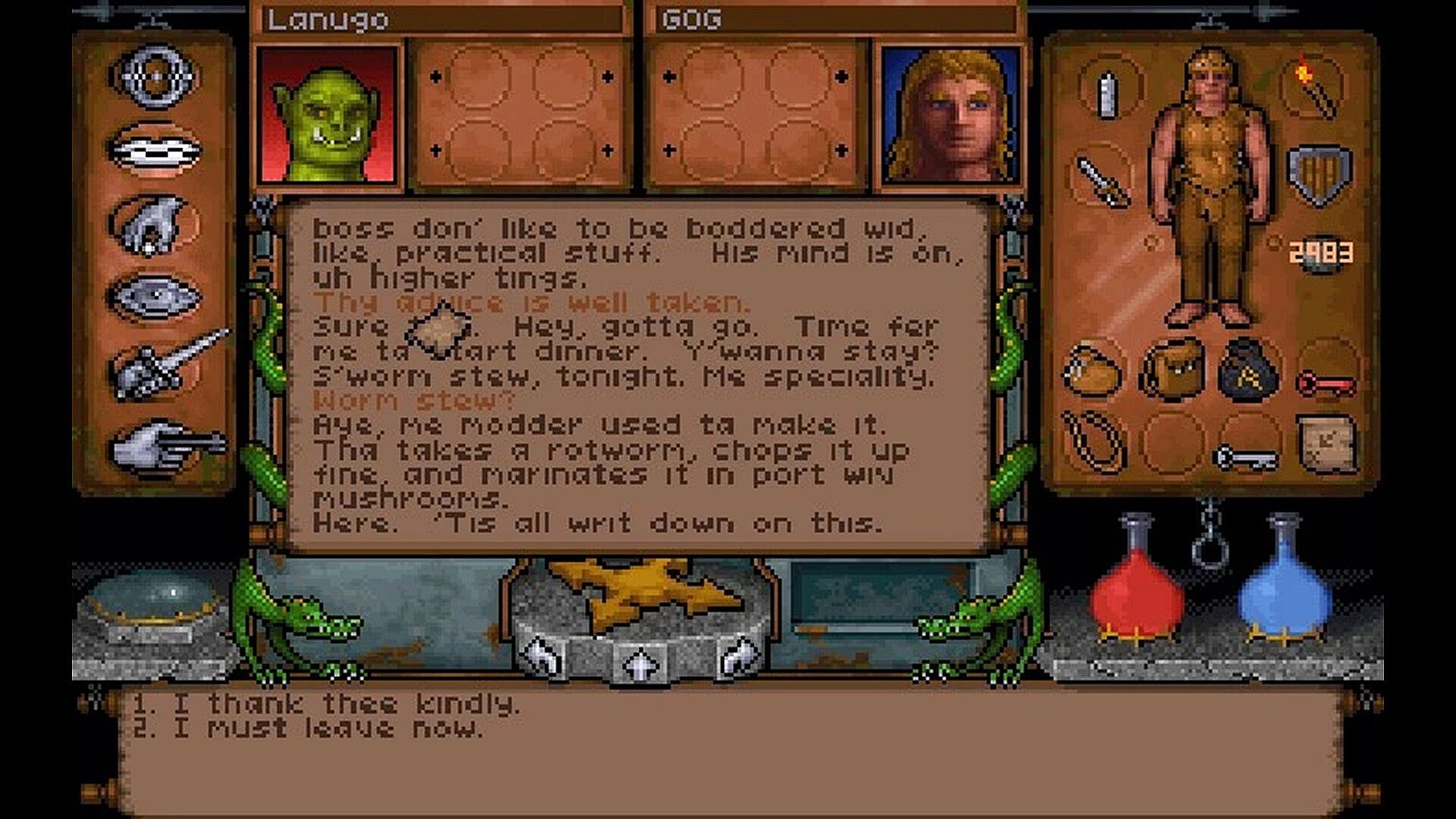
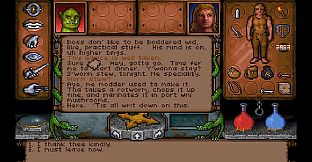
Progression involves navigating nearly 25 miles of winding passages filled with traps, monsters, and hidden areas. An automapping system tracks location automatically and lets players add personal notes to mark important spots or characters. Dozens of NPCs populate the levels, belonging to groups such as goblins and human outcasts. Conversations with them provide information, quests, or assistance, and choices in dialogue can affect outcomes.
The main objective requires locating eight Talismans of Sir Cabirus while gathering clues about the kidnapping and the deeper dangers at the Abyss's heart. Side tasks from NPCs often yield useful rewards and encourage thorough exploration of each level's distinct environments and factions.
Combat and Magic
Combat occurs in real time with weapons that can deliver quick strikes or charged attacks for more impact. Enemies react visibly to hits, and weapons degrade with use, requiring repairs or replacements. Magic draws from a rune system where players collect individual stones representing syllables and combine them to form spells from different circles of power. Each spell consumes mana and produces distinct visual effects during casting.
Both combat and magic tie into the skill progression, rewarding players who practice specific approaches. The system challenges not only reflexes but also preparation and resource use in encounters with the dungeon's varied threats.
Is It Worth Playing?
This title appeals most to players who enjoy classic singleplayer RPGs with strong emphasis on immersive dungeon crawling, interactive environments, and non-linear questing. Its pioneering 3D movement and simulation elements remain distinctive even decades later. Recent availability on modern platforms has introduced it to new audiences, though user feedback on current storefronts remains limited in volume. Those drawn to detailed exploration, conversation-driven progression, and skill-based systems will find substantial depth in its eight-level world. Fans of older immersive sims often cite its influence on later titles in the genre.