



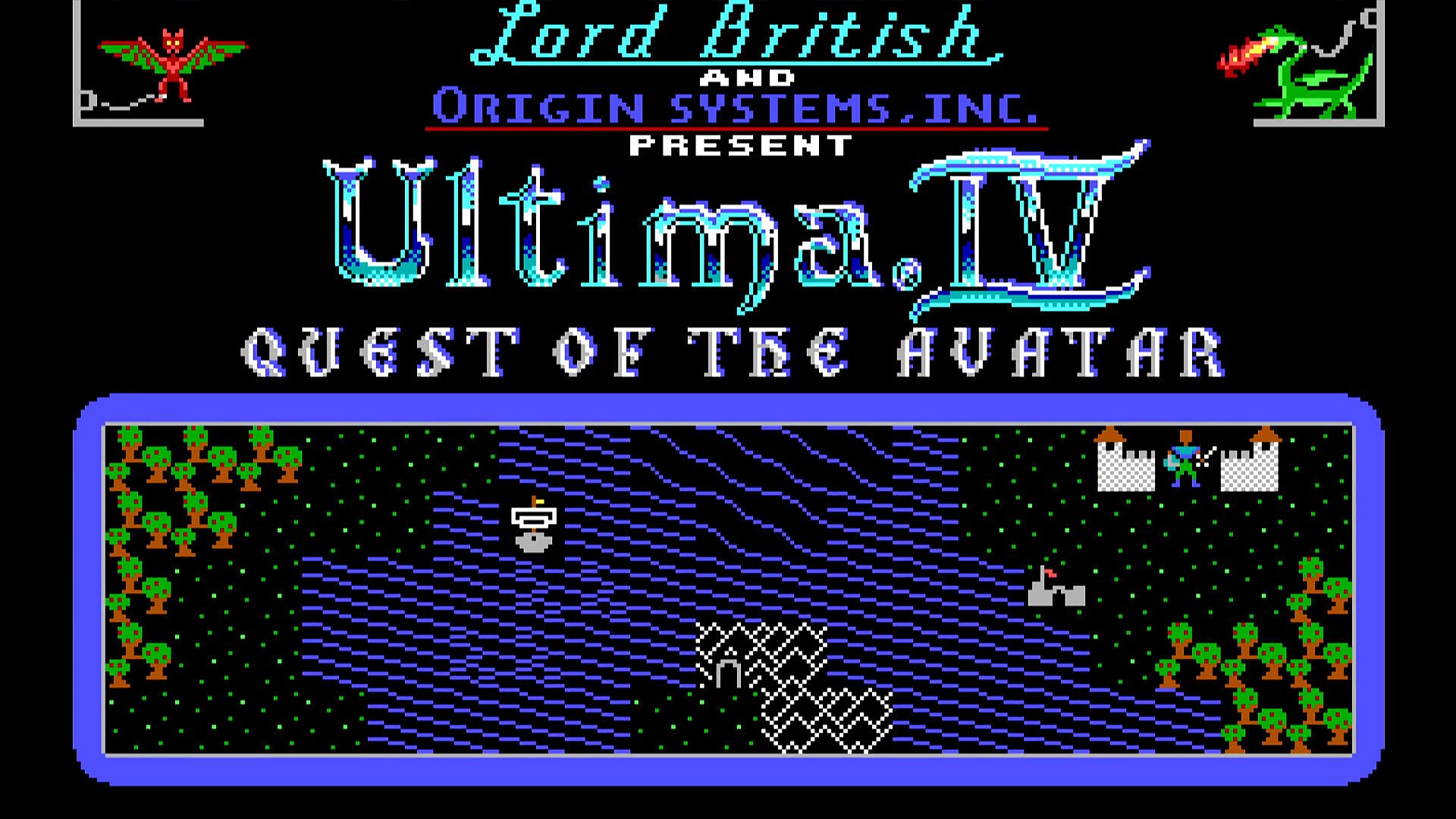
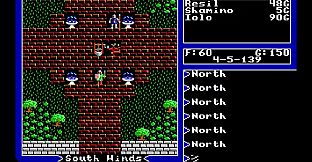
Ultima IV: Quest of the Avatar stands as a foundational single-player fantasy RPG that emphasizes ethical decision-making alongside traditional exploration and combat. Released originally in 1985 for personal computers, the game places players in the role of a traveler summoned to Britannia by Lord British. The core experience revolves around mastering the Eight Virtues through consistent actions rather than defeating a singular antagonist.
Gameplay
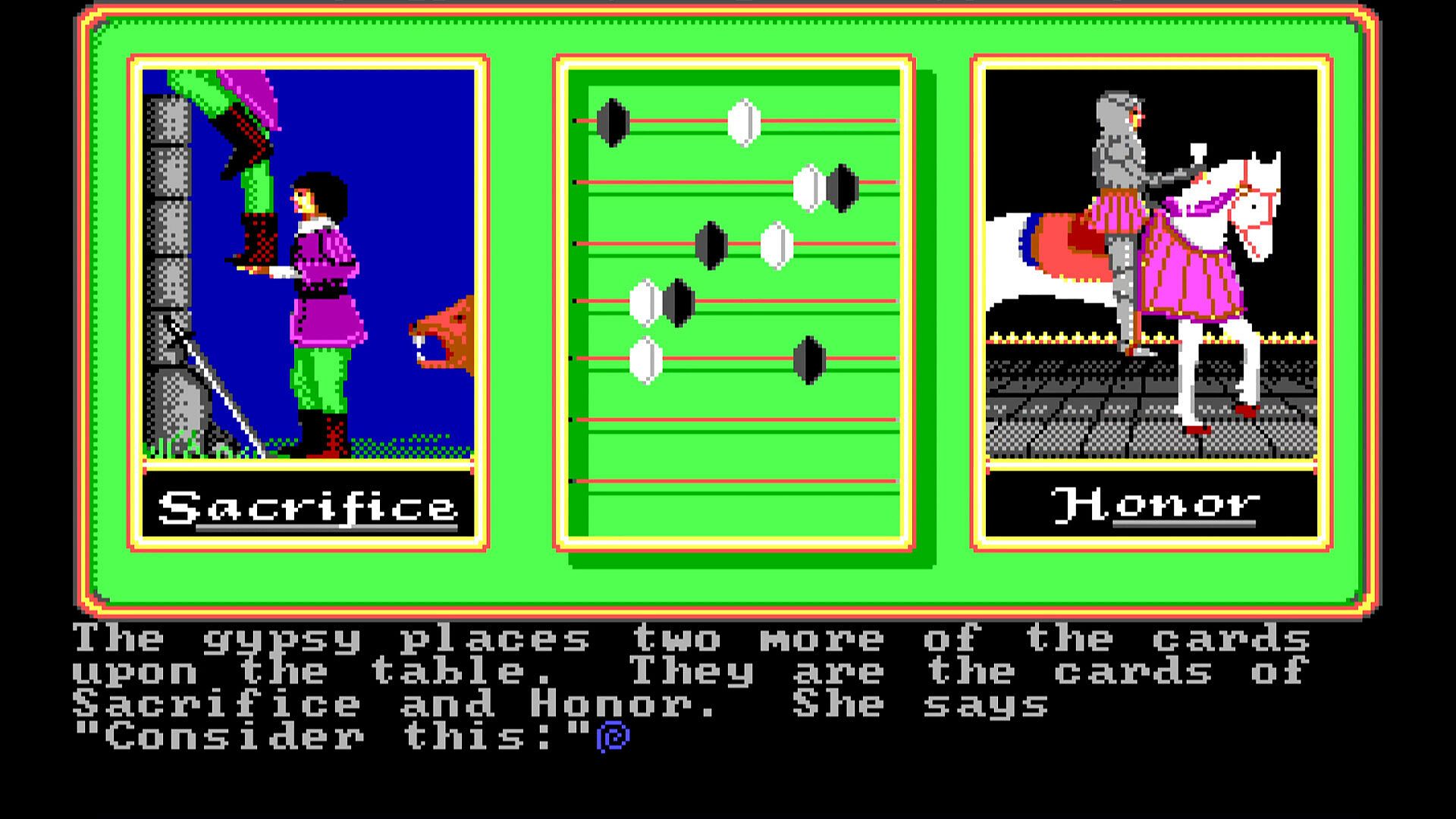
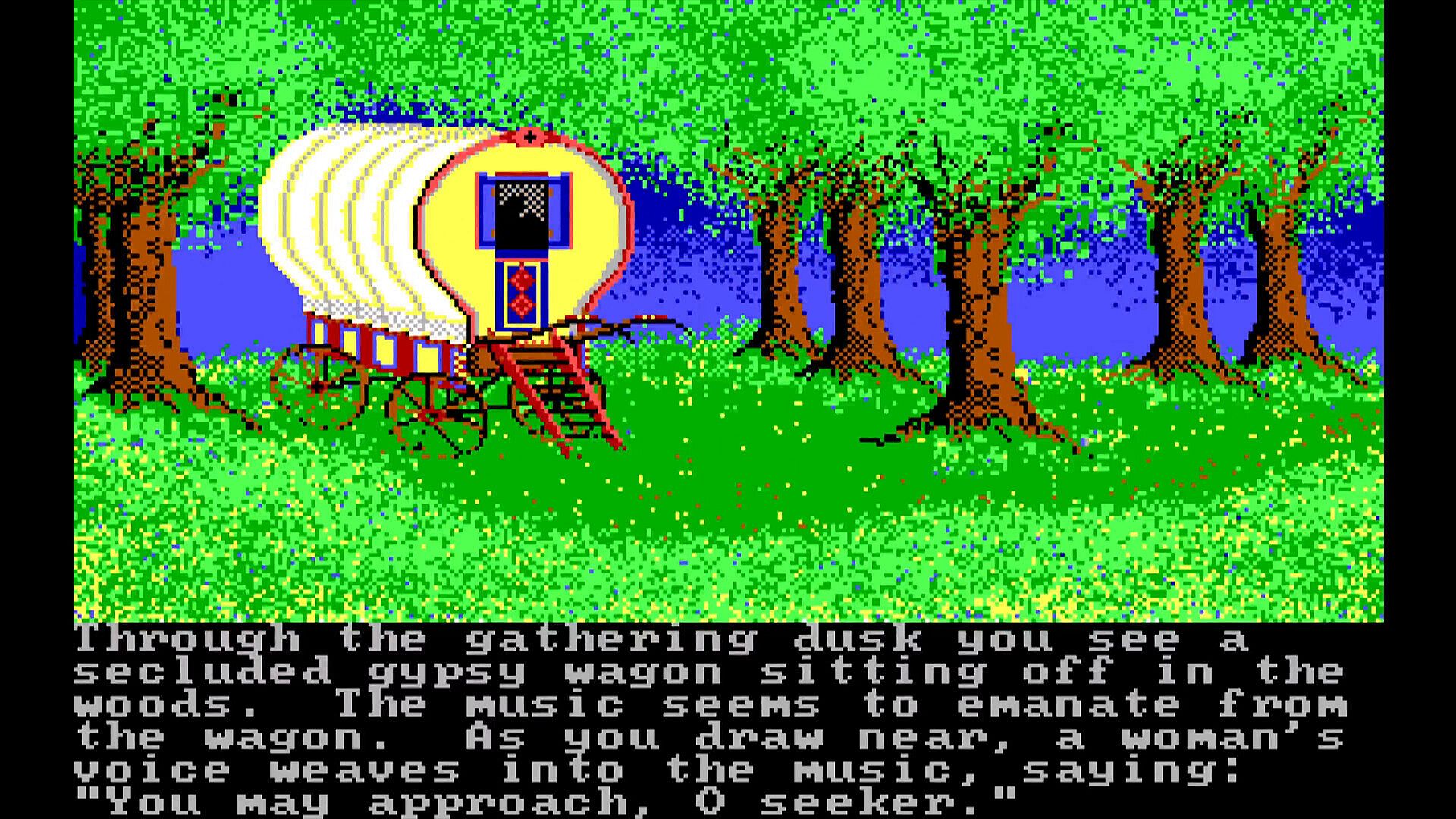
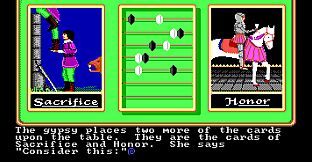
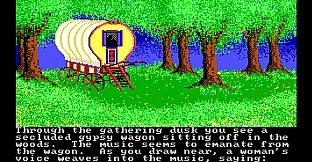
Character creation begins with a series of ethical questions presented by a gypsy. Responses rank priorities among the virtues and determine the starting class along with an initial location in the world. Classes range from Mage and Bard to Paladin, Tinker, Druid, Ranger, Fighter, and Shepherd, each tied to one primary virtue.
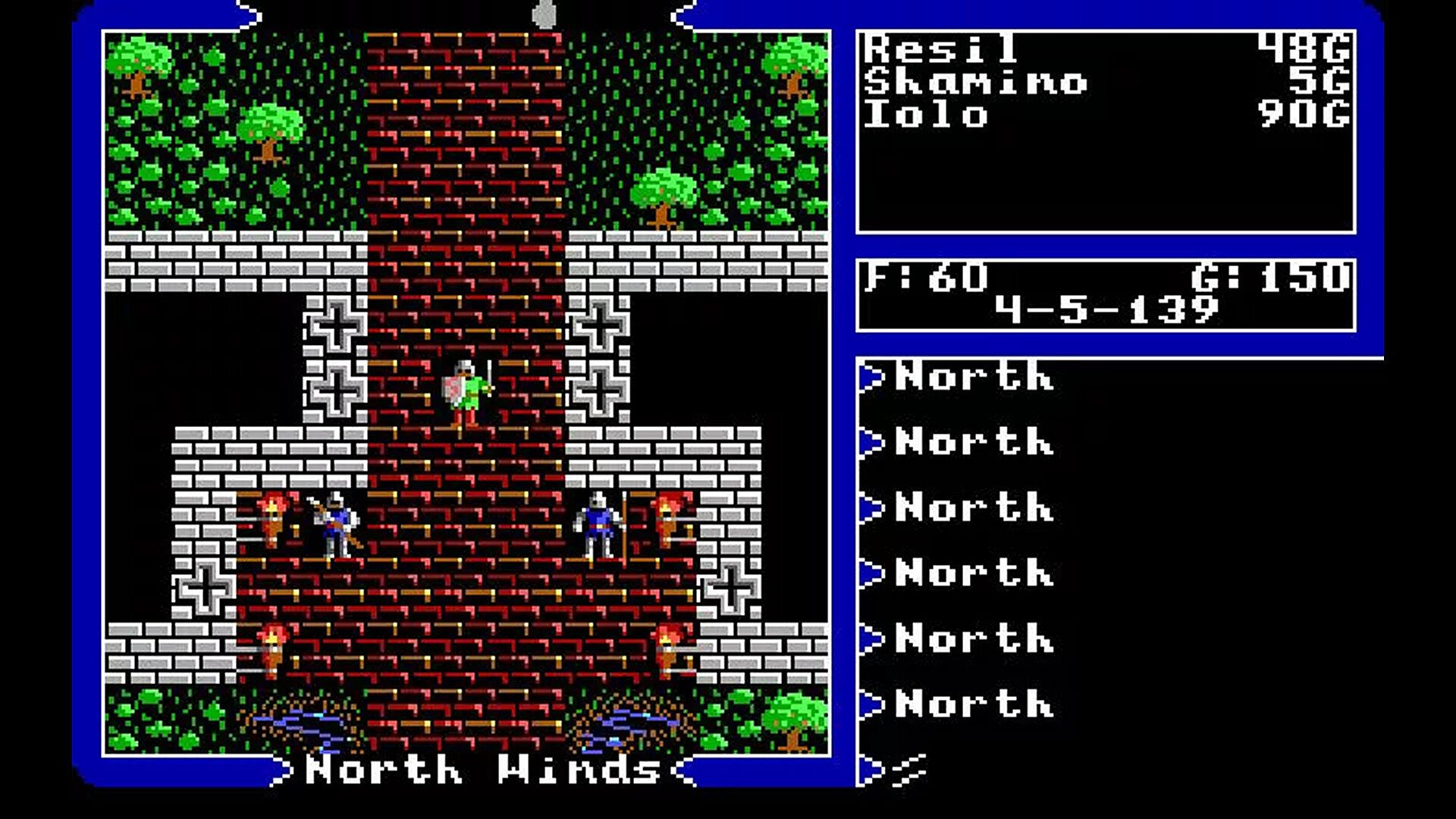
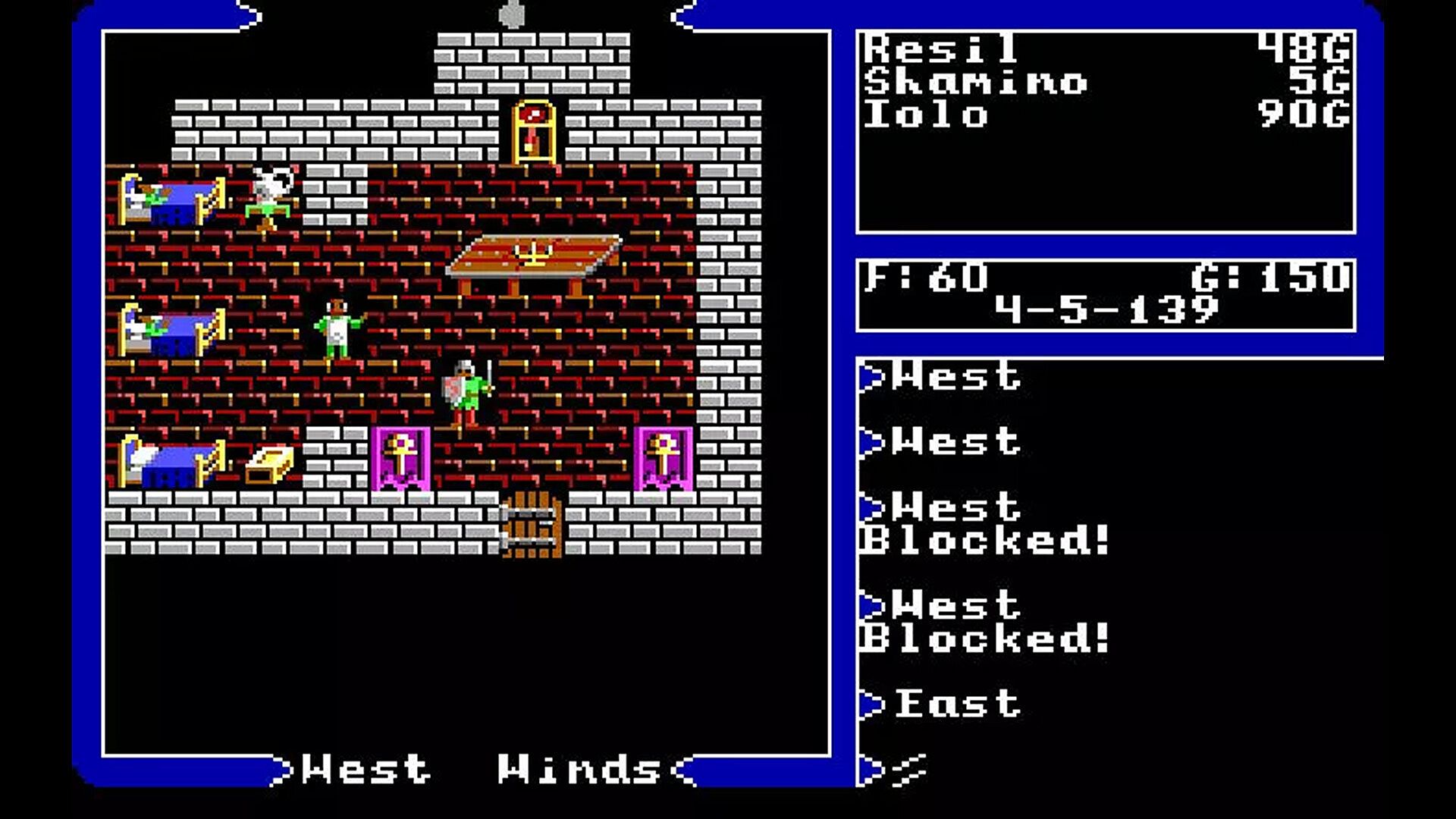
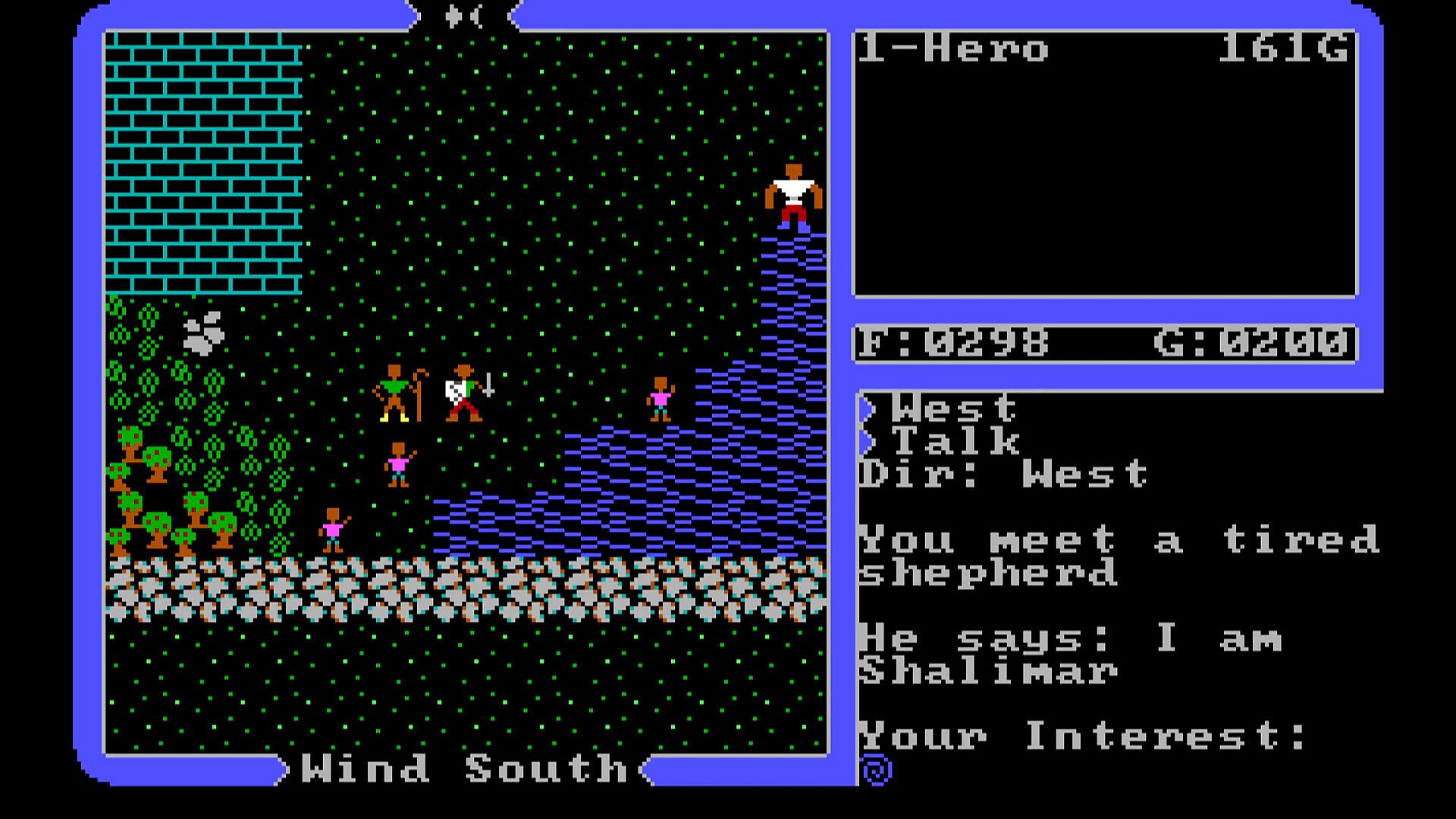
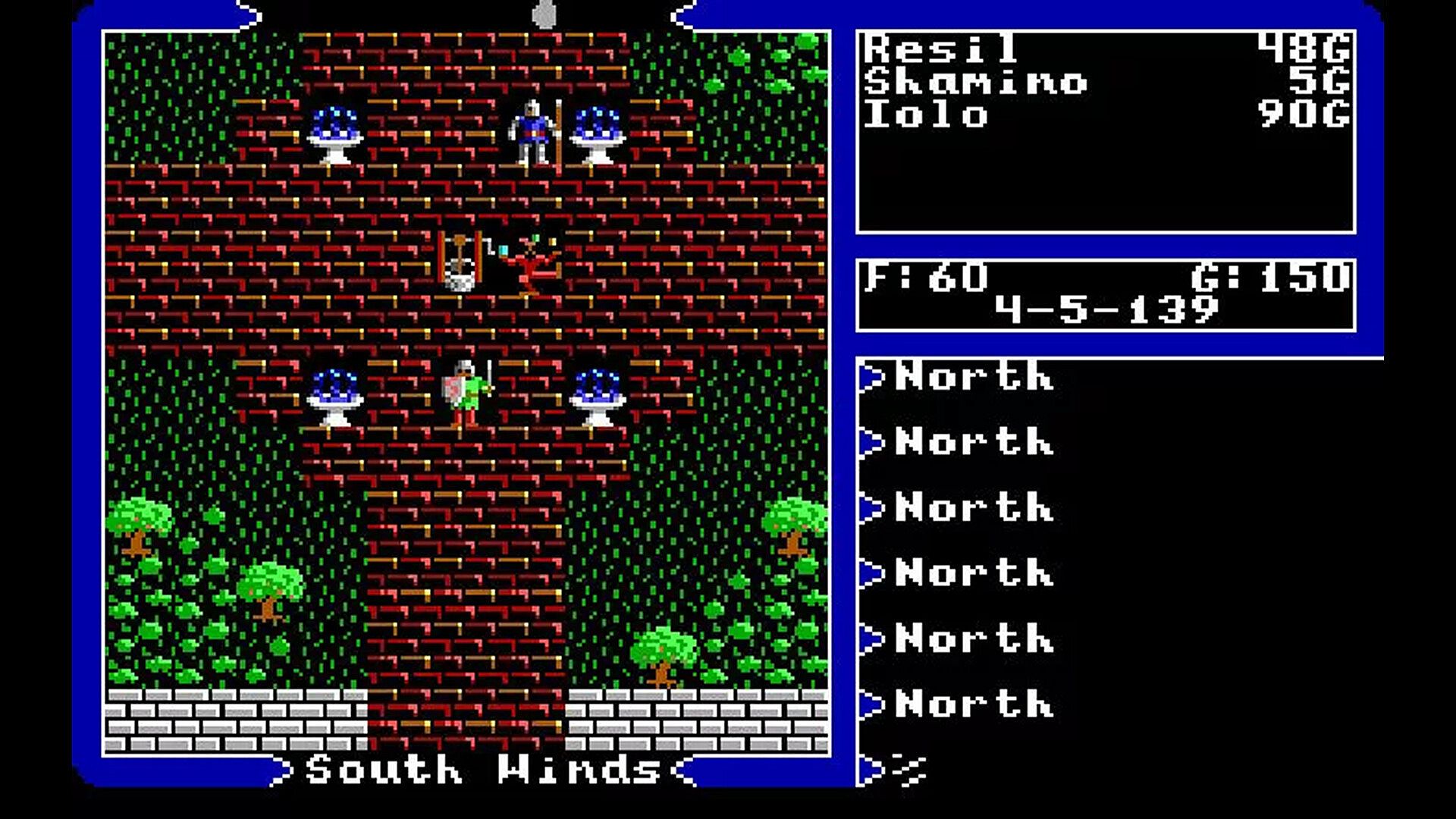
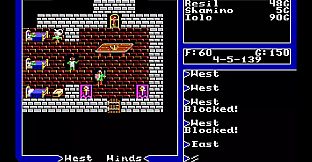
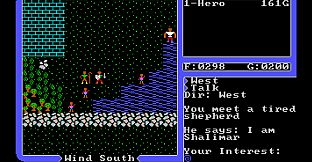
Exploration occurs across an expansive overworld map that supports travel on foot, horseback, or by ship. Players converse with numerous non-player characters to gather clues, purchase equipment, and recruit companions who join the party and contribute to combat and resource management. Dungeons feature dedicated combat rooms with terrain that influences tactics, while the magic system requires mixing reagents in advance to prepare spells for use in and out of battle.
Progress toward the virtues occurs through specific behaviors such as donating to beggars for compassion, meditating at shrines after obtaining the correct rune and mantra, or avoiding unnecessary violence against non-hostile creatures. Time passes in the game world, affecting certain events and travel options like moongates that activate according to lunar phases.
Game Modes
The title offers only a single-player experience centered on one continuous campaign. There are no separate multiplayer options, competitive modes, or alternate scenarios. All progression ties directly into the central quest to embody every virtue and ultimately enter the Stygian Abyss to consult the Codex of Ultimate Wisdom.
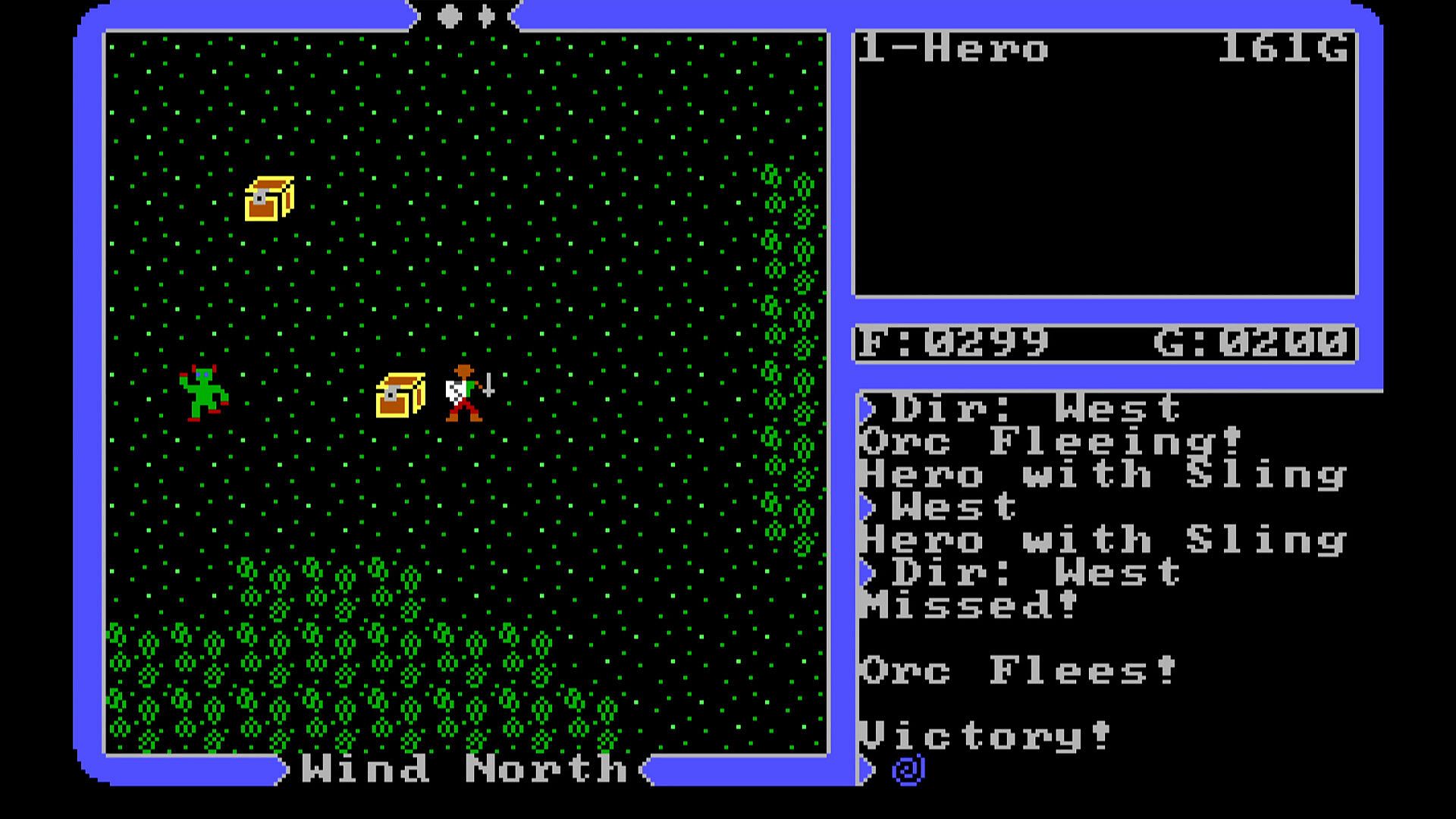
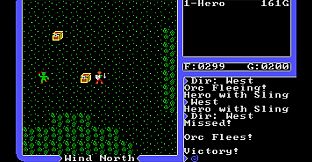
Within this single campaign, players manage a growing party of companions, each aligned with particular virtues, while handling shared resources for food, gold, and equipment. Combat encounters happen in real time on the overworld or in turn-based fashion on dedicated screens, rewarding strategic positioning and spell preparation over brute force.
World and Progression
Britannia consists of distinct towns, keeps, and dungeons, each linked to the virtues or the three principles of Truth, Love, and Courage. Towns provide runes and mantras needed for shrine access, while dungeons yield stones and orbs that support attribute growth. The open structure allows most objectives to be pursued in flexible order once basic travel methods are secured.
Party management adds depth as companions contribute unique skills during fights and conversations. Resource gathering includes searching for hidden items and chests, with traps requiring dexterity checks to disarm safely. The absence of traditional experience grinding shifts focus toward consistent virtuous conduct and thorough investigation of the environment.
Is It Worth Playing?
This remains a landmark entry for those interested in the historical development of role-playing games, particularly the shift toward moral systems that influence character growth and story outcomes. Its influence appears in later titles that incorporate virtue tracking or open-ended ethical choices.
Modern players who appreciate deliberate pacing, extensive dialogue trees, and puzzle-like progression through information gathering will find substantial depth. Those seeking fast-paced action or contemporary graphics may find the interface and visuals challenging without patience for its era-specific design. The recent availability on digital platforms has made the original experience accessible again for new audiences willing to engage with its distinctive approach to character development.