







ULTIMATE将棋 is a strategy game that blends traditional shogi rules with a deck of magic cards and optional AI guidance. Players move pieces on the standard 9x9 board while using cards to alter movement, add protections, create obstacles, or reshape the position entirely. The core loop involves reading the board, managing mana resources, and deciding when to follow conventional shogi principles or break them with a card play.
Gameplay
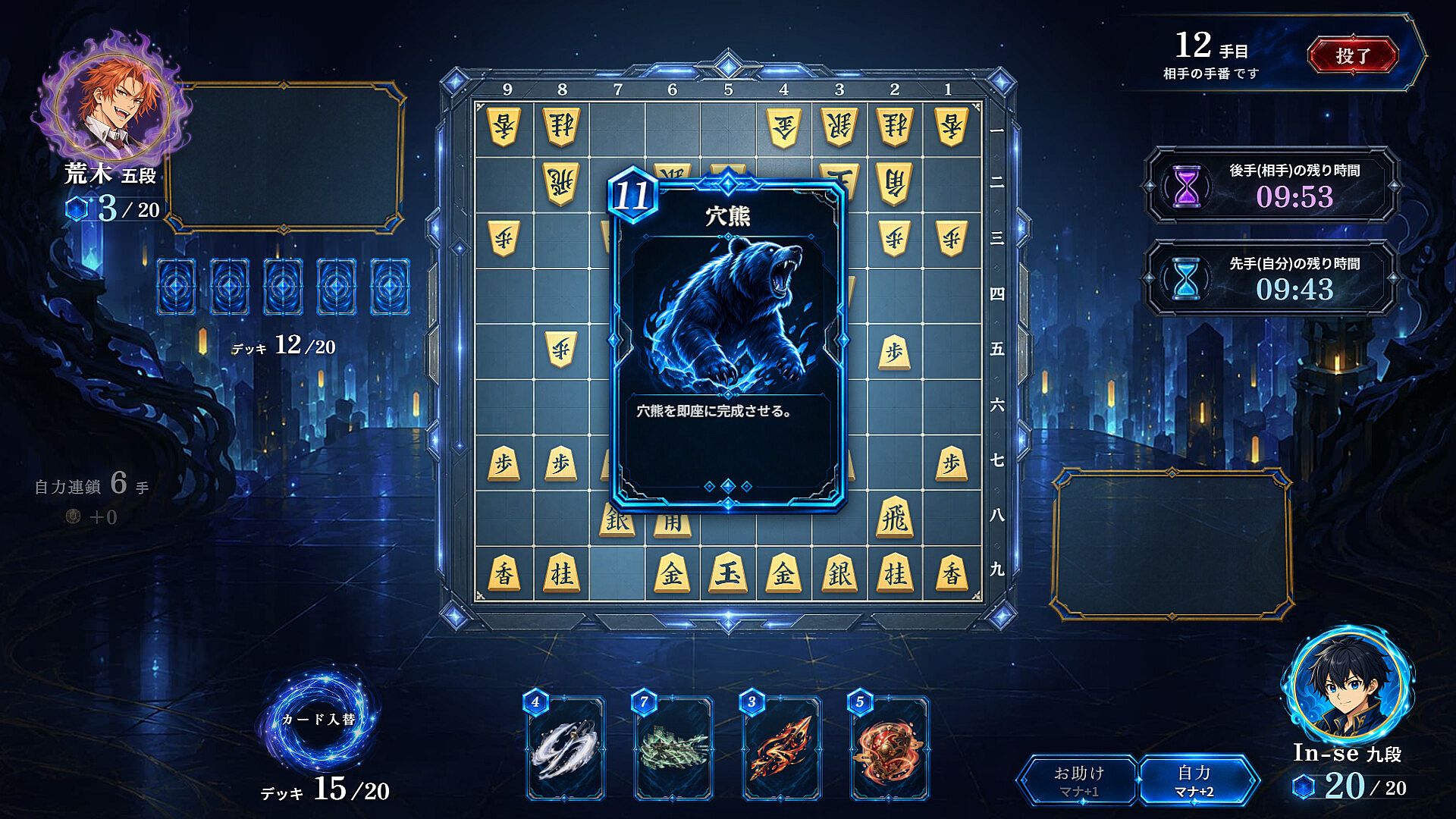
The match begins with standard shogi setup and piece movement. At any point a player can activate AI analysis, which highlights strong candidate moves and indicates the current evaluation of the position. This tool never suggests a specific magic card, leaving that choice entirely to the player. Skipping the AI view on a turn grants extra mana, creating a direct trade-off between information and card power.
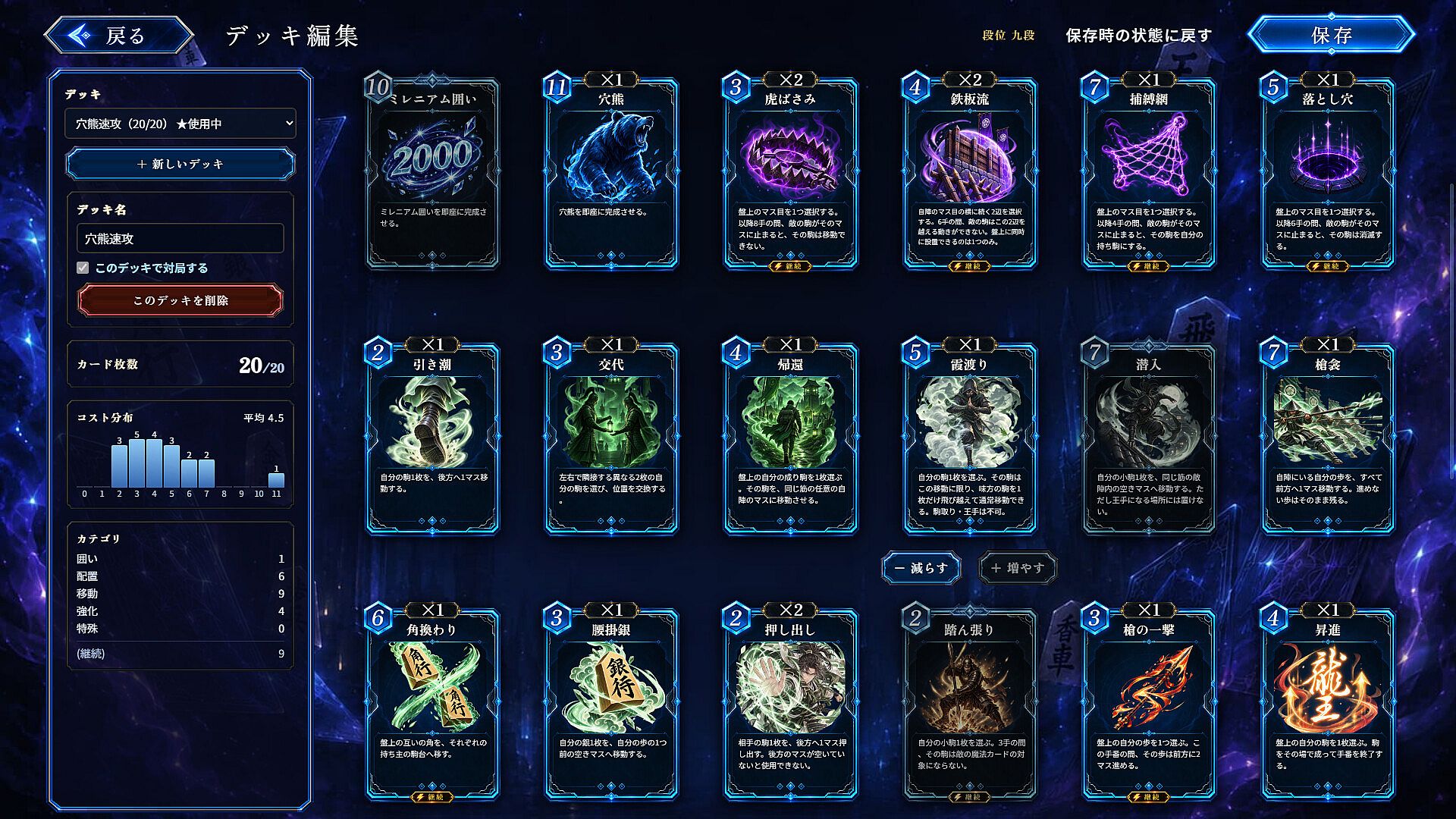
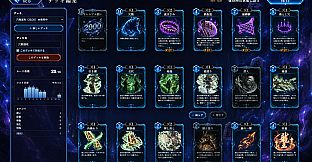
Magic cards fall into five categories. Movement cards allow pieces to travel in patterns forbidden under normal rules. Enhancement cards strengthen or shield individual pieces. Placement cards drop traps or barriers onto empty squares. Special cards adjust mana or time resources. Castle cards instantly assemble defensive structures such as Mino, Yagura, or Anaguma. Each player builds a personal 20-card deck before a match, so the same board can support very different tactical approaches depending on the chosen cards.
Even when the AI evaluates a position as lost, a well-timed card can reverse the outcome. A single impossible move or sudden castle can shift the balance, rewarding players who recognize when to abandon standard shogi theory in favor of creative disruption.
Game Modes
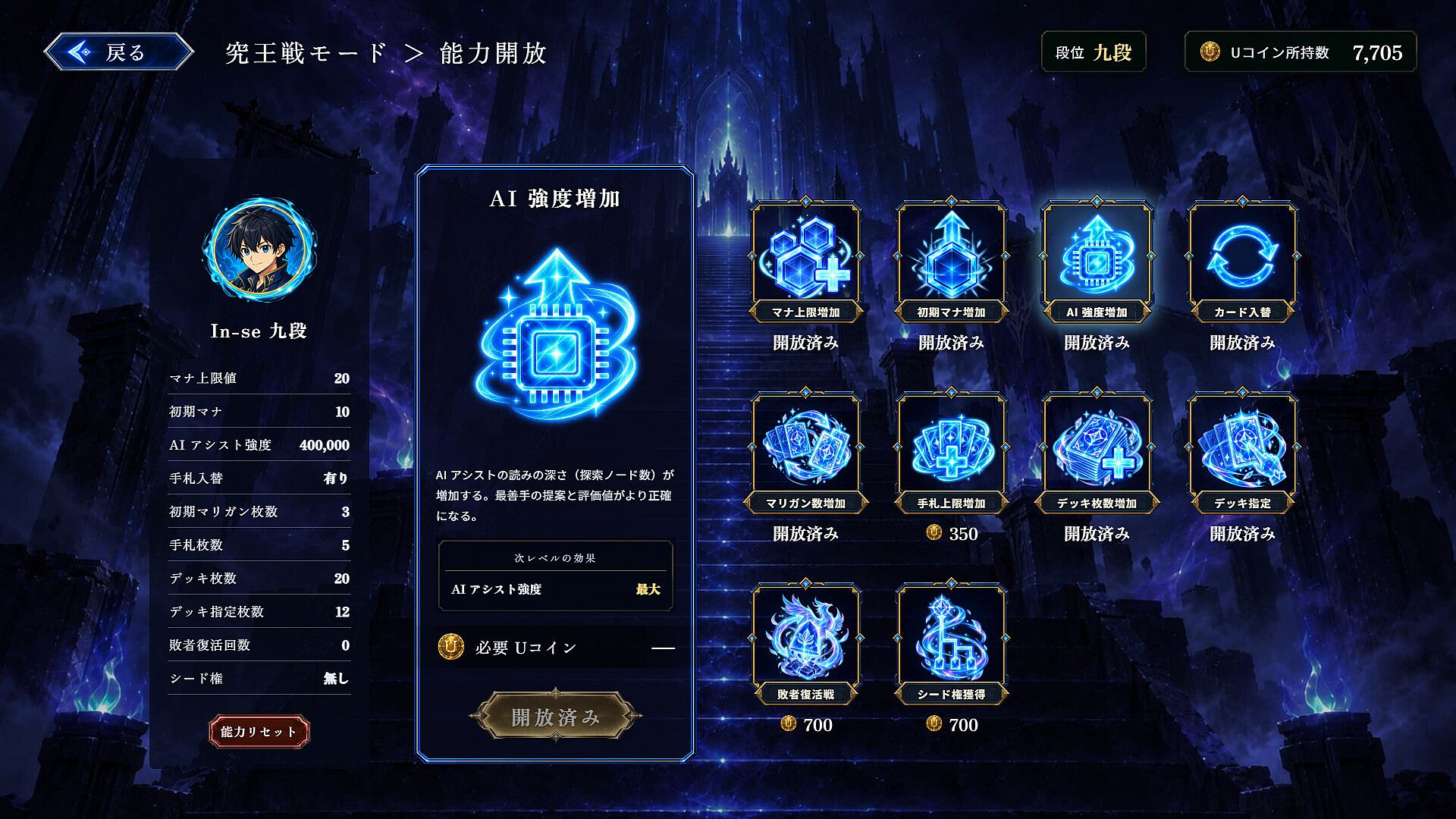
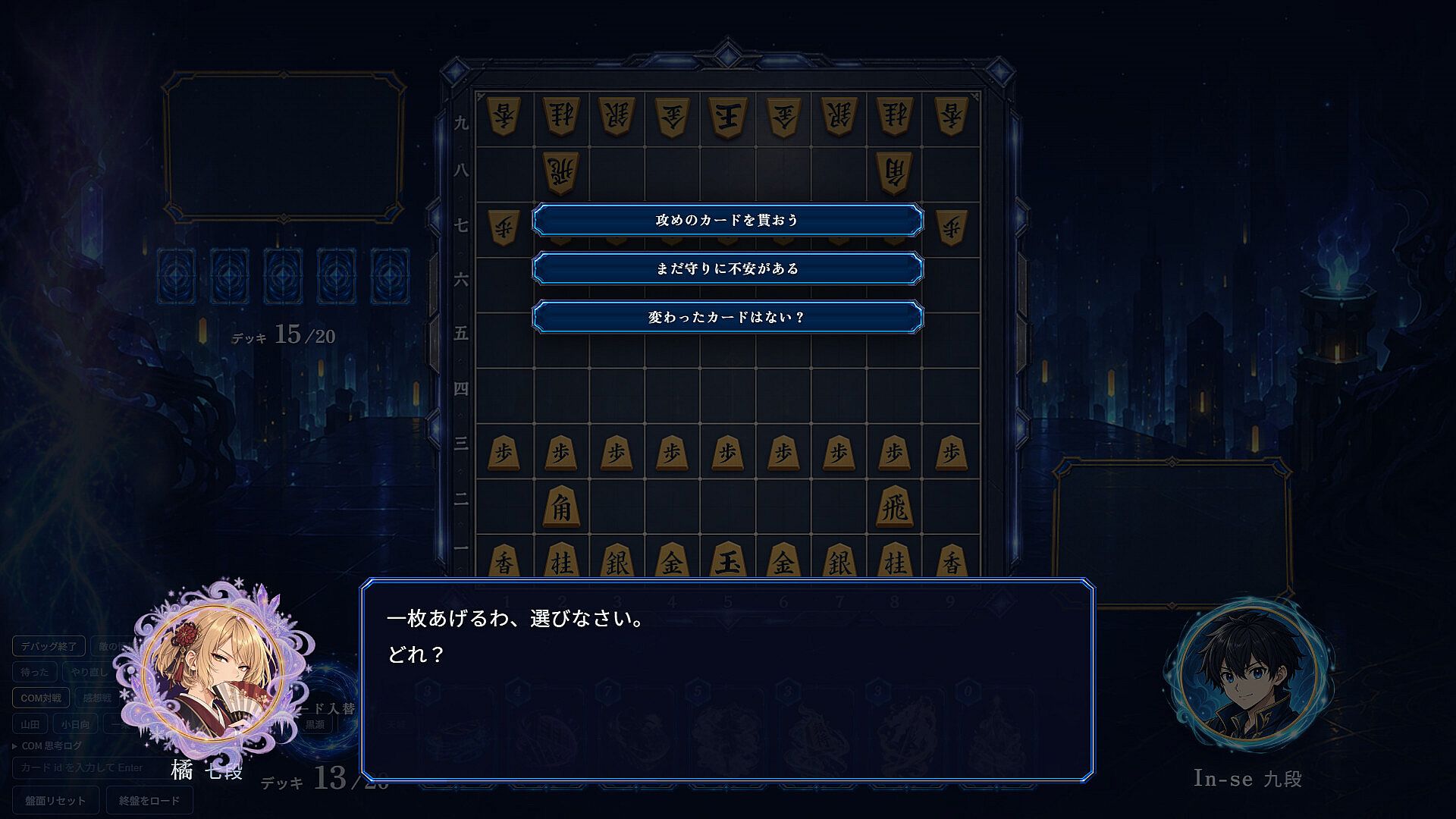
Single-player content centers on the Kyuosen Tournament. Participants face a series of opponents with distinct styles, including aggressive attackers, defensive specialists, trap-focused players, and high-level rivals who also use magic cards. Victories award new cards and abilities, allowing the deck to expand and adapt over repeated runs. The final challenge pits the player against the Meijin at the top of the bracket.
Online PvP matches let players test custom decks against others. The same card system and AI assistance options apply, so participants can choose how much guidance they accept during ranked or casual games. Deck variety ensures that no two encounters play identically even when the underlying shogi rules remain consistent.
Deck Building and Resource Management
Deck construction is the main avenue for personalization. A player focused on pure shogi might include only a few movement or enhancement cards for emergencies. Another might emphasize placement and special cards to control the board through disruption. Castle cards provide immediate defensive resets, while mana-manipulation cards reward conservative play. The 20-card limit forces meaningful choices about which effects deserve inclusion and how they interact with standard piece movement.
Mana serves as the shared currency for card plays. Earning extra mana by declining AI assistance adds another layer of strategy: accurate unaided play builds power for later turns, while frequent AI checks preserve accuracy at the cost of card strength. This system rewards both precise calculation and bold improvisation.
Is It Worth Playing?
ULTIMATE将棋 appeals to shogi players seeking new tactical options and to newcomers who want visible guidance during matches. The AI assistance lowers the barrier for learning piece movement and evaluation without removing the need for personal card decisions. Experienced players can disable the tool entirely to maximize mana and rely on their own reading.
The game remains in development with a planned release in December 2026 and currently lists Japanese language support only. Features confirmed on the store page include single-player tournament progression, online PvP, Steam achievements, and family sharing. No user reviews are available yet, so reception will depend on how the card system integrates with core shogi timing once the title launches.
Those who enjoy strategic depth, deck customization, and the tension between following established theory or inventing new paths will find the most value. The combination of familiar 81-square board play with rule-bending cards creates matches that can swing dramatically even from apparently hopeless positions.