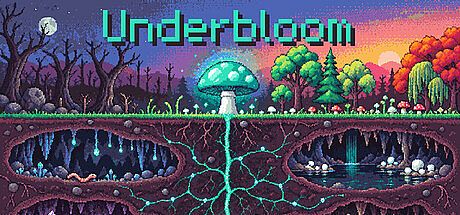


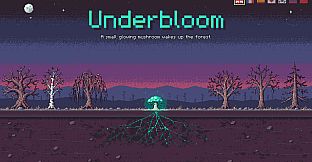
Underbloom is a single-player cozy incremental simulation game developed for PC. In this title, players guide a small glowing mushroom as it revives a grey, still forest from below ground. The core experience centers on incremental growth through clicking and resource management, leading to a complete narrative arc that concludes after roughly two to two and a half hours on a first playthrough.
Gameplay
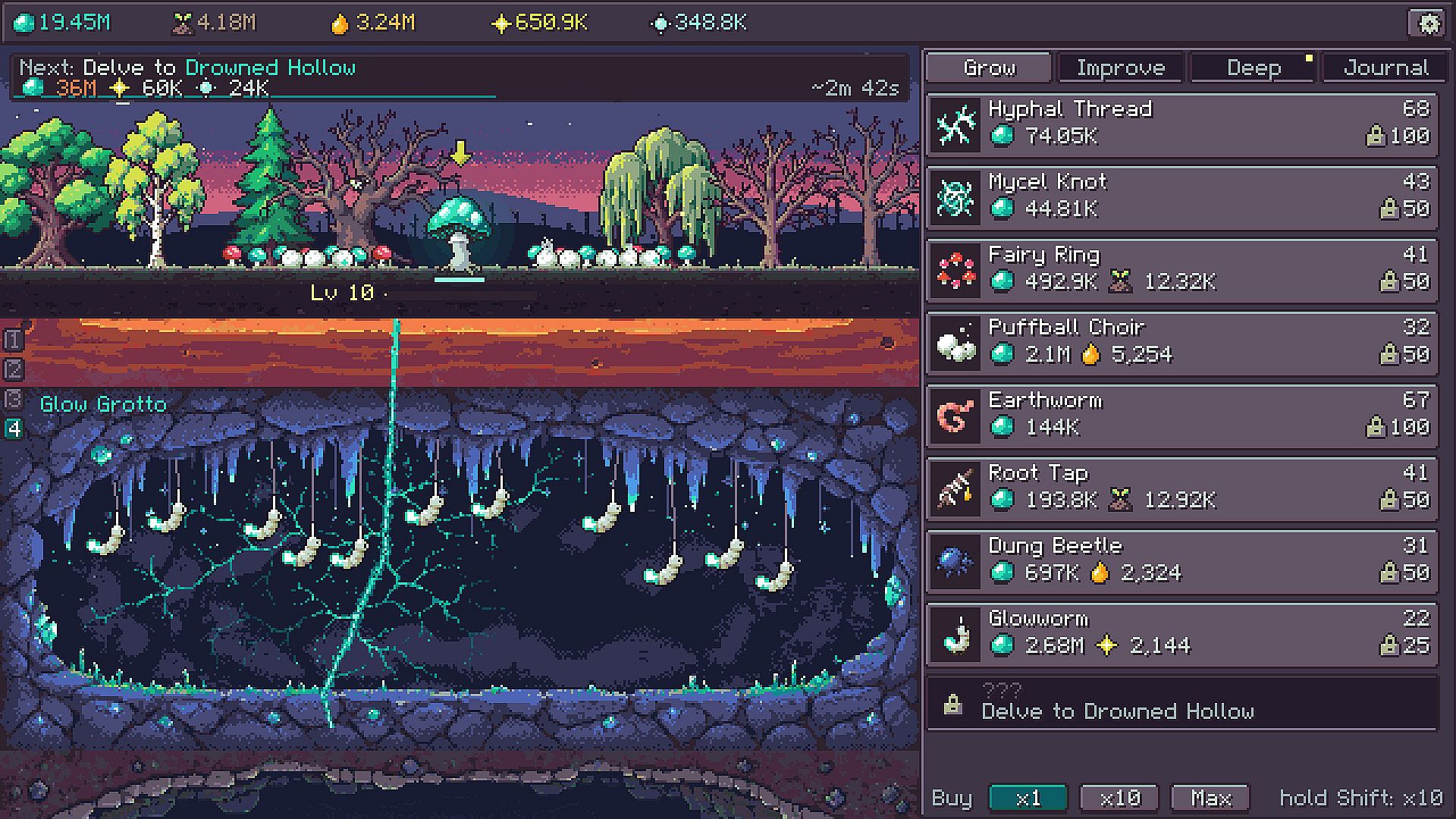
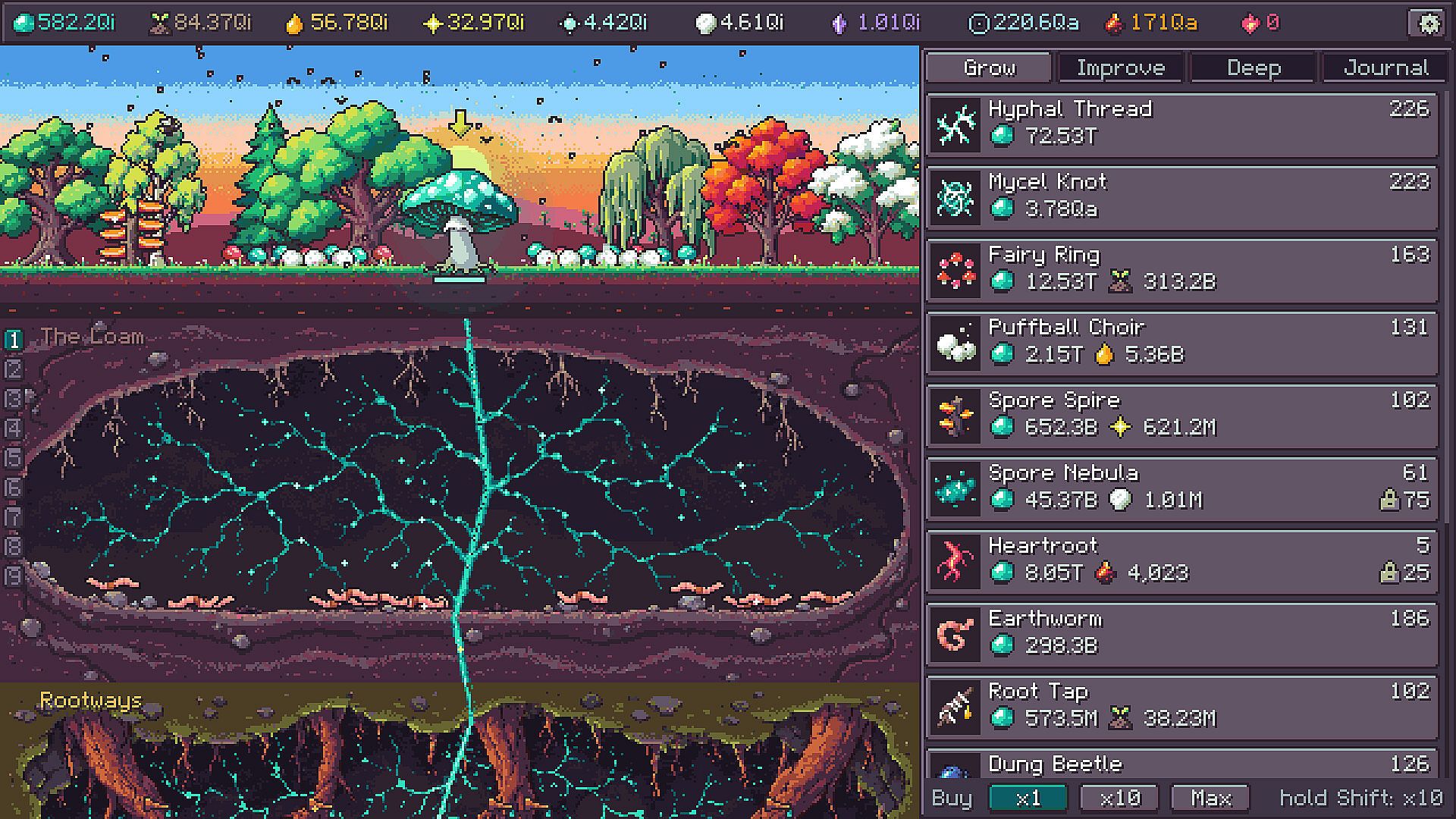
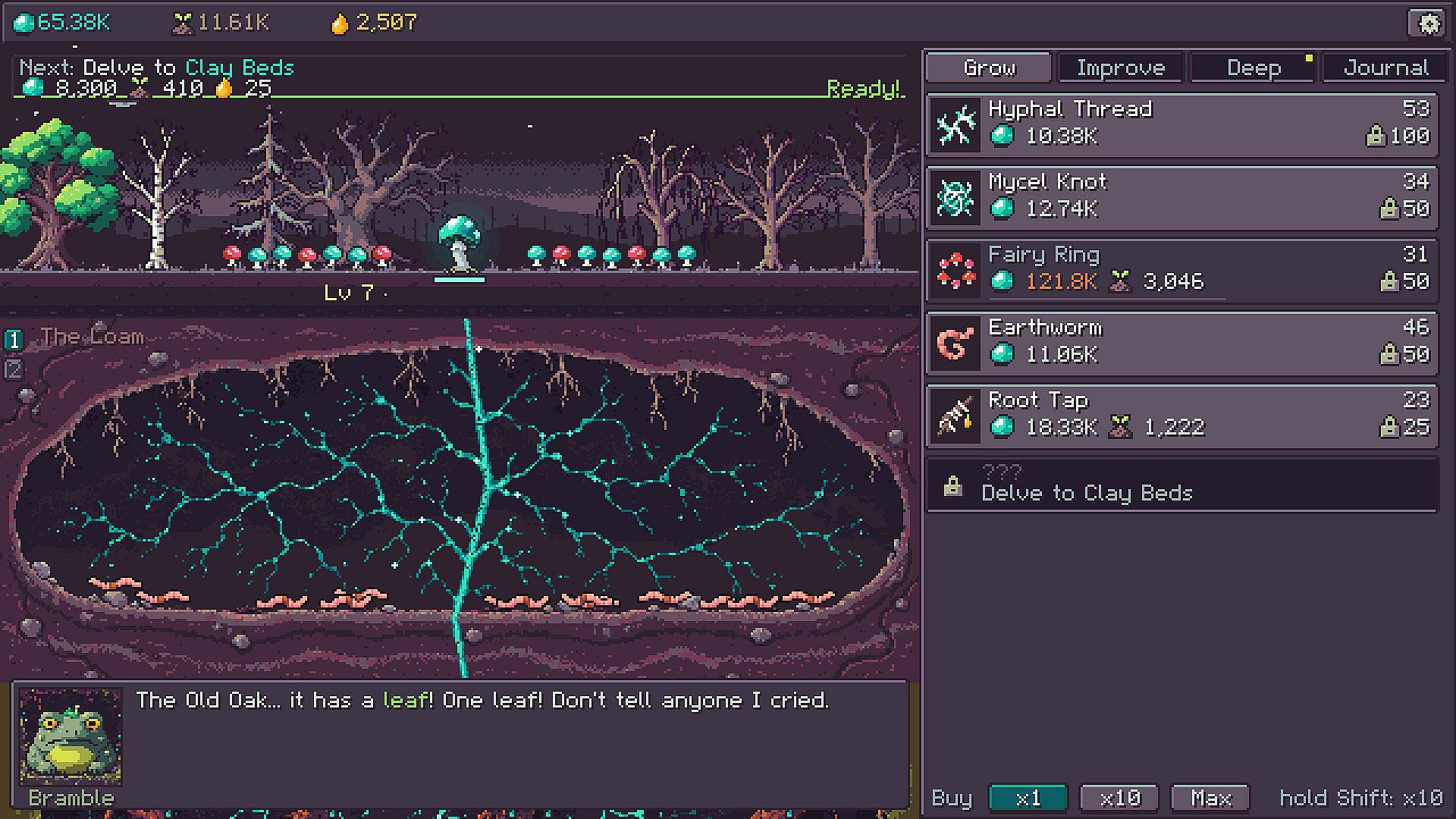
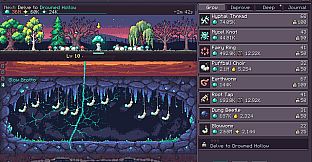
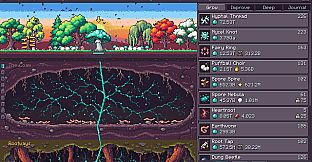
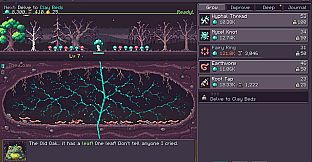
The gameplay loop begins with a single mushroom cap that players click to generate spores. These spores extend a web of threads downward through layered underground environments. Progression involves unlocking new resources and interactions as the web spreads, with each addition altering how growth accelerates. Controls support mouse input, touch screens, or gamepads, including full compatibility with the Steam Deck. The visual style uses a compact pixel resolution, keeping the focus on steady, meditative expansion rather than complex controls or combat.
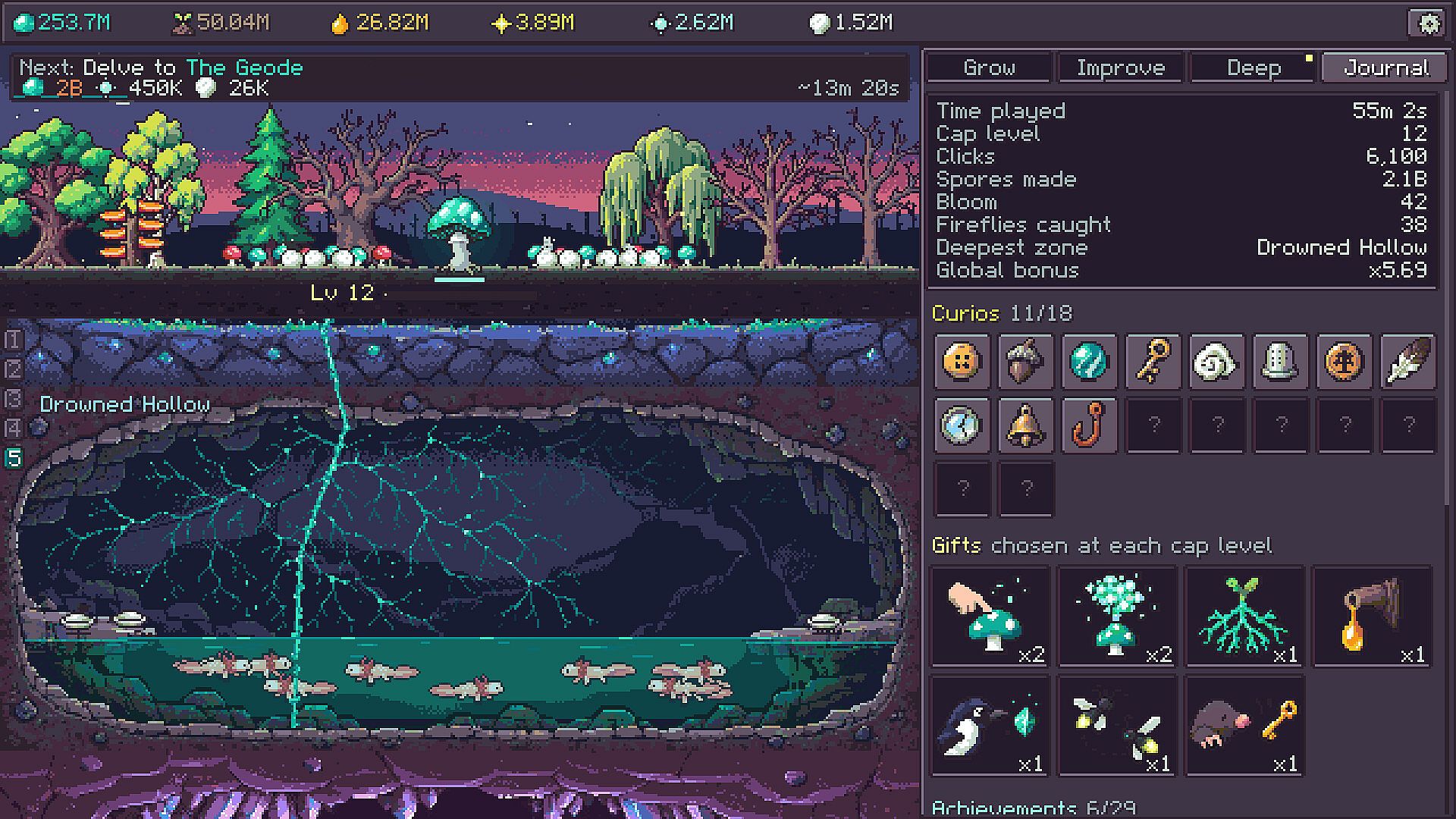
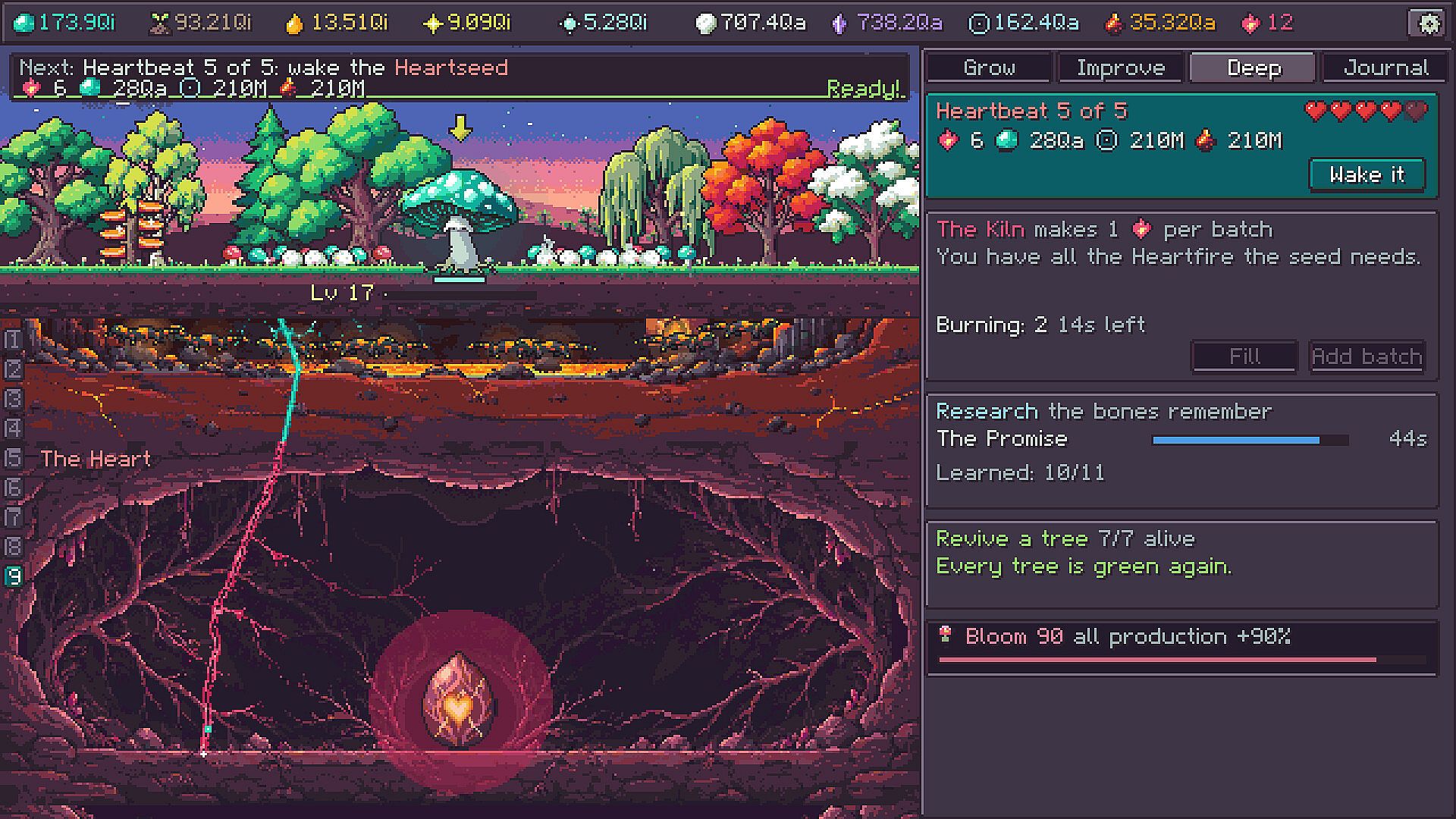
Players encounter various underground inhabitants that integrate into the web once reached. These neighbors introduce distinct mechanics tied to specific layers, such as catching fireflies, harvesting from pearl beds, or interacting with a singing geode that responds to click speed. Additional elements include old bones that retain memory and a kiln for processing a special resource called Heartfire. The system rewards consistent interaction while allowing players to choose upgrades at regular intervals based on cap levels reached.
Game Modes
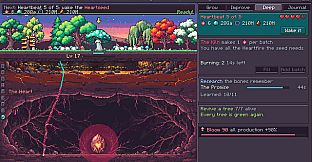
The primary mode follows a linear yet exploratory path through nine distinct underground worlds, starting in the soft Loam and descending through areas like the Rootways, Clay Beds, Glow Grotto, a drowned lake, a singing geode, enormous bones, and the warm Ember Deep. The goal culminates at the Heartseed, where awakening it triggers an ending sequence with credits. This structure ensures a self-contained experience without ongoing timers or external pressures.
After the main conclusion, an optional Replant mode becomes available. This features four seasons, each governed by its own set of rules that modify growth and resource dynamics. Players can also restart the main experience or continue in the completed forest. The game includes 29 achievements that track various milestones across both modes, encouraging multiple sessions without altering the core single-player focus.
Worlds and Progression
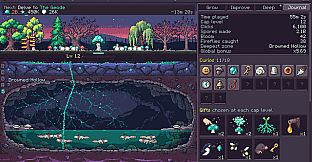
Nine hidden worlds form the backbone of exploration, each adding unique layers and neighbors that expand the available resources. Earthworms, dung beetles, glowworms, cave newts, crystal snails, and fire salamanders appear progressively, each contributing specialized tools for advancement. Reviving seven surface trees serves as a parallel objective, transforming the above-ground forest from dead wood into vibrant green, gold, and red foliage. At each milestone, players select from gifts that influence future growth paths.
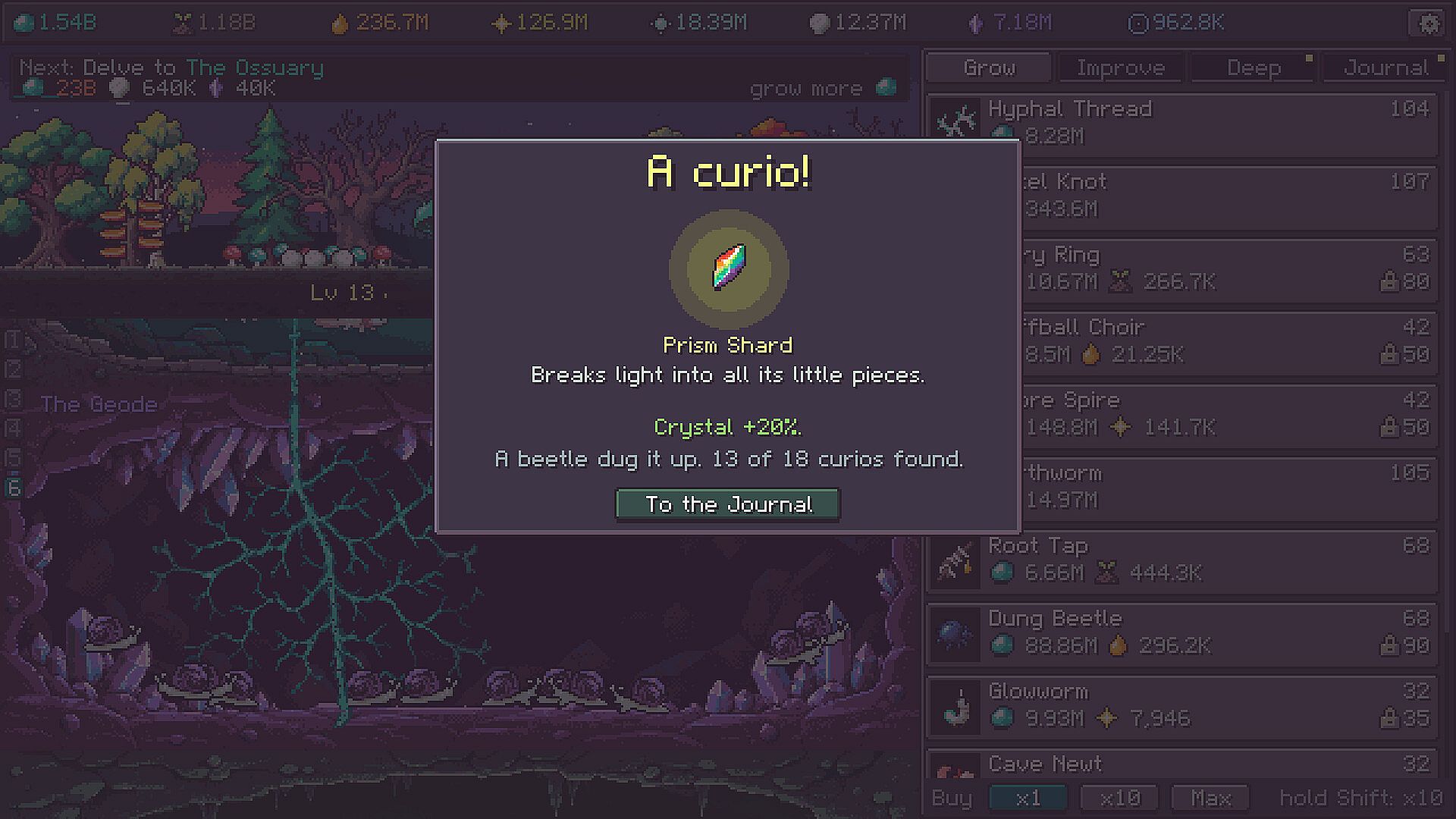
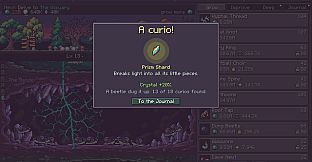
Eighteen curios unearthed by beetles provide collectible variety, while the companion character Bramble, an old toad with dry and warm humor, offers ongoing commentary. Synth music composed specifically for each world enhances the atmosphere, accompanied by a heartbeat audio element that intensifies near the conclusion. The entire package contains no advertisements, microtransactions, or paywalled timers.
Is It Worth Playing?
Underbloom suits players seeking a relaxed, self-contained incremental experience with a defined endpoint and optional post-game variations. Its short main campaign length makes it accessible for sessions that fit around other activities, while the Replant seasons add replay structure through rule changes. The emphasis on steady clicking, resource layering, and light narrative elements appeals to those who enjoy simulation titles without competitive or survival pressures. As an upcoming release scheduled for November 17, 2026, its reception will depend on how the verified mechanics resonate with the cozy simulation audience once available.