


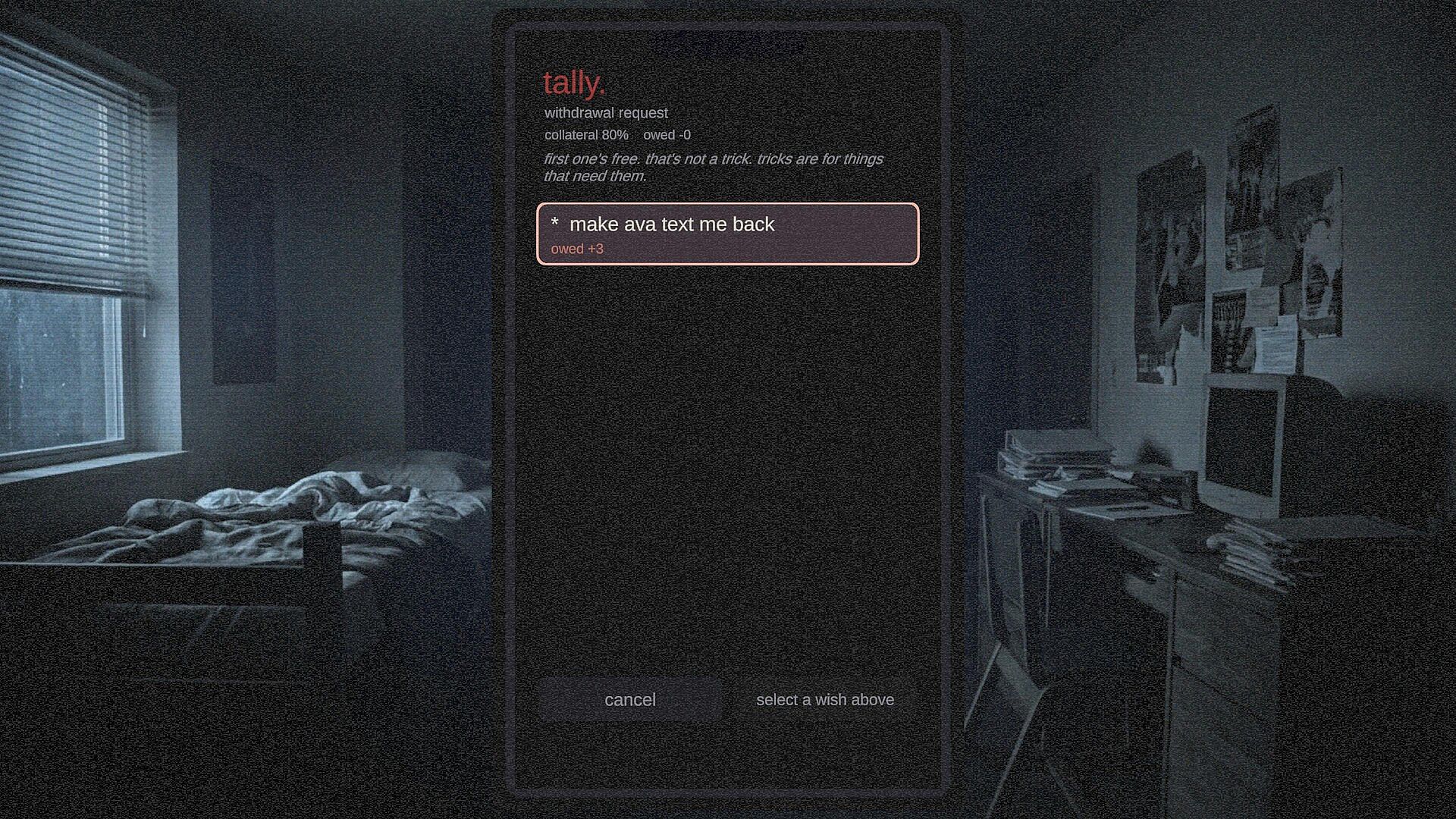
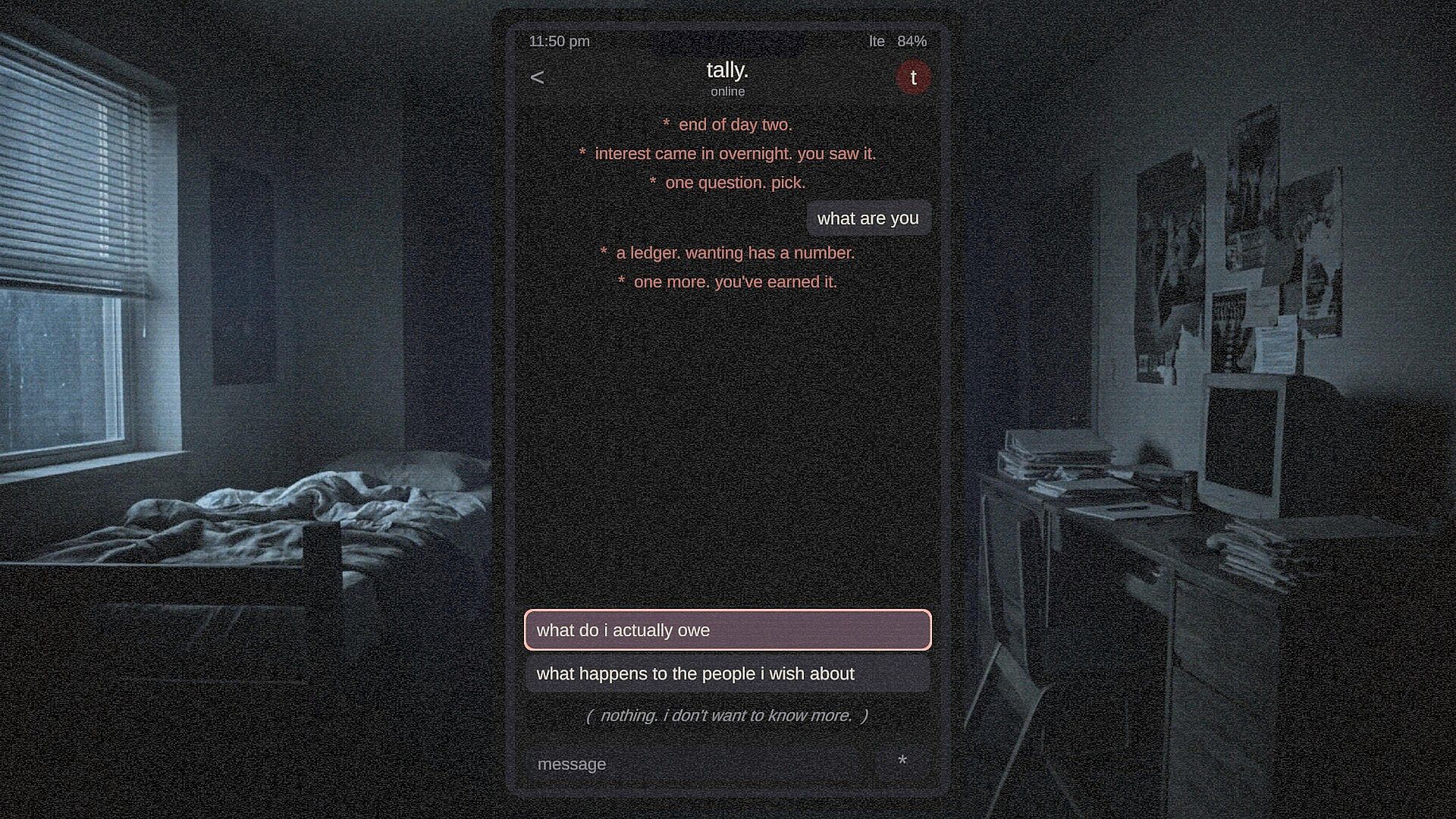
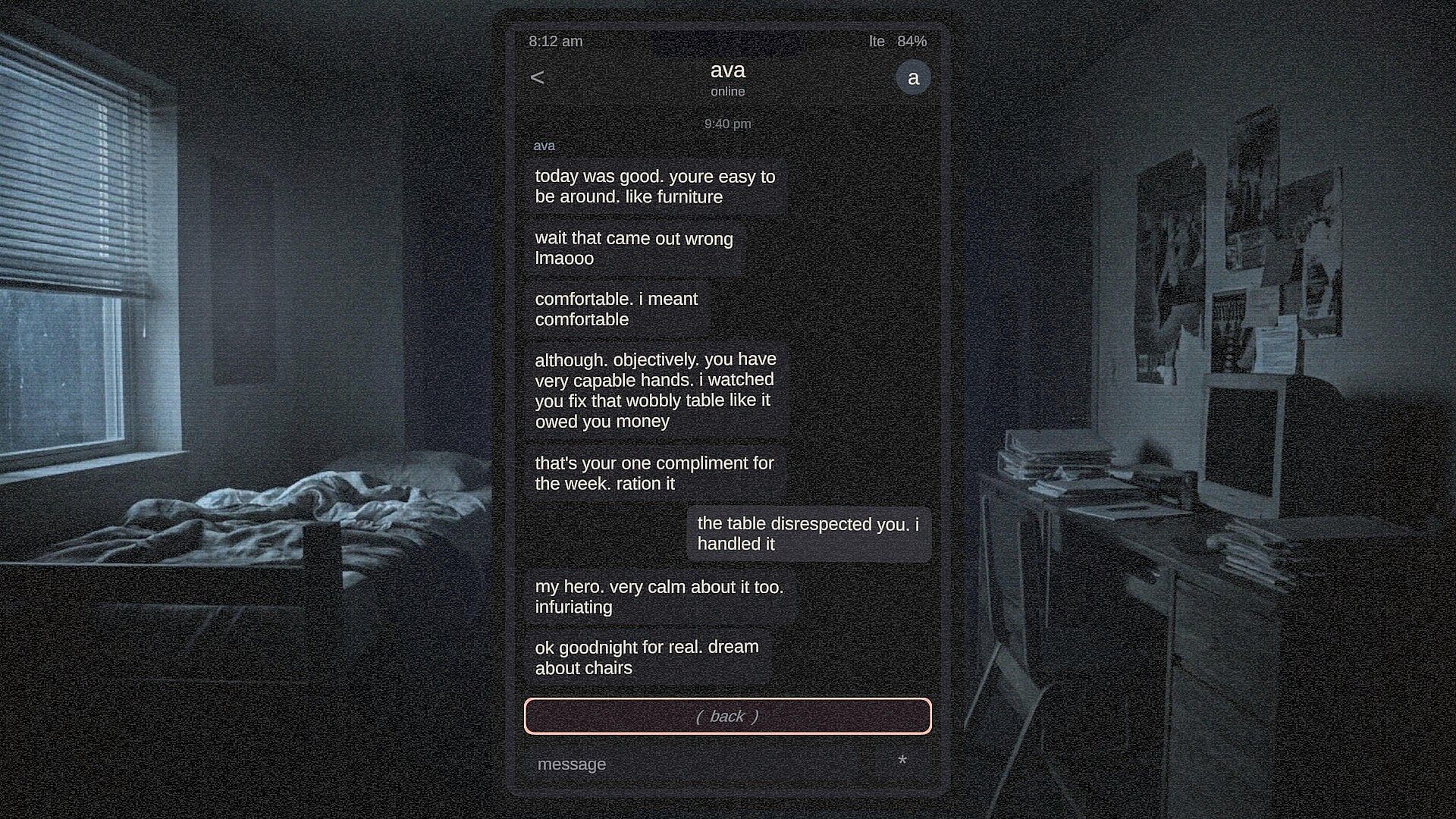
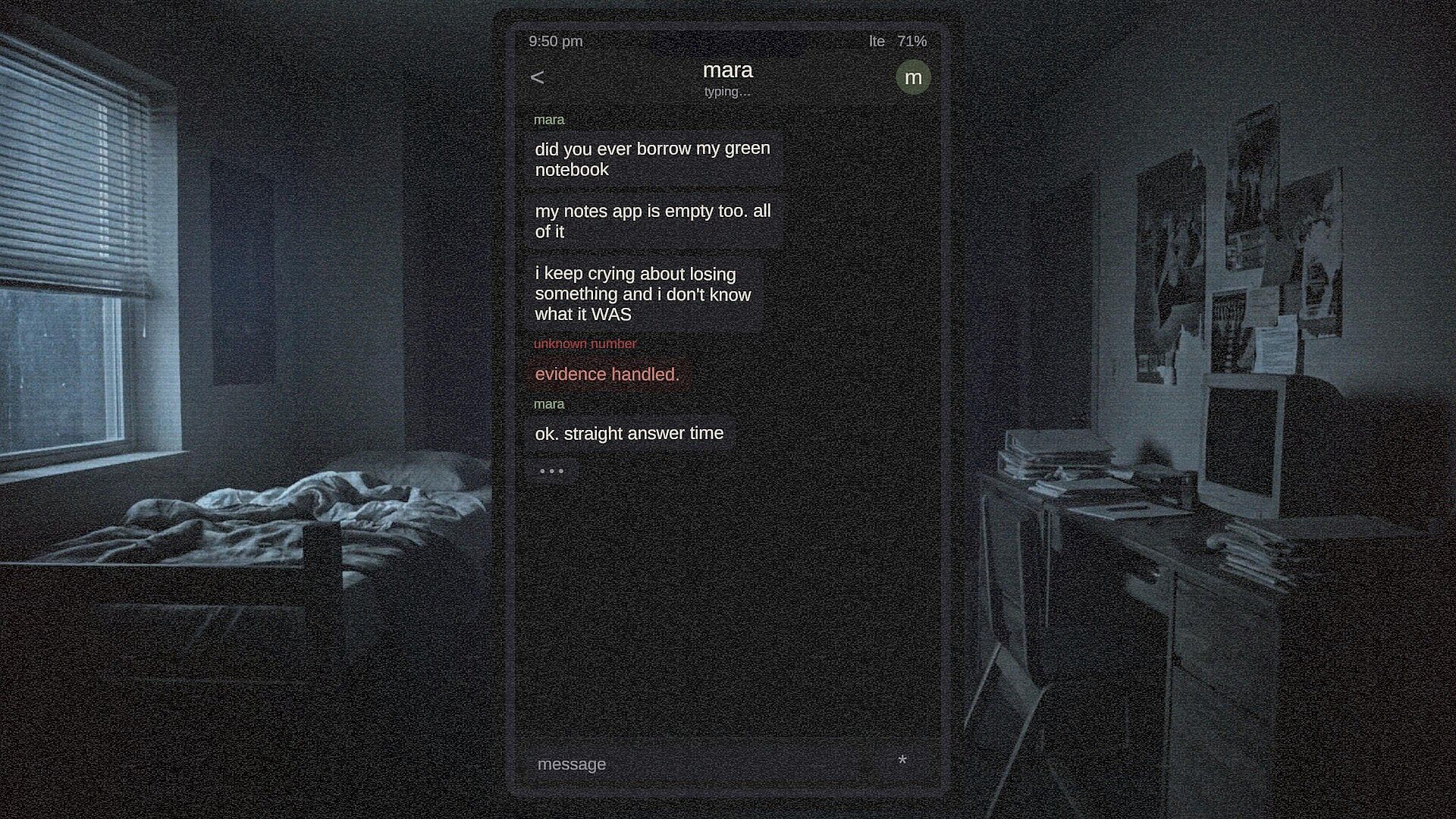









Wishbound is an indie casual adventure game developed for PC by a single person. The experience centers on a mysterious phone app that appears without warning and grants every wish requested, without any visible cost or restrictions at first. Players navigate a compact story through text messages, decisions, and interactive sequences that unfold over a short playtime of roughly two hours.
Gameplay
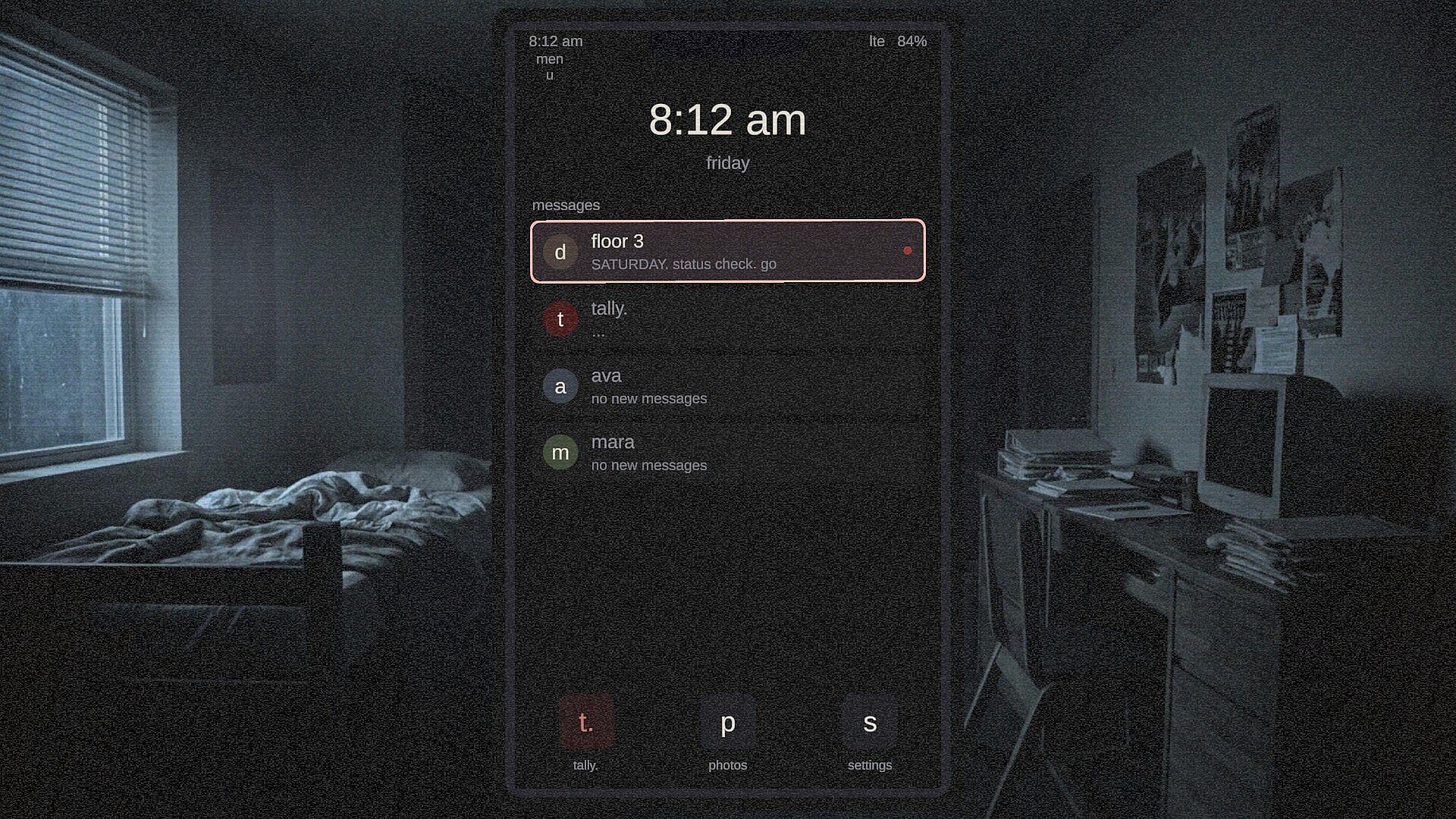
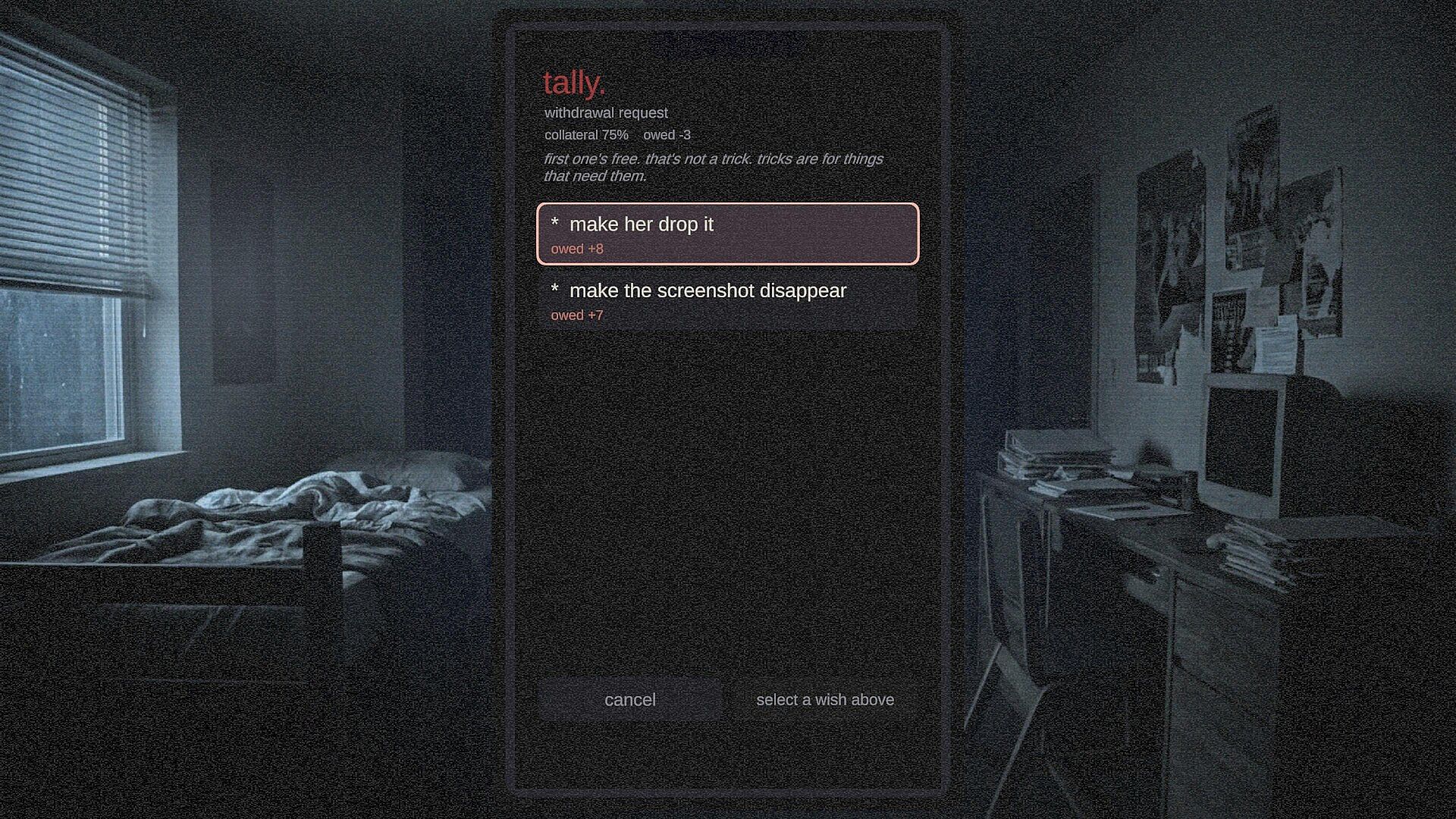
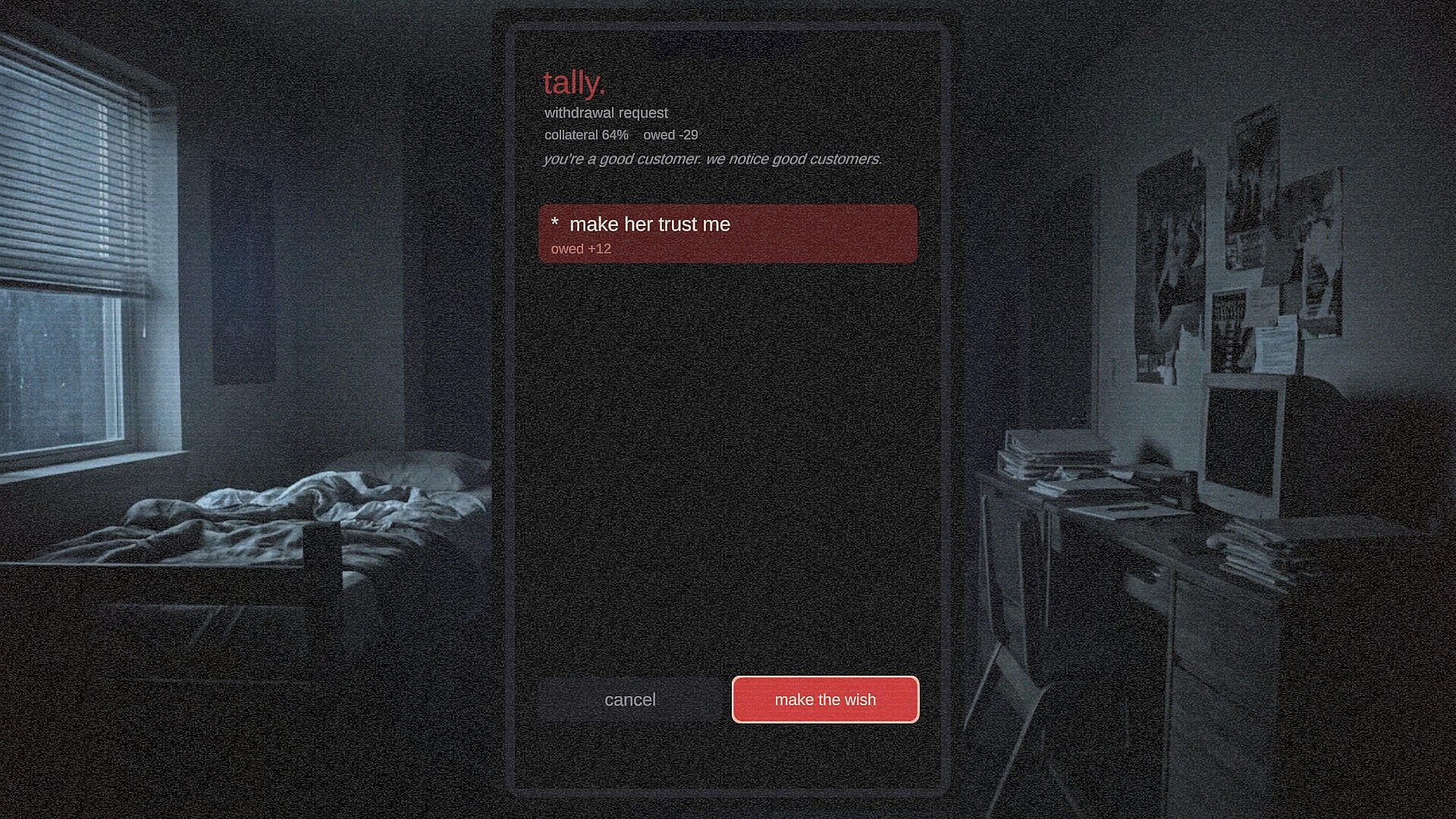
The core loop revolves around an app called tally that tracks four key values: affection, suspicion, sanity, and debt. These numbers shift based on choices made during conversations and events. No single stat is labeled as the one that ends the run, so players must interpret the consequences of each decision as the story progresses. The entire game takes place on the phone screen, with players reading incoming messages and selecting responses that influence the narrative direction.
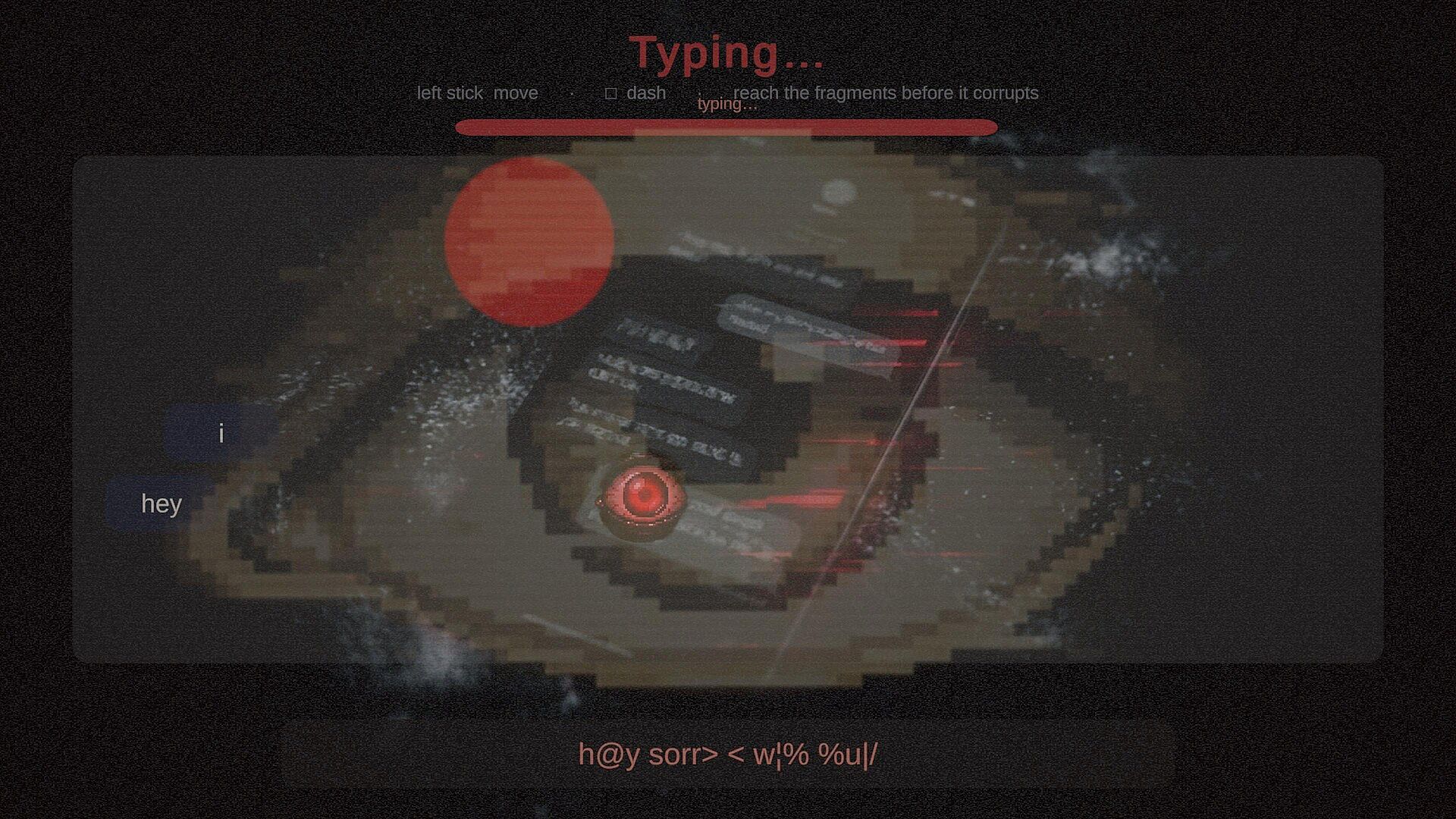
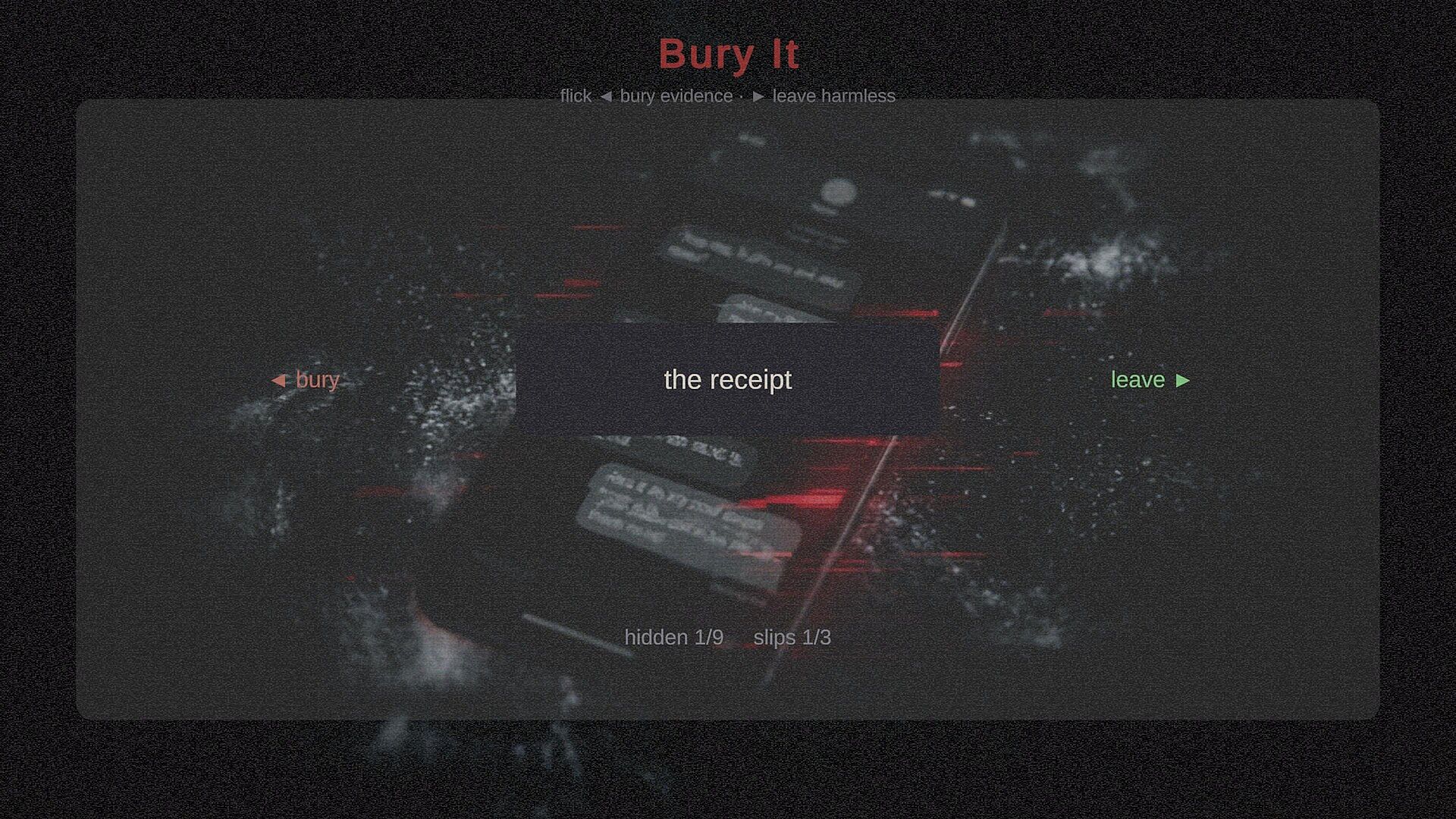
Every wish activates a playable dream sequence. Success in the dream delivers the intended result, while failure allows the outcome to twist in unexpected ways. Some of the most distinctive conclusions require deliberate failure at specific points in these sequences. The design encourages experimentation across multiple playthroughs rather than a single linear path.
Game Modes
Wishbound structures its content around five nights that form the main progression. Within this framework sit three distinct routes that branch based on earlier choices and wish outcomes. A complete run lasts about two hours when played in one sitting, and the short length supports repeated sessions to uncover different results.
The 18 endings arise from combinations of successful and failed dreams, route selections, and the shifting stat values. Several endings only appear when a player intentionally loses a dream at a precise moment, rewarding careful attention to timing and consequence rather than pure success. This setup creates a compact singleplayer experience focused on narrative exploration and replay value.
Story and Choices
The narrative begins when the tally app installs itself overnight. Players wake to messages offering wishes with no upfront terms or settings menu. Each granted wish advances the plot while altering the four tracked values. The story explores the hidden costs of desire through these mechanics, with outcomes that can diverge sharply depending on how the player manages suspicion and debt alongside the more positive metrics.
Because the game runs entirely through phone interactions, the pacing stays tight. Messages arrive in sequence, choices appear at key moments, and dream sequences interrupt the flow with direct gameplay. The solo development approach results in a focused package without extraneous systems or side content beyond the core wish-and-dream cycle.
Is It Worth Playing?
Wishbound suits players who enjoy short, choice-driven narrative adventures with strong replay incentives. The two-hour runtime makes it accessible for a single evening, while the combination of three routes and 18 endings supports multiple sessions aimed at different conclusions. The dream sequences add a layer of direct interaction that distinguishes it from pure text adventures, and the stat system creates meaningful tension without overwhelming complexity.
Those seeking a longer campaign or multiplayer elements will find the experience limited by design. The indie casual adventure format prioritizes concise storytelling and experimentation over expansive worlds or ongoing updates. For audiences interested in compact stories about consequences and unintended results, the structure delivers a self-contained package worth completing at least once and revisiting for alternate paths.