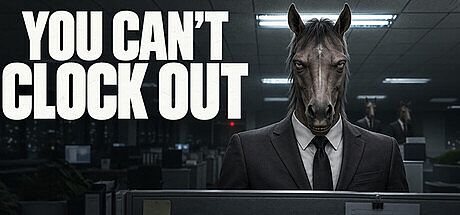


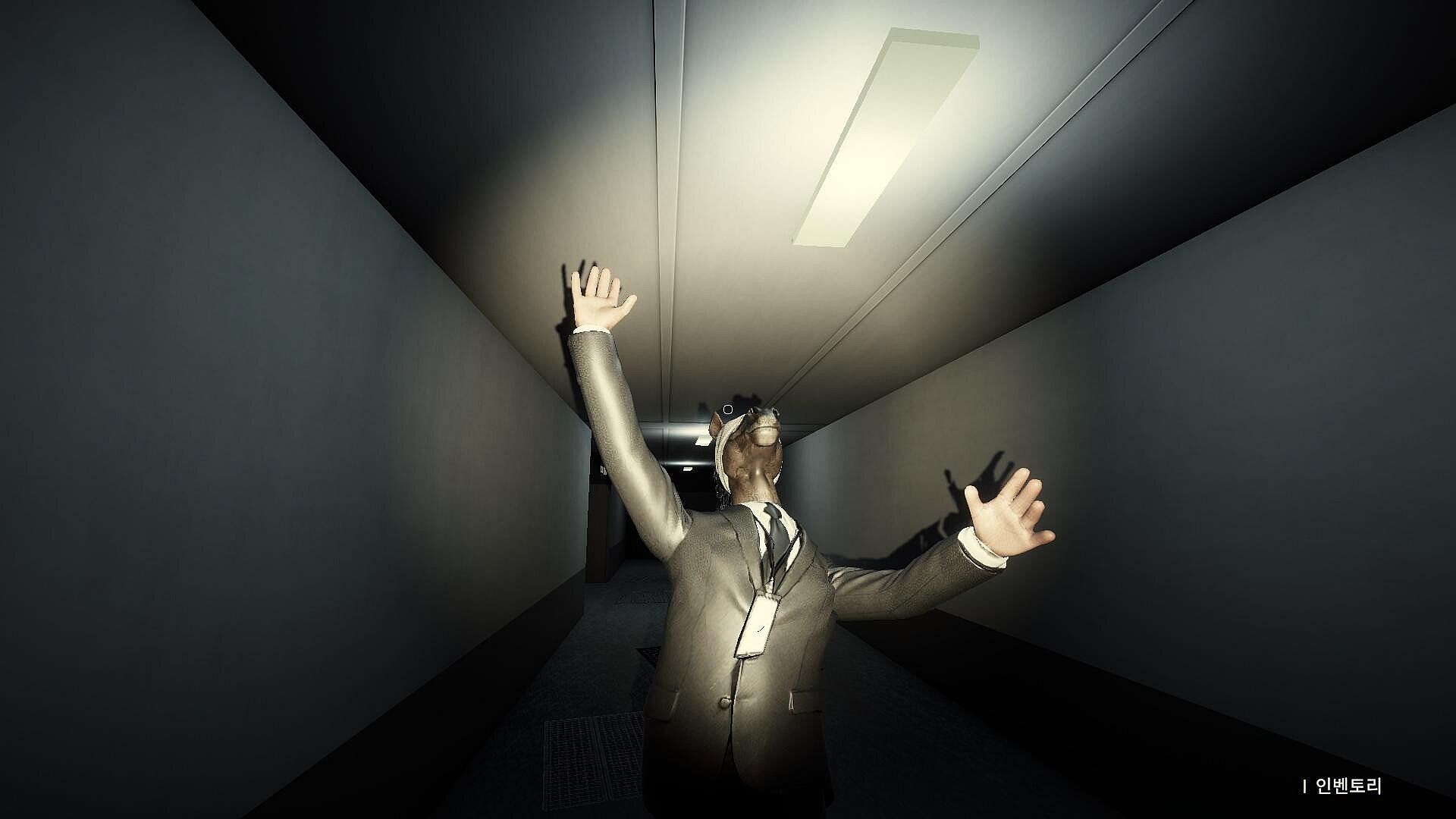
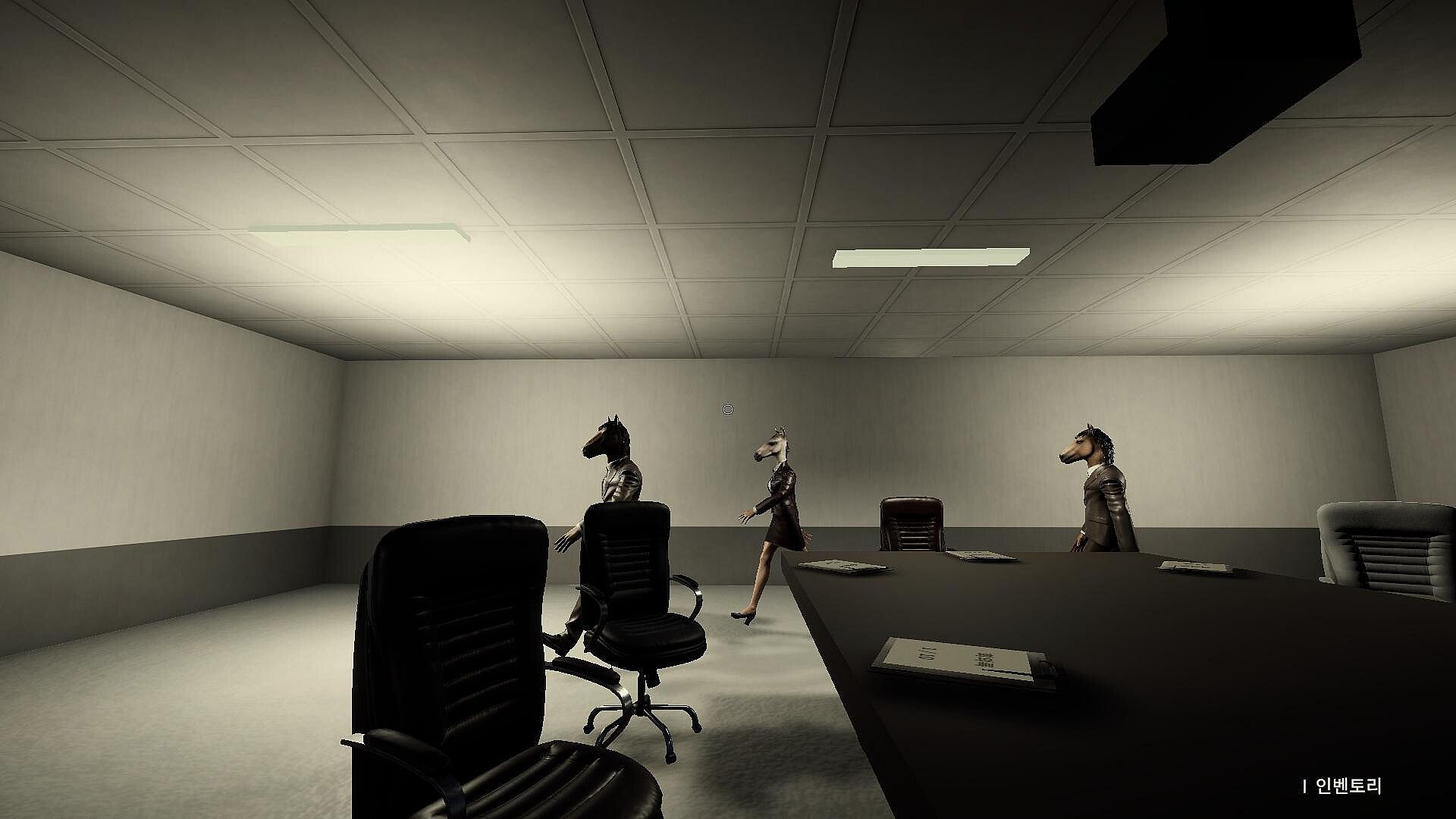
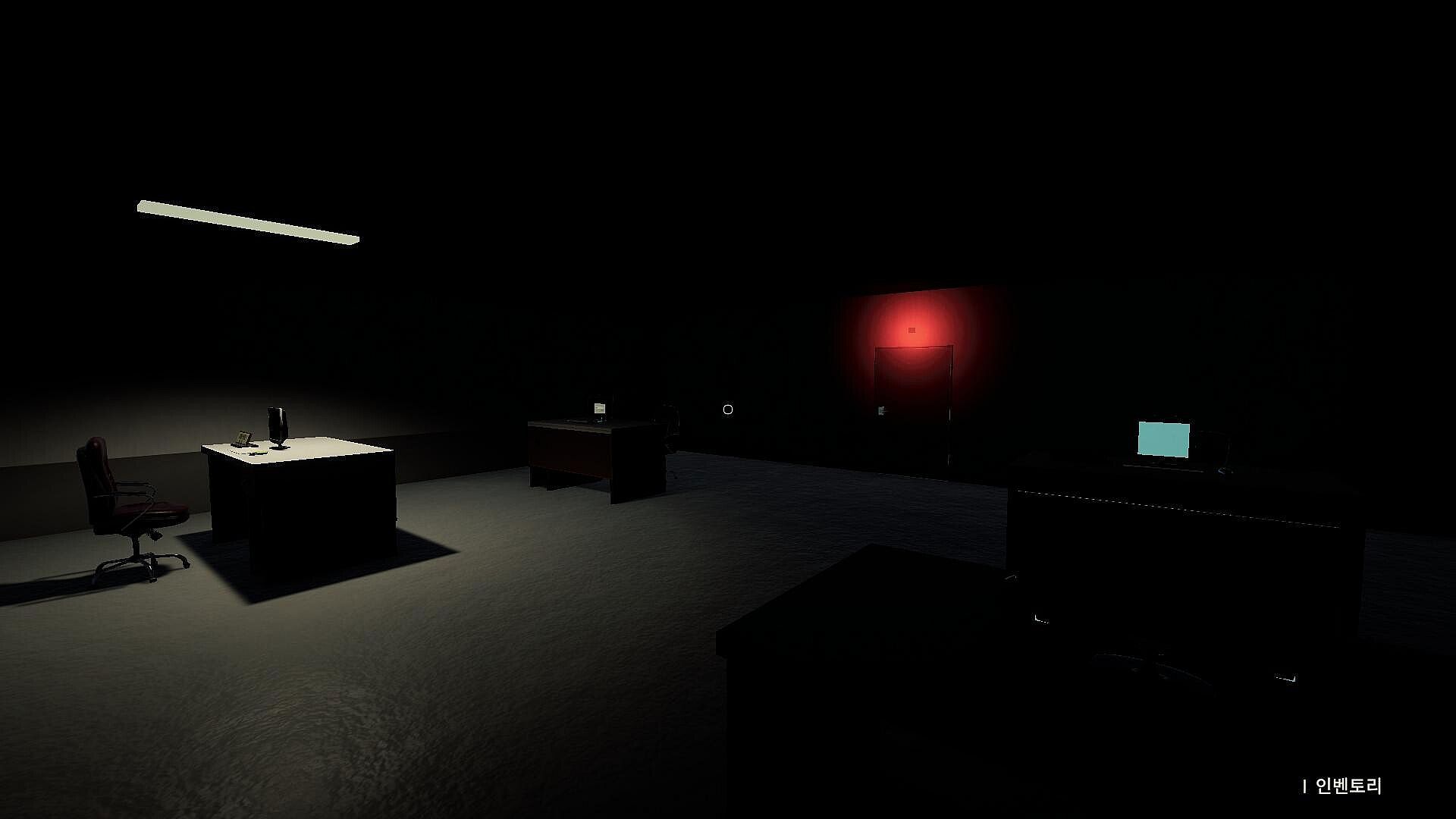
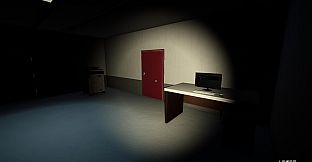
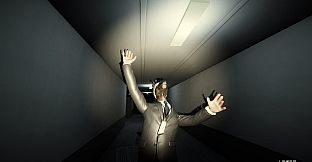
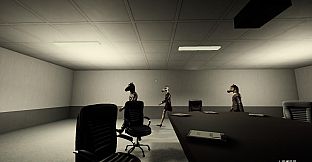
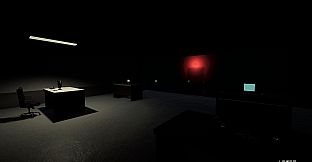
You Can't Clock Out is an indie first-person horror puzzle game set in a South Korean office building where routine overtime turns into a fight for survival. Players wake to find the familiar workspace transformed, with altered rules and unusual threats filling the halls. The core experience centers on navigating floors, gathering information, and making choices that determine how far one progresses and which conclusion awaits at the end.
Gameplay
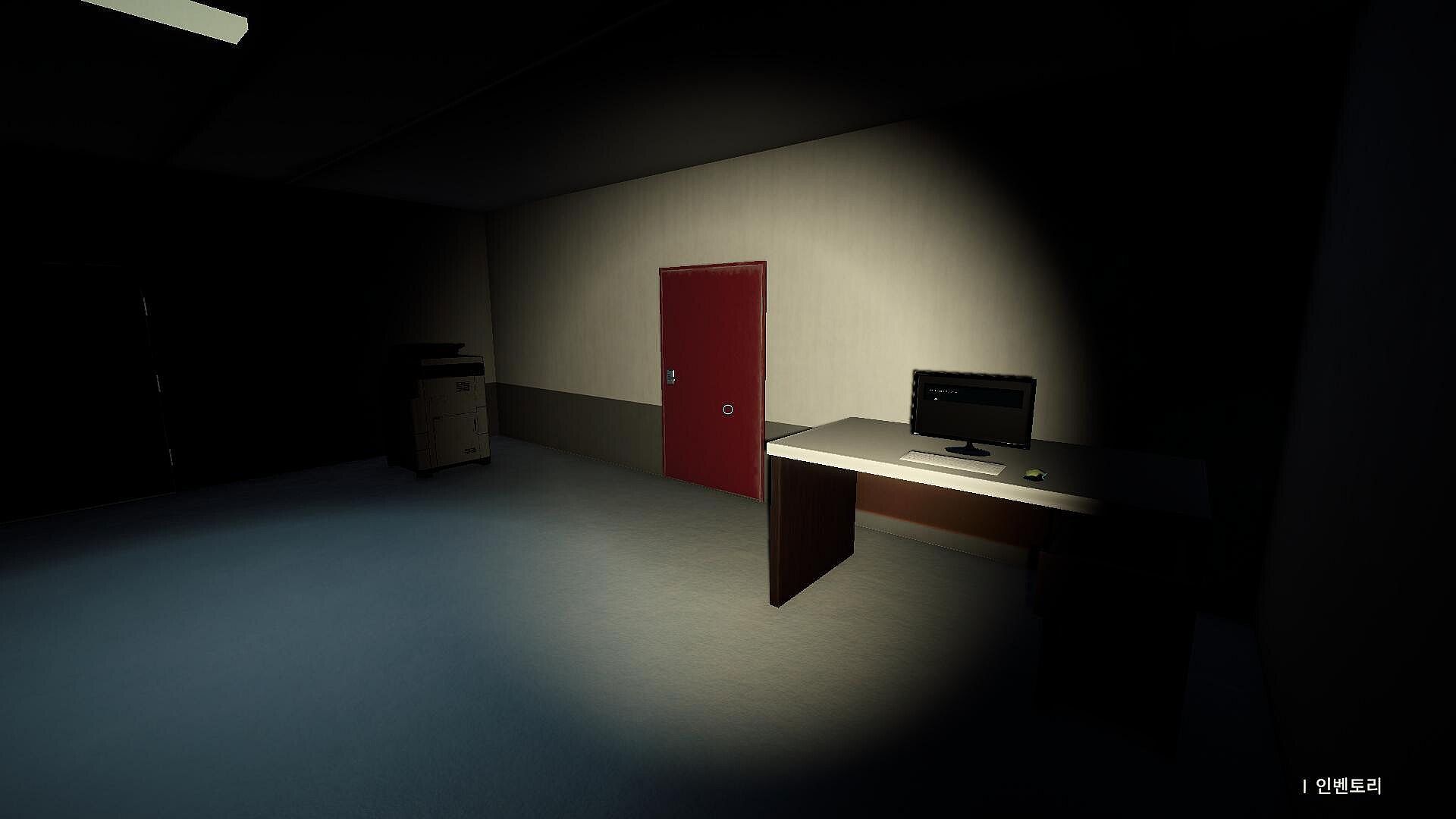
The gameplay loop revolves around methodical exploration of multi-story office spaces. Players examine desks, scattered documents, and computer terminals to uncover clues that open locked doors and reveal the building's altered state. Each new floor introduces fresh constraints that must be followed precisely, such as maintaining proper identification at all times or participating in scheduled meetings. Small deviations from these expectations quickly escalate danger.
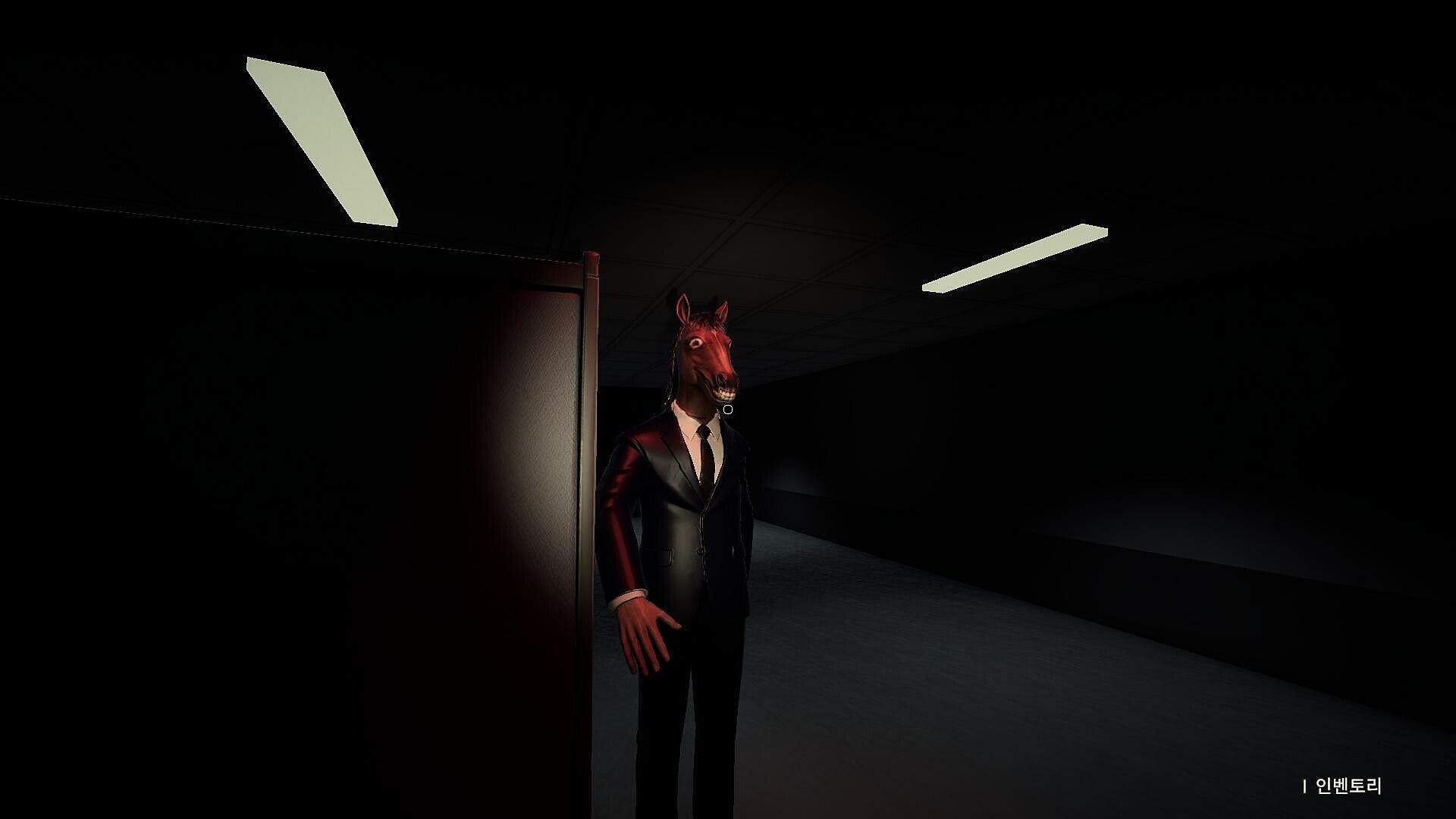
Threats appear in the form of coworkers whose appearances and behaviors deviate sharply from normal. Approaches vary by encounter: some require absolute silence and careful movement to avoid detection, others demand constant observation to anticipate patterns, while certain situations call for locating cover or sprinting to safety. The first-person perspective heightens tension during these moments, as sound cues and visual details guide decisions on when to advance or retreat.
Puzzle elements integrate directly with the environment. Solutions often emerge from cross-referencing notes left on monitors with files found in filing cabinets or data on workstations. Progress feels deliberate, rewarding patience and attention to detail over speed. The office setting itself becomes part of the challenge, with layout changes and new regulations on successive floors forcing players to adapt strategies repeatedly.
Game Modes
The game operates as a single-player experience without separate multiplayer or competitive modes. Instead, variety comes from the multiple endings unlocked by collecting scattered records throughout the building. These endings branch based on the cumulative choices made during exploration and encounters, encouraging repeated playthroughs to discover different outcomes.
Player agency shapes each run through decisions about how strictly to adhere to company protocols and which paths to pursue when threats appear. There are no predefined difficulty settings or alternate campaigns confirmed, keeping the focus on the core loop of searching, rule-following, and threat management within the single narrative framework.
Atmosphere and Setting
The South Korean office environment starts with recognizable corporate details before shifting into something unsettling. Fluorescent lighting, standard cubicles, and routine paperwork contrast with the sudden presence of horse-headed figures and altered spatial rules. This juxtaposition builds unease through everyday elements turned hostile rather than relying on overt spectacle.
Sound design plays a key role, with footsteps, distant activity, and environmental audio guiding player awareness. The requirement to wear an ID badge or attend meetings adds psychological pressure, turning ordinary workplace tasks into potential points of failure. The overall tone emphasizes isolation within a once-familiar space now governed by unpredictable logic.
Is It Worth Playing?
You Can't Clock Out suits players who enjoy deliberate first-person horror experiences centered on exploration and careful decision-making. Its puzzle and stealth elements reward observation and planning, while the multiple endings provide incentive for additional runs without extending the core length excessively. The indie scope keeps the focus tight on the office setting and its escalating rules.
Those drawn to atmospheric single-player titles with strong environmental storytelling will find the mechanics align well with the premise of trapped overtime. The game offers no free trial or additional modes, so interest should center on its unique blend of corporate horror and puzzle solving. For fans of the genre who appreciate tension built through routine tasks gone wrong, it delivers a focused experience worth considering.