







余生水花 Survival, The Diphylleia Grayis. is an indie casual visual novel set on PC that explores themes of love, music, peace, and rock and roll through a narrative centered on memory, regret, and time travel. The story follows musician Nemo in the aftermath of a 2017 flood that destroyed the city of Memoria, where dissociative disorder has fragmented her recollections while her passion for music persists. Players navigate a world where controllable time travel technology offers a chance to address past regrets, raising questions about faith in science versus human connection.
Gameplay
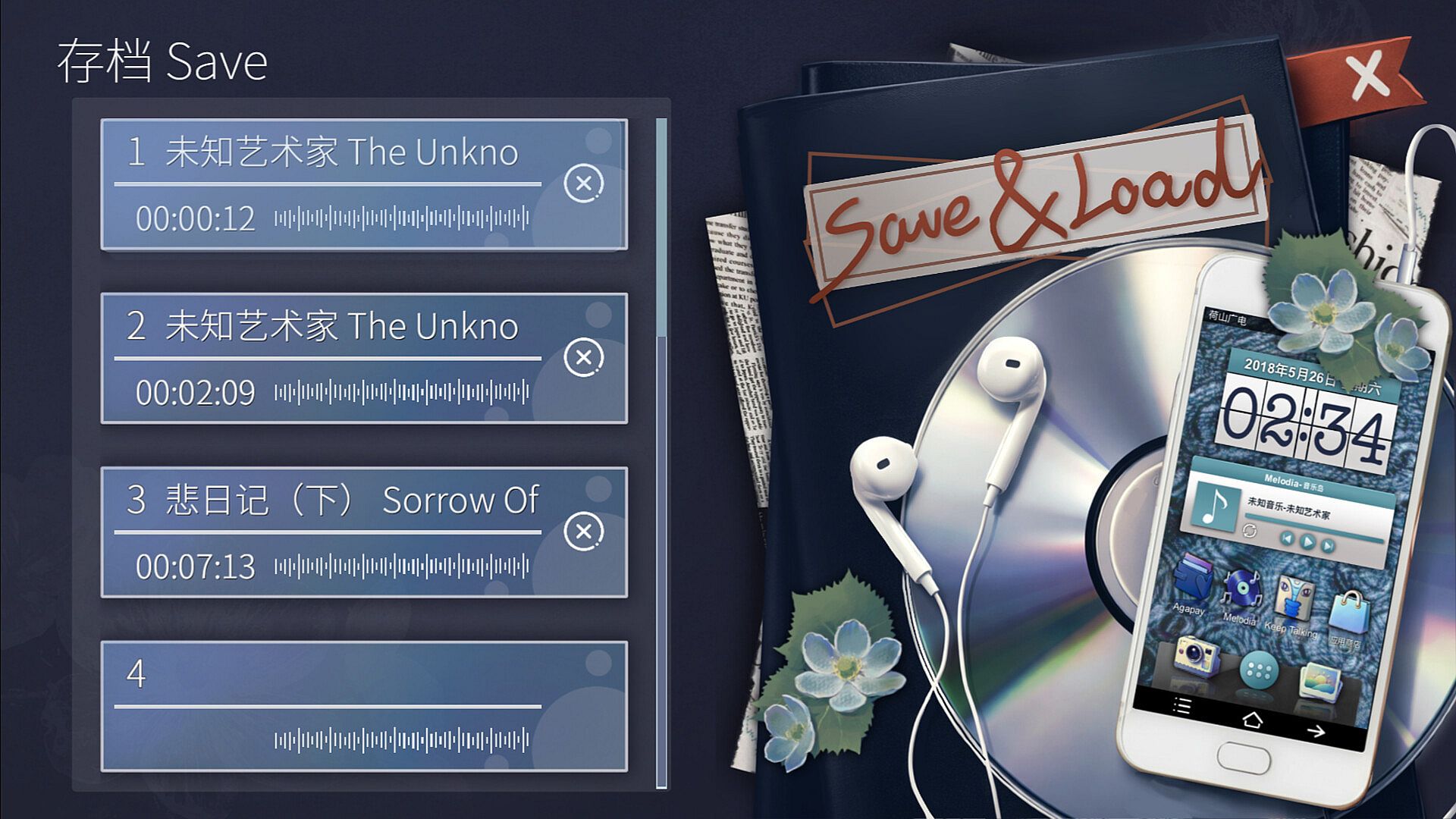
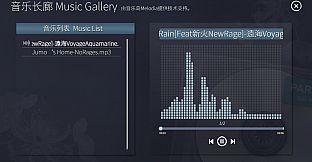
The core experience revolves around a female protagonist named Nemo whose perspective drives the story. Players develop relationships with four characters, shaping emotional connections and uncovering layers of the narrative. A skeuomorphic interface styled after 2010s technology creates a nostalgic feel, complete with memes and internet references from that period. Choices influence the direction of events, reflecting values around past ideals versus future progress. Additional activities include preparing random drinks for NPCs and managing a to do list that covers survival needs, gaining recognition in the 27 Club, completing a novel titled Saint Starlight, and investigating memory issues among survivors along with negotiations involving the Zhongyuan Federation.
Game Modes
This visual novel delivers its content through a single player narrative structure where player decisions lead to multiple endings. The journey emphasizes personal reflection and branching paths based on how Nemo engages with the surrounding world and its inhabitants. No separate competitive or multiplayer elements appear in the design, keeping the focus on story progression and character interactions within the Chumo House setting.
Narrative and Themes
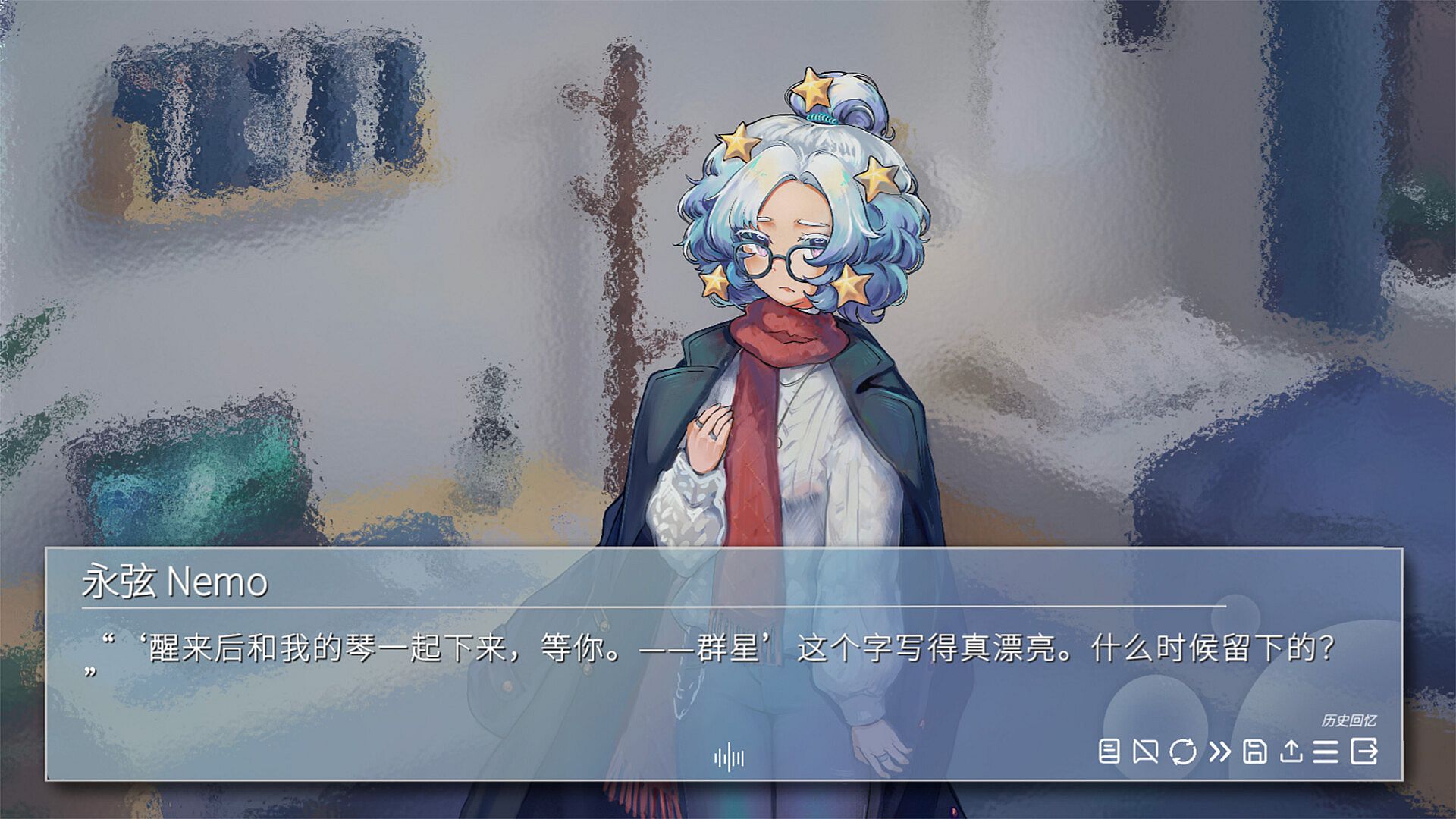
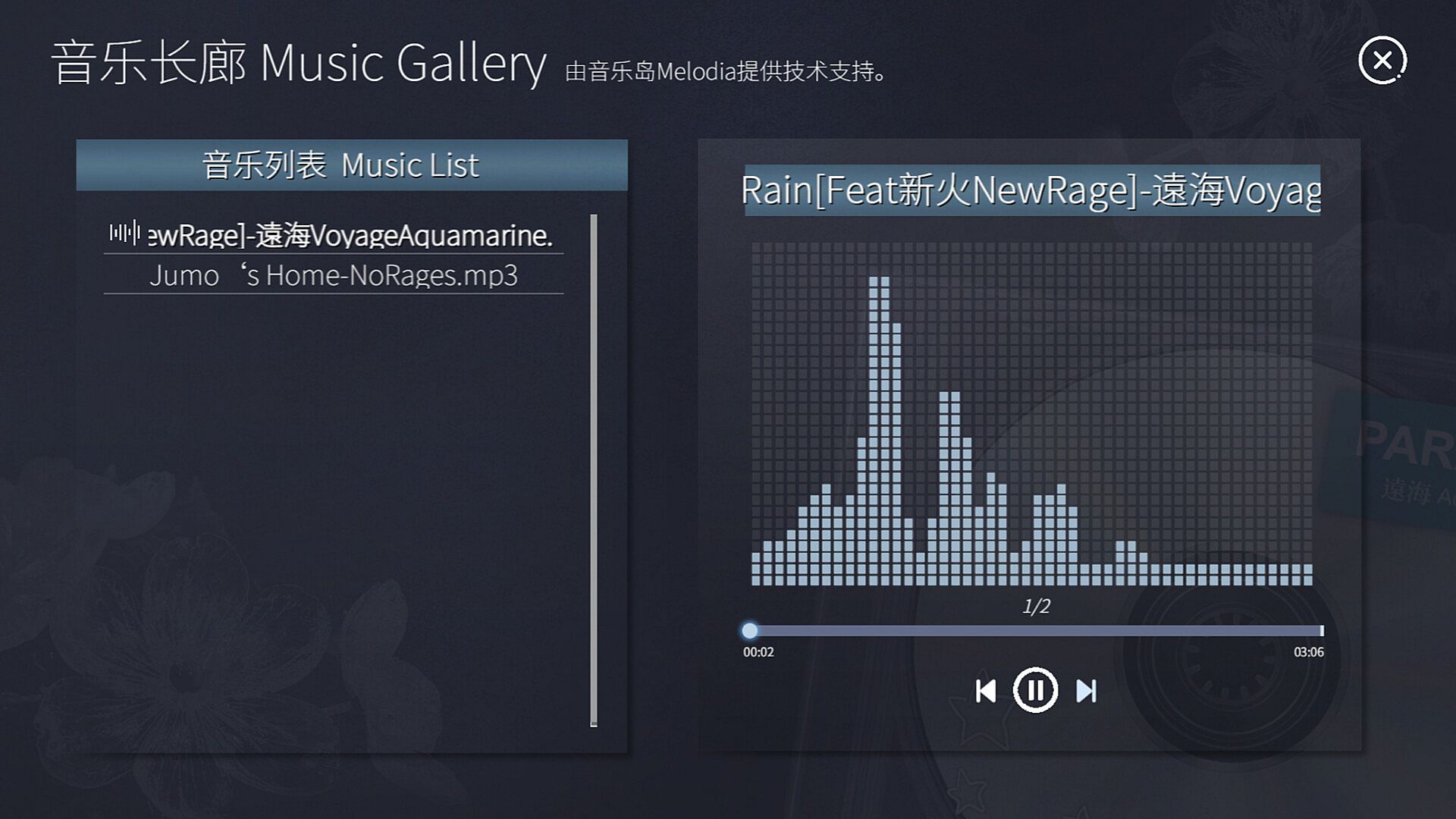
The plot weaves together elements of tragedy from the Memoria flood, the rise of the Zhongyuan Federation, and the emergence of time travel capabilities. Nemo observes her second hand bass guitar and notebook sketches through a pane of glass while questioning the identity of a distant yet familiar woman. The story examines whether absolute trust in scientific solutions can resolve human regrets or if embracing humanity offers a better path. References to figures like Zion and tasks involving the Voyage Aquamarine world add layers to the mystery of lost memories and reintegration processes.
Is It Worth Playing?
Fans of story driven visual novels with emotional depth and 2010s cultural nods will find value in the detailed character relationships and choice based outcomes. The game suits those interested in themes of memory distortion, music, and philosophical questions about time and regret. Its indie casual approach delivers a focused experience without additional layers, making it suitable for players who enjoy reflective narratives over action or competition. The presence of multiple endings encourages replay to explore different values and resolutions tied to Nemo's to do list and interactions.