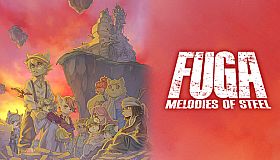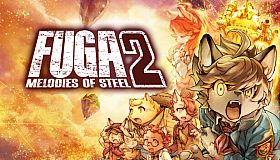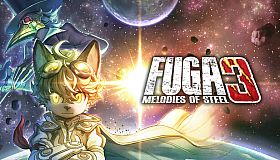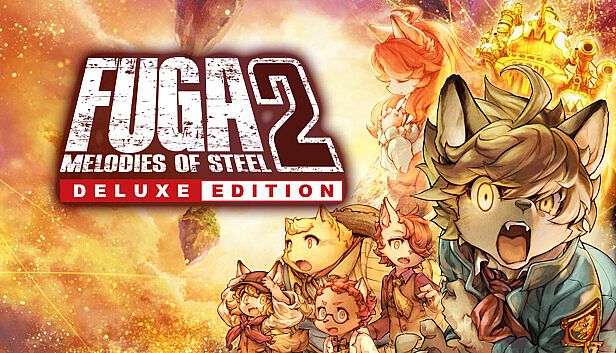






Fuga: Melodies of Steel 2 is a single-player tactical RPG that blends turn-based strategy combat with simulation elements centered on crew management and resource decisions. Players guide a group of children who operate a massive tank through a series of missions, balancing aggressive combat tactics against the need to maintain team morale and relationships. The game emphasizes careful positioning, weapon type matching, and long-term planning over raw power.
Gameplay
Combat takes place on a timeline where players assign children to three weapon stations inside the tank. Machine guns deliver accurate but lighter damage, grenade launchers offer balanced performance, and cannons provide high damage at the cost of lower accuracy. Each station holds two children, and pairing compatible crew members unlocks link attacks that combine their abilities for greater effect. Switching positions mid-battle allows players to target enemy weaknesses, which delays opponent turns and creates openings for follow-up strikes.
Between combat segments, intermissions provide time to upgrade the tank, cook meals for temporary buffs, fish for scrap materials, and complete expeditions. A notebook tracks individual wishes from each child; fulfilling these improves mood and battle performance. New additions include an airship service that enables rerouting on the map, preemptive strikes on upcoming encounters, or quick healing. The judgment system tracks choices between empathy and resolve, unlocking leader skills that can force enemy misses, restore resources, or provide other tactical advantages during fights.
Hero Mode activates automatically for individual children after they accumulate enough gauge, granting enhanced abilities for a limited number of turns such as armor-breaking attacks or doubled healing output. The Soul Cannon remains a high-risk option that ends battles instantly but at a permanent cost, while the Managarm serves as a less severe alternative that only temporarily incapacitates a crew member.
Game Modes
The game consists of a linear campaign divided into chapters that advance through set routes with occasional branching paths. Players select routes that trade safety for greater rewards or experience. Combat encounters occur at fixed points along these paths, and intermissions occur at regular intervals to handle management tasks.
Multiple endings are available depending on crew relationships and whether any children are lost during the journey. The true ending requires maintaining strong affinities across the full roster while avoiding permanent losses. Side activities such as dungeon expeditions appear within chapters and focus on puzzle-like room navigation to maximize loot collection.
Story and Setting
The narrative continues one year after the events of the first game in a world where the continent has fragmented into floating islands. The children, now living separate lives after the previous conflict, are drawn back together when the recovered tank activates unexpectedly. The story explores themes of loss, leadership, and difficult decisions through dialogue choices and relationship-building scenes.
Twelve children form the core crew, each with distinct skills and personalities that influence both combat effectiveness and intermission interactions. New characters join the roster, and returning members receive updated skill sets that require fresh strategic approaches.
Is It Worth Playing?
Reviews describe the game as a refined sequel that improves quality of life features, expands tactical options, and maintains the core tension of its predecessor. Combat receives consistent praise for its depth and the way positioning and timing interact with enemy weaknesses. The management layers add meaningful weight to decisions without overwhelming the experience.
Player feedback highlights the emotional impact of the story and the satisfaction of completing runs without losses. The game suits those who enjoy tactical RPGs that combine deliberate combat with character-driven simulation elements. It offers a complete single-player campaign with replay value through different ending paths and route choices. Availability on PC supports controller or keyboard input with solid performance reported across systems.