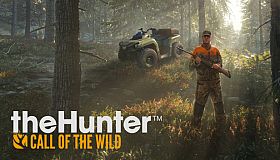












theHunter: Call of the Wild is a hunting simulation game that blends simulation, adventure, and sports elements into a realistic open-world experience on PC. Players explore expansive reserves filled with diverse wildlife, focusing on patient tracking and ethical harvests rather than fast action.
Gameplay
The core loop centers on locating animals through environmental clues such as footprints, droppings, and disturbed vegetation. A device called the HunterMate helps identify these signs and provides information on species and direction of travel. Wind direction plays a critical role because many animals detect scent from a distance, forcing hunters to approach from downwind. Sound also carries realistically, so movement speed and stance affect detection risk.
Day and night cycles along with dynamic weather influence animal activity and visibility. Ballistics simulation requires accounting for distance, bullet drop, and shot placement to achieve clean harvests. Each animal species follows need zones that dictate feeding, drinking, and resting patterns, creating predictable yet varied encounters across the maps. Weapons must match the size class of the target, with options ranging from rifles and bows to callers and scent eliminators that aid in the approach.
Progression involves gaining experience from successful hunts and exploration. This unlocks skill points that improve tracking range, breath control, or scent masking through categories like stalker and ambusher abilities. Harvests receive scores based on trophy features such as antler size, weight, and shot accuracy, encouraging careful play for higher ratings.
Game Modes
Singleplayer allows free exploration of reserves or engagement with story and side missions delivered through in-game contacts. These missions guide new players through basic tracking and harvesting while offering optional objectives for experienced hunters. Free roam emphasizes personal goals like filling a trophy lodge or managing populations through repeated harvests.
Online multiplayer supports sessions with up to eight players on the same reserve. Participants can cooperate to locate and harvest animals or compete for the highest-scoring trophies. The host selects the map, and group members gain access to reserves owned by any participant. Most missions remain singleplayer only, keeping multiplayer focused on shared hunts and challenges.
Wildlife and Reserves
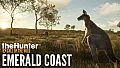
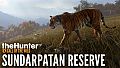
Reserves span large areas modeled after real biomes, each supporting unique combinations of species from small birds and rabbits to large mammals like elk, bears, and moose. Animal behavior incorporates complex reactions to sight, sound, and smell, with some species becoming aggressive when threatened. Recent updates have introduced new reserves such as those in Peru and Scotland, expanding available biomes and adding species like jaguars, capybaras, and tarucas.
Trophy lodges provide a dedicated space to display mounted harvests and review past successes. Systems like TruRACs generate varied antler and horn structures, while periodic remasters improve visual detail on existing animals. These elements reward repeated visits as populations and trophy quality shift over time.
Ongoing Updates
The game receives regular patches that add new reserves, weapons, and refinements to existing mechanics. Recent examples include antler remasters for species like fallow deer, new Great One variants, and quality-of-life features such as borderless windowed mode. Support continues with community-influenced content that maintains the simulation's depth without altering its deliberate pace.
Is It Worth Playing?
Reviews remain very positive across hundreds of thousands of player submissions, highlighting the atmospheric environments and satisfying realism for those who appreciate methodical gameplay. The title suits players seeking a slow-burn experience focused on observation and preparation rather than constant action. Ongoing updates ensure fresh reserves and mechanics continue to appear years after launch. Those drawn to realistic hunting simulations with strong singleplayer and optional multiplayer components will find substantial depth here, while players preferring faster pacing or arcade-style hunts may find the deliberate tempo less engaging.