
















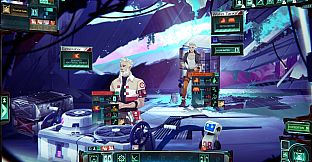

Dead in Antares is a turn-based survival management game with RPG elements that places players in charge of a crew of survivors stranded on an alien planet. The experience blends resource allocation, crew oversight, and tactical decision-making as the group works to establish a foothold and pursue a path toward safety. Set in a sci-fi context, the title draws from management simulation traditions while incorporating adventure and strategy layers through exploration and character development.
Gameplay
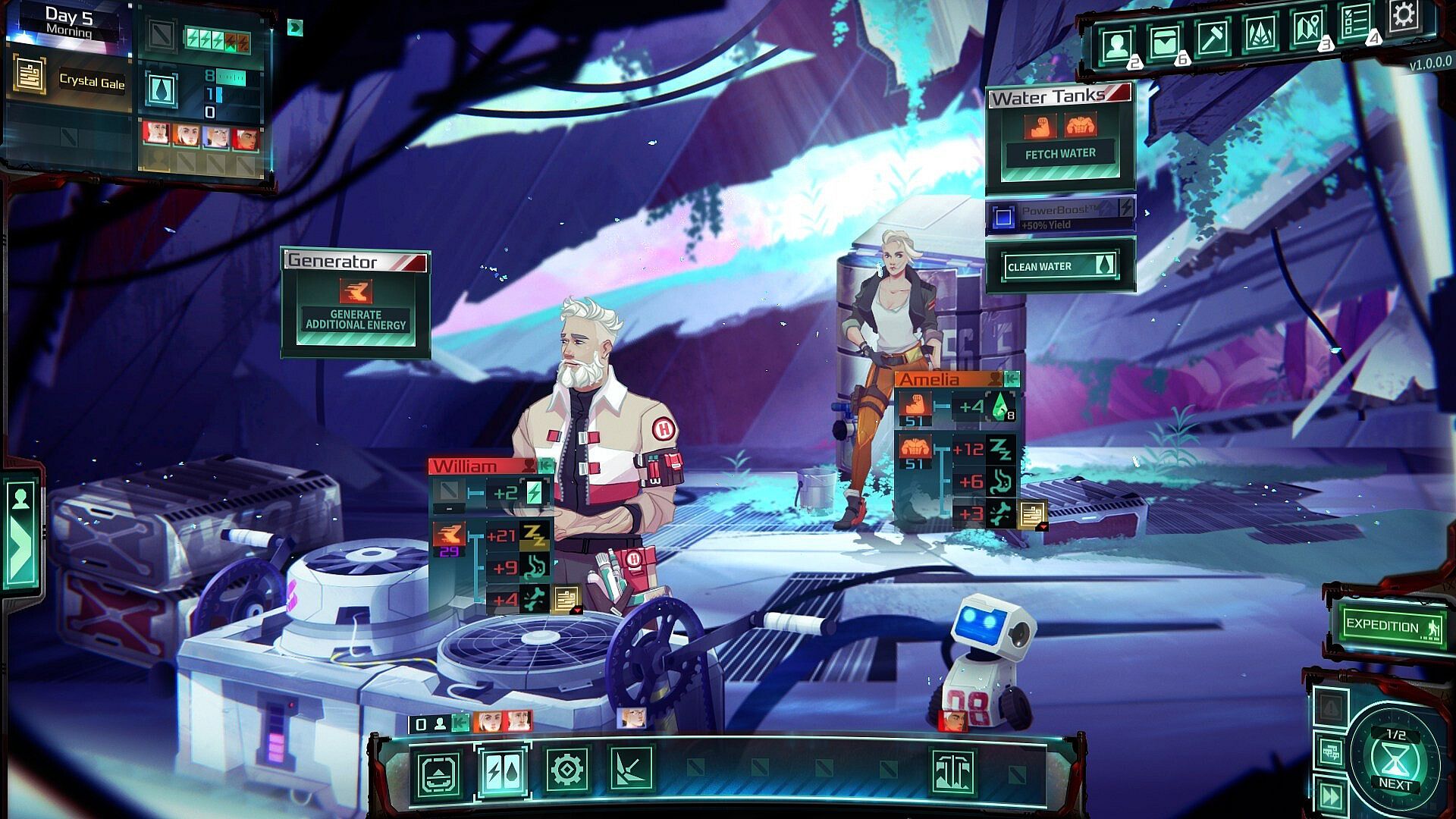
Core play revolves around daily cycles of managing limited supplies, assigning jobs to crew members, and expanding the shelter built from a section of the crashed spaceship. Players allocate tasks such as gathering materials, maintaining equipment, and preparing meals while monitoring the mental state of each survivor. Resource scarcity forces careful choices about what to prioritize each day, and the alien environment introduces ongoing threats that require defensive measures and scouting runs.
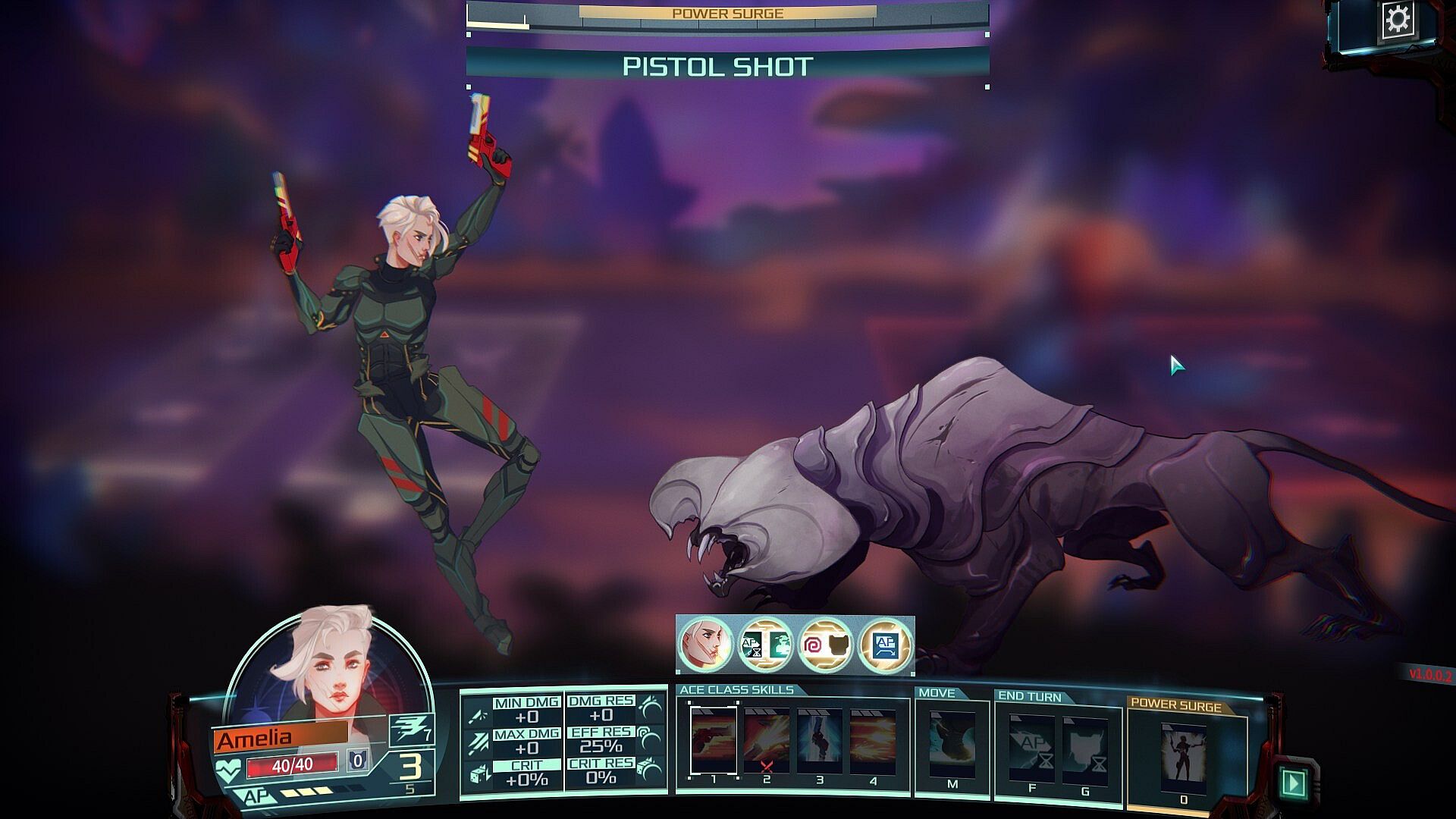
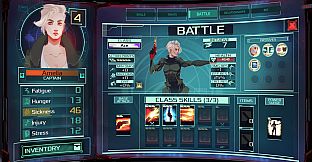
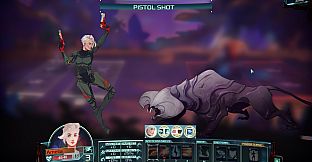
Combat occurs in a turn-based format where positioning matters, with characters occupying front and rear lines that influence available actions. Strategies involve timing attacks, applying buffs, and defending against threats while balancing the risk of injury or exhaustion. RPG progression allows individual crew members to gain skills and improve over time, adding depth to long-term planning. The shelter itself serves as a central hub where characters rest, interact, and recover, giving the base a tangible presence in the overall loop.
Game Modes
The game centers on a single-player campaign that unfolds through sequential days of survival and decision-making. Difficulty options include a survival mode that heightens resource pressure and environmental hazards, encouraging repeated attempts with different crew compositions. Exploration segments let players venture outward from the shelter to locate new resources or confront challenges, integrating adventure elements into the management framework. No separate competitive or cooperative modes exist; the focus remains on the solitary campaign experience of guiding the crew toward its objectives.
Crew and Progression Systems
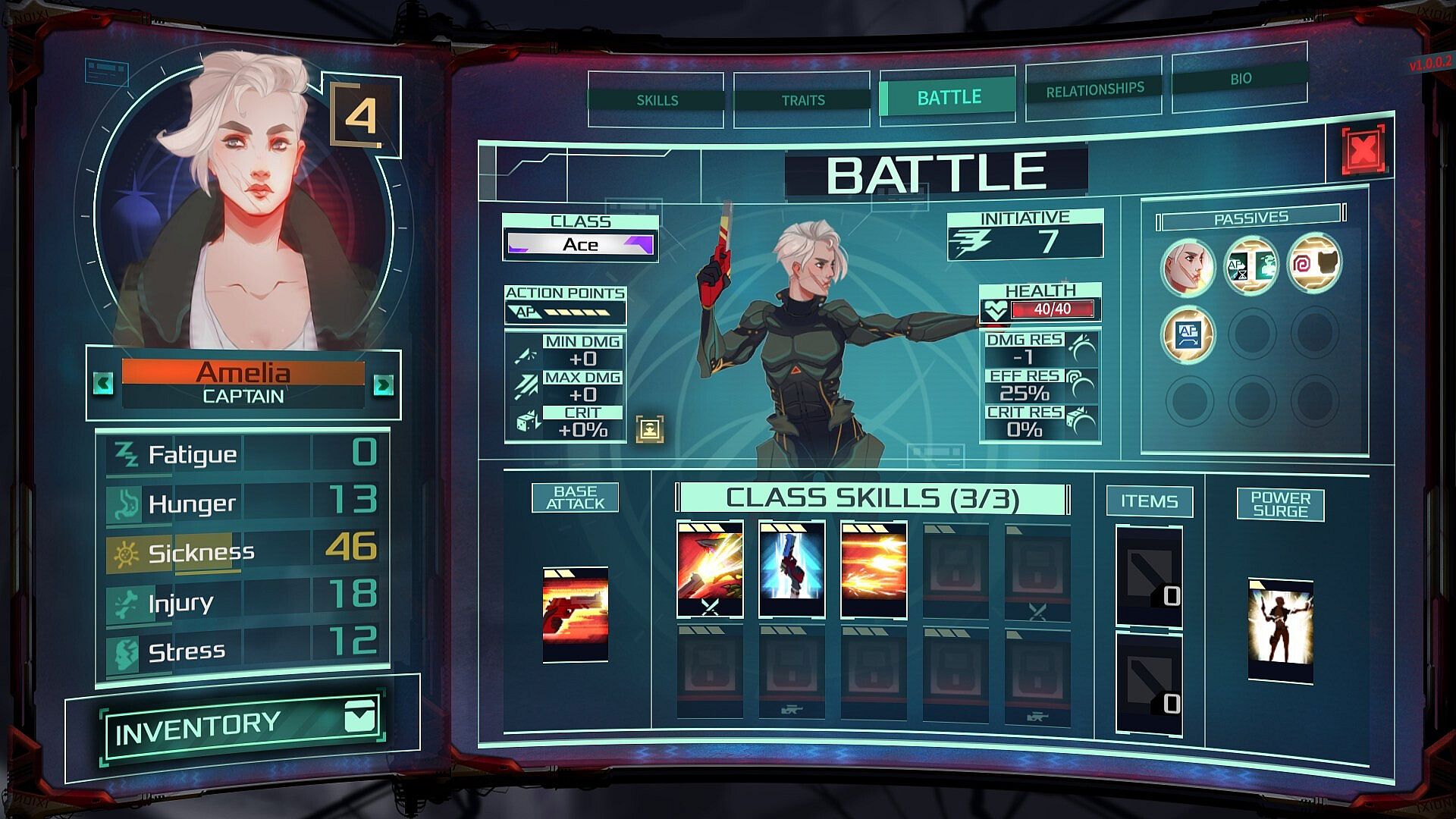
Up to ten playable characters become available over the course of a run, each with distinct traits that affect job performance and group dynamics. Starting with a smaller group, players gradually integrate newcomers while managing interpersonal factors such as stress and morale. RPG-style advancement lets survivors learn new abilities and specialize, which in turn shapes how effectively the team handles both routine tasks and combat encounters. This system rewards thoughtful long-term investment in particular crew members while the simulation layer tracks overall camp stability.
Is It Worth Playing?
Dead in Antares suits players who enjoy deliberate resource management combined with turn-based combat and character-focused storytelling. The campaign structure provides a clear progression path through survival challenges, and the emphasis on crew well-being adds a layer of tension beyond simple logistics. Reception highlights strong production values and polished mechanics for those drawn to the genre, though some find the core daily loop repetitive after extended play. The title stands as a complete single-player experience on PC, with ongoing support reflected in post-release updates that refine balance and content. Fans of similar management titles will find familiar systems executed with attention to crew personality and tactical options, making it a solid choice for targeted play sessions rather than quick matches.