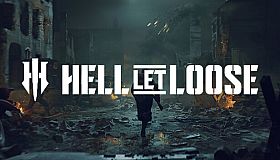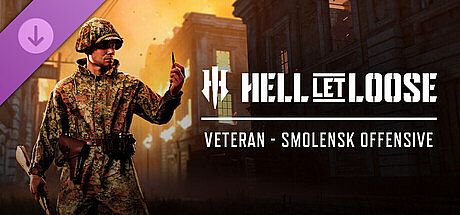






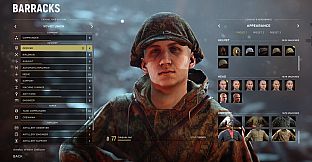
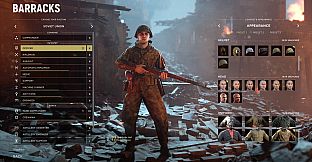
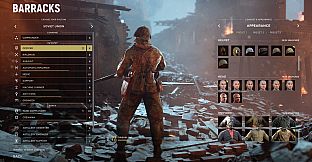
Hell Let Loose is a multiplayer first-person shooter set during World War II that emphasizes large-scale tactical combat between two teams of fifty players each. Matches unfold across expansive maps with shifting front lines, supply lines, and combined arms elements that require coordination between infantry, armor, and support units. The game places heavy weight on communication and role specialization, where individual actions contribute to broader strategic objectives rather than isolated kills.
Gameplay
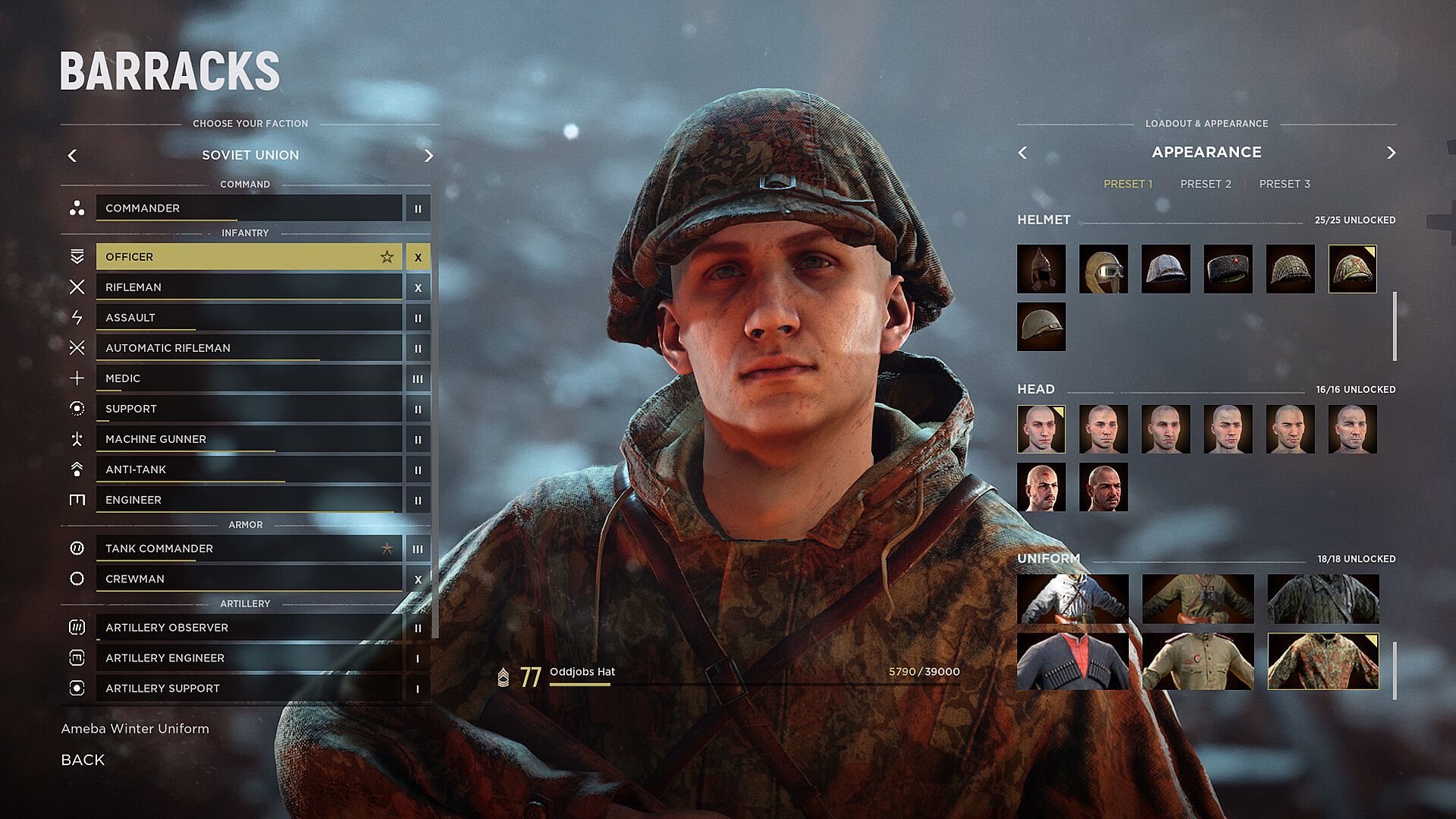
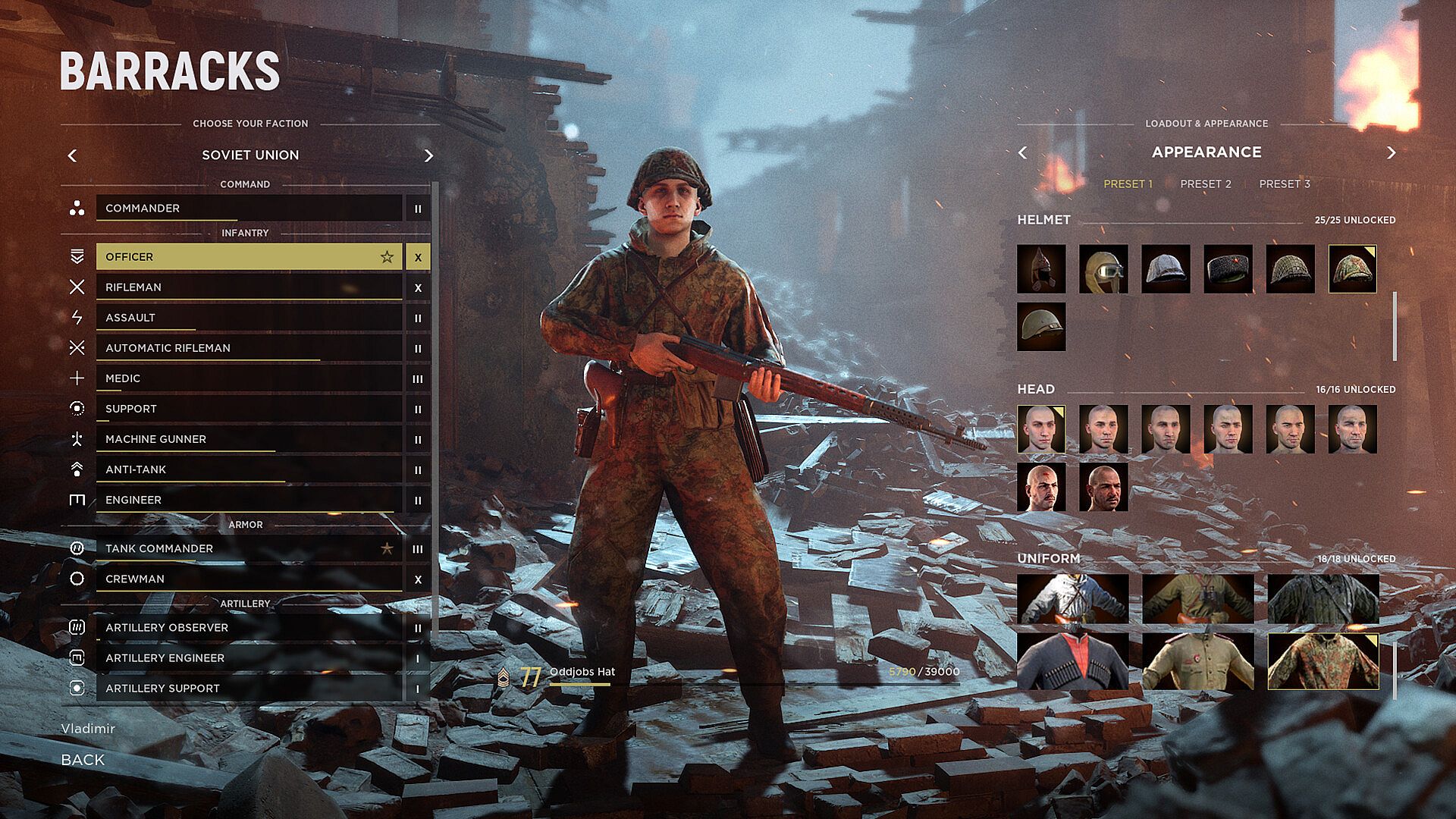
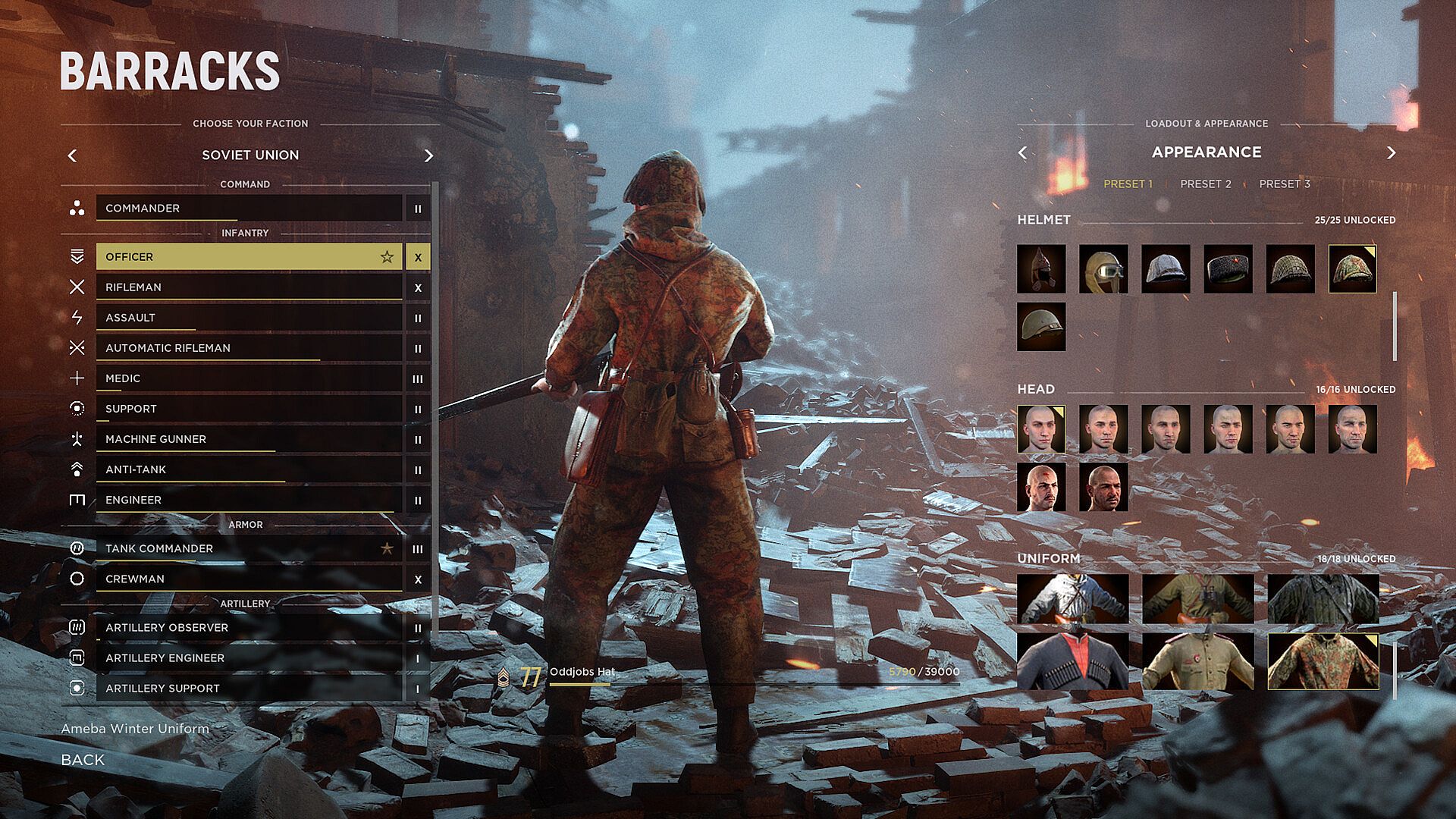
Core play revolves around squad-based teamwork within a rigid command structure. Each side fields a commander who directs overall strategy, calls in artillery or supply drops, and coordinates with squad leaders. Squads of six players fill specialized roles such as rifleman, medic, machine gunner, anti-tank specialist, engineer, or sniper. These roles determine available equipment and responsibilities, from building fortifications to repairing vehicles or providing medical support under fire.
Combat occurs on large maps divided into sectors that teams contest through direct engagement and resource management. Vehicles like tanks and trucks play a central part, demanding crews that balance mobility, firepower, and vulnerability to infantry threats. Artillery and reconnaissance elements add layers of planning, as players must secure and hold positions while managing limited resources like ammunition and spawn points. The emphasis remains on positioning, flanking, and adapting to the dynamic battlefield rather than fast-paced run-and-gun action.
Game Modes
Warfare serves as the primary mode, functioning as a back-and-forth sector control battle. Two teams start with control over opposite halves of the map and a neutral central sector. Capturing sectors pushes the front line forward, with victory determined by controlling more territory before time expires or by eliminating enemy morale through sustained pressure.
Offensive shifts the dynamic into asymmetric attack and defense. One team must capture a series of five sectors in sequence to reach the enemy headquarters, while the opposing side holds defensive positions. Each sector has a time limit for capture attempts, and successful defense can stall the advance indefinitely. These modes encourage different tactical approaches, with Warfare favoring fluid pushes and Offensive rewarding fortified setups and coordinated assaults.
Key Features and Updates
The game supports ongoing additions through regular updates that introduce new maps, weapons, and balance adjustments. Recent content has expanded the Eastern Front with maps such as Smolensk, set during the Second Battle of Smolensk in 1943, featuring urban and riverine terrain suited to Soviet and German forces. Vehicle mechanics receive periodic refinements, including armor resistance systems that reward proper angling and crew coordination. Player counts remain active years after launch, supported by cross-platform availability on PC.
Role variety extends across command, infantry, reconnaissance, and armor categories, with each offering distinct tools and playstyles. Maps include multiple capture point configurations that alter routes and chokepoints per match, promoting replayability without altering core rules.
Is It Worth Playing?
Hell Let Loose maintains a Very Positive rating on Steam, calculated from over 149,000 reviews with a player score of 82 out of 100. The community continues to engage with frequent updates that add maps and refine systems, indicating sustained developer support. Matches can extend up to ninety minutes, suiting players who prefer deliberate pacing and team reliance over quick sessions.
This title appeals most to those seeking realistic large-scale multiplayer experiences where strategy and communication outweigh individual skill. New players benefit from the tutorial and role selection that gradually introduces mechanics, while veterans appreciate the depth in combined arms coordination. The active player base and consistent content pipeline support long-term engagement for fans of tactical shooters focused on World War II settings.