

Wellspring OLC stands as a free to play indie RPG built around deep simulation systems and player-driven content creation on PC. The title blends a complete official campaign with tools that let users construct and run their own worlds without any coding or external software.
Gameplay
Core systems emphasize simulation and progression that respond to player actions over time. Combat operates in real time with pulse-based mechanics that track detailed character states, including targeted spells, environmental effects, and knockback interactions. Equipment covers multiple body slots with specific coverage rules, while skills advance through repeated use rather than fixed leveling alone.
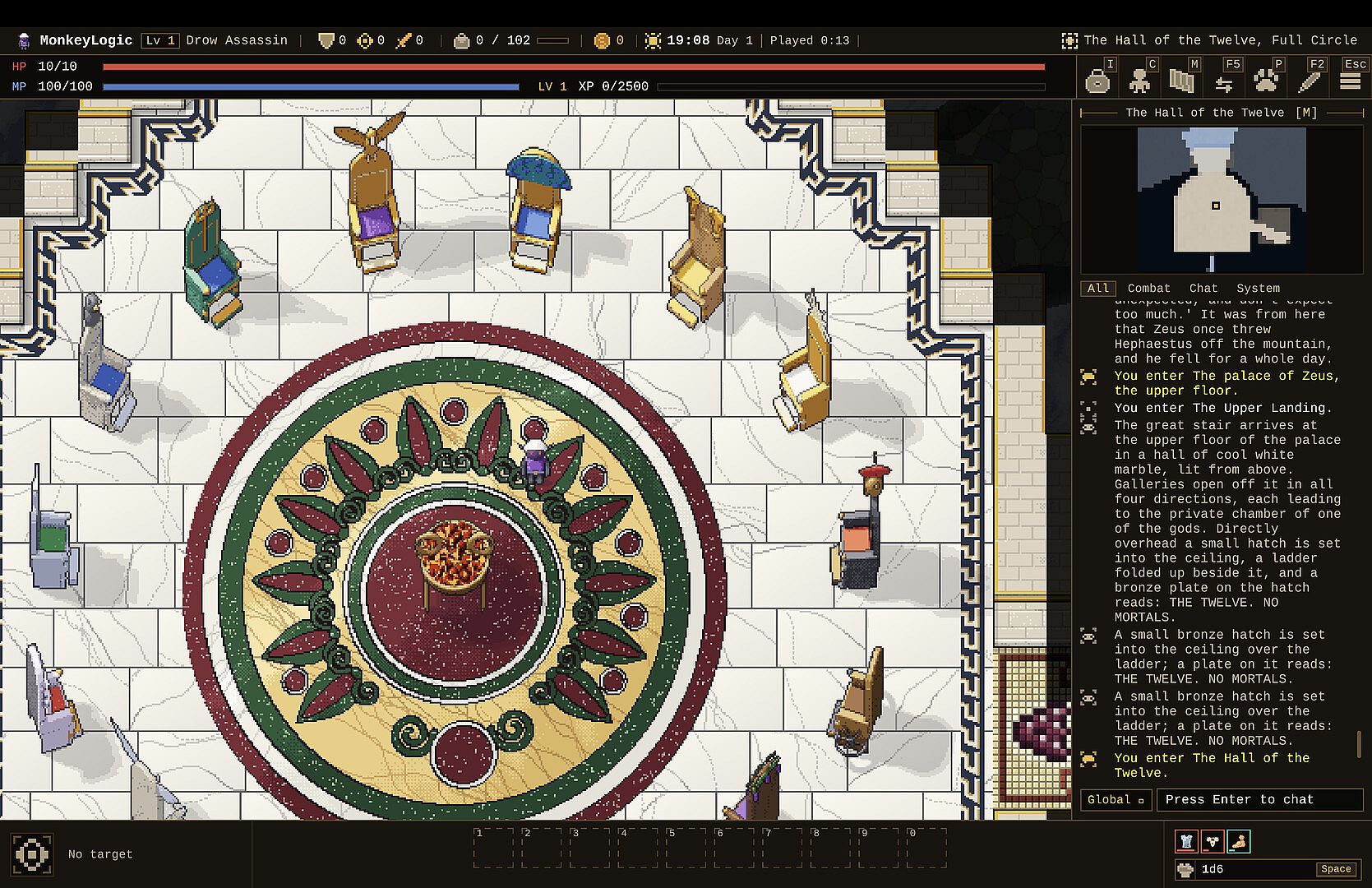
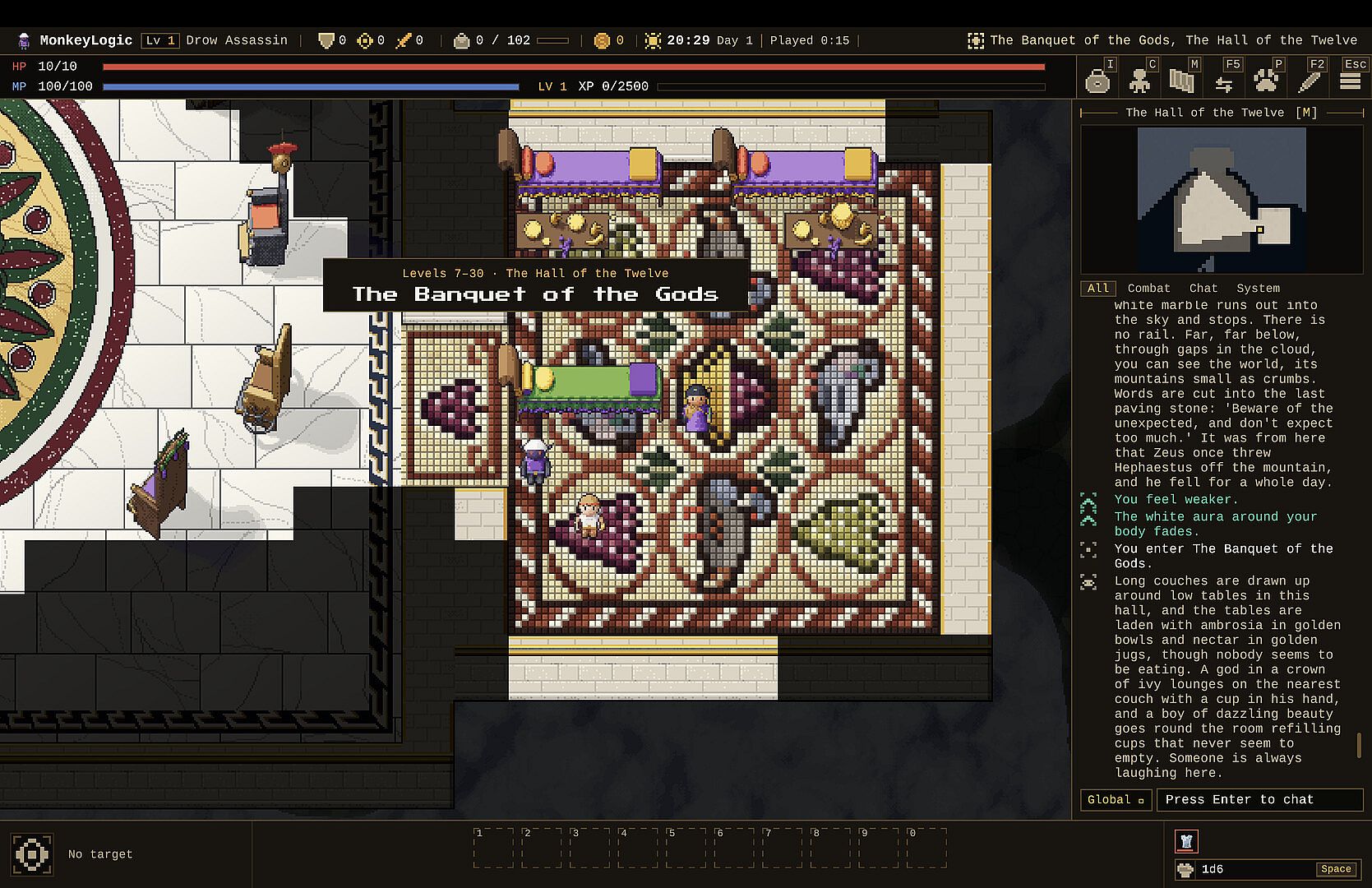
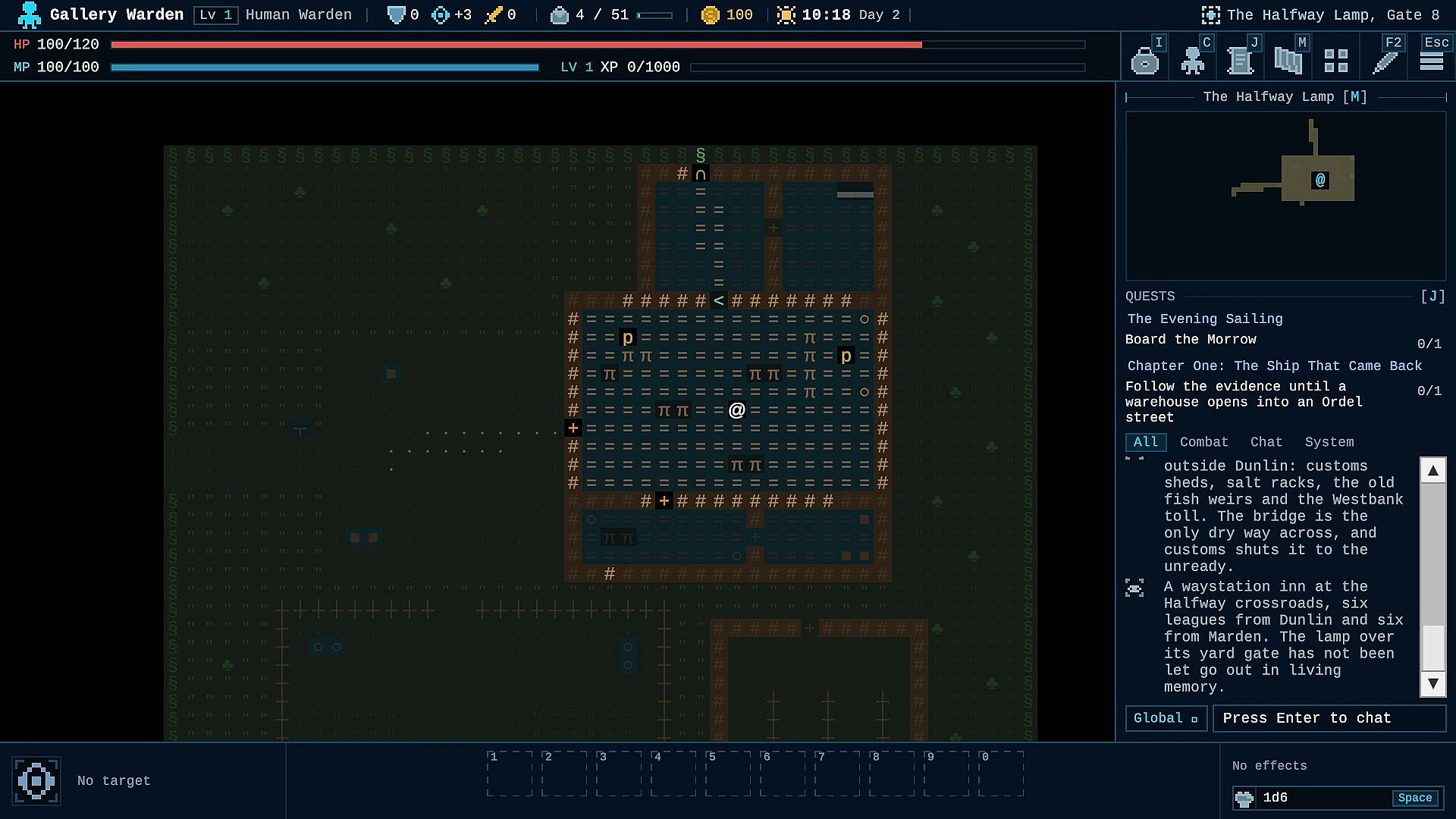
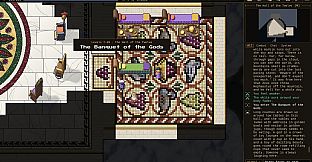
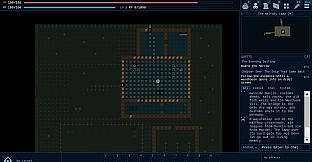
Attributes shape how characters engage with the environment, from movement to interactions in simulated economies that include shops and housing. Persistent factions maintain their own progression and influence world state between sessions. Presentation supports both ASCII and pixel art styles that can switch within supported modules. Overland wilderness travel forms a key part of exploration, and rebirth paths become available once characters reach maximum level.
The underlying ruleset draws from classic MUD traditions and roguelike design, resulting in systems that track hit chances, experience formulas, and NPC behaviors through customizable parameters. Seven distinct peoples and seven classes provide starting variety within the official content and any player-built modules.
Game Modes
Gate 8 serves as the primary single-player and co-operative experience. Players can tackle this large-scale campaign alone or invite others to join sessions that support branching quests, encounters, and a continuing world state. The campaign showcases handcrafted maps, dialogue trees, and simulated elements across a substantial setting.
Persistent world hosting allows one player to run long-term environments for groups of up to sixteen participants. Sessions can span multiple play periods with retained character progress, or shift to shorter one-shot adventures. Live tools enable on-the-fly adjustments such as spawning creatures, distributing treasure, or altering environmental conditions while participants remain active.
Steam Workshop integration extends options by letting creators publish complete modules for others to download and explore. Any published world supports solo play through the base client, removing the need for a host during individual sessions. Free guest access ensures additional players can join hosted games without purchasing the DLC themselves.
World Creation Tools
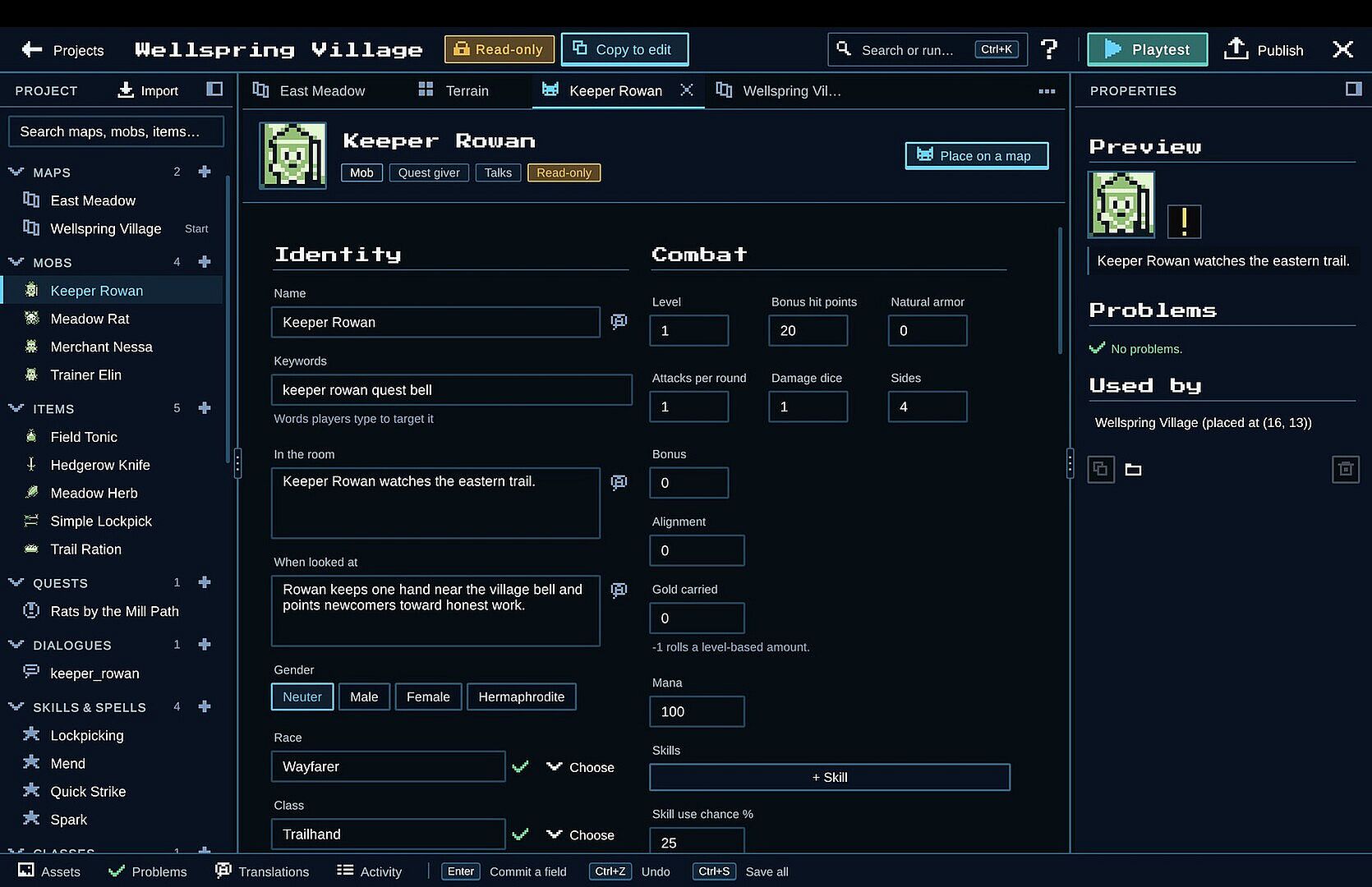
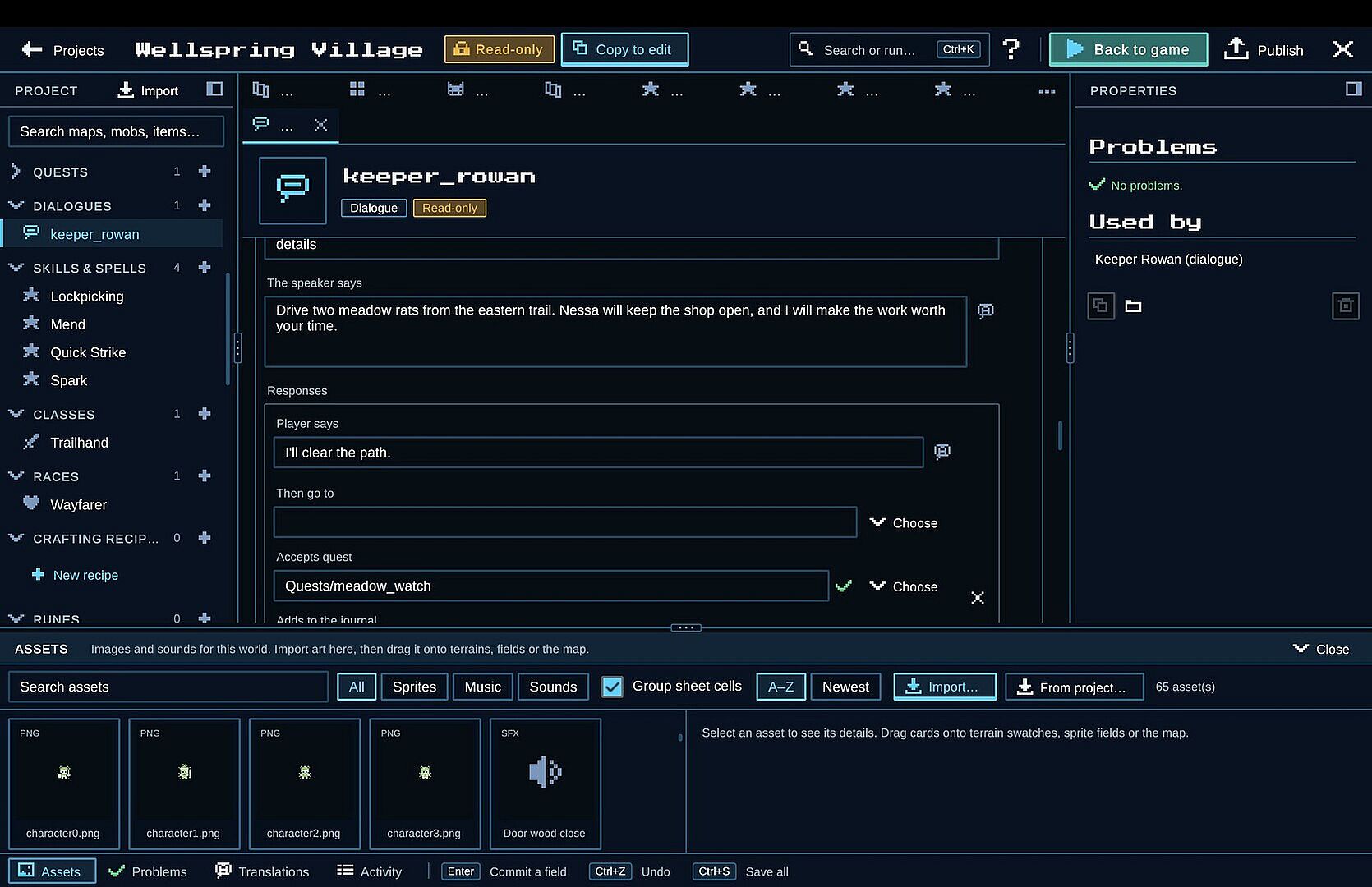
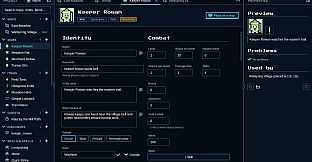
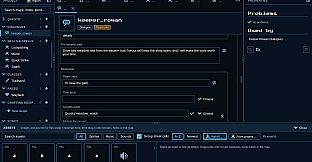
The GM Toolset integrates directly into the client and supplies twenty-eight dedicated editor interfaces. Users paint maps, define items and monsters, craft spells with visual effects, construct dialogue branches, assign NPC roles, and adjust core formulas governing combat resolution and advancement. All work occurs inside the game without external programs.
Existing content from Gate 8 can be opened in read-only mode for study. Creators copy assets into new modules and modify them freely, accelerating the process of building original adventures or entire persistent settings. Published works reach the Workshop for community distribution and solo access by others.
Is It Worth Playing?
The free base client combined with optional DLC purchase makes the experience accessible for groups where only one participant needs to own the full toolset. This structure suits players interested in both structured campaign play and open-ended creation of custom RPG content. Those who value simulation depth, persistent world management, and no-code worldbuilding will find direct support for their preferred style of engagement. The upcoming release in December 2026 means the full scope of community modules remains ahead, yet the verified systems already demonstrate strong potential for repeated sessions across solo and shared formats.