


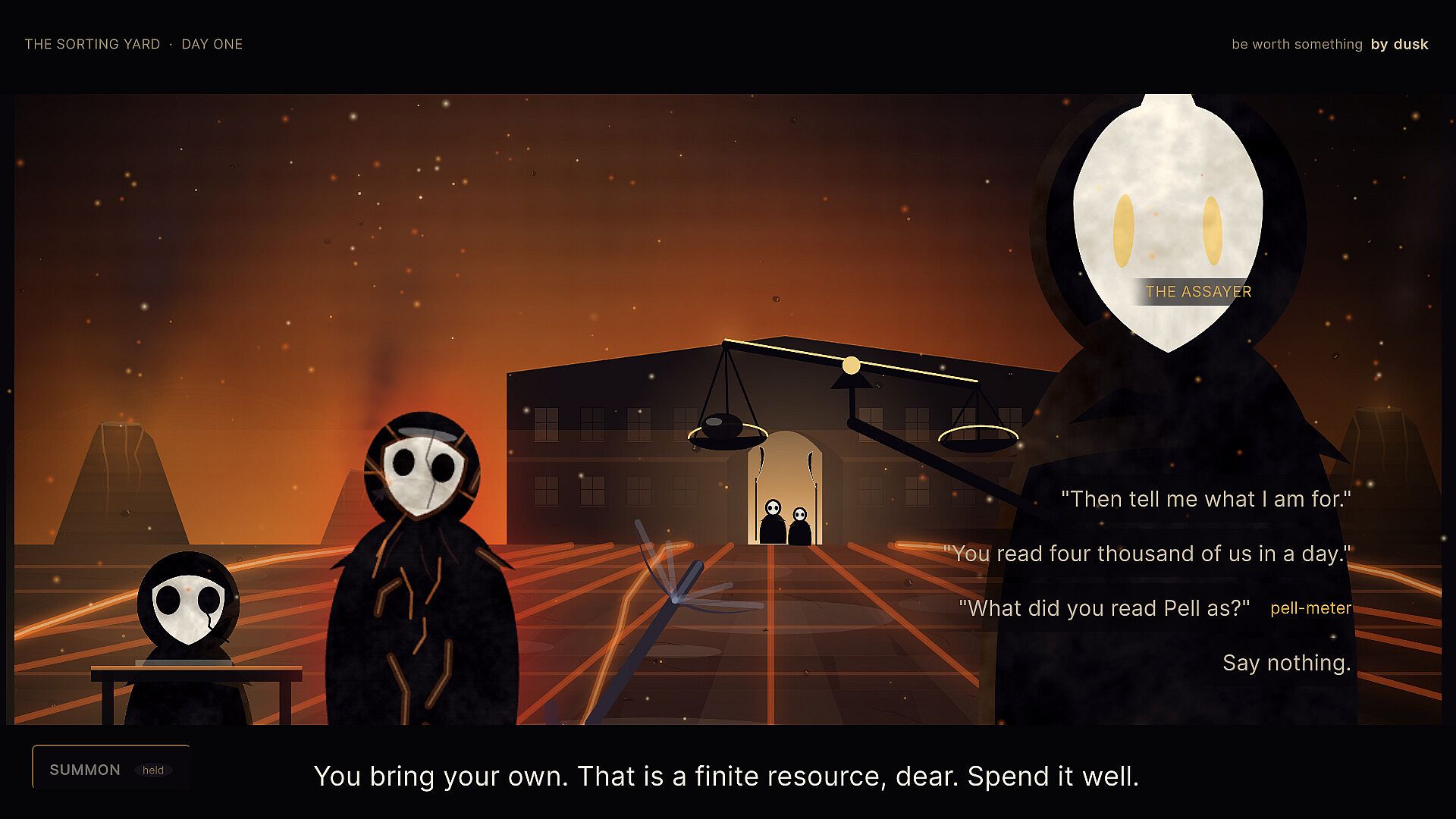

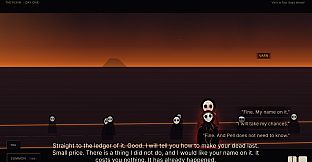

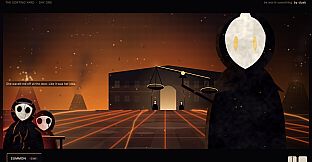
A Lovely Day in Hell is an indie adventure game built around a single core action in a point and click format. The player arrives in a hierarchical afterlife after dying on the way to an appointment. Hell functions as a structured economy where souls carry value, and progress requires trading away fragments of personal memory. The experience stays grounded in deliberate choices rather than combat or resource collection.
Gameplay
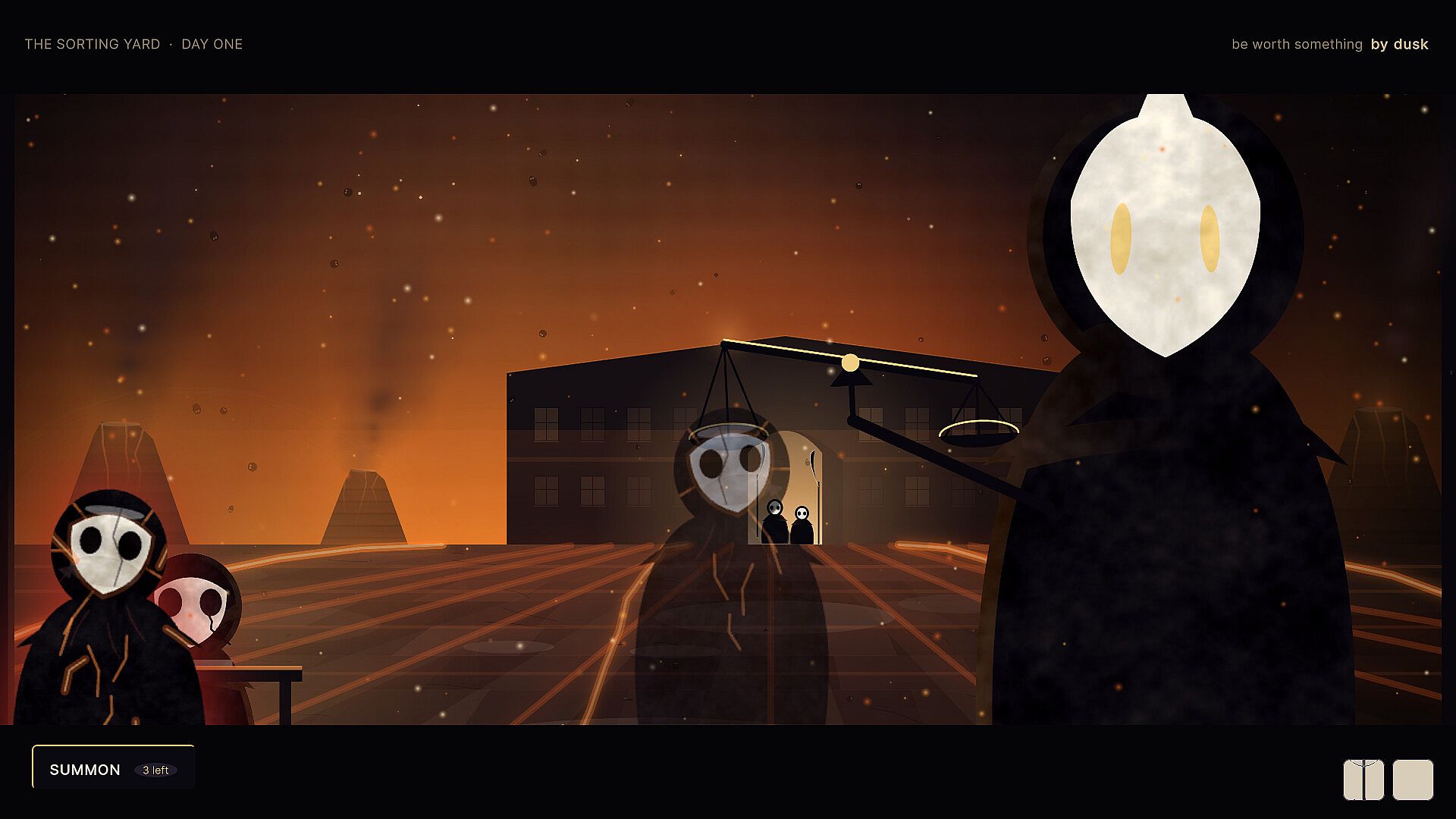
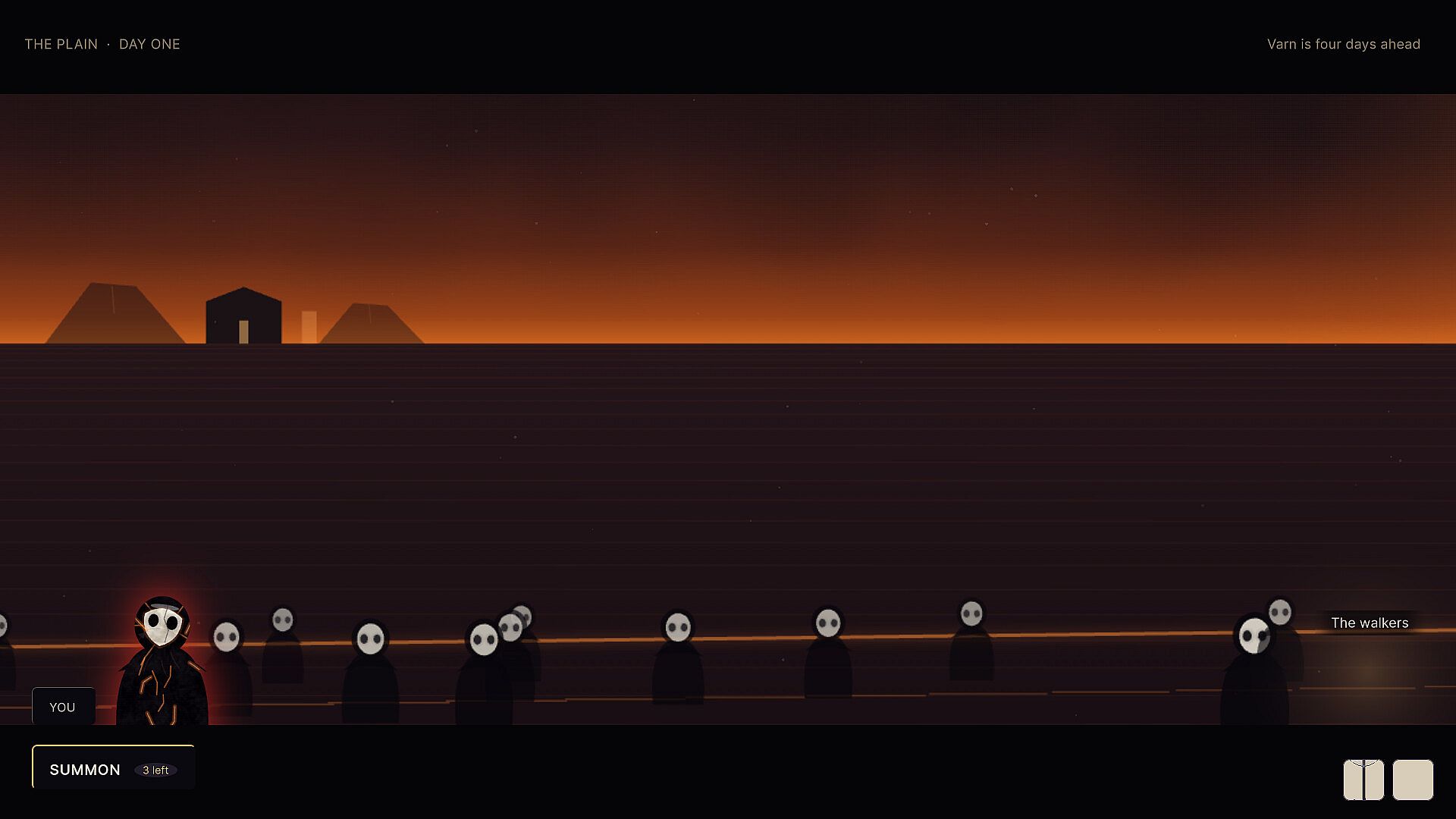
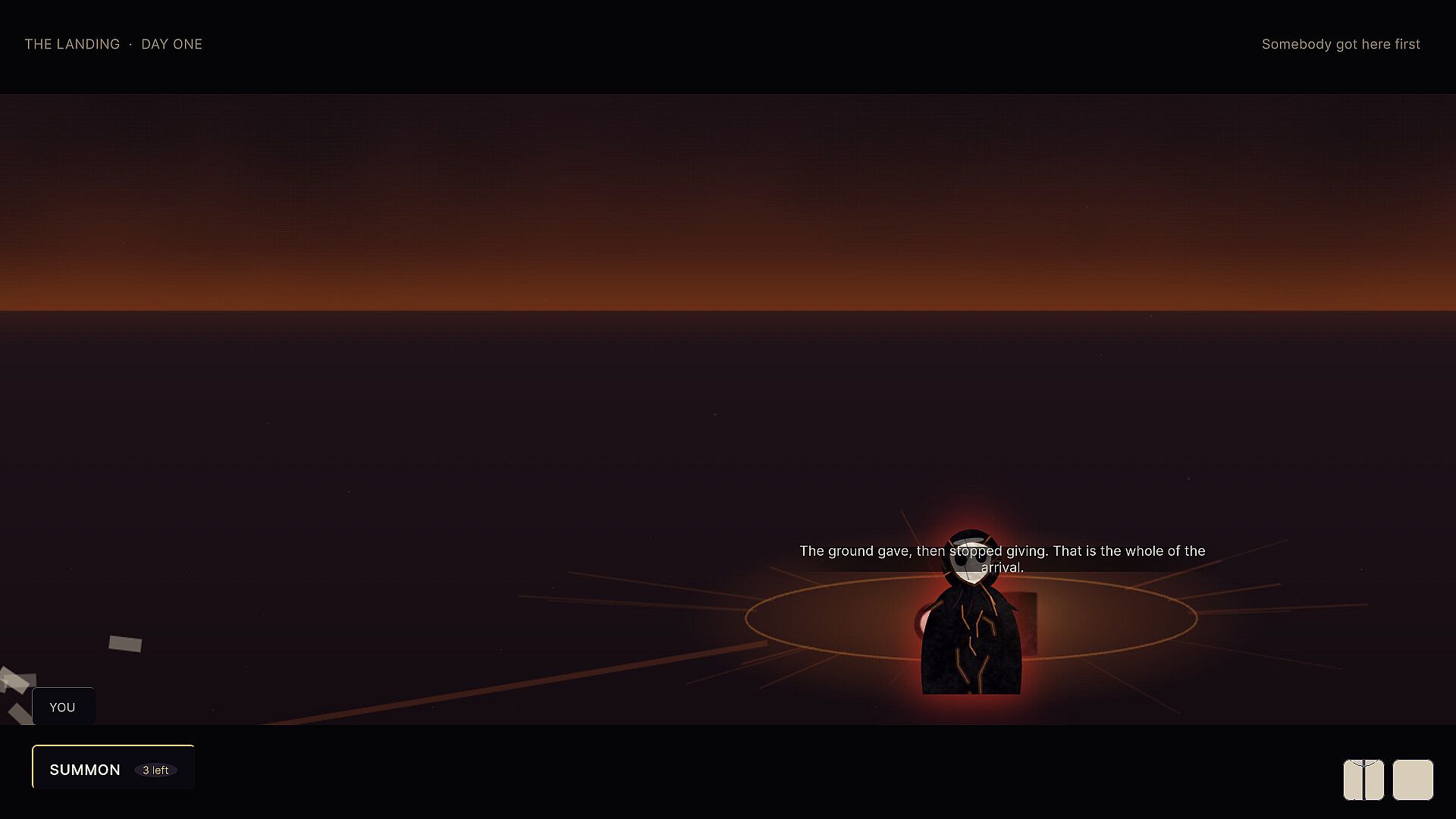
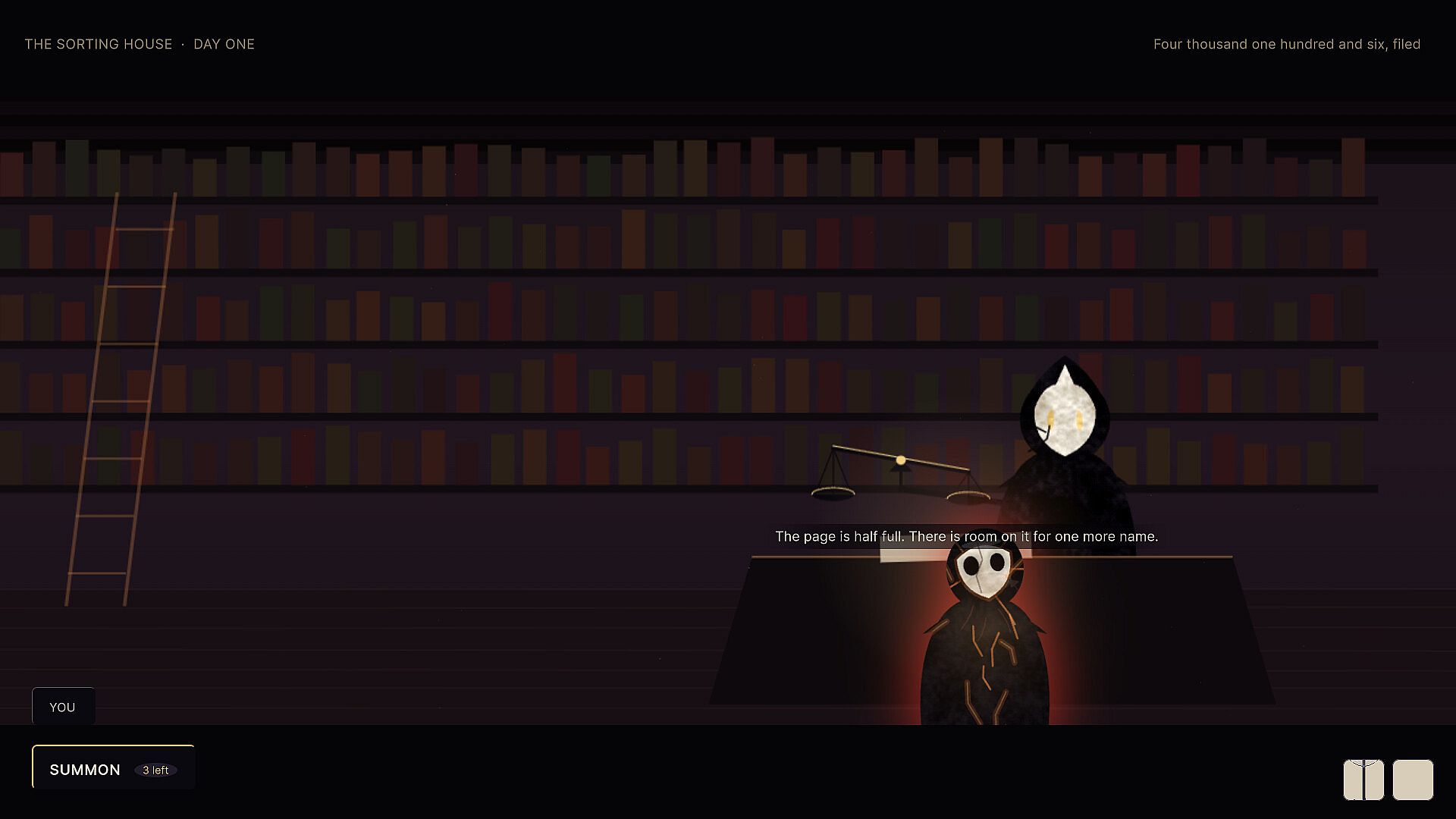
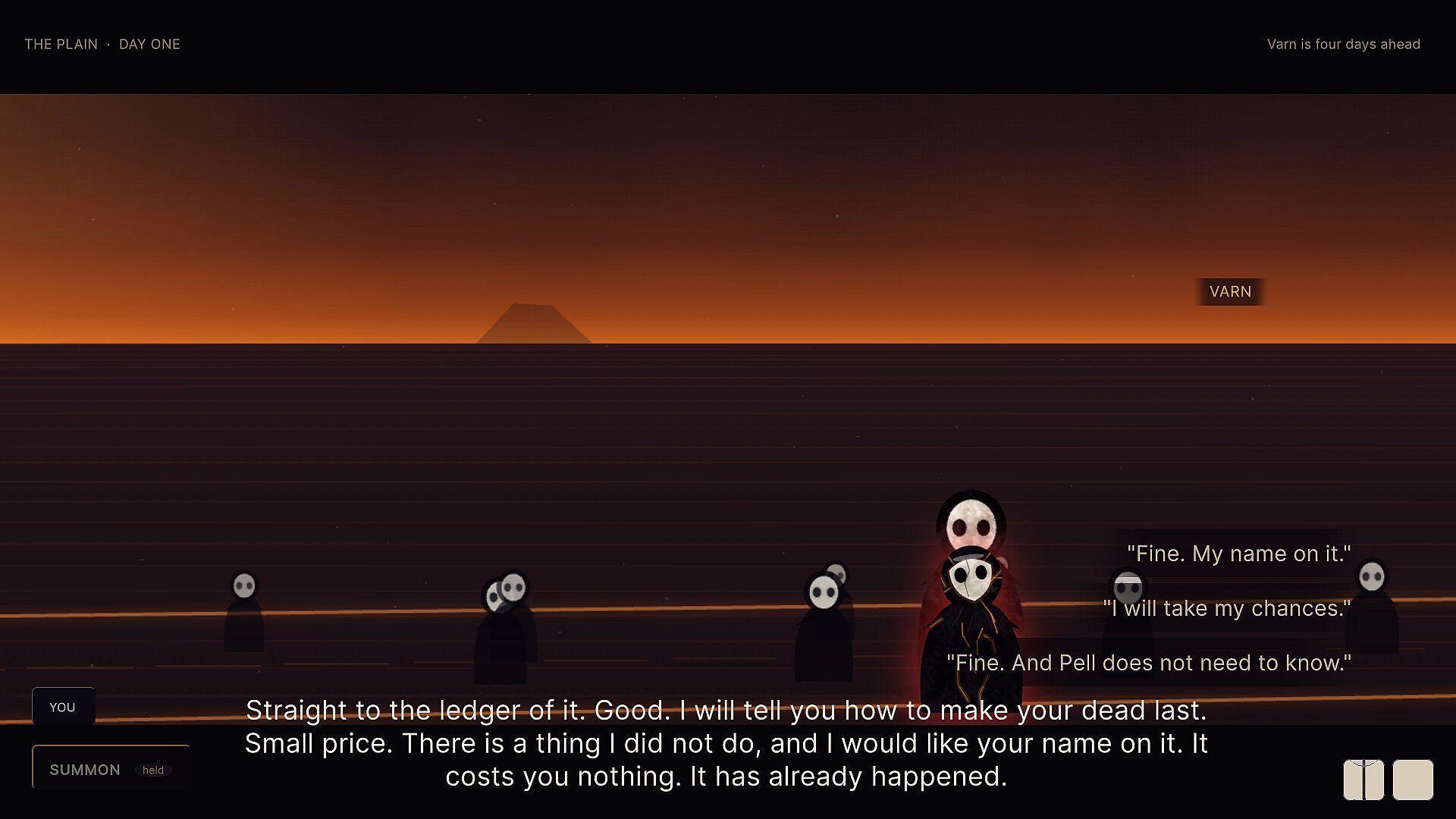
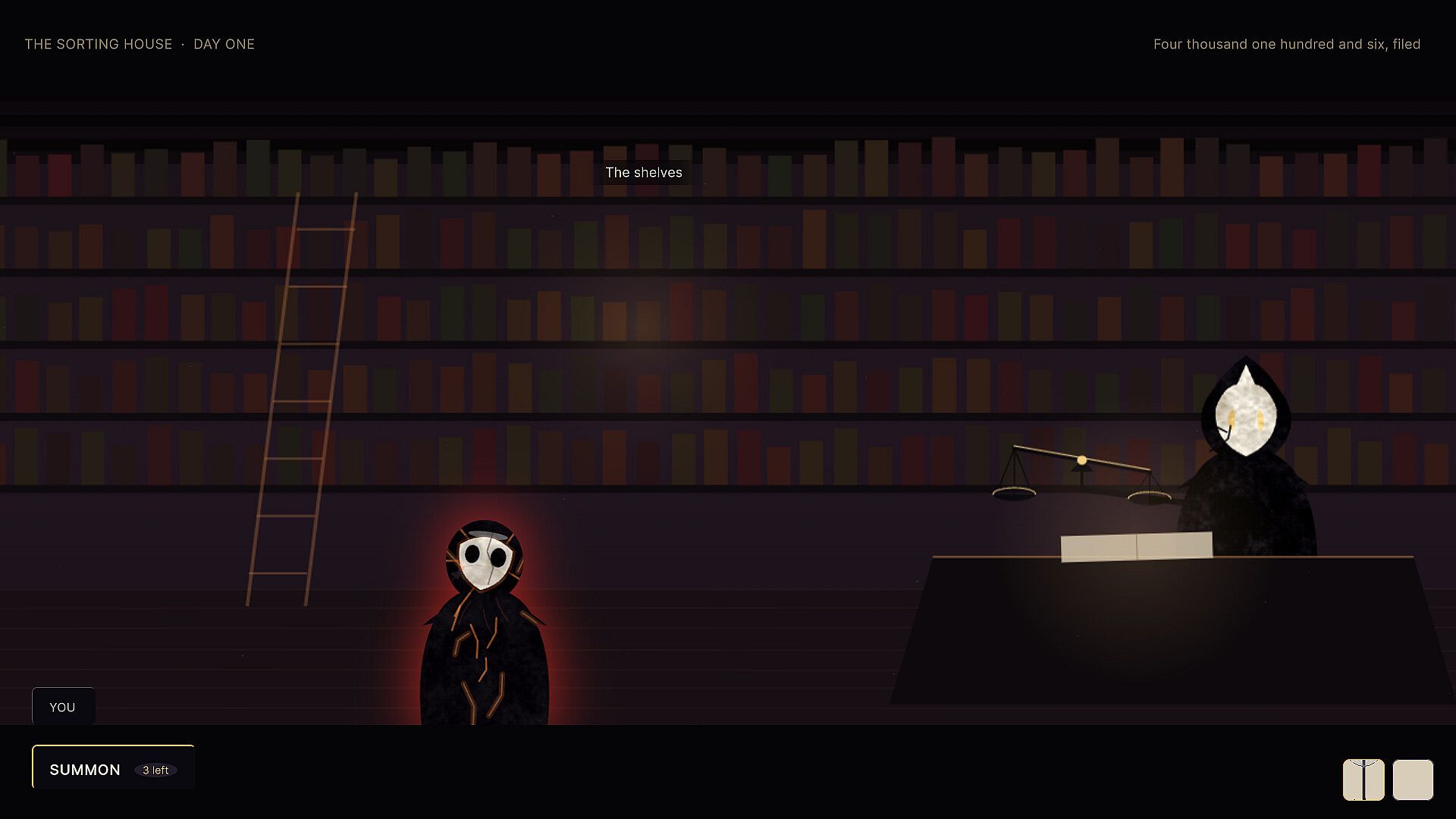
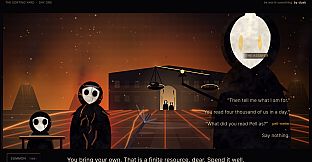
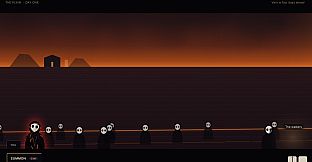
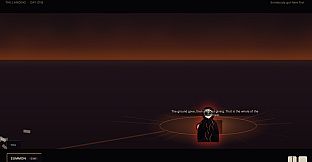
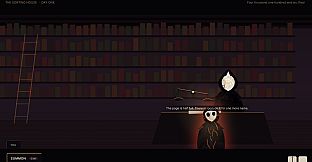
The entire interaction rests on one verb: summon. Clicking on obstacles, characters, or barriers brings forward one of the four remembered dead at the start of the game. Each summons spends that voice permanently. Doors open, arguments resolve, or guards step aside only through these specific calls. The limited pool forces careful selection because nothing replenishes the lost companions. The same locations appear across playthroughs, yet different people remain present depending on prior expenditures. Dialogue shifts accordingly, and certain paths close while others open without any visible map changes or alignment tracking. The art style uses near-black forms with a single bright focal point per scene, relying on outlines to distinguish characters instead of detailed sprites. A fully voiced cast delivers lines across eight languages, keeping conversations natural even when the subject turns to the routine cruelty of the setting.
Game Modes
The game offers a single continuous experience without separate modes or multiplayer components. Progression follows the point and click structure from beginning to end, with no branching maps or alternate campaigns. All variation comes from the permanent effects of summons, which alter who appears in later scenes and what information becomes available. Three distinct endings exist, yet the game provides no indicators or meters to reveal which path is active. Players reach the conclusion through the cumulative impact of earlier decisions rather than explicit forks.
Narrative and World
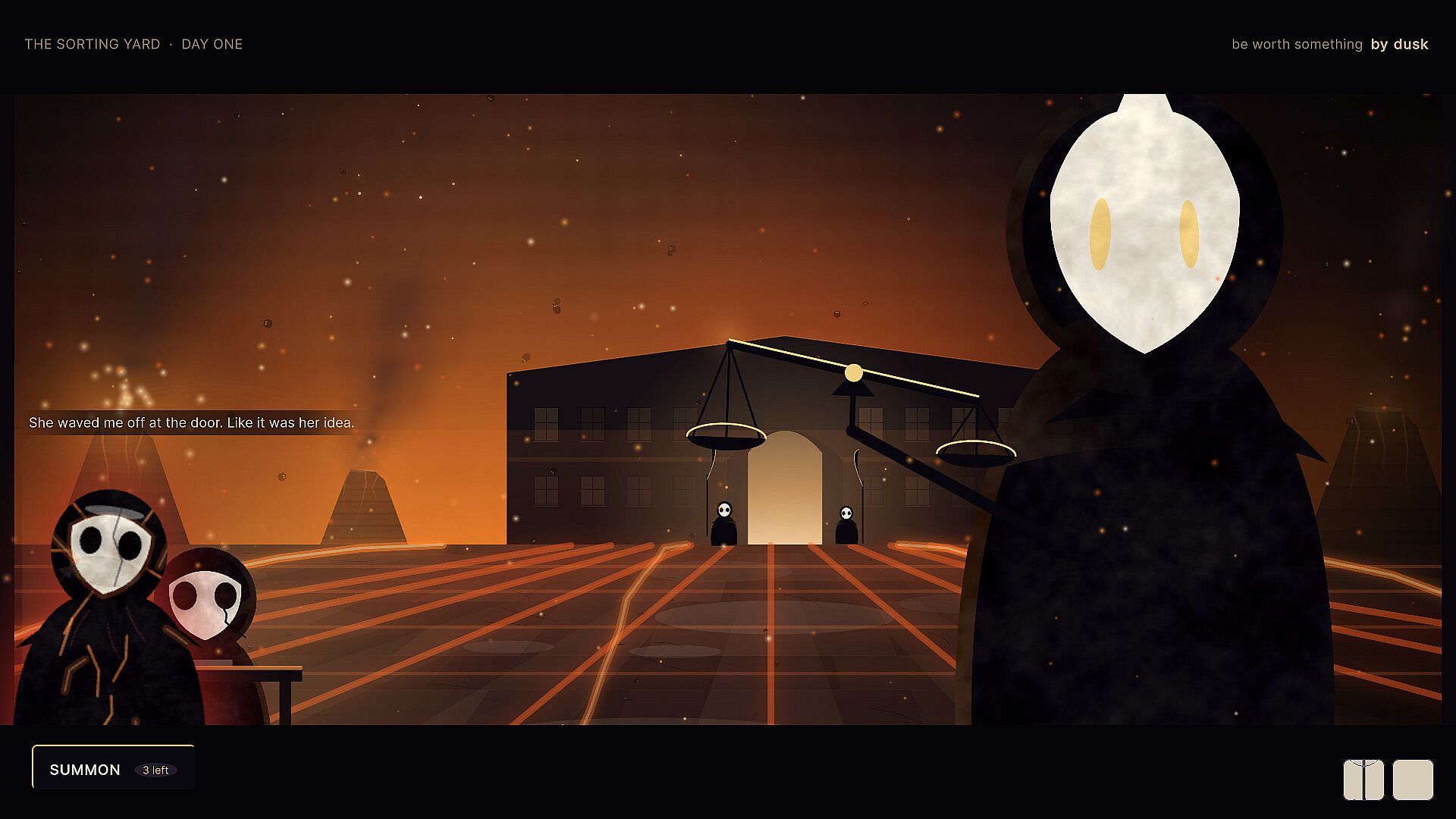
The setting presents Hell as a bureaucratic hierarchy rather than a place of flames. An Assayer prices souls daily and views the system as merciful. Other inhabitants remain polite while describing or participating in grim events. Pell offers assistance with tasks that exceed understanding. The player begins with four specific remembered individuals whose voices serve as the only currency. Spending them changes the social landscape without altering the physical layout. The story avoids traditional morality systems, letting the same environments produce different conversations and available actions based solely on prior losses.
Is It Worth Playing?
Players who enjoy short, focused point and click adventures with permanent consequences will find the structure rewarding. The single-verb mechanic and limited summons create tension through scarcity rather than difficulty spikes. Those seeking open exploration, combat, or repeatable content may find the linear path and small scope limiting. The game runs on PC and emphasizes narrative delivery through voice acting and choice impact over visual spectacle or extended playtime. Its design suits those comfortable with replaying to explore different companion combinations and endings.