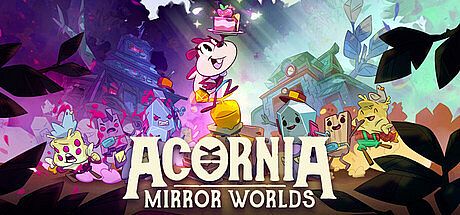


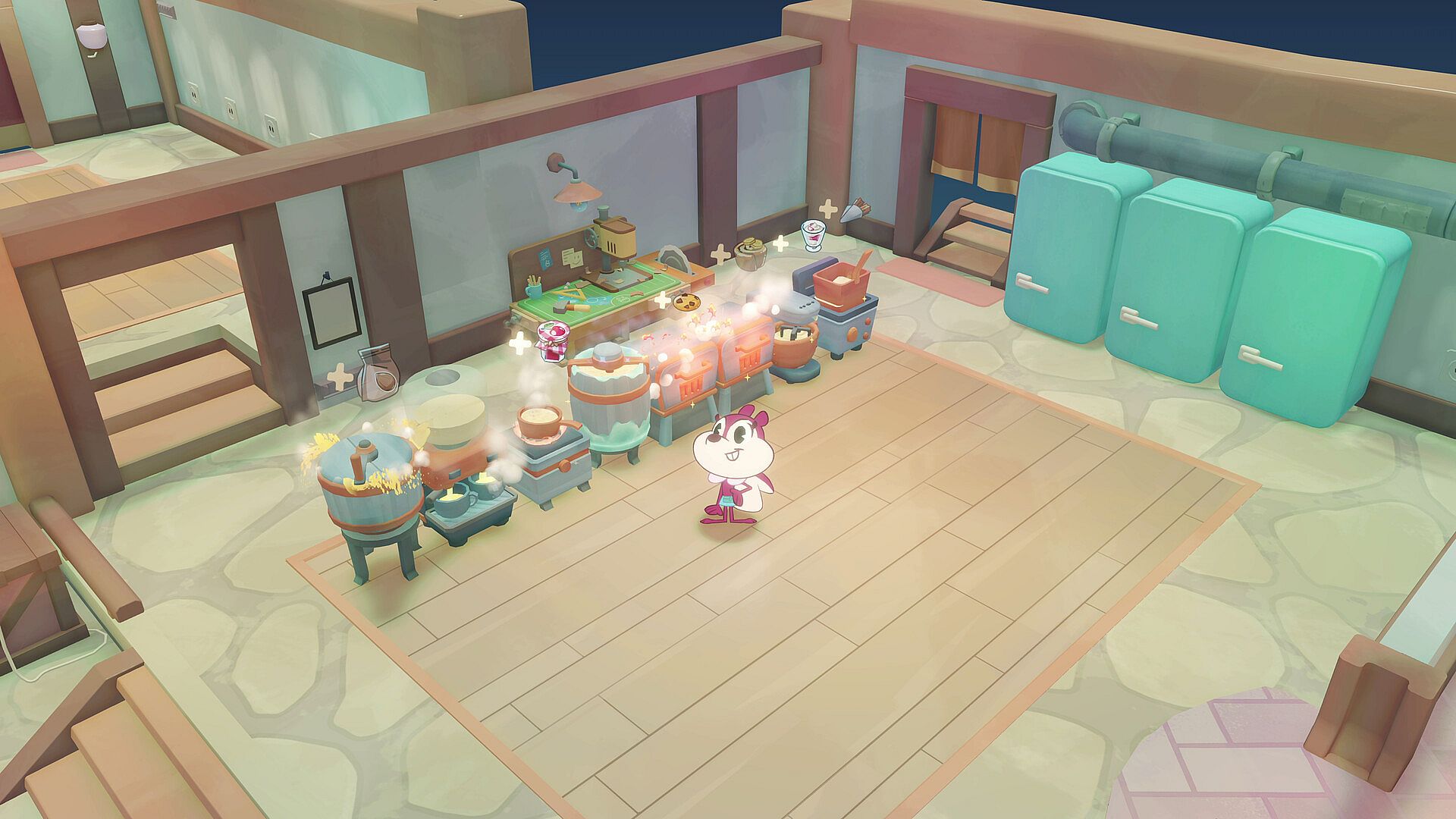
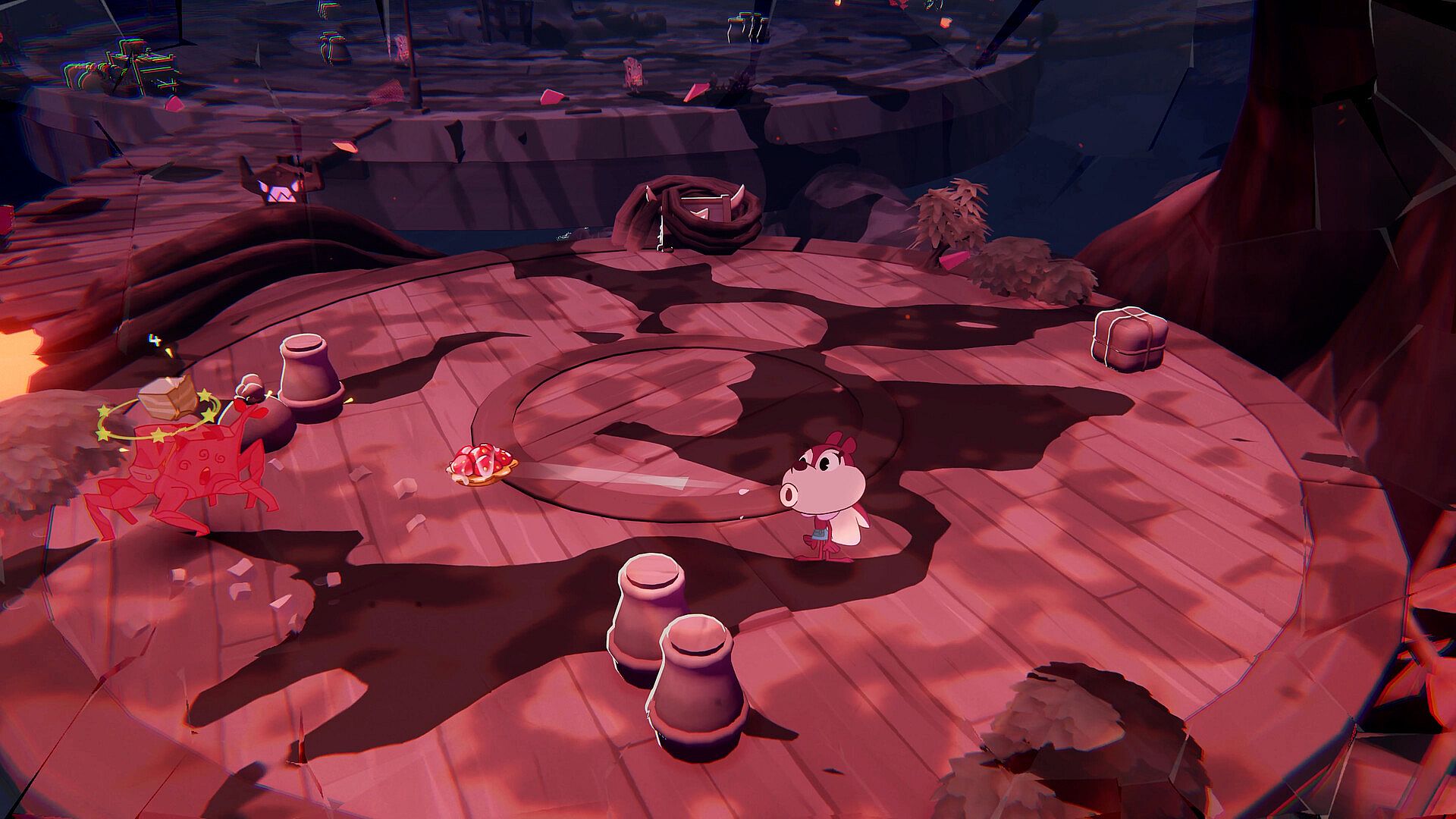
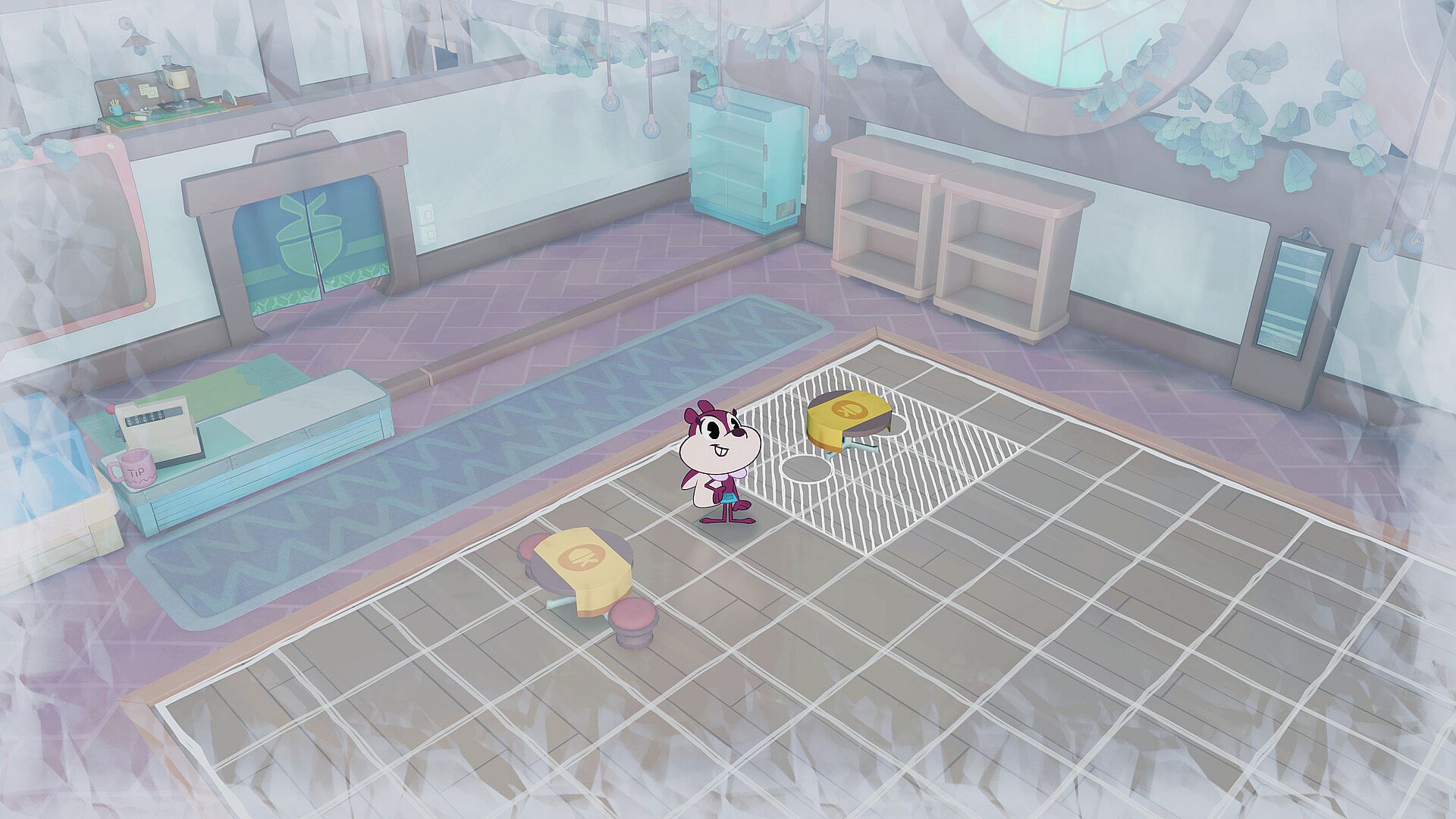
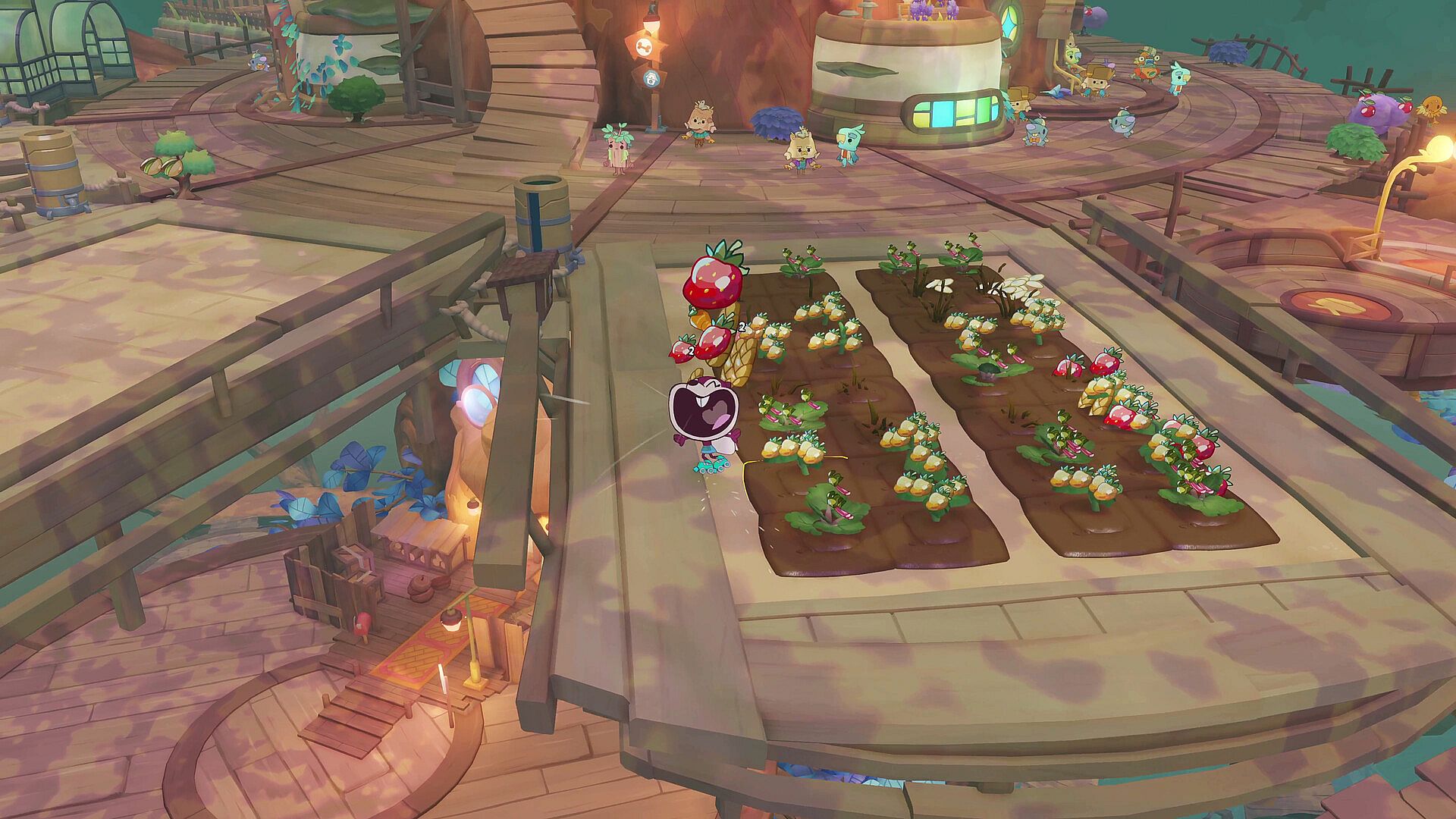
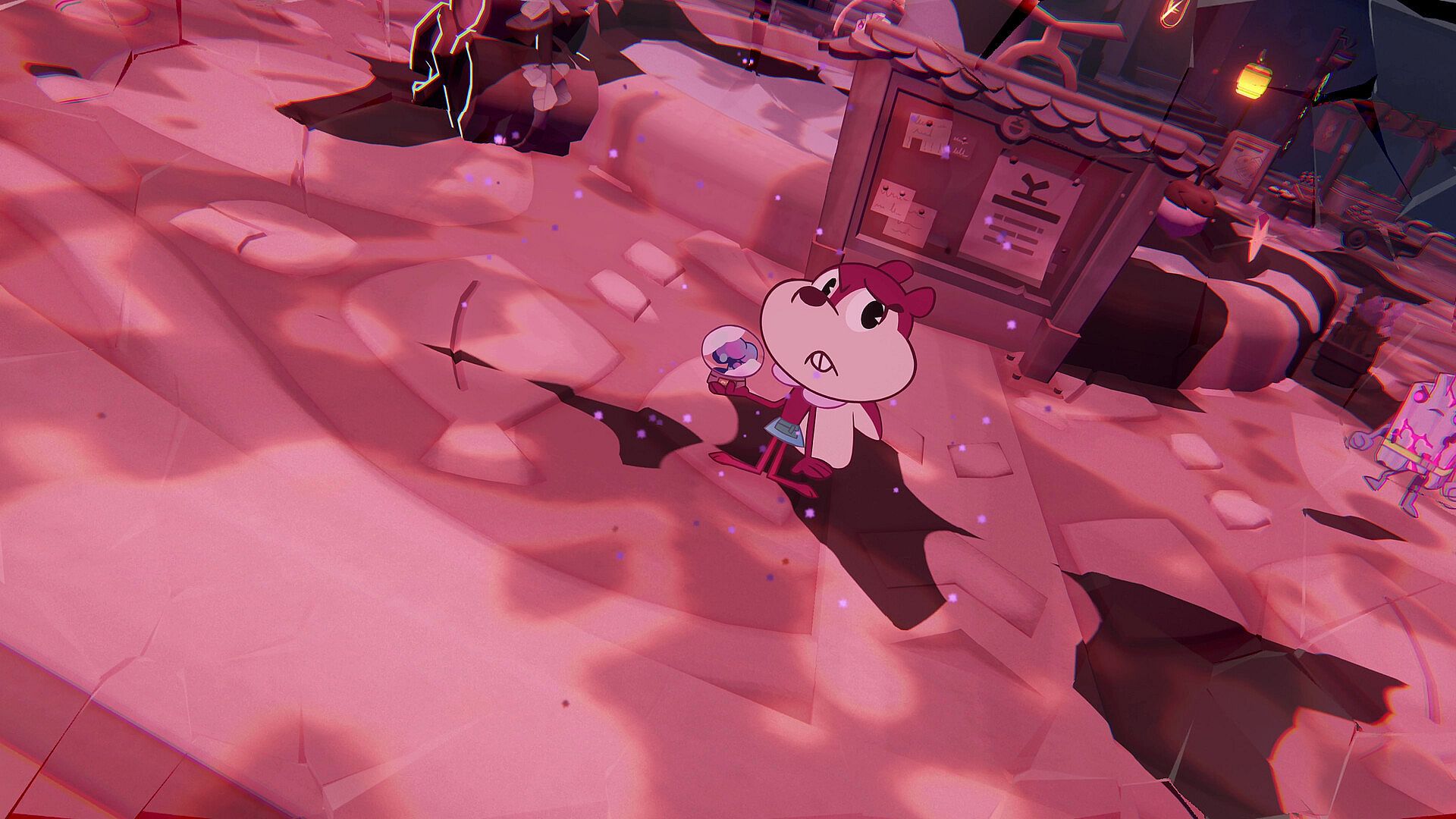
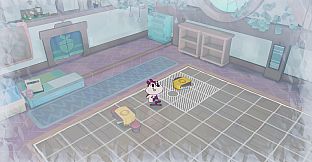
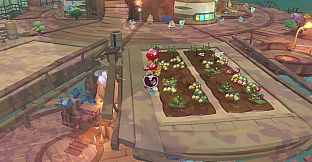
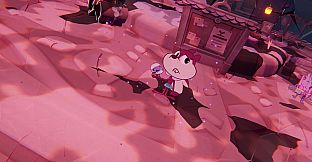
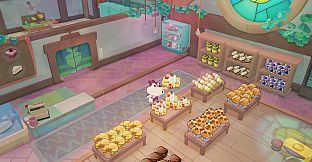
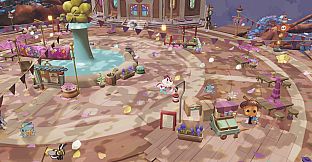
Acornia: Mirror Worlds is an action adventure game with simulation and casual elements that blends shop management with dimension hopping combat. Players take control of Alva, a squirrel who returns to her ruined tree village to revive the family dessert business while battling corruption from a parallel realm known as the Duramen.
Gameplay
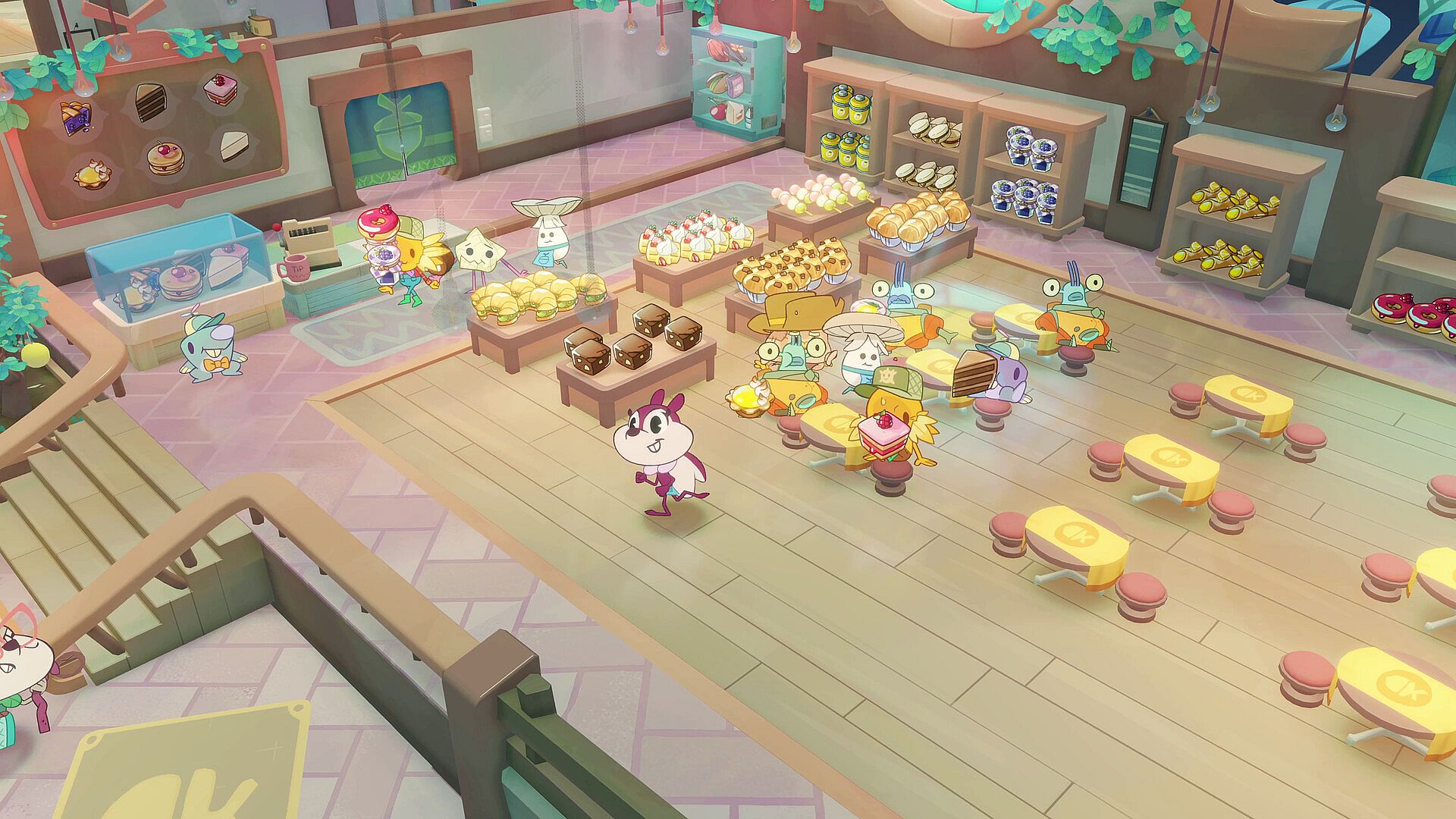
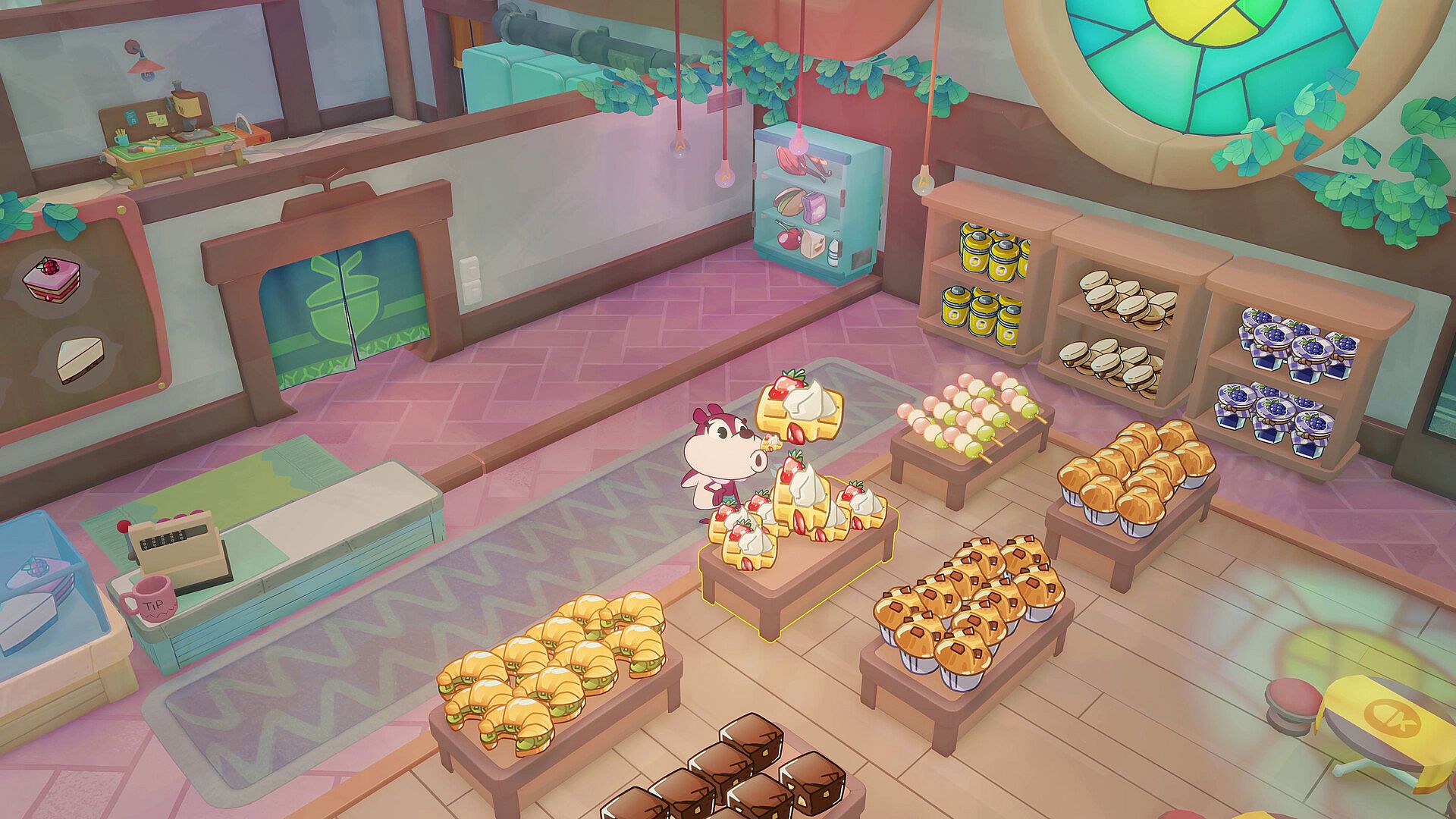
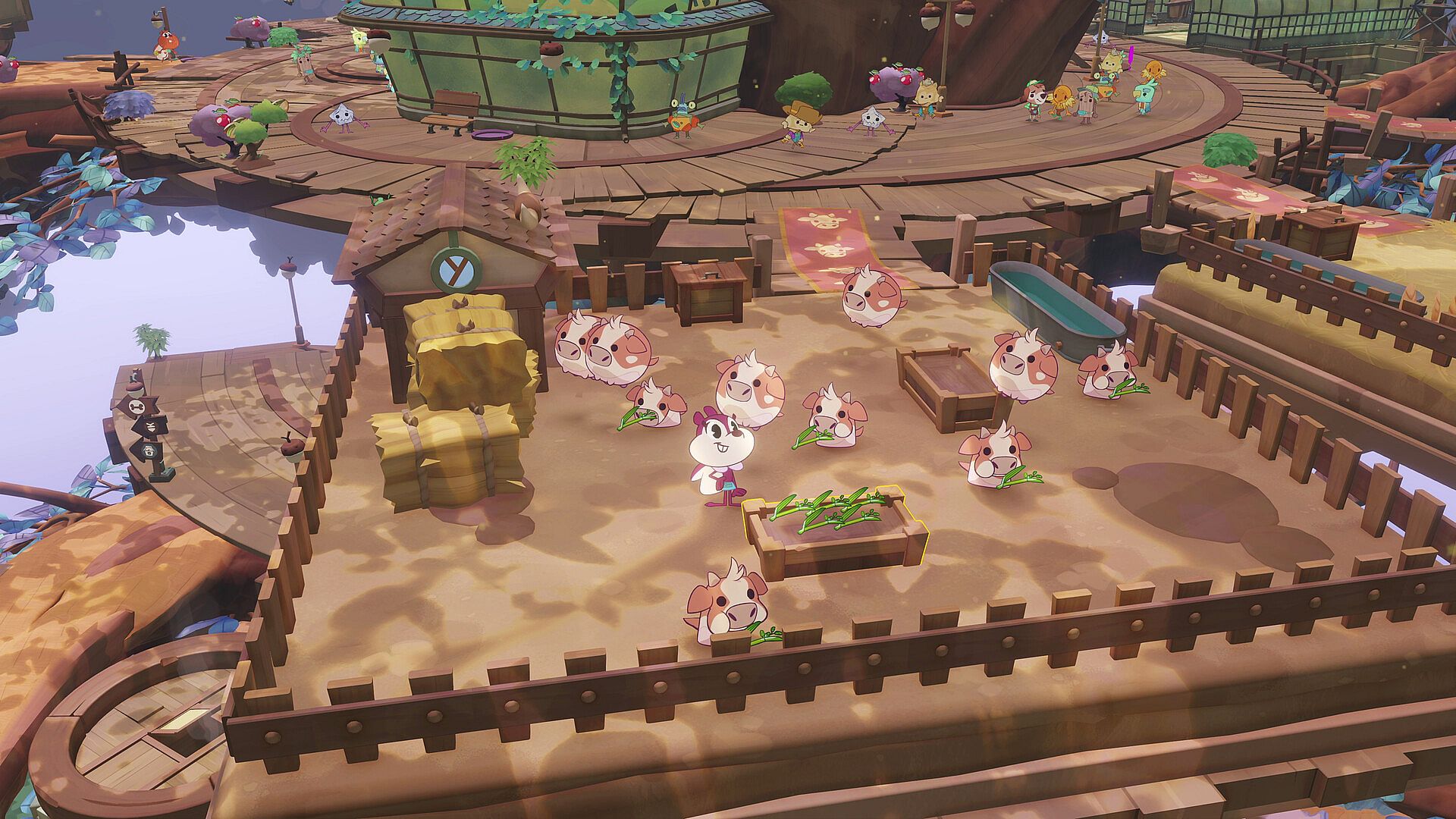
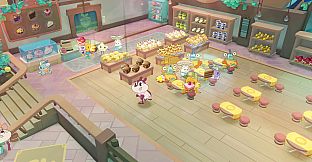
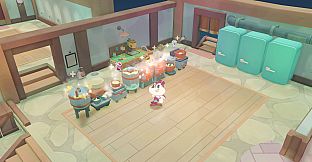
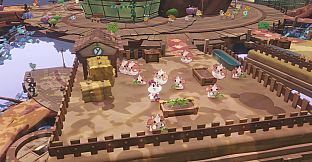
The central experience revolves around switching between two connected worlds at any moment. In the light dimension, the focus stays on running the dessert shop. Alva gathers ingredients through daily spawns and agriculture, crafts a variety of sweet treats at stations, stocks shelves and display cases, and serves customers whose preferences shift with the seasons. Profits fund store expansions, customizations, animal rearing for self sufficiency, and hiring staff to handle routine tasks automatically.
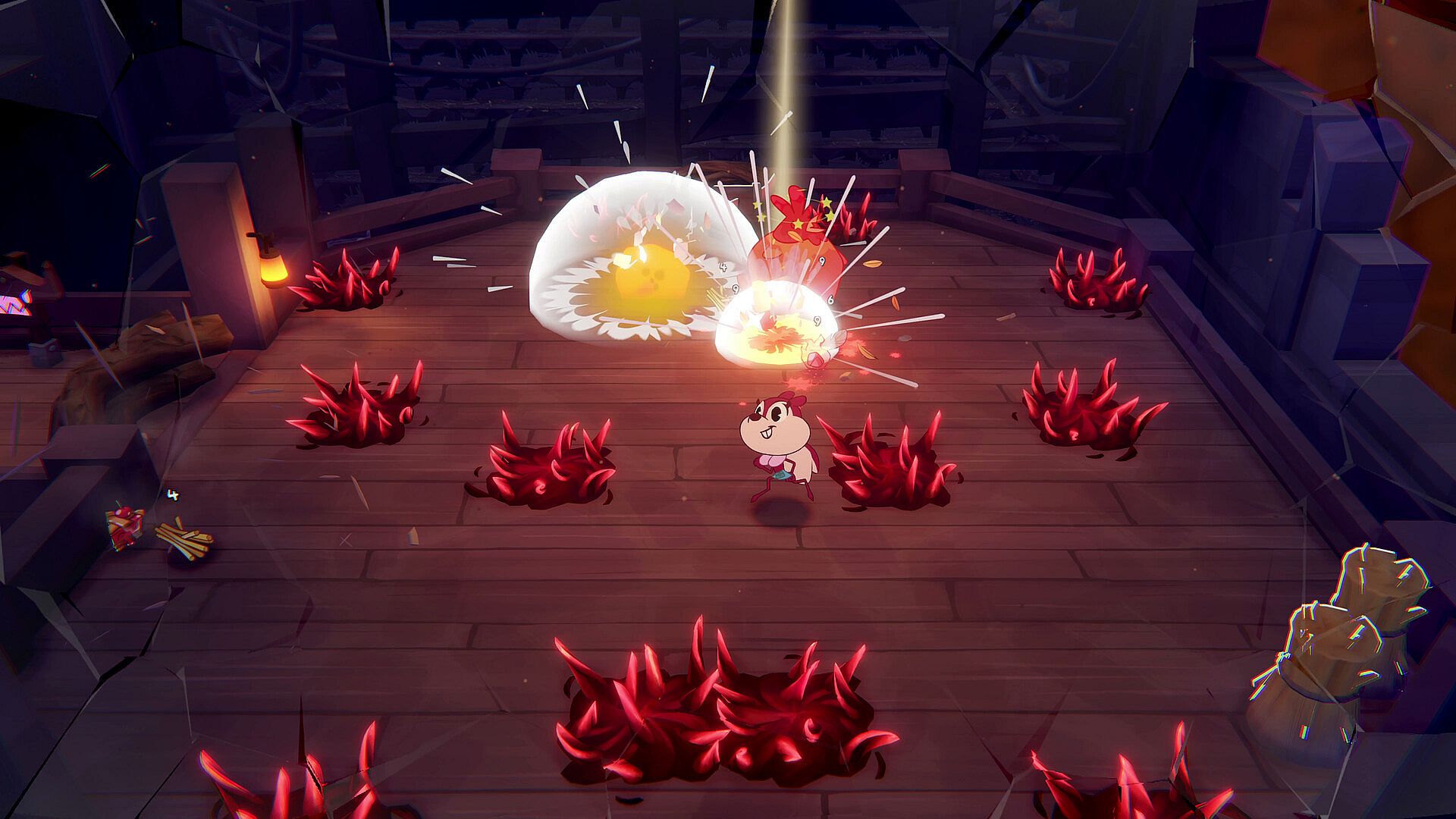
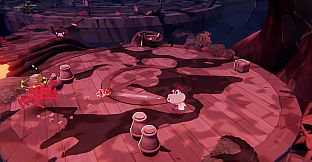
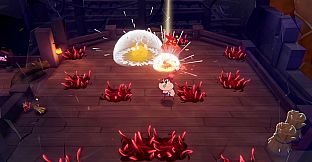
Crossing into the Duramen flips the loop into action. Alva uses her cheek pouches to inhale pastries, objects, or even defeated foes and then expels them as projectiles. Dungeons feature multiple floors filled with traps and angry spirits. Movement includes dodge rolls, and combat emphasizes sustained fire from the pouches until reaching bosses. When ammunition runs low, swallowing enemies provides temporary options to clear paths or finish fights. Materials and recipes collected here directly support shop growth back in the light dimension.
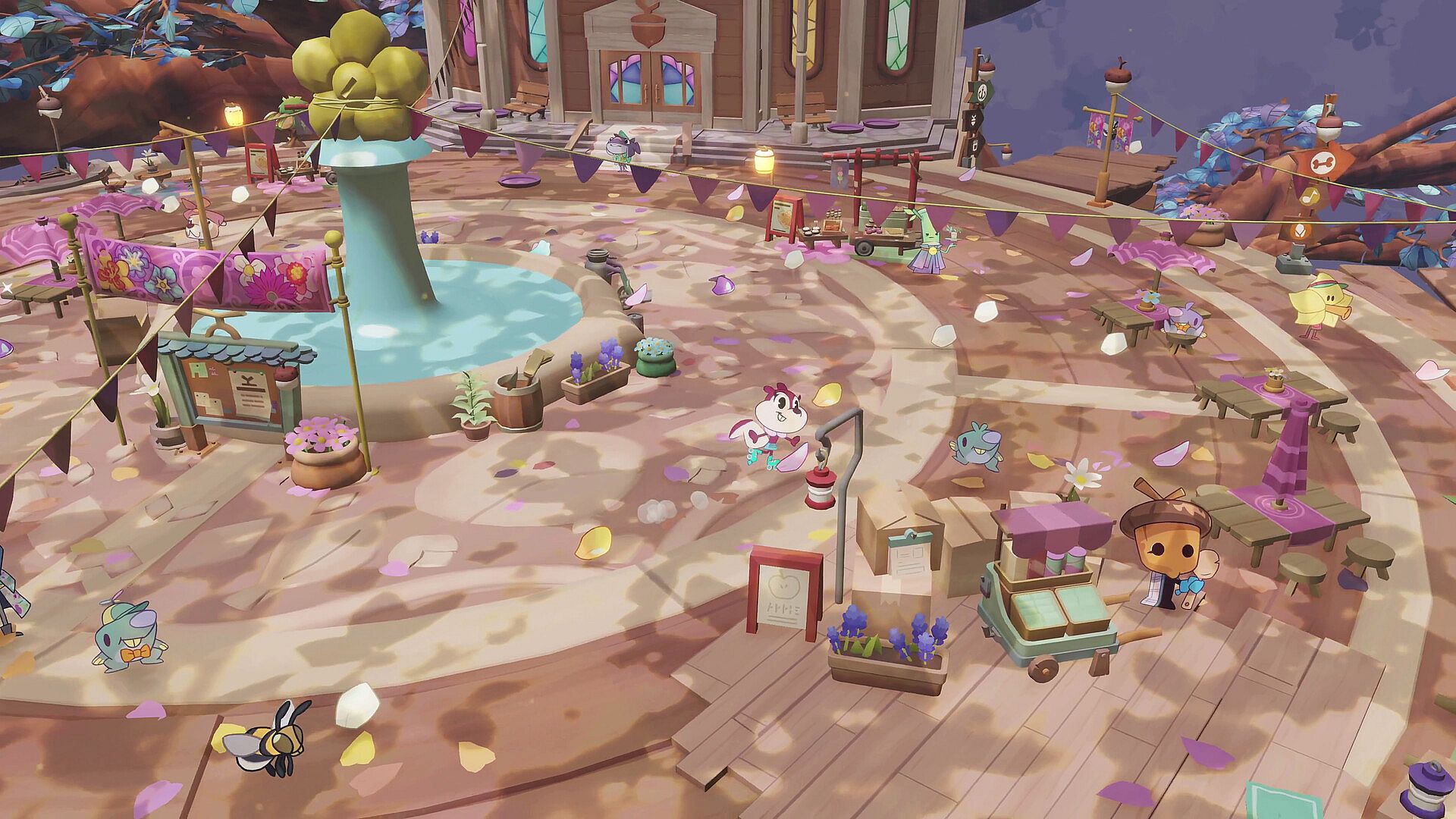
Exploration ties the systems together. Villagers number over twenty five, each with distinct backstories, roles, and daily schedules. Building relationships through side quests reveals more about their lives and can influence seasonal events such as bug catching or flower decorating. These events in turn unlock new recipes and furniture options that improve shop performance and village appeal.
Game Modes
The game structures play around a single complementary loop rather than separate modes. Dimension switching serves as the primary mechanic, allowing seamless movement between management tasks and combat runs. Dungeon exploration in the Duramen provides the action component, with multi floor layouts, trap avoidance, and boss encounters that yield resources for the shop. Light dimension activities center on crafting, selling, expanding the store, and interacting with villagers through routines and events. No distinct multiplayer or competitive options appear in the design.
World and Progression
Acornia sits inside a snow globe setting, with the tree village as the main hub. Progress comes from balancing shop reputation and village restoration. Seasonal customer tastes affect earnings, while agriculture and animal systems reduce reliance on external gathering. Employee automation frees time for deeper Duramen runs or villager quests. The Duramen itself acts as a mirrored space with altered layouts, encouraging repeated visits for both combat practice and material collection.
Is It Worth Playing?
Acornia: Mirror Worlds targets players who enjoy mixing cozy shop simulation with light action combat. The dimension switching creates a steady rhythm between relaxed crafting and service tasks and more intense dungeon clearing. Early previews highlight the charm of the squirrel protagonist, the satisfying pouch mechanics, and the way resources flow between the two sides of play. With a planned 2027 release on PC and other platforms, the game remains in active development following its recent announcement. Those drawn to titles that combine management depth with accessible combat and villager interactions will find the core loop appealing once it launches.