


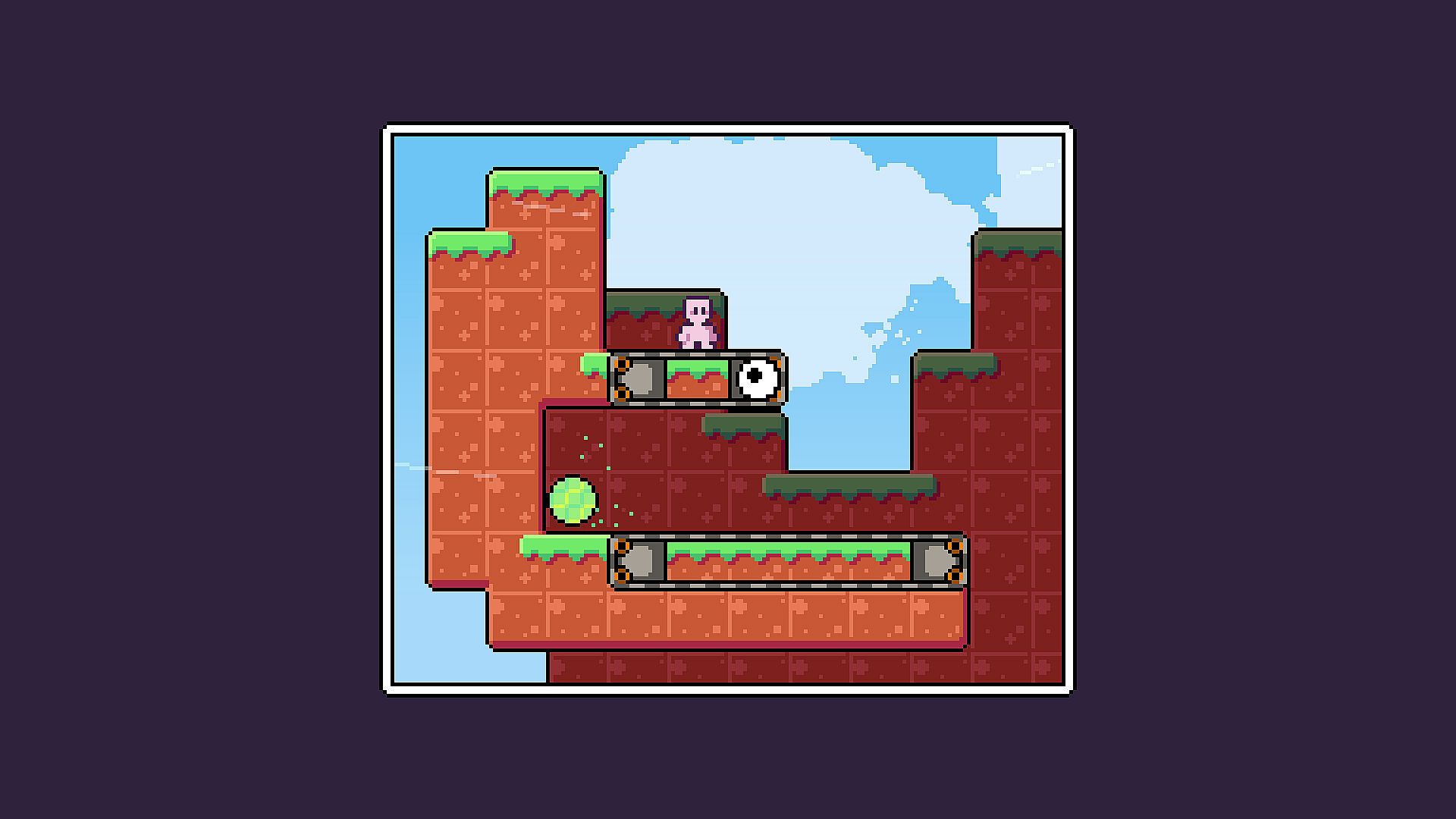
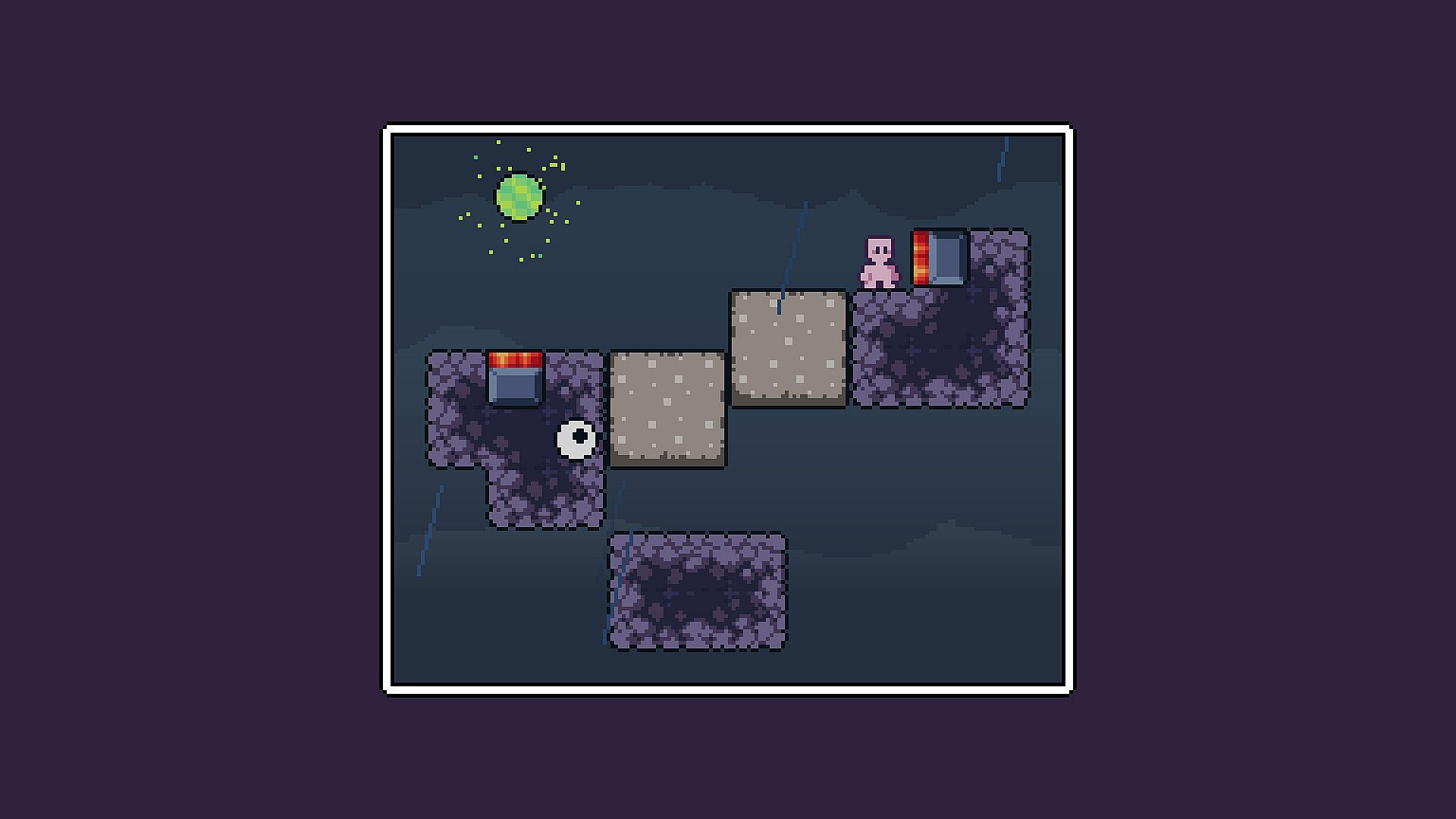
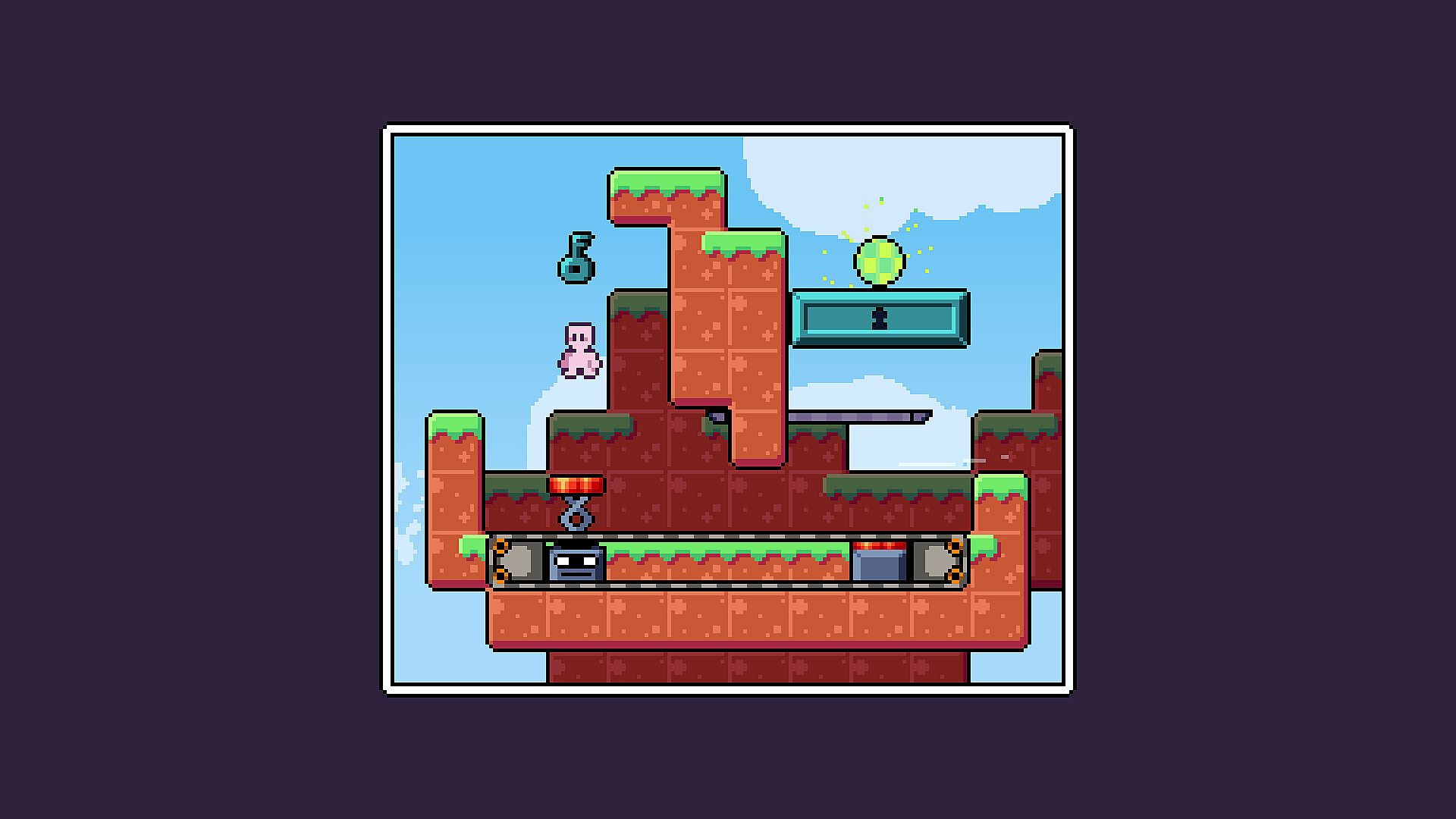
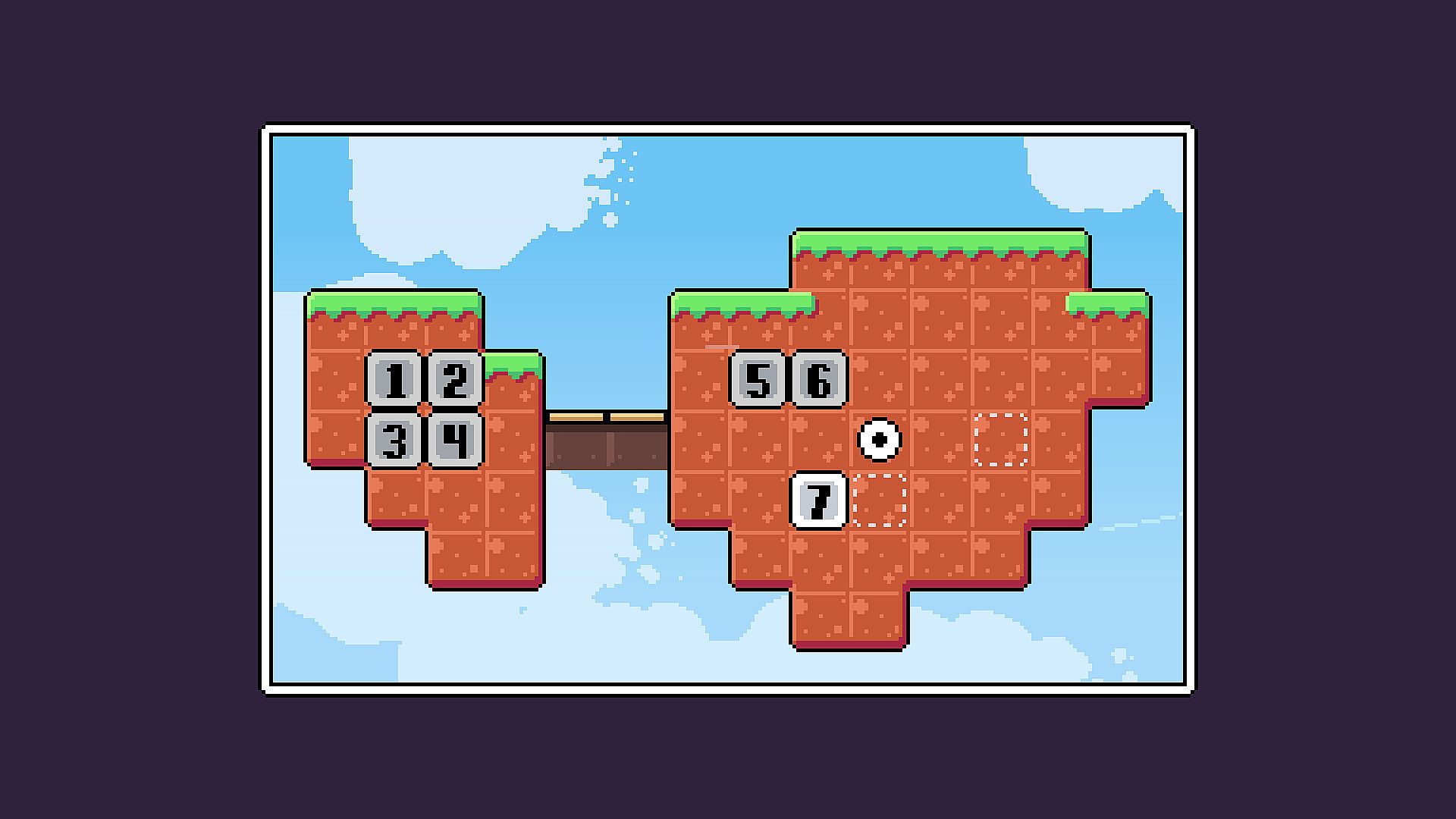
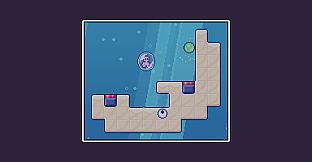
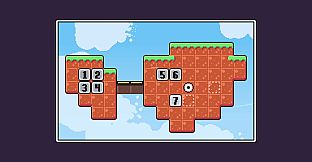
AFK is an indie puzzle platformer for PC where the main character remains motionless, forcing players to manipulate the surrounding environment to guide them toward each level's exit. This core concept turns traditional platforming on its head by shifting control away from the protagonist and onto the stage itself.
Gameplay
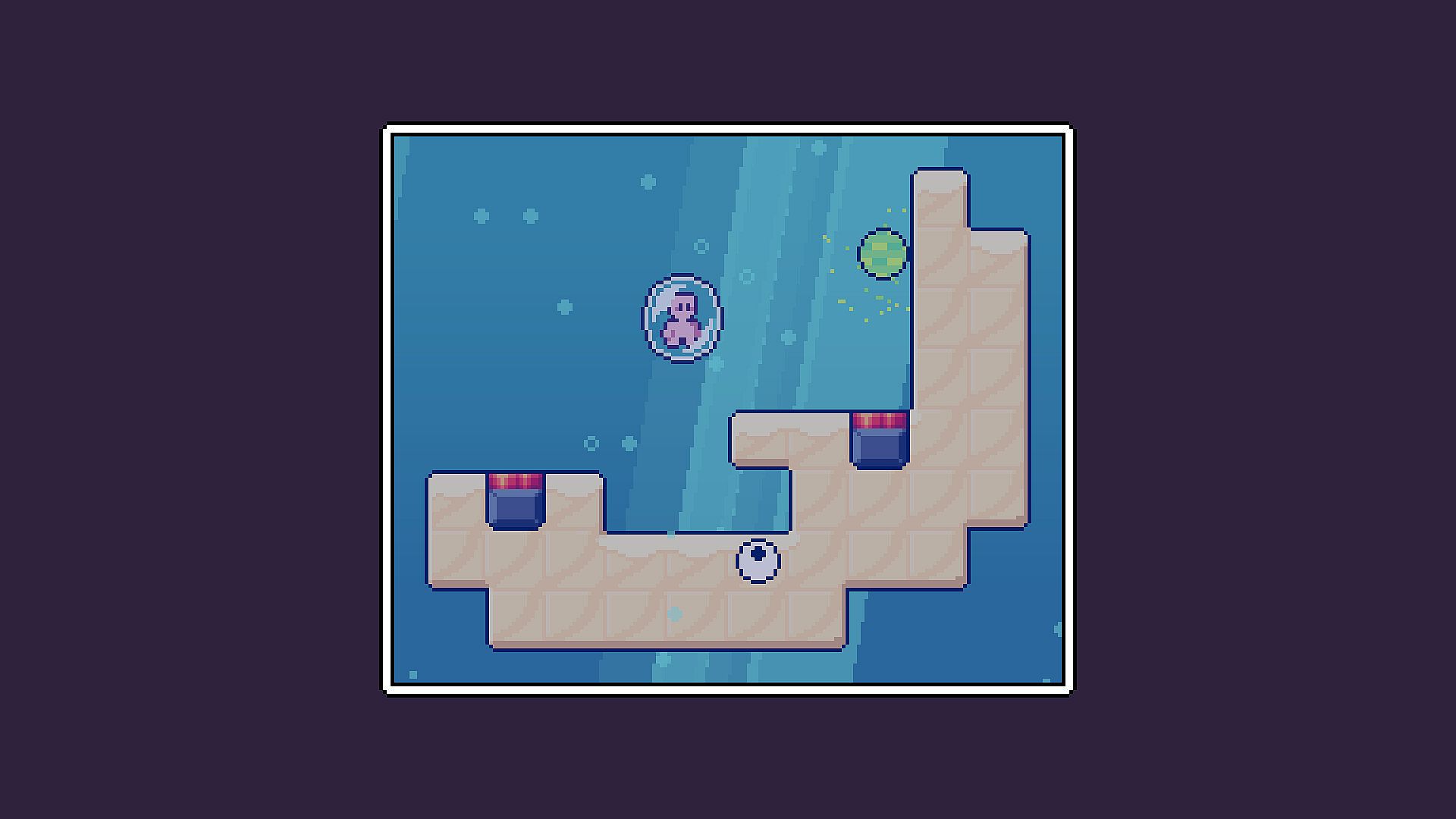
The central loop involves rearranging and activating elements within each stage to create a path forward. Players interact with objects such as springs for launching the character upward, conveyor belts to shift position horizontally, crumbling stones that collapse under weight, bubbles that provide temporary lift, and gravity shifts that alter the entire layout. These tools appear in combinations that grow more intricate as progress continues, encouraging experimentation with how different mechanics interact. The design keeps controls straightforward while layering them into solutions that require careful planning and timing. Diverse environments add visual variety and new constraints, from tight corridors to open chambers where multiple elements must align precisely. Secrets scattered throughout many stages reward thorough exploration with additional puzzles or hidden paths that deepen the challenge without altering the fundamental approach.
Game Modes
Progression centers on a sequence of standalone puzzle levels that players complete in order. Each level presents a self-contained challenge built around the environmental manipulation system. Optional challenges appear alongside the main objectives in many stages, offering stricter conditions or alternative solutions that test deeper understanding of the available tools. These extras integrate directly into the level structure rather than functioning as separate modes, allowing players to revisit completed stages for additional satisfaction. The overall structure supports focused single-player sessions where the emphasis stays on solving individual puzzles rather than long campaigns or competitive elements.
Level Design and Progression
Stages build steadily in complexity by introducing new combinations of mechanics rather than overwhelming players with too many variables at once. Early levels establish basic interactions, such as using a single spring or belt, while later ones demand synchronized use of several tools plus gravity adjustments. The presence of over one hundred unique puzzles ensures substantial variety across different worlds, each with its own aesthetic and environmental quirks. This pacing supports both quick attempts and extended sessions of trial and error, with the optional challenges providing natural extensions for those seeking more from completed content.
Is It Worth Playing?
AFK suits players who enjoy deliberate puzzle solving and creative use of physics-based tools in a single-player format. The easy-to-learn mechanics combined with increasingly clever interactions deliver consistent engagement across the full set of levels. Those who appreciate hidden details will find value in the secrets and optional challenges that extend playtime beyond the main path. The game's focused scope and emphasis on environmental control make it a strong choice for anyone looking for a thoughtful indie experience without multiplayer or live-service elements. Completionists and casual solvers alike can find satisfying sessions tailored to their preferred depth of engagement.