

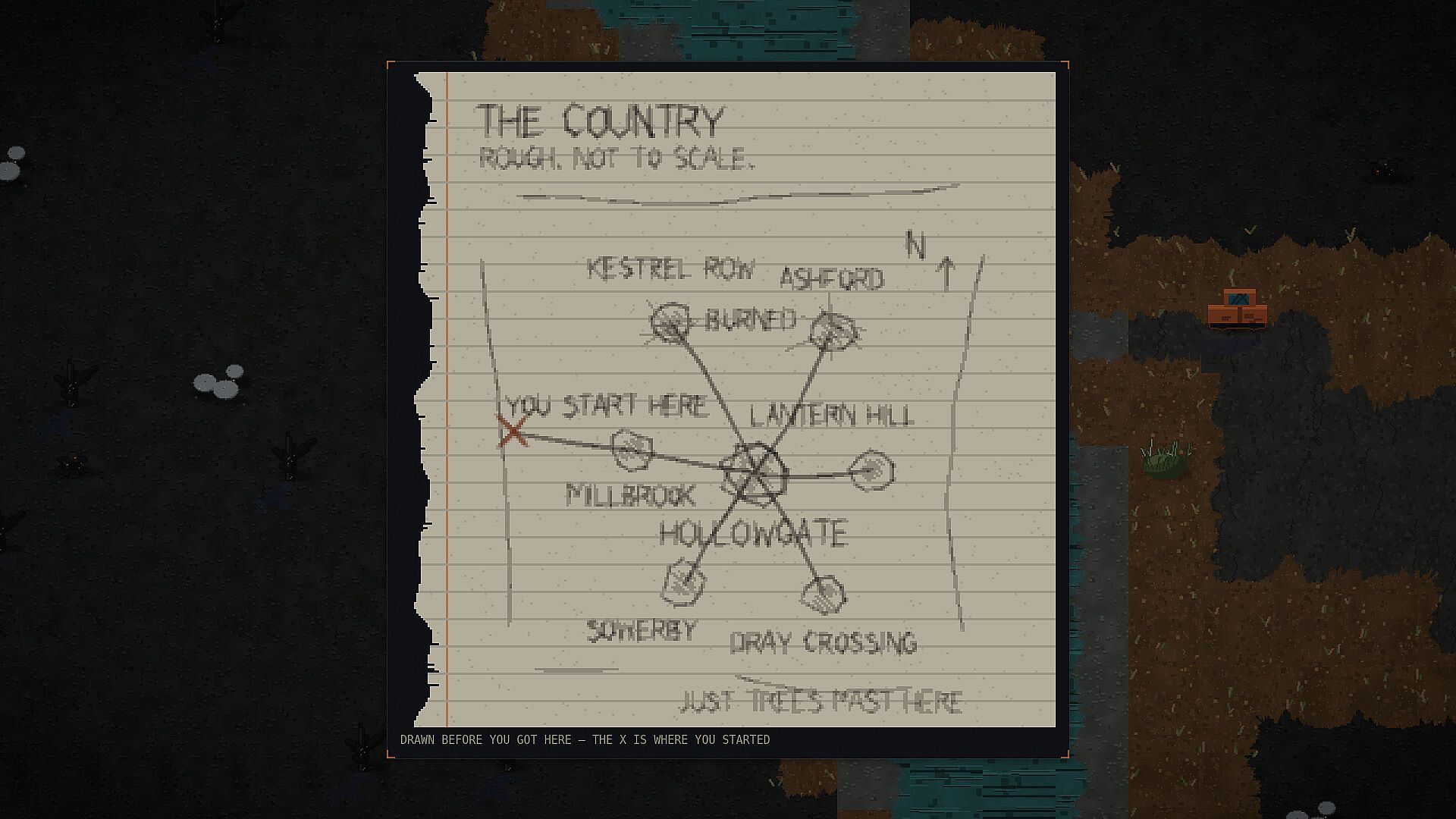
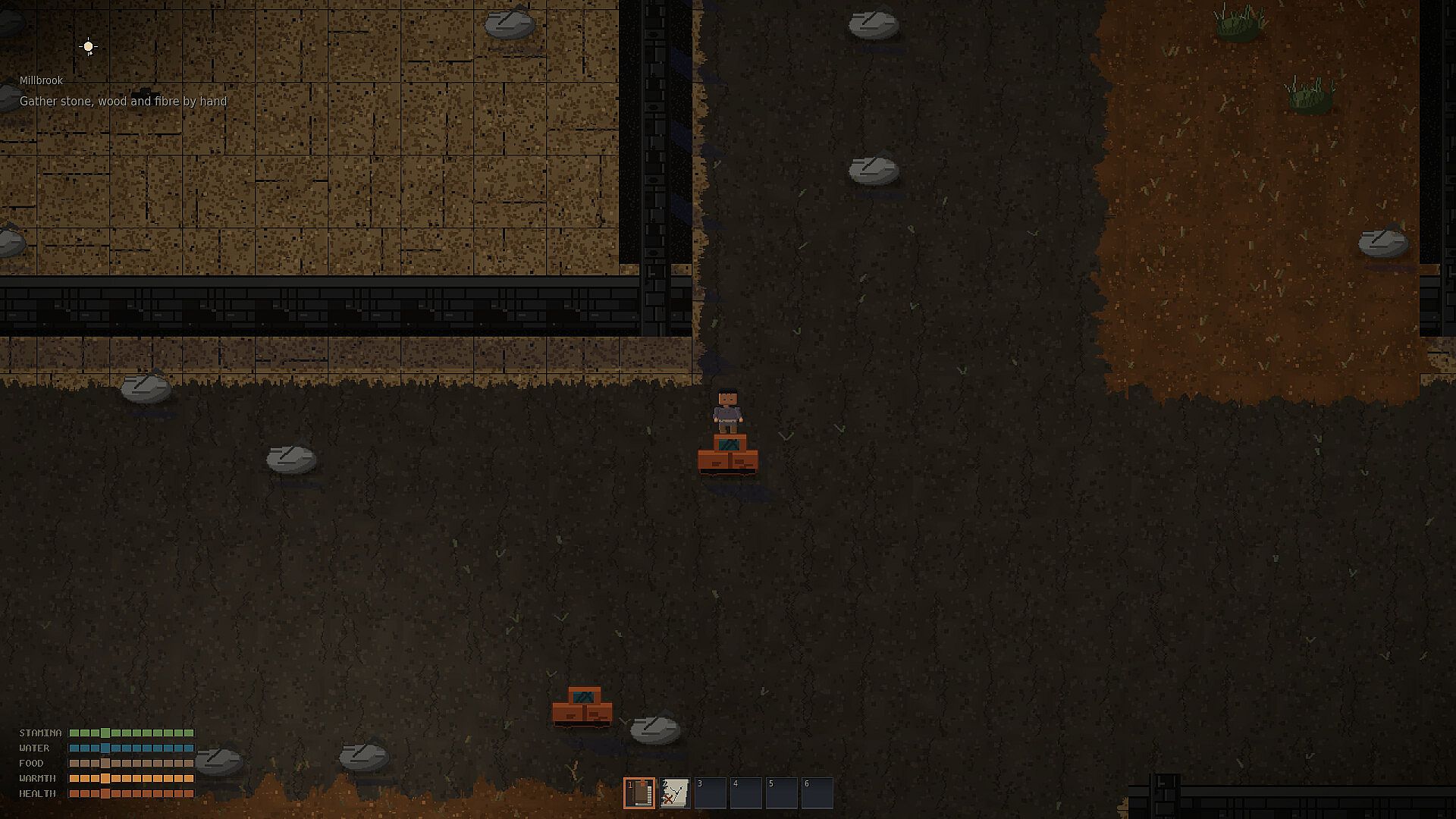
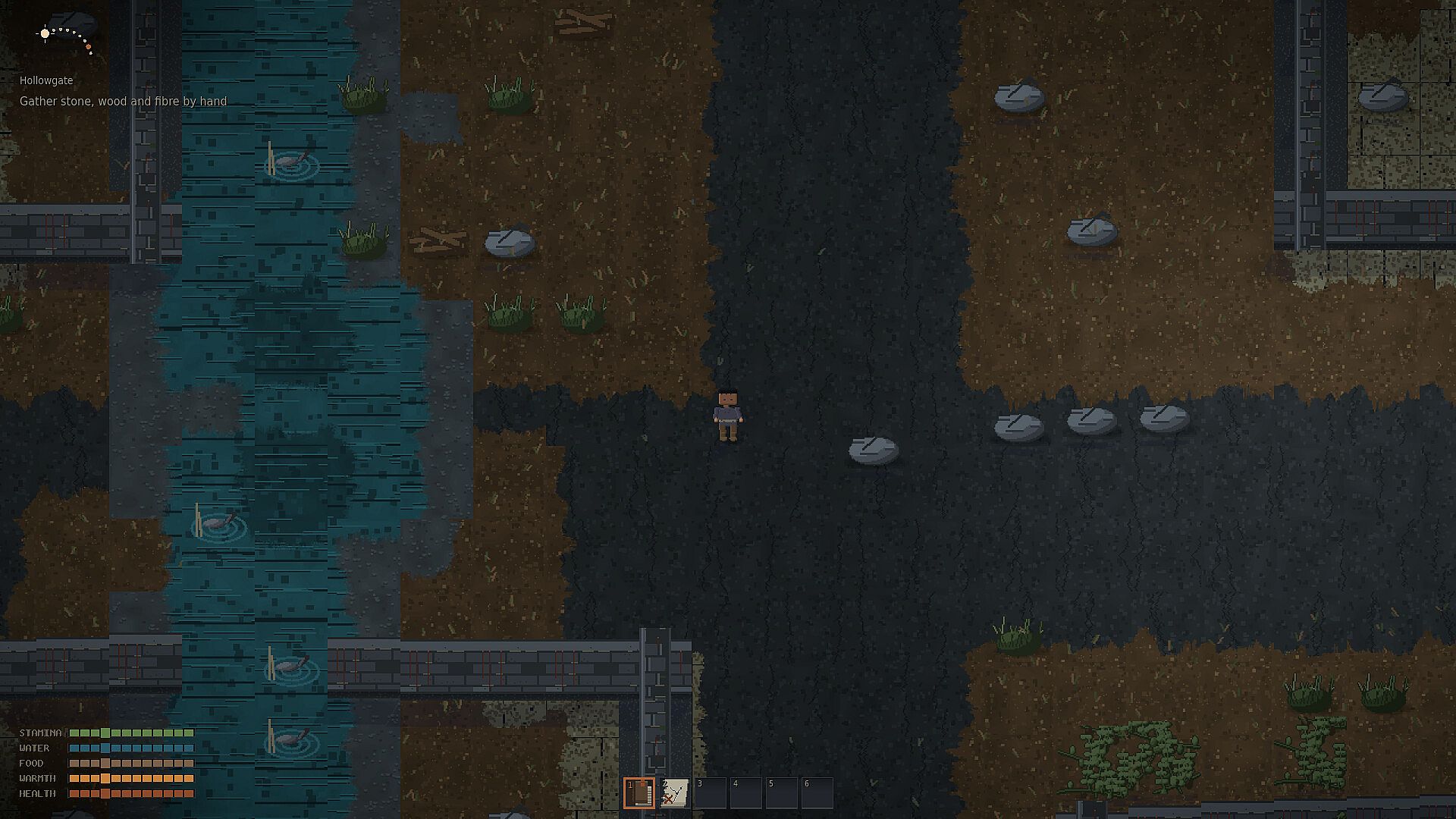
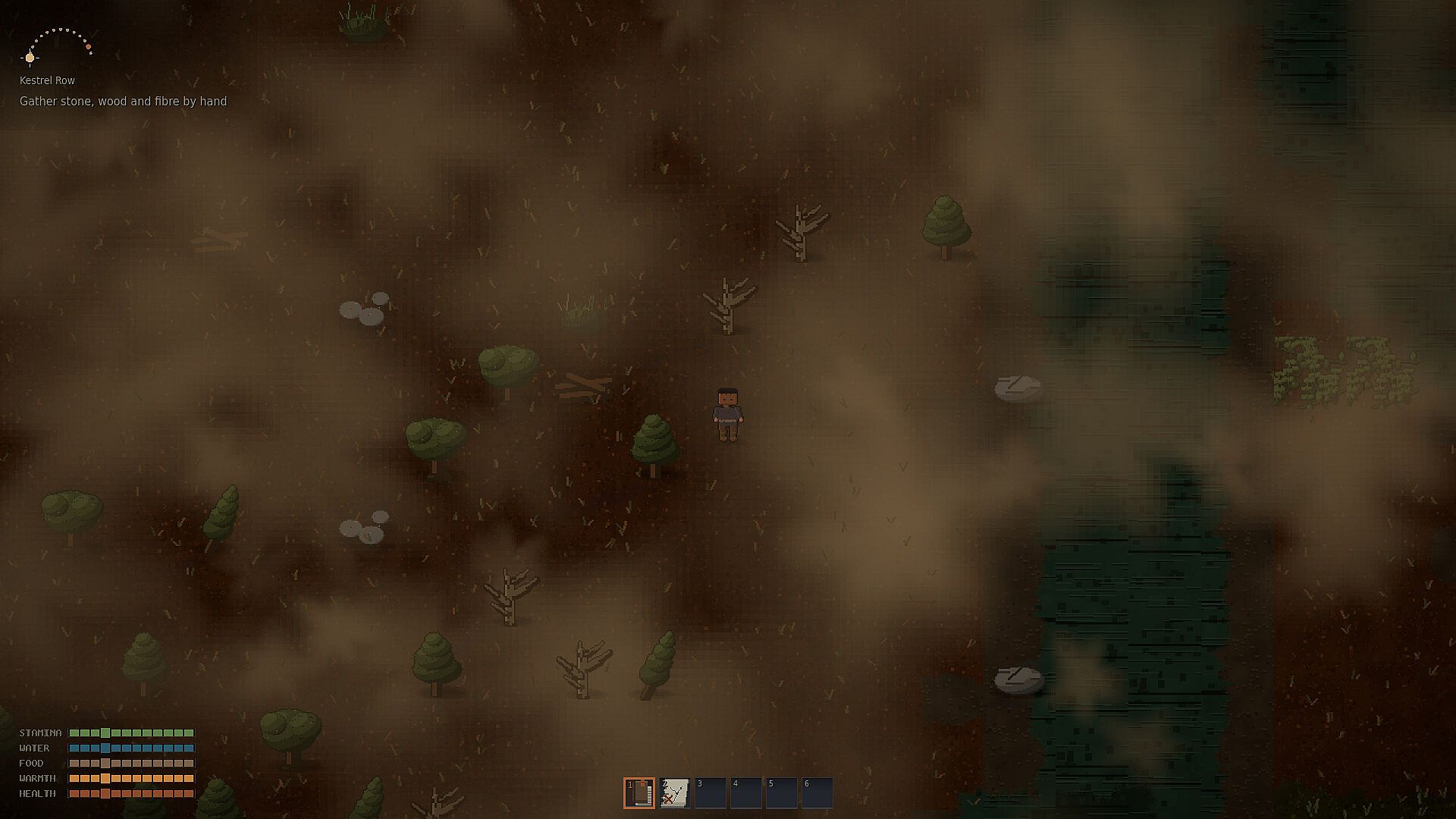
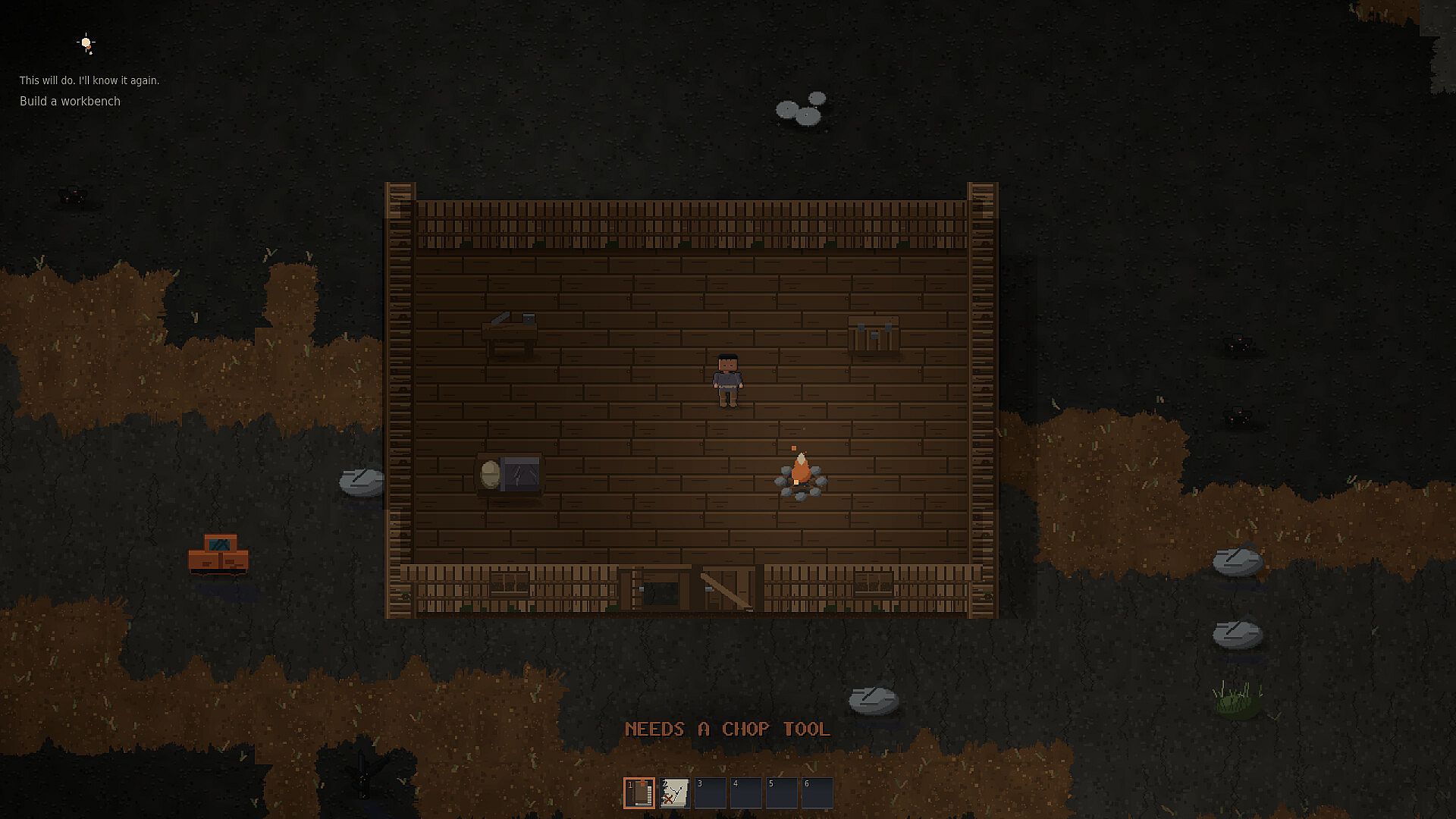
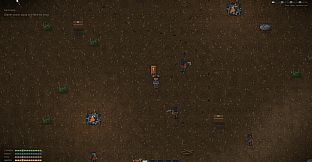
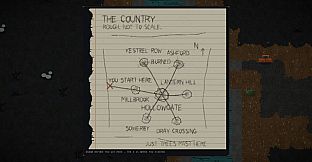
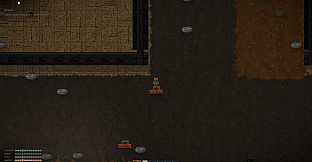
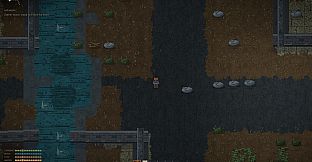
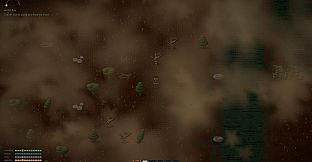
Aftergrowth is a top-down survival game that blends action, simulation, and adventure elements in an Early Access release for PC. Players begin with minimal resources on a procedurally generated forested map featuring roads, towns, and a central city, guided only by a hand-drawn map that reflects memory rather than precise distances.
Gameplay
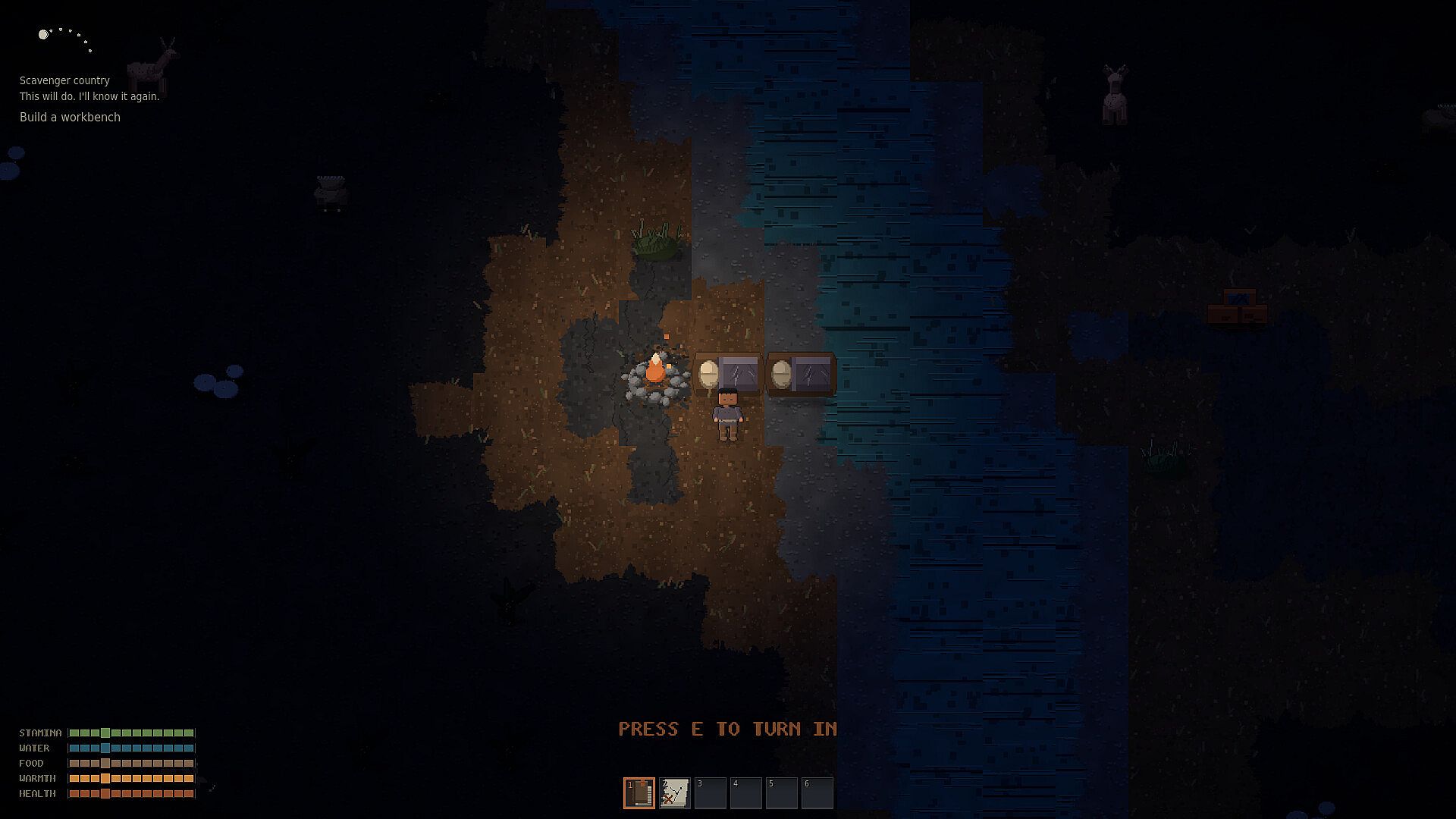
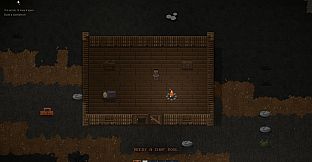
The core loop centers on staying alive while establishing a defensible camp. Basic needs include managing hunger and thirst, but warmth proves more complex as it shifts with nightfall, rain, crossing rivers, clothing choices, and nearby fires. A hot meal offers the most reliable way to endure cold nights, though unattended fires eventually die out.
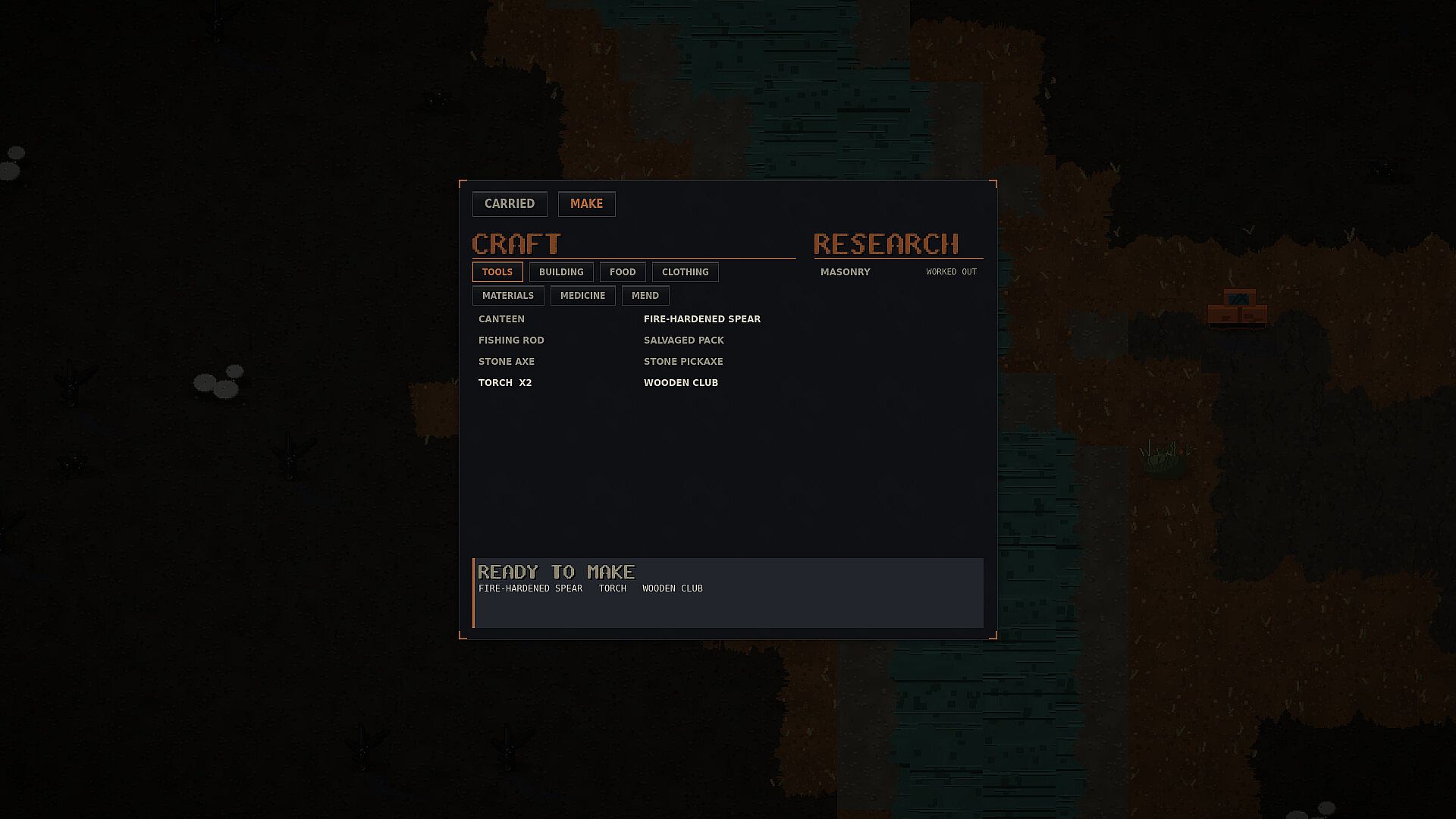
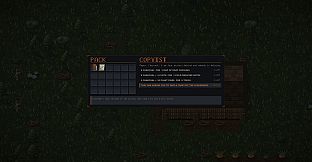
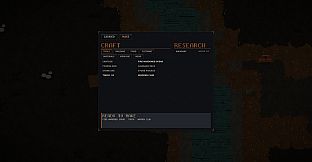
Progression relies on hands-on crafting that advances from bare hands to stone tools, workbenches, iron equipment, forges, and steel items. Knowledge comes through research or discovering written schematics instead of level-based unlocks. Base building uses grid-snapped placement where walls connect to neighbors in face or end-on views, allowing sealed rooms to function as intended. Injuries reduce maximum health until treated, and players can be downed and revived rather than permanently killed, with packs left behind at the site of collapse.
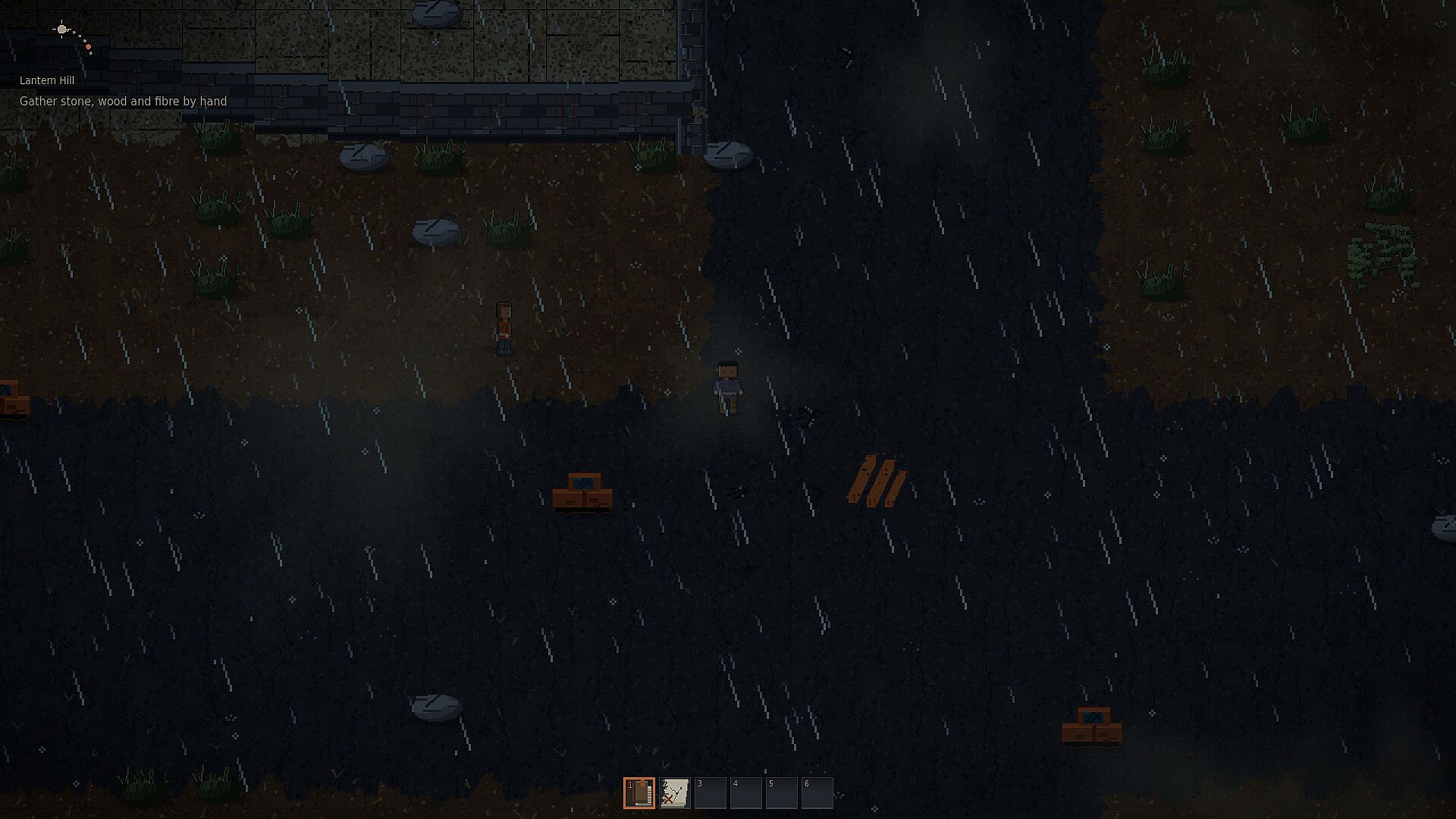
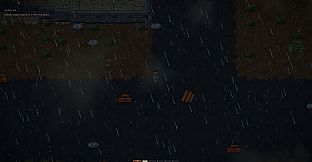
Weather plays a tactical role, as storms mask noise and limit visibility for everyone involved. The map includes named towns connected by roads, and one persistent world exists per save file.
Game Modes
Aftergrowth supports single-player sessions alongside online co-op for up to five players. Co-op sessions run through a relay network that prevents any participant from learning others' IP addresses. Players join via a friend's lobby, and the host maintains the persistent world. No dedicated competitive or versus modes exist at this stage.
Factions and Threats
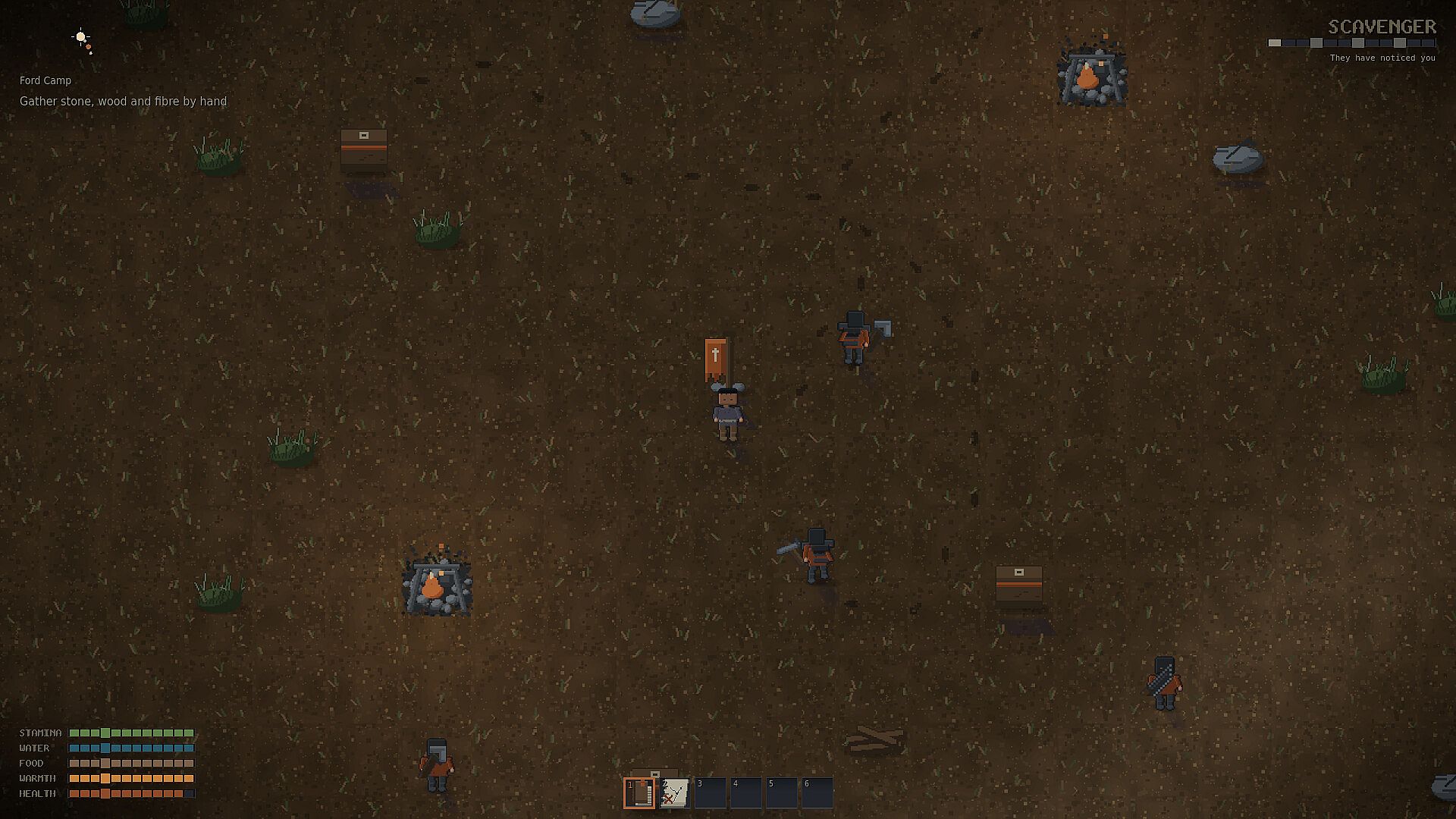
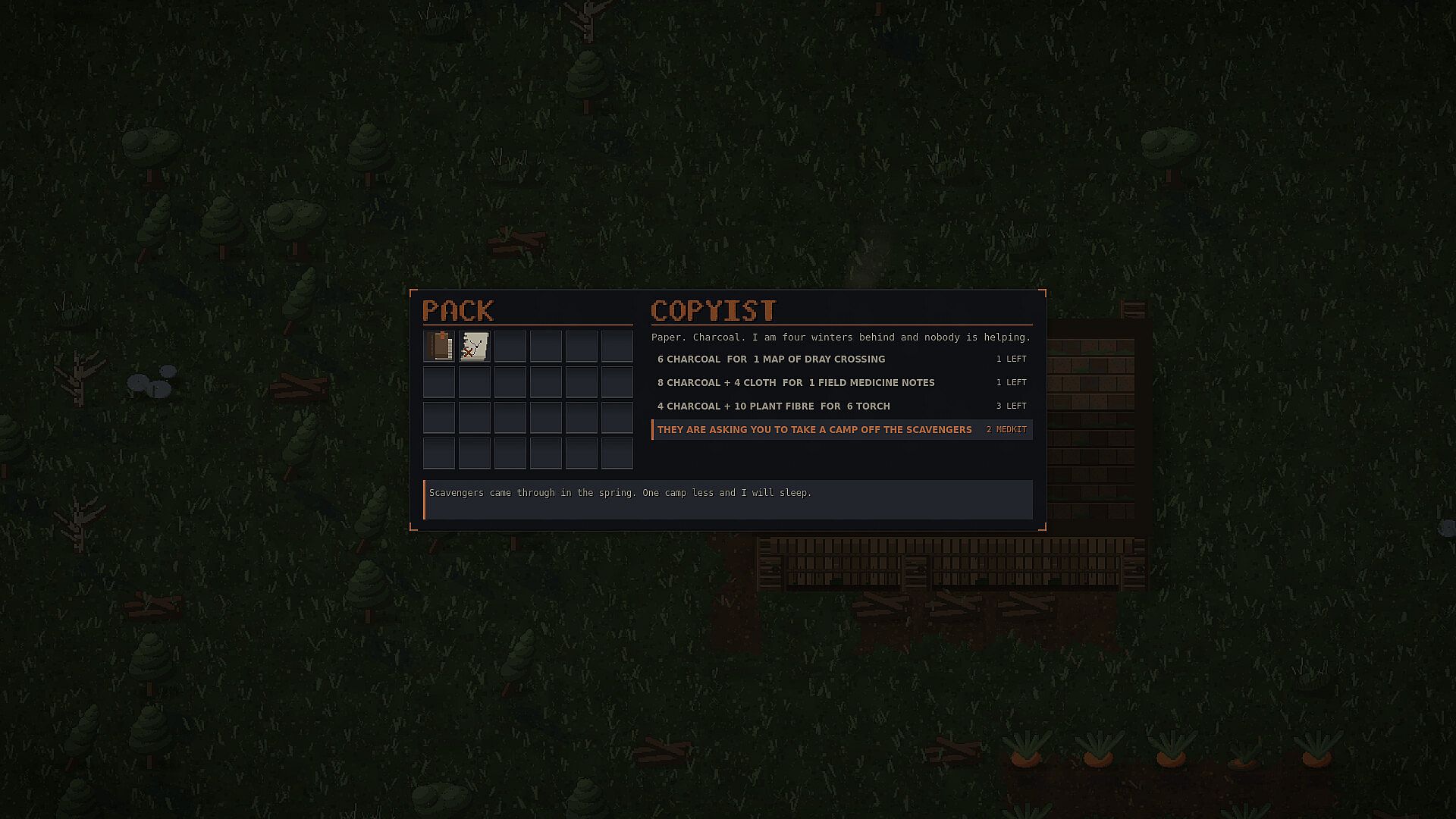
Three factions control the towns and maintain individual ledgers tracking player actions toward them. Provoking one group, such as the Wardens, can trigger targeted responses while leaving others unaffected. Raiders operate with distinct behaviors: they detect sound through obstacles but see only directly ahead, arrive in surrounding parties rather than linear formations, and prioritize attacks on established camps over mobile players. These threats scale with accumulated actions recorded in faction records.
Is It Worth Playing?
Aftergrowth remains in Early Access with a playable core loop that already covers waking with nothing, building from basic tools to advanced crafting, and dealing with faction-driven raids in both solo and small-group sessions. The developer plans roughly one to one-and-a-half years of continued work focused on expanding map locations, crafting options, and raid variety based on player feedback. Those drawn to deliberate survival crafting, consequence-driven faction systems, and low-key co-op without public servers or IP exposure may find the current build engaging. Players seeking polished, feature-complete experiences or extensive post-launch content should monitor updates before committing, as the game prioritizes iterative refinement over immediate breadth.