







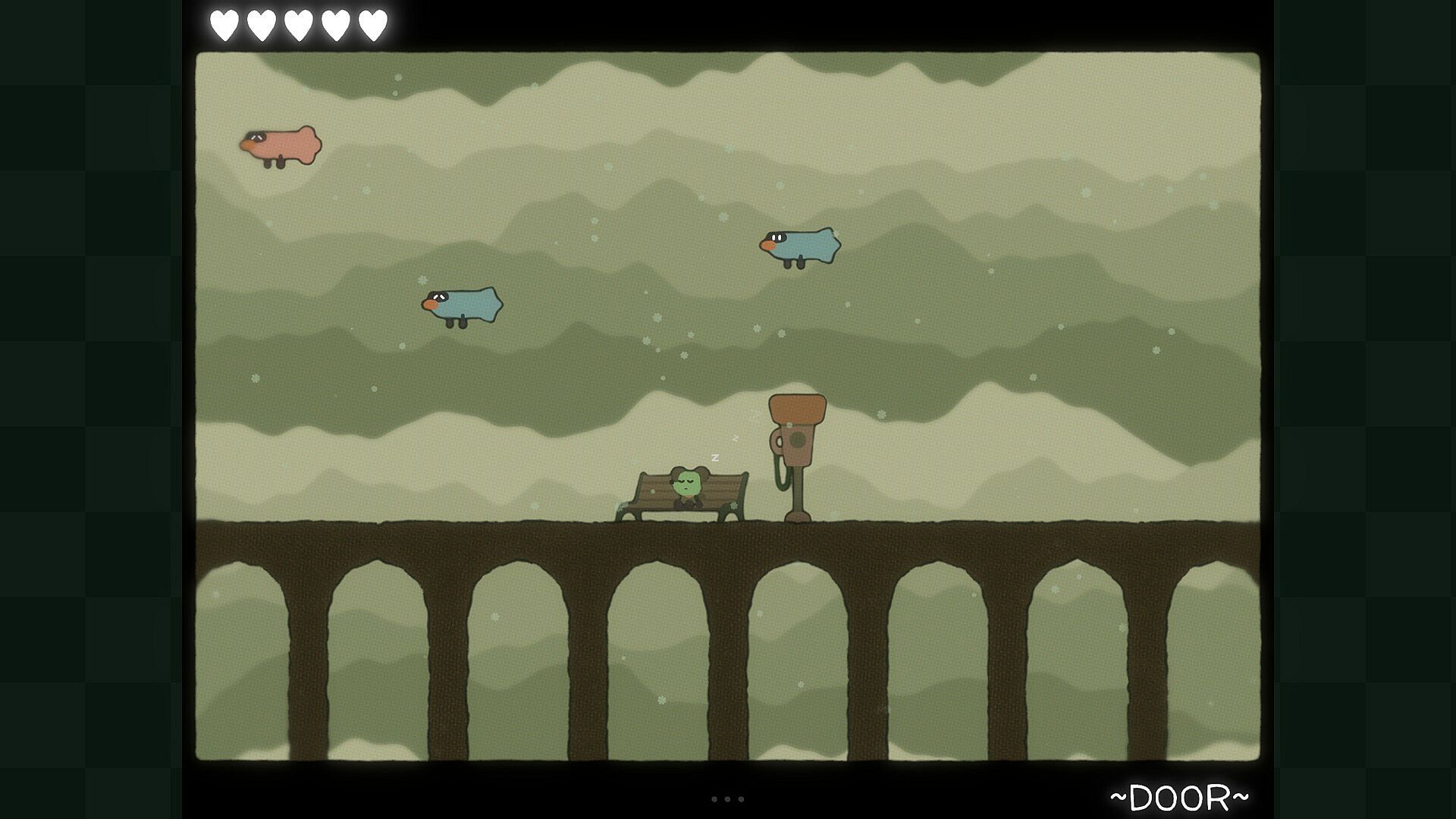
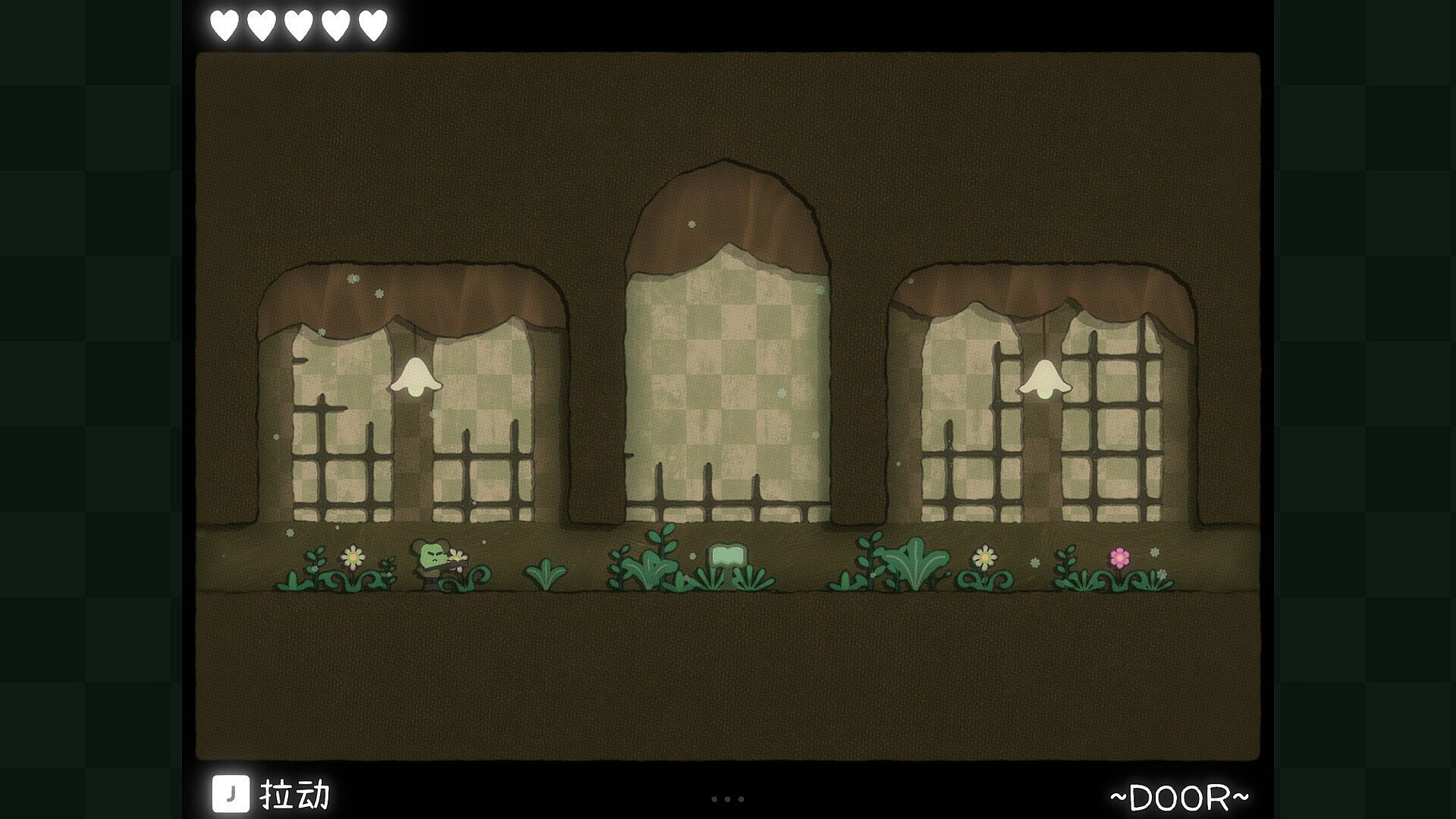
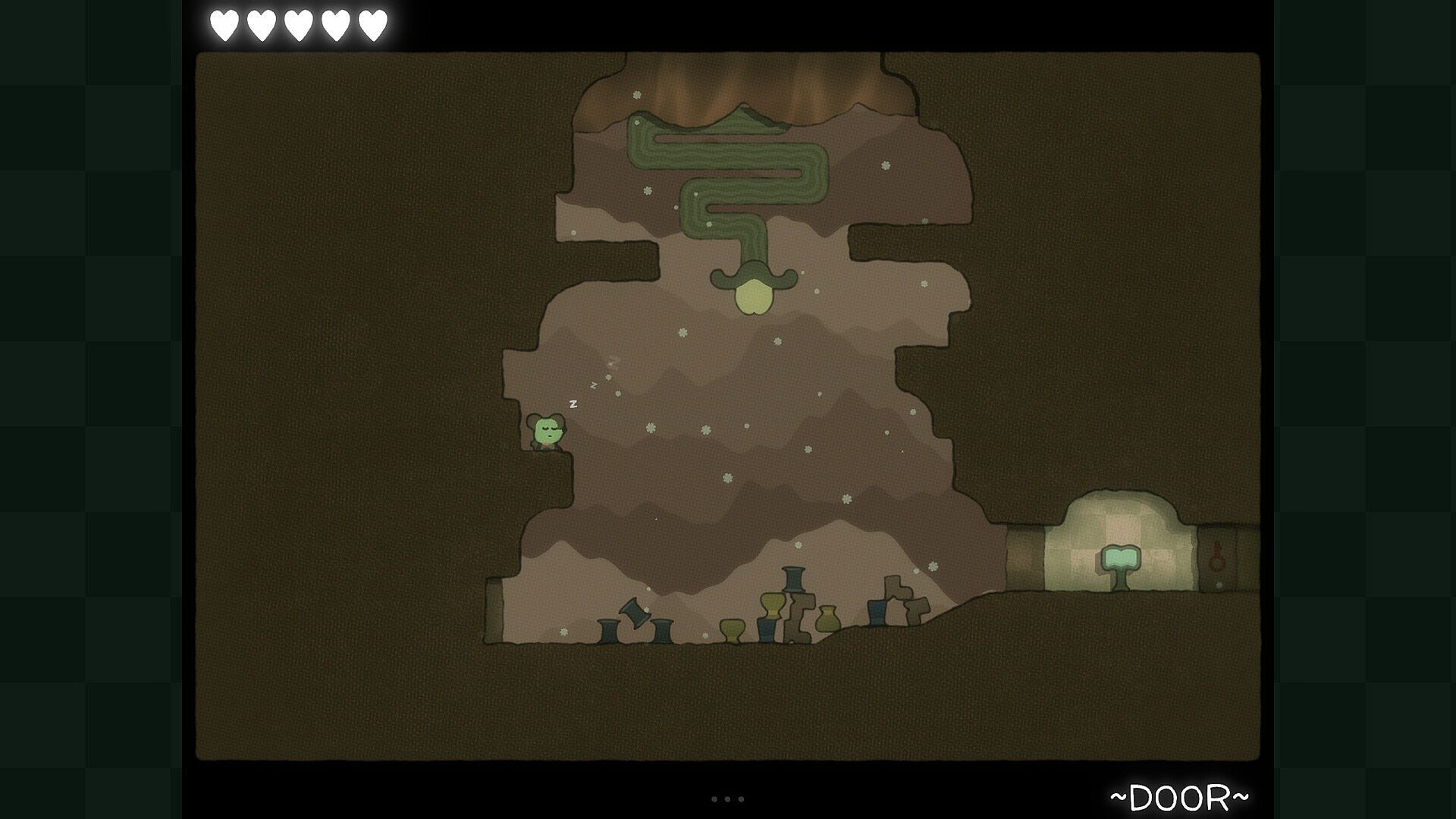
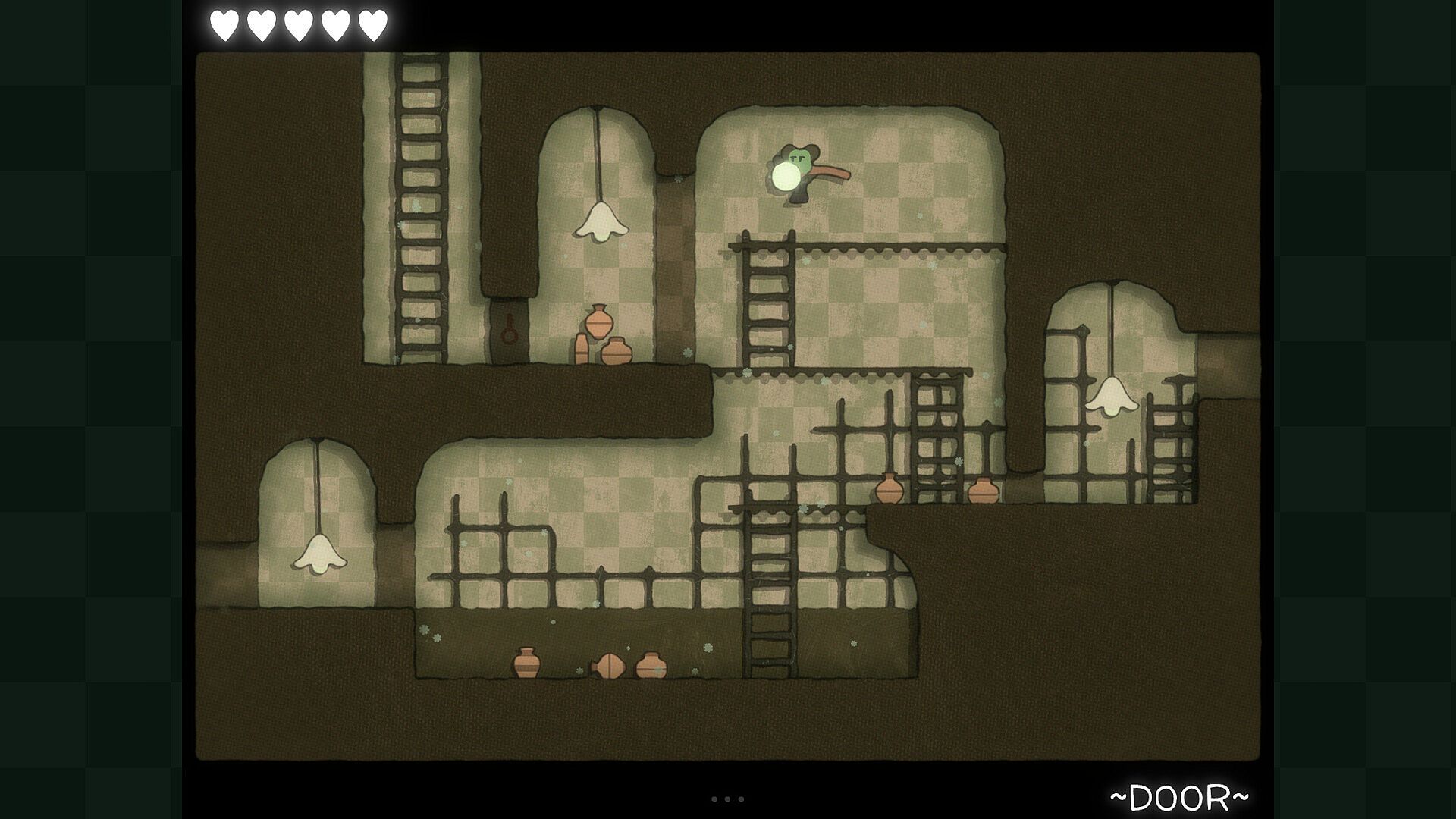
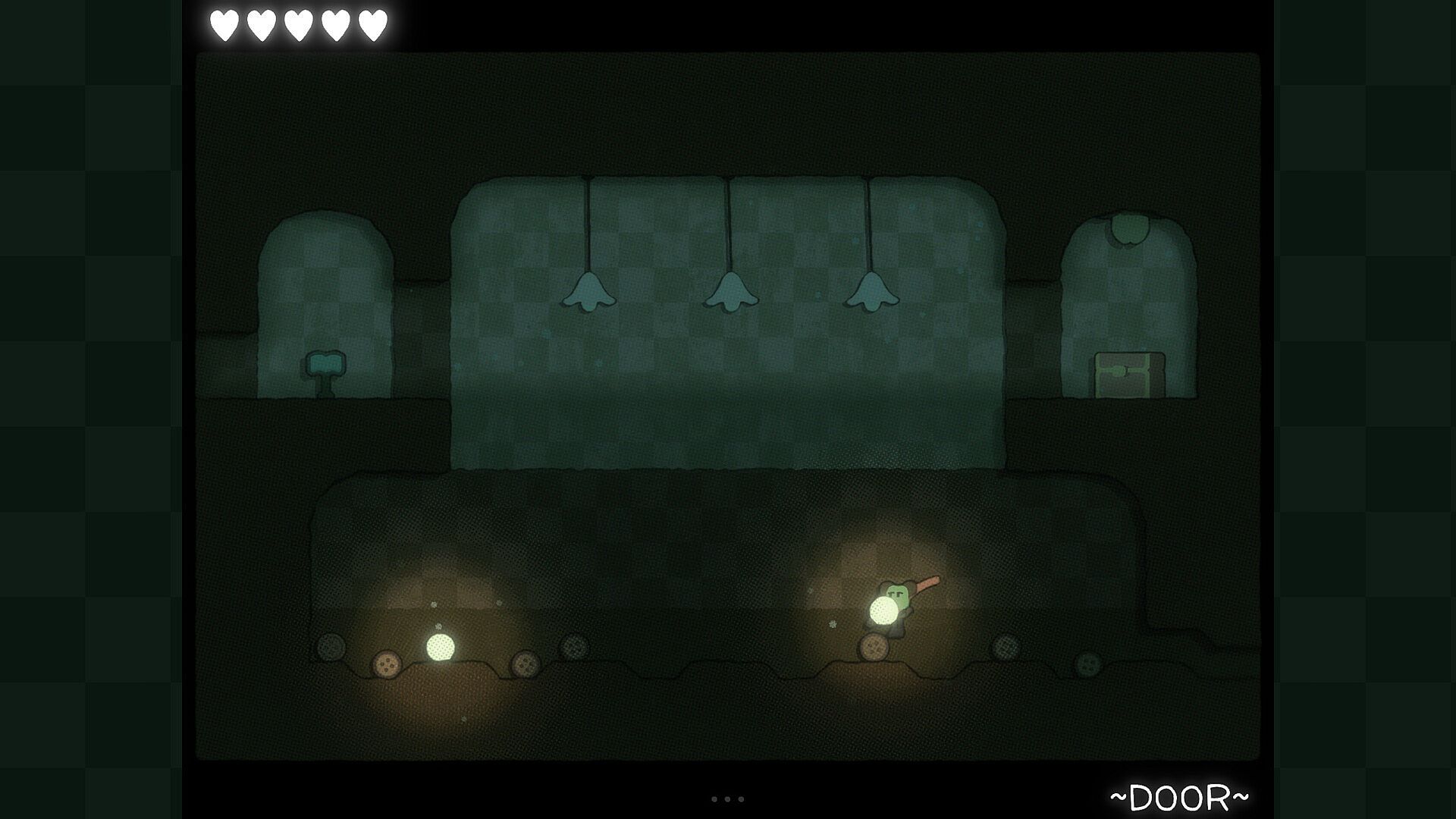
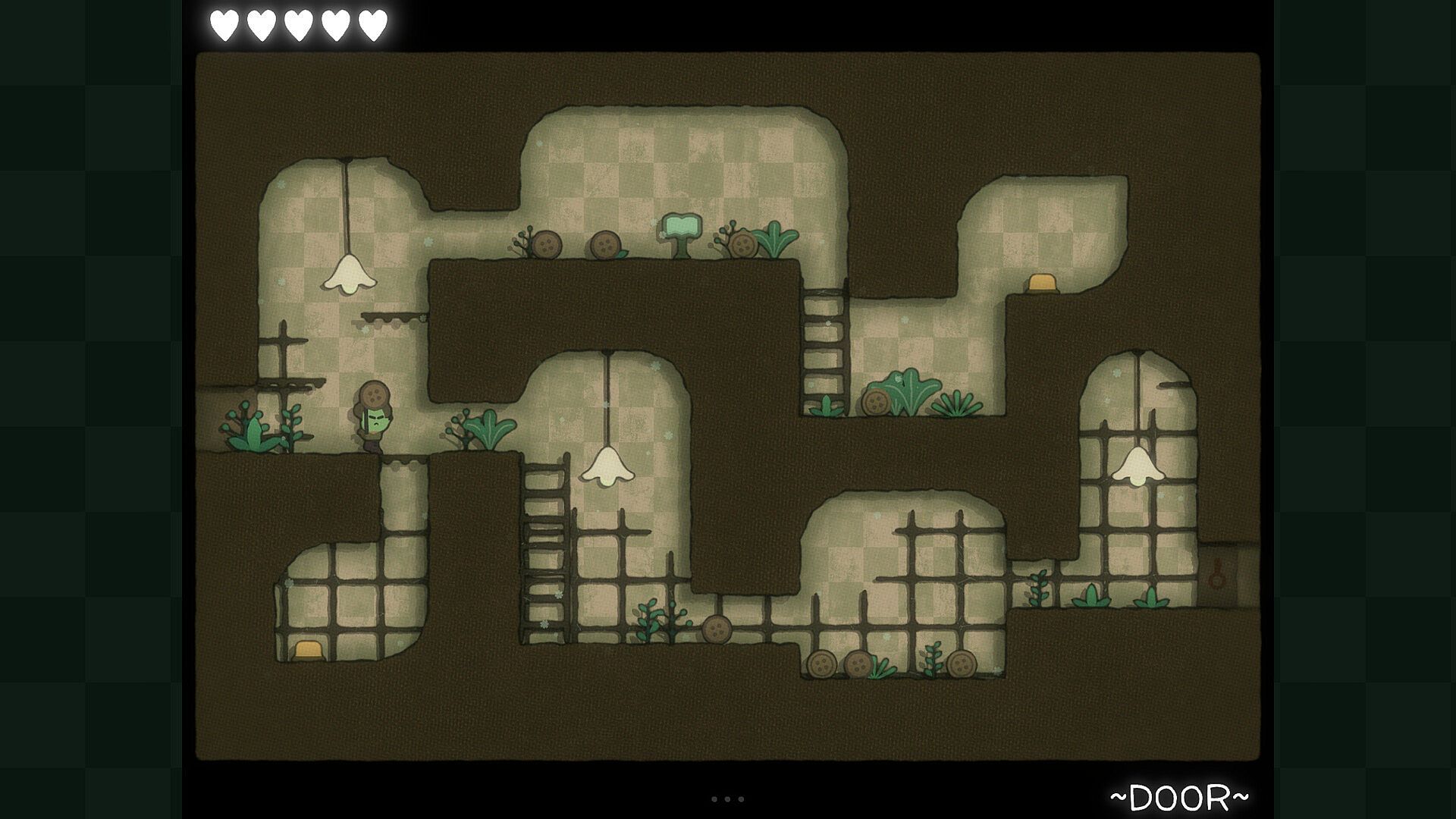
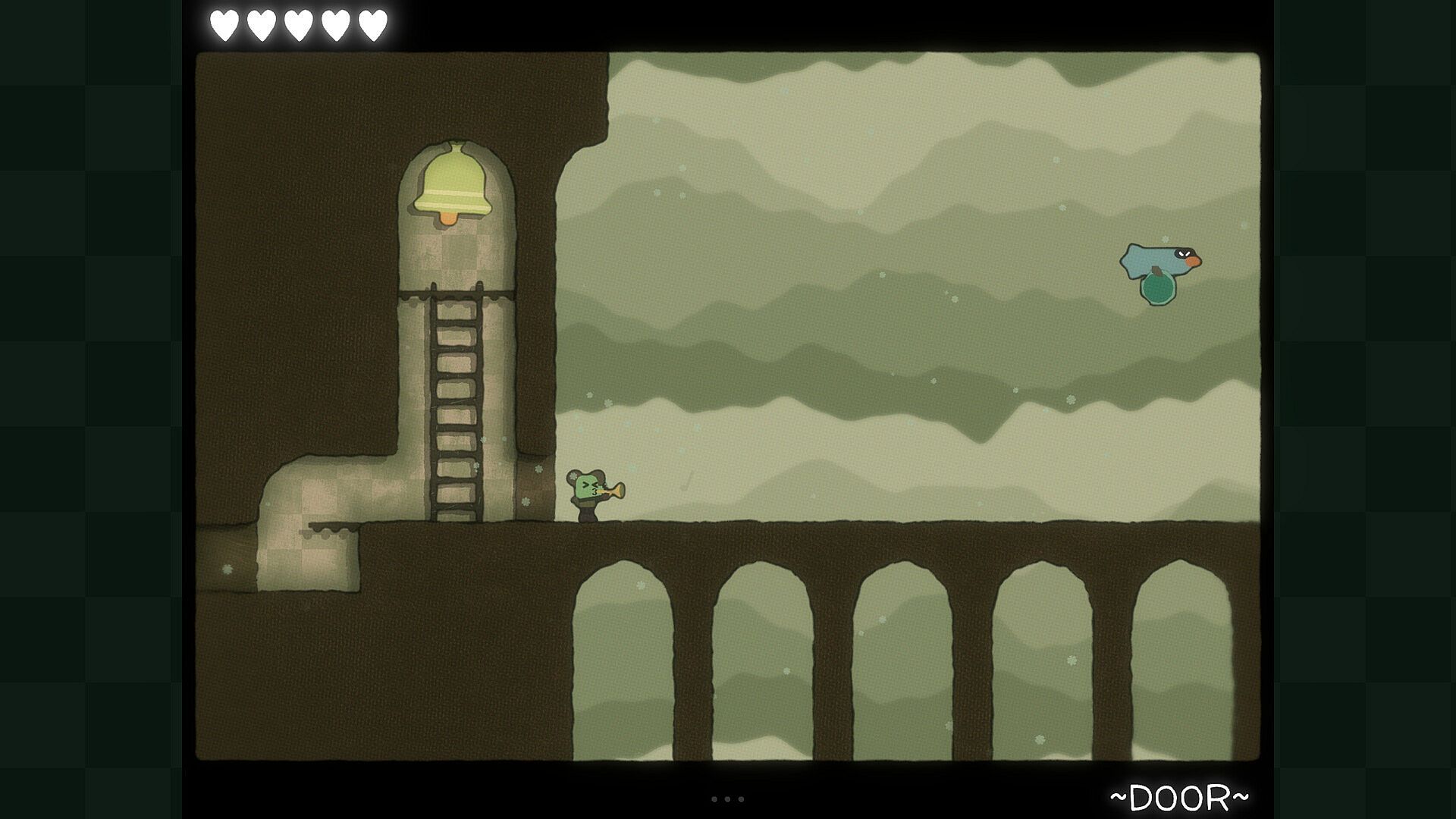
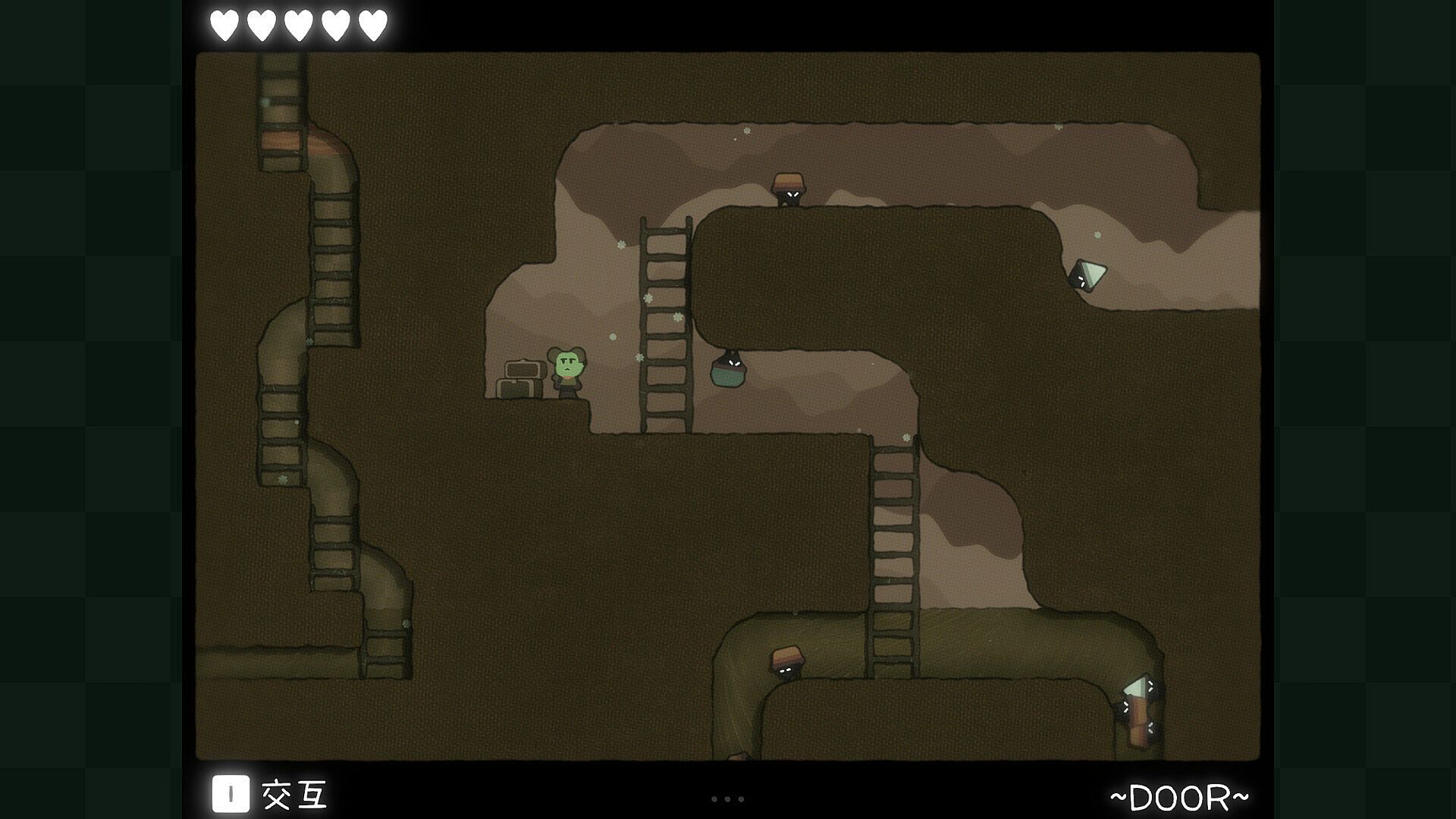
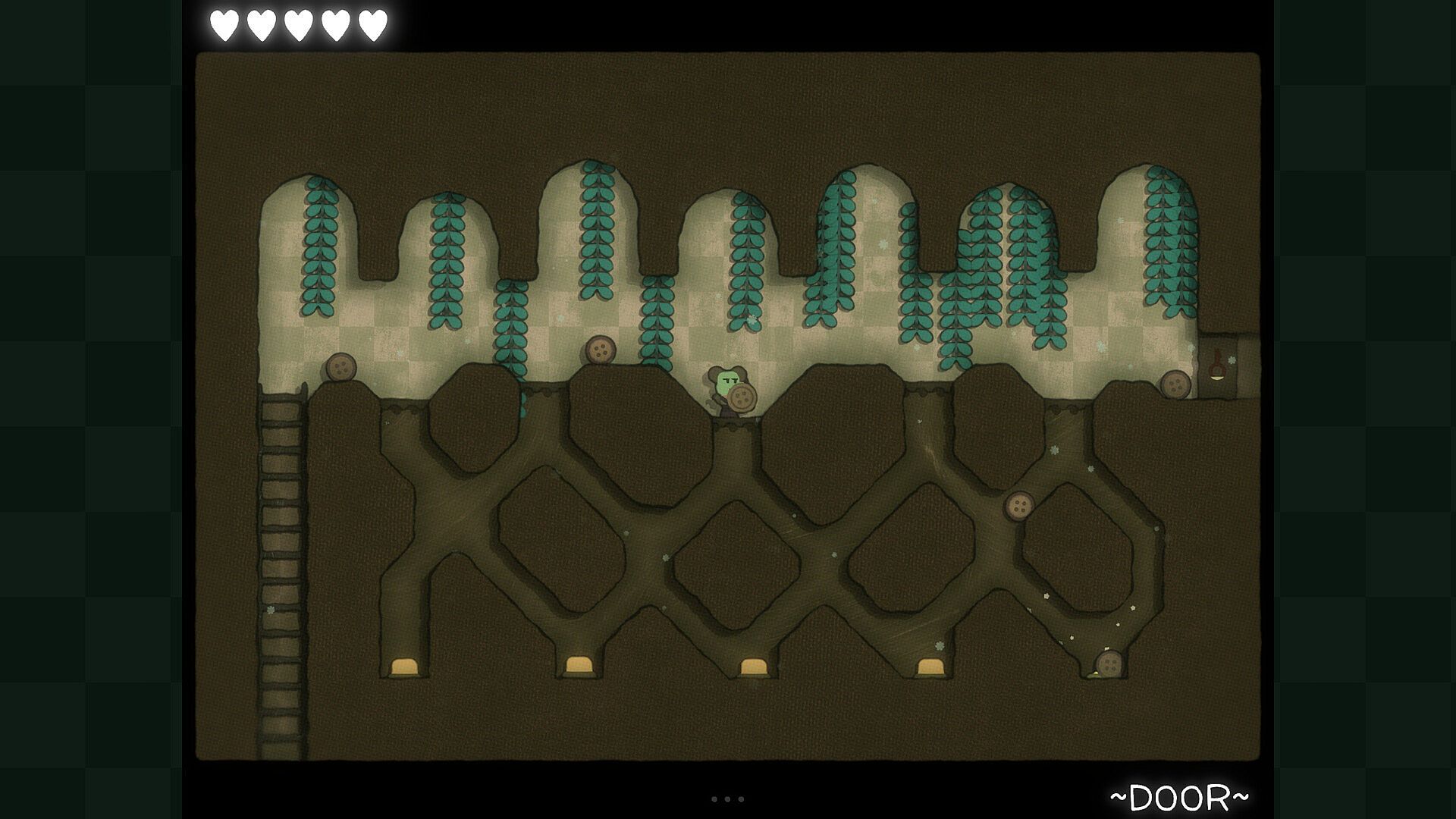
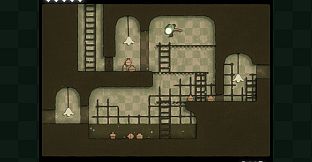
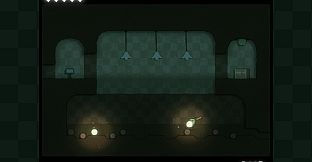
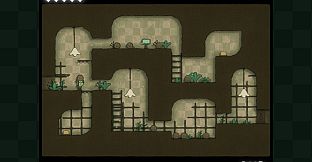
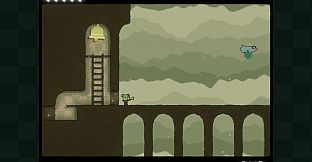
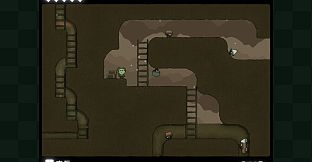
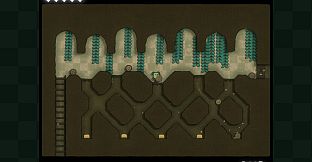
Aleph's Garden is an indie adventure game built around single-player exploration in a surreal garden setting. Players navigate a platform-puzzle experience that blends knowledge-based Metroidvania progression with creative problem solving. The title emphasizes discovery over traditional progression systems, rewarding curiosity through environmental interaction and story fragments rather than numerical upgrades or combat loops.
Gameplay
The core loop centers on moving through interconnected areas of a hidden garden filled with handcrafted puzzles. Movement involves platforming elements combined with object manipulation, where nearly every item in the environment responds to player actions. Puzzles frequently support multiple solutions, encouraging experimentation with collected resources, creature interactions, and environmental tools instead of a single prescribed path. Exploration reveals new abilities or insights that open previously inaccessible sections, creating a sense of gradual world mastery without layered stat systems or experience points.
Resource collection ties directly into puzzle resolution and story understanding. Players gather items that enable creative combinations, such as altering terrain or influencing peculiar creatures encountered along the way. Music performance appears as a distinct activity that integrates with the surroundings, potentially altering states or revealing hidden details. The surreal atmosphere blends fantastical elements with grounded origins, prompting players to piece together the circumstances that shaped the garden and its inhabitants through observation and interaction.
Game Modes
Aleph's Garden operates exclusively as a single-player experience focused on narrative-driven exploration. There are no multiplayer components or competitive elements. The structure revolves around free-form traversal of the garden, where progress stems from solving puzzles creatively and accumulating knowledge about the world. This approach aligns with immersive sim influences, allowing different playstyles to reach the same objectives through varied object uses and environmental experiments rather than fixed sequences.
Exploration and Discovery
World navigation rewards thorough investigation. Areas connect in a Metroidvania style that relies on acquired knowledge and tools rather than combat upgrades. Meeting companions and observing creature behaviors provides context for the garden's mysteries, while resource gathering supports ongoing puzzle solutions. The absence of complex leveling keeps attention on spatial awareness and creative thinking, making each session feel like an extension of childhood wonder in an unfamiliar place.
Is It Worth Playing?
Players drawn to single-player puzzle platformers that prioritize multiple solution paths and environmental storytelling will find a strong match here. The game avoids numerical progression in favor of direct interaction and curiosity-driven rewards, suiting those who enjoy methodical exploration and piecing together lore through observation. With a planned 2027 release and no current updates or seasons available, the title remains in development, but its described mechanics suggest appeal for fans of creative indie adventures on PC. Those seeking fast-paced action or multiplayer features may want to wait for more details closer to launch.











