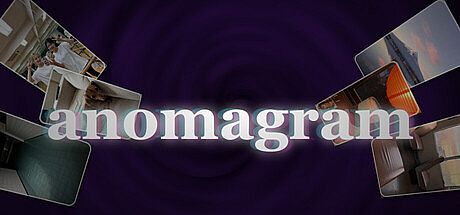



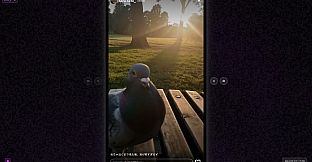
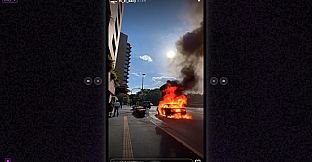
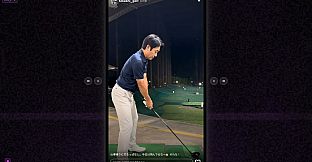
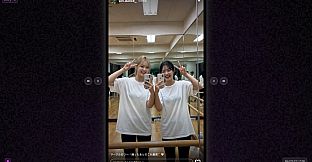

Anomagram ist ein Indie-Loop-Horrorspiel, bei dem es darum geht, winzige Veränderungen in einem vertikal scrollenden Social-Media-Story-Feed zu erkennen. Nacht für Nacht sichtet man eine Reihe kurzer Video- und Bildbeiträge und entscheidet am Ende jeder Runde, ob eine Anomalie aufgetaucht ist. Richtige Entscheidungen lassen den Kalender vorrücken, Fehler dagegen setzen den Fortschritt zurück und erzeugen so einen nervenaufreibenden Kreislauf aus Beobachtung und Zweifel, der sich über neun Tage erstreckt.
Gameplay
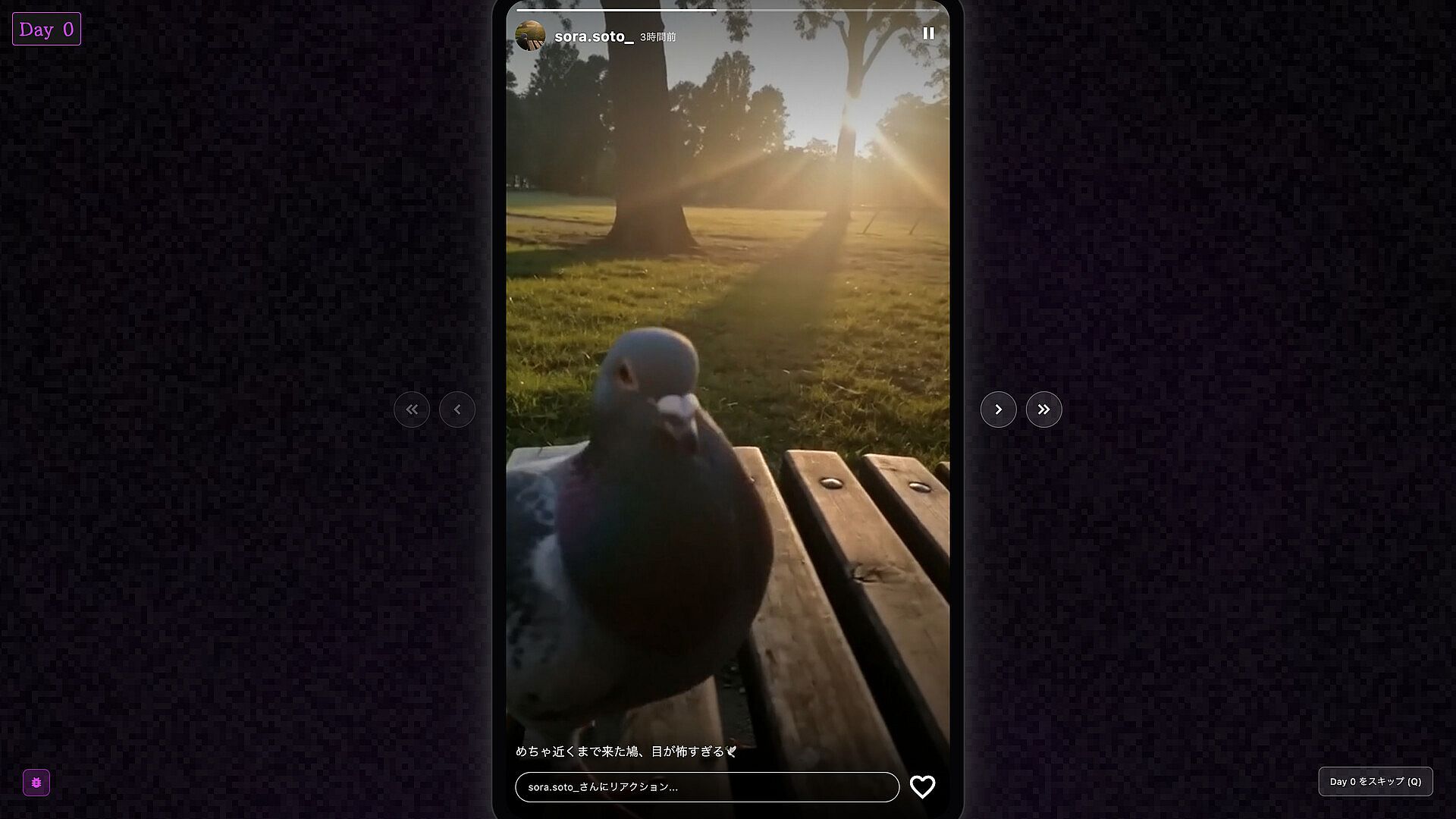
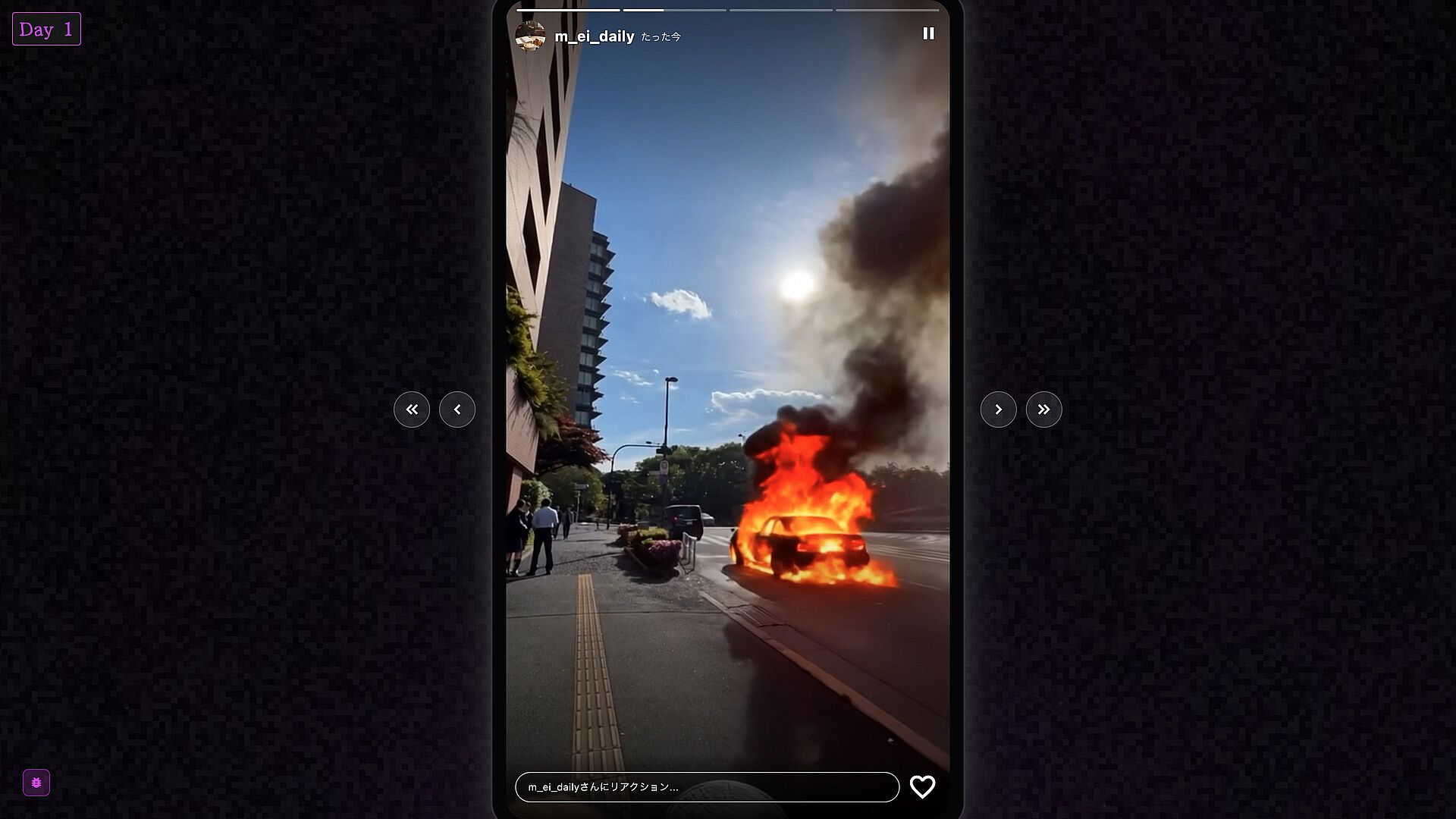
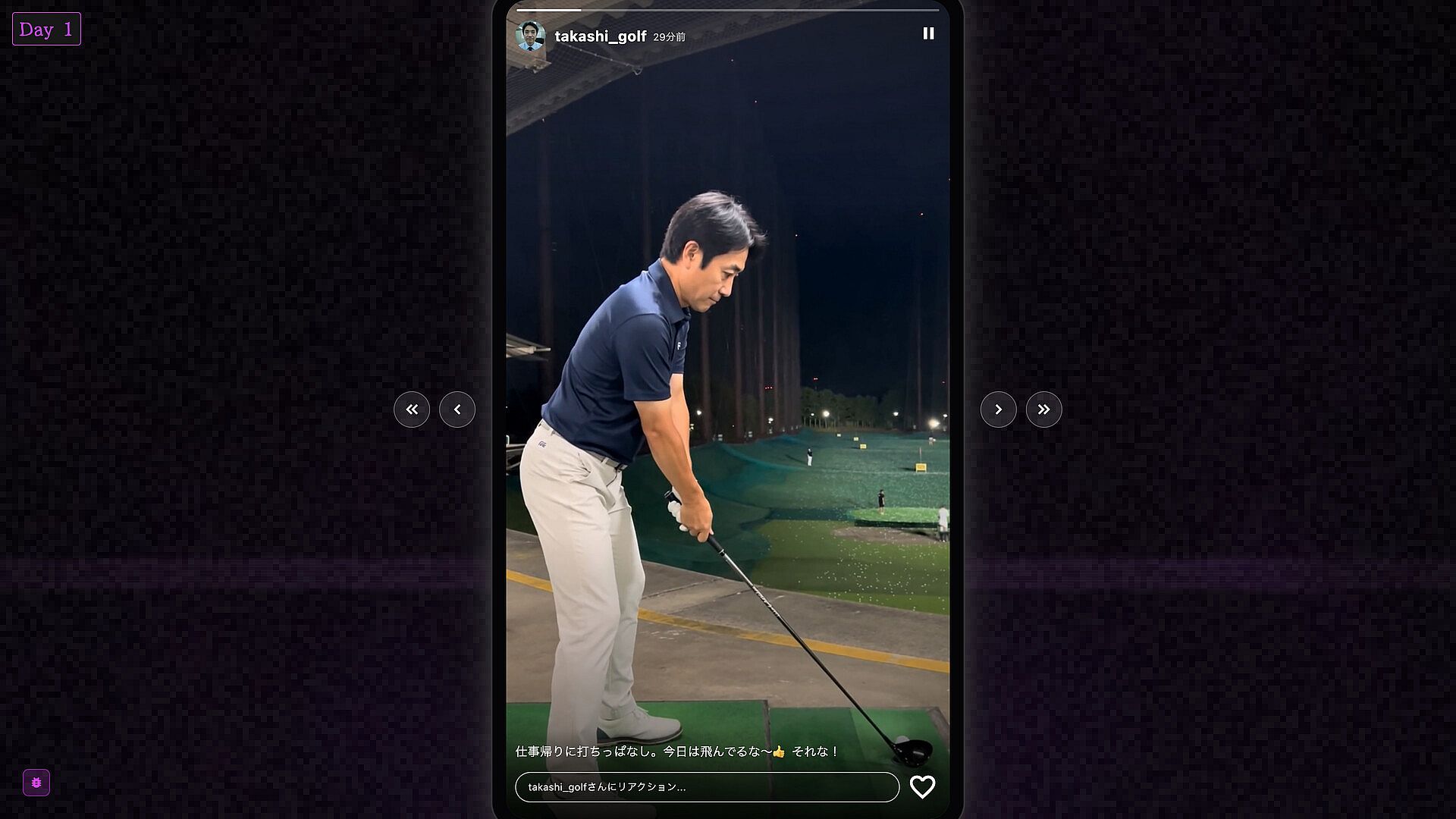
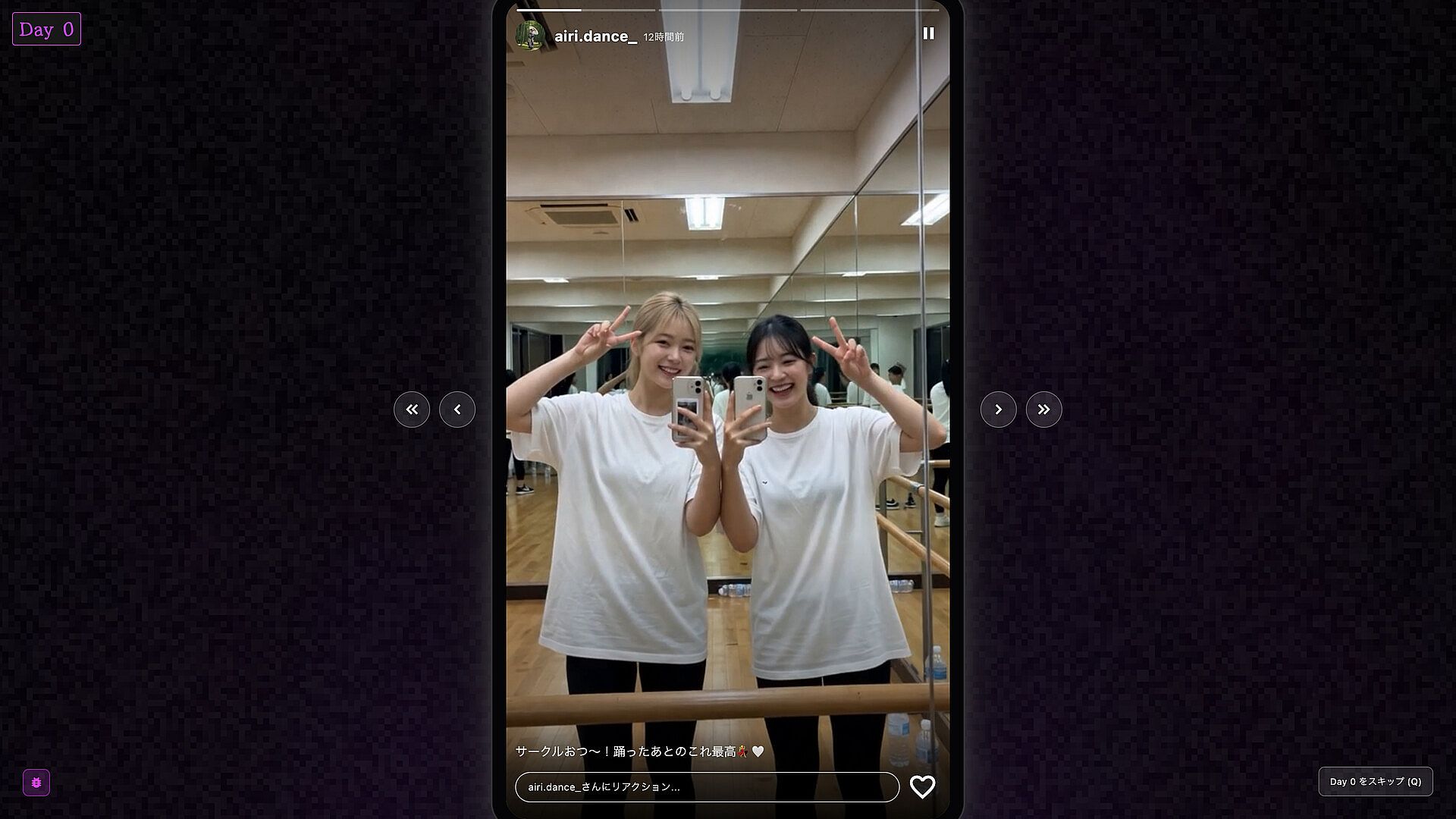
Im Zentrum steht eine authentische SNS-Oberfläche, durch die man per Wischgeste nach oben durch die Stories scrollt. Jeder Beitrag wirkt auf den ersten Blick vertraut - sei es als kurzes Video oder als Bild. Die Aufmerksamkeit muss jedoch hoch bleiben, denn Anomalien verstecken sich oft in Details wie veränderten Hintergründen, inkonsistenter Beleuchtung oder Objekten, die ihre Position zwischen den Schleifen verändert haben. Am Ende jeder Runde steht eine klare Entscheidung: Anomalie melden oder alles als unauffällig bestätigen. Eine richtige Antwort bringt den Kalender einen Tag weiter, ein Fehler dagegen lässt den Spieler mehrere Tage zurückfallen. Mit fortschreitenden Tagen werden die Anomalien immer unauffälliger, was eine genauere Prüfung jedes Frames erfordert und den psychologischen Druck erhöht.
Der Fortschritt hängt ausschließlich von konstanter Treffsicherheit ab. Wer Tag neun erreicht, hat das Spiel abgeschlossen. Die vertikale Wischmechanik orientiert sich an gängigen Kurzvideo-Apps und sorgt für ein direktes, intuitives Bediengefühl. Außerhalb des Feeds gibt es weder Kampf noch Erkundung - jede Entscheidung basiert allein auf visuellem Gedächtnis und Mustererkennung.
Game Modes
Anomagram bietet eine einzige durchgehende Kampagne, die sich über die neun Tage erstreckt. Die Erfahrung bleibt vom Anfang bis zum Ende gleich, die Schwierigkeit steigt lediglich durch subtilere Anomalien. Die Schleife wird nur bei falschen Antworten zurückgesetzt, das Ziel bleibt unverändert: über alle neun Tage hinweg die nötige Genauigkeit halten. Kooperative, kompetitive oder endlose Varianten sind nicht vorgesehen.
Visual Design and Atmosphere
Das Spiel präsentiert sich als realistischer Social-Media-Feed im Hochformat. Die Stories bestehen aus kurzen Videoclips und Standbildern, die gängige Plattformen nachahmen und mit vertrauten UI-Elementen wie Fortschrittsbalken und Wischgesten ausgestattet sind. Subtile visuelle Hinweise deuten Veränderungen an, ohne auf plötzliche Jumpscares zu setzen. Die Spannung entsteht stattdessen durch die ständige Wiederholung und das Wissen, dass ein übersehenes Detail mehrere Tage Fortschritt zunichtemachen kann. Der Ton bleibt minimalistisch und beschränkt sich auf das leise Summen der Oberfläche sowie gelegentliche dezente Benachrichtigungstöne, um die Konzentration auf dem Bildschirm zu halten.
Is It Worth Playing?
Anomagram richtet sich an Spieler, die kurze, beobachtungsbasierte Horror-Erfahrungen mit Fokus auf Anomalien suchen. Die kompakte Struktur eignet sich für Sitzungen von 30 bis 60 Minuten, während das SNS-Thema den Mechaniken eine zeitgemäße Note verleiht. Da das Spiel noch nicht erschienen ist, liegen weder Spielerbewertungen noch Abschlussstatistiken vor. Wer psychologische Spannung, präzises visuelles Suchen und schleifenbasierte Progression schätzt, wird die beschriebenen Systeme als passend empfinden. Das geplante Release-Fenster im dritten Quartal 2026 ermöglicht es Interessierten, das Spiel bereits jetzt auf die Wunschliste zu setzen und es bei Verfügbarkeit auf dem PC zu bewerten.