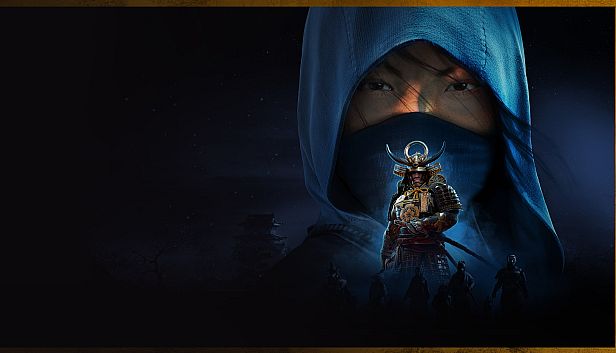


Assassin's Creed Shadows is an action-adventure game set in feudal Japan during the Sengoku period. Players control two distinct protagonists who bring complementary skills to the same open-world environment. The experience centers on exploration, infiltration, and direct confrontation across varied landscapes that include castle towns, rural areas, and shrines.
Gameplay
The core loop revolves around switching between Naoe and Yasuke to handle different situations. Naoe relies on speed and concealment, using parkour routes, a grappling hook for vertical movement, and tools such as shuriken or smoke bombs to create openings before striking with the Hidden Blade. Yasuke favors direct engagement, employing a bow for ranged eliminations or closing in with katana and naginata for melee sequences. Environmental factors like changing seasons, weather patterns, and destructible elements influence line of sight and movement options during both approaches.
Progression for each character remains separate, with dedicated skill trees, equipment, and stats that encourage players to alternate based on mission requirements or personal preference. The world supports free-form travel where light, sound, and cover play consistent roles in avoiding or engaging enemies.
Game Modes
The game operates as a single-player title without multiplayer components. All missions and activities are designed around one active protagonist at a time, though players retain the ability to switch characters at will outside of specific story sequences. This structure emphasizes personal pacing and repeated visits to locations under different conditions rather than shared sessions.
Open World and Setting
Feudal Japan serves as the backdrop, rendered with attention to seasonal shifts that alter foliage, visibility, and ambient effects. Dynamic weather and particle systems contribute to tactical decisions, such as using rain-slick surfaces or wind-driven debris during navigation or combat. Japanese voice acting supports the atmosphere throughout the main narrative and side activities.
Technical features include ray-traced global illumination, real-time reflections, and virtualized geometry that enhance the density of the environments. These elements support the sense of scale when moving between dense urban districts and open countryside.
Is It Worth Playing?
Reception has been generally positive, with a Metacritic score of 81 and individual reviews highlighting the stealth systems, visual fidelity, and the contrast between the two protagonists. Players who value methodical infiltration alongside occasional large-scale fights will find the dual-character design rewarding. The title continues to receive attention into 2026 as a complete single-player package that rewards exploration at a measured pace.
Those seeking a focused action-adventure without live-service elements or competitive modes will find the current version aligns well with that preference. The experience stands on its own merits for anyone interested in the Sengoku-era setting and the specific mechanics of stealth and melee combat.