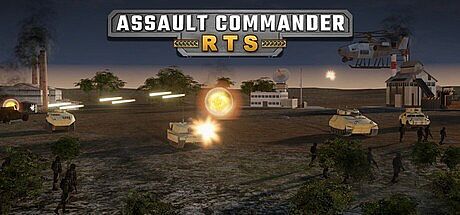


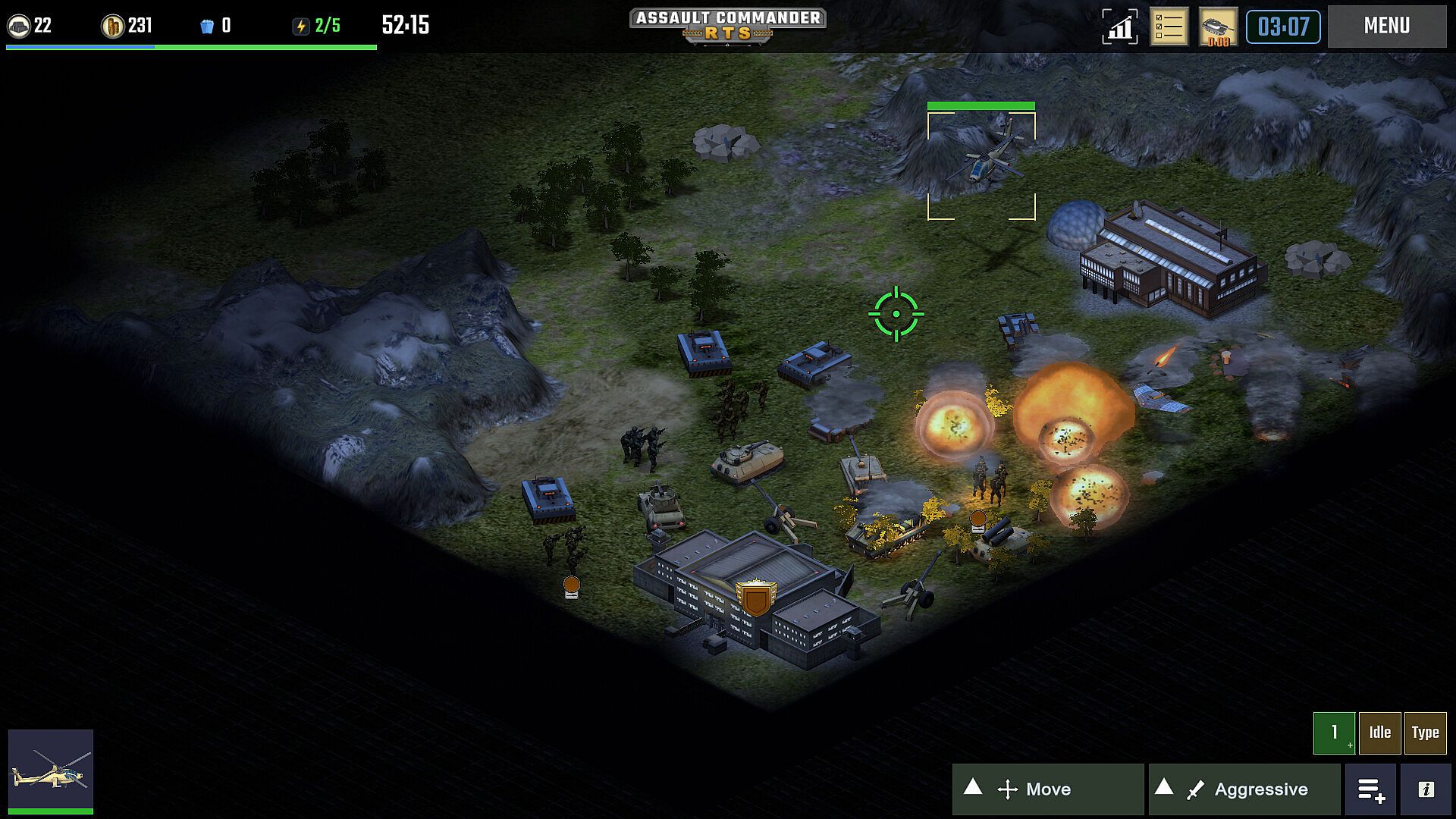
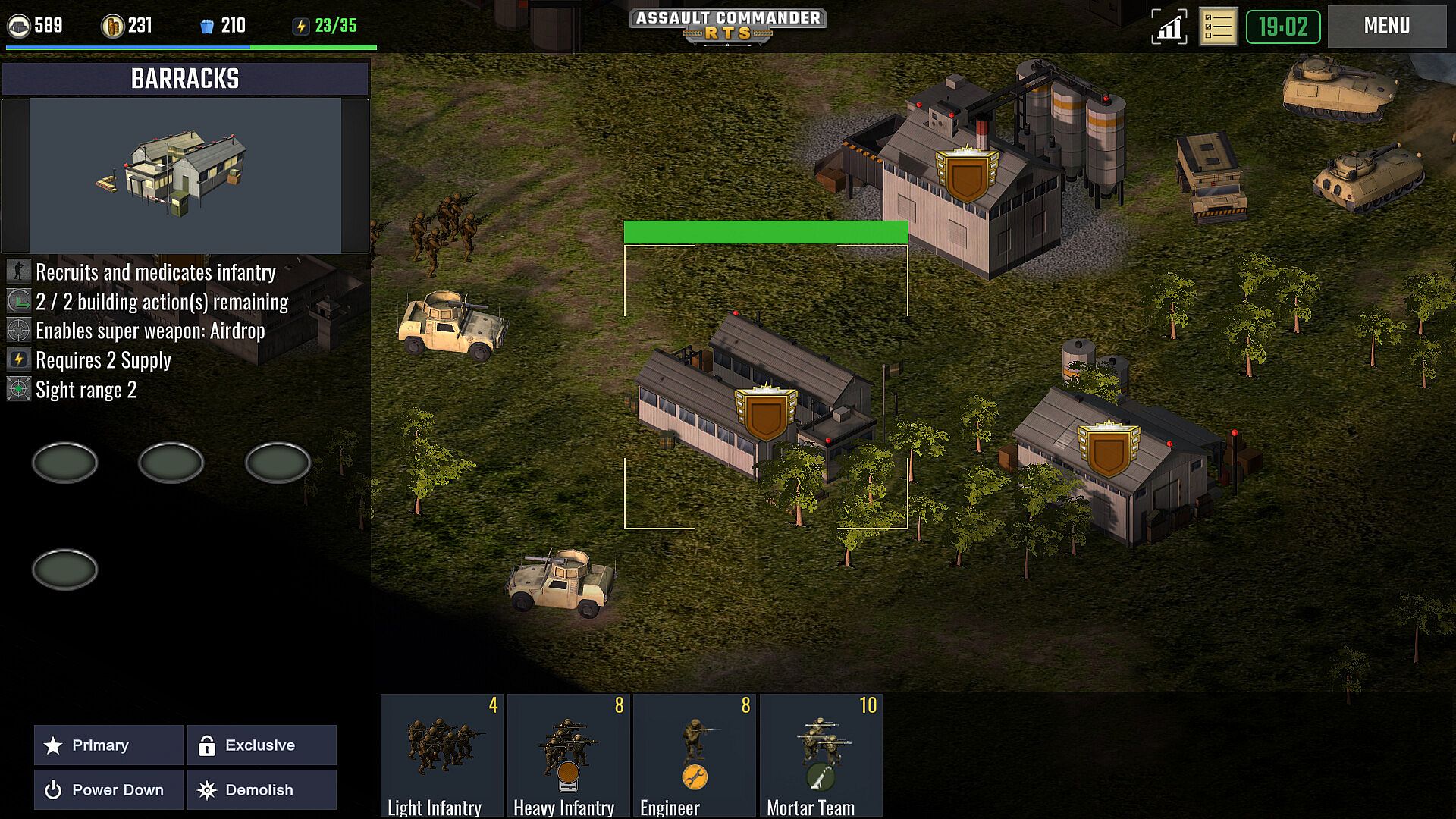
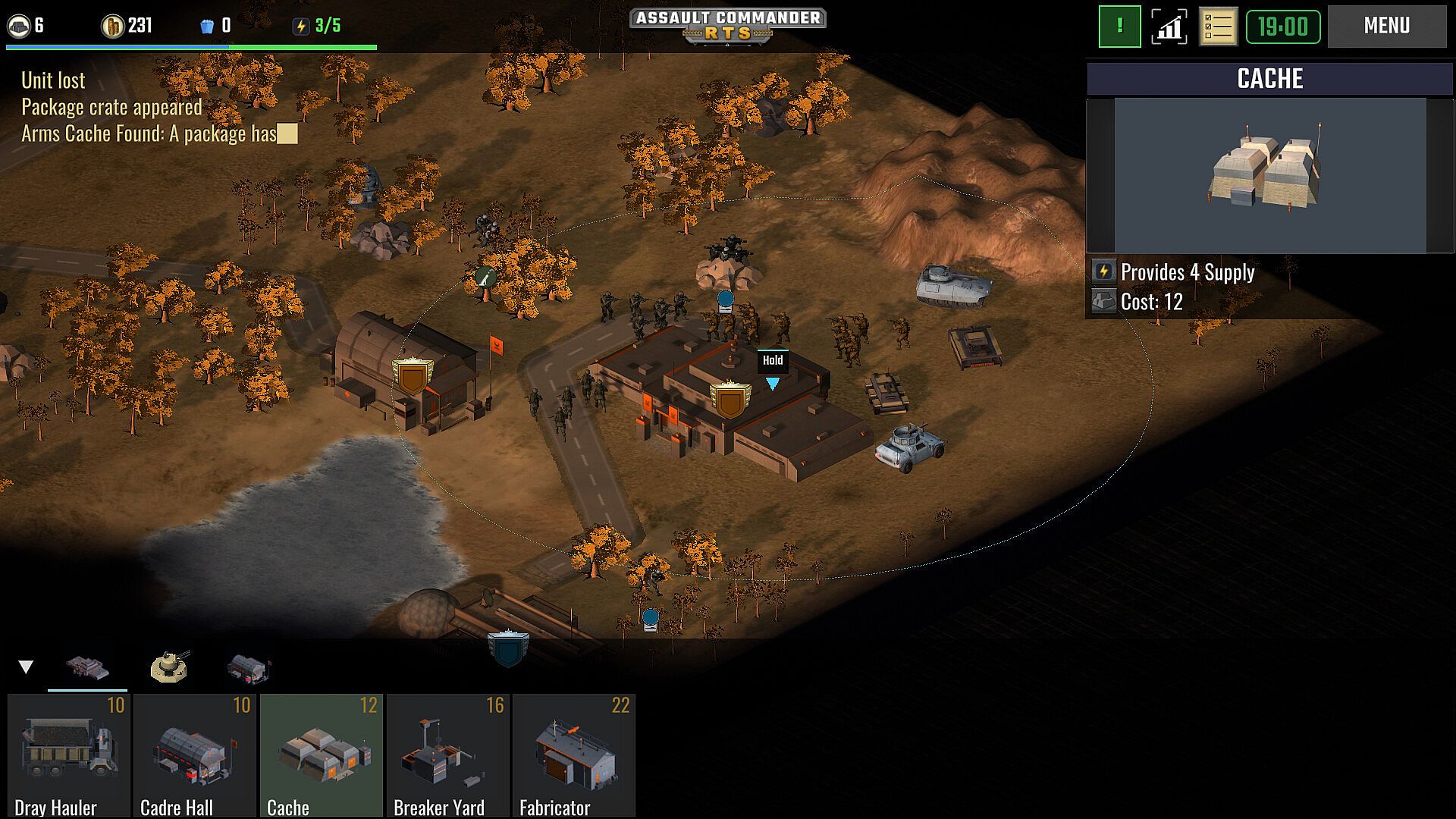
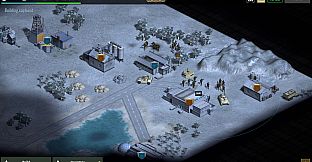
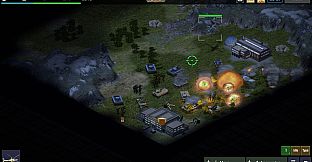
Assault Commander RTS is a real-time strategy game focused on military command and base building. Players manage resources, construct facilities, and direct large forces across land, sea, and air in isometric 3D environments. The core loop centers on expanding production, researching improvements, and adapting tactics to randomized mission conditions while facing an aggressive computer opponent.
Gameplay
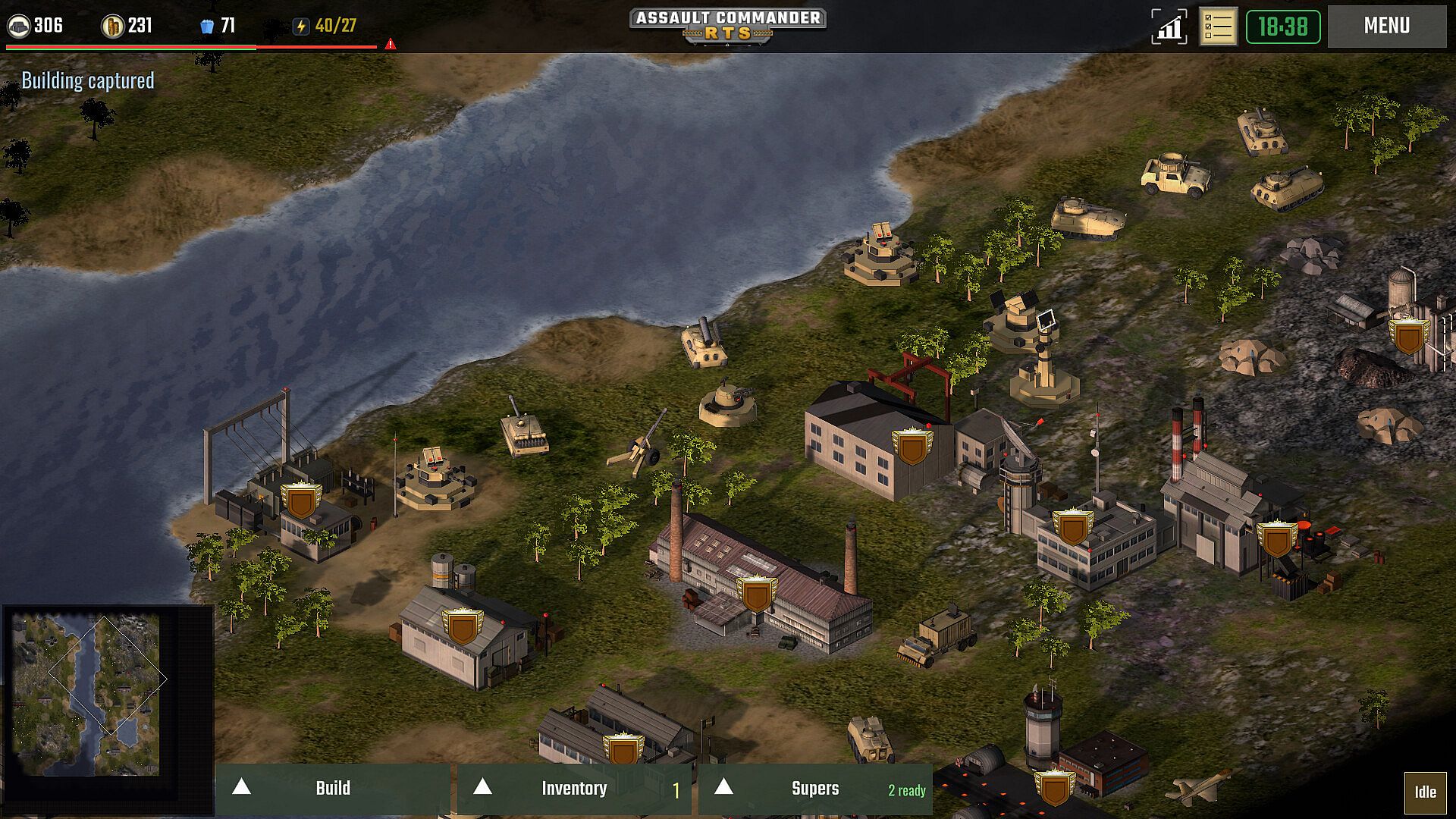
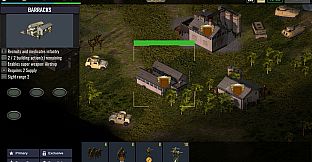
Commanders begin by establishing a base with factories, airfields, shipyards, and power plants. These structures produce units and generate the resources needed for sustained operations. Raw materials collected from the map convert into Resources, Alloy, and Supply, while the power grid must stay protected to avoid production halts. Defensive lines form around the base using walls, gates, bunkers, sentry towers, and specialized emplacements that counter armor or aircraft. Buildings and bridges can be destroyed, forcing players to repair or reroute defenses as lines break.
More than sixty unit types operate across theaters. Infantry squads, tanks, artillery, warships, submarines, helicopters, bombers, and drones fill standard roles, while specialists handle electronic warfare, infiltration, precision strikes, and rapid transport. One faction emphasizes conventional firepower and long-range engagement. The opposing side relies on jammers, stealth fields, decoys, mine belts, and swarms of inexpensive machines to disrupt and overwhelm. Day and night cycles alter visibility, weapon performance, and stealth effectiveness, and terrain features such as high ground or fog of war influence positioning and line of sight.
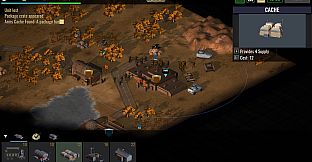
Between missions, coins earned in combat fund research that upgrades unit and building capabilities. During battles, more than thirty tactical packages allow on-the-spot repairs, firepower boosts, or temporary fortifications. Super weapons deliver cruise missile salvos, ballistic strikes, or airdrops behind enemy lines, countered by advanced defensive systems that neutralize air threats. Random battlefield events and escalating enemy waves add variability to each attempt.
Game Modes
The single-player campaign spans more than thirty missions across six difficulty levels. Primary objectives change with each playthrough, while optional side goals, random events, and increasing pressure from enemy forces ensure distinct experiences. Larger maps and expanded unit and building options appear as progress continues.
Conflict mode converts any skirmish into a scored, recorded match. Ranked play tracks a Conflict Rating and populates online leaderboards. Casual matches permit unrestricted experimentation. Post-match debriefs display performance details, and Match Codes let players challenge others on identical battlefields.
Training games run on standalone maps against the computer. Up to five players can participate with team colors and alliances. These sessions leave the player profile untouched, supporting practice with different unit combinations and strategies without affecting ranked progress.
Progression and Systems
A persistent player profile records campaign advancement and Conflict mode results. Research unlocks permanent improvements that carry forward, while in-mission tactical packages provide immediate flexibility. The economy demands protection of resource collectors and disruption of enemy supply lines to maintain an advantage. Power management adds another layer, as attacks on generators can stall production at critical moments.
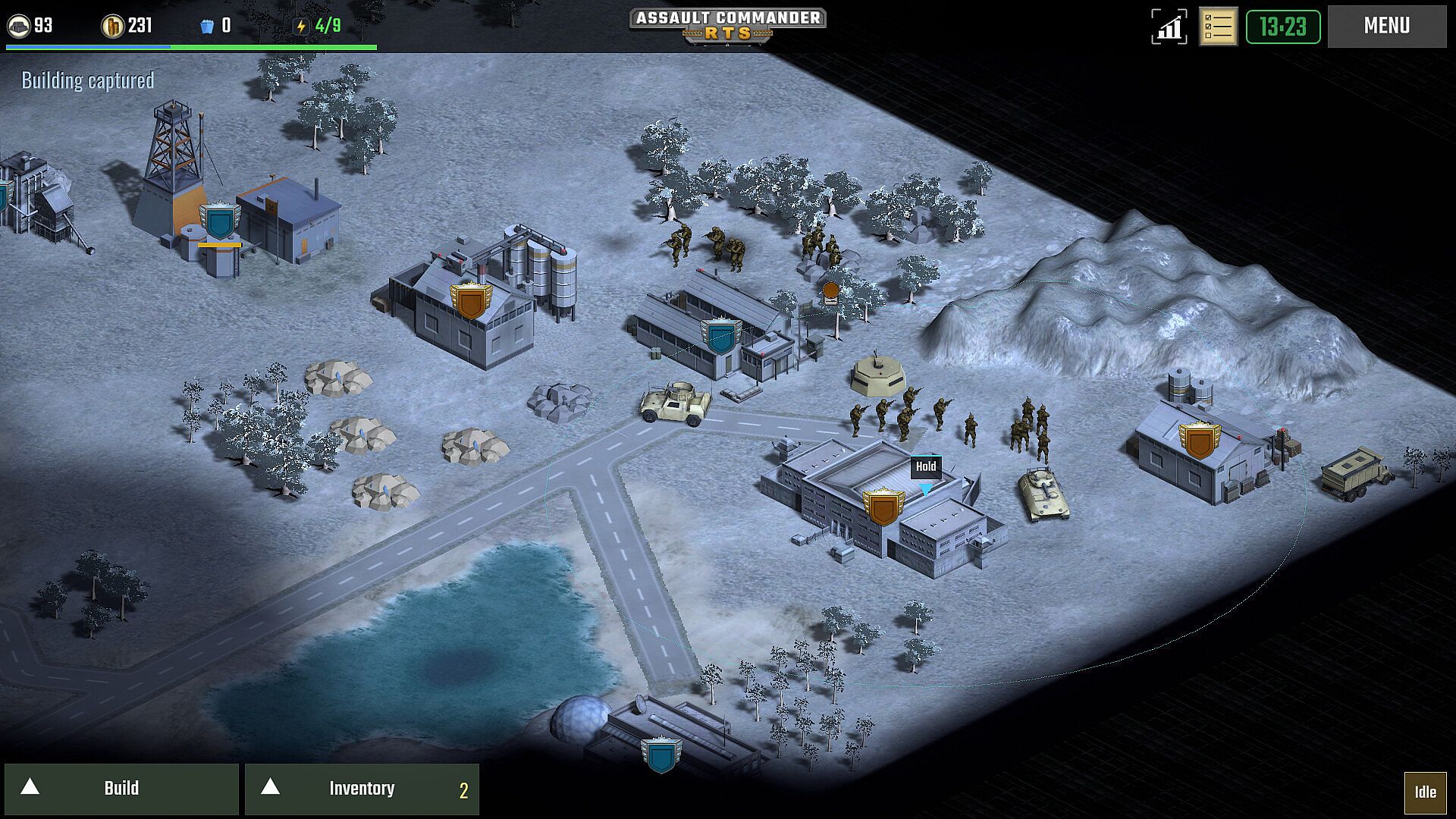
Environmental variety spans temperate, snow, and desert maps. Each setting interacts with the day and night cycle to change engagement ranges and concealment options. Destructible structures encourage creative approaches to bypassing or collapsing defensive positions rather than relying on static lines.
Is It Worth Playing?
Assault Commander RTS suits players who enjoy real-time strategy with base construction, resource management, and large-scale unit command. The combination of randomized objectives, faction asymmetry, and layered systems such as research and tactical packages creates replayability in both campaign and skirmish formats. Conflict mode adds a competitive outlet with leaderboards and shareable matches, while training sessions provide low-stakes practice. Those seeking a focused military RTS experience on PC with single-player depth and optional multiplayer elements will find the mechanics align closely with that preference. The game remains available for purchase and wishlist on its primary distribution platform.