




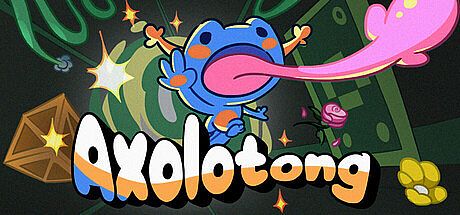


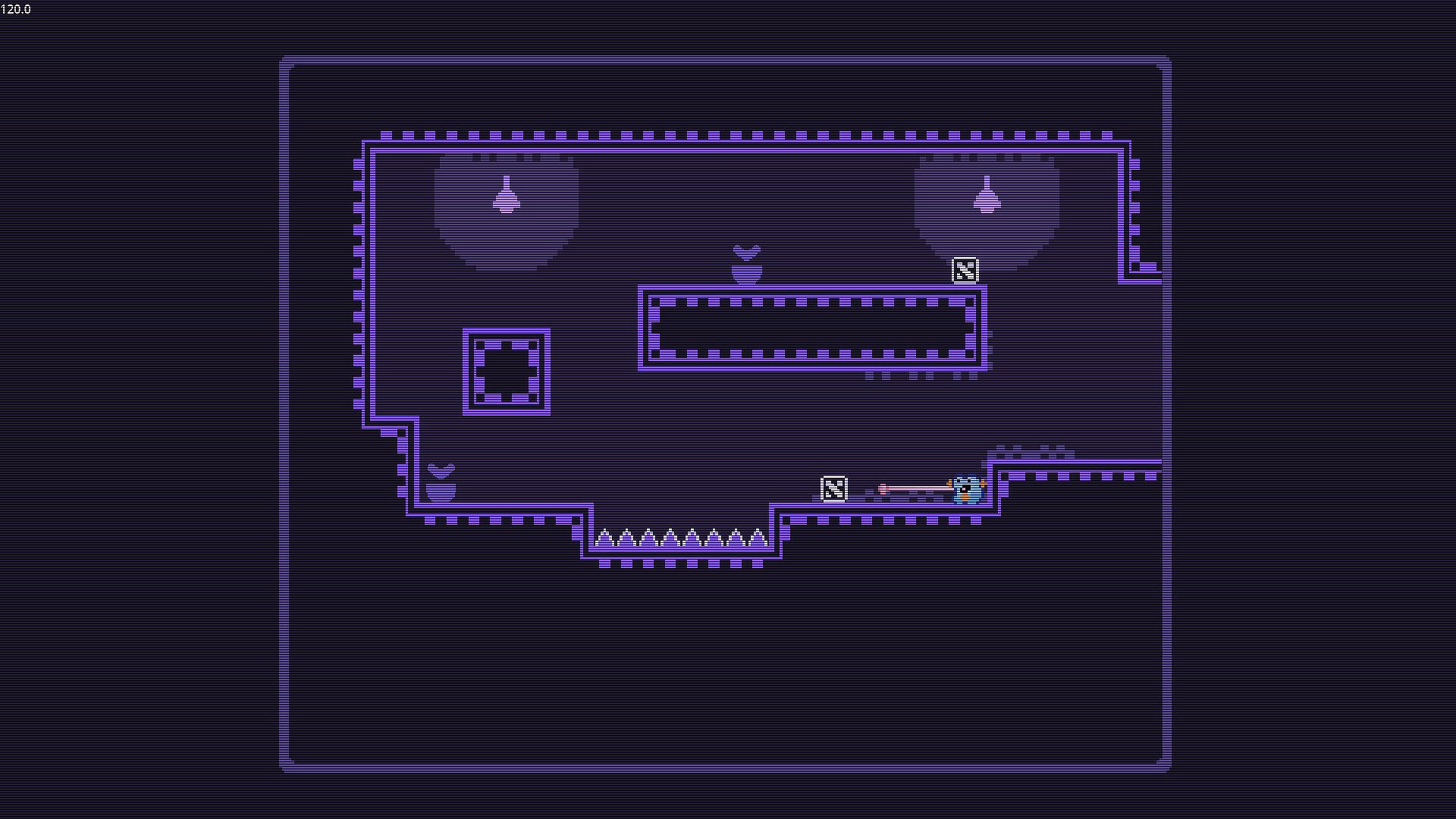
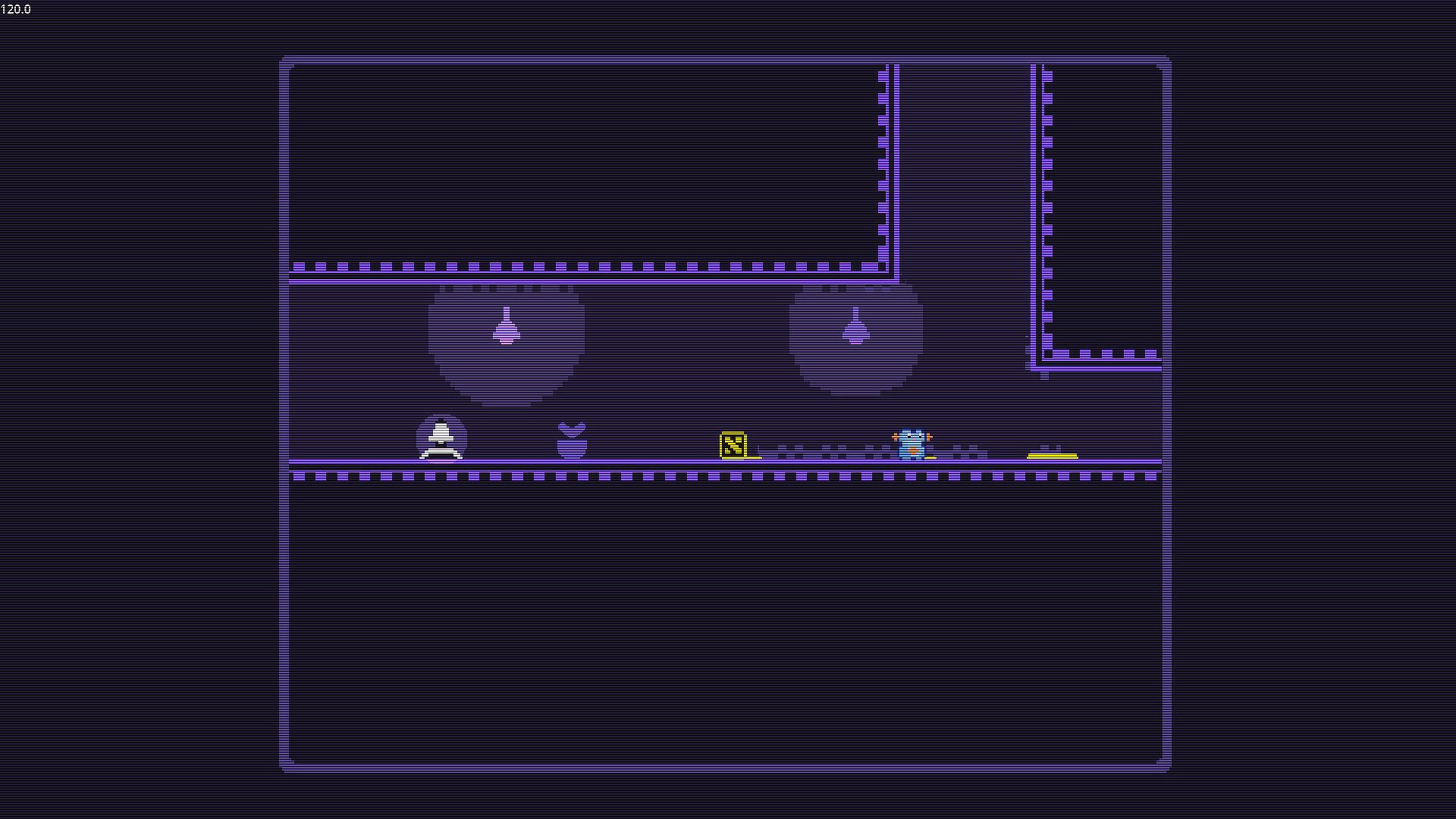
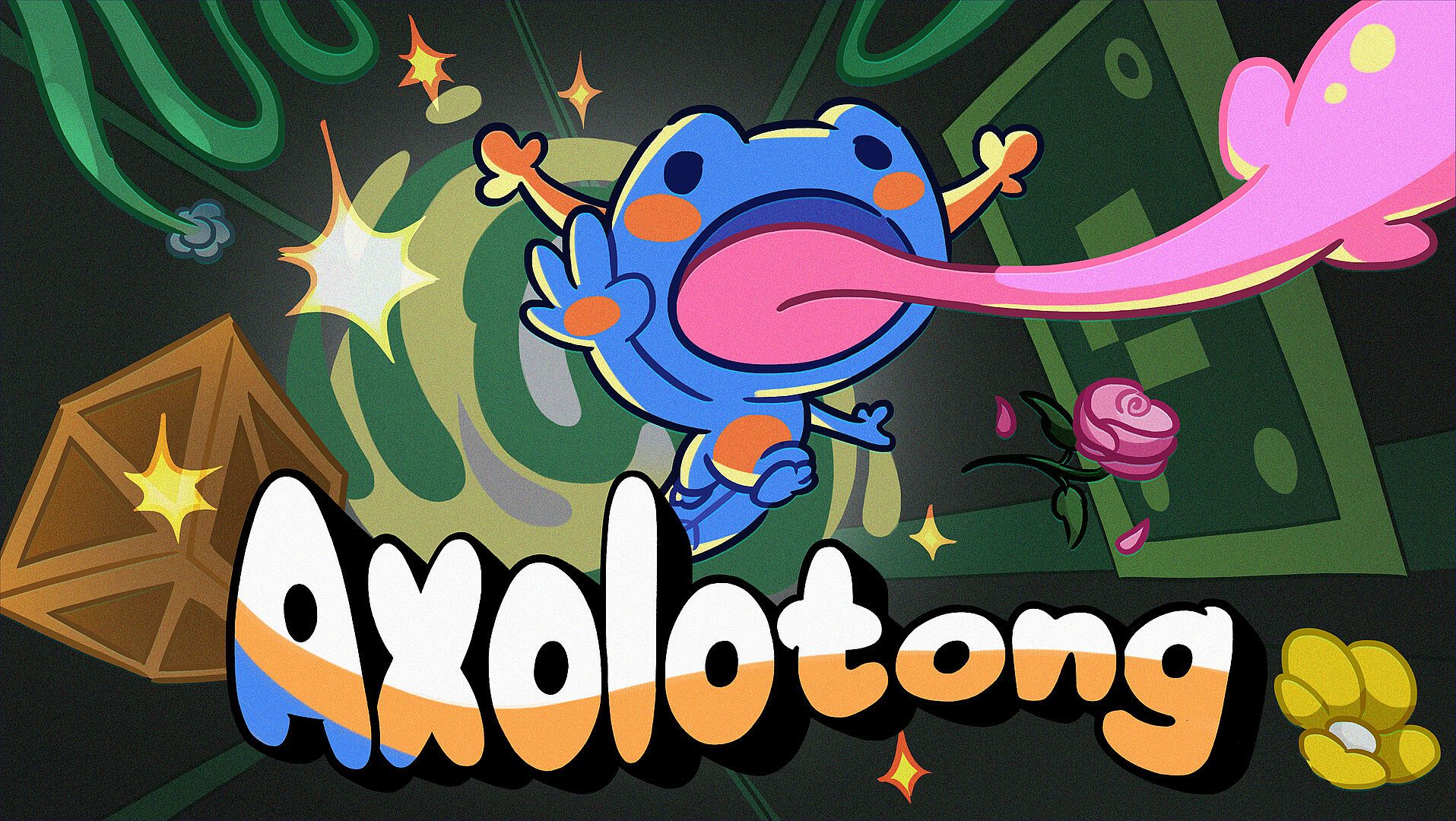
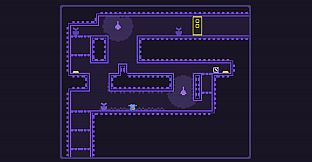
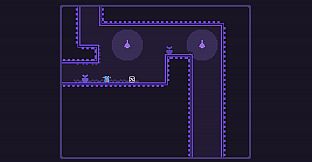
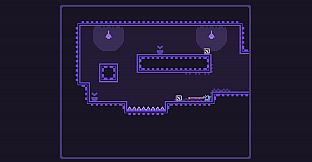
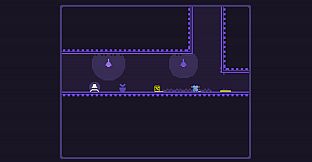
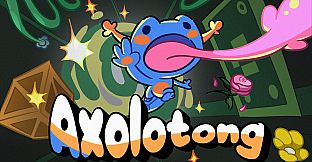
Axolotong is a puzzle platformer that puts players in control of a small axolotl navigating a maze-like environment. The core experience revolves around using the creature's tongue for push and pull actions to move objects, open paths, and interact with the surroundings. Developed for PC as an action, indie, and adventure title, the game emphasizes a single-player journey through interconnected spaces filled with challenges that reward experimentation.
Gameplay
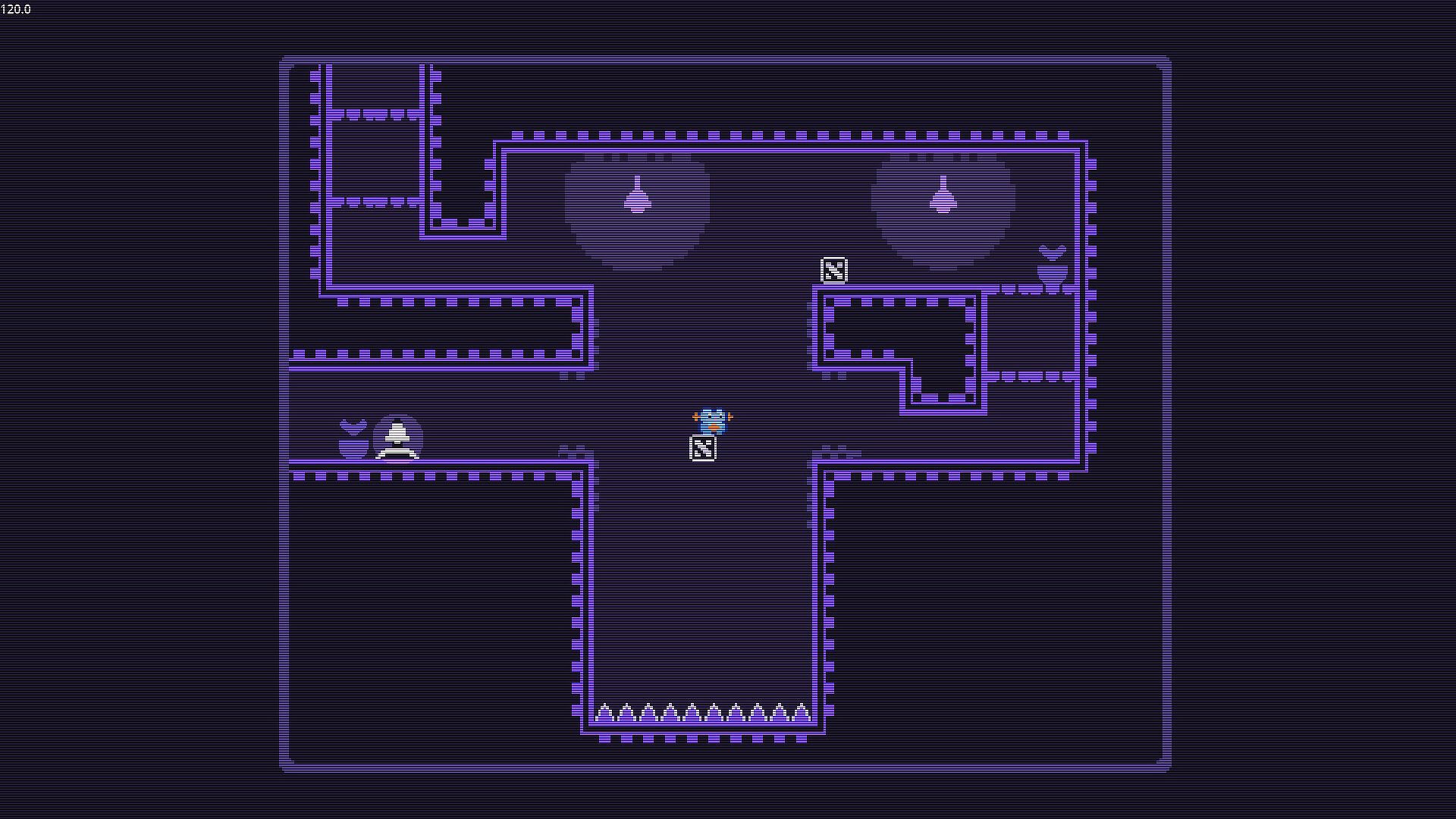
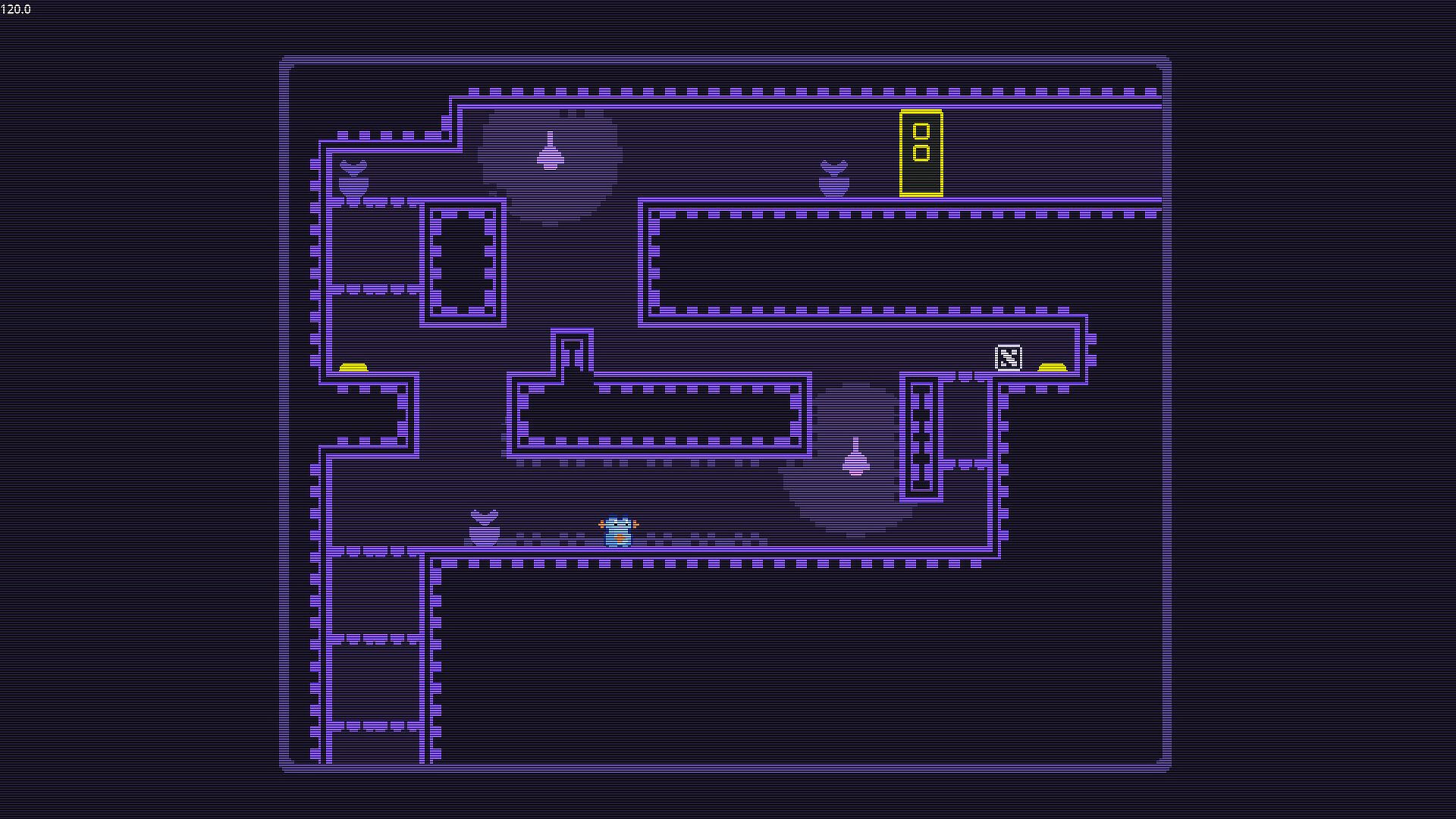
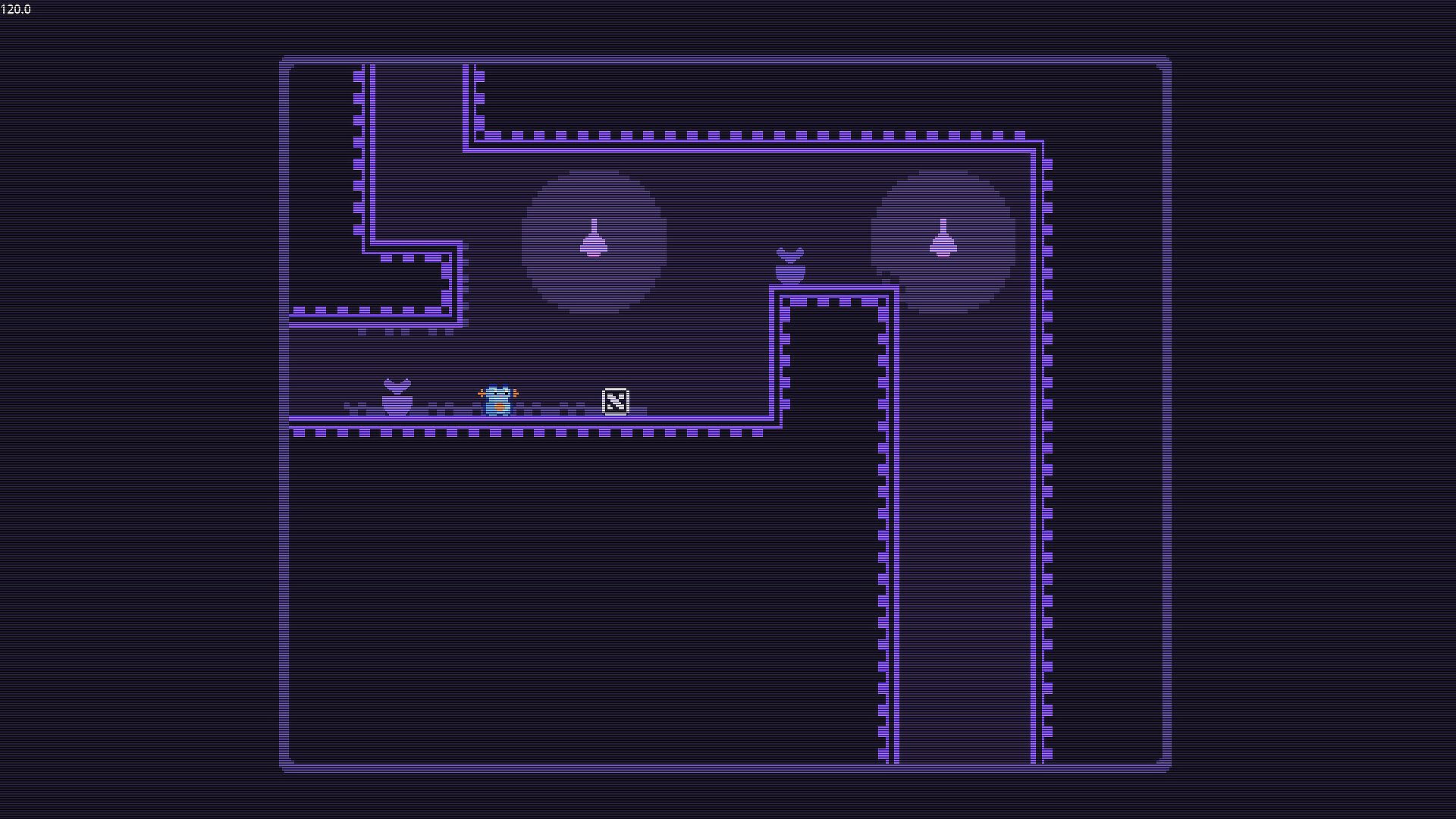
The central mechanic involves the axolotl extending its tongue to push blocks into position or pull them toward the character. This simple input set expands into varied interactions as players progress, such as activating switches, repositioning platforms, or clearing obstacles in creative sequences. Movement combines standard platforming jumps and climbs with these tongue-based actions, creating a loop where observation of the environment leads to new solutions.
Levels form a labyrinthine structure that encourages backtracking and discovery. Hidden passages and optional areas reward thorough exploration, while the limited set of abilities forces players to combine push and pull in different contexts. The design highlights multiple approaches to the same puzzle, allowing different sequences of actions to reach the same goal without relying on additional tools or upgrades.
Visual presentation stays light and focused on the axolotl's cute appearance against detailed maze backdrops. Sound design supports the deliberate pace, with clear feedback on each tongue interaction. The overall loop stays consistent: survey the room, test interactions, and refine the approach until the path opens.
Game Modes
The game offers a single-player campaign centered on completing the maze and uncovering its contents. There are no separate competitive or cooperative modes listed, keeping the focus on individual problem-solving and progression through the main areas. Players advance by mastering the tongue mechanics across successive sections of the labyrinth.
Progression ties directly to exploration rather than separate playlists or difficulty variants. The structure supports repeated visits to earlier areas once new interaction patterns are learned, though the primary path remains linear in its overall goal of full completion.
Exploration and Secrets
Beyond the main route, the world contains hidden elements that players can locate by applying the push and pull actions in unexpected ways. These secrets add depth without altering the core abilities, encouraging players to revisit spaces with fresh ideas. The labyrinth design integrates these optional finds naturally into the environment rather than marking them explicitly.
Each new section introduces variations on the same mechanics, such as larger objects or timed sequences that still rely on the tongue. This keeps the experience cohesive while expanding the ways the basic actions can be applied across different room layouts.
Is It Worth Playing?
Axolotong targets players who enjoy deliberate puzzle platformers built around a single, well-executed mechanic. The emphasis on multiple solutions per challenge and the compact ability set make it suitable for those who like to experiment within constraints rather than manage complex inventories or combat systems.
With a planned release in Q1 2027 and no player reviews available yet, the game remains in development. Its appeal rests on the described features of cute presentation, maze navigation, and tongue-driven interactions that can be solved in varied ways. Those drawn to short, focused indie adventures centered on spatial reasoning may find the final version engaging once it arrives.











