




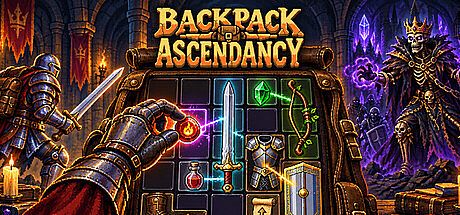


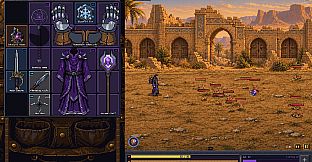
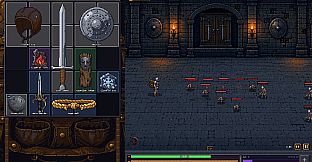
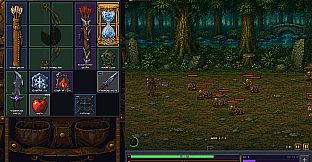
Backpack Ascendancy is a single-player roguelite that blends action, strategy, RPG, and casual elements through its focus on backpack inventory management. Players build and rearrange gear on a grid to create effective loadouts for real-time combat encounters while progressing through runs that emphasize careful placement and synergies.
Gameplay
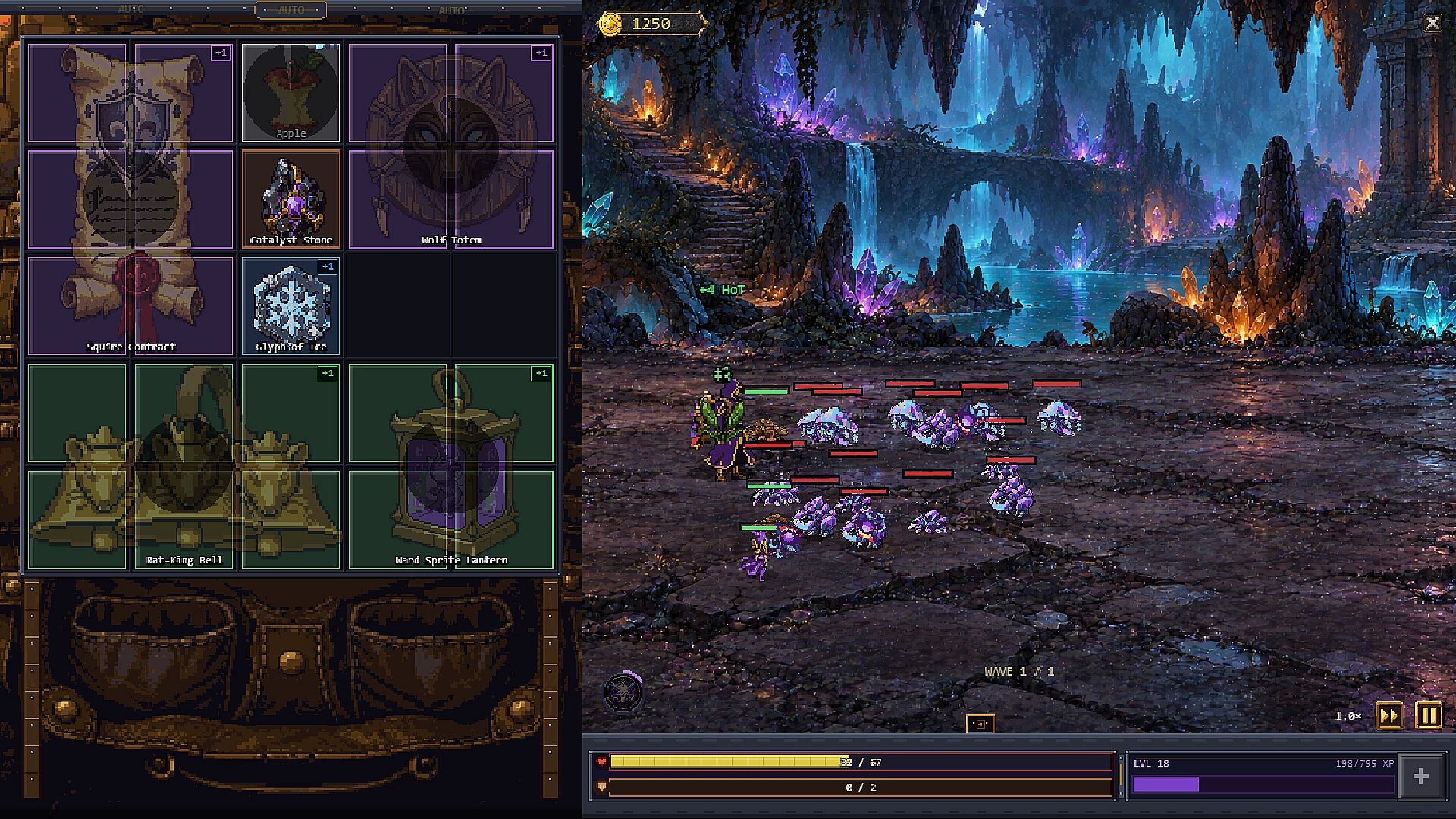
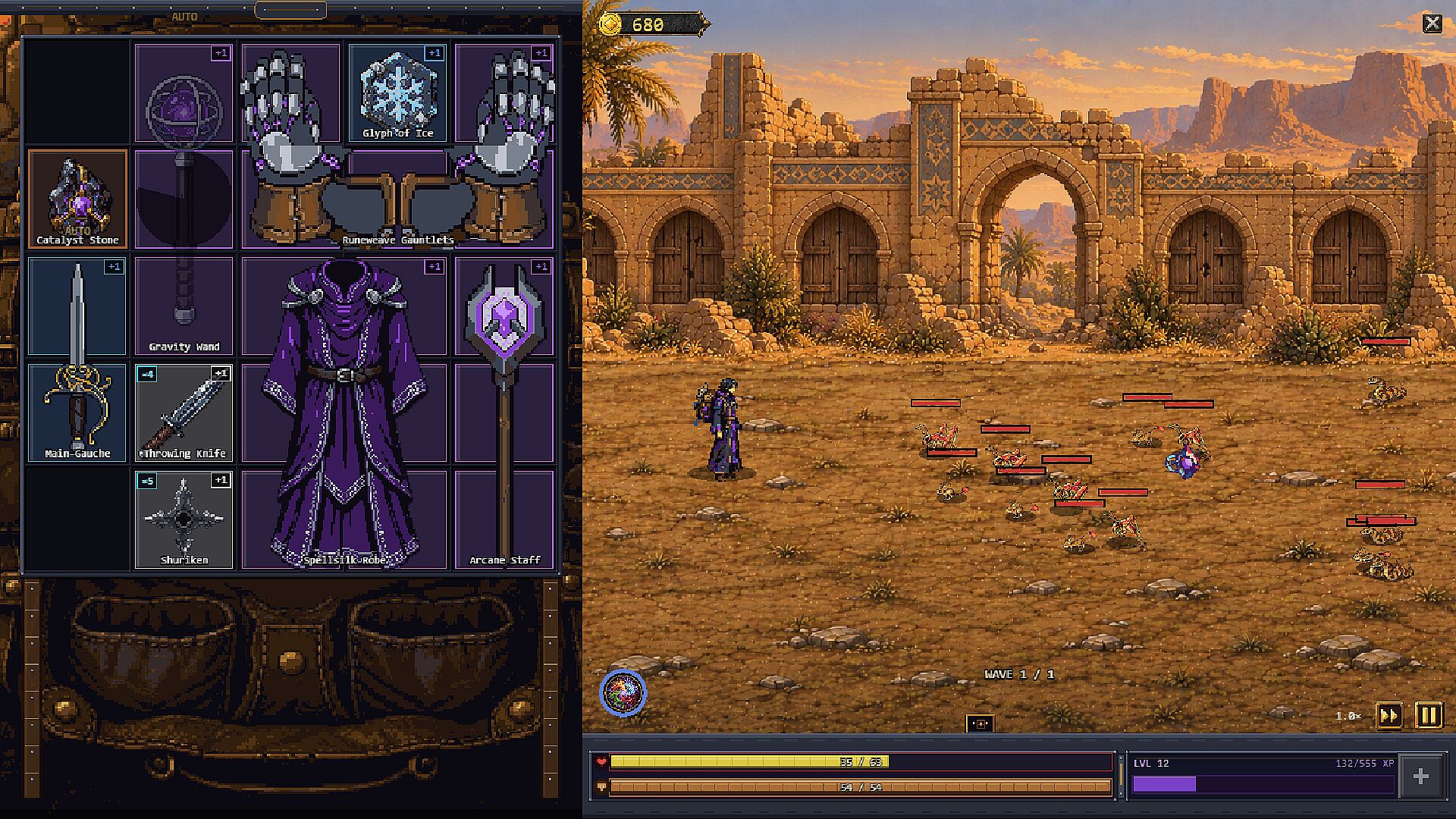
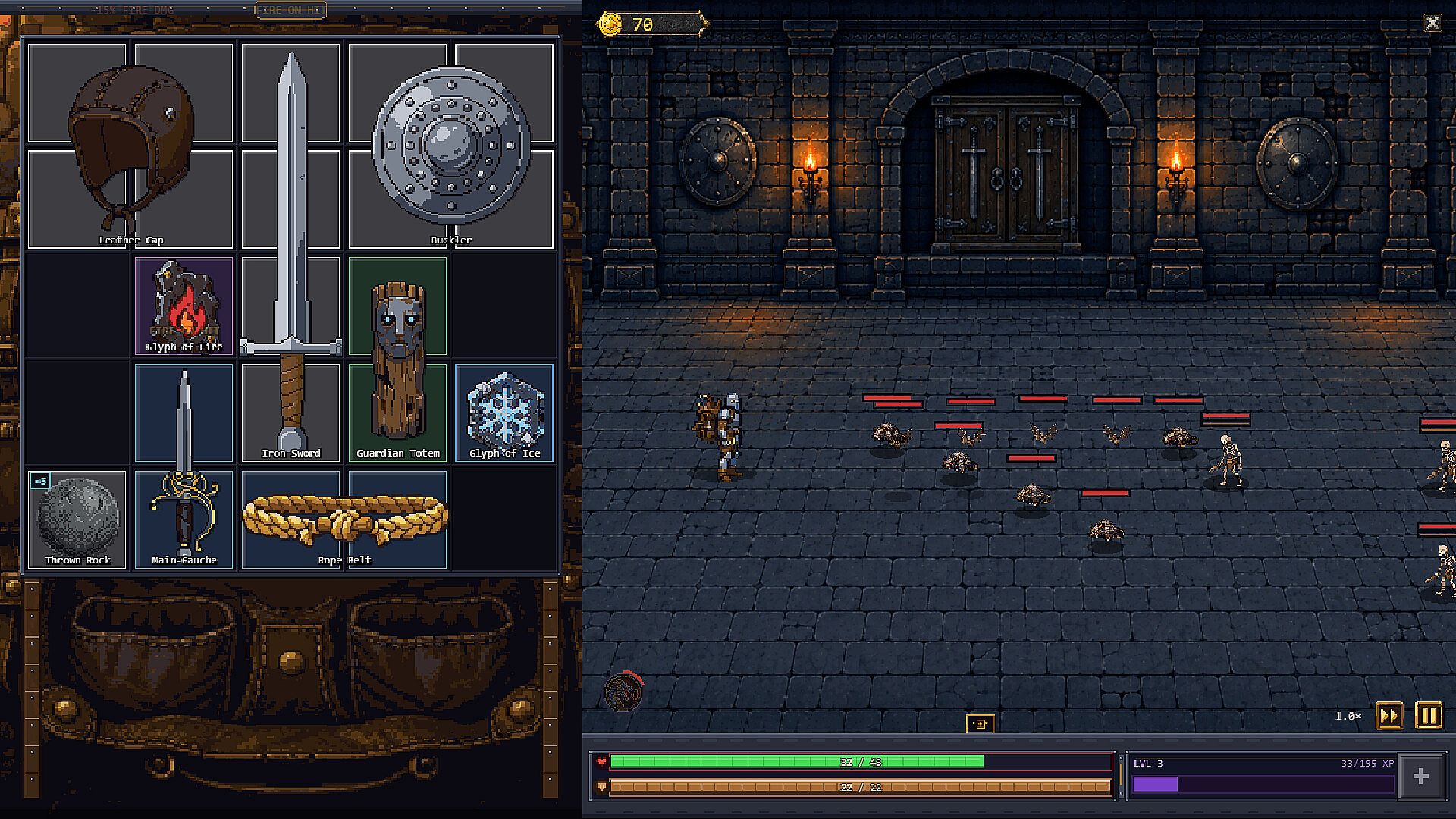
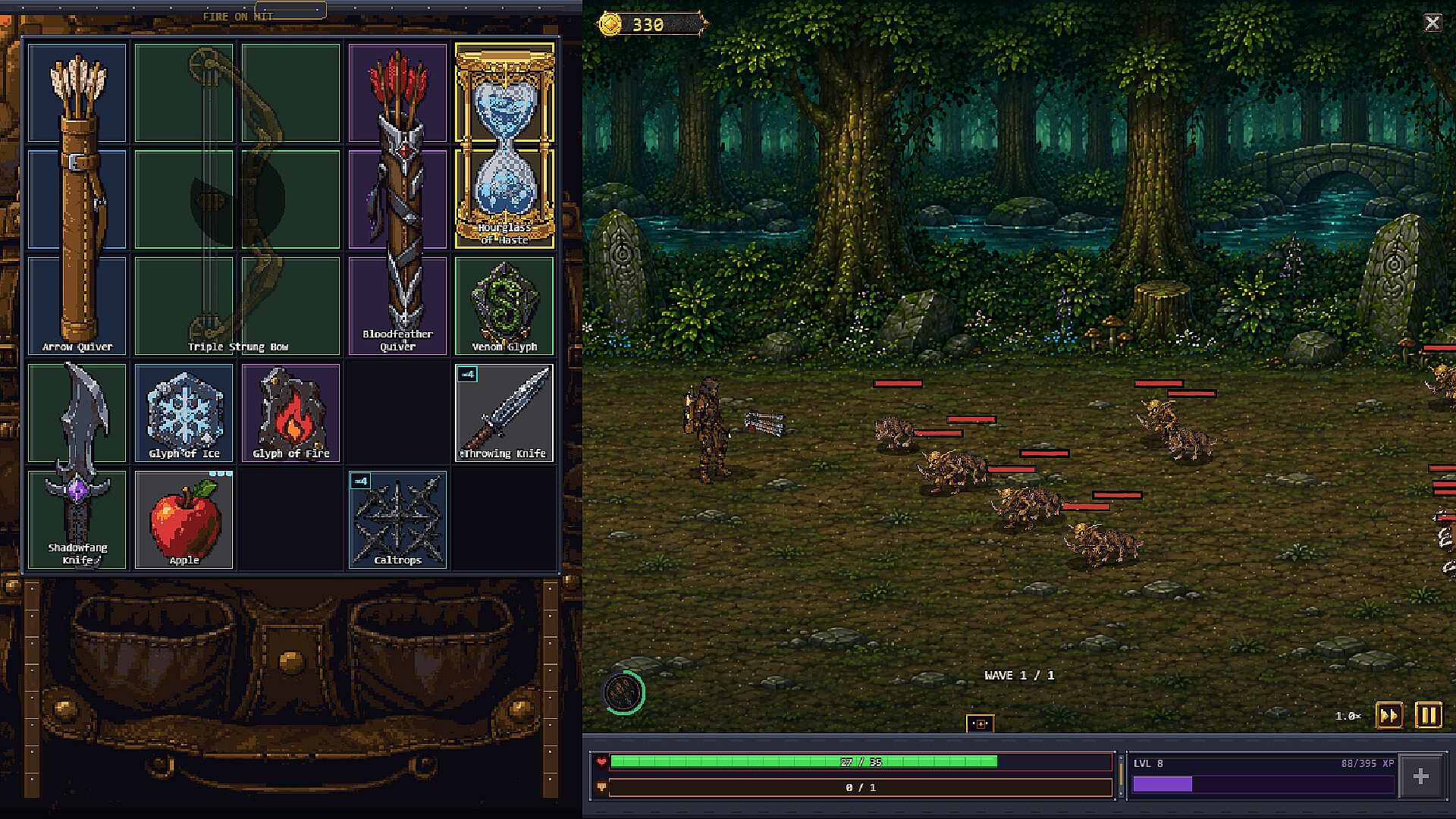
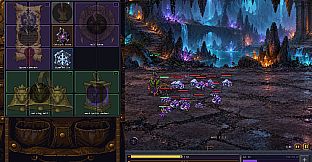
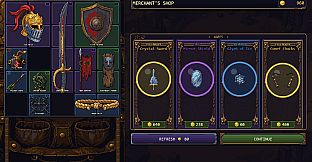
The core loop centers on inventory tetris combat. Gear pieces occupy specific shapes on a grid that expands as more space unlocks during a run. Weapons range from compact knives to large halberds and bulky armor pieces, each fitting into available slots in unique ways. Players must fit everything efficiently while leaving room for potions, relics, and other tools.
Adjacency synergies form a key layer of strategy. Placing compatible items edge to edge activates extra effects such as increased damage, added defense, elemental properties, or healing that the individual pieces do not provide alone. This encourages experimentation with layouts rather than simple stacking of the strongest single items.
Combat unfolds in real time with direct player input. There are no queued attacks. Instead, players click to strike with ready weapons, block incoming damage, and manage cooldowns across the entire loadout simultaneously. Summoned allies handle some actions automatically, but timing hero powers and consumables remains essential for survival against enemies and bosses.
Game Modes
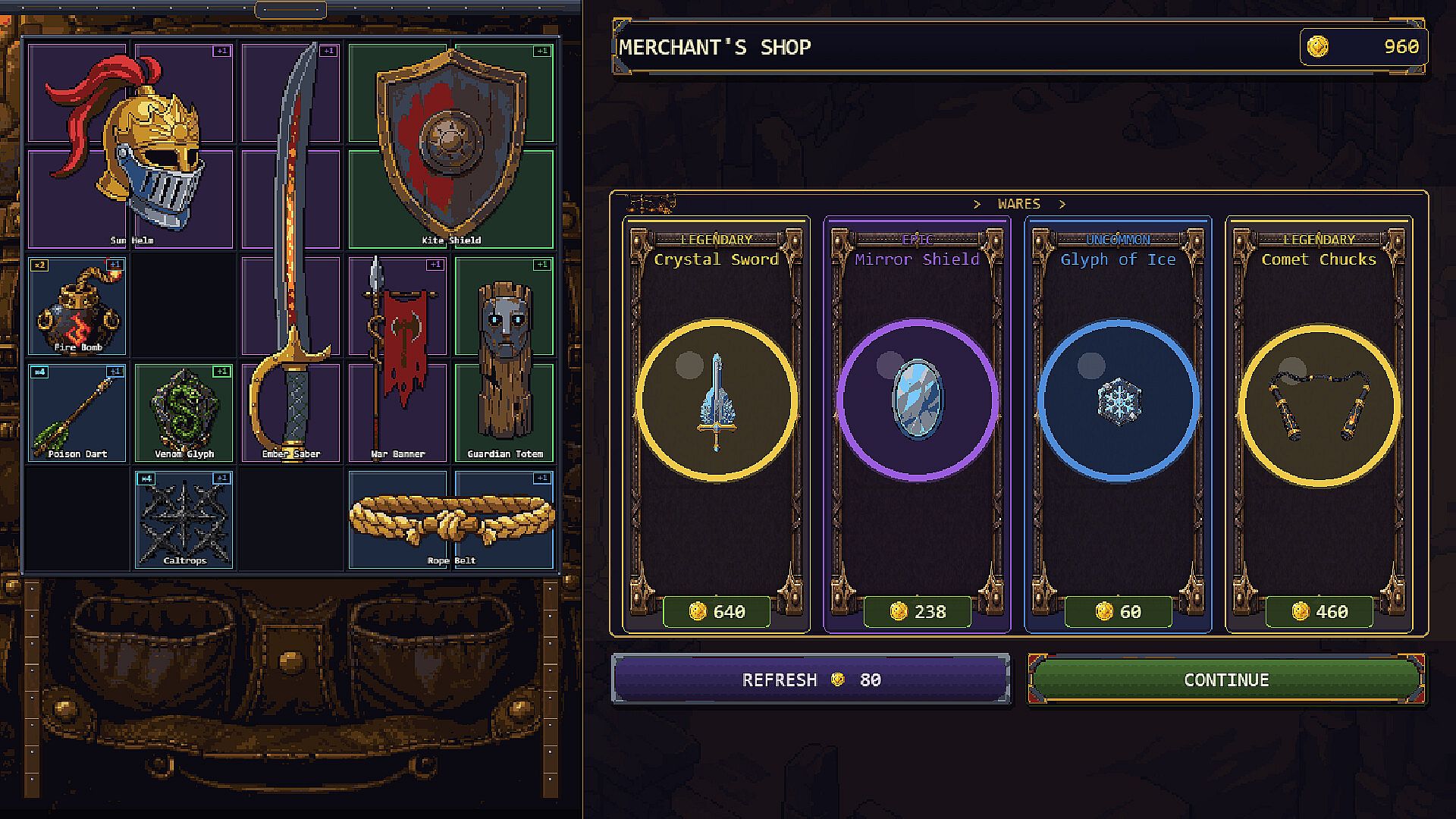
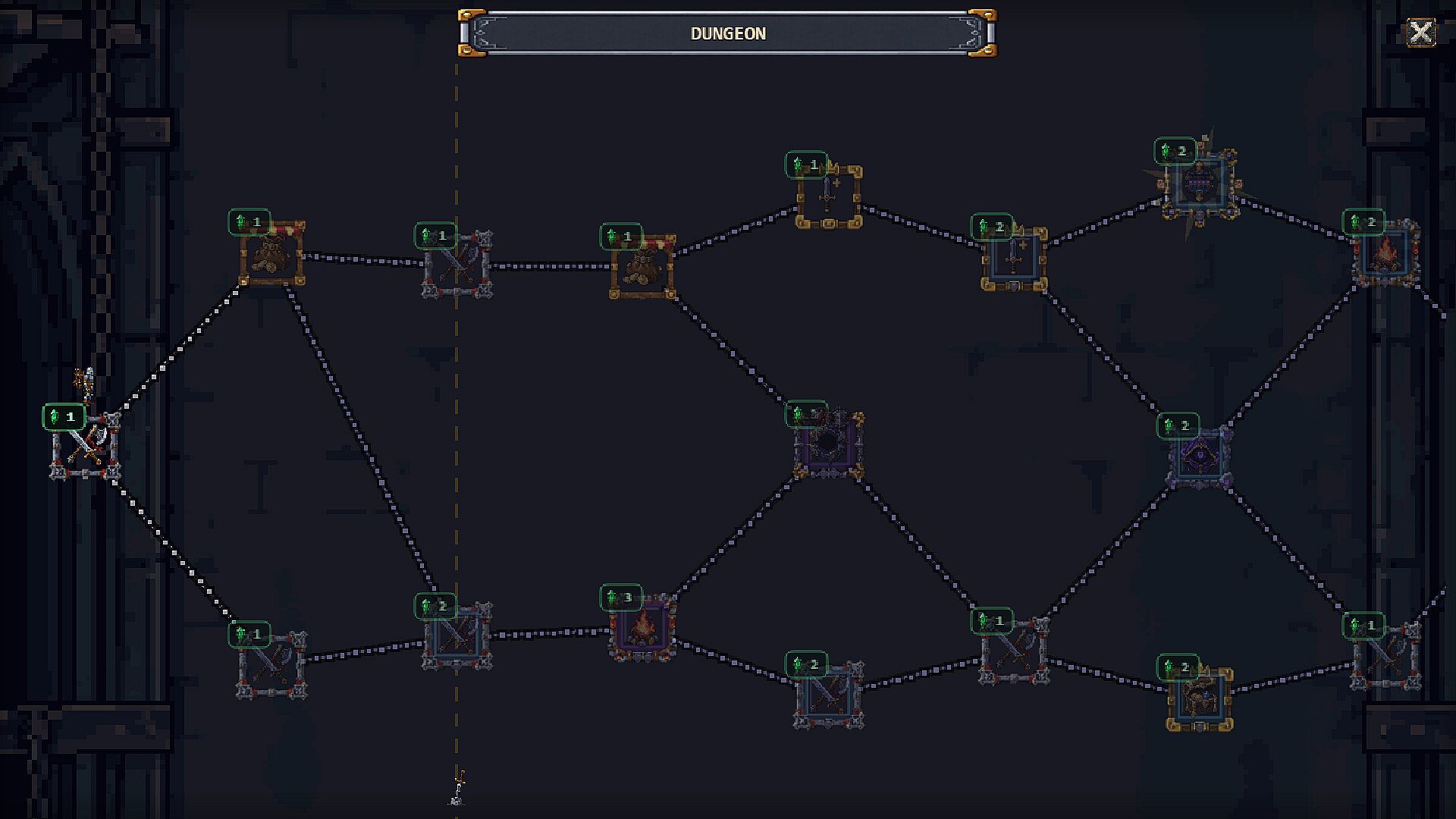
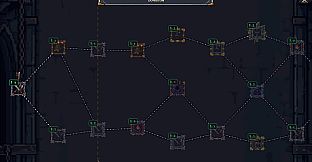
All gameplay takes place in single-player runs. Players select branching routes through environments including the Dungeon, Forest, Desert, and Crystal Cave. Each path presents encounters with enemies, opportunities to visit shops, and choices about how to use collected gear. Runs end upon defeat or successful completion, after which crystals can be spent on permanent upgrades.
The structure supports repeated playthroughs focused on different class starts and item combinations. No separate multiplayer or competitive modes exist, keeping the experience centered on solo progression and build refinement.
Classes and Progression
Four hero classes provide distinct starting points. The armored Warrior emphasizes durability, the fast and fragile Rogue prioritizes speed, the glass-cannon Mage delivers high damage output, and the Summoner relies on allies. Each class features its own hero power that players activate during fights.
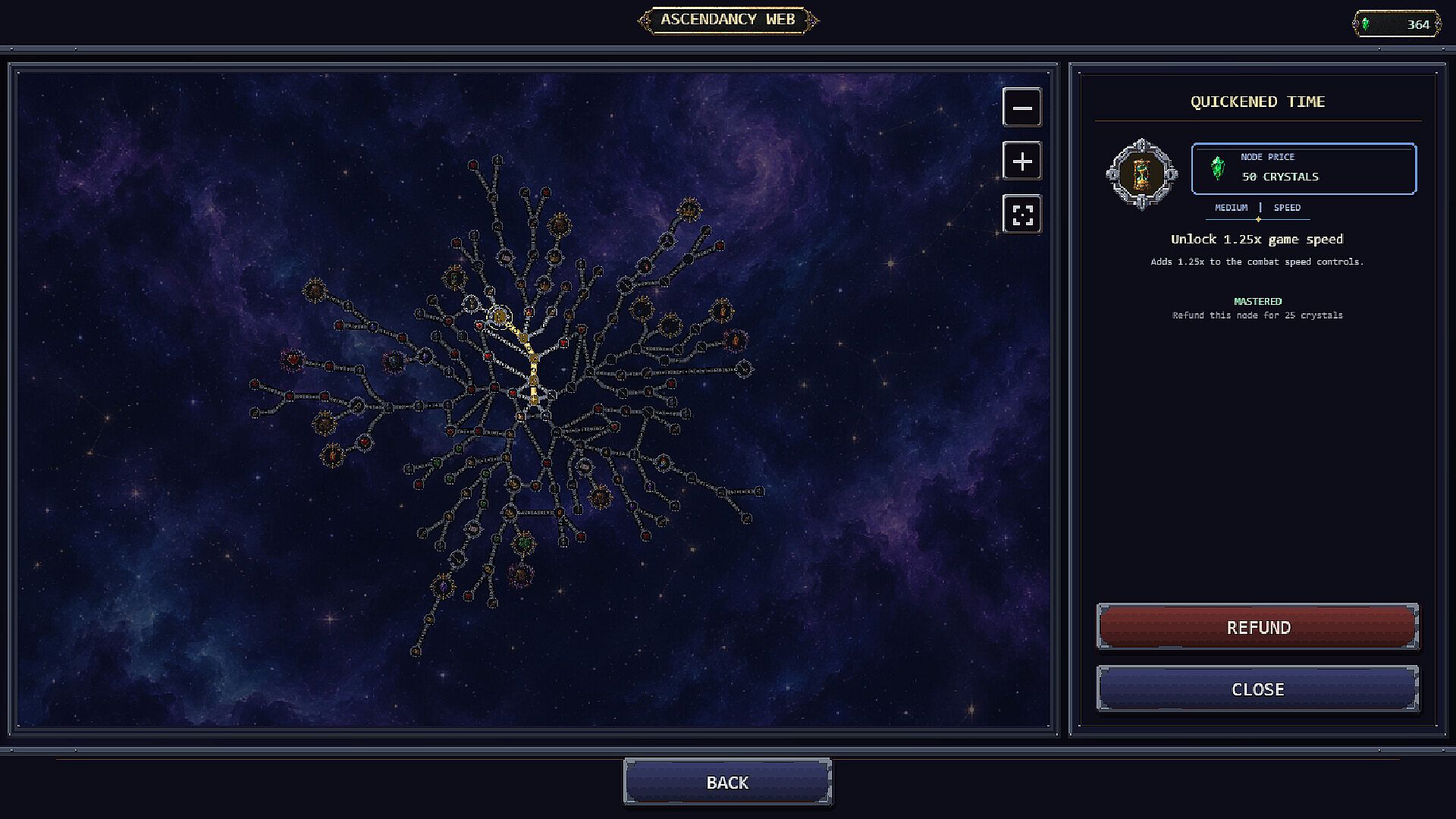
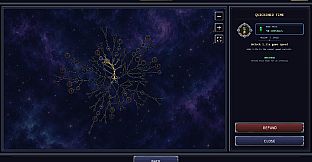
Crystals earned from completed runs fund the Ascendancy Web, a radial passive tree containing over 100 nodes. Spending points here grants permanent, build-defining upgrades that carry across multiple attempts. This system rewards consistent play and experimentation with different class and item pairings.
Items and Builds
More than 200 items and relics appear across five rarity tiers. Weapons, armor, potions, and artifacts each carry unique shapes and adjacency behaviors that influence how they interact on the grid. Discovering new pieces and testing combinations drives much of the long-term appeal.
Successful builds often revolve around chaining multiple adjacency bonuses while maintaining enough space for cooldown management and defensive options. The growing grid size later in runs allows for more complex arrangements, but early decisions about what to keep or discard remain critical.
Is It Worth Playing?
Backpack Ascendancy suits players who enjoy inventory puzzle mechanics combined with real-time action in a roguelite framework. The emphasis on physical arrangement and adjacency effects creates a distinct feel compared to traditional equipment systems. Runs through varied environments and the option to unlock classes and web upgrades provide clear progression goals.
The game runs offline with local saves and requires no account for core play. Optional rewarded ads exist but do not block access to any content. Those drawn to strategic item placement and iterative build crafting will find the systems rewarding, while players seeking multiplayer or narrative depth may want to look elsewhere.











