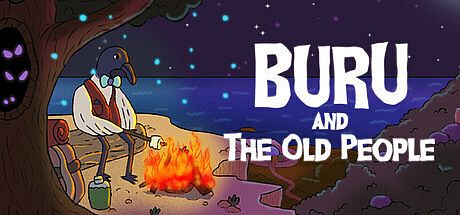


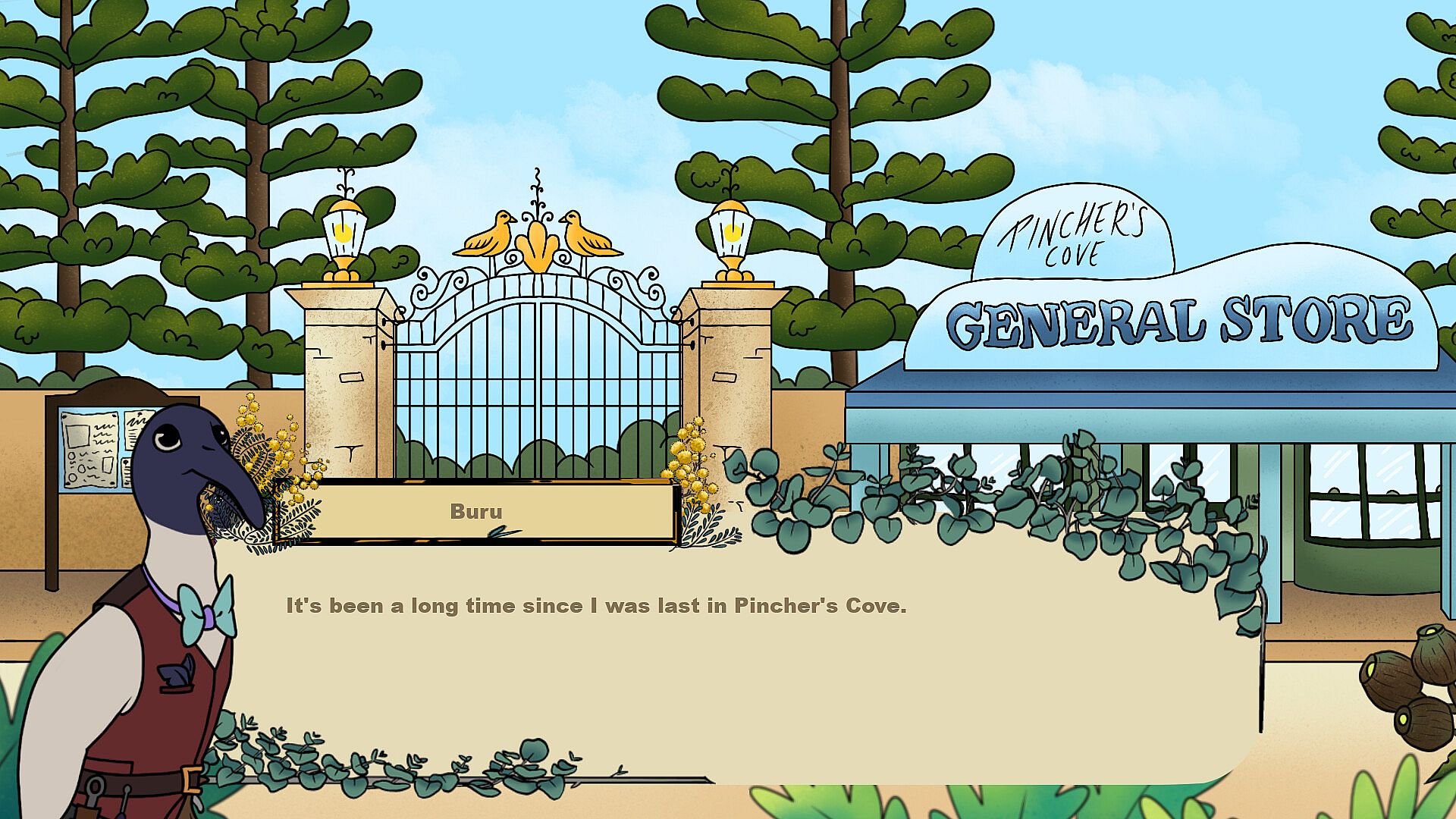
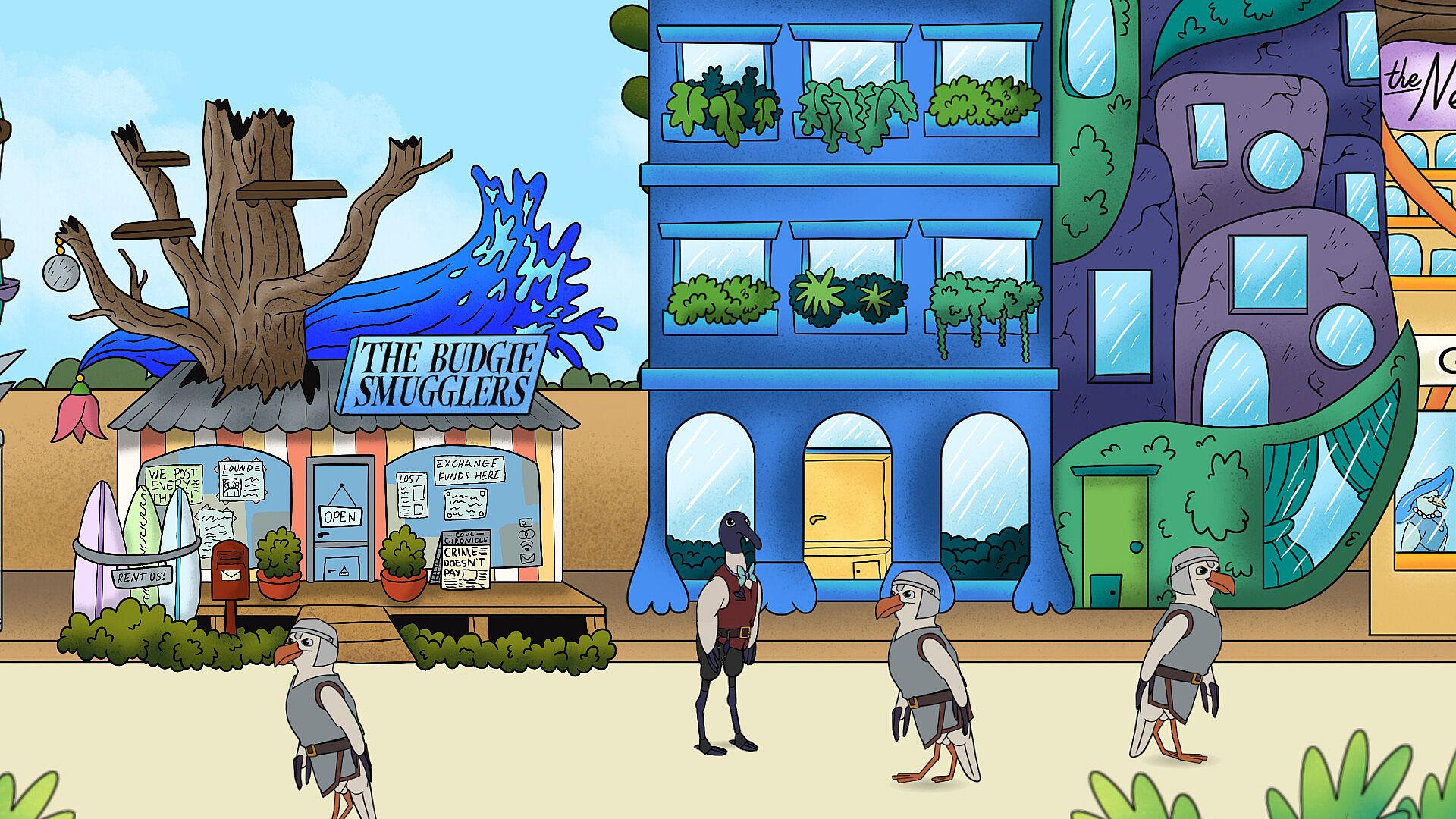
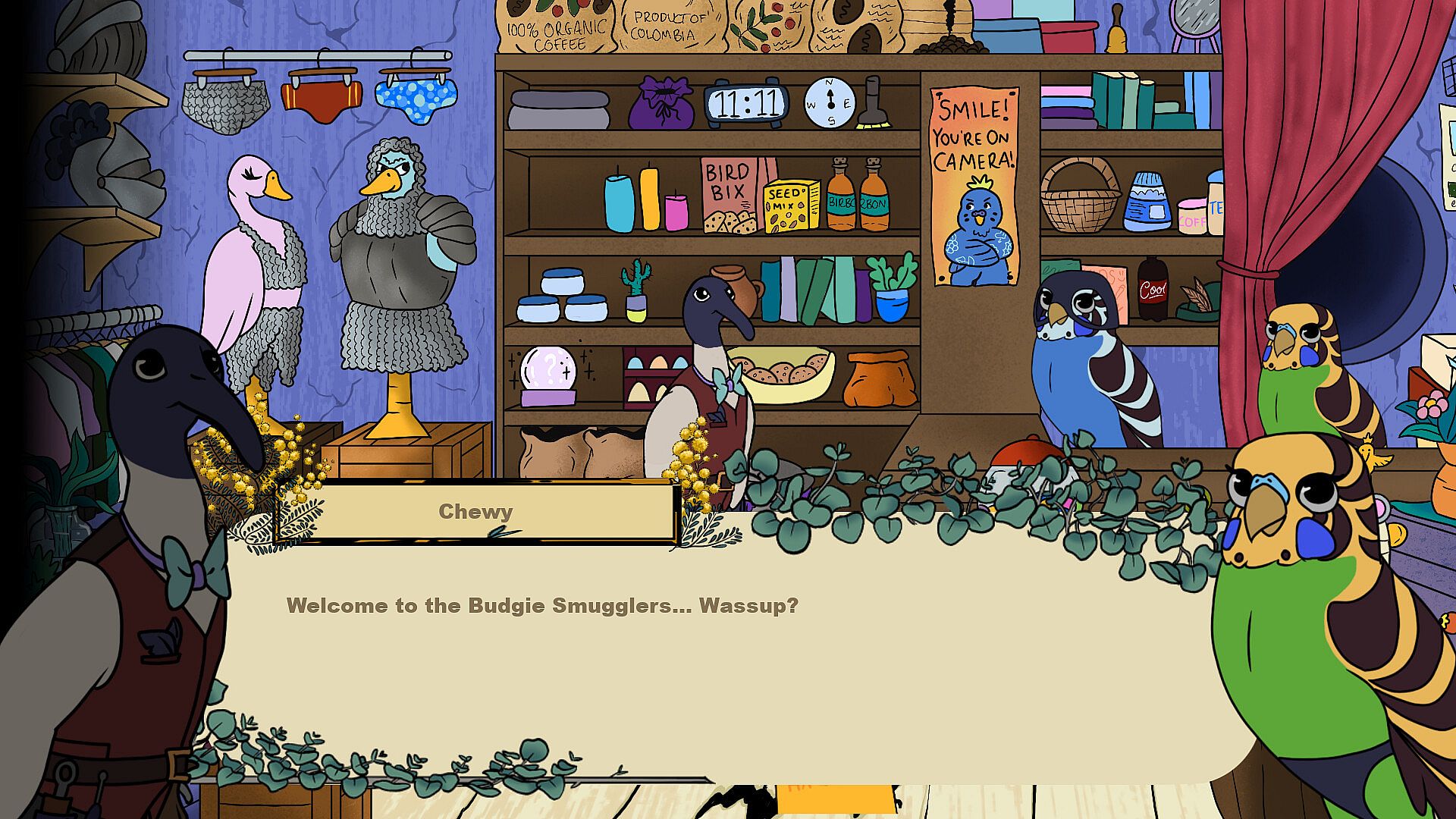
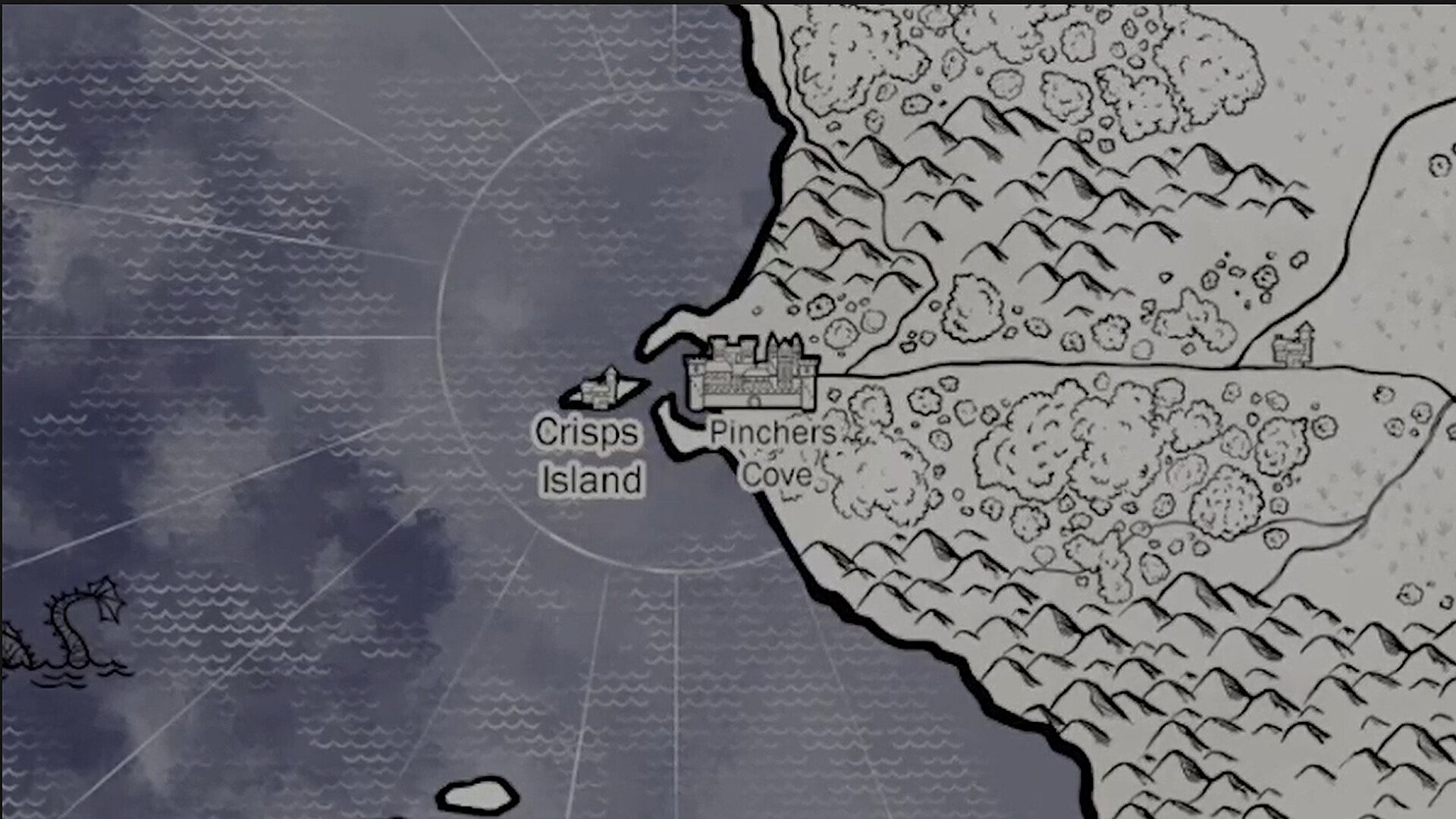
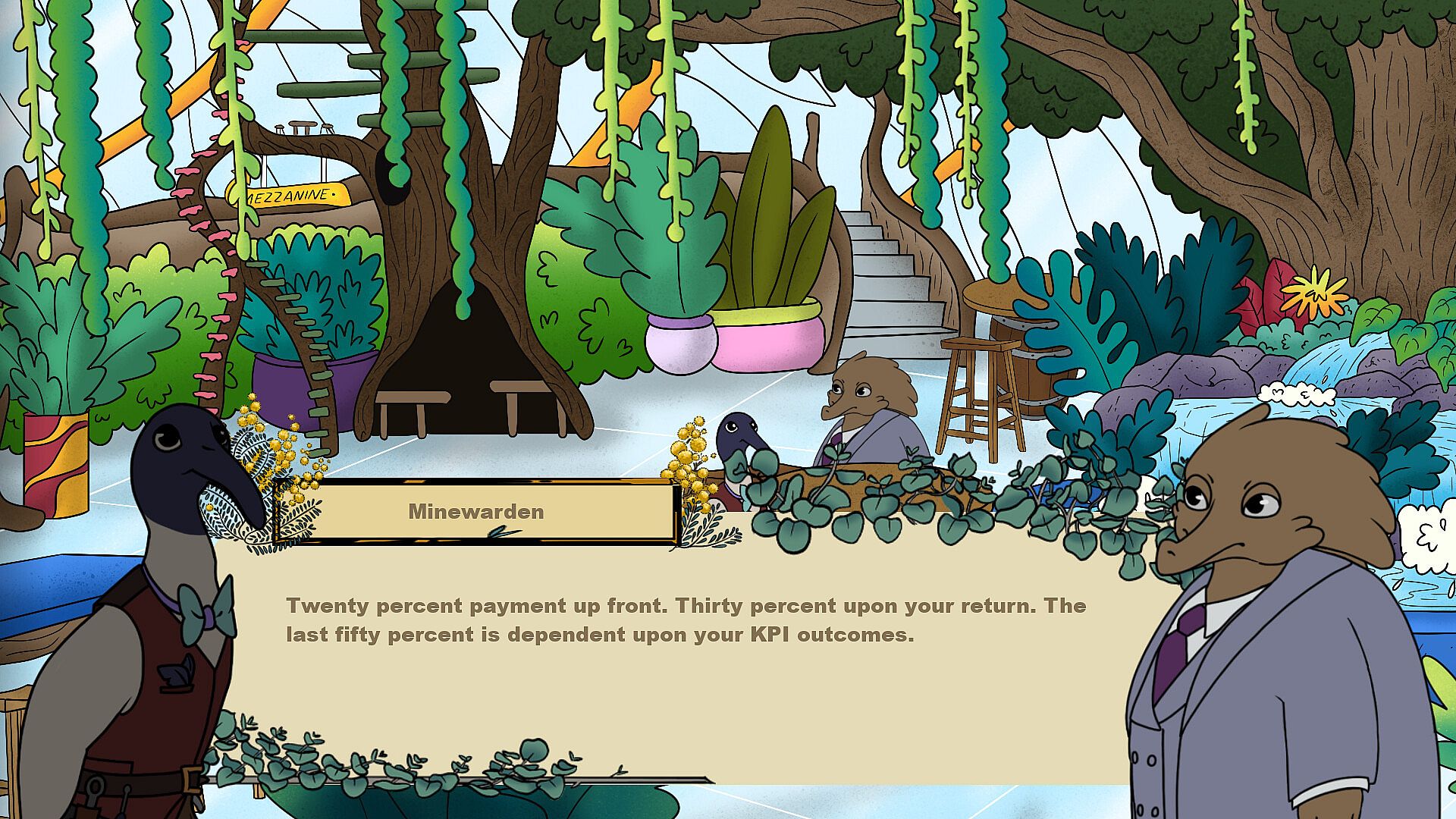
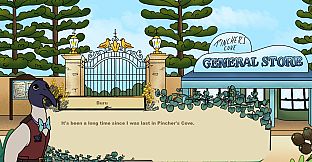
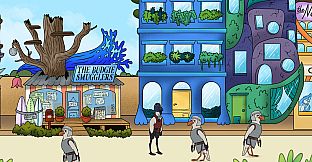
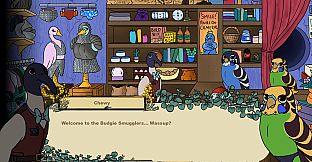
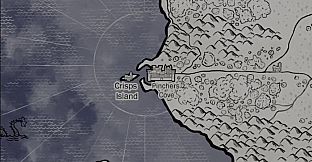

Buru and The Old People ist ein von Elfcat Studio für den PC entwickeltes, entspanntes Indie-Adventure. Im Mittelpunkt steht Bururrgan, genannt Buru - ein weißer Ibis und ehemaliger Dieb, der in die Küstenstadt Pincher's Cove zurückkehrt, um einen letzten Auftrag zu erledigen. Erkundung, Gespräche und Entscheidungen in einer handgezeichneten Welt, die von australischen Landschaften und indigenen Erzähltraditionen inspiriert ist, prägen das Spielerlebnis.
Gameplay
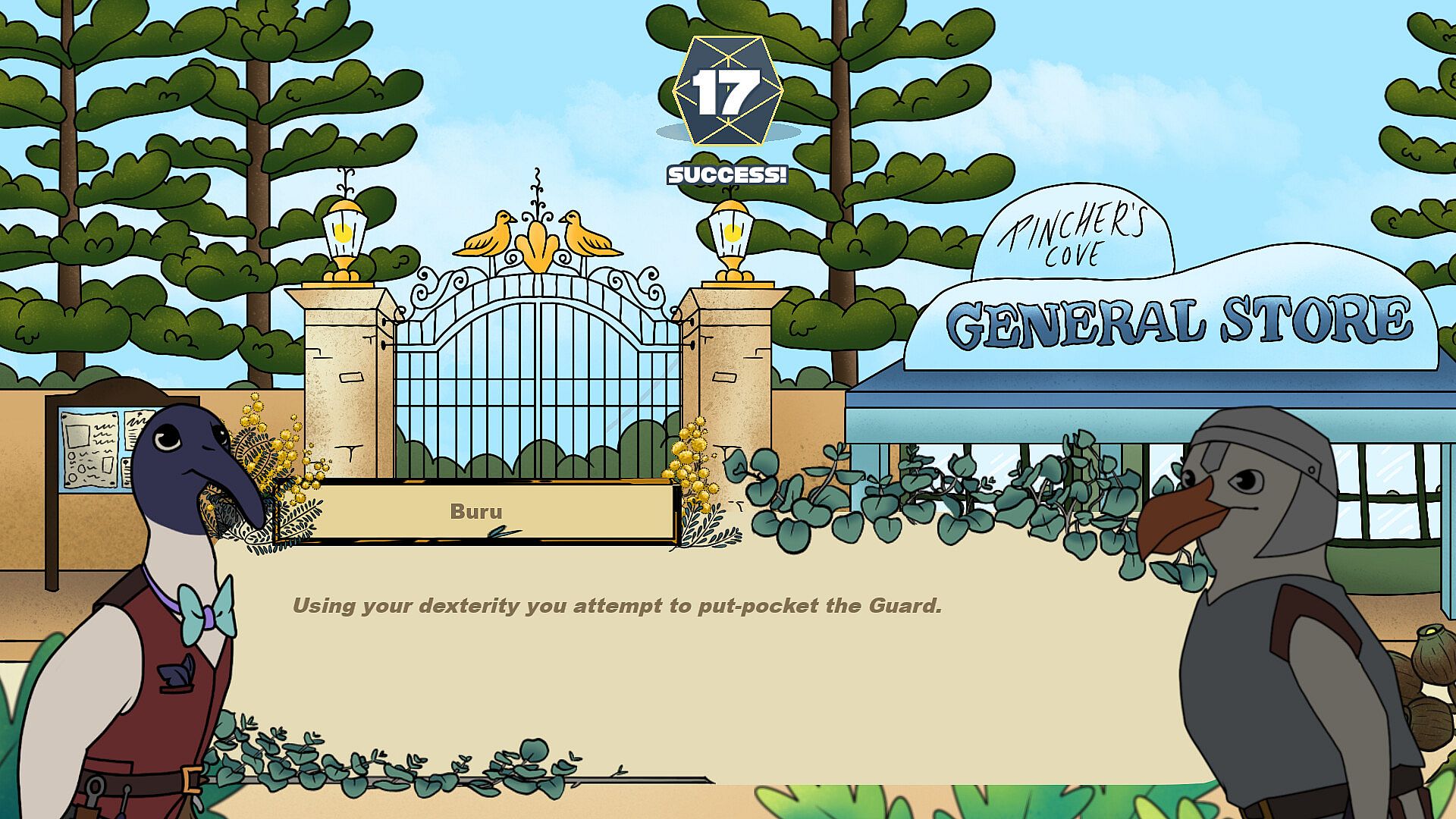
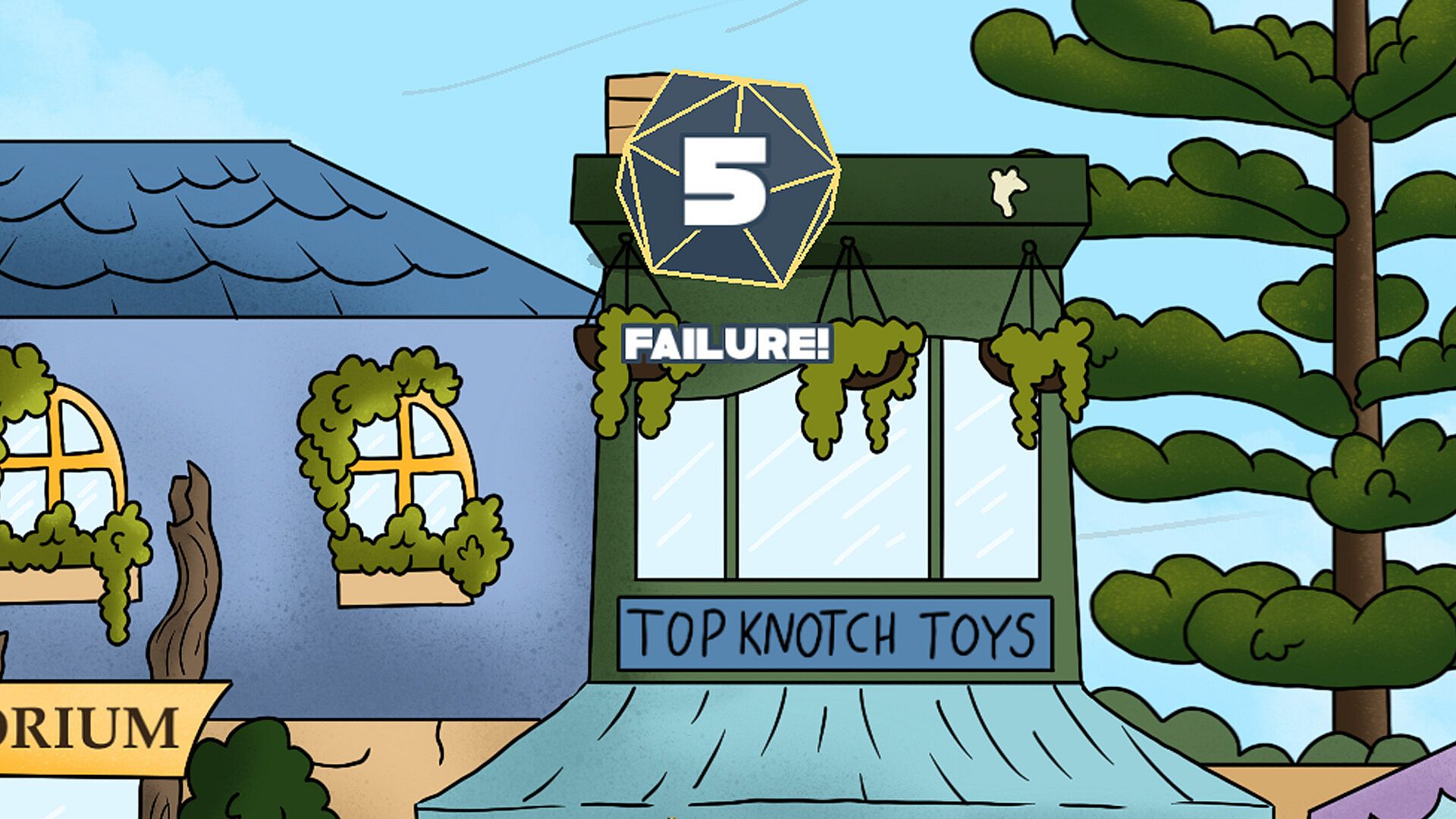
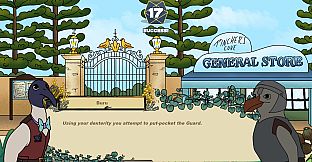
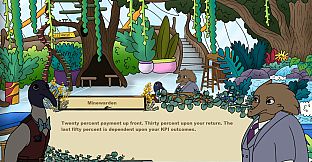
Spieler bewegen sich durch farbenfrohe Umgebungen, unterhalten sich mit anthropomorphen Bewohnern und lösen kurze Interaktionssequenzen, die den Verlauf der Geschichte beeinflussen. Würfelwürfe nach TTRPG-Regeln bestimmen die Ergebnisse und wirken sich auf Beziehungen und Handlungsstränge aus. Je nach Situation kann Buru Konflikten ausweichen, kleinen Ärger verursachen oder kleine Freundlichkeiten erweisen. Das System belohnt Eigeninitiative und Experimentierfreude innerhalb der knappen Erzählstruktur.
Der Fortschritt wirkt bewusst begrenzt. Jede Begegnung fügt der zentralen Rätselgeschichte rund um die Vorgänge in den Bergen weitere Facetten hinzu, während die kompakte Länge den Fokus auf das Wesentliche lenkt. Steuerung per Tastatur und Maus sowie geringe Systemanforderungen sorgen für eine breite Zugänglichkeit auf Windows-Rechnern.
Spielmodi
Das Spiel ist ein reines Singleplayer-Narrativ ohne Multiplayer- oder Wettbewerbsmodi. Der gesamte Inhalt entfaltet sich entlang eines durchgehenden Handlungsstrangs, der über die Minispiele Verzweigungen ermöglicht. Diese TTRPG-inspirierten Sequenzen ersetzen klassische Dialogbäume durch würfelbasierte Entscheidungen, deren Folgen sich auf spätere Ereignisse auswirken.
Da der Titel auf Entscheidungsfreiheit in einem überschaubaren Rahmen setzt, ergibt sich der Wiederspielwert vor allem aus unterschiedlichen Herangehensweisen an dieselben Begegnungen - nicht aus separaten Modi oder Kampagnen. Im Vordergrund steht die narrative Kohärenz, nicht lange Spielzeiten oder prozedurale Vielfalt.
Handlung und Setting
Buru knüpft in Pincher's Cove alte Kontakte wieder und erfährt mehr über die Sorgen der Bewohner, die mit den umliegenden Bergen zusammenhängen. Die anthropomorphen Charaktere spiegeln australisch-indigene Einflüsse wider, und die Weltgestaltung nutzt indigene Perspektiven, um die Verbindung zwischen Mensch und Land zu thematisieren. Je nach getroffenen Entscheidungen und Beziehungen ergeben sich mehrere mögliche Enden.
Spannung entsteht vor allem durch Gerüchte und Andeutungen, die den Fokus auf persönliche Interaktionen statt auf große Konflikte legen. Das Setting verbindet Alltag am Meer mit dezent fantastischen Elementen und schafft so eine bodenständige, aber unverwechselbare Atmosphäre.
Grafik, Sound und Entwicklung
Die Grafik setzt auf einen lebendigen, handgezeichneten Stil, der die australisch inspirierten Umgebungen und Charaktere hervorhebt. Der Soundtrack besteht aus einem immersiven Fantasy-Synth-Score von Lore Spinner, der den Ton unterstützt, ohne Dialoge oder Erkundung zu überdecken. Elfcat Studio, ein kleines australisches Team mit Fokus auf indigene Erzählungen, hat das Projekt als Debüt-Titel realisiert; die Geschichte ist den Entwicklern persönlich wichtig.
Technisch bleibt das Spiel anspruchslos und läuft auf älteren wie neueren Windows-Systemen mit geringen Hardware-Anforderungen. Auf Steam wird das Spiel derzeit als „Coming Soon" geführt; ein Release-Datum steht noch nicht fest.
Lohnt sich das Spiel?
Buru and The Old People richtet sich an Spieler, die kurze, entscheidungsbasierte Narrative mit Tabletop-Elementen schätzen. Wer Indie-Titel mit starkem Fokus auf Charaktergespräche, kulturelle Erzählungen und leichte interaktive Sequenzen sucht, wird die Struktur ansprechend finden. Da noch keine Rezensionen vorliegen, basiert die Erwartungshaltung allein auf den beschriebenen Mechaniken und der künstlerischen Ausrichtung.
Da das Erlebnis in sich abgeschlossen und rein singleplayer-basiert ist, eignet es sich für Sitzungen, in denen konzentriertes Storytelling im Vordergrund steht. Fans von TTRPG-Elementen in Videospielen werden die Konsequenzen der Würfelwürfe zu schätzen wissen, während der überschaubare Umfang das Risiko einer zu langen Verpflichtung minimiert. Die Verfügbarkeit auf PC über gängige digitale Plattformen wird nach dem Release den Zugang bestimmen.