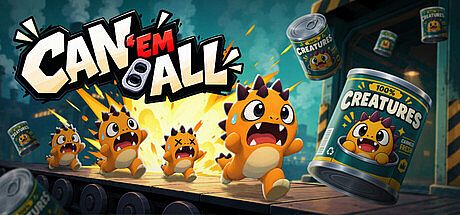


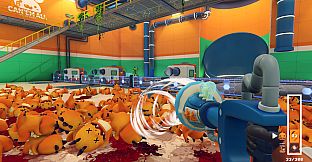
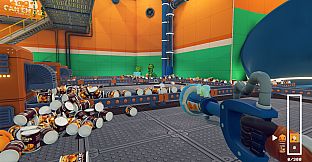
Can 'Em All is an action strategy indie simulation game for PC that blends factory management with direct combat against incoming creatures. Players operate a processing facility where deliveries arrive regularly, and the goal centers on turning those arrivals into profitable canned products through a cycle of elimination, disassembly, and sales.
Gameplay
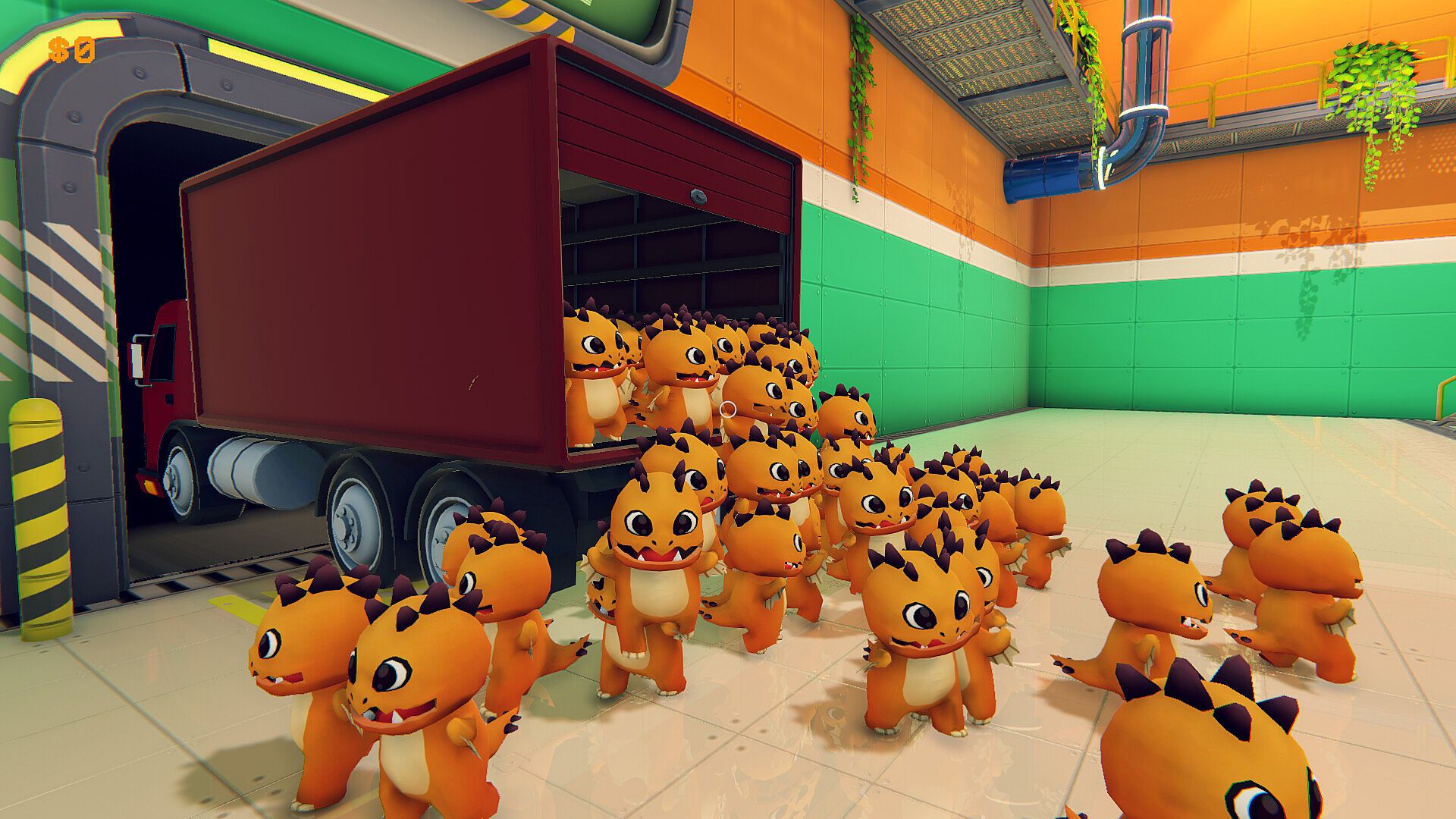
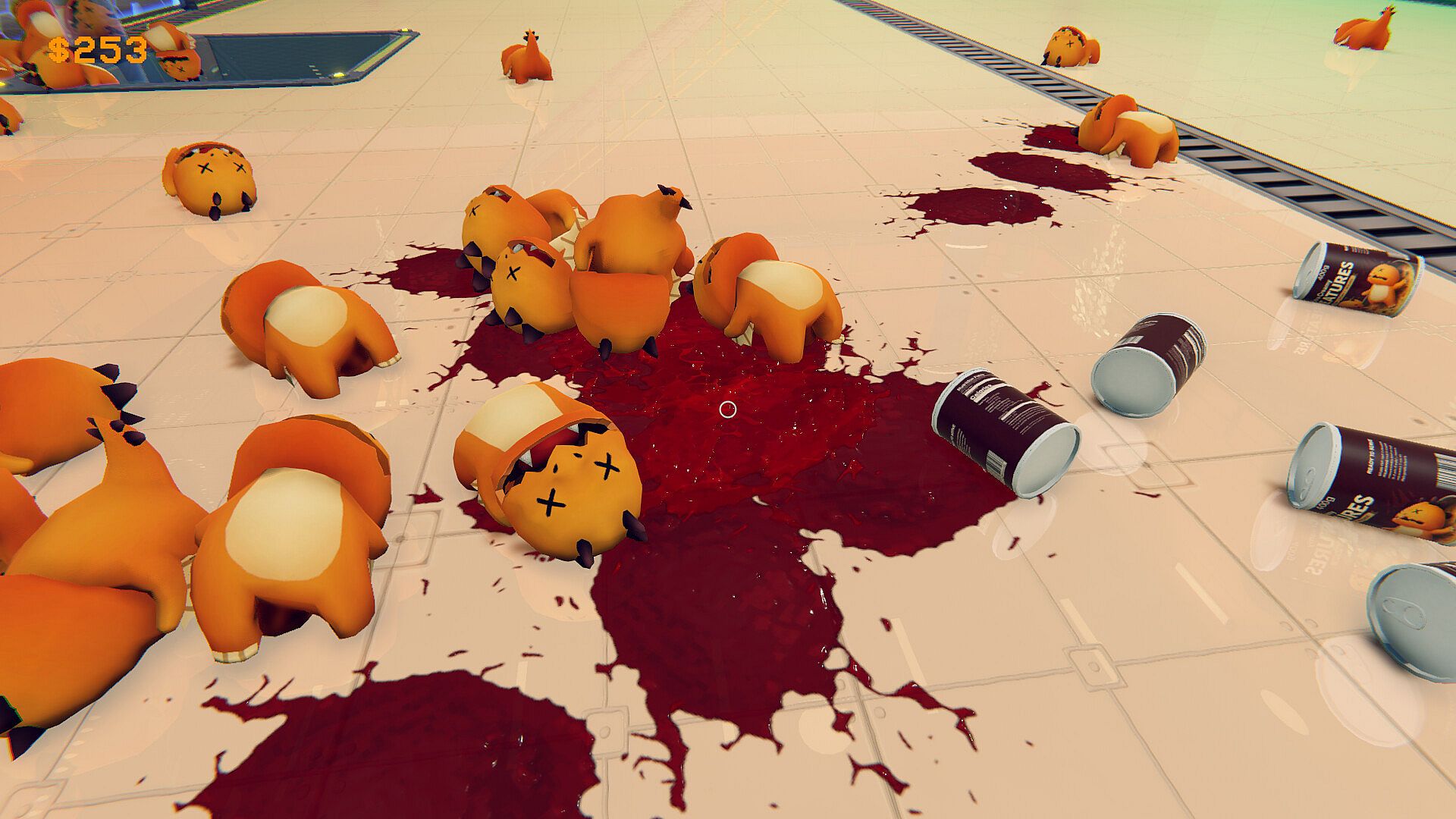
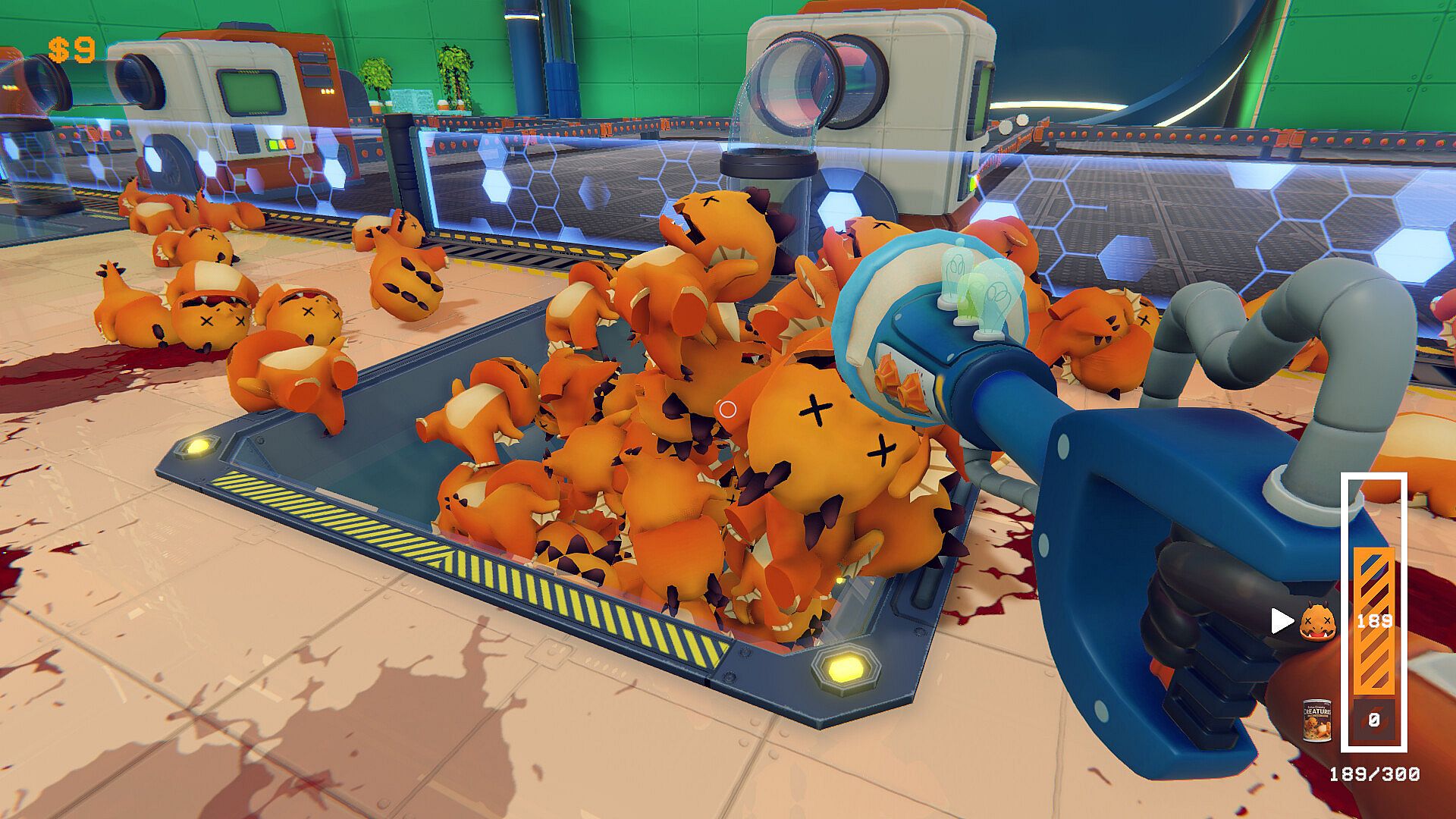
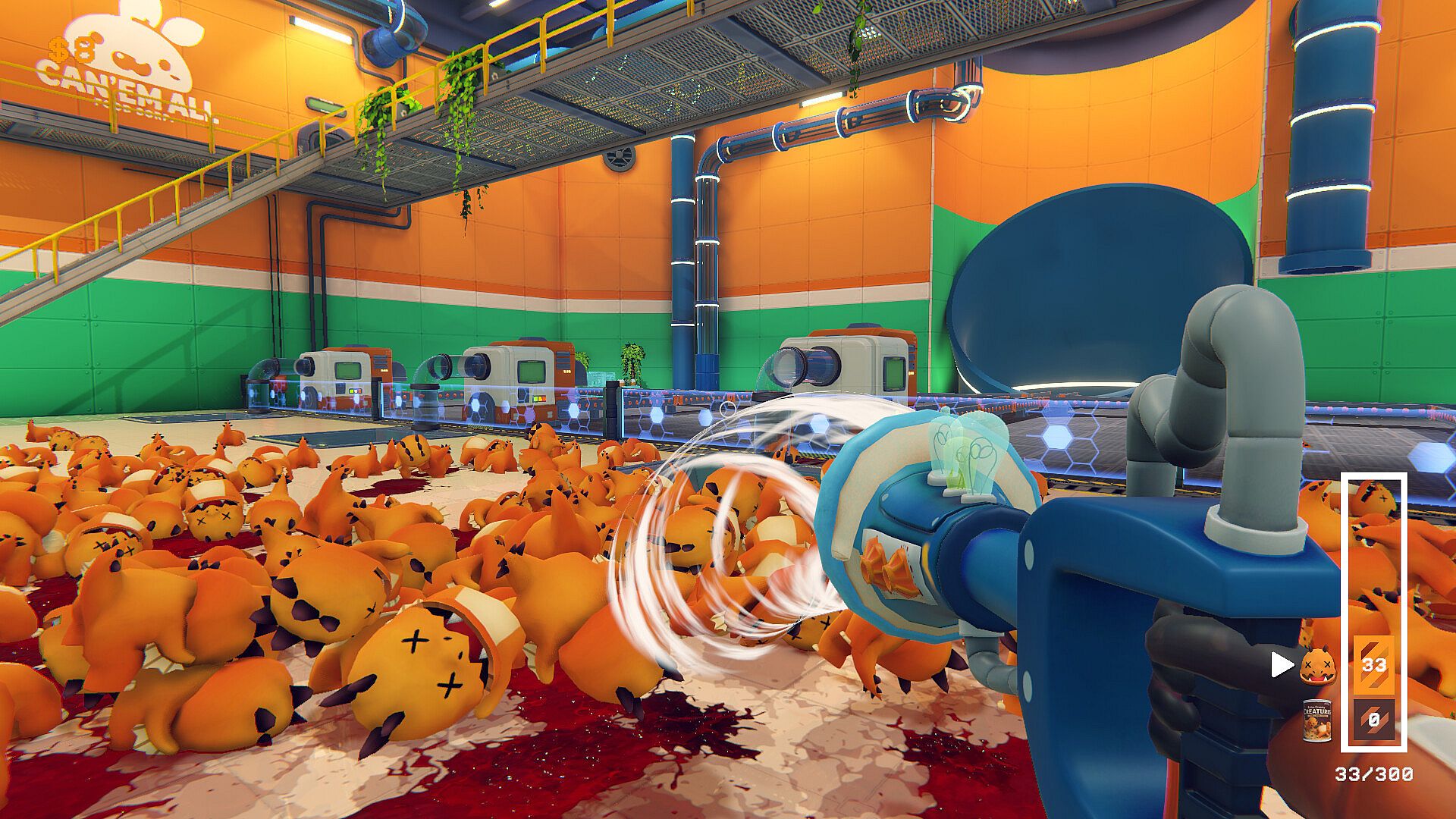
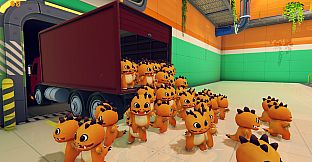
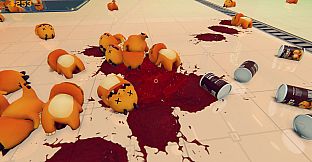
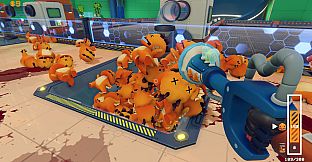
The core loop begins when a truck pulls up and unloads a fresh batch of creatures into the factory floor. These arrivals serve as both the immediate threat and the primary resource. Players grab available weapons to clear the area, removing the creatures before they cause issues. Once the space is secure, bodies are collected and fed into a crusher that breaks them down for further processing.
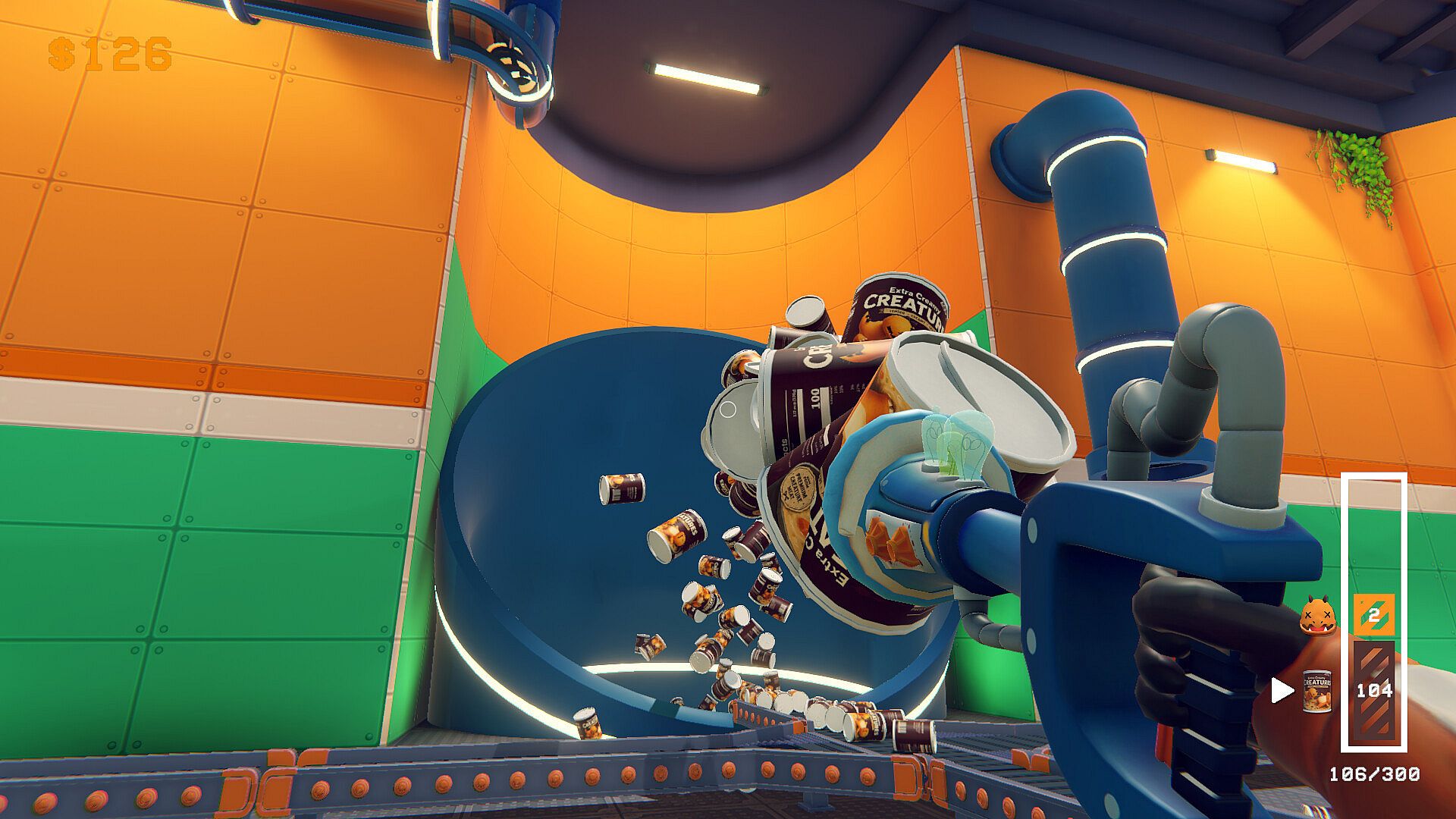
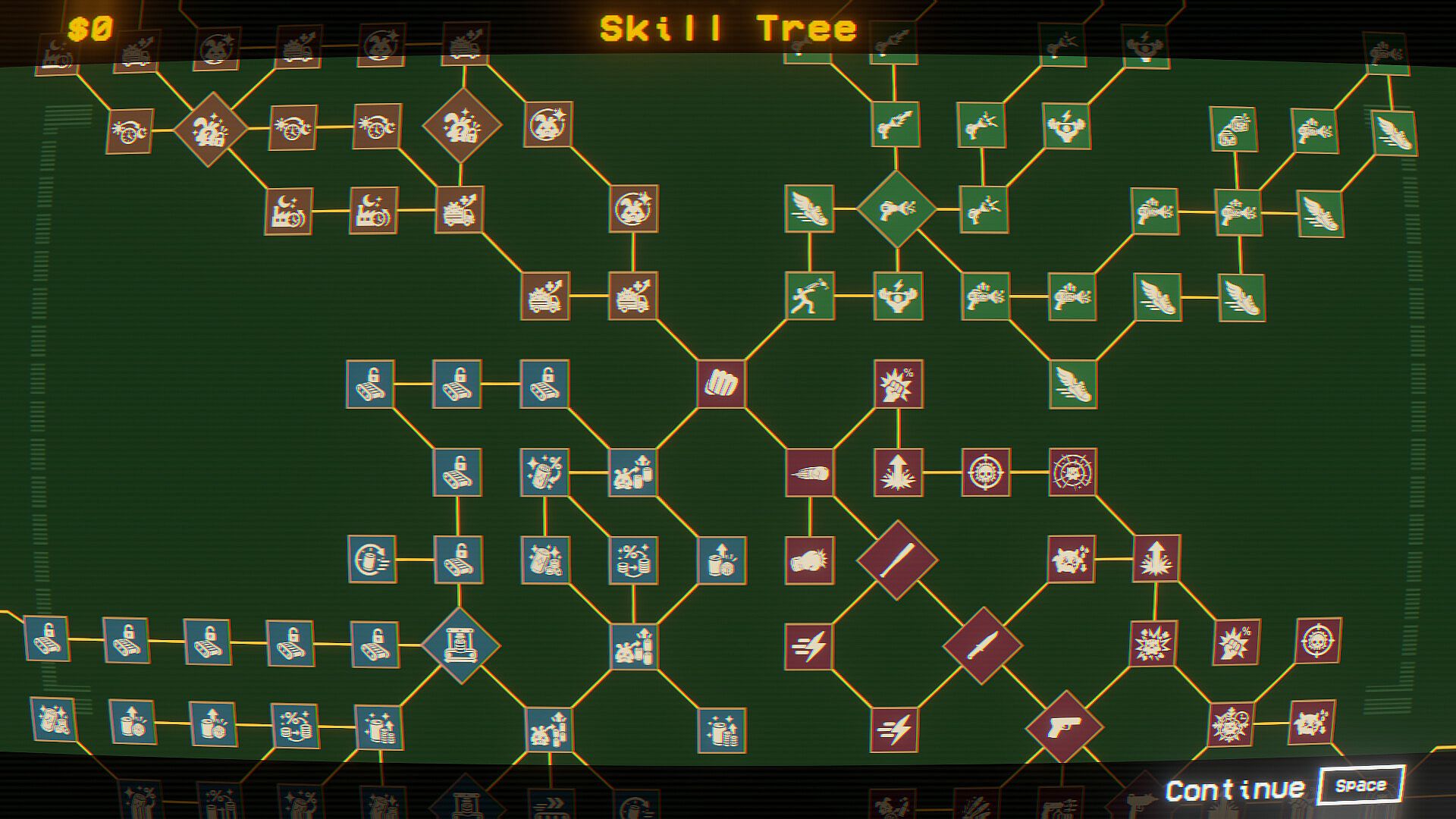
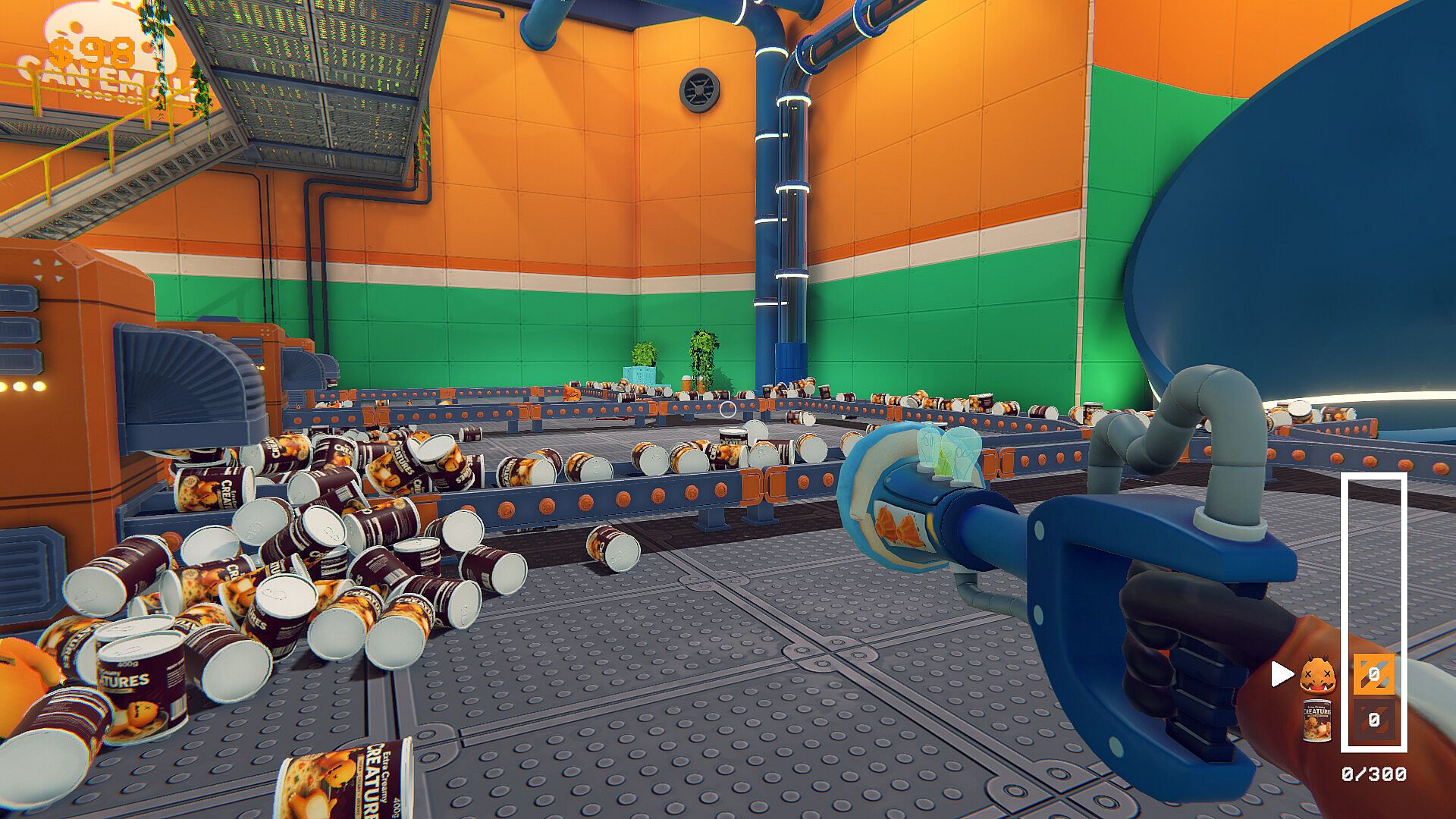
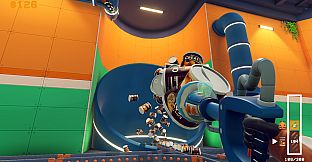
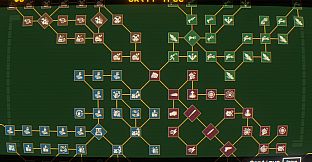
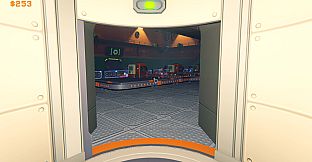
Processed material moves into the canning stage, where it gets packed and sent through a tube system for sale. Revenue from those sales funds reinvestment in the operation. Upgrades focus on better weapons for faster clears, an improved vacuum for quicker body collection, additional machines to handle volume, and conveyor belts that automate movement between stations. The progression encourages scaling production by unlocking more efficient tools and layouts while maintaining the supply of creatures through repeated deliveries.
Strategy comes into play when deciding how to allocate earnings. Early focus might stay on combat tools to handle larger batches safely, while later investments shift toward automation to reduce manual intervention. The simulation elements reward careful planning of factory flow, as bottlenecks in crushing or canning can slow overall output. Action elements keep the pace active, requiring players to respond to each delivery in real time before shifting attention to optimization.
Game Modes
Can 'Em All centers on a single-player progression system built around repeated delivery cycles and factory expansion. There are no separate named modes, but the experience evolves naturally through upgrades and automation layers. Initial runs emphasize hands-on combat and basic processing, while sustained play introduces conveyor networks and machine chains that handle more of the workload independently.
Players control the balance between active intervention and passive production. Stronger weapons and a better vacuum speed up the early stages of each cycle, freeing time for layout adjustments. Unlocked machines and conveyors then sustain higher throughput, allowing the factory to process larger deliveries with less direct oversight. The loop supports ongoing growth by linking sales income directly to new capabilities, creating a continuous drive to expand capacity and efficiency.
Factory Upgrades and Automation
Progression revolves around a clear upgrade path that ties combat improvements to production gains. Weapons determine how quickly players can secure each delivery, while the vacuum affects collection speed. Machines and conveyors then take over repetitive tasks, routing material from crusher to canner to sales tube without constant player input.
Building an efficient layout becomes key as volume increases. Players arrange conveyors to minimize delays between stations and position machines to handle peak loads from larger creature batches. Reinvestment decisions shape the factory's long-term output, with each upgrade compounding the ability to scale operations further. The simulation rewards thoughtful placement and sequencing, turning the initial manual process into a more automated system over time.
Is It Worth Playing?
Can 'Em All suits players who enjoy simulation and strategy titles that incorporate direct action elements. The dark premise of processing creatures for profit adds a distinctive tone to the factory-building loop, and the upgrade system provides steady goals through weapon improvements, collection tools, and automation infrastructure. Those who like managing resource flows and optimizing layouts will find the core cycle engaging, especially as conveyors and machines reduce the need for constant manual work.
The game remains a single-player experience focused on personal progression rather than competitive or multiplayer elements. Its indie scope keeps the mechanics straightforward, centering on the delivery-to-sales pipeline and the tools that enhance it. Players interested in action-strategy hybrids with simulation depth may appreciate the blend of real-time combat and long-term factory planning, while those seeking purely passive automation or extensive story content might find the scope more limited. The title is available on PC and supports the described gameplay systems without additional modes or external features confirmed at this stage.