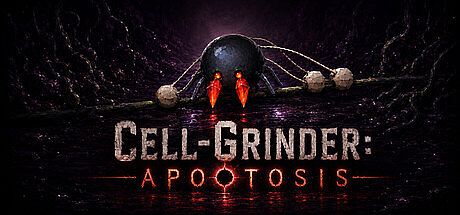


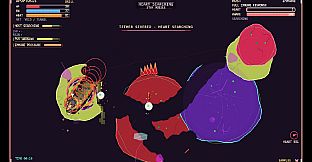
Cell-Grinder: APOPTOSIS ist ein Singleplayer-Action-Strategiespiel für den PC, in dem Spieler ein parasitäres Wesen steuern, das sich durch lebende Wirte bewegt. Präzise Steuerung, defensives Überleben und anpassungsfähige Entwicklung verbinden sich, während das Parasitenwesen versucht, lebenswichtige Ziele in jedem Körper zu erreichen und zu verzehren. Die Genres Action, Strategie, Indie, Casual und Adventure ergeben ein fokussiertes Gameplay, das auf Graben, Tether-Zerstörung und Gewebeinteraktion basiert.
Gameplay
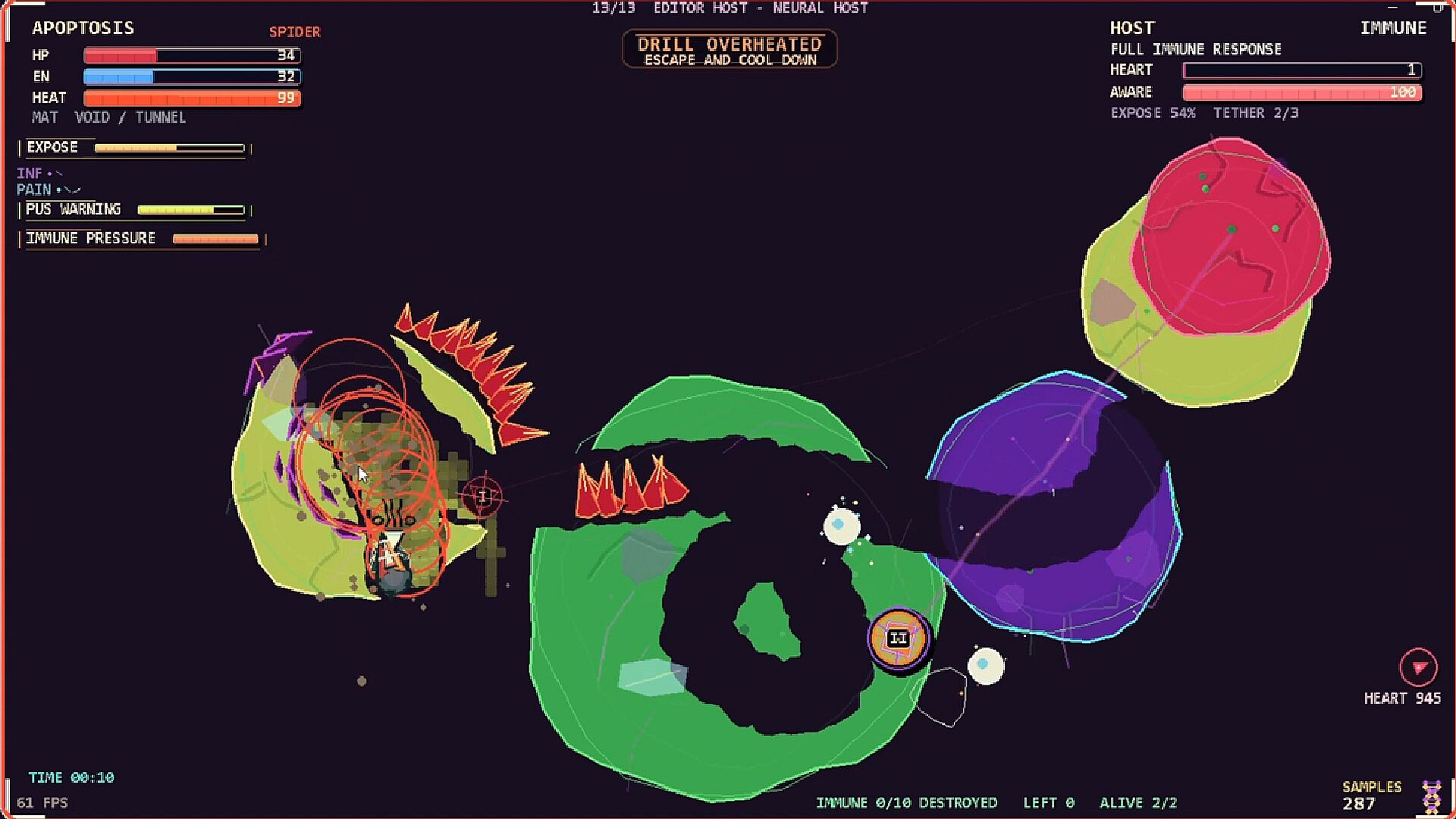
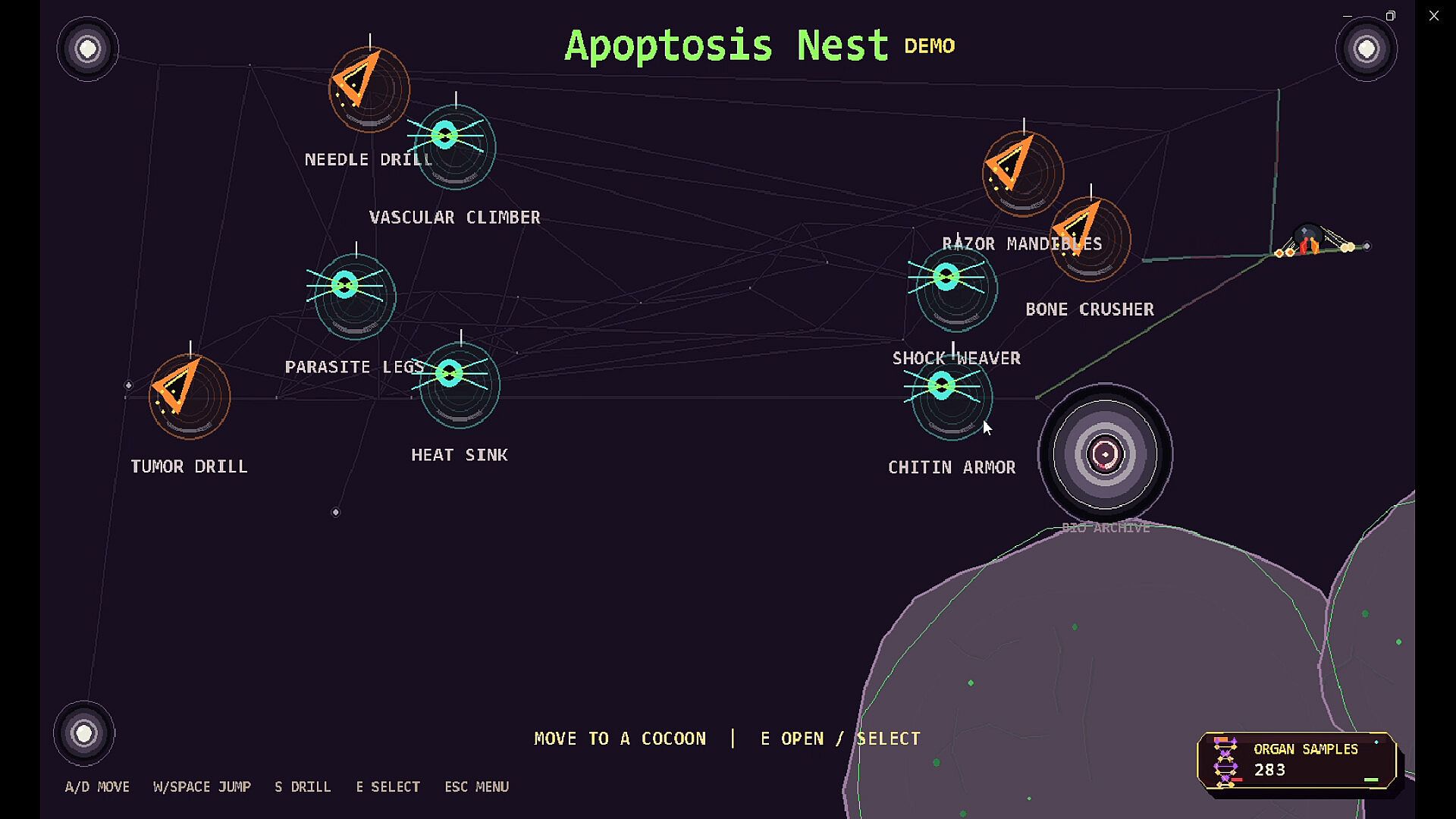
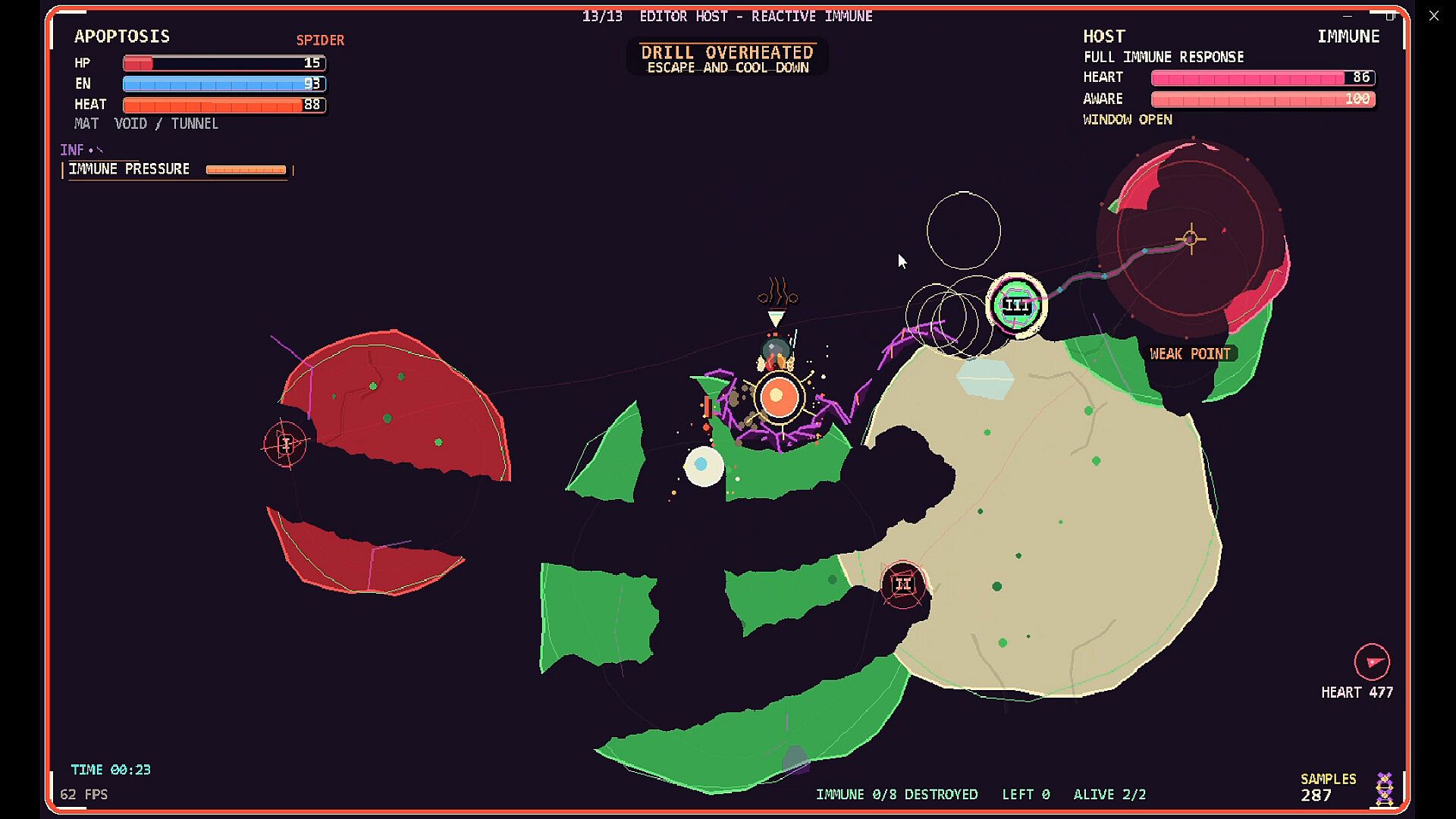
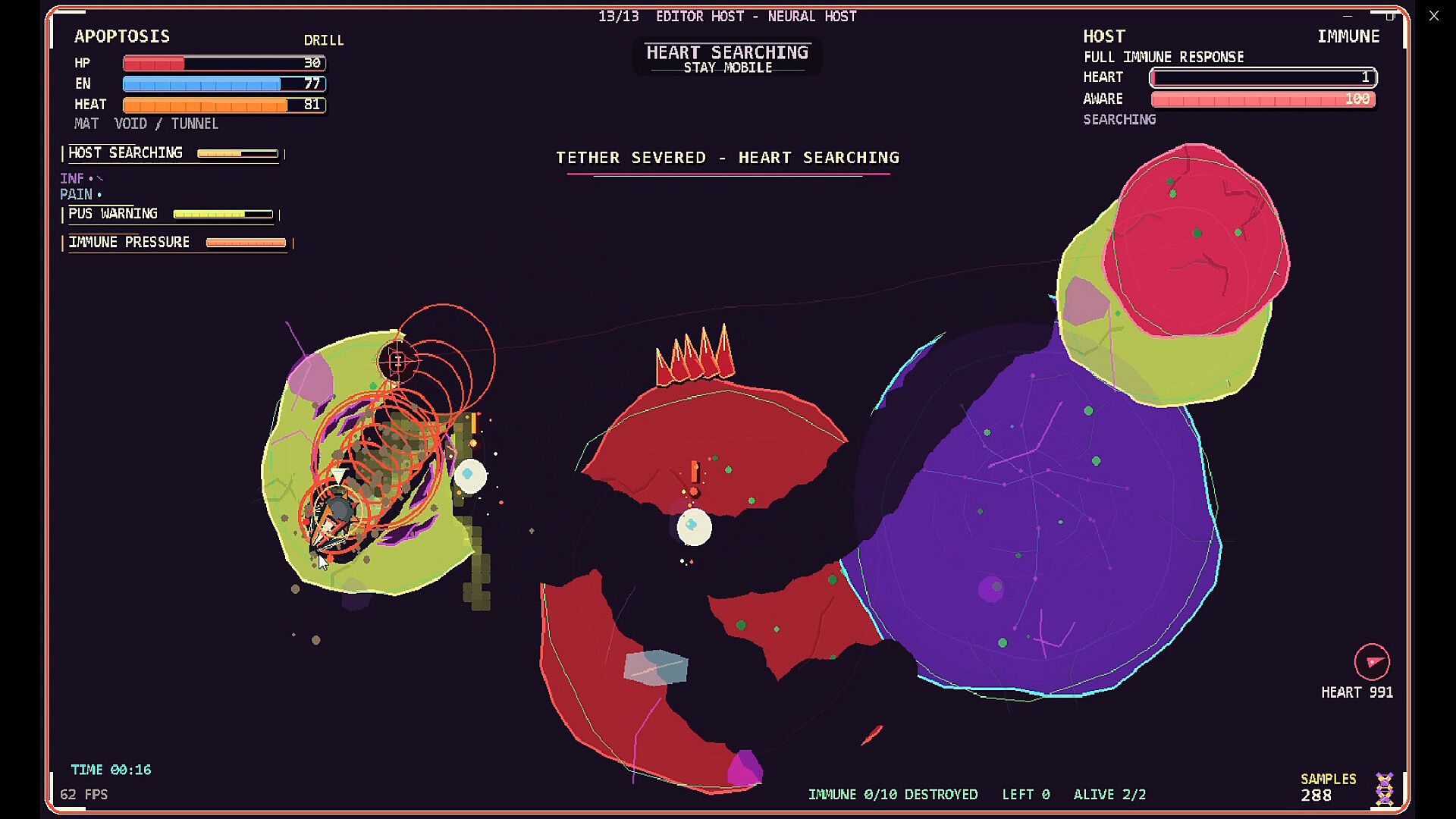
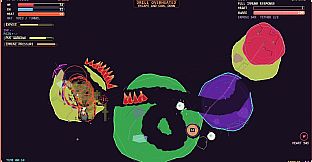
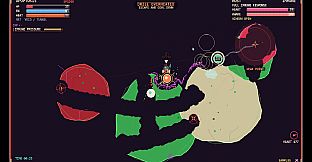
Am Anfang wacht man in einer Kokon-Struktur auf. Vor dem Eintritt in einen Wirt wählt man aus verfügbaren Builds. Die Bewegung erfolgt durch verschiedene Gewebearten, während man Immunreaktionen ausweicht oder abwehrt. Herz-Tether müssen durchtrennt werden, um das Herz freizulegen und anschließend den Kern zu verzehren. Jeder erfolgreiche Durchlauf endet mit einer Anpassung für die nächsten Wirte.
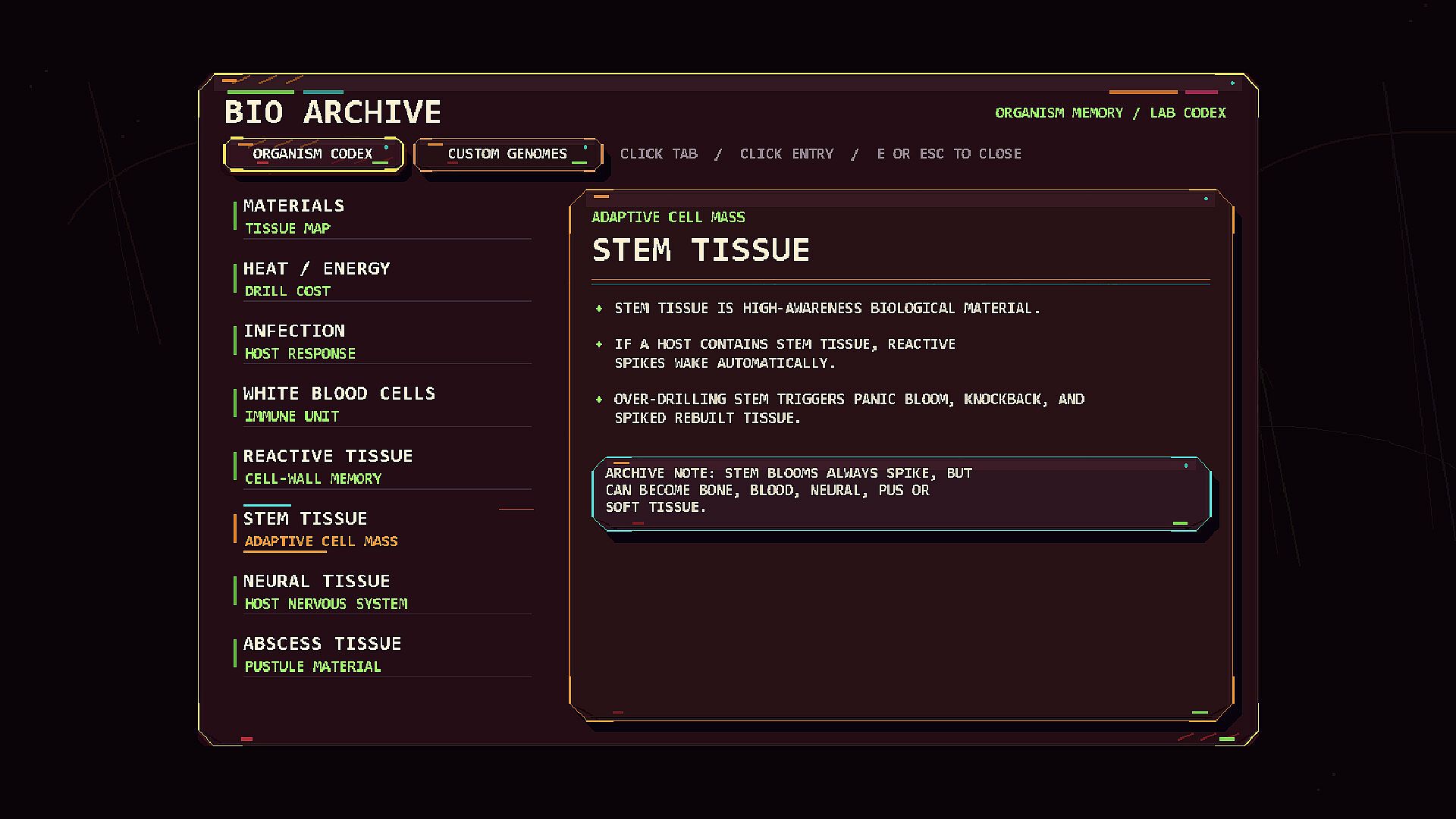
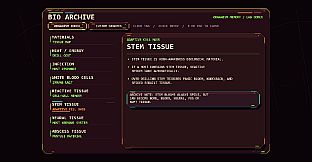
Jedes Gewebe bringt eigene Herausforderungen und Eigenschaften mit sich. Knochen bietet erhöhten Widerstand gegen Durchdringung. Stammzellen können sich während der Begegnungen in andere Zelltypen umwandeln. Eiterentladungen erzeugen Umweltgefahren, die die Navigation beeinflussen. Immunzellen und stachelige Strukturen treten auf, sobald der Wirt seine Abwehr verstärkt, und zwingen die Spieler, Position und Timing anzupassen. Der Vorgang wiederholt sich in unterschiedlichen Wirten, wobei jede neue Körperzusammensetzung die Strategie beeinflusst.
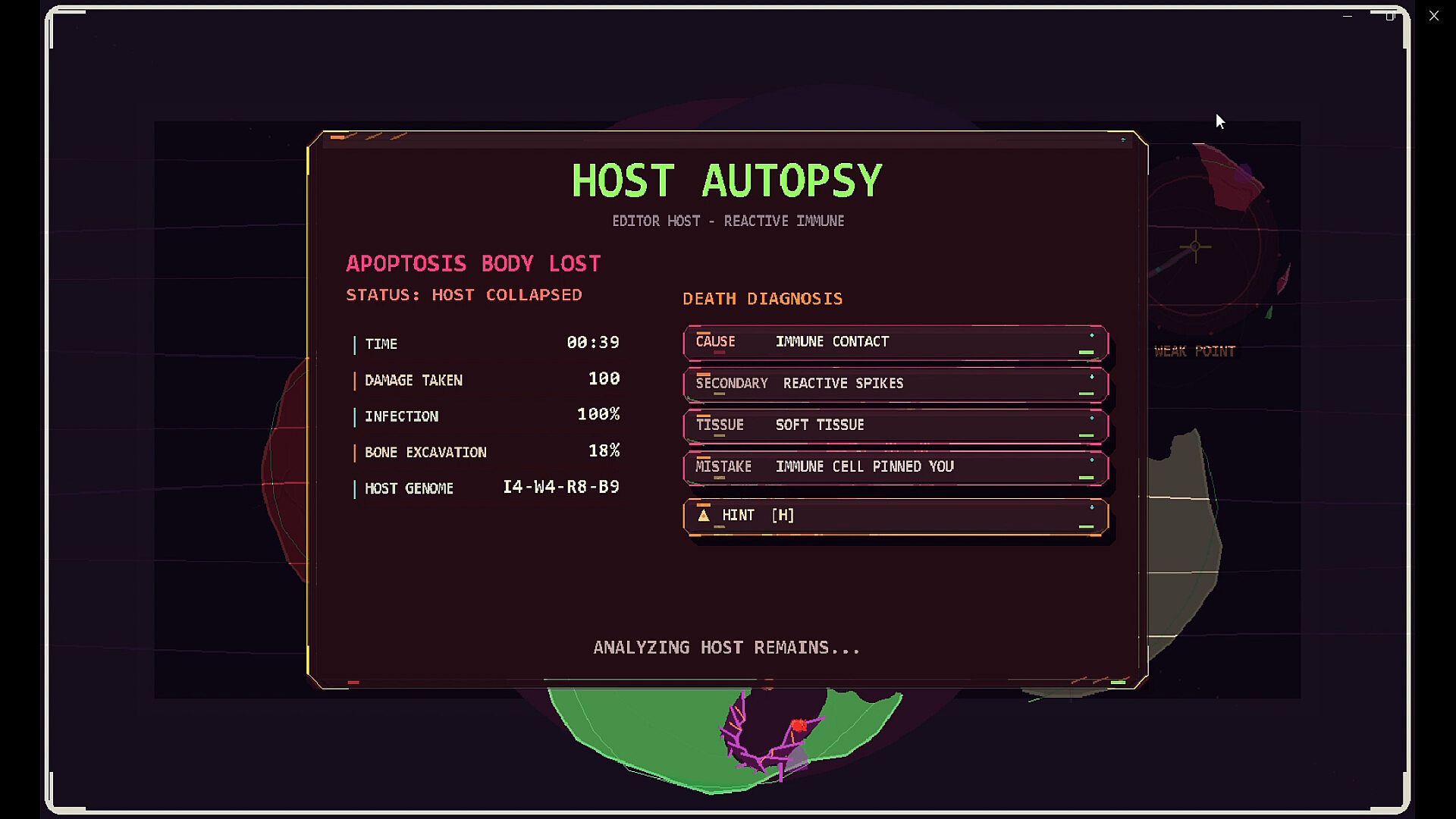
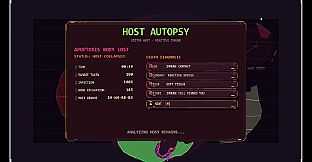
Host Autopsy liefert nach jedem Durchlauf eine Analyse. Spieler prüfen die Ergebnisse, um wirksame Anpassungen zu erkennen und Builds für künftige Versuche zu optimieren. Dieses Feedback ermöglicht schrittweise Verbesserungen ohne externe Fortschrittssysteme.
Game Modes
Der Fortschritt gliedert sich in aufeinanderfolgende Tether-Durchtrennungsphasen mit den Bezeichnungen I und II. Phase I konzentriert sich auf den ersten Tether-Zugang und das grundlegende Überleben gegen Immunreaktionen. Phase II führt verstärkte Wirtsabwehren ein, darunter zusätzliche Zelltypen und strukturelle Veränderungen, die präzisere Vorgehensweisen erfordern.
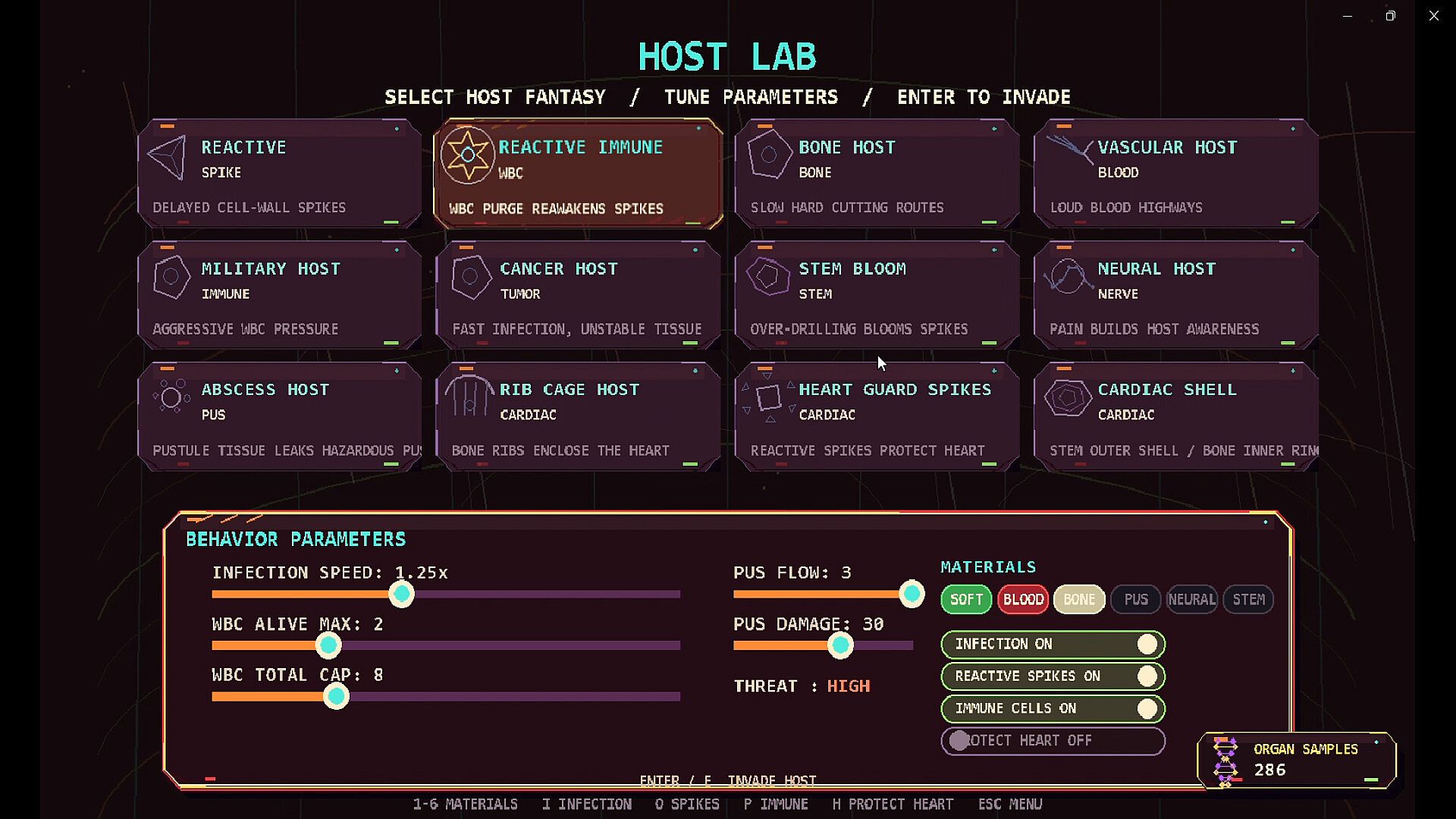
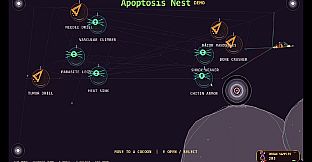
Die Kokon-Auswahl bildet den Startpunkt für jeden Durchlauf. Spieler öffnen Kokons, um Builds auszuwählen, die zu den erwarteten Gewebeherausforderungen passen. Dieses System fördert das Ausprobieren verschiedener Wirts-Einstiege statt eines linearen Fortschritts.
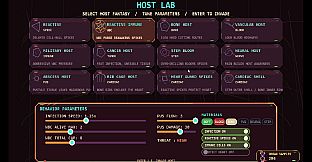
Mit Tissue Culture können Spieler eigene Kombinationen aus entdeckten Wirten erstellen. Diese Kulturen fließen in die Autopsy-Auswertungen ein und unterstützen gezielte Verbesserungen für wiederholte Versuche an unterschiedlichen Körpern.
Hosts and Tissue Interactions
Jeder Wirt stellt eine eigenständige Umgebung mit einzigartiger Gewebeanordnung dar. Die Entdeckung neuer Wirte erweitert die verfügbaren Gewebeoptionen für die Kulturerstellung. Spieler lernen funktionale Unterschiede durch direkte Begegnungen kennen, etwa Unterschiede in der Härte oder reaktive Verhaltensweisen.
Die Anpassung erfolgt nach dem Verzehr des Kerns. Erfolgreiche Strategien früherer Wirte werden in veränderter Form übernommen, sodass Builds sich anhand beobachteter Muster weiterentwickeln. Dieses System belohnt die Beobachtung von Immunreaktionen und Gewebefunktionen ohne externe Variablen.
Is It Worth Playing?
Cell-Grinder: APOPTOSIS richtet sich an Spieler, die methodische Singleplayer-Strategie mit Action-Elementen in kompakten Sitzungen schätzen. Die Parasiten-Perspektive und gewebespezifische Mechaniken bieten einen eigenständigen Ansatz zur Wirtsnavigation, der sich von typischen Adventure- oder Survival-Titeln unterscheidet.
Das Spiel befindet sich noch im Coming-Soon-Status, daher liegen derzeit keine Nutzerbewertungen vor. Die Systemanforderungen decken eine breite Hardwarepalette ab, von einfachen Dual-Core-Systemen bis hin zu leistungsstärkeren Konfigurationen. Family Sharing und der Singleplayer-Fokus machen es für das individuelle Spiel zugänglich.
Fans von Indie-Strategie-Erfahrungen, die auf Anpassung und Umgebungsinteraktion setzen, könnten das Konzept nach der Veröffentlichung interessant finden. Wer sofortige Multiplayer-Optionen oder umfangreiche Inhaltsbibliotheken sucht, sollte die Updates im Hinblick auf Umfang und Tiefe verfolgen.